You must know how to use a pulley block for safe lifting. Always check the SWL capacity of your pulley and confirm all lifting accessories have the correct certifications. Powerful Machinery provides certified Pulley & Blocks trusted in demanding industries.
Follow step-by-step instructions and safety checks to protect yourself and your load.
Check SWL capacity for every lifting task.
Verify certifications on all pulley blocks and accessories.
Key Takeaways
Always check the Safe Working Load (SWL) capacity of your pulley block before lifting. This ensures safety and prevents equipment failure.
Inspect all components of the pulley block, including hooks and sheaves, for damage before each use. Regular checks enhance reliability and safety.
Select the right pulley block based on your lifting task, considering factors like load capacity, environment, and compliance with safety standards.
Use proper lifting techniques, such as lifting vertically and keeping the area clear, to maintain safety during operations.
Perform regular maintenance on your pulley block, including lubrication and inspection, to extend its lifespan and ensure safe operation.
What Is a Pulley Block?
Basic Components and Function
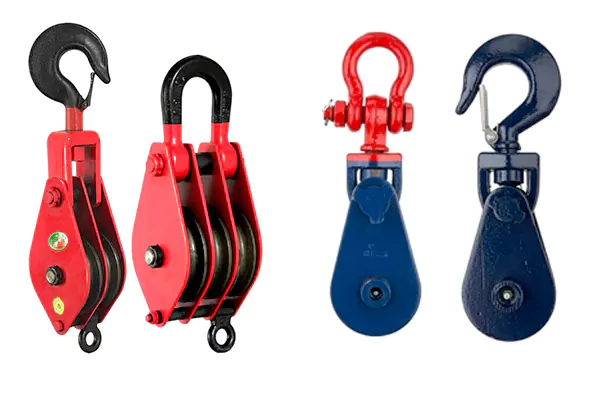
You use a pulley block to lift or move heavy loads with less effort. This device combines one or more pulleys inside a strong frame. The design allows you to thread a rope, cable, or chain through the pulleys.
When you pull on the rope, the pulleys rotate and guide the movement, making lifting smoother and more controlled.
Tip: Always check each part of your pulley block before starting any lifting task. Proper inspection ensures safety and reliable operation.
Here is a quick overview of the main components and their functions:
Component | Function |
|---|---|
Frame or housing | Holds the pulleys securely and provides structure |
Pulleys (sheaves) | Guide the rope or cable and reduce friction |
Axles or bearings | Allow the pulleys to rotate smoothly |
Attachment points | Connect the block to loads or lifting equipment |
Safety features | Offer quick-release mechanisms and overload protection |
The pulley block stands out from other lifting devices because it focuses on mechanical advantage. This feature lets you handle heavier loads with less physical force.
Mechanical Advantage in Lifting
You gain a mechanical advantage when you use a pulley block. The system works by spreading the weight of the load across several sections of rope. For example, if your setup has four rope sections supporting the load, you only need to use one-fourth of the force to lift it.
This means you can move much heavier objects without straining yourself.
A pulley block uses this principle to make lifting tasks safer and more efficient. You can lift, lower, or position heavy items with greater control. This advantage is why professionals in construction, marine, and industrial settings rely on pulley blocks for demanding jobs.
How to Use a Pulley Block Safely?
Equipment Inspection and Selection
You must start every lifting operation with a thorough inspection of your pulley block. This step protects you, your team, and your equipment. Follow these steps before you begin:
Examine the sheaves for any signs of wear or damage.
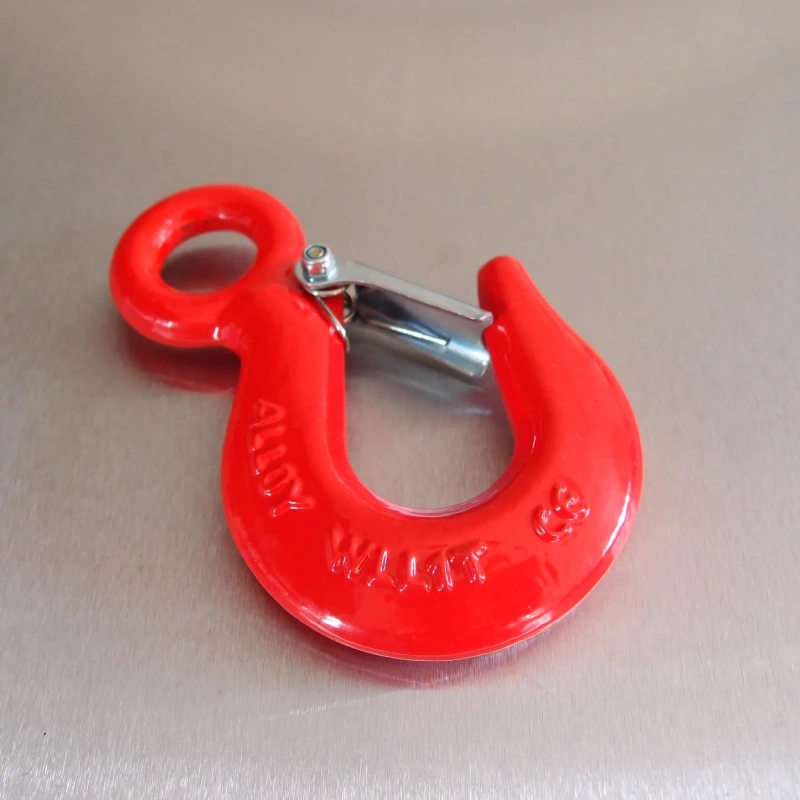
Inspect the hook and latch. Make sure they are straight and not broken.
Check that all weight markings are visible and accurate.
Tighten and inspect all bolts, pins, and bearings.
Confirm the dead-end connection is secure to prevent load slipping.
Selecting the right pulley block is just as important as inspection. You need to match the block to your lifting task. Consider the following criteria:
Criteria | Description |
|---|---|
Working Group | Choose blocks that meet FEM, DIN, or ISO standards for safety and durability. |
Dimensioning and Load Capacity | Match the block to your load spectrum, lifting capacity, and operating temperature. |
Application Environment | Select blocks designed for your environment, such as onshore, offshore, or marine. |
Handling Type | Decide between manual or motorized handling. |
Compliance Standards | Ensure the block meets all relevant industry standards. |
Quality Documentation | Use blocks with proper quality documentation and certifications. |
Safety Requirements | Look for safety latches, pulley guard systems, and anti-rotation features. |
You should always use certified products from trusted manufacturers like Powerful Machinery. Certified blocks meet international safety standards and provide reliable performance in every lifting scenario.
Pulley Block Setup Steps
You need to follow a precise process when setting up your pulley block system. This ensures safe and efficient lifting. Here is a step-by-step guide on how to use a pulley block:
Inspect the pulley block for visible damage and check that the sheave rotates smoothly.
Select a location that can support the load and provides enough clearance for movement.
Prepare your rope or cable. Make sure it is the correct type and free from damage.
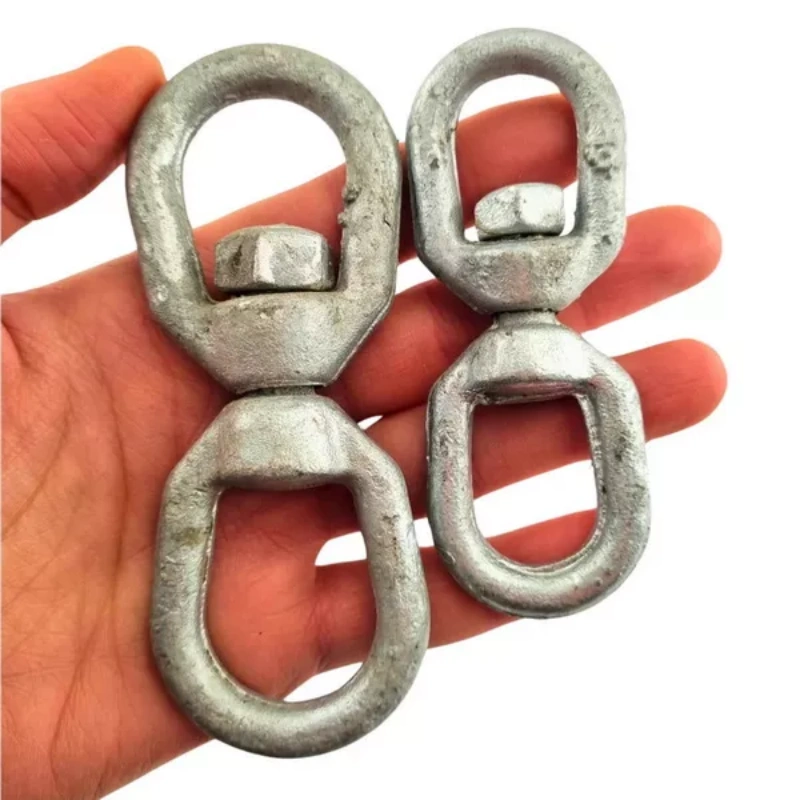
Mount the pulley block securely using a hook or shackle. Attach it to a stable anchor point.
Thread the rope or cable into the sheave groove. Ensure it sits properly and does not twist.
Adjust the tension on the rope or cable. Check that everything aligns correctly.
Test the pulley block by moving the rope or cable through the system. Confirm smooth operation.
Perform a final safety check. Inspect all connections and safety features before lifting.
When using a snatch block, open the side plate, insert the rope, and close the plate securely. This design allows you to add the block to a loaded line without unthreading the entire system. Always double-check the locking mechanism before you start lifting.
Safe Lifting Techniques
You must use proper lifting techniques to keep your operation safe and efficient. Here are the best practices for how to use a pulley block and use a snatch block:
Best Practices for Safe Lifting Techniques |
|---|
Pre-Use Inspection: Check nameplate, SWL, and identification tag. Inspect hooks for cracks. Inspect chain links for corrosion. Check gear mechanism. Verify suspension point. Ensure the area below is clear. |
Safe Operating Practices: Keep your body aligned with the load. Lift vertically. Never exceed the SWL. Use safety latch hooks. Never leave a suspended load unattended. Wear proper PPE. |
Maintenance & Storage: Lubricate chain and gears. Keep inspection records. Store blocks in a dry place. Replace damaged parts. |
Grip the free end of the rope firmly.
Pull steadily and smoothly to raise the load.
Monitor the load for stability during lifting.
Release the rope slowly when lowering the load.
You must always follow manufacturer guidelines and international standards. Inspect the block before each use, especially after maintenance or if it is new. Confirm the rated lifting weight and check all components for damage.
Select the correct wire rope and avoid using hook-type blocks at high altitudes unless properly secured. Lubricate the block and shaft regularly to reduce wear.
When you use a snatch block or any other pulley system, never exceed the safe working load. Always keep the area below the load clear. Store your equipment properly after each use to extend its service life.
Tip: Certified Pulley & Blocks from Powerful Machinery meet or exceed ISO, TUV, and other international standards. This ensures your lifting operations remain safe and compliant.
Powerful Machinery Pulley & Blocks Features
Product Types and Materials
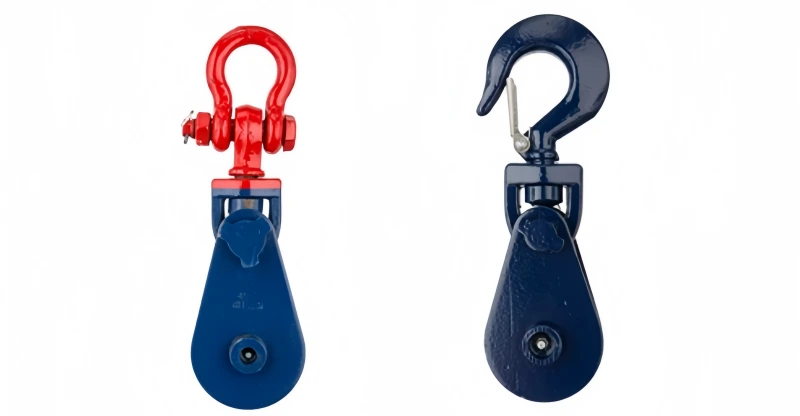
You can choose from a wide range of pulley blocks designed for lifting in construction, marine, and industrial settings. Powerful Machinery offers single and double sheave blocks, snatch blocks, and marine cargo blocks. Each type helps you make lifting easier by reducing friction and increasing control.
The materials used in these pulley blocks impact performance and durability. Steel provides high load capacity and long-term reliability. Aluminum offers lightweight handling and efficient lifting. The table below shows how each material affects your lifting operation:
Material | Impact on Performance |
|---|---|
Steel | High load capacity, durability |
Aluminum | Lightweight, efficient performance |
You should select the material that matches your lifting environment and load requirements.
Safety Innovations and Certifications
Powerful Machinery integrates advanced safety features into every pulley block. You benefit from enhanced performance and durability, which help you complete lifting tasks safely. The blocks include reliable braking systems that hold loads securely. Ergonomic designs improve user safety and operational efficiency.
You also get improved safety features that meet high safety standards. Powerful Machinery pulley blocks hold ISO9001 certification, which means they meet strict quality management standards. CE certification confirms compliance with European safety regulations.
These certifications give you confidence in every lifting operation.
Enhanced performance and durability
Improved safety features for high standards
Reliable braking system for secure lifting
Ergonomic design for user safety
ISO9001 and CE certifications
Tip: Always check for certification marks before you start any lifting job.
Choosing the Right Block for Your Application
You need to consider several factors when selecting the right pulley block for your lifting needs. Pulley size affects speed, torque, and the life of your rope or belt. Groove type must match your cable or belt for proper grip and safety. Material determines strength and suitability for your environment.
The table below helps you compare key factors:
Factor | Description |
|---|---|
Pulley Size | Affects speed, torque, and belt or rope life; must align with application demands. |
Groove Type | Must match the belt or cable for grip and safety; different types for different applications. |
Material | Determines strength and suitability for the environment; various materials have specific advantages. |
You should also ask yourself these questions:
What size working load do you need to lift?
What pulley construction fits your job?
What diameter pulley is right for your lifting task?
How many cycles will the pulley block perform?
If you want to know how to use a snatch block for complex lifting, always follow manufacturer guidelines and select the right block for your application. This approach ensures safe, efficient lifting every time.
Common Mistakes and How to Avoid Them
When you use pulley blocks for lifting, you must avoid common mistakes that can compromise safety and efficiency. Understanding these errors helps you protect your team and equipment during every lifting operation.
Overloading and Improper Use
Overloading remains one of the most frequent mistakes in lifting. You might think your pulley block can handle a heavier load, but exceeding the safe working limit can cause equipment failure and workplace accidents. Dropped loads may injure workers or damage property.
Overloading also shortens the lifespan of your lifting gear and can result in legal penalties.
Mistake | Consequence |
|---|---|
Overloading | Equipment failure, workplace accidents, reduced lifespan, and legal penalties |
Applying Excessive Force | Chain detachment, load damage |
Twisting the Chain | Jamming, potential load drops |
You must always check the rated capacity before lifting. Never apply excessive force or modify your hoist, as these actions void warranties and create safety risks.
Tip: Always lift vertically and avoid angular lifting to prevent internal damage to your pulley block.
Neglecting Maintenance
Neglecting regular maintenance can lead to quick wear and preventable safety issues. If you ignore lubrication, loose bolts, or signs of wear, your lifting equipment may break unexpectedly. Sudden breakdowns can halt operations and lead to costly repairs.
Follow these steps to maintain your lifting system:
Inspect for wear and tear, such as frayed edges or cracks.
Maintain proper belt tension to prevent slippage.
Check alignment to reduce uneven wear.
Clean and lubricate moving parts.
Replace worn components promptly.
Regular maintenance ensures your lifting equipment stays reliable and safe.
Incorrect Attachment Methods
Improper attachment methods can undermine your lifting operation. You must secure the pulley block to a stable anchor point using the correct rigging technique. Separate anchors provide more room and avoid detensioning issues, while rigging plates organize connections.
Always choose the method that fits your lifting scenario.
Method | Advantages | Disadvantages |
|---|---|---|
Separate Anchors | More room, avoids detensioning | Requires extra gear |
Rigging Plate | Organized rigging, extra connections | Adds weight |
You must avoid shortcuts when attaching your pulley block. Secure every connection before lifting and double-check for stability.
Proper attachment keeps your lifting operation safe and efficient. Never rush this step.
Practical Tips for Different Lifting Scenarios
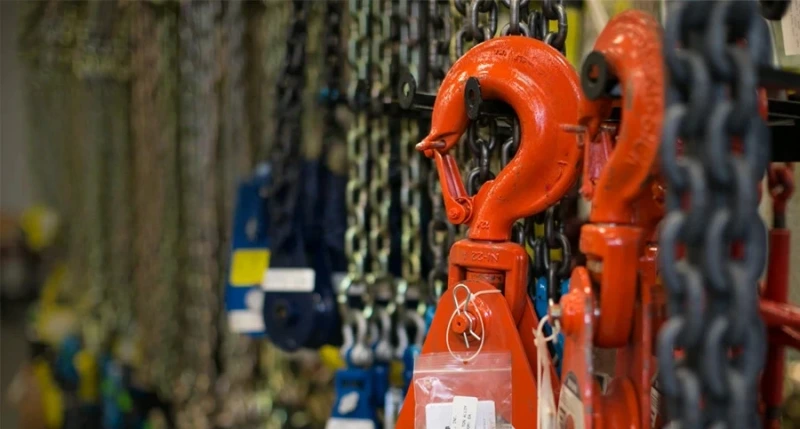
Heavy Load Lifting
When you face heavy lifting, you must plan every step. Start by knowing the exact weight of your load. Always select a pulley block with a rated capacity that exceeds your load. Inspect your equipment for cracks, worn grooves, or any sign of damage. Secure the anchor point before you begin lifting.
Use slow, steady movements to avoid jerking the load. Keep all personnel clear of the area during lifting. For vehicle recovery or off-road recovery, double-check that your lifting gear matches the demands of the environment. Never exceed the safe working limit of your equipment.
Tip: Lubricate moving parts before each use to reduce friction and extend the life of your pulley block.
Using Multiple Blocks
You can increase your lifting capacity by using multiple blocks, but you must follow strict safety precautions. Always inspect each hoist and pulley before use. Do not use two hoists for a single load, as this can cause uneven weight distribution. Distribute the load evenly across all lifting points.
Operate within the rated load of each pulley to prevent accidents. If you notice shaking or abnormal sounds, stop lifting and check for issues.
Safety Precaution | Description |
|---|---|
Comprehensive Inspection | Check for cracks or wear in the pulley wheel and rope groove. |
Load Management | Ensure the load is evenly distributed. |
Avoid Overloading | Stay within the rated load. |
Regular Lubrication | Add lubricant to reduce friction. |
Observe Abnormalities | Stop if you notice shaking or noise. |
Always lift loads slowly and steadily. Keep everyone clear of the load during lifting and vehicle recovery operations.
Marine and Construction Applications
You will find pulley blocks essential in both marine and construction settings. In marine environments, you use them for boat docks, boat lifts, rigging, and commercial fishing. Aluminum pulley blocks work well here because they resist corrosion and remain lightweight for easy handling.
Construction sites rely on robust steel blocks for cranes, hoists, and even vehicle recovery tasks. Both environments require you to inspect for corrosion, especially in saltwater areas. For off-road recovery, choose blocks with high strength-to-weight ratios to handle tough conditions.
Cranes and hoists
Boat rigging and sail management
Tree removal and oil derricks
Portable road signs and street sweepers
Note: Always match your pulley block material and design to the specific demands of your lifting scenario.
Conclusion
You can ensure safe lifting with pulley blocks by following these steps:
Inspect all hardware for wear and corrosion.
Test the system with the intended load.
Lubricate moving parts.
Train your team on proper operation.
Powerful Machinery’s certified Pulley & Blocks deliver reliability and meet international standards. For complex lifts, consult experts with practical knowledge. Regular equipment checks prevent accidents and downtime. For more details and product support, visit Powerful Machinery’s official website.
FAQ
How do you choose the right pulley block for your lifting job?
You should check the load weight, rope diameter, and environment. Select a block with a higher rated capacity than your load. Review certifications and safety features. Powerful Machinery offers a range of certified options for different applications.
Can you use a pulley block outdoors or in marine environments?
Yes, you can use pulley blocks outdoors or in marine settings. Choose blocks made from corrosion-resistant materials like steel or aluminum. Powerful Machinery provides marine-grade blocks designed for harsh conditions.
What maintenance does a pulley block require?
You need to inspect for wear, lubricate moving parts, and check all connections before each use. Replace damaged components immediately. Store your pulley block in a dry place to prevent rust.
How do you safely attach a pulley block to an anchor point?
Always use a certified hook, shackle, or eye. Secure the block to a stable anchor point. Double-check all connections before lifting. Never use makeshift attachments.