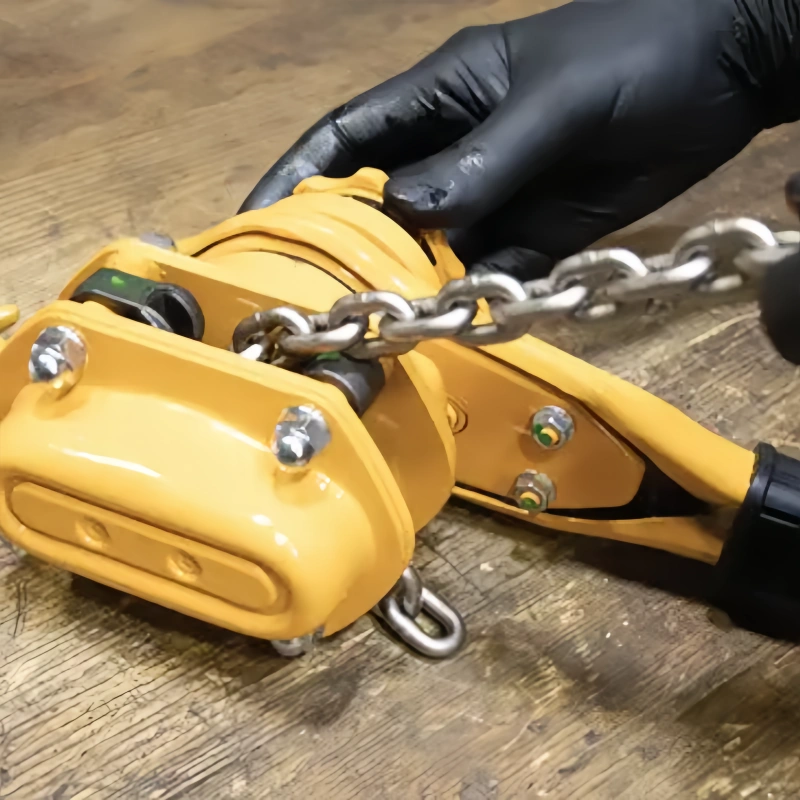
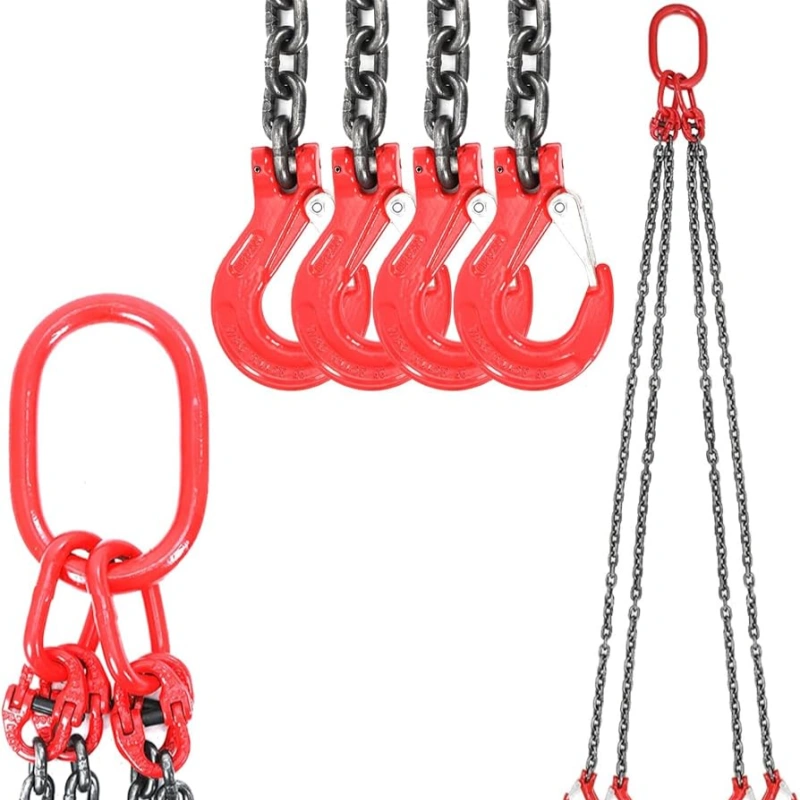
Inspecting load chains plays a critical role in ensuring workplace safety and maintaining equipment performance. When you regularly check your chains, you help prevent unexpected failures and avoid costly repairs. Powerful Machinery’s chains deliver proven reliability in demanding environments, supporting your commitment to best practices.
Routine inspections let you spot small issues early, reducing downtime and extending your equipment’s lifespan. By inspecting load chains, you protect your investment and keep operations running smoothly.
Key Takeaways
Regularly inspect load chains to prevent accidents and ensure workplace safety. Early detection of issues reduces risks and protects your team.
Follow strict inspection routines to comply with safety regulations. Meeting international standards helps avoid legal penalties and maintains operational integrity.
Use a chain gauge to measure wear and elongation. This tool helps determine when to replace chains, preventing unexpected failures during use.
Keep detailed records of inspections and maintenance activities. Proper documentation supports compliance and helps track recurring issues.
Implement a consistent cleaning and lubrication routine. This practice extends the lifespan of load chains and minimizes wear, ensuring reliable performance.
Why Inspecting Load Chains Matters?
Safety and Compliance
You face serious safety risks when you neglect load chain inspections. In heavy machinery operations, the most common hazards include equipment failure, dropped loads, and injuries caused by improper rigging. Lack of regular inspections increases the chance of these incidents.
Regular inspections help you minimize safety risks and protect your team from harm.
Many industries require you to follow strict safety regulations. International standards demand routine inspection of load chains to ensure structural integrity and compliance. You must meet these requirements to avoid penalties and legal consequences.
Powerful Machinery’s chains are designed to meet NACM2010, DIN, UK, and Australian standards. This commitment ensures you stay compliant and maintain a safe workplace.
Here are some key legal implications for failing to inspect and maintain load chains:
Evidence Description | Implication |
|---|---|
Neglecting Regular Inspections | Equipment failure and potential legal liabilities |
Ignoring Load Limits | Catastrophic accidents and legal action |
Neglecting Documentation | Compliance issues and increased legal exposure |
Regular inspections by professionals | Helps meet legal requirements and avoid fines |
You can reduce safety risks and legal exposure by following proper inspection routines and keeping thorough records.
Longevity and Performance
Routine inspection and maintenance extend the operational lifespan of your lifting equipment. You prevent accidents and identify potential issues before they cause damage. Pre-operational safety inspections promote workplace safety and help you avoid costly repairs.
Regular maintenance prolongs the life of your lift truck and critical components.
Inspections ensure safe and efficient operation.
You identify problems early, preventing unexpected failures.
Performance improvements from regular maintenance programs include:
Performance Improvement | Description |
|---|---|
Extended Lifespan | Cleaning and maintenance prolong chain life |
Enhanced Reliability | Consistent inspections prevent failures |
Prevention of Unexpected Failures | Proactive maintenance identifies issues before breakdowns |
Powerful Machinery’s ongoing commitment to international standards and reliability means you benefit from chains that deliver consistent performance and safety. You protect your investment and ensure your equipment operates at peak efficiency.
Types of Load Chains
Chain Grades and Materials
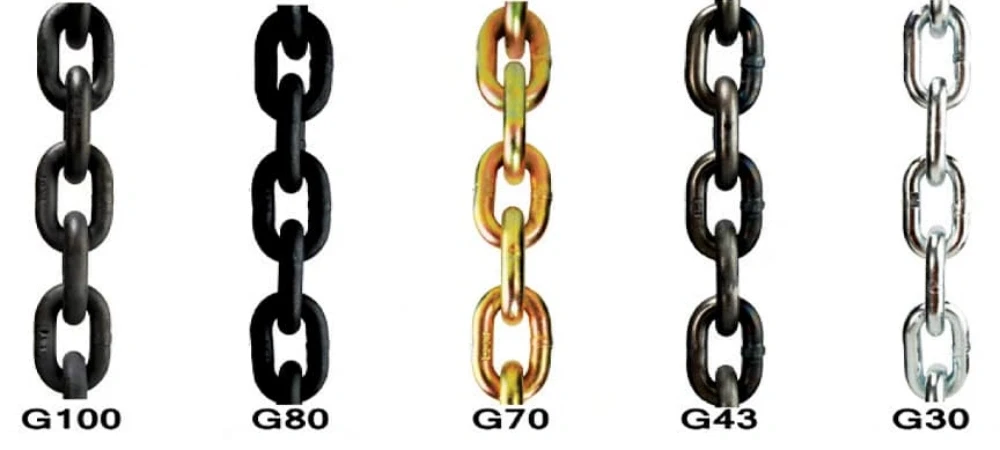
You have access to a wide range of load chains from Powerful Machinery, each designed for specific tasks and environments. Understanding the differences between chain grades and materials helps you select the right chain and inspect it properly.
Here is a quick comparison of the most common chain types:
Chain Grade | Material | Strength | Corrosion Resistance | Cost | Application |
|---|---|---|---|---|---|
G43 | Medium carbon steel | Low/Medium | Low (Coating Required) | Low | General Purpose, Binding |
G70 | High-Test | Medium | Low (Coating Required) | Medium | Heavy Pulling, Safety Chains |
G80 | Alloy Steel | Very High | Low (Coating Required) | High | Overhead Lifting |
G100 | High-Strength Alloy | Very High | Low (Coating Required) | Very High | Overhead Lifting, Higher Performance |
Stainless Steel | Type 304/316 Alloys | Low/Medium | Excellent | Very High | Maritime, Chemical, Food |
You use G43 chains for general binding and securing loads. G70 chains handle heavy pulling and safety applications. G80 and G100 chains are the industry standard for overhead lifting, offering very high strength and reliability.
Stainless steel chains resist corrosion and work best in harsh environments like marine or food processing.
Inspection needs change with each chain type. You must check G43 and G70 chains for surface wear and coating damage, since these grades have lower corrosion resistance. G80 and G100 chains require close inspection for cracks, elongation, and deformation, as they handle critical lifting tasks.
Stainless steel chains need regular checks for pitting or stress corrosion, especially in chemical or saltwater settings.
Applications and Standards
You find Powerful Machinery’s chains in construction, transportation, marine, and industrial settings. Each application demands strict adherence to international standards.
Chains must meet requirements set by NACM2010, DIN, UK, and Australian standards. These standards define working load limits, material quality, and inspection routines.
For example, the Australian Standard specifies welded construction and surface finishes for long link chains. It also sets working load limits and requires proof testing before chains leave the factory.
You must use chains only for their intended applications—never for lifting if the standard prohibits it. Attachments like hooks or rings must match the chain’s grade and size.
NACM2010 guidance emphasizes choosing the correct chain length and compatible end fittings. You should always work with certified manufacturers to ensure your chains meet all specifications. Following these standards keeps your operations safe and compliant.
How to Inspect Load Chains?
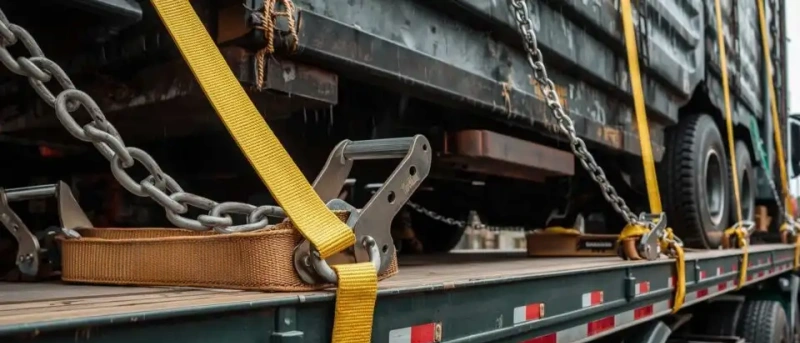
Visual and Physical Checks
Inspecting load chains starts with a thorough visual inspection. You should always work in a well-lit area and use a flashlight to see every part of the chain. Begin by removing any dirt or grease, as a clean chain makes it easier to spot problems.
Use visual inspection techniques to look for cracks, rust, or bent links. You should also run your hand along the chain to feel for rough spots or deformations.
Follow this step-by-step checklist for inspecting load chains:
Apply a small load (about 50 lb or 23 kg) to the chain while it is in the hoist.
Test the hoist in both lifting and lowering directions. Watch how the chain and sprockets move.
Check that the chain feeds smoothly into and out of the sprockets.
Use visual inspection techniques to look for gouges, nicks, weld spatter, corrosion, and distorted links.
Measure a 12-inch section of the chain to check for elongation.
Look for twists or side bows in the chain.
Remove the chain from the hoist and clean it thoroughly.
Inspect for pins that have turned, rollers that do not move freely, and stiff joints.
Focus on identifying rust, pitting, or discoloration.
Conduct a daily visual inspection of the hoist, making sure all safety labels are clear and the hoist works properly.
You should always follow Powerful Machinery’s inspection guidelines. These steps help you catch early signs of wear and prevent damaged chains from causing accidents.
Tip: Hang or stretch the chain during inspection. This removes twists and helps you spot bent or stretched links more easily.
Common Damage Signs
When inspecting load chains, you must know what damage looks like. Damaged chains can fail without warning, so you need to spot problems early. Here are the most common signs of wear and damage:
Stretched or bent links
Visible cracks or nicks
Twisted or deformed sections
Rust or corrosion
Knots in the sling
Evidence of heat or chemical damage
Chain links or attachments that do not hinge freely
Hook throat opening increased by more than 15% or twisted out of plane by more than 10 degrees
You should pay close attention to these issues during every inspection. Identifying rust early can prevent further corrosion. Checking for wear at link connections helps you avoid sudden failures. If you find any of these problems, remove the chain from service right away.
Use this table to match common defects with the best detection methods and actions:
Defect Type | Detection Tools/Techniques | Key Indicators | Recommended Actions |
|---|---|---|---|
Cracks and Breaks | Visual inspection | Cracks, nicks, gouges, breaks | Remove the chain immediately; do not repair cracked links |
Wear | Calipers, gauges | Damage at link connections, reduced diameter | Measure diameter; remove if below minimum size |
Corrosion (Rust) | Visual inspection, cleaning | Rust, rough patches, pitting | Clean and oil; remove if pitting is visible |
Elongation | Visual inspection, measuring | Stretched links, poor fit | Remove if elongation exceeds 20% |
Bent Links | Visual inspection | Deformation, improper link shape | Remove if deformation or excessive opening is found |
You should always use the right tools and techniques for checking for wear and identifying rust. This keeps your equipment safe and extends its service life.
Using a Chain Gauge
A chain gauge is a simple but powerful tool for inspecting load chains. You use it to measure wear and elongation, which are key signs of wear. Over time, chains stretch as the pins and bushings wear down. If you do not catch this early, the chain can fail during use.
To measure chain elongation, take measurements from the tight side of the chain, ideally before the drive sprocket. Count multiple pitches to get an average measurement, and make sure the chain is tight during measurement to avoid inaccuracies.
Here is how you use a chain gauge for checking for wear:
Turn off and lock out the machine.
Measure the pitch from center pin to center pin on the tight side of the chain.
Use a tape measure or chain gauge to take several measurements for accuracy.
If the chain has adjustable centers, replace it when it elongates by 3%. For fixed centers, replace it at 1.5% elongation.
A chain wear gauge helps you decide when to replace a chain. This prevents downtime and keeps your operations safe. You should always check the identification tags to confirm the chain’s specifications and load limits before use.
Note: Regular training and following Powerful Machinery’s guidelines will help you avoid common mistakes during inspections. Make sure you understand your equipment’s specifications and keep up with routine maintenance.
You can find additional training resources, such as hands-on workshops and safety guides, to improve your skills in inspecting load chains. These resources help both professionals and laypersons stay up to date with the latest inspection standards.
Inspect Binder Chains for Safety
Inspection Steps for Binder Chains
You must inspect binder chains regularly to maintain safety and prevent equipment failure. Start by laying the chain out straight on a flat surface in a well-lit area. This allows you to examine each link closely. Use these steps every time you inspect binder chains:
Visually inspect the entire length of the chain for visible defects. Look for cracks, gouges, or bent links.
Measure the chain links against the manufacturer’s specifications. If you notice any link has stretched more than 3% of its original length, remove the chain from service.
Check for rust, pitting, or color changes. These signs may indicate deeper corrosion that can weaken the chain.
Inspect hooks and connectors for damage or deformation. Pay attention to mechanical locks and tamper-proof features.
Confirm that all visual indicators for load status are clear and functioning.
Tip: Always inspect binder chains before and after each use. Early detection of damage helps you avoid sudden failures and supports a safer work environment.
Powerful Machinery’s binder chains stand out for their advanced safety features. You benefit from high-strength steel construction, corrosion-resistant coatings, and mechanical locks that prevent accidental release.
Visual indicators and tamper-proof designs add another layer of protection, making these chains a reliable choice for demanding applications.
Feature | Powerful Machinery | Competitors |
|---|---|---|
Safety Standards Compliance | Meets/exceeds international standards | Varies by brand |
Material | High-strength steel | Varies |
Coating | Corrosion-resistant | Not always available |
Durability | Designed for repeated use | Limited lifespan |
Replacement Criteria
You should always follow strict criteria to determine when to replace binder chains. Immediate chain replacement is necessary if you find any of the following issues:
Any link shows signs of bending, cracking, nicks, or gouges.
You detect twisting, stretching, or elongation in individual links.
Hooks or attachments display damage, throat opening expansion, or cracks.
The chain has stretched beyond 3% of its original length.
Significant wear or deformation appears on any component.
Immediate chain replacement ensures you maintain safety and compliance with industry standards. Never attempt to repair damaged binder chains. Remove them from service right away to protect your team and equipment.
By following these inspection and replacement guidelines, you keep your operations safe and efficient. Powerful Machinery’s binder chains provide the durability and safety features you need for peace of mind in every application.
Maintenance Tips for Load Chains
Cleaning and Lubrication
You can extend the life of your load chains by following a consistent cleaning and lubrication routine. Start by inspecting the chains regularly to spot any signs of wear or damage.
Use lint-free rags to clean the chain and avoid harsh solvents, especially near the brake housing. Mild degreasers work well for removing stubborn grime, but keep them away from sensitive components.
For proper lubrication, always choose an OEM-specified chain lubricant or a high-adhesion penetrating oil. In dusty environments, switch to a dry-film or low-tack lubricant to prevent abrasive buildup. Lubricate the chains daily or after each cleaning if you use them in heavy-duty or corrosive settings.
You can apply lubricant manually with a brush, semi-automatically with a drip cup, or automatically with a splash or oil disc system. This routine reduces wear between links and helps preserve chain integrity.
Regular maintenance can extend the lifespan of your chain hoists by up to 30%. Cleaning and proper lubrication minimize wear and prevent undetected damage that could lead to failure.
Storage and Recordkeeping
Store your load chains in a clean, dry area away from chemicals and moisture. Hang chains on racks or lay them flat to prevent kinks and tangles. Never leave chains exposed to the elements, as this increases the risk of rust and corrosion.
Keep detailed records of every inspection and maintenance activity. Record the date, inspector’s name, any defects found, and corrective actions taken. Use a dedicated logbook or digital system to organize these records.
This practice helps you track recurring issues, simplifies audits, and ensures compliance with safety regulations. If you find defects during inspection, tag out the equipment and log the action before repairs begin.
Consistent recordkeeping and proper storage support safety, reliability, and the long-term performance of Powerful Machinery Chains.
Conclusion
You protect your team and equipment when you inspect and maintain load chains regularly. Structured programs help you avoid fines, reduce risks, and keep operations efficient.
Benefit | Description |
|---|---|
Legal Compliance | Avoid fines and legal action by staying compliant. |
Risk Reduction | Lower the chance of accidents and injuries. |
Operational Efficiency | Prevent downtime and keep operations running smoothly. |
Powerful Machinery’s chains meet international standards for safety and reliability. Grade 80 and Grade 100 chains support overhead lifting and construction, complying with OSHA, ASTM, and ISO requirements. You ensure optimal performance and safety by following these steps.
FAQ
How often should you inspect load chains?
You should inspect load chains before each use and perform a thorough inspection at least once every three months.
Regular checks help you catch early signs of wear and keep your operations safe.
What tools do you need for a proper chain inspection?
You need a flashlight, a chain gauge, a tape measure, and lint-free rags.
Use the gauge for elongation.
Use the flashlight for cracks and rust.
When should you replace a load chain?
Replace a load chain if you find cracks, bent links, excessive rust, or if elongation exceeds 3%.
Condition | Action |
|---|---|
Cracks/Bends | Replace chain |
Rust/Pitting | Replace chain |
Elongation > 3% | Replace chain |
Can you repair a damaged load chain?
You should never repair a damaged load chain.
Always remove it from service and replace it with a certified chain from Powerful Machinery for maximum safety.