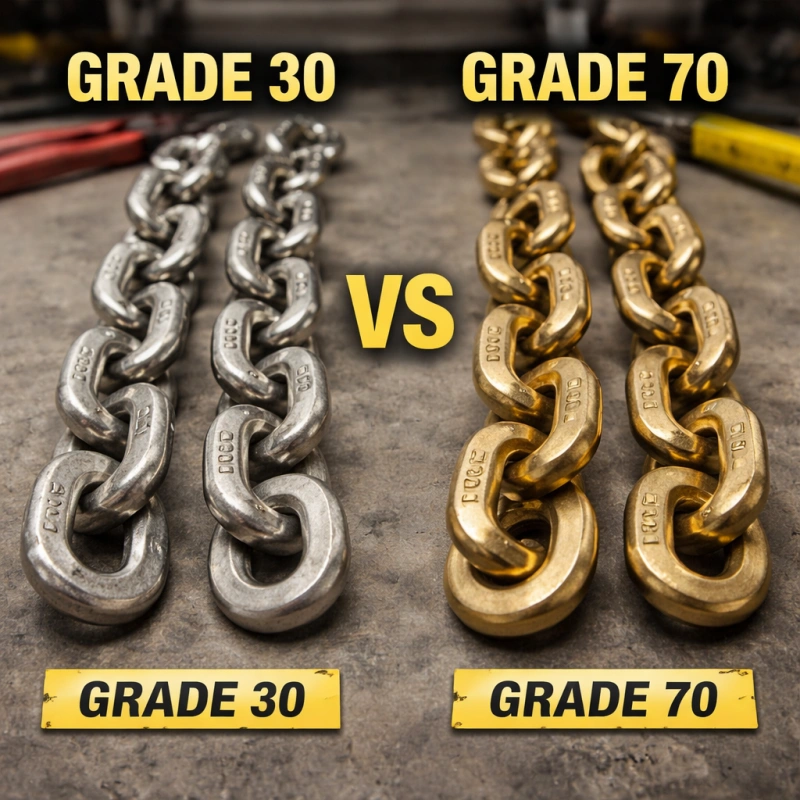
You must understand lifting equipment certification for overhead cranes and hoists in Australia. This process goes beyond a single inspection. Certification requires continuous compliance with strict safety standards and up-to-date documentation.
You protect your team and meet legal obligations when you follow these procedures. Powerful Machinery delivers certified lifting solutions trusted by professionals who demand reliability and safety.
Key Takeaways
Lifting equipment certification is an ongoing process, not a one-time event. Regular inspections and compliance with safety standards are essential.
Always verify that your lifting equipment has up-to-date certification and documentation before use to ensure safety and legal compliance.
Maintain thorough records, including inspection reports and test certificates, to demonstrate compliance and support ongoing certification.
Regular inspections help identify potential issues early, reducing the risk of accidents and costly downtime.
Consult professionals if you are unsure about the certification process. Expert guidance can help you navigate complex regulations and ensure safety.
Lifting Equipment Certification Overview
What Certification Means?
You must understand what lifting equipment certification involves before operating overhead cranes and hoists in Australia. Certification is not a single event. You need to maintain compliance with strict requirements set by Work Health and Safety regulations and Australian Standards.
These standards, such as AS 2550.1 and AS 1418, guide the safe use, design, and maintenance of lifting devices. Powerful Machinery delivers certified products that meet these requirements and undergo regular inspections and testing.
Tip: Always check that your equipment has up-to-date certification and documentation before use.
Here is a summary of the key components of overhead crane certification in Australia:
Key Component | Description |
|---|---|
Work Health and Safety (WHS) Regulations | Mandate strict guidelines for the operation, inspection, and maintenance of cranes to ensure safety. |
Australian Standards (AS) | Include AS 2550.1 and AS 1418, which cover safe use, design, and maintenance of cranes. |
Major Inspections | Required every 10 years, including visual, mechanical, electrical, and load testing of cranes. |
Compliance Checks | Ensure cranes meet current safety standards and regulations, including control circuit standards. |
Regulatory Bodies | Safe Work Australia and state-specific authorities enforce compliance with safety regulations. |
Why Certification Is Essential?
You protect your team and your business when you follow lifting equipment certification procedures. Certification ensures your equipment is safe for use and reduces the risk of accidents. Regular inspections help you identify problems before they become serious.
You must comply with legal requirements to avoid fines, injury claims, and prosecution under WHS legislation.
Inspecting and certifying lifting equipment is crucial for worker safety.
Regular inspections prevent accidents and costly downtime.
Compliance with regulations is required by law.
Operating uncertified equipment can lead to serious injuries and legal consequences.
Powerful Machinery supports you by providing certified lifting solutions that meet Australian standards. You benefit from reliable equipment and thorough documentation, making it easier to maintain compliance and protect your workforce.
Certification Requirements and Compliance
Key Australian Standards
You must follow specific Australian standards to achieve lifting equipment certification for overhead cranes, hoists, and related devices. These standards set the foundation for safety, design, and ongoing inspection.
Understanding each standard helps you meet certification requirements and maintain compliance with current standards in Australia.
Standard | Coverage Areas |
|---|---|
AS 1891.4 | Proof load testing and anchor point requirements |
AS 3775 | Inspection requirements and defect identification |
AS 4991 | Lifting devices and proof load testing considerations |
AS 3990 | Design verification for mechanical equipment |
AS 4100 | Structural design and load considerations |
AS 4991 stands out as a key reference for lifting devices. It covers proof load testing and verification, ensuring your equipment is safe and reliable. AS 3775 focuses on inspection and defect identification, while AS 3990 and AS 4100 address design and structural safety.
You must use these standards as your guide to meet the requirements for certification and safe operation.
Powerful Machinery designs and manufactures lifting equipment that meets or exceeds these standards. You can trust their products to deliver safety and performance in demanding environments.
Compliance Documentation
You need to keep thorough documentation to prove compliance with Australian regulations. Proper records show that your equipment meets certification requirements and is safe for use. The following table outlines the main types of documentation you should maintain:
Type of Documentation | Description |
|---|---|
Technical Documentation | Design drawings, risk assessments, assembly instructions, and user manuals. |
Declaration of Conformity (DoC) | Legal statement confirming compliance with relevant directives and standards. |
Manufacturer’s Certificate | Confirms the equipment meets required standards and regulations. |
Report of Thorough Examination | Also called a periodic inspection or field test report, confirming ongoing safety compliance. |
Inspection reports and test certificates play a critical role. These documents confirm that your equipment has passed the required tests and inspections. They also assure regulators and your team that the machinery is safe for continued use. You must keep these records up to date and available for review at any time.
Powerful Machinery supplies all necessary documentation with each certified lifting device. You receive comprehensive records, making it easier to demonstrate compliance during audits or inspections.
Role of the Equipment Logbook
You must maintain an equipment logbook for every crane or lifting device with a rated load capacity of 907 kg or more. The logbook serves as a living record of inspections, repairs, maintenance, and daily operations. This record is essential for ongoing certification and compliance with current standards in Australia.
Requirement | Description |
|---|---|
Logbook Maintenance | Document all inspections, repairs, and maintenance activities for each lifting device. |
Inspection Records | Record every inspection, including checks, tests, and examinations. |
Certification Records | Note any certifications of repairs or modifications to ensure continued compliance. |
Daily Operations | Track the work performed by the equipment each day to monitor operational safety. |
Transfer of Ownership | Transfer the logbook to the new owner if the equipment changes hands, preserving its history. |
You must include specific information in the logbook, such as item details, working load limits, inspection intervals, due dates, faults, and corrective actions. Keeping clear and accurate records helps you track maintenance, verify compliance, and support safe operation.
When you use Powerful Machinery’s lifting equipment, you receive guidance on proper logbook maintenance, ensuring you meet all regulatory requirements.
Note: Proper documentation and logbook maintenance are not just best practices—they are legal requirements for lifting equipment certification in Australia. Consistent record-keeping protects your business and your workforce.
Certification Procedures for Lifting Devices
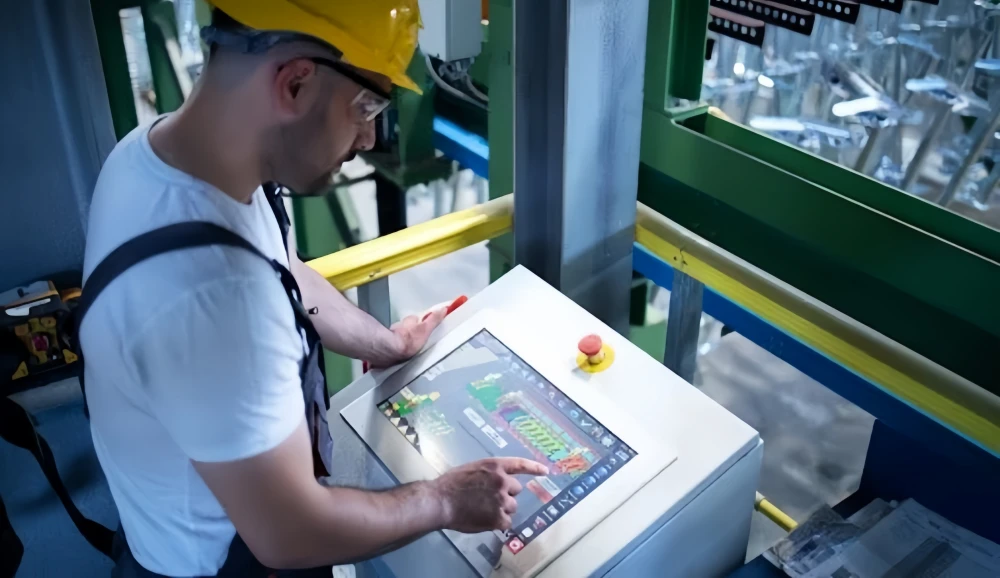
Proof Load Testing
You must follow strict procedures when certifying lifting devices through proof load testing in Australia. This method verifies that your equipment can safely handle loads above its working limit, as required by current standards, like AS4991.
Proof load testing is a cornerstone of lifting equipment certification and ensures compliance with safety requirements.
Here are the main steps you need to follow:
Pre-test inspection
You inspect the equipment visually and dimensionally. You check for damage, wear, and confirm specifications.Test plan development
You work with engineers to set the proof load, application method, holding time, and acceptance criteria. These details must align with the equipment’s design and relevant standards.Equipment setup and calibration
You rig the equipment securely. You calibrate load-measuring devices to guarantee accurate readings.Load application and monitoring
You apply the load gradually, often using hydraulic systems. Technicians monitor the equipment’s response and record load readings.Holding period
You maintain the proof load for a specified time. This step helps reveal any hidden issues.Post-test examination and documentation
You inspect the equipment for deformation or damage. You prepare detailed test reports, including pre-test data, results, and certification if the equipment passes.
Powerful Machinery uses rigorous testing procedures for every lifting device. You receive equipment that meets or exceeds the requirements for certification and safety in demanding environments.
Tip: Always keep your test reports and certification documents organized. These records prove your compliance during audits or inspections.
Engineering Analysis
You may need engineering analysis to certify lifting devices, especially when manufacturer services are unavailable, or you use foreign equipment. Accredited agencies conduct these analyses to ensure your equipment meets current standards and safety requirements in Australia.
The table below outlines the essential elements of engineering analysis for lifting equipment certification:
Requirement | Description |
|---|---|
Engineering Analysis | Conducted by accredited professionals when manufacturer support is lacking. |
Documentation | Includes proof test details, equipment identification, and compliance statements. |
Proof Test Details | Must specify equipment ID, safe working load assignment, test specifics, and compliance confirmation. |
Engineers who perform certification analysis must hold a Level 4 mechanical qualification, possess hands-on experience with lifting equipment, and maintain a High-Risk Work Licence for crane operations. Additional training in load slinging, rigging, and emergency procedures is also essential.
Powerful Machinery partners with qualified engineers to deliver certified lifting solutions. You benefit from thorough analysis and documentation, ensuring your equipment meets all regulatory requirements.
Inspection and Maintenance
You must prioritize inspection and maintenance to maintain ongoing compliance with lifting equipment certification. Regular checks help you detect early signs of equipment failure and minimize costly downtime. You extend the lifespan and reliability of your lifting devices by following recommended procedures.
The table below shows typical inspection intervals for certified lifting equipment in Australia:
Equipment Type | Standard | Recommended Inspection Interval |
|---|---|---|
Lashing Chain | AS4344 | Regular inspection by the user |
Wire Rope Assemblies | AS1666 | Every 12 months, depending on usage |
Lifting Clutches | AS3850 | At least every 12 months |
Lifting Beams | AS4991 | Suggested every 12 months |
Monorail/Gantry | AS1418.3 | Initial inspection within 2 years, then annually |
Harnesses/Lanyards | Operator | Before and after each use; documented every 6 months |
Fall Arrestors (Type 1) | Annual | Every 12 months |
Fall Arrestors (Type 2/3) | 6 months | Service as recommended by manufacturer |
You should establish a robust work system for safe use and maintenance. Use a safety checklist to identify wear and tear. Always follow manufacturer instructions for safe usage thresholds. OSHA requires operator inspections before each lift and periodic formal inspections.
Compliance with industry standards such as LOLER 98 and BS7121 is legally required.
Powerful Machinery supports you with clear maintenance guidelines and inspection schedules. You receive equipment designed for reliability and safety, making it easier to meet certification requirements and maintain compliance with current standards.
Note: Consistent inspection and maintenance protect your workforce and your investment. You reduce risks and ensure your lifting devices remain certified and safe for operation.
Lifting Device Certification Documents
Test Certificates
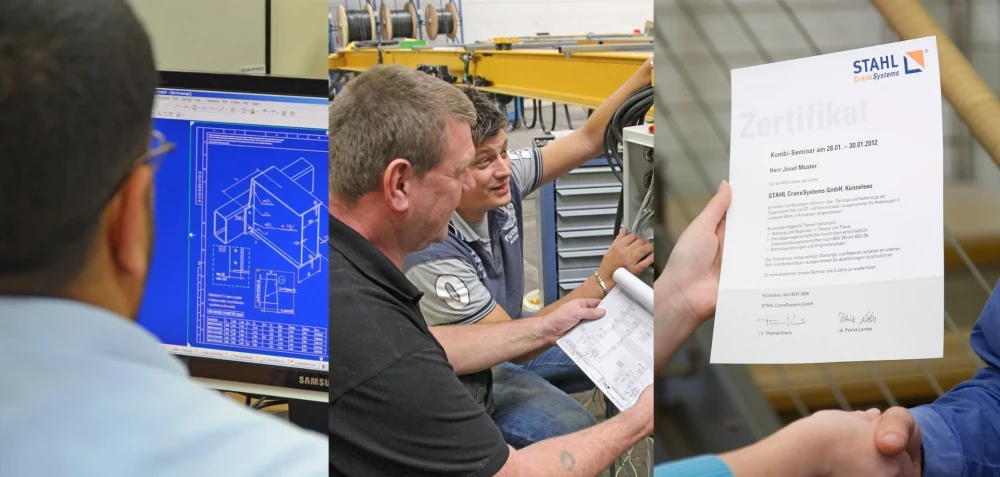
You need test certificates for every lifting device certification process. These documents confirm that your equipment has passed all required inspections and testing.
A test certificate usually includes a report of a thorough examination, details of tests carried out, and information about inspections, engineering plans, electrical certifications, load tests, and manufacturer certifications. You also find the equipment maintenance manual attached.
Detail Type | Description |
|---|---|
Report of a Thorough Examination | Document issued after a thorough examination. |
Tests Carried Out | Details of any tests conducted on the equipment. |
Test certificates verify compliance with Australian standards by documenting physical testing, such as proof load testing, and independent evaluation by licensed engineers. You demonstrate that your equipment meets all requirements for lifting equipment certification and current standards in Australia.
Mill Certificates
You must keep mill certificates for all lifting equipment components. These certificates prove that the materials used in your equipment meet quality and safety requirements. Mill certificates provide:
Verification of product quality through material testing.
Improved transparency and traceability for each component.
Assurance that materials meet required standards and specifications.
A traceable record of the material’s origin and properties.
Mill certificates help you maintain compliance and reduce the risk of using substandard materials. You can track every part of your lifting device back to its source.
Visual Inspection Certificates
Visual inspection certificates confirm that your equipment has passed all required visual checks. You need these certificates to show that your lifting devices are safe for use. Inspections include:
Inspection Type | Description |
|---|---|
Every Lift Inspection | Visual examination by the operator for damage, condition of controls, and indicators. |
Frequent Inspection | Regular visual checks for structural integrity, wear, and operational mechanisms. |
Periodic Inspection | Detailed inspections, including checks for loose fasteners, wear on mechanical parts, and safety labels. |
You use these certificates to document that your equipment meets certification requirements and remains safe under current standards.
Periodic Inspection Reports
You must keep periodic inspection reports to maintain lifting equipment certification. These reports document every inspection, including initial, frequent, and periodic checks. The reports include:
Type of Inspection | Frequency of Inspection |
|---|---|
Initial Inspection | Upon receipt of new rigging products |
Frequent Inspection | Before each shift or lifting application |
Periodic Inspection | At least once every 12 months, more often if required by conditions |
You must maintain a record of the most recent thorough inspection and store all certificates in an organized system. Regular inspection reports help you identify potential issues before they become serious. They also ensure ongoing compliance with Australian standards and maximize the lifespan of your equipment.
Powerful Machinery provides you with comprehensive documentation for every certified lifting device. You receive all test certificates, mill certificates, visual inspection certificates, and periodic inspection reports.
This support makes it easy for you to meet certification requirements and maintain compliance with current standards.
Achieving and Maintaining Compliance

Steps to Certification
You must follow a clear process to achieve lifting equipment certification in Australia. Each step ensures your equipment meets requirements and remains safe for use. Trusted brands like Powerful Machinery make this process easier by providing certified products and expert support.
Schedule periodic inspection with a competent inspector at least once a year. This step checks your equipment against current standards.
Review the engineering plan. You need to confirm the structural mechanics, load capacity, and supporting structure strength.
Obtain electrical certification from a third-party after assembly. This step verifies compliance with electrical safety standards.
Complete the load test after commissioning or major repairs. Testing confirms your equipment can handle the anticipated load.
You must document each step and keep records for future reference. Reliable suppliers like Powerful Machinery help you meet every requirement with certified lifting devices and thorough documentation.
Record-Keeping Best Practices
Accurate records prove your compliance and support ongoing lifting device certification. You should organize your documents and keep them for the recommended period. The table below outlines best practices:
Record Type | Description | Retention Period |
|---|---|---|
Thorough Examination Reports | Written reports by a competent person identifying defects and corrections. | Life of machinery or 2 years for accessories |
EC Declaration of Conformity | Statement confirming compliance with safety requirements. | Life of equipment |
Records of Inspection | Documentation of in-service inspections or tests. | Organization’s discretion |
You should store these records in a secure, accessible location. Regularly review and update your files to ensure you meet current standards.
Tip: Digital record-keeping systems can simplify document management and help you stay audit-ready.
When to Seek Professional Help?
You should seek professional help if you feel unsure about any part of the certification process or compliance with regulations. Industry professionals and regulatory bodies in Australia can guide you through complex requirements and regular inspections.
If you lack time or resources for self-assessment, hiring a neutral third-party ensures a thorough evaluation. This approach helps you maintain a safe workplace and meet all legal obligations for lifting equipment certification.
Note: Consulting experts protects your team and your business. Trusted brands like Powerful Machinery offer support and guidance to help you achieve and maintain compliance.
Conclusion
You face ongoing challenges with lifting equipment certification in Australia. You must meet requirements for compliance, documentation, and regular testing. The table below highlights common obstacles and practical solutions:
Challenge | Solution |
|---|---|
Regulatory Compliance | Stay updated on regulations |
Record Keeping | Use electronic systems |
Safety Regulations | Provide regular training |
You should consult competent professionals and review your testing and documentation practices. Powerful Machinery offers certified lifting equipment and expert support for your needs.
FAQ
What is the first step to getting lifting equipment certification?
You should schedule a thorough inspection with a qualified professional. This step confirms your equipment meets all requirements for certification and safe operation.
How often do you need to perform testing on lifting devices?
You must complete periodic testing at least once every 12 months. Frequent testing helps you identify issues early and maintain safety standards.
Why is compliance important for lifting equipment in Australia?
You ensure safety and avoid legal penalties when you follow compliance rules. Australia enforces strict regulations to protect workers and maintain high safety standards.
What documents do you need for certification?
You need inspection reports, test certificates, and maintenance records. These documents prove your equipment meets all requirements and passes necessary testing.
Who can perform testing and inspections on lifting equipment?
Only competent professionals with proper qualifications can conduct testing and inspections. You should verify their credentials before allowing them to assess your equipment.
Tip: Always keep your records organized. Quick access to documentation helps you prove compliance during audits.