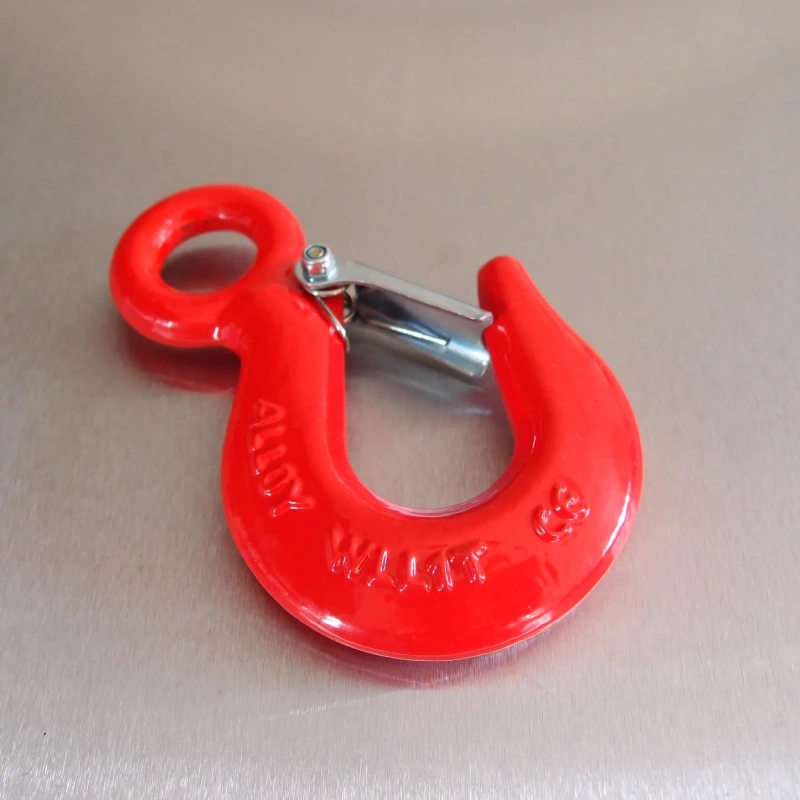
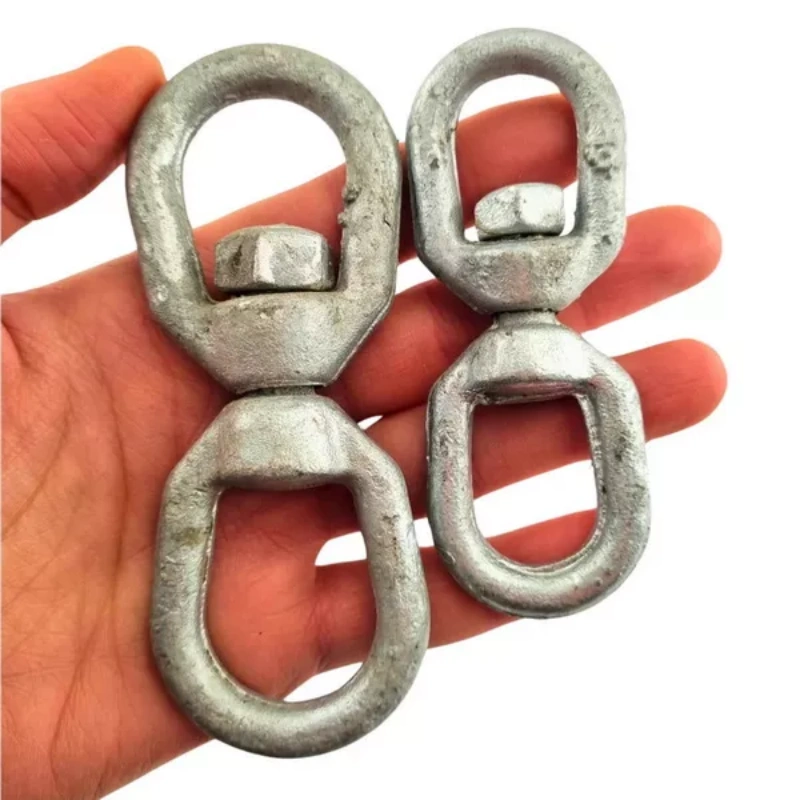
You play a vital role in ensuring workplace safety when you perform a lifting sling inspection. You need to check that every lifting sling matches the load requirements and shows no signs of wear, damage, or improper configuration.
Certified lifting slings from Powerful Machinery help you comply with international standards. When you use these certified products, you make inspections easier, reduce rigging-related accidents by over 30%, and increase operational efficiency.
Regular lifting sling inspection helps you spot issues early and maintain control over every lifting operation.
Certified lifting slings support safety and compliance.
Proper sling inspection reduces workplace accidents and downtime.
Key Takeaways
Regularly inspect lifting slings before each use to ensure safety and compliance.
Remove any sling from service immediately if you find signs of damage, such as cuts or burns.
Use certified lifting slings to reduce accidents and improve operational efficiency.
Follow OSHA and ASME guidelines for inspection frequency to maintain a safe workplace.
Document all inspections and findings to ensure traceability and compliance with safety standards.
Lifting Sling Inspection Essentials
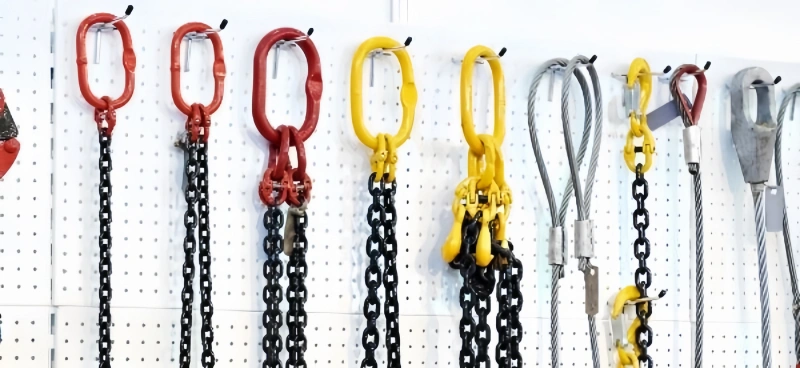
Key Points for All Slings
You must approach every lifting sling inspection with a systematic process. Start by confirming that each sling matches the load requirements and has clear identification tags. Check for any signs of damage before every lift. You should always remove a sling from service if you find any of the following issues:
Criteria for Removal from Service | Description |
|---|---|
Acid or caustic burns | Damage from corrosive substances |
Melting or charring | Damage from heat exposure |
Holes, tears, cuts, or snags | Physical damage compromising integrity |
Broken or worn stitching | Compromised load-bearing capacity |
Excessive abrasive wear | Significant wear affecting strength |
Knots in any part of the sling | Compromises the sling’s effectiveness |
Excessive pitting or corrosion | Deterioration of fittings |
Other visible damage | Any damage raises doubts about strength |
Missing or illegible identification | Essential for safety and compliance |
You should also verify that the sling’s identification is readable and matches your lifting plan. Powerful Machinery supports your inspection process by providing slings with batch tracking and production records. These features help you trace each product and confirm its certification.
Tip: Always check the certification labels. Powerful Machinery’s lifting slings carry safety and ISO-9001 certifications, which guarantee consistent quality and compliance with OSHA and EN standards.
Certification Type | Description |
|---|---|
Safety Certification | Ensures compliance with OSHA and EN standards, validated by certification reports. |
ISO-9001 Certification | An internationally recognized standard that guarantees consistent product quality and safety. |
Common Defects to Watch For
You need to stay alert for common defects during every inspection. Look for these signs of damage:
Abrasions: Frayed fibers signal serious problems.
Acid damage: Distorted webbing shows chemical exposure.
Cuts: Sharp objects or tension can cause visible cuts.
Tensile damage: Fuzzy yarn points to excessive loading.
If you notice any of these issues, remove the sling from service immediately. Consistent inspection helps you prevent accidents and maintain safe lifting operations.
Why Lifting Sling Inspection Matters for Safety?
Risks of Skipping Inspections
You cannot afford to overlook the importance of regular lifting sling inspection. When you skip inspections, you expose your team to serious safety hazards. Many sling failures happen because of unprotected sharp edges, overloading, or poor planning.
For example, a sling can fail during a lift if the load shifts over rough ground or if the sling rubs against a sharp edge. Synthetic slings often suffer from cuts, tears, or chemical exposure. You can prevent most of these problems by following safety guidelines and using proper edge protection.
Neglecting inspections can lead to catastrophic accidents. Companies that ignore these checks face severe consequences:
Significant penalties for non-compliance with OSHA and ASME standards
Legal liabilities and workplace injuries
Reputational damage that affects future business
Substantial economic losses from equipment damage and downtime
Routine inspection helps you spot early signs of wear, such as elongation, discoloration, or stiffness. You should always remove any sling showing knots, burns, holes, or broken stitching from service. Regular maintenance keeps your lifting operations safe and reliable.
Compliance with Industry Standards
You must follow strict standards to ensure safety in every lifting operation. OSHA and ASME set clear requirements for inspection and maintenance. The most relevant standards include:
Standard | Description |
|---|---|
OSHA 1910.184 | Governs the inspection requirements for lifting slings, including record-keeping for periodic inspections. |
ASME B30.9 | Specifies inspection requirements for various types of slings, including wire rope and synthetic slings. |
ASME B30.10 | Covers inspection requirements for hooks used in rigging. |
ASME B30.26 | Details requirements for rigging hardware inspections. |
You need to conduct visual inspections before each shift and perform detailed periodic inspections at least once a year. Always keep proper documentation and remove any damaged or defective equipment from service immediately.
Make sure all rigging equipment has legible identification markings that show the safe working load.
Powerful Machinery supports your compliance efforts by providing lifting slings with full certification, batch tracking, and production records. These features help you meet OSHA and ASME requirements and maintain a safe workplace.
Note: Following industry standards not only protects your team but also shields your company from legal and financial risks.
Lifting Sling Inspection Checklist
A thorough inspection checklist helps you maintain control over every lifting operation. You can prevent sling failure and ensure compliance by following systematic procedures for each sling type.
Powerful Machinery supports your safety efforts with certified products, batch tracking, and clear identification tags. Use this inspection checklist to guide your team and document every step.
Chain Sling Inspection Steps
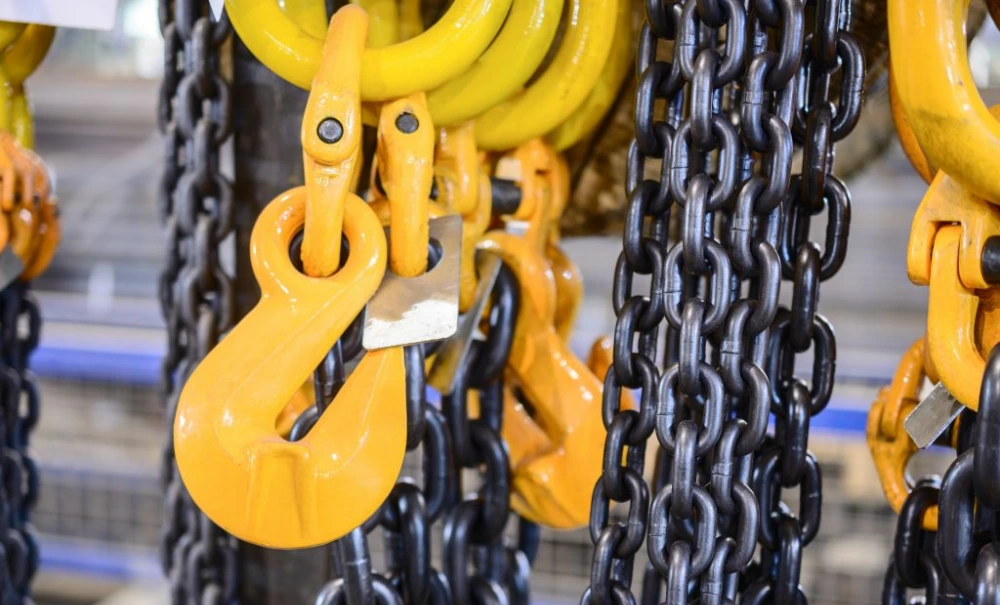
You must approach chain sling inspection with a structured process. Start with an initial inspection when you receive the sling. Confirm that it meets your specifications and matches the required capacity.
Before each use, perform a visual inspection to identify any signs of damage or wear. Follow these steps for effective chain sling inspection:
Inspect the sling upon delivery. Verify that the identification tag is present and legible. Confirm the safe working load and batch number.
Conduct a daily visual inspection before every lift. Look for cuts, frays, abrasions, or broken hardware. Check for bent, twisted, or stretched links.
Examine the master link and all hardware. Ensure there is no corrosion, pitting, or deformation.
Verify that the sling has been stored properly. Avoid exposure to chemicals or extreme temperatures.
Confirm that the identification tag matches your lifting plan and capacity requirements.
Remove the sling from service if you find any defects. Record the batch number and details for traceability.
Schedule periodic inspections every 12 months, or more often if the sling is used in harsh conditions. Document all findings and keep records for compliance.
Tip: Powerful Machinery’s chain slings include batch tracking and production records. These features make it easy to trace each sling and confirm its certification during every chain sling inspection.
Wire Rope Sling Inspection
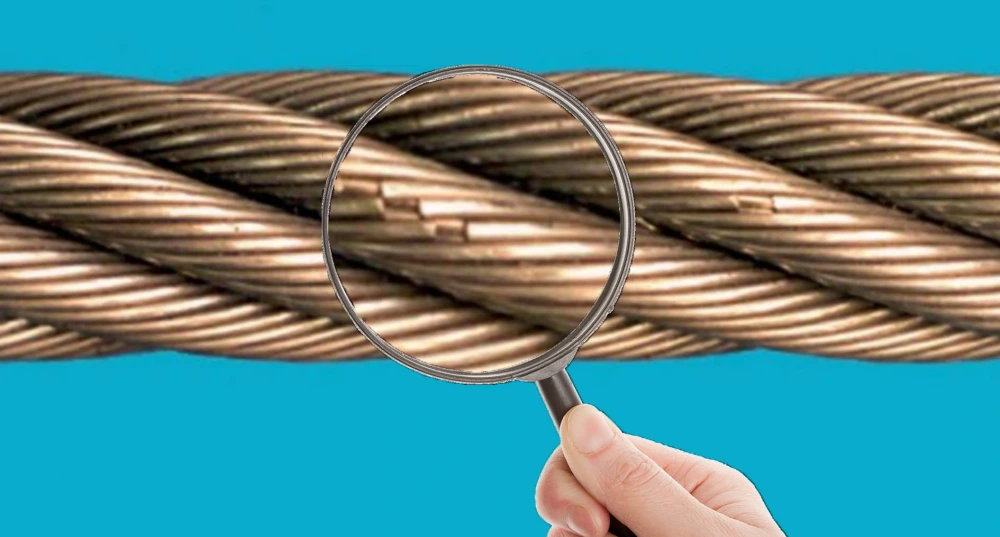
Wire rope slings require careful attention to detail. You must check for wear, abrasion, and other signs of damage that could lead to sling failure. Use this checklist to guide your inspection:
Perform a visual inspection before each use. Look for flat spots, shiny areas, or broken wires.
Check for heat damage, such as discoloration or melting.
Inspect for core failure, which may not be visible from the outside. Feel for soft or uneven spots along the wire rope.
Identify any crushed sections or pinched areas that indicate overloading.
Examine end terminations for wear, deformation, or corrosion.
Verify the identification tag and batch number. Confirm the safe working load and capacity.
Remove the sling from service if you find any serious damage or loss of strength.
Conduct periodic inspections every 12 months, or more frequently in demanding environments. Document all results as required by ASME B30.9.
Use Powerful Machinery’s batch tracking system to record inspection data and ensure traceability.
A systematic checklist helps you identify problems early and maintain compliance with safety standards. Batch tracking ensures you can trace every wire rope sling throughout its lifecycle.
Webbing Slings Inspection
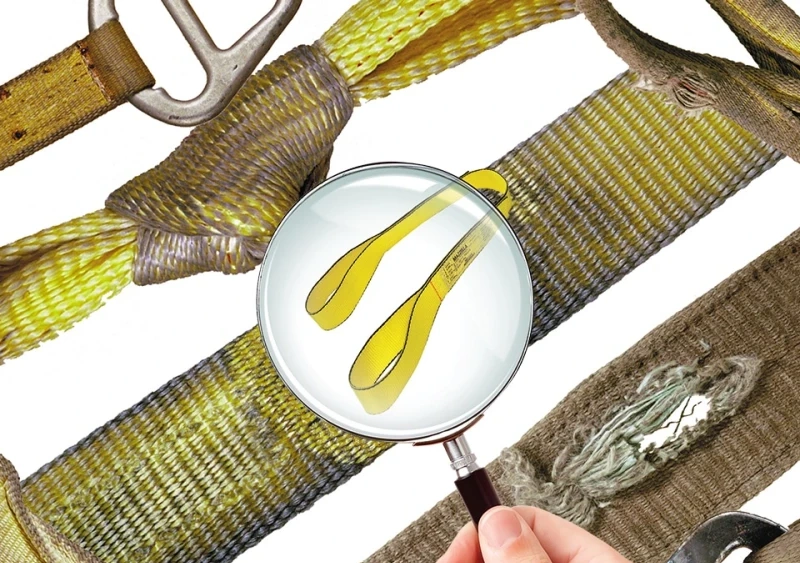
Webbing slings play a critical role in many lifting operations. You must inspect webbing slings before and after each use to prevent sling failure and maintain safety. Follow this checklist for webbing slings:
Inspection Type | Critical Points |
|---|---|
Before-Use Inspection | 1. Ensure the webbing sling is clean and free from contamination. 2. Inspect all stitching for defects or wear. 3. Confirm working load limits match the lifting plan. 4. Verify compliance with the sling’s labeling and manual. |
After-Use Inspection | 1. Look for signs of abrasion, fraying, or fuzzing. 2. Check for cuts, punctures, or broken fibers. 3. Examine stitching for tension damage. 4. Ensure no separation between webbing layers. |
Check for abrasion damage caused by friction with rough surfaces. Fuzzing or fraying indicates wear.
Look for cutting damage, such as sharp-edged tears. If you see red safety yarns, remove the sling from service.
Inspect for chemical damage from acids or alkalis. Discoloration or brittle areas signal fiber degradation.
Examine for tension breakage. Fraying at stressed points means the sling has exceeded its rated capacity.
Identify tears and punctures from sharp objects or mishandling.
Confirm the identification tag is present and matches the safe working load and batch number.
Remove any webbing slings with visible damage or missing tags. Record the batch number for traceability.
Note: Powerful Machinery’s webbing slings feature clear labeling, batch tracking, and production records. These features support your inspection checklist and help you meet compliance requirements.
Synthetic Round Sling Inspection
Synthetic round slings offer flexibility and strength for many lifting tasks. You must inspect these slings carefully to avoid sling failure. Use this checklist for synthetic round sling inspection:
Check for missing or illegible identification tags. Confirm the safe working load and batch number.
Look for acid or caustic burns. Remove the sling if you see any chemical damage.
Inspect for heat damage, such as discoloration or melting.
Examine the sling for holes, tears, cuts, abrasive wear, or snags that expose the core yarns.
Check for broken or damaged core yarns. Remove the sling from service if you find any.
Identify weld splatter that exposes core yarns.
Look for discoloration, brittleness, or stiffness in areas. These signs may indicate chemical or other damage.
Remove any sling with knots.
Inspect all fittings for pitting, corrosion, cracks, bends, twists, gouges, or broken parts.
Record all findings and batch numbers for traceability.
A detailed inspection checklist helps you prevent sling failure and maintain a safe workplace. Powerful Machinery’s batch tracking system ensures you can trace every synthetic round sling and confirm its certification.
Systematic evaluations and documentation of each inspection step promote accountability and compliance. You can reduce the risk of sling failure and improve safety by following these checklists for every lifting operation.
Lifting Slings Inspection Frequency and Scheduling
OSHA and ASME Guidelines
You must follow strict guidelines to keep your team safe and your operations compliant. OSHA guidelines require you to inspect all rigging hardware, including lifting slings, at least once every twelve months. ASME guidelines also recommend yearly inspections for equipment used daily.
If you work in harsh or severe conditions, you should increase the frequency to quarterly or even monthly. These guidelines help you prevent sling failure and protect your team from unnecessary risks.
OSHA and ASME require a documented inspection of all lifting slings every 12 months.
For severe service, increase the frequency to monthly or quarterly.
ASME guidelines specify:
Normal Service: Yearly
Severe Service: Monthly to Quarterly
Special Service: As recommended by a qualified person
You should always document your findings and follow safety guidelines to meet industry standards.
Manufacturer and Powerful Machinery Recommendations
You need to consider manufacturer guidelines when setting your inspection schedule. Powerful Machinery recommends that you follow OSHA guidelines and ASME guidelines for all lifting slings. Regular inspections should occur at least once a year under normal conditions.
If your slings operate in severe or special service environments, you should inspect them monthly or quarterly. Always consult the manufacturer’s guidelines for your specific sling type and application. This approach ensures you maintain compliance and extend the service life of your equipment.
Note: Powerful Machinery’s certified slings include batch tracking and production records, making it easy to document and trace every regular inspection.
Daily vs Periodic Inspections
You must understand the difference between daily and periodic inspections. Daily checks focus on visible damage or defects before each use. Periodic inspections involve a more thorough examination by a qualified expert. The table below outlines the main differences:
Inspection Type | Scope and Requirements |
|---|---|
Daily Inspection | Inspect slings before each use, focusing on damage or defects to ensure safety for the intended workload. |
Periodic Inspection | Conducted annually, monthly, or quarterly, involving a thorough examination by a qualified expert with additional tests if needed. |
You should perform regular inspections daily and schedule periodic inspections in accordance with OSHA guidelines, ASME guidelines, and manufacturer guidelines. This routine helps you avoid lifting sling failure and supports a safe workplace.
Standards and Documentation for Lifting Sling Inspection
OSHA and ASME B30.9 Overview
You must understand the main standards that guide safe lifting operations. OSHA sets the rules for the United States and enforces them with fines if you do not comply. ASME develops and updates global standards every few years.
These standards shape how you inspect and use lifting equipment. ANSI also helps create a framework for standards, but does not enforce them.
Organization | Region/Country | Key Differences |
|---|---|---|
OSHA | United States | Enforces standards with the ability to impose fines; state-run OSHA departments may have stricter standards. |
ASME | Global | Develops standards that are updated every 3-5 years; influences lifting and rigging practices worldwide. |
ANSI | United States | Collaborates with international bodies to ensure compliance with global standards; does not enforce but provides a framework for standards development. |
You should always check the latest version of these standards before starting any project. ASME B30.9 gives you detailed requirements for different types of slings. OSHA 1910.184 tells you how to keep your workplace safe and what records you need to keep.
Recordkeeping and Traceability
Proper documentation proves that you follow all standards. You need to keep written records of the most recent periodic inspection for each type of sling. Some slings, like alloy chain and metal mesh, require you to record the condition as well.
Sling Type | 2006 Version Documentation Requirement | 2010 Version Documentation Requirement |
|---|---|---|
Synthetic Rope Slings | A written record of the most recent periodic inspection shall be maintained. | Documentation that the most recent periodic inspection was performed and shall be maintained. |
Synthetic Webbing Slings | A written record of the most recent periodic inspection shall be maintained. | Documentation that the most recent periodic inspection was performed and shall be maintained. |
Synthetic Roundslings | A written record of the most recent periodic inspection shall be maintained. | Documentation that the most recent periodic inspection was performed and shall be maintained. |
Alloy Chain Slings | A written record of the most recent periodic inspection shall be maintained and shall include the condition of the sling. | A written record of the most recent periodic inspection shall be maintained and shall include the condition of the sling. |
Metal Mesh Slings | A written record of the most recent periodic inspection shall be maintained and shall include the condition of the sling. | A written record of the most recent periodic inspection shall be maintained and shall include the condition of the sling. |
Wire Rope Slings | A written record of the most recent periodic inspection shall be maintained. | Documentation that the most recent periodic inspection was performed and shall be maintained. |
Powerful Machinery helps you meet these requirements. Each product has a unique trace code stamped on the chain. Certification codes confirm that the product meets strict safety and durability requirements. These features make it easy for you to verify compliance and trace every sling back to its production batch.
Tip: Keep your records organized and up to date. This practice protects your team and proves your commitment to safety.
Best Practices for Sling Safety and Maintenance
Proper Storage and Handling
You can extend the service life of your slings by following smart storage and handling practices. Always keep slings off the ground to prevent unnecessary wear from vehicles or foot traffic. Store them in a cool, dry, and dark space, such as a rigging box or locker.
This shields them from sunlight, rain, and extreme temperatures, which can cause rapid wear and reduce flexibility. Clean slings regularly to remove dust and dirt that can lead to material degradation. Never store slings near chemicals, as chemical exposure can cause hidden damage and weaken the fibers.
Organize your lifting slings in well-ventilated areas to avoid moisture buildup, which can accelerate wear and corrosion.
Tip: Proper storage not only prevents damage but also makes it easier to spot early signs of wear during routine checks.
When to Remove a Sling from Service?
You must remove a sling from service if you notice any signs of excessive wear or damage. Missing or unreadable identification tags mean you cannot confirm the sling’s capacity or traceability. Cracks, breaks, or stretched links signal that the sling has lost its strength.
Look for bent, twisted, or deformed components, as these can lead to sudden failure. Heat damage, such as discoloration or melting, also requires immediate removal. Excessive pitting, corrosion, or weld splatter can weaken the sling and increase the risk of failure.
If you see any condition that makes you doubt the sling’s safety, take it out of service right away.
Addressing Common Issues
You can prevent most lifting failures by addressing common issues before they become serious. Inspect slings before every lift and look for signs of twisting, kinking, or knotting, which can cause uneven wear. Use corner protectors and edge sleeves to reduce wear from sharp edges and prevent cuts.
Document your findings after each inspection to track the condition of every sling. Follow the recommended inspection schedule based on service conditions:
Service Condition | Inspection Frequency |
|---|---|
Normal Service | Yearly (Annual Inspection) |
Severe Service | Monthly to Quarterly |
Special Service | As recommended by a Qualified Person |
Powerful Machinery’s slings are designed for durability, but you must stay alert for wear and damage. Consistent maintenance and proper handling help you avoid unexpected failure and keep your lifting operations safe.
Conclusion
You protect your team and equipment when you follow a thorough inspection process and maintain high safety standards. Industry case studies show that daily and annual checks, proper recordkeeping, and ongoing training reduce workplace incidents and support compliance.
Companies that use certified lifting slings, such as those from Powerful Machinery, gain these advantages:
Benefit | Description |
|---|---|
Versatility | Suitable for many applications across industries. |
Durability | Withstand harsh conditions and heavy loads. |
Cost-effectiveness | Lower maintenance needs and long-term savings. |
Continuous training and regular inspections build a strong safety culture and help you prevent accidents.
FAQ
How often should you inspect lifting slings?
You should inspect lifting slings before every use and schedule a detailed periodic inspection at least once a year. Increase the frequency if you operate in harsh environments or under severe service conditions.
What materials do Powerful Machinery lifting slings use?
You can choose from nylon, polyester, wire rope, or chain. Each material offers unique advantages for different lifting applications and environments.
How do you trace a sling’s certification and batch?
You can find batch tracking and production records on every Powerful Machinery sling. These records help you verify certification and trace each product back to its manufacturing batch.
When should you remove a sling from service?
You must remove a sling if you see cuts, burns, broken stitching, missing tags, or any sign of damage. Never use a sling if you doubt its safety or capacity.