
Manual Hoists
If you work in construction, manufacturing, energy, mining, marine, or equipment distribution, you need manual hoists that lift without power and never slow the job. We manufacture manual hoists, including hand chain hoists, lever hoists, wire rope hoists, and strap hoists for lifting and pulling control. Get a quote on lifting equipment from Powerful Machinery today.

We manufacture manual hoists in-house with strict QC and full load testing, giving you consistent quality and full production control.
Our manual hoists meet CE and ISO standards with complete test reports and material traceability for safe, compliant lifting.
We maintain stable production capacity and organized scheduling to ensure reliable supply and fast, predictable lead times.
We support OEM branding, custom specifications, and spare parts planning to help you grow your manual hoists business with confidence.
Powerful Machinery - Your Reliable Manual Hoist Manufacturer
We supply work provide dependable manual hoists for industry leaders.






HAND HOISTS
Our hand hoists support lifting and rigging operations across diverse applications. Our selection includes:
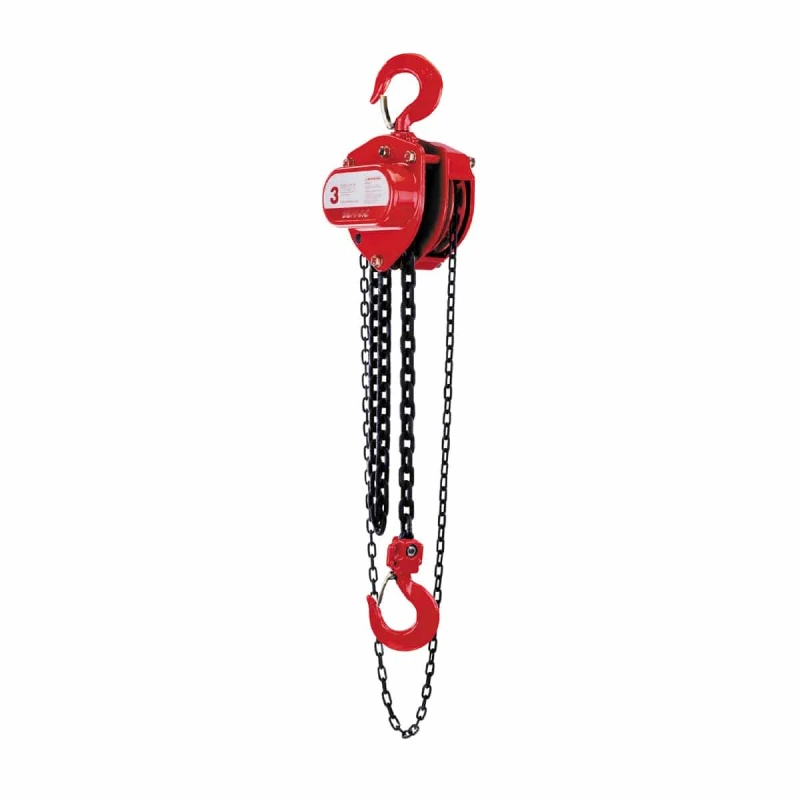
Manual chain hoists lift loads vertically with a hand chain and mount on overhead beams. They provide steady, heavy-duty lifting for industrial and maintenance jobs.

Lever hoists use a ratchet handle to lift, pull, or secure loads with precise control. Lever hoists suit horizontal pulling, load positioning, and tight industrial spaces.
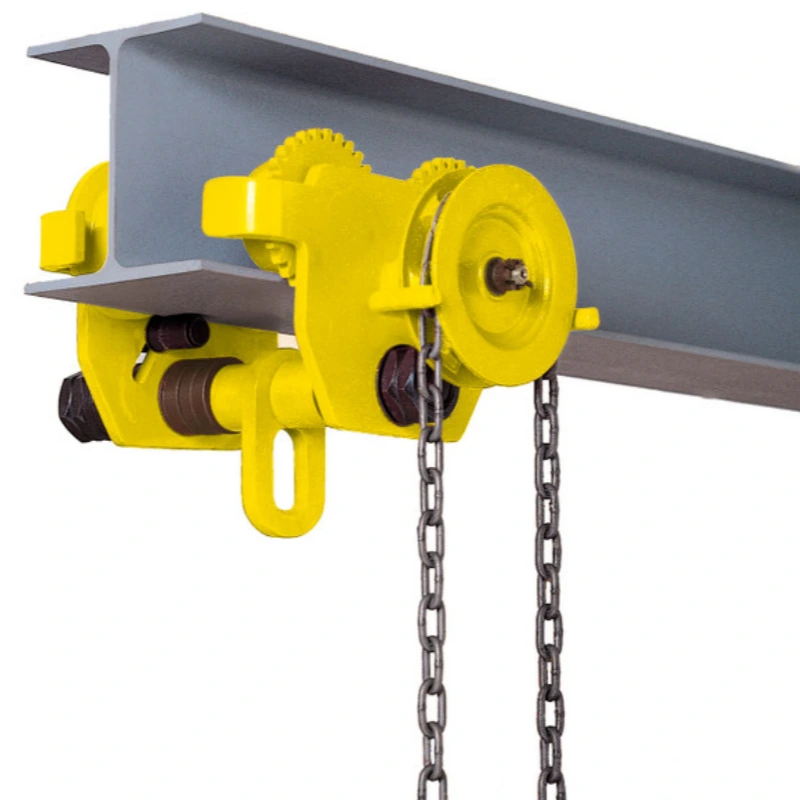
Manual Trolley Hoist
A manual trolley hoist combines a chain hoist with a beam trolley to lift and move loads along overhead beams without power. It suits confined, low-headroom, or hazardous areas.

Manual Wire Rope Hoist
A manual wire rope hoist uses a steel cable and hand lever to lift or pull loads in any direction. This manual wire rope hoist suits construction, maintenance, and remote job sites.
NEED HELP WITH YOUR MANUAL HOIST ORDER?
Let us help! Reach out today and get recommendations on materials and sizing from our experts.


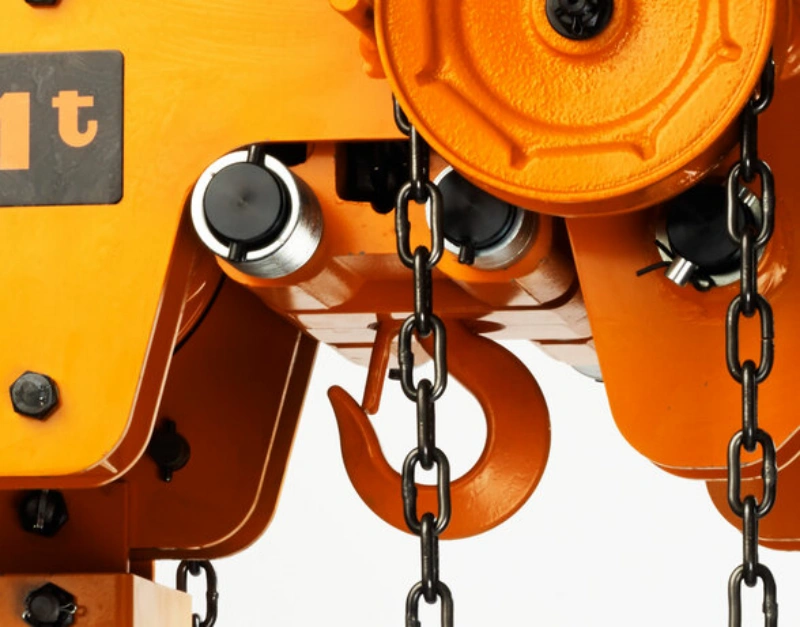
Guide to Manual Hoists
Our guide to manual hoists helps you understand manual hoists types, applications, and selection tips so you can choose safe, reliable lifting euipments.
How to Use a Manual Hoist?
Using manual hoists the right way improves lifting safety, extends equipment life, and protects your jobsite operations. Follow these essential steps for safe and efficient performance:
Check rated capacity
Confirm the rated load capacity on the manual hoist and match it with the actual lifting weight.Secure the top hook
Attach the top hook to a strong beam or structure with sufficient load-bearing strength.Attach the load properly
Connect the bottom hook to the load using proper slings or rigging equipment.Operate smoothly
Pull the hand chain or use the lever in a steady motion and keep the load chain aligned.Avoid shock loading
Apply consistent force and prevent sudden jerks during lifting.Lower with control
Lower the load slowly and keep the lifting area clear to ensure safe operation.
Electric Hoist vs Manual Hoist: What's the Difference?
Choosing between electric hoists and manual hoists depends on lifting frequency, load weight, and worksite conditions. Each option serves different operational needs in industrial environments.
Manual Hoists
Operate without electricity, ideal for remote or hazardous areas
Provide precise load control for careful positioning
Offer strong portability for flexible jobsite use
Reduce maintenance complexity and operating costs
Suit low to medium lifting frequency tasks
Electric Hoists
Use powered motors for faster lifting speed
Handle high-frequency and repetitive operations
Improve productivity in fixed workstations
Support heavier loads with less physical effort
Require stable power supply and regular electrical maintenance
Selection depends on load capacity, duty cycle, installation setup, and overall lifting efficiency requirements.
Manual Hoist Inspection
Regular manual hoist inspection improves lifting safety, reduces downtime, and extends equipment service life. Follow this practical inspection checklist before operation:
Inspect the load chain
Check for wear, corrosion, elongation, twisting, or deformation.Examine hooks carefully
Look for cracks, excessive throat opening, distortion, and proper safety latch function.Check gear operation
Rotate gears and confirm smooth engagement without abnormal noise or resistance.Test brake performance
Lift a light load to verify the brake holds securely without slipping.Review markings and labels
Confirm rated capacity markings remain clear and readable.Document inspection results
Record findings and replace worn or damaged components before safety risks increase.
Manual Hoist Certification
Certified manual hoists meet CE requirements and follow ISO quality systems. Proper certification includes load test reports, material traceability, and serial number identification. Compliance with EN or ASME standards supports safe operation and market access. Complete documentation reduces liability risks and ensures acceptance in regulated industries.
Manual Hoist Repair
Proper manual hoist repair restores lifting performance, improves safety, and extends equipment lifespan. Follow these key repair steps to keep manual hoists operating reliably:
Replace worn components
Change damaged chains, hooks, brake discs, and gears using approved spare parts.Inspect internal mechanisms
Check gear alignment, shafts, and load-bearing parts for wear or distortion.Clean all internal parts
Remove dirt, metal debris, and old grease before reassembly.Lubricate moving components
Apply proper lubrication to gears, bearings, and chain systems for smooth operation.Perform load testing
Conduct a rated load test after repair to confirm safe lifting performance.Plan preventive maintenance
Schedule regular service intervals to reduce downtime and extend manual hoist life.
Manual Hoist Test
Proper manual hoist testing confirms lifting safety, verifies performance, and ensures compliance with industry standards before jobsite use. Follow this structured testing process:
Mount on a certified structure
Install the manual hoist on an approved test beam or frame with verified load capacity.Apply the required test load
Use a static load based on applicable standards and rated capacity specifications.Hold the load for the set duration
Maintain the test load for the specified time to evaluate stability.Check brake performance
Confirm the brake holds the load securely without slipping.Inspect deformation and elongation
Examine hooks for deformation and measure chain elongation.Record test data
Document results with serial numbers to ensure traceability and compliance verification.
Manual Hoist Capacity Selection
Manual hoist capacity selection depends on maximum load weight plus a safety margin. Continuous operation near rated capacity reduces service life. Consider lift height, duty cycle, and pulling angles. Higher capacity models improve safety for dynamic or uneven loads. Proper sizing protects both equipment and operations.
Manual Hoist Service Life
Manual hoist service life increases with regular lubrication, inspection, and correct storage. Overloading and side pulling shorten lifespan. Dry storage prevents corrosion. Timely replacement of consumable parts maintains performance. Well-maintained manual hoists deliver reliable service over many years.
Horizontal Pulling With Manual Hoists
Horizontal pulling requires lever hoists or manual wire rope hoists. Standard chain hoists suit vertical lifting only. Alignment with the pulling direction prevents side loading. Secure anchor points ensure stable force application. Controlled operation maintains safety during positioning tasks.
Have More Questions of Manual Hoists?
Have more questions about manual hoists? Our team shares clear guidance on capacity, testing, certification, and spare parts. Contact us for fast, practical answers that support safe, efficient lifting.