You can improve pallet truck maintenance with simple daily routines. When you inspect your pallet truck and address minor issues early, you extend its lifespan and maximize your investment.
Powerful Machinery’s Pallet Trucks feature robust steel construction and ergonomic handles, making regular upkeep easy and effective. Routine checks help you ensure safety, reduce accident risks, and save on costly repairs. Adopting a preventive maintenance approach gives you consistent reliability and long-term savings.
Extends equipment lifespan for better investment returns
Ensures absolute safety by reducing hazards
Saves on costs by preventing major repairs
Key Takeaways
Regular inspections extend the lifespan of your pallet truck and maximize your investment.
Daily cleaning and maintenance prevent costly repairs and ensure safe operation.
Proper storage protects your equipment from damage and enhances reliability.
Consistent operator training reduces accidents and improves handling efficiency.
Keeping detailed maintenance records helps track issues and supports compliance.
Why Pallet Truck Maintenance Matters?
Safety and Reliability
You protect your team and your business when you make pallet truck maintenance a priority. Well-maintained equipment reduces the risk of accidents and keeps your operations running smoothly. Neglecting routine pallet truck maintenance can lead to serious consequences:
Employee injuries lower morale and increase absenteeism.
Equipment and property damage add unexpected costs.
Legal and compliance issues may result in fines or harm your reputation.
Loss of productivity disrupts workflows and delays projects.
About one-third of workplace injuries come from mismanaged operational machinery. Each incident can lead to an average of 15.5 days lost per affected employee. You can avoid these setbacks by following a regular maintenance schedule and ensuring your operators receive comprehensive safety training.
Tip: Consistent training and routine inspections help you spot hazards before they become incidents.
The table below shows how safety practices impact workplace safety statistics:
Safety Practice | Impact on Safety Statistics |
|---|---|
Consistent training | Reduces accidents and injuries |
Routine equipment maintenance | Identifies hazards before they lead to incidents |
Workplace culture prioritizing safety | Enhances awareness and accountability among employees |
Cost Savings and Equipment Life
You save money and extend the life of your equipment when you invest in regular maintenance. Routine checks help you catch small issues before they become expensive repairs. This approach also keeps your pallet jacks in top condition, reducing downtime and improving productivity.
Pallet jack maintenance not only saves on costs but also protects your investment. When you follow a maintenance schedule, you avoid damage to inventory and infrastructure.
You also reduce the risk of legal claims and compliance issues. A strong maintenance culture ensures your equipment lasts longer and performs reliably every day.
Remember, routine pallet truck maintenance is a simple way to keep your workplace safe and efficient.
Daily Pallet Truck Maintenance Checklist

A strong daily maintenance routine keeps your pallet trucks safe, reliable, and ready for work. You can prevent the most common pallet truck failures by following a simple maintenance checklist.
Powerful Machinery Pallet Trucks make these daily tasks easy with their robust steel frames, ergonomic handles, and smooth-rolling polyurethane wheels. When you stick to a regular inspection schedule, you protect your investment and ensure smooth operations.
Below is a step-by-step table you can use as your daily inspection guide:
Inspection Category | Specific Checks |
|---|---|
Visual Inspection | Check for visible damage, inspect welds and frame integrity, and verify safety labels and warnings. |
Fork Inspection | Examine forks for bends and cracks, check alignment and spacing, and ensure fork tips are undamaged. |
Wheel Inspection | Inspect wheels for damage and debris, ensure free rotation, and check axles and bearings for damage. |
Visual and Fork Inspection
Start your daily inspection by looking over the entire pallet truck. Check for any visible damage, such as dents, cracks, or worn paint. Inspect the welds and the frame for signs of stress or fatigue. Make sure all safety labels and warnings are clear and readable.
Move on to the forks. Examine them for bends, cracks, or any signs of misalignment. Check the spacing between the forks and confirm that the fork tips are not chipped or damaged. These steps help you spot issues early and prevent accidents during operation.
Tip: A quick visual check each day can catch small problems before they become major repairs.
Wheel and Bearing Check
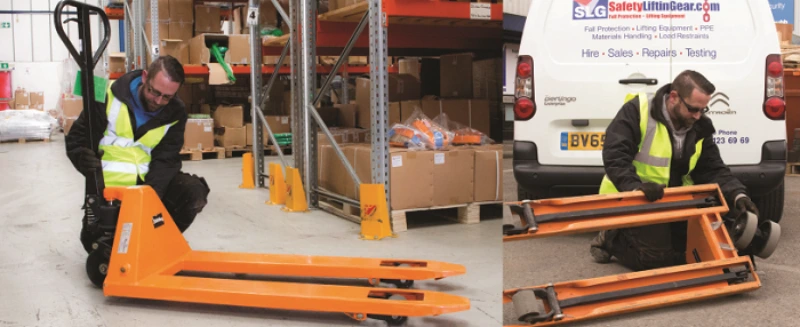
Wheels and bearings play a critical role in pallet jack maintenance. You should inspect wheel wear daily, especially on polyurethane wheels, which are designed to protect floors and provide smooth movement.
Look for high wear, peeling, flat spots, or cracks on both the steer wheels and load rollers. Remove any debris that could block wheel rotation.
Check the axles and bearings for damage or excessive play. Clean the wheels to prevent dirt buildup, which can cause premature wear. Daily maintenance checks on wheels and bearings help you avoid unexpected breakdowns and keep your pallet truck rolling smoothly.
Steer wheels: Watch for peeling or excessive wear.
Load rollers: Look for flat spots, cracks, or chipping.
All wheels: Remove debris and ensure free rotation.
Hydraulic and Control Test
The hydraulic system is the heart of your pallet truck. Test the handle and controls to make sure they operate smoothly. Pump the handle to lift the forks and check for any hesitation or jerky movement. Lower the forks and confirm they descend at a controlled speed.
Watch for signs of oil leakage around the pump, cylinder, or seals. Leaks often point to worn seals or damaged O-rings, which are responsible for most hydraulic issues. If you notice the truck cannot lift or the system feels unpredictable, address the problem immediately.
Regular maintenance of the hydraulic system prevents costly repairs and keeps your equipment safe.
Check for oil leaks or puddles under the truck.
Listen for unusual noises during operation.
Make sure the hydraulic fluid is clean and at the correct level.
Cleaning After Use
Finish your daily maintenance by cleaning the pallet truck. Wipe down the frame, forks, and handle to remove dust, dirt, and grease. Pay special attention to the wheels and hydraulic components. Regular cleaning prevents dirt from building up, which can reduce wear on moving parts and extend the life of your equipment.
A clean pallet truck operates more smoothly and is less likely to break down. Routine cleaning also helps you spot issues that might be hidden by dirt or debris. By making cleaning part of your daily routine, you support a safer and more efficient workplace.
Note: Consistent cleaning after every shift helps you maintain top performance and reduces the risk of unexpected failures.
By following this daily maintenance checklist, you create a strong foundation for routine pallet truck maintenance. These simple steps help you avoid common pallet truck failures, keep your equipment in top shape, and extend the life of your investment.
When you make daily maintenance a habit, you support a safer workplace and a more reliable operation. Stick to your maintenance schedule and enjoy the long-term benefits of regular maintenance with Powerful Machinery Pallet Trucks.
Weekly and Monthly Maintenance Tasks
A strong maintenance schedule goes beyond daily checks. You need to perform weekly maintenance tasks and monthly maintenance procedures to keep your pallet trucks in peak condition.
These routines help you extend the life of your equipment, reduce downtime, and ensure safe operation. The following table outlines essential weekly and monthly tasks for effective pallet truck maintenance:
Frequency | Task Description |
|---|---|
Weekly | Grease moving parts to reduce friction and wear. |
Weekly | Check the hydraulic oil level and top up as necessary. |
Weekly | Measure fork alignment to prevent damage. |
Monthly | Deep-clean the pallet truck to identify issues. |
Monthly | Inspect bearings and rollers for wear and replace if necessary. |
Lubrication and Fluid Check
You should focus on lubrication and fluid checks during your weekly inspection. Regular lubrication reduces friction and wear on moving parts. This simple step keeps your pallet jack maintenance routine effective and prevents unexpected breakdowns.
Always use the right lubricant for each component to enhance performance and longevity.
Grease all moving joints, axles, and bearings.
Check the hydraulic oil level and top up if needed.
Inspect for leaks around the hydraulic system.
Clean away old grease and dirt before applying new lubricant.
Maintaining hydraulic oil levels is crucial for safe and efficient lifting. Fluid checks ensure the hydraulic system operates smoothly. When you keep up with these weekly maintenance tasks, you support reliable performance and reduce the risk of costly repairs.
Tip: Daily inspections combined with regular lubrication keep your pallet truck running smoothly and safely.
Wheel and Fastener Care
Wheels and fasteners require attention during both weekly and monthly maintenance procedures. You should inspect wheels for wear, cracks, or flat spots. Check fasteners, such as bolts and nuts, to ensure they remain tight and secure.
Examine wheels and rollers for signs of damage or excessive wear.
Remove debris that could hinder wheel movement.
Tighten all fasteners to prevent loosening during operation.
Manufacturers recommend maintenance checks every three months. For high-usage environments, consider monthly check-ups. If you operate in harsh conditions, increase the frequency of your inspections.
Monthly quick inspections and quarterly deep maintenance help you catch issues early and keep your equipment reliable.
Battery and Electrical (If Applicable)
If you use electric pallet trucks, you must include battery and electrical system checks in your routine pallet truck maintenance. Electric models require specialized care for batteries, motors, and electronic systems.
Charge batteries according to manufacturer guidelines.
Avoid overcharging or deep discharging the battery.
Inspect motors and controllers for proper function.
Schedule professional maintenance for complex electrical issues.
Manual pallet trucks have simpler designs and lower maintenance needs. However, if your fleet includes electric models, you should plan for higher technical requirements and costs. Regular maintenance of these systems ensures safe and efficient operation.
Maintenance Documentation
Accurate documentation supports a successful maintenance schedule. You should record every weekly inspection and monthly maintenance procedure. This practice helps you track issues, schedule repairs, and demonstrate compliance with safety standards.
Maintenance Frequency | Tasks to Perform |
|---|---|
Weekly | Visual inspection of forks and wheels; document damages to visible components. |
Monthly | Complete overview of the pallet truck; lubrication of bearings, wheels, and key components; inspection of wiring, battery, and electronic parts by a skilled technician; calibration of movement. |
Keep a logbook or digital record for each pallet truck. Note the date, tasks performed, and any issues found. This habit helps you plan future maintenance and ensures nothing gets overlooked. Consistent documentation also supports warranty claims and audits.
Note: Good records make it easier to identify recurring problems and improve your overall pallet truck maintenance strategy.
By following these weekly maintenance tasks and monthly maintenance procedures, you create a proactive approach to equipment care. You reduce the risk of breakdowns, extend the life of your pallet trucks, and keep your workplace safe and productive.
Annual and Professional Pallet Jack Maintenance
In-Depth Inspection
You should schedule a comprehensive inspection of your pallet truck at least once a year. This process goes beyond daily and monthly checks. During an annual inspection, you examine every critical component for signs of wear or damage. You look at the frame and chassis for cracks or dents.
You check the forks for bends and excessive wear. You confirm that warning decals and load capacity labels are present and legible. You inspect the drive wheel for flat spots and the tiller arm for damage. You test the automatic brake and start-up procedure to ensure normal function.
This level of detail helps you catch hidden problems and maintain safe operation.
Annual inspections help you meet workplace safety regulations and keep your equipment reliable.
Hydraulic Overhaul and Seal Replacement
Hydraulic systems require special attention during professional periodic maintenance. You should inspect the hydraulic pump, cylinder, and seals for leaks or signs of wear. If you notice fluid leaks or inconsistent lifting, you need to replace worn seals and overhaul the hydraulic system.
Most workplaces perform hydraulic maintenance and repair services once a quarter or every six months, depending on usage and environment. You should always follow manufacturer guidelines for hydraulic care. Regular hydraulic maintenance ensures smooth lifting and prevents costly breakdowns.
Maintenance Type | Frequency |
|---|---|
Daily Maintenance | Each shift or daily |
Regular Maintenance | Once a quarter or half a year |
Special Maintenance | As needed based on condition |
Professional Certification
You must seek professional maintenance and repair services for complex repairs or when legal compliance is required. Certified technicians follow strict safety standards and ensure your pallet trucks meet OSHA and PUWER regulations. Non-compliance can lead to fines and legal issues.
Professional periodic maintenance includes formal instruction, practical training, and performance evaluation for operators. Technicians must be at least 18 years old and complete OSHA-accepted training before servicing powered industrial trucks.
Manual pallet jacks do not require certification, but workplaces must maintain regular inspections and inform employees about safety regulations.
Requirement | Details |
|---|---|
Minimum Age | 18 years old |
Training Requirement | OSHA-accepted training before the practical exam and certification |
Certification for Manual Pallet Jacks | Not required |
Classification | Class III forklift under 29 CFR 1910.178 — Powered Industrial Trucks |
Training Components | Formal instruction, practical training, and performance evaluation |
Powerful Machinery demonstrates a strong commitment to quality and safety standards. You benefit from professional periodic maintenance and repair services that keep your pallet trucks compliant and performing at their best.
Routine pallet truck maintenance and comprehensive inspection protect your investment and support a safe workplace.
Cleaning and Storage Best Practices
Regular Cleaning Routines
You maintain peak performance and safety when you clean your pallet truck regularly. Dirt and debris can build up quickly in busy environments. You should remove these contaminants from the frame, forks, and wheels every day. This habit prevents premature wear and keeps your equipment running smoothly.
Wipe down all surfaces to remove dust and grease.
Inspect key components for signs of wear or damage.
Lubricate moving parts to reduce friction and ensure easy operation.
Check battery levels and connections if your truck is electric.
Examine wheels and forks for cracks or chips.
Perform routine safety checks to catch issues before they become hazards.
Train operators on proper cleaning and care techniques.
Keep the work area clean to prevent accidental damage.
You create a safer workplace and extend the life of your pallet truck when you follow these routines. Consistent cleaning also helps you spot problems early.
Tip: Set a regular cleaning schedule and make it part of your daily workflow. This simple step supports long-term reliability.
Proper Storage for Longevity
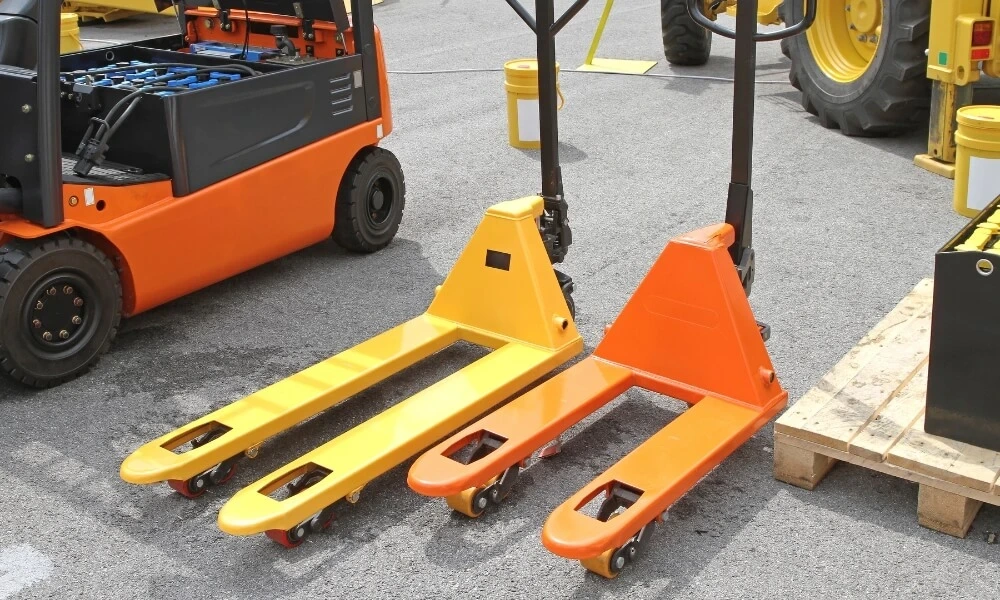
You protect your pallet truck from unnecessary damage when you store it correctly. High-intensity environments expose equipment to extreme temperatures, moisture, and abrasive materials. These conditions can shorten the lifespan of your pallet truck.
Store your pallet truck in a dry, sheltered area away from direct sunlight and corrosive substances. You should avoid leaving it outdoors or in damp locations. Regularly check and top up the oil to maintain optimal performance. Lubricate the truck monthly to minimize wear.
Clean the wheels to prevent dirt buildup and faster wear.
Park the pallet truck in a designated storage area after each shift.
Keep the storage space clean and free of clutter.
Inspect the truck before storing to catch any issues.
Schedule monthly lubrication and oil checks.
Avoid stacking heavy items on top of the truck.
Proper storage routines help you maximize the lifespan of your equipment and reduce maintenance costs. You ensure your pallet truck remains ready for use and safe for your team.
Note: Good storage practices are as important as regular cleaning. You safeguard your investment and support efficient operations.
Troubleshooting and Quick Fixes
Hydraulic Issues
Hydraulic problems can stop your pallet truck from working efficiently. You often face these issues during daily operations. Addressing them quickly helps you avoid downtime and costly repairs. Here are some common hydraulic problems and how you can resolve them:
Broken Pallet Truck Pump: Air trapped in the system or incorrect hydraulic fluid pressure can cause the pump to fail. Bleed the system and check fluid levels to restore function.
Leaking Hydraulic Oil: Damaged seals often lead to oil leaks. Replace worn or broken seals to prevent further leakage.
Poor Lubrication: Lack of lubrication increases friction and wear. Lubricate all moving parts at least once a month to keep the system running smoothly.
Brake Failure: Worn or contaminated brakes can cause failures. Inspect the brakes regularly and adjust or clean them as needed.
Tip: Regular maintenance and prompt attention to hydraulic issues keep your pallet truck safe and reliable.
Wheel and Fork Problems
Wheels and forks take the most stress during daily use. You need to spot problems early to prevent accidents and equipment damage. The table below outlines common faults, their causes, and solutions:
Fault Type | Possible Causes | Solutions |
|---|---|---|
Severe wheel wear | Rough ground, overloading, frequent use | Replace wheels, improve ground conditions |
Fork bending or breakage | Overloading, uneven cargo placement | Follow load specifications, repair or replace forks |
Always check wheels and forks before each shift. Quick action prevents bigger problems.
When to Call a Professional?
Some pallet truck issues require expert attention. You should seek professional help in these situations:
Electrical components need repair or replacement.
The damage is complex or affects multiple systems.
Repairs require trained and certified specialist personnel.
Note: Never attempt repairs beyond your skill level. Professional service ensures safety and keeps your Powerful Machinery Pallet Truck performing at its best.
Preventive Maintenance Strategy and Training
Operator Training and Awareness
You play a vital role in keeping your pallet trucks safe and reliable. Operator training gives you the skills to spot problems early and handle equipment with confidence. When you learn proper techniques, you reduce the risk of accidents and keep downtime to a minimum.
Training also helps you avoid damage to pallet trucks, which saves money and keeps your warehouse running smoothly.
Operator training improves efficiency and lowers the chance of workplace incidents.
You gain confidence and competence, which leads to safer and more effective handling.
Proper training helps you minimize equipment damage and avoid unnecessary repairs.
A strong preventive maintenance strategy starts with well-trained operators. You should know how to inspect wheels, check hydraulic systems, and keep your pallet truck clean. When you follow these steps, you support a safer work environment and extend the life of your equipment.
Building a Culture of Care
You create a culture of care by making maintenance part of your daily routine. This approach goes beyond simple repairs. It shows your commitment to safety and operational excellence. You help your team maximize the lifespan and efficiency of every pallet truck.
Key Element | Description |
|---|---|
Periodic Checks | Regular inspections to identify wear or malfunction in components like wheels and hydraulic systems. |
Hydraulic System Checks | Inspecting the hydraulic pump for leaks and ensuring fluid levels are optimal for performance. |
Wheel Maintenance | Keeping wheels free of damage and debris to ensure smooth movement and stability. |
Cleaning | Regular cleaning to prevent dust and grime buildup that can interfere with operation. |
Scheduled Service | Professional servicing at intervals to detect hidden issues and optimize performance. |
Storage | Proper indoor storage to protect from environmental damage and prolong the lifespan. |
You should follow these best practices every day:
Adhere to routine care and maintenance practices.
Maximize the lifespan and efficiency of pallet trucks.
Uphold operational excellence and minimize downtime.
Daily inspections
Battery care
Hydraulic system checks
Cleanliness
Lubrication
Thorough documentation
To speak of its maintenance, then, is to engage in a conversation that extends beyond mechanical adjustments.
It is to explore a philosophy of care, a commitment to stewardship that acknowledges the profound connection between the well-being of the machine, the safety of the operator, and the efficiency of the entire logistical ecosystem.
When you build a culture of care, you support your preventive maintenance strategy and help everyone in your warehouse work safely and efficiently.
Maintenance Records and Spare Parts
Keeping Logs
You improve the reliability of your Powerful Machinery Pallet Trucks when you keep detailed maintenance records. Accurate logs help you track every inspection, repair, and part replacement.
This habit allows you to spot patterns, schedule preventive maintenance, and avoid unexpected breakdowns. You can use a simple logbook or a digital system to record each maintenance activity.
Tip: Record the date, type of service, parts replaced, and the name of the technician for every maintenance task.
A well-maintained log helps you plan future maintenance and supports warranty claims. You also meet safety and compliance standards more easily. When you know the service history of each pallet truck, you make better decisions about repairs and replacements.
The table below shows how effective maintenance records and spare parts management impact reliability:
Evidence Description | Impact on Reliability |
|---|---|
Effective MRO management keeps assets running and production lines moving. | Ensures regular maintenance and availability of parts, reducing downtime. |
Proper MRO inventory management reduces downtime. | Timely completion of maintenance tasks prevents disruptions in production. |
Centralizing inventory data streamlines team communication. | Ensures parts and tools are available when needed, reducing costly delays. |
Optimized inventory levels lower operational costs. | Improves asset management and boosts machinery reliability. |
Managing Spare Parts Inventory
You keep your operations running smoothly when you manage your spare parts inventory well. Having the right parts on hand means you can fix issues quickly and avoid long delays. You reduce the risk of stockouts and prevent overstocking, which saves money and storage space.
Regular maintenance ensures that Powerful Machinery Pallet Trucks operate efficiently.
Availability of spare parts prevents delays in repairs, enhancing reliability.
Effective inventory management reduces costs from overstocking and stockouts.
You should organize your spare parts in a central location. Label each part clearly and keep an updated inventory list. Review your stock regularly and reorder parts before you run out. Many companies use digital tools to track inventory and set automatic reminders for reordering.
Keeping spare parts ready and maintaining clear records helps you avoid costly downtime and keeps your Powerful Machinery Pallet Trucks in top condition.
By focusing on documentation and inventory, you build a maintenance program that supports safety, efficiency, and long-term value.
Conclusion
You improve pallet truck performance by following simple daily, weekly, and annual maintenance routines. Regular inspections, cleaning, and proper storage help you prevent breakdowns and extend equipment life.
Adopting a preventive maintenance strategy with Powerful Machinery Pallet Trucks delivers safety, reliability, and cost savings.
Inspect and clean daily
Lubricate and document regularly
Store equipment properly
For expert support and more maintenance tips, visit Powerful Machinery’s website.
FAQ
How often should you inspect your pallet truck?
You should inspect your pallet truck before every shift. Daily checks help you catch issues early and keep your equipment safe and reliable.
What type of lubricant works best for pallet trucks?
Use high-quality grease for axles and bearings. For the hydraulic system, use manufacturer-recommended hydraulic oil. Always check your manual for specific product recommendations.
Can you use Powerful Machinery Pallet Trucks outdoors?
You can use Powerful Machinery Pallet Trucks outdoors on smooth, even surfaces. Avoid rough terrain or wet conditions to prevent damage and ensure safe operation.
What should you do if your pallet truck will not lift?
Check the hydraulic oil level and inspect for leaks. If the problem continues, contact a qualified technician for service. Do not use the truck until you resolve the issue.
Where can you find spare parts for Powerful Machinery Pallet Trucks?
You can order genuine spare parts directly from Powerful Machinery’s website. Keeping spare parts on hand helps you reduce downtime and maintain performance.