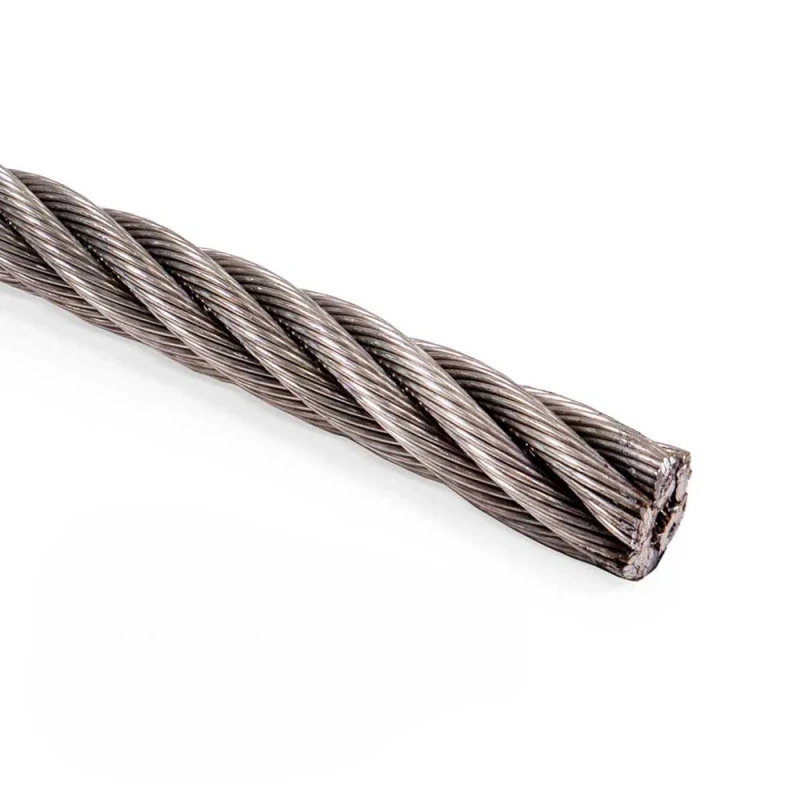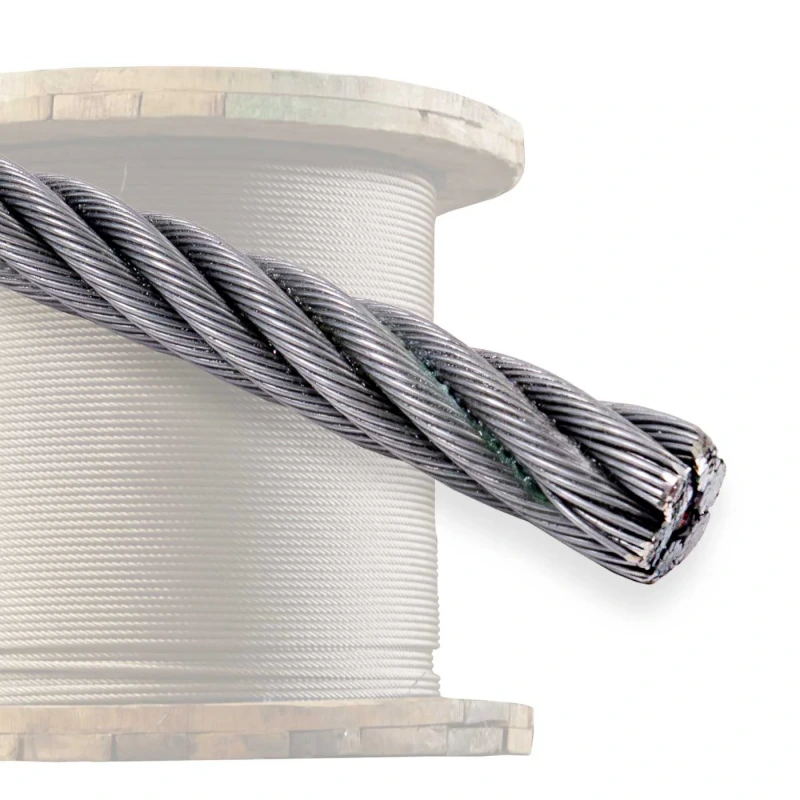
Proof load testing plays a vital role in confirming the strength and reliability of your rigging equipment. OSHA describes proof load testing for lifting equipment as the process of applying a controlled overload, usually 125% of the rated capacity, to verify structural integrity and detect hidden flaws.
You benefit from this process through accident prevention, improved safety, regulatory compliance, and greater operational efficiency. Powerful Machinery delivers certified rigging products that help you meet these strict standards.
Key Takeaways
Proof load testing ensures your rigging equipment is safe and reliable by applying a controlled overload.
OSHA requires proof load testing for new, repaired, or modified lifting equipment to prevent accidents.
Understanding the working load limit helps you use lifting equipment safely and avoid exceeding its capacity.
Regular inspections and proof load testing are both essential for maintaining equipment safety and compliance.
Training and documentation are crucial for safe lifting operations and meeting regulatory standards.
Proof Load Testing for Lifting Equipment
What Is Proof Load Testing?
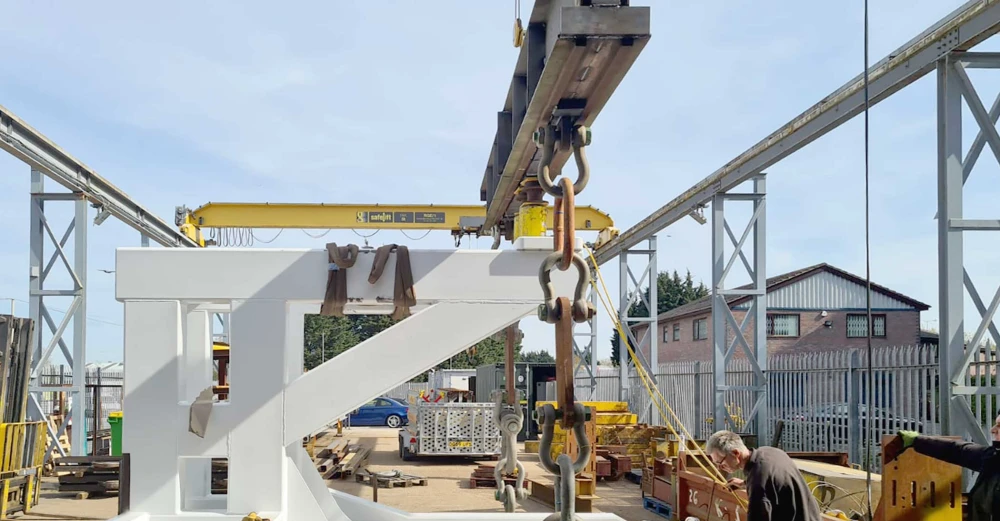
You rely on proof load testing for lifting equipment to confirm that your gear can handle demanding tasks. This process applies a controlled overload, often between 100% and 125% of the rated capacity, to verify both load-bearing capacity and structural integrity.
You see this method used on cranes, slings, chains, and other lifting equipment. For example, a crane rated for 10 tons may undergo a proof test at 12 tons. The load test procedure uses hydraulic cylinders and independent load cells to measure the force exerted on the equipment.
You benefit from knowing that your lifting equipment meets the minimum allowable working load and can perform safely under normal conditions.
29 CFR 1910.179 sets the standard for overhead and gantry cranes.
OSHA regulations require proof load testing for new, altered, repaired, or modified lifting equipment.
ASME standards often align with OSHA, specifying load testing at 100% to 125% of rated capacity.
You should always follow these standards to ensure your lifting equipment is ready for the job.
Purpose and Safety Benefits
Proof load testing protects you and your team from unexpected failures. You use this process to identify hidden flaws before they cause accidents. The safety benefits are clear when you look at industry statistics:
Statistic Description | Value |
|---|---|
Total crane-related fatalities (2011-2017) | 297 |
Percentage of crane accidents caused by exceeding equipment capacity | 80% |
Mechanical failure incidents | 18.4% |
Accidents due to poor rigging practices | 27% |
Fatal crane injuries from struck-by incidents | 60% |
Fatalities from being struck by objects or equipment | 154 (51.9% of total) |
You reduce risk by confirming that your lifting equipment can handle its rated capacity. Proof load testing helps you avoid mechanical failures and accidents caused by poor rigging practices. You gain confidence in your equipment and create a safer work environment.
Tip: Always schedule proof load testing after repairs or modifications to your lifting equipment. This step ensures continued safety and compliance.
Working Load Limits Explained
You must understand the working load limit for every piece of lifting equipment you use. The working load limit represents the maximum load that your rigging device can safely handle under normal conditions.
Manufacturers determine this limit by dividing the minimum breaking strength by a safety factor, usually between 4:1 and 6:1. For chains, the working load limit is calculated by dividing the minimum breaking strength by a safety factor ranging from 3:1 to 6:1.
This calculation ensures that your equipment can withstand unexpected stresses.
The working load limit is clearly labeled on wire ropes, slings, and chains.
You must adhere to the working load limit to comply with safety regulations.
The safe working load protects you from exceeding the equipment’s capacity.
You should never exceed the working load limit. Doing so increases the risk of failure and accidents. The working load limit supports your lifting operations by providing a clear guideline for safe use.
You rely on this information to select the right lifting equipment for each job and to maintain compliance with industry standards.
Note: Always check the working load limit before starting any lifting operation. This habit keeps your team safe and your equipment in top condition.
You see that proof load testing for lifting equipment, combined with strict adherence to working load limits, forms the foundation of safe and reliable lifting operations. You protect your team, your assets, and your reputation by following these essential practices.
Rigging Equipment Proof Testing by Powerful Machinery
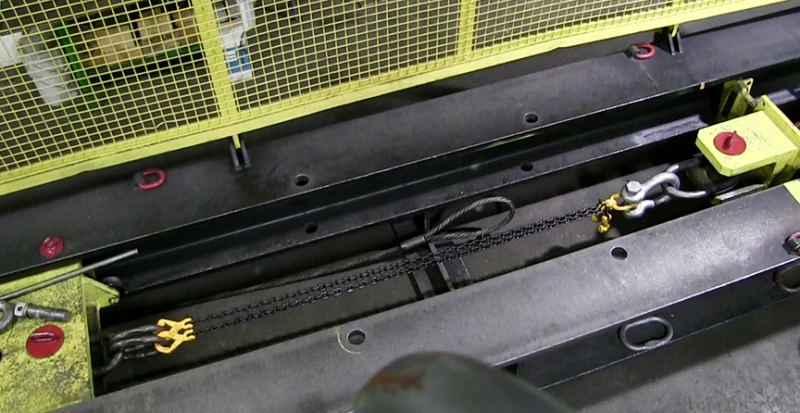
Types of Rigging Equipment Requiring Proof Testing
You use rigging equipment in many lifting operations, and each type has specific proof test requirements. Powerful Machinery manufactures a wide range of equipment, including slings, hooks, shackles, wire ropes, pulleys, and lifting beams. You rely on these products for safe and controlled lifting.
Proof tests confirm that each piece of equipment can handle the demands of your jobsite. You see proof tests applied to alloy steel chain slings, wire rope slings, spreader beams, and custom lifting devices. You must ensure that your rigging equipment passes load testing before you use it in critical applications.
Proof Test Requirements for Slings and Hardware
You need to follow strict standards for proof tests on slings and hardware. The requirements vary depending on the type of equipment. The table below summarizes the main proof test requirements:
Type of Sling/Hardware | Proof Test Requirement |
|---|---|
General Slings | 125% of the working load limit |
Hardware (Shackles, Hooks) | 110% of the rated capacity |
Custom Lifting Devices | 125% of rated capacity |
Alloy Steel Chain Slings | Proof tested before initial use |
Wire Rope Slings | Proof tested before initial use |
Metal Mesh, Synthetic Rope | Proof tested if incorporating used/welded fittings or repaired |
All other new slings | Not required unless specified by the purchaser |
You see that OSHA and ASME standards require proof tests for new, repaired, or modified lifting equipment. You must check that your equipment meets these standards before you start any lifting operation.
When Proof Testing Is Mandatory?
You must perform proof tests under certain conditions. You need to test overhead cranes, hoists, chain slings, shackles, spreader beams, and below-hook devices. The following list shows when proof testing is mandatory:
Overhead cranes: 1.0-1.25x working load limit testing
Hoists: 1.0-1.25x working load limit
Chain slings: 2.0x working load limit
Shackles: 2.0x working load limit
Spreader beams: 1.25-2.0x working load limit
Below-hook devices: 1.0-1.25x testing
Powerful Machinery ensures that every piece of rigging equipment meets or exceeds these proof test standards. You benefit from certified products that comply with ISO, OSHA, and ASME requirements.
You gain confidence knowing that load testing, break testing, and non-destructive testing verify the safety and reliability of your lifting equipment.
Proof load tests simulate real-world conditions and confirm the structural integrity of your rigging equipment. You protect your team and your assets by choosing certified products from Powerful Machinery.
OSHA and ASME Standards for Proof Load Testing
OSHA Requirements for Rigging Equipment
You must follow strict OSHA regulations when you use rigging equipment for lifting operations. The Occupational Safety and Health Administration sets clear rules to protect workers and ensure equipment safety.
OSHA requires you to perform proof load testing on slings, chains, and hardware by applying a controlled overload, usually 125% of the rated capacity.
This process verifies the strength of your equipment and helps you detect hidden flaws before use. According to OSHA 1926.251(a)(4), you must test any custom lifting device to 125% of its rated capacity before its first use. These requirements help you meet safety standards and reduce the risk of accidents on your jobsite.
Proof load testing applies a controlled overload, typically 125% of the rated capacity, to slings, chains, or hardware.
This process verifies strength, detects hidden flaws, and ensures compliance with OSHA and ASME safety standards.
OSHA 1926.251(a)(4) requires custom lifting devices to be tested to 125% of their rated capacity before first use.
You should always stay updated with OSHA regulations, as these standards may change to address new safety concerns in the industry.
ASME Standards and Specific Situations
The American Society of Mechanical Engineers develops detailed standards for proof load testing in lifting operations. ASME standards cover a wide range of equipment and outline specific testing requirements for each type.
You must know which standard applies to your equipment to ensure compliance and safety. The table below summarizes the main ASME standards and their requirements:
Equipment Type | Testing Requirement | Standard |
|---|---|---|
Overhead/Gantry Cranes | 1.0 to 1.25 times WLL | 29 CFR 1910.179 |
Hoists | 1.0 to 1.25 times WLL | ASME B30.16 |
Chain/Wire Rope Slings | 2.0 times WLL | ASME B30.9 |
Rigging Hardware | 2.0 times WLL | ASME B30.26 |
Spreader Beams | 1.25 to 2.0 times WLL | ASME BTH-1 |
Below-Hook Devices | 1.0 to 1.25 times WLL | ASME B30.20 |
You see that ASME standards address specific situations, such as initial use, repairs, or modifications. For example, you must test chain and wire rope slings twice their working load limit before they enter service.
Spreader beams and below-hook devices also require load testing according to their respective standards. By following these guidelines, you ensure your lifting equipment meets the highest safety standards.
Powerful Machinery’s rigging equipment meets or exceeds all relevant ASME and OSHA requirements. Each product undergoes rigorous load testing and certification. You receive full documentation to support your compliance efforts.
Powerful Machinery’s hooks, for example, are tested up to 125% of their working load limit and meet EN 13001-3.5, ASME, and OSHA standards.
Proof Testing vs Regular Inspections
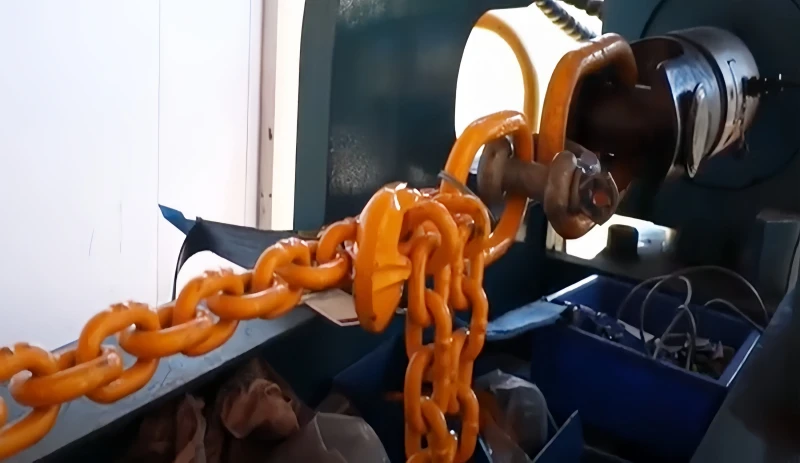
You need to understand the difference between proof load testing and regular inspections. OSHA and ASME both require you to perform these checks, but each serves a different purpose.
Proof load testing verifies the internal strength of your equipment by applying a controlled overload. Regular inspections focus on visual checks for wear, cracks, rust, or other damage.
Aspect | Proof Load Testing | Regular Inspections |
|---|---|---|
Purpose | Verifies internal strength through controlled overload | Visual checks for wear and damage |
Method | Equipment is tested under load | Primarily visual inspection |
Example | Sling rated for 4,000 pounds, tested at 5,000 pounds | Checks for visible wear, cracks, and rust |
You should schedule periodic proof load testing after repairs, modifications, or before first use. Regular inspections must occur before each use and at intervals set by OSHA and ASME standards. Both processes are essential for lifting safety and compliance.
Powerful Machinery supports your compliance by providing equipment that is fully tested, certified, and documented. You can trust that every product meets the latest OSHA and ASME standards for proof load testing and periodic inspection.
Tip: Always keep records of your proof load testing and inspection activities. Proper documentation helps you demonstrate compliance during audits and protects your team.
Compliance Best Practices for Rigging Equipment
Inspection Intervals and Qualified Personnel
You must inspect your lifting equipment at regular intervals to maintain safety and compliance. Both OSHA and ASME require you to perform a complete inspection every twelve months, with documentation for slings.
In harsh environments, you may need to inspect your equipment quarterly or even monthly. You should consider these factors when setting inspection schedules:
Frequency of use
Severity of service conditions
Nature of lifting activities
Experience with similar equipment
A qualified rigger must conduct these inspections. This person needs formal training, hands-on experience, and a strong understanding of safe rigging practices.
Employers determine qualifications based on job duties. Certification from organizations like NCCCO shows a higher level of competency, but OSHA does not mandate it.
Documentation and Post-Test Steps
You must keep accurate records after every proof load testing session. For chain slings and other slings, you need to document the inspection and keep the load test certificate on file. This record helps you prove compliance during audits and supports your safety program.
After testing, you should review the results, address any issues, and confirm that your lifting equipment is ready for use.
Tip: Store your certificates and inspection records in a secure, accessible location. This practice makes audits and reviews much easier.
Employee Training and Common Misconceptions
You must train your team to handle lifting equipment safely. Training programs require employees to be at least 18 years old and have a high school diploma or GED.
Workers should enroll in a CCO-accredited rigger training program, pass written and practical exams, and demonstrate competency. They must also follow substance abuse policies and codes of ethics.
Many users believe that proof load testing replaces regular inspections. This is not true. Proof load testing only confirms capacity under controlled conditions. It does not replace visual checks or ongoing maintenance. Also, a single certificate does not last forever. You must retest after modifications or incidents.
Third-Party Inspections and Expert Support
You can use third-party inspections to get an unbiased assessment of your lifting equipment. Certified professionals verify that your equipment meets operational requirements and safety standards. Third-party proof load testing ensures your gear can handle weight-bearing tasks and helps you maintain compliance.
Note: Expert support from companies like Powerful Machinery can help you navigate complex regulations and keep your lifting operations safe.
Common Misconceptions and When Proof Testing Is Not Required
Non-Destructive Testing Myths
You may hear that non-destructive testing (NDT) can replace proof load testing for your lifting equipment. This is not accurate. NDT methods, such as magnetic particle or ultrasonic testing, help you find surface cracks or internal flaws.
However, these tests do not confirm the actual load-bearing capacity of your equipment. Only proof load testing verifies that your lifting gear can safely handle its rated load in real-world conditions. You should use NDT as a supplement, not a substitute, for load testing.
Note: Proof load testing ensures that modifications, repairs, or component replacements do not compromise the safety or performance of your equipment.
Internal Policies vs. Regulatory Requirements
You might believe that your company’s internal policies are enough to meet all safety standards. Internal rules help you set a baseline, but they do not always match OSHA or ASME requirements. You must follow regulatory standards for lifting equipment, even if your internal policies seem strict.
Regulatory agencies require specific testing intervals, documentation, and procedures. Always check that your company’s practices align with current regulations to avoid compliance issues.
Cost Considerations and Practical Advice
Some users worry about the cost of regular testing for lifting equipment. You can manage expenses while maintaining safety by following expert advice:
Participate in regular training programs to improve safety and reduce risks.
Stay updated on the latest industry standards and best practices for lifting operations.
Adhere to testing schedules to achieve long-term savings on repairs and maintenance.
Remember that regular testing is not just about compliance; it also protects your team.
Proof load testing helps you avoid costly failures and downtime. When you invest in proper testing and training, you build confidence in your lifting operations and extend the service life of your equipment.
Conclusion
You protect your team and operations by following proof load testing, OSHA, and ASME requirements. Certified rigging equipment from Powerful Machinery helps you meet these standards and reduce workplace accidents.
Maintain accurate documentation and schedule regular inspections to extend equipment lifespan and support compliance.
Choose suppliers with ISO 45001 and OSHA certifications
Conduct daily visual checks and keep inspection records
Train your team and plan lifts carefully
These steps ensure safety and reliable equipment performance.
FAQ
What is the difference between proof load testing and break testing?
Proof load testing checks if your equipment can handle a specific load without permanent deformation. Break testing pushes the equipment until it fails. You use proof load testing for safety and compliance. Break testing is for research and product development.
How often should you perform proof load testing on rigging equipment?
You need to proof test new, repaired, or modified equipment before first use. Regular inspections happen daily or monthly, but proof load testing is not required at every interval. Always follow OSHA and ASME guidelines for your specific equipment.
Does Powerful Machinery provide certification for proof-load-tested products?
Yes, Powerful Machinery supplies full certification for every rigging product that passes proof load testing. You receive documentation that supports compliance with OSHA, ASME, and international standards.
Tip: Keep your certificates organized and accessible for audits.
Can you use non-destructive testing instead of proof load testing?
No, non-destructive testing finds flaws like cracks or corrosion. Proof load testing confirms load-bearing strength. You should use both methods together for maximum safety.
Test Type | Purpose |
|---|---|
Proof Load Testing | Confirms strength |
Non-Destructive Testing | Detects flaws |