
You face serious risks when you work with heavy loads. Rigging qualification and Rigging Certification may sound similar, but they serve different purposes. Qualification shows you know the basics, while certification proves you meet strict safety standards.
In high-risk industries, dropped loads and crane accidents often result from poor rigging practices. OSHA reports that almost half of serious injuries involving overhead cranes happen because of incorrect rigging. Powerful Machinery delivers certified, traceable equipment to help you maintain safety and compliance on every lift.
Key Takeaways
Rigging qualification shows you have the skills to handle rigging tasks safely. Employers require this before you can work with heavy loads.
Rigging certification proves you meet strict industry standards. It opens doors to better job opportunities and higher pay.
Following safety standards from OSHA, ASME, and ANSI is crucial. These guidelines help prevent accidents and ensure compliance.
Regular training and certification renewal keep your skills current. This commitment enhances your career growth and workplace safety.
Using certified rigging equipment from trusted manufacturers boosts safety and compliance on job sites.
Rigging Qualification vs Rigging Certification
What Is Rigging Qualification?
You need a rigging qualification to prove you have the skills and knowledge to handle rigging tasks safely. Employers look for this before they let you work with heavy loads or lifting equipment. You earn this status by showing your understanding of rigging hardware, load calculations, and safe lifting practices.
Most companies require you to pass both a written and a practical exam. These tests cover topics like sling hitches, equipment inspection, and how to solve rigging problems on the job.
To achieve rigging qualification in construction or manufacturing, you must meet several minimum requirements:
Complete a written and practical exam on rigging hardware, sling hitches, load calculations, and equipment inspection.
Receive an official designation as “qualified” from your employer, based on your skills, training, and experience.
Hold a recognized degree, certificate, or professional standing, such as an NCCCO or NCCER certified rigger.
Show substantial rigging experience and training.
Demonstrate the ability to solve rigging problems and apply sound rigging practices.
Employers often use these standards to decide if you are ready for the job. Rigging qualification focuses on your ability to perform tasks safely and correctly, not just on passing a test.
What Is Rigging Certification?
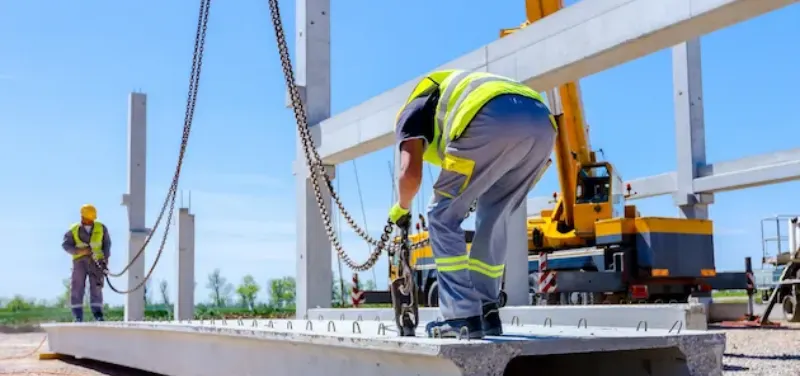
Rigging certification takes your skills a step further. You earn this credential from a recognized certifying organization, not just your employer. Certification proves you meet strict industry standards and can handle complex rigging operations. It often involves more advanced testing and ongoing education.
Several organizations offer rigging certification. Each follows specific safety and compliance standards. The table below shows some of the most recognized certifying bodies and the standards they follow:
Certifying Organization | Certification Types | Standards Followed |
|---|---|---|
National Commission for the Certification of Crane Operators (NCCCO) | Rigger Level I, Rigger Level II, Signalperson Certification | OSHA 1926.1404, ASME |
National Center for Construction Education and Research (NCCER) | Basic Rigger Certification | OSHA, ANSI |
When you hold a rigging certification, you show employers and clients that you meet national safety standards. This credential can open doors to more job opportunities and higher-level responsibilities.
Key Differences for Riggers
You might wonder how rigging qualification and rigging certification differ in daily work. The main differences involve who grants the status, the level of testing, and the legal responsibilities you carry.
The table below highlights the documented differences in job responsibilities and legal liabilities:
Aspect | Qualified Rigger | Certified Rigger |
|---|---|---|
Definition | Defined by OSHA as a person who meets the criteria for a qualified person. | Not explicitly defined in the provided text. |
Responsibilities | Must ensure load weight, select proper equipment, and comply with ASME standards. | Not specified in the provided text. |
Legal Liabilities | Liable for ensuring safety and compliance with OSHA regulations. | Not specified in the provided text. |
Training Requirements | Must pass a written and practical exam as per ASME B30.5. | Not specified in the provided text. |
Tip: If you want to work on high-profile projects or in industries with strict safety rules, you should pursue rigging certification. This credential shows you have met the highest standards in the field.
Rigging qualification gives you the foundation to work safely. Rigging certification proves you can meet industry-wide standards and take on greater responsibility. Both play a key role in keeping job sites safe and compliant.
Why Rigging Certification Matters?
Safety and Compliance Standards
You protect yourself and your team when you follow proper rigging certification processes. A comprehensive certified rigger course covers essential topics like load calculations, equipment inspection, and risk assessment.
This training gives you the knowledge to spot hazards and apply the right safety techniques. You reduce the risk of accidents and help your company meet safety standards.
Benefit | Description |
|---|---|
Reduced downtime from accidents | Certification leads to fewer accidents, minimizing operational interruptions. |
Lower equipment repair costs | Proper training reduces mishandling, leading to decreased repair expenses. |
Increased workforce productivity | Confidence in trained processes enhances overall productivity among workers. |
Enhanced reputation for safety | A strong safety record improves credibility with clients and partners, fostering trust. |
You show your commitment to safety training and compliance when you earn rigging certification. This sends a clear message to your employer and clients that you value safety.
Employer Responsibilities for Certified Riggers
Employers must ensure only certified riggers handle critical lifting tasks. You help your company meet legal requirements and industry safety standards when you hold a valid certification. Investing in trained riggers and signalmen is crucial for legal compliance and operational efficiency.
You also support a culture of safety, which builds trust across your organization.
Note: Certification fosters a culture of safety, signaling to employees and clients that safety is prioritized.
Employers rely on your skills and knowledge to prevent costly mistakes. You play a key role in keeping the workplace safe and efficient.
Career and Contract Benefits
Rigging certification opens doors to better jobs and higher pay. You gain access to complex projects and specialized roles that require advanced skills. Many high-paying contracts and positions require proof of certification.
Certification Type | Impact on Income Potential |
|---|---|
Crane Operator Certifications | Increase earning potential by 40-60% compared to general equipment operation |
NCCCO Credentials | Required for most high-paying crane positions, demonstrating competency to employers |
Rigging and Signal Person Certifications | Enhance value on complex lifting projects, leading to better job opportunities |
Safety Certifications | Often translates directly to higher hourly rates due to demonstrated professionalism |
You validate your skills and enhance your credibility in the industry. Certified riggers enjoy better job security and a competitive edge. Specialized certifications give you access to higher-risk, higher-pay assignments, helping you advance your career.
Rigging Safety Standards
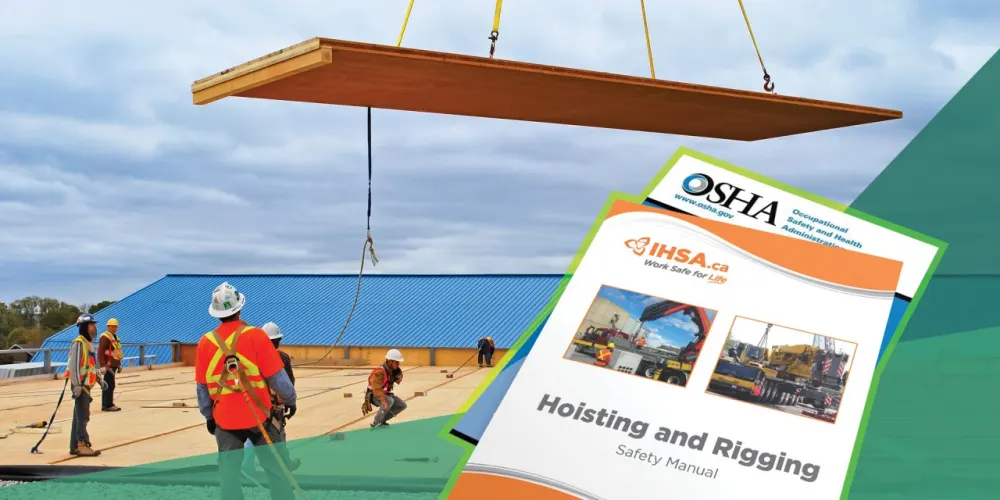
OSHA, ASME, and ANSI Guidelines
You must follow strict safety standards when you work as a rigger. OSHA, ASME, and ANSI set the rules for rigging operations in the United States. These organizations help you keep your workplace safe and compliant. OSHA enforces safety regulations and conducts inspections.
ASME develops safety standards for cranes and rigging. ANSI approves national standards and supports fall protection guidelines.
Organization | Role | Key Guidelines |
|---|---|---|
OSHA | Enforcer of safety regulations | Inspections, citations, fines; General Duty Clause for a hazard-free workplace. |
ASME | Developer of safety standards | ASME B30 series for cranes and rigging: requirements for design, inspection, testing, operations, and training. |
ANSI | Facilitator of national standards | Accredits organizations; approves ASME standards; includes ANSI/ASSP Z359 for fall protection. |
You need to understand these guidelines before you start any rigging task. Rigging certification programs teach you how to apply these standards. Certified riggers use these rules to protect themselves and others. You must complete training and pass exams to show you know the safety standards.
Tip: Always check the latest OSHA and ASME updates before starting a new project. This helps you avoid fines and keeps your team safe.
Powerful Machinery’s Certified Rigging Hardware
You improve safety and compliance when you use certified rigging hardware from Powerful Machinery. The company meets international standards such as ISO, OSHA, and ASME. Every product goes through strict inspection and testing. You can trust the load ratings and traceability features on each piece of equipment.
Organization | Key Focus | Key Standards |
|---|---|---|
ISO | International standards for safety and efficiency in rigging | ISO 4309, ISO 16881 series |
OSHA | Workplace safety regulations | General Duty Clause, inspections, citations |
ASME | Rigging and lifting safety standards | ASME B30 series |
You reduce risk by choosing hardware that meets these safety standards. Powerful Machinery’s products help you pass inspections and maintain compliance. You support safe lifting operations and protect your team from accidents. Rigging certification and proper equipment work together to create a secure job site.
Rigging Certification Levels
Basic, Intermediate, Advanced Rigger
You can choose from several levels of rigging certification based on your experience and job needs. Each level builds your skills and prepares you for more complex tasks. The table below shows what you need for each level:
Certification Level | Criteria |
|---|---|
Basic | Training on transportation, steel erections, hoists, safety nets, and safe work planning. Must be over 18 and have a dogging license. |
Intermediate | Expands on basic training, includes rigging for cranes and demolition work. Must complete basic rigging course first. |
Advanced | Covers rigging for complex structures like gin poles and suspended scaffolds. Must complete intermediate training first. |
You start with basic training and move up as you gain experience. Each step teaches you new techniques and safety practices. Certified riggers at the advanced level handle the most challenging lifts.
NCCCO and Other Credential Paths
You can earn your certification through several recognized organizations. The National Commission for the Certification of Crane Operators (NCCCO) offers respected paths for riggers. You may also find programs from the National Center for Construction Education and Research (NCCER).
These groups test your skills and knowledge with written and practical exams. You must renew your credentials regularly to stay current with industry standards. This process ensures you use the latest rigging techniques and safety rules.
Tip: Choose a credential path that matches your career goals and the types of projects you want to work on.
Roles Requiring Rigging Qualification
You need to hold a rigging qualification for many jobs in construction and heavy industry. Qualified riggers play a key role in safe lifting operations. You will find rigging essential for:
Erecting steel frameworks on building sites
Placing massive beams during bridge or tower construction
Lifting heavy equipment such as cranes, bulldozers, and precast concrete elements
You must understand proper rigging to keep your team safe and your projects on track. Many employers require you to show proof of certification before you can start these roles. Rigging certification helps you meet these requirements and build a strong career in the industry.
Rigging Training Requirements
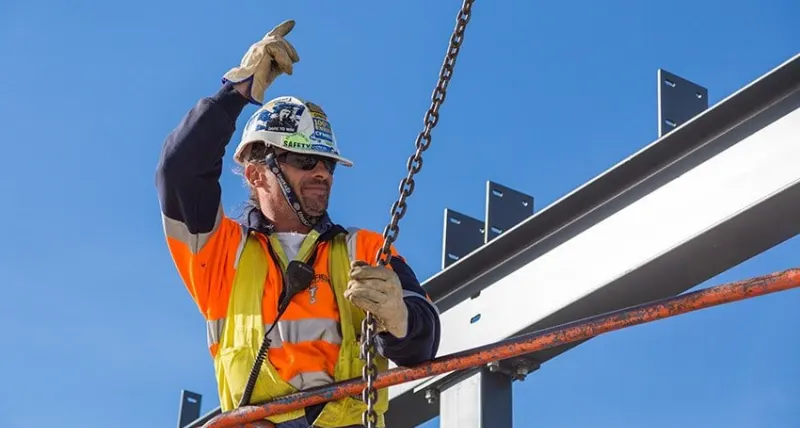
Core Training for Riggers
You must complete comprehensive training to become a qualified rigger. Industry standards require you to master several core modules. These modules cover essential topics such as inspection, mathematics, and lift planning. The table below outlines the main subjects and their recommended durations:
Training Subject | Duration |
|---|---|
Rigging & Lifting Inspector/Supervisor Training | 3 Days |
Riggers Training | 1 Day |
Crane Operator Training | 1 Day |
Rigging Mathematics Training | 2 Days |
Lift Plan Maker/Approver Training | 2 Days |
You gain practical skills and knowledge through basic rigging training and advanced modules. These training requirements ensure you understand safe lifting techniques and proper equipment use. Rigging certification programs often include both classroom instruction and hands-on practice.
Hands-On and Online Training Options
You can choose between hands-on and online training options to meet rigging certification goals. Hands-on sessions allow you to practice basic rigging training with real equipment. You learn to inspect hardware, calculate loads, and apply safe lifting techniques.
Online courses offer flexibility, letting you study rigging theory and safety standards at your own pace. Many programs combine both formats, giving you a balanced approach to qualified rigger training.
Tip: Select a training provider that offers both practical exercises and digital resources. This approach helps you master rigging training requirements and prepares you for certification exams.
Powerful Machinery’s Rigging Equipment Features
You improve your training experience when you use Powerful Machinery’s certified rigging equipment. Each product meets strict industry standards and supports traceability. You can easily verify load ratings and compliance during qualified rigger training.
The equipment’s durability and clear markings simplify inspections and reinforce safe practices. Powerful Machinery’s hardware helps you meet rigging training requirements and ensures you work with reliable tools. You build confidence in your skills and support safe operations on every lift.
Rigging Certification Process
Exams and Credential Renewal
You must complete a structured certification process to become a certified rigger. The process starts with a written exam that tests your knowledge of rigging principles, safety standards, and equipment use. You also take a practical exam where you demonstrate your skills with real rigging hardware.
These exams ensure you understand both theory and hands-on techniques.
After passing the exams, you receive your rigging certification. This credential shows you have met the requirements of the qualification process and can perform rigging tasks safely. Most certifications remain valid for a set period, usually three to five years.
To keep your status, you must renew your certification before it expires. Renewal often involves a refresher exam or proof of ongoing training.
Note: Always track your certification expiration date. Renew early to avoid gaps in your credentials.
Continuing Education for Riggers
You need to stay current with industry changes and new safety practices. Continuing education helps you learn updated techniques and regulations. Many organizations offer workshops, online courses, and seminars for riggers. These programs cover advanced rigging, inspection methods, and new equipment.
You should participate in ongoing training to maintain your skills and meet employer expectations. This commitment to learning supports your career growth and keeps your workplace safe. Employers value riggers who invest in their education and adapt to new standards.
Continuing Education Options | Description |
|---|---|
Workshops | Hands-on practice with new tools |
Online Courses | Flexible learning on regulations |
Seminars | Updates on industry best practices |
You build confidence and expertise by staying engaged with continuing education. This approach ensures you always use the safest and most effective rigging techniques.
Rigging Equipment Certification
Inspection and Maintenance Standards
You must follow strict inspection and maintenance standards to keep your rigging equipment safe and reliable. OSHA and ASME set clear rules for how you inspect and maintain your gear. These standards help you prevent accidents and extend the life of your equipment.
Inspect all rigging before each shift. Remove any defective equipment right away.
Never use gear with missing tags or unreadable markings.
Always check that loads do not exceed the rated capacity.
Remove damaged slings immediately if you see cuts, broken wires, or stretched links.
Proof-test custom lifting accessories to 125% of their rated load before use.
Make sure only qualified riggers handle inspections and maintenance.
Perform frequent and periodic inspections of slings and hardware, paying close attention to hooks, latches, and wear.
Mark and inspect below-the-hook devices according to guidelines.
You protect your team and your operation when you follow these steps. Regular inspections and proper maintenance form the backbone of safe rigging certification.
Powerful Machinery’s Rigging Equipment Compliance
You can trust Powerful Machinery to deliver equipment that meets international certification standards. The company follows regulatory frameworks like OSHA and NIOSH to ensure every product supports safe lifting. Before each use, you should inspect your rigging equipment, as required by OSHA’s 1926.251(a) code.
Powerful Machinery builds a robust work system for safe use and maintenance.
You receive a safety checklist with each product to help you spot wear and tear.
The manufacturer’s instructions guide you in using the equipment safely.
Trained and certified individuals perform periodic inspections to keep your gear in top condition.
You gain peace of mind knowing your equipment meets the highest standards. Powerful Machinery’s commitment to compliance helps you pass inspections and maintain a safe workplace. When you choose certified rigging hardware, you support a culture of safety and reliability on every lift.
Rigging Certification Cost
Factors Affecting Cost
You need to consider several factors when you plan for rigging certification. Costs can vary widely based on your choices and needs. Here are the main elements that influence what you pay:
Certification Level: Basic courses usually cost less. Advanced programs for experienced riggers often require higher fees.
Training Provider: Well-known institutions with skilled instructors may charge more. You often get better resources and support from these providers.
Location: Prices change depending on where you take the course. Urban centers or regions with high demand for rigging professionals might have higher costs.
Course Duration: Short courses cost less. Longer, more detailed training programs require a bigger investment.
You should compare these factors before you enroll. This helps you find the best value for your career goals.
Tip: Ask about group rates or company discounts if you plan to certify several team members at once.
What’s Included in Certification Fees?
You receive more than just a certificate when you pay for rigging certification. Most programs include a range of services and materials to help you succeed:
Classroom instruction with industry experts
Hands-on practice using real rigging equipment
Study guides and training manuals
Written and practical exams
Official certification card or document upon passing
Access to online resources or refresher modules
Some providers also offer free exam retakes or ongoing support after you finish the course. You should review what each program includes before you register. This ensures you get the most out of your investment and stay prepared for your role as a rigger.
Note: Investing in quality training and certification can lead to safer work environments and better job opportunities.
Benefits of Certified Riggers
Individual Safety and Career Growth
You gain a significant advantage when you pursue rigging certification. Certified riggers experience fewer workplace injuries because proper training teaches you how to identify hazards and use equipment safely. You learn to follow best practices and understand the importance of regular inspections.
This knowledge helps you avoid accidents and protect yourself on the job.
Safety starts with you. When you master safe rigging techniques, you build confidence and reduce risks for everyone on your team.
Career growth becomes more accessible when you hold a certification. Many employers look for certified riggers to fill advanced roles in the lifting industry. You open doors to new opportunities and higher pay.
Understanding OSHA requirements and staying committed to continuous learning set you apart from other riggers. You demonstrate professionalism and reliability, which helps you advance in your career.
Proper training ensures workplace safety.
Certification opens doors for career growth in the lifting industry.
Understanding OSHA requirements and continuous learning are crucial for professional advancement.
Organizational Compliance and Efficiency
Your certification benefits your organization as well. Companies that employ certified riggers maintain compliance with local and national crane operation laws. This reduces the risk of operational disruptions and protects the company’s reputation.
You help simplify permitting processes, which expedites the issuance of permits and minimizes administrative delays.
Certified riggers contribute to operational uptime and project efficiency. You reduce downtime caused by human error or equipment misuse. Your proficiency in crane handling optimizes project timelines and improves overall efficiency. Organizations value your expertise because you help projects run smoothly and safely.
Certified operators maintain compliance with crane operation laws, preventing disruptions and reputational damage.
Certification simplifies permitting processes, reducing administrative delays.
Certified operators enhance operational uptime and project efficiency by minimizing downtime.
Certification optimizes project timelines through proficient crane handling.
When you invest in rigging certification, you support both your personal growth and your organization’s success.
Steps to Rigging Compliance
Getting Started with Training
You begin your journey toward rigging compliance by understanding the requirements for safe lifting operations. Start with an initial inspection of your rigging equipment. This step helps you identify the current condition of your gear and spot any items that need removal from service.
Create an outline of all existing equipment to streamline the inspection process. You may encounter challenges during the first inspection, especially if you discover worn or outdated hardware. Address these issues early to build a foundation for ongoing compliance.
Conduct an initial inspection of all rigging equipment.
Prepare a detailed outline of your gear to support the inspection.
Remove any equipment that fails to meet safety standards.
Recognize that the first inspection may reveal unexpected problems.
Once you complete this step, maintaining compliance becomes much easier.
Tip: Use certified equipment from trusted manufacturers like Powerful Machinery to simplify qualification and inspection requirements.
Maintaining Certification and Safety
You maintain rigging compliance by following best practices every day. Comprehensive pre-lift planning ensures you evaluate loads and assess terrain before each operation. Operators must hold a valid qualification and stay current with OSHA guidelines and NCCCO certifications.
Daily equipment inspections help you catch issues with cables, slings, hooks, and hydraulic systems before they become hazards. Clear communication is essential; use standardized hand signals and radio protocols to coordinate lifts. Secure every load by selecting the right slings, shackles, and spreader bars.
Plan each lift with careful load evaluation and terrain assessment.
Ensure every rigger meets certification and qualification requirements.
Inspect equipment daily for signs of wear or mechanical problems.
Communicate clearly using approved signals and radios.
Select proper rigging hardware for each lift to maintain safety.
Systematic safety protocols prevent accidents and keep your team protected. You support a culture of compliance by staying vigilant and updating your training as standards evolve.
Conclusion
You strengthen workplace safety when you understand the difference between rigging qualification and certification. Certified riggers and compliant equipment protect your team and support project success. Choose certified products from Powerful Machinery for reliable lifting solutions every time.
Stay ahead by investing in ongoing training and renewing your credentials. This commitment keeps you compliant and ready for any lifting challenge.
FAQ
What is the difference between a qualified rigger and a certified rigger?
You become a qualified rigger by demonstrating technical knowledge and practical skills through a rigging qualification. Certification requires you to pass standardized exams from recognized organizations. Both roles focus on worksite safety, but certification often leads to more advanced responsibilities.
How do you become a qualified rigger?
You must complete rigging courses that cover technical knowledge, equipment inspection, and safe lifting practices. Employers may require you to hold a Certificate III in rigging or similar credentials. You also need hands-on experience to meet the requirements for qualified riggers.
Why is technical knowledge important for riggers?
Technical knowledge helps you identify safety issues and select the right equipment for each lift. You use this expertise to prevent accidents and ensure every operation meets industry standards. Strong technical skills support both your career and your team’s safety.
What are the main safety issues in rigging?
You face risks like dropped loads, equipment failure, and improper signaling. Addressing these safety issues requires regular inspections, proper rigging qualification, and ongoing training. You protect yourself and your coworkers by following best practices and using certified equipment.
Do you need formal training to work as a rigger?
You need formal training to work as a rigger. Most employers require you to complete rigging courses and earn recognized credentials. This training ensures you understand worksite safety and can perform your duties as a qualified rigger.