
Suspended Platform
Powerful Machinery builds durable suspended platforms for safe and efficient lifting. We design every unit for reliability and performance on any construction project. Request a quote today and get your lifting equipment directly from the manufacturer.

Our suspended platforms meet ANSI standards and include advanced safety features for secure operation.
Built with premium materials to withstand heavy loads and harsh environments for long-lasting performance.
Designed to lift personnel and equipment efficiently with stable, reliable performance.
Get direct support, spare parts, and warranty coverage straight from the trusted manufacturer.
Powerful Machinery - Your Reliable Suspended Platform Manufacturer
We supply work provide dependable suspended platform for industry leaders.






SUSPENDED WORK PLATFORM
Our suspended working platform support lifting and rigging operations across diverse applications. Our selection includes:
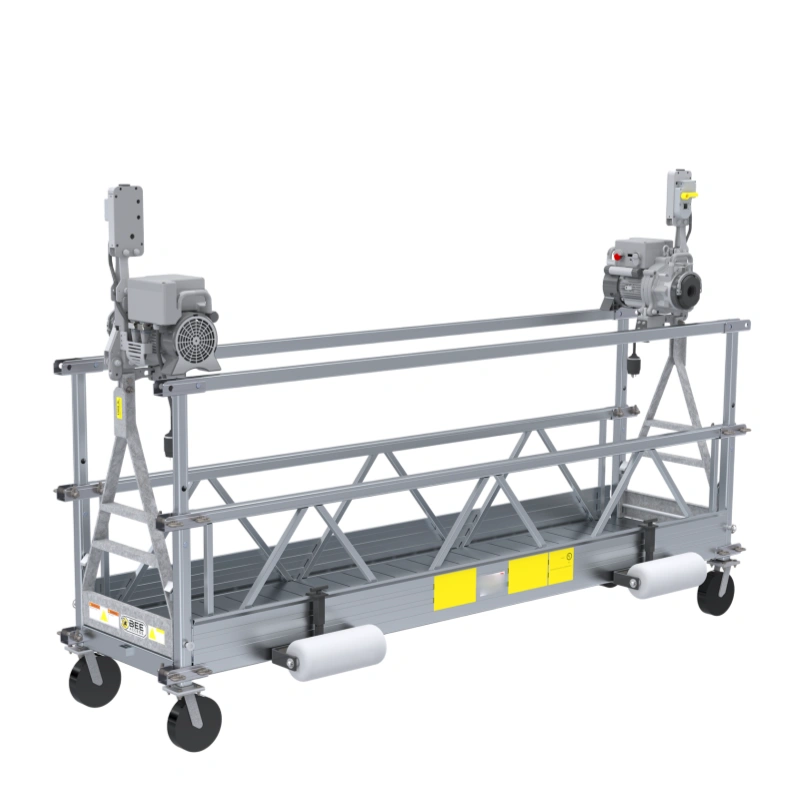
Modular Suspended Platforms
Modular suspended platforms link straight sections for long runs. Durable, safe, and efficient solutions for construction and maintenance projects.
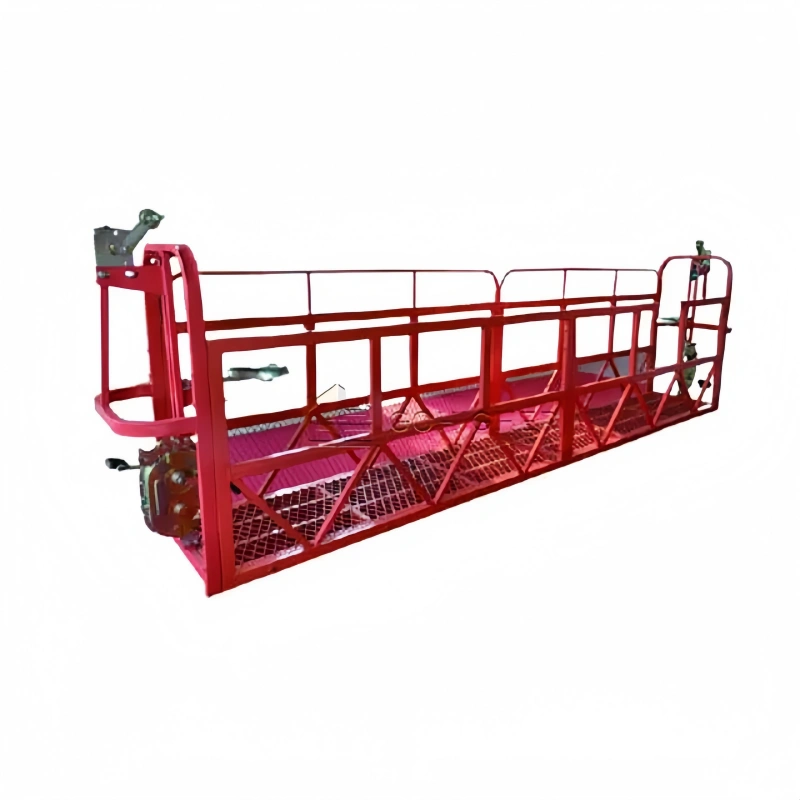
Pedal Rope Suspended Platform
Pedal rope suspended platforms offer safe, stable lifting for construction, maintenance, and high-rise work. Easy to operate and ideal for long-run access.
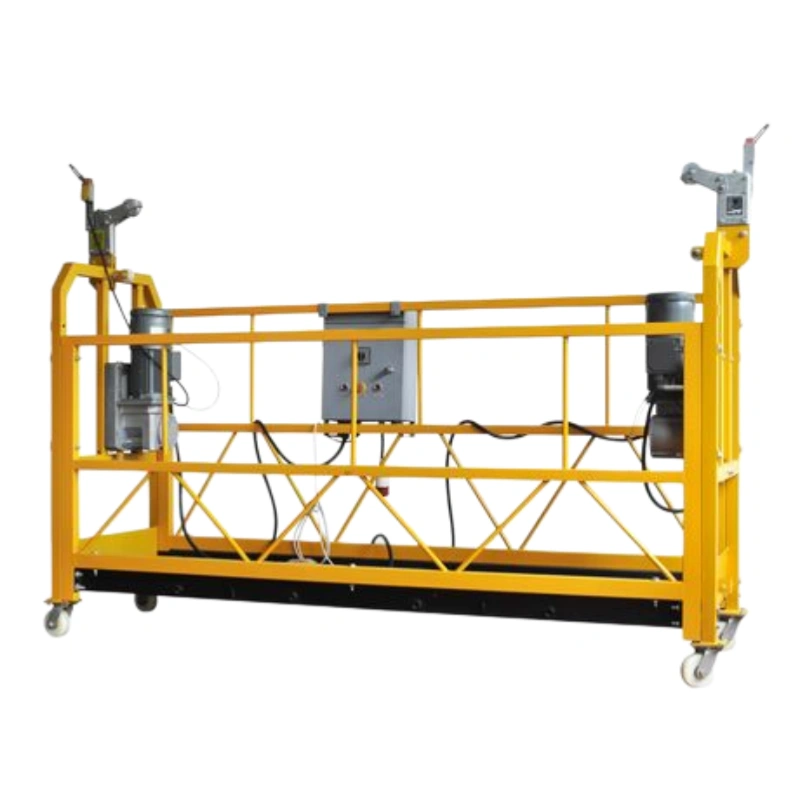
Scaffolding Suspended Platform
Scaffolding suspended platforms deliver secure, stable access for construction and maintenance. Ideal for high-rise and façade projects requiring safe lifting solutions.
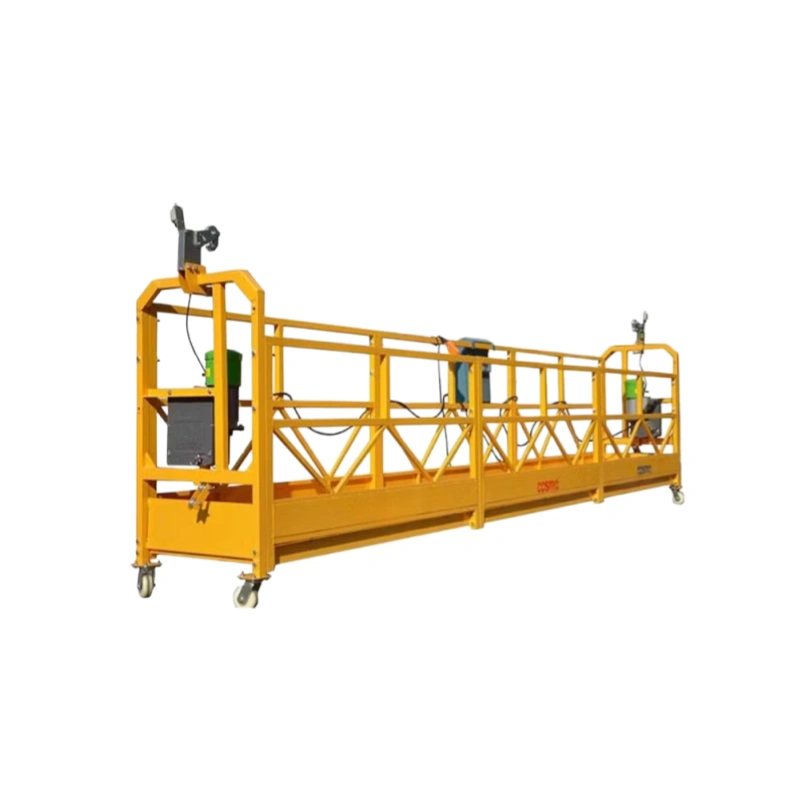
Swing Stage Scaffold
Swing Stage Scaffold is a two-point suspended platform with secure ropes, adjustable height, and stable design. Ideal for painting, cleaning, and high-rise maintenance.

Electric suspended platforms offer safe, stable lifting with smooth operation, adjustable height, and long-run access. Ideal for construction, maintenance, and high-rise work.
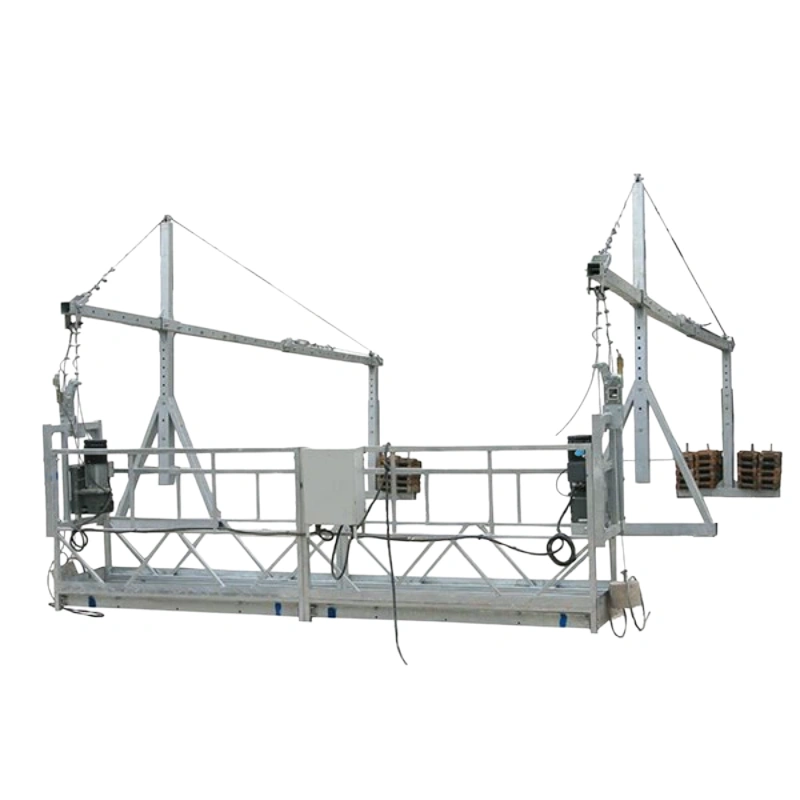
Rope Suspended Platform
Rope suspended platforms provide secure, stable access for high-rise construction, maintenance, and façade work. Adjustable ropes ensure safe operation.
NEED HELP WITH YOUR SUSPENDED WORKING PLATFORM ORDER?
Let us help! Reach out today and get recommendations on materials and sizing from our experts.


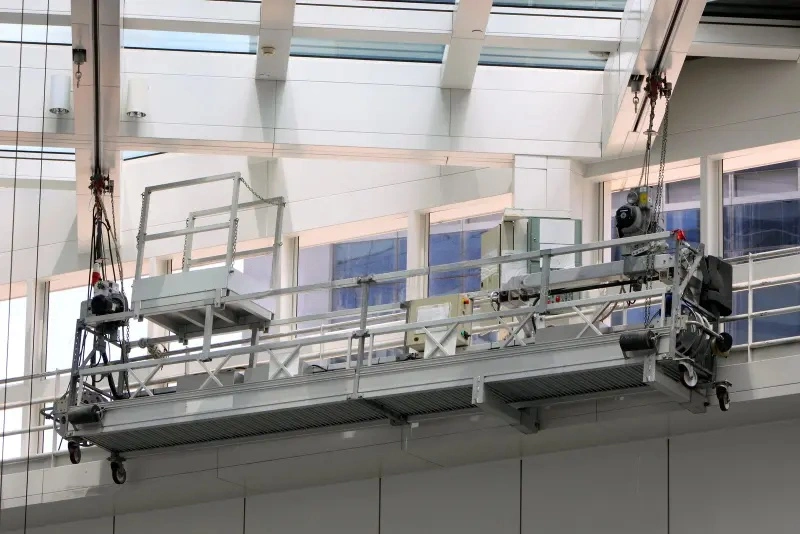
Guide to Suspended Platform
Our guide to suspended platforms helps you understand suspended platform types, applications, and selection tips so you can choose safe, reliable lifting euipments.
What Is a Suspended Platform?
A suspended platform is a temporary elevated working system designed for high-rise construction, facade maintenance, and industrial access projects. The system hangs from roof-level support mechanisms using steel wire ropes and powered hoists. The design allows vertical movement along building exteriors while maintaining structural stability and controlled load distribution.
Unlike traditional scaffolding, a suspended platform adapts quickly to varying building heights and complex architectural surfaces. Construction companies, facade contractors, and industrial maintenance firms rely on this system to improve efficiency, reduce ground obstruction, and control labor costs on tall structures.
Suspended Platform Design
Suspended platform design determines safety performance, structural stability, and long-term return on investment. A well-engineered suspended working platform improves lifting accuracy, reduces structural stress, and supports demanding high-rise and industrial maintenance projects.
Key Design Elements
Structural Strength and Load Engineering
Engineers define rated load capacity according to platform length, material grade, hoist lifting force, and suspension mechanism configuration to ensure safe vertical operation under full working load.Precision Counterweight Configuration
Accurate counterweight calculation maintains vertical alignment, minimizes platform tilt, and controls lateral sway during lifting and lowering cycles.Modular Platform Configuration
Modular sections allow flexible length adjustment to match facade width, bridge spans, or industrial plant structures without redesigning the entire system.High-Tensile Steel Framework
Reinforced steel frames resist deformation under dynamic loads, wind pressure, and concentrated material placement during construction or facade restoration work.Advanced Hoist Performance Integration
Electric hoists provide controlled lifting speed, synchronized movement, and reliable braking performance for stable suspended access.Integrated Electrical Safety Controls
Control panels include overload protection, emergency stop systems, and phase protection to maintain operational safety in infrastructure upgrades and industrial maintenance environments.Suspension Mechanism Stability
Adjustable roof support systems distribute structural forces evenly across the support surface, reducing rooftop stress concentration.
This structured suspended platform design supports construction companies, facade contractors, industrial maintenance firms, rental providers, and engineering consultants who require safe, durable, and adaptable high-rise access equipment.
Safe Use and Operation of Suspended Working Platform
Safe use and operation of a suspended platform directly affect worker protection, equipment lifespan, and project efficiency. A structured safety management approach ensures stable lifting performance and reduces operational risk on high-rise construction and industrial maintenance sites.
Key Safe Operation Requirements
Pre-Use Inspection Protocol
Conduct systematic checks of wire ropes, hoists, safety locks, electrical systems, counterweights, and suspension mechanisms before every shift to confirm mechanical integrity and operational readiness.Accurate Load Planning
Calculate total working load, including personnel, tools, and materials, and distribute weight evenly across the platform to prevent imbalance and structural stress.Proper Wire Rope Routing
Ensure correct rope alignment through hoists and safety locks to avoid friction wear, twisting, and abnormal tension during lifting cycles.Balanced Material Placement
Position materials symmetrically along the platform deck to maintain stable vertical travel and reduce lateral sway.Daily Safety Lock and Limit Switch Testing
Test safety locks, upper limit switches, and emergency stop systems daily to verify immediate response capability during abnormal speed or power interruption.Certified Operator Management
Assign trained and authorized operators who understand lifting procedures, load control, and emergency handling requirements.Clear Communication Procedures
Maintain real-time coordination between platform operators and ground supervisors to control lifting speed and respond quickly to site conditions.Strict Rated Load Compliance
Never exceed the defined suspended platform load capacity to protect structural components, prevent hoist overload, and maintain project safety standards.
Suspended Platform Components
Core components include suspension mechanisms, steel wire ropes, electric hoists, safety locks, electrical control panels, counterweights, and modular platform sections. Each element directly influences structural stability and operational precision.
High-performance hoists deliver controlled vertical movement with integrated braking systems. Safety locks activate instantly during abnormal rope speed or failure. Galvanized steel structures resist corrosion, extending service life for rental fleets and long-term infrastructure projects.
Suspended Platform Inspection Checklist
A detailed suspended platform inspection checklist strengthens operational safety, ensures regulatory compliance, and extends equipment service life. Every daily inspection must evaluate structural, mechanical, and electrical components before the suspended working platform enters operation.
Essential Suspended Platform Inspection Points
Wire Rope Condition Inspection
Examine wire ropes for wear patterns, corrosion, broken strands, diameter reduction, twisting, and correct lubrication to maintain rated load capacity and stable lifting performance.Hoist Motor Performance Verification
Confirm smooth lifting and lowering movement, consistent brake response, and absence of abnormal vibration, noise, or overheating that may signal mechanical wear.Safety Lock Function Testing
Test safety lock engagement and reset capability to ensure immediate activation during overspeed events or rope failure.Counterweight Configuration Check
Verify counterweight quantity and secure positioning according to engineered load calculations to maintain structural balance.Platform Structural Integrity Review
Inspect guardrails, toe boards, and platform flooring for cracks, deformation, loose fasteners, or structural fatigue to prevent fall hazards.Electrical System Examination
Check electrical cables for abrasion, exposed conductors, insulation damage, and unstable connections. Inspect control panels and confirm proper system response.Emergency Stop System Testing
Conduct full functional testing of emergency stop controls to validate rapid shutdown capability during abnormal conditions.Suspension Mechanism and Anchorage Inspection
Evaluate roof support systems, anchoring points, and connection bolts for secure fastening and load distribution stability.Inspection Documentation and Traceability
Maintain detailed inspection records for compliance audits, safety verification, and internal quality management.Immediate Defect Response Protocol
Remove any damaged or non-compliant component from service immediately to prevent mechanical failure and operational risk escalation.
Consistent implementation of this suspended platform inspection checklist enhances lifting reliability, reduces downtime, and supports construction companies, façade contractors, industrial maintenance firms, and safety compliance managers in maintaining high-rise access safety standards.
Suspended Platform Market
The global suspended platform market continues to expand as urban skylines rise and infrastructure modernization accelerates. Demand growth comes from high-rise residential towers, commercial façade renovation, bridge maintenance, energy facilities, and industrial plant upgrades.
What Is Driving Suspended Platform Market Growth?
Rapid urban vertical construction in major metropolitan regions
Aging façade systems requiring cyclical maintenance and restoration
Infrastructure rehabilitation programs for bridges, transport hubs, and utilities
Increased enforcement of safety compliance standards
Expansion of rental equipment fleets to support short-term projects
These drivers strengthen demand for rope suspended platforms, modular swing stage systems, and electric suspended access equipment across construction and industrial sectors.
Current Market Trends
1. Shift Toward Engineering-Based Procurement
Procurement departments now prioritize certified load calculations, structural drawings, and compliance documentation. Purchase decisions increasingly depend on engineering credibility rather than price alone.
2. Lifecycle Cost Evaluation
Large contractors assess suspended platforms based on durability, spare parts availability, corrosion resistance, and long-term maintenance costs. Lifecycle value has replaced low initial price as the primary decision factor.
3. Rental Market Expansion
Equipment leasing companies continue to grow fleet size to meet flexible project demand. High utilization rates require robust, low-maintenance suspended working platform systems.
4. Safety and Regulatory Pressure
Global safety standards drive demand for advanced safety locks, overload protection systems, and documented inspection protocols.
Market Opportunities for Construction and Industrial Buyers
High-rise façade access solutions for residential and commercial towers
Modular suspended platform systems for wide-span structures
Electric rope suspended platforms for energy and plant maintenance
Custom configurations for infrastructure and complex architectural designs
Strategic buyers view suspended platforms as critical high-rise access equipment that directly affects worker safety, project speed, and operational efficiency.
Types of Rope Suspended Platform
Rope suspended platform systems vary based on lifting method, structural design, and project application requirements. Correct selection depends on building height, load capacity, façade width, and operational intensity.
Main Types of Rope Suspended Platform Systems
Electric Rope Suspended Platform
Designed for high-rise construction and large façade maintenance projects requiring consistent vertical lifting speed, synchronized hoist operation, and high productivity.Manual Rope Suspended Platform
Suitable for light-duty applications, low-rise buildings, or remote job sites where stable electrical power remains unavailable.Two-Point Swing Stage Platform
The most widely used configuration for exterior building access, supported by two suspension ropes positioned at each end of the platform.Modular Rope Suspended Platform System
Allows adjustable deck lengths for wide façade spans, bridge maintenance, and large commercial structures. Modular sections improve flexibility and transport efficiency.Customized Rope Suspended Platform Assembly
Engineered to match complex architectural geometry, irregular roof structures, or infrastructure projects requiring special suspension layouts.
Technical Configuration Considerations
Rope diameter must align with rated load requirements and hoist specifications.
Hoist lifting capacity must match working load and platform length.
Safety lock sensitivity must ensure reliable activation during overspeed events.
Balanced suspension configuration ensures structural stability and synchronized lifting.
Correct rope suspended platform configuration improves lifting efficiency, reduces structural stress, and enhances long-term operational safety for construction companies, façade contractors, industrial maintenance firms, and equipment rental providers.
Rope Suspended Platform Checklist
A rope suspended platform checklist ensures lifting stability, load balance, and safety compliance before every operation. Proper rope inspection and hoist alignment directly influence load distribution, emergency locking performance, and long-term equipment reliability.
Essential Rope Suspended Platform Inspection Items
Rope Diameter Verification
Measure rope diameter to confirm compliance with rated load specifications and manufacturer standards.Wire Rope Condition Assessment
Inspect for corrosion, broken strands, deformation, twisting, and lubrication condition to maintain structural strength.Termination and Anchorage Inspection
Examine rope terminations, anchoring points, and fastening torque to ensure structural security and load stability.Suspension Rope Tension Balance
Confirm equal tension on both suspension ropes to maintain vertical alignment and prevent platform tilting.Hoist Drum Winding Alignment
Check proper rope layering on the hoist drum to avoid crossover, uneven spooling, and abnormal wear.Safety Lock Sensitivity Test
Perform controlled testing to verify accurate overspeed response and reliable emergency locking activation.Trial Lifting and Lowering Cycle
Conduct no-load test runs to confirm synchronized hoist operation before personnel or material loading.Electrical Power Stability Check
Verify voltage consistency and secure cable connections for electric rope suspended platform systems.Weather Condition Evaluation
Confirm wind speed, precipitation level, and environmental conditions remain within safe operational limits.Inspection Documentation and Recordkeeping
Log every inspection step systematically to establish maintenance traceability, regulatory compliance, and audit readiness.
Consistent implementation of this rope suspended platform checklist enhances high-rise access safety, reduces mechanical failure risk, and supports construction companies, façade contractors, industrial maintenance firms, and rental providers in maintaining reliable suspended working platform performance.
How Do You Select the Right Suspended Platform for Your Project?
Selecting the right suspended platform requires technical planning, structural evaluation, and compliance verification. A structured selection process ensures safe operation, cost efficiency, and long-term performance for high-rise construction and industrial maintenance projects.
Key Factors in Suspended Platform Selection
Load Capacity Definition
Determine total working load, including personnel, tools, and materials, to ensure the suspended working platform meets rated capacity requirements.Working Height and Platform Length Assessment
Match platform length to façade width and confirm lifting height based on building elevation and project scope.Roof Structure and Anchorage Evaluation
Analyze roof anchoring conditions and load-bearing capacity to ensure safe suspension mechanism placement and counterweight configuration.Power Supply Availability
Confirm electrical access when selecting electric rope suspended platforms or consider alternative configurations for remote sites.Environmental Exposure Analysis
Evaluate wind pressure, coastal corrosion risk, chemical plant environments, and temperature variations to determine material grade and surface treatment.Project Duration Planning
Assess whether short-term use favors rental solutions or long-term operational demand justifies equipment purchase.Regulatory Compliance Verification
Ensure alignment with local safety regulations, certification standards, and documented engineering load calculations.Technical Drawing and Load Distribution Review
Finalize configuration through structural drawings and load distribution analysis to guarantee lifting synchronization and structural balance.
Performance Optimization Considerations
Balance lifting efficiency with structural durability.
Prioritize maintenance accessibility and spare parts availability.
Select configurations that match operational intensity and long-term reliability requirements.
A systematic suspended platform selection process improves project safety, reduces downtime, and ensures dependable high-rise access performance for construction companies, façade contractors, industrial maintenance firms, and equipment rental providers.
Have More Questions of Suspended Platform?
Have more questions about suspended platforms? Our engineering team provides clear answers on design, safety, load capacity, customization, and compliance to help you choose the right high-rise access solution for your project.