
Tow Chains
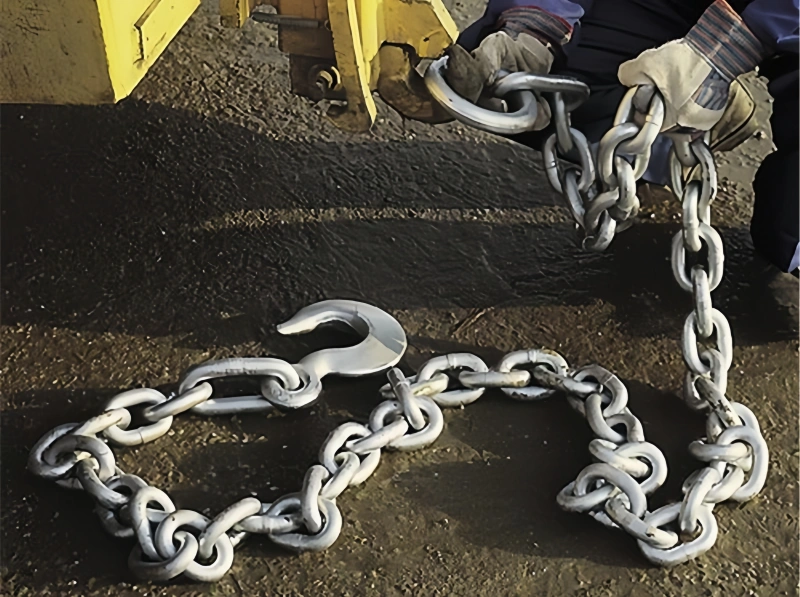
Powerful Machinery makes tow chains for demanding towing and recovery work. We offer tow chains in the grades, sizes, and hook setups you need for steady supply, tough performance, and custom production. Need pricing or specs? Get a tow chains quote from Powerful Machinery today.

Consistent tow chains quality in every batch, with strict production control that helps reduce complaints, returns, and sourcing risk.
Verified load ratings and clear specs give you more confidence when selecting tow chains for demanding towing and recovery jobs.
Stable factory output supports repeat orders, reliable lead times, and long-term tow chains supply you can plan around.
OEM support and custom specs help you source tow chains that match your design, branding, and application needs.
Powerful Machinery - Your Reliable Tow Chain Manufacturer
We supply work provide dependable towing chains for industry leaders.





TOWING CHAINS
Our towing chains support towing, recovery, transport, and tie-down applications across a wide range of vehicles and equipment.
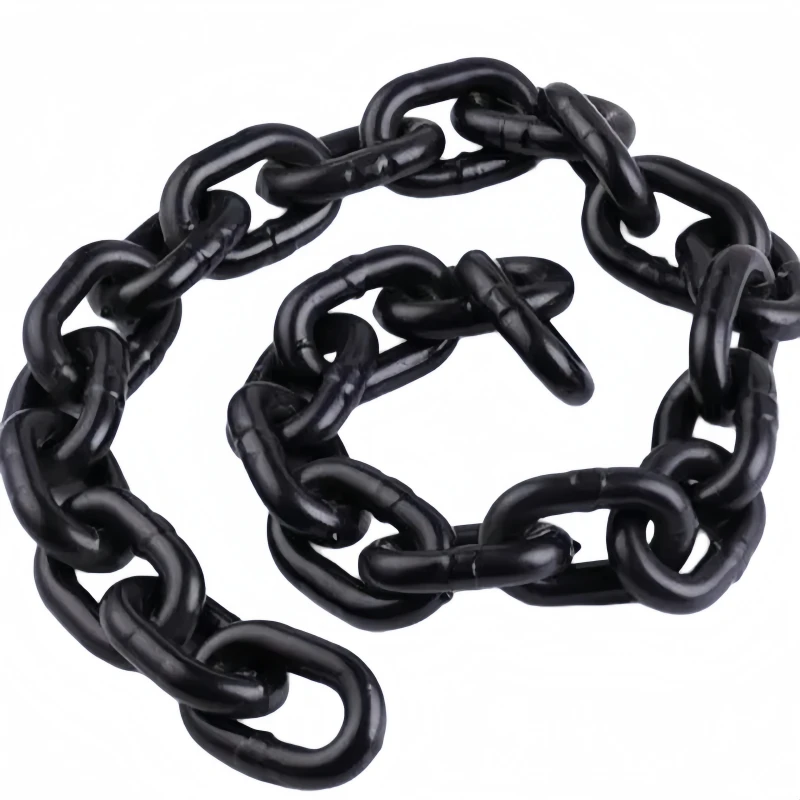
Heavy Duty Tow Chain
Heavy duty tow chain delivers dependable strength for towing, recovery, and load securement. Made from high-strength steel with heat-treated links, it handles demanding jobs and supports reliable performance for heavy vehicles and equipment.
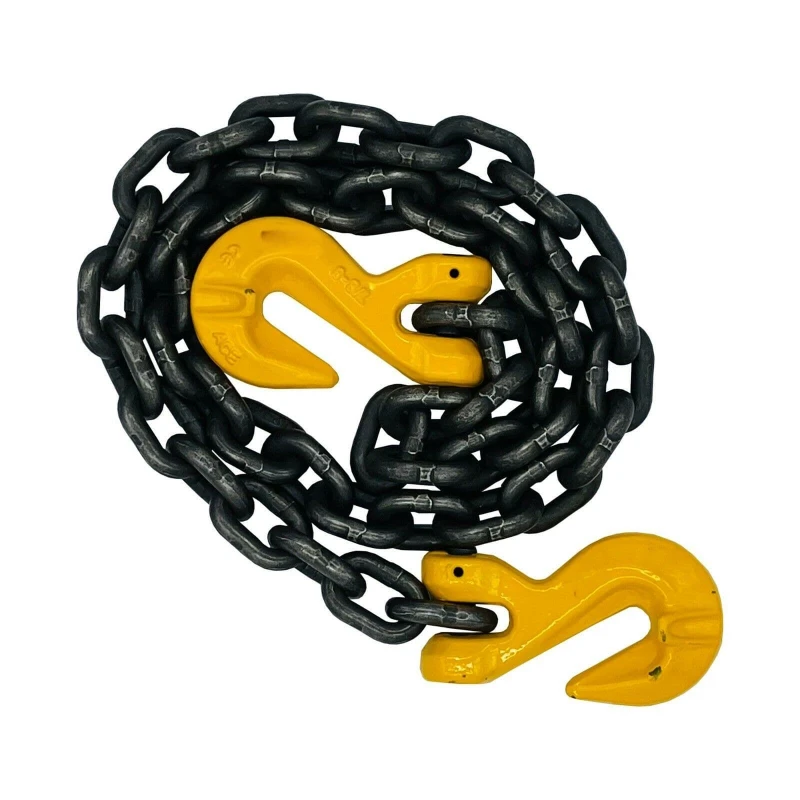
Towing Chains and Hooks
Tow chain with hooks combines strong steel chain with secure hook fittings for towing, trailer safety, and recovery. Available in G43 and G70 options, it connects firmly to hitch or anchor points for dependable jobsite performance.
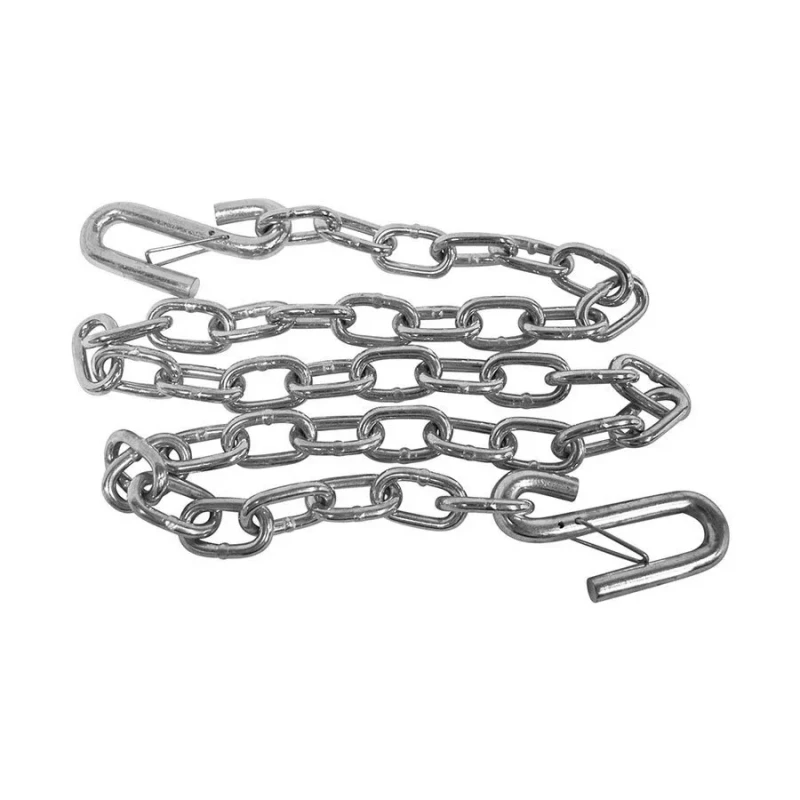
Towing Safety Chains
Our tow safety chains give you a dependable backup connection between trailer and tow vehicle. They help reduce separation risk, support better control during hitch failure, and improve towing safety for daily transport use.
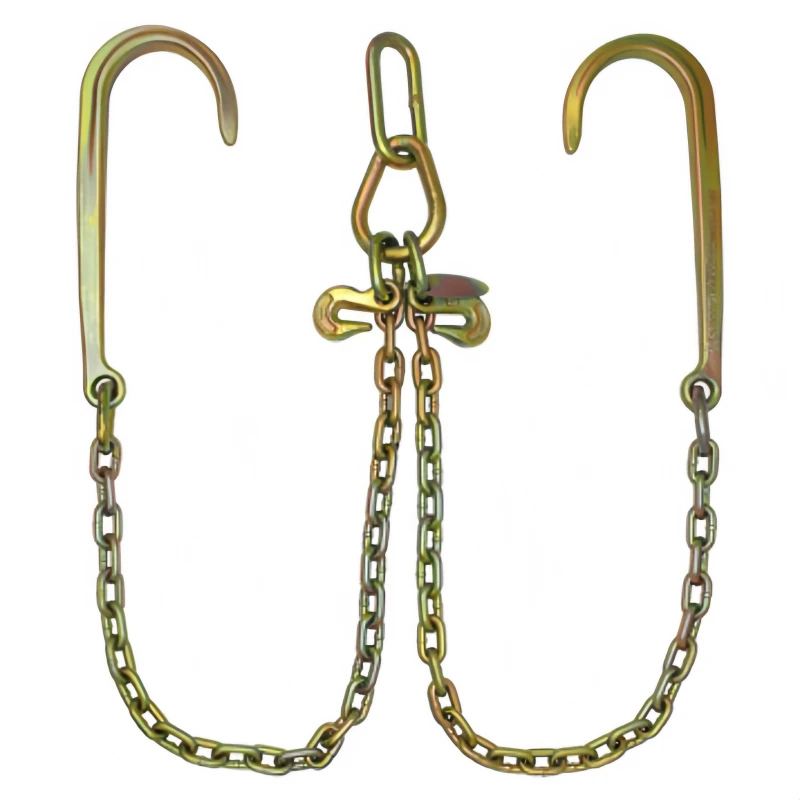
Towing v Chain
Our towing V chains give you a stable and secure connection for vehicle recovery. The two-leg chain design with a center ring helps balance the load, improve control, and reduce strain on the vehicle during demanding towing work.
TOW CHAIN ACCESSORIES
Our tow chain accessories include tow chain hooks (grab hooks, slip hooks, J hooks, T hooks, towing chain shackles, connecting links, and master links for towing, transport, and recovery chain assemblies.
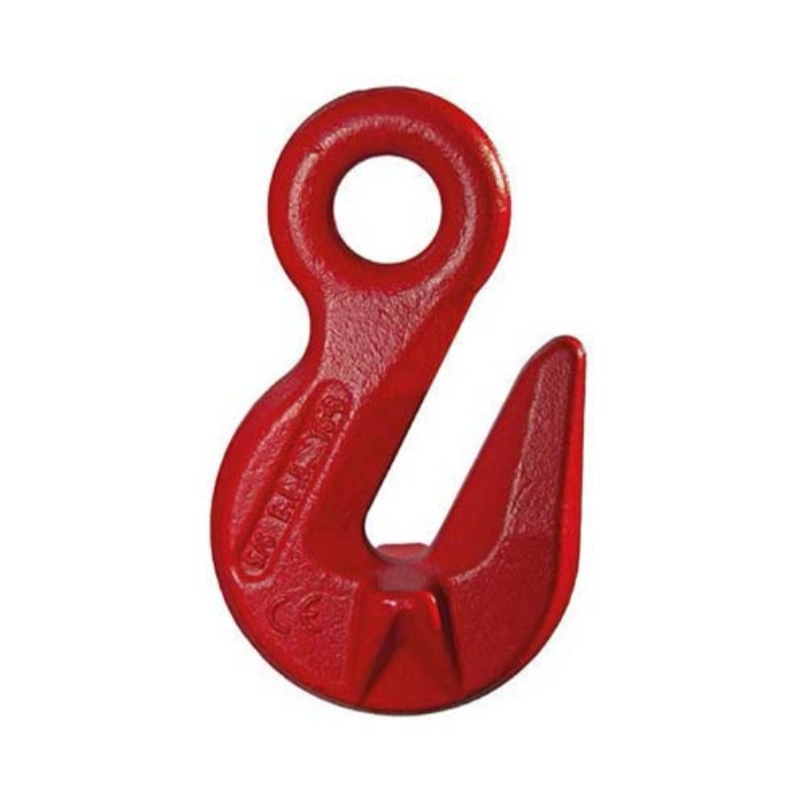
Our grab hooks secure chain links for stable connection in towing and rigging. Built for heavy-duty use, they help reduce chain slip, improve load control, and support reliable performance in demanding work.
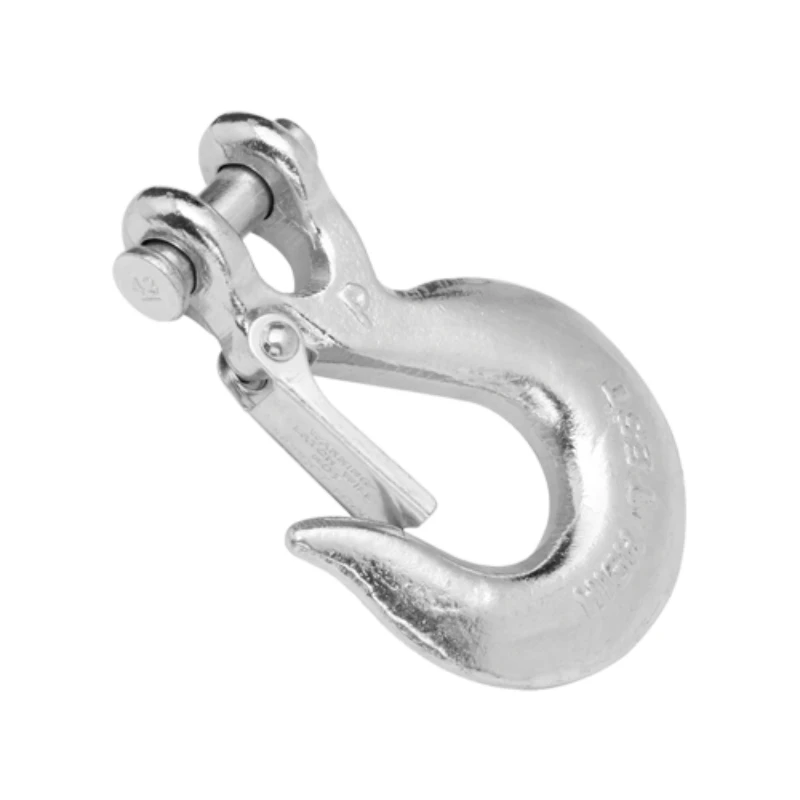
Our slip hooks for towing provide a strong and flexible connection for chain assemblies. The wide throat design allows quick attachment and easier adjustment, helping improve load control and support reliable towing performance.
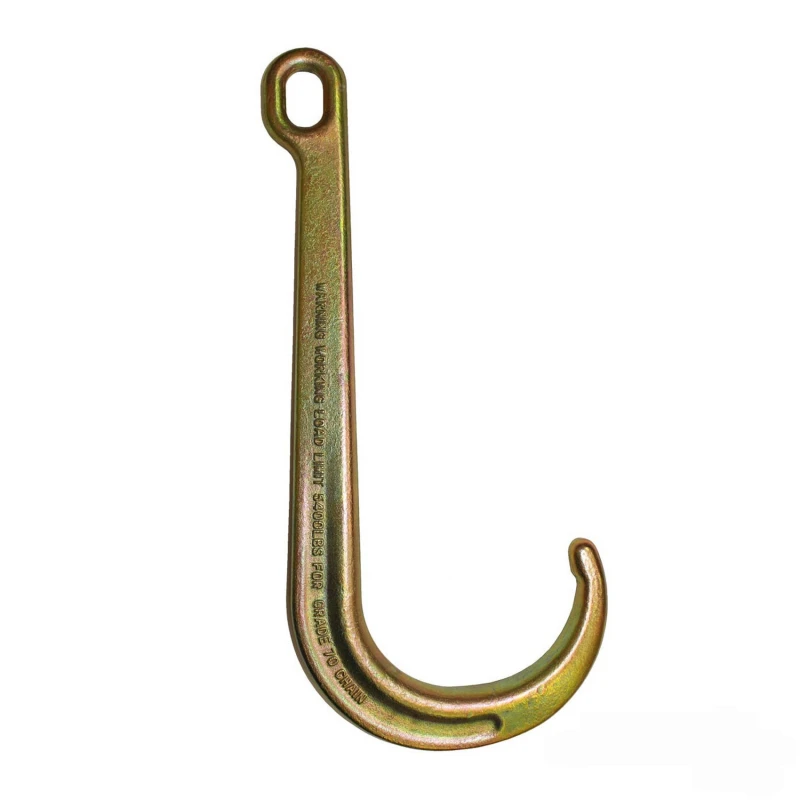
Tow Chain J Hooks
Our tow chain J hooks give you a secure connection for vehicle towing and recovery. Made from high-strength steel, they fit frames, axles, and tie-down points with reliable hold and work well in V-chain assemblies for demanding jobs.
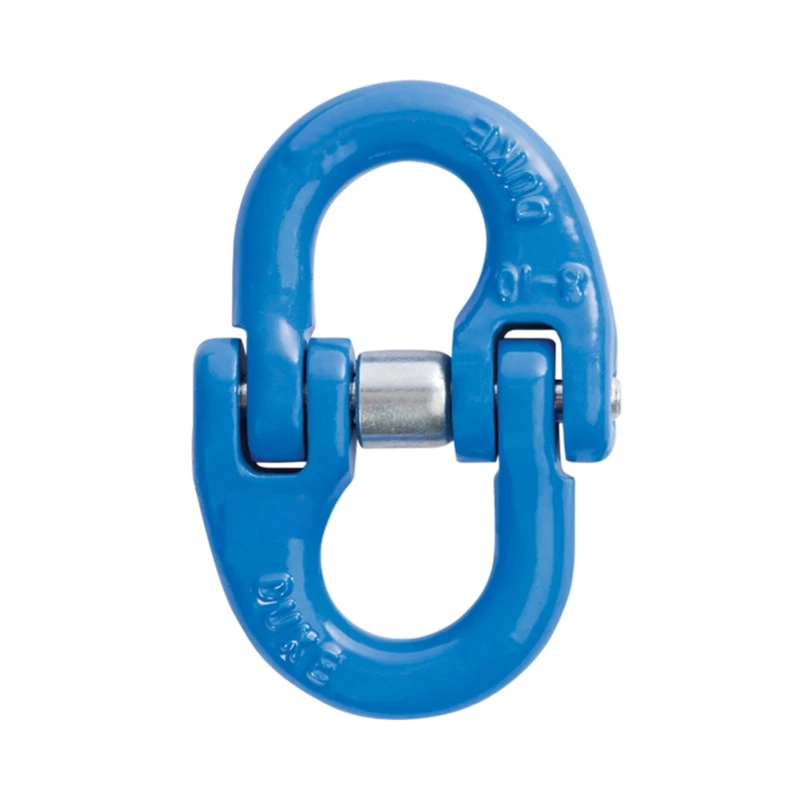
Our connecting links for towing give you a strong and secure way to join chains, hooks, and master links. Built for heavy-duty assemblies, they support reliable fit, better connection strength, and consistent performance in demanding towing work.
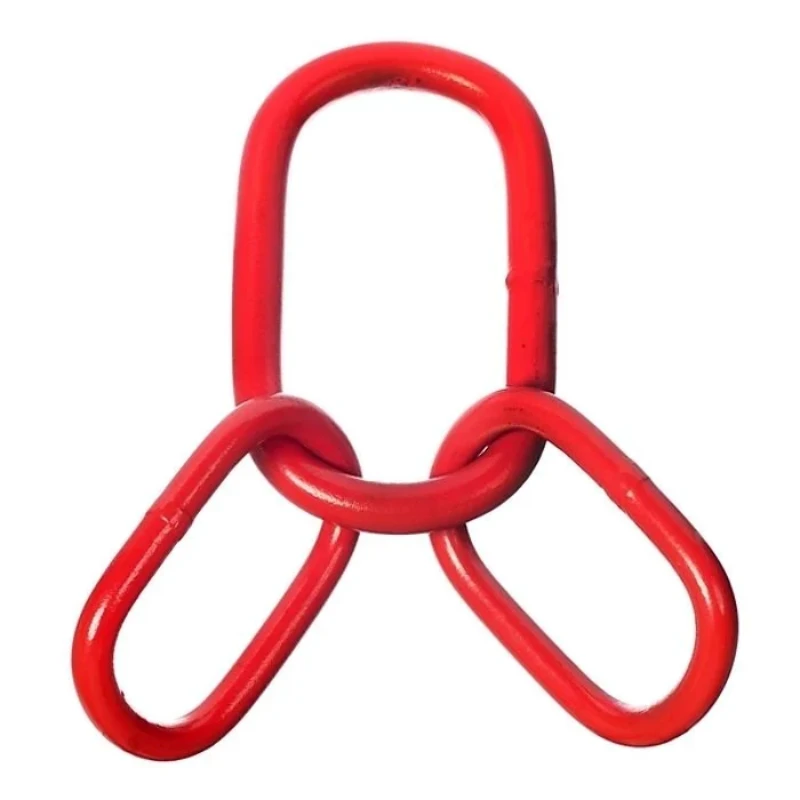
Our tow chain master links provide a strong main connection for towing assemblies. They join chains, hooks, and related hardware with reliable strength, helping improve assembly stability and support demanding towing work.
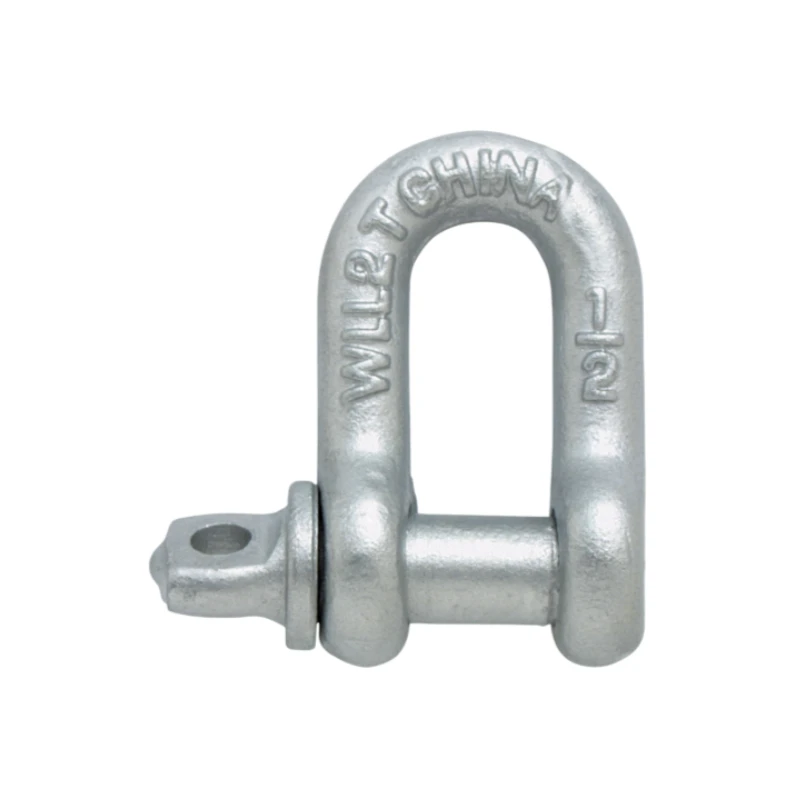
Our towing chain shackles provide a secure, high-strength connection for safety chains, towing setups, and recovery assemblies. They help keep chain links firmly attached, improve connection reliability, and support demanding transport work.
NEED HELP WITH YOUR TOWING CHAIN ORDER?
Let us help! Reach out today and get recommendations on materials and sizing from our experts.

Guide to Tow Chain
Our guide to tow chain use covers chain grades, sizes, hooks, safety setup, and key towing requirements to help you choose the right tow chains for reliable daily use.
How to Use a Tow Chain?
When you use a tow chain, you need more than basic chain strength. You need the right full assembly, the right fit, and a setup that matches the vehicle and the towing job.
- Match the chain to the job
Make sure the tow chain size, grade, hooks, and anchor points all match the vehicle weight and towing conditions. - Check the full assembly rating
Review the working load limit of the complete tow chain assembly, not just the chain body. - Use proper connection points
Attach the tow chain only to rated tow points or approved recovery points on both vehicles. - Keep the chain straight
Set the chain in a straight pull line and keep twist out of the assembly to support better load control. - Remove slack slowly
Start with a slow test pull to take up slack and check that the chain, hooks, and connection points sit correctly. - Control chain length
Use enough chain length for safe movement and turning, but do not let the chain drag, whip, or hang loose. - Choose matched assemblies for better results
In our factory view, complete tow chain assemblies with matched hooks, verified ratings, and consistent specs give you more reliable field performance than mixed parts from different sources.
How to Choose the Right Tow Chain Use?
Choosing the right tow chain starts with real job requirements, not just a grade number. You need a chain assembly that fits the load, the hook points, and the way you use it in daily towing or recovery work.
- Check the working load limit first
Choose a tow chain by the working load limit of the full assembly, based on the actual vehicle weight and towing conditions. - Pick the right chain grade
Chain grade matters, but it should match the job type, load requirement, and equipment setup. - Confirm the chain diameter
The right chain diameter supports the required strength and helps match the assembly to the application. - Choose the correct hook style
Hook style affects connection security, fit, and ease of use. The wrong hook can weaken the whole setup. - Match the chain to real anchor points
A good tow chain should fit your tow points or recovery points without loose fit, poor engagement, or forced connection. - Consider daily use conditions
Your tow chain should hold up in repeated towing, recovery, transport, or fleet use without performance issues. - Grade 70 remains a common choice
Many buyers choose heavy duty tow chains in Grade 70 because they offer a solid balance of strength, durability, and broad market acceptance. - Look for batch consistency
In B2B supply, consistent production matters. You need the same size, finish, fit, and quality from one order to the next. - Check product markings and specs
Clear markings, load data, and product specifications help you source tow chains with more confidence and fewer purchasing errors. - Choose stable supply, not one-time performance
A tow chain that performs well once does not help much if later shipments change in size, finish, or assembly fit.
How to Hook a Tow Chain?
Hooking a tow chain the right way starts with the right connection points, the right hook fit, and a stable pull setup. A strong chain alone does not give you a safe towing assembly if the hook does not fit the job.
- Use approved connection points
Hook the tow chain only to rated tow eyes, frame-mounted recovery points, or other manufacturer-approved towing points. - Avoid weak or unsafe attachment areas
Do not connect the chain to thin brackets, bumpers, suspension parts, or random holes in the frame. - Make sure the hook seats fully
The hook should sit firmly in place without partial engagement, loose contact, or unstable positioning. - Keep the hook aligned with the pull direction
Proper hook alignment helps keep the load stable and reduces side loading during towing. - Attach safety chains for backup control
Safety chains should connect in a way that helps maintain control if the main towing connection fails. - Match the hook style to the anchor point
Check that the hook shape, opening, and throat size fit the thickness and design of the tow point. - Watch for side loading and poor fit
Even a well-rated tow chain can cause problems if the hook shape creates poor engagement or uneven loading. - Treat hook fit as a key part of performance
From a manufacturer view, hook fit matters just as much as chain strength in regular towing use. - Choose matched chain assemblies when possible
A tow chain assembly with matched hooks and verified specs gives you more reliable connection performance than mixed parts from different sources.
Do You Cross Chains When Towing?
Yes, you should cross safety chains in most towing setups that use two chains. A crossed chain setup improves backup support, helps maintain control, and gives you a more dependable towing connection in daily transport work.
- Cross the safety chains under the tongue or drawbar
A crossed setup creates a cradle that helps support the connection if the main hitch fails. - Use crossed chains for better backup control
Crossed chains help keep the trailer or towed equipment more controlled during an unexpected disconnect. - Leave enough slack for turning
The chains need enough slack for normal turning and road movement without putting excess tension on the setup. - Avoid too much slack
Excess slack can let the chains drag, swing loose, or create extra risk during transport. - Use matching chains on both sides
Both safety chains should match in grade, size, and end fittings for more balanced backup performance. - Keep the chain assembly consistent
Mixed chain sizes or mixed hook types often create fit problems and reduce connection reliability. - Check end fitting compatibility
The hooks or connectors should match the trailer and towing vehicle attachment points for a secure fit. - Support a more professional towing setup
In commercial towing and trailer supply, crossed safety chains help present a safer and more professional installation standard. - Choose matched assemblies when possible
From a manufacturer view, matched chain assemblies give you better fit, easier installation, and more consistent performance in daily transport use.
Towing Chain Requirements
Towing chain requirements depend on local rules, vehicle type, and the way you tow. You need to check compliance before you tow on public roads, and you also need to make sure the chain assembly matches the job from a product and safety standpoint.
- Treat towing rules as local requirements
Towing chain requirements can change by state, road type, towing method, and vehicle class. - Check road-use rules before towing
Before you tow a car with a chain on public roads, confirm the local rules that apply to your route and vehicle type. - Confirm chain length limits
Some areas set specific limits for chain, rope, or towing connection length. - Check safety backup requirements
You may need safety chains, backup connections, or other secondary retention measures. - Review flag or marker rules
Some local rules may require visible flags, markers, or warning devices on the towing connection. - Confirm driver control requirements
In some towing situations, the towed vehicle may need steering, braking, or driver control. - Use an approved towing method
The towing method should match local legal requirements and the condition of the vehicle being towed. - Check the chain grade before ordering
Make sure the towing chain grade fits the application and expected load. - Confirm the working load limit
The working load limit of the full chain assembly should match the real towing job, not just the chain size. - Match the end fittings to the setup
Hook type and fitting style should match the towing points and the way you plan to use the chain. - Buy for compliance and application fit
Strong B2B buyers do not ask only whether towing with a chain is legal. They also check whether the tow chain assembly fits their market, job type, and internal safety standard. - Reduce claims and wrong-spec purchases
A tow chain assembly that matches both legal and product requirements helps reduce rework, returns, and sourcing errors.
Tow Chain vs Tow Strap: Which One is Better for You?
The choice between a tow chain and a tow strap depends on the job, the connection points, and the working conditions. You need the right product for the real towing environment, not just the most common option.
- Choose a tow chain for rough conditions
Tow chains work well when you need strong abrasion resistance and durable performance in demanding towing or recovery work. - Choose a tow strap for lighter handling
Tow straps are easier to handle, easier to store, and often faster to set up in lighter-duty towing jobs. - Use tow chains for metal-to-metal connection
Tow chains give you a stronger hardware-based connection where hooks, anchor points, and repeated use matter. - Use tow straps where softer contact helps
Tow straps can work better when you want less rigid contact around certain equipment or surfaces. - Consider wear from edges and dirt
Tow chains perform better in environments where sharp edges, dirt, and repeated abrasion would wear webbing faster. - Consider speed and convenience
Tow straps fit jobs where faster setup and easier carrying matter more than rigid chain construction. - Match the product to the anchor point style
Your choice should depend on how the towing points, hooks, and connection hardware work in the real application. - Think about product life in daily use
Tow chains are often the stronger choice when you need long service life in heavy-duty towing or recovery conditions. - Carry both for broader application coverage
Many fleets and distributors keep both tow chains and tow straps to cover different job types and customer needs. - Choose tow chains for durable assemblies
For buyers who want hardware flexibility, strong connection performance, and dependable service life, tow chains remain the more durable option.
How to Clean Rusty Tow Chains?
Rust on tow chains needs quick attention before surface corrosion turns into deeper damage that affects strength, link movement, and daily use. A clean chain also gives your team a better view of product condition before the chain goes back into service.
- Clean rust early
Remove rust before it develops into deeper corrosion that can weaken the chain and affect link movement. - Start with basic surface cleaning
Use a wire brush or a similar cleaning method to remove dirt, road salt, and loose rust from the tow chain. - Dry the chain fully after cleaning
Make sure the chain is completely dry before inspection or storage to help reduce future corrosion. - Inspect every link and fitting
Check each link, hook, and connection point for wear, stretch, cracks, deep pitting, or other visible damage. - Separate light rust from real damage
Light surface rust does not always mean the tow chain is unsafe, but visible damage to the metal section should stop the chain from going back into service. - Check link movement
Make sure the links move freely and do not bind, seize, or show uneven wear after cleaning. - Protect the chain after inspection
Apply a light protective coating after cleaning to help reduce moisture exposure and slow future rust. - Use cleaning as part of quality control
In B2B supply, clean tow chains help your team inspect product condition more accurately and make better service decisions. - Keep damaged stock out of daily use
A dirty chain can hide defects, slow inspection, and increase the risk of damaged stock returning to towing work. - Build cleaning into regular maintenance
Routine cleaning and inspection help extend tow chain service life and support more reliable field performance.
Tow Chain Storage
Proper tow chain storage protects product condition, supports faster warehouse handling, and helps your team manage inventory with fewer mistakes. A good storage system keeps tow chains dry, visible, organized, and ready for the next job.
- Store tow chains in a dry area
Keep tow chains away from moisture, road salt, and damp storage conditions that can increase wear and corrosion. - Keep storage organized
Use a clean and structured storage area so your team can find the right tow chain assembly quickly and easily. - Hang chains when possible
Hanging tow chains helps water drain off, keeps links visible, and makes inspection easier. - Separate stock by key specs
Sort tow chains by grade, size, length, and hook configuration to avoid confusion during picking and restocking. - Reduce finish damage
Good storage helps protect chain finishes and reduces unnecessary surface wear during handling. - Prevent tangling and mixed assemblies
Organized storage lowers the risk of tangled chains, mixed hardware, and wrong assembly selection. - Cut down chain-to-chain impact
Avoid crowded bins where chains hit each other and create extra wear on links, hooks, and fittings. - Support faster warehouse picking
In B2B operations, better tow chain storage improves picking speed and helps your team work more efficiently. - Improve inventory accuracy
Clear storage rules make it easier to control stock levels, repeat orders, and product consistency. - Use clear product tags
Label each tow chain assembly with chain size, working load limit, hook style, and internal stock code for easier identification. - Help reduce warehouse errors
Clear tagging and organized storage help your team make fewer picking mistakes and support more reliable order handling. - Make storage part of quality control
A good tow chain storage system protects product life and supports better inventory control in daily B2B supply work.
Common Tow Chain Problems
Most tow chain problems start with wrong product selection, poor assembly fit, or weak daily handling practices. A strong tow chain alone does not guarantee safe performance if the full assembly does not match the real job.
- Wrong chain size
A tow chain that is too small for the job can reduce load performance and increase the risk of early wear or failure. - Wrong chain grade
The wrong grade can limit towing performance even when the chain looks strong enough at first glance. - Poor hook fit
Hooks that do not match the anchor point can create unstable connection, side loading, and faster wear in regular use. - Worn chain links
Link wear reduces the usable strength of the tow chain and can affect movement, fit, and jobsite reliability. - Bad storage conditions
Moisture, dirt, road salt, and mixed hardware can speed up corrosion and reduce product life. - Misuse in the field
Improper towing methods, rough handling, and wrong application use often cause avoidable tow chain damage. - Stretch in the chain
Stretch usually signals overload or repeated stress that pushes the chain beyond normal working conditions. - Twist in the assembly
Twisted chains create uneven loading and reduce stable towing performance. - Pitting and corrosion
Surface damage can grow into deeper metal loss that affects strength and link movement. - Bent hooks or worn contact points
Damaged hooks and worn connection areas can weaken the full assembly even when the chain grade is correct. - Repeated overloading
Loading a tow chain beyond the intended job creates long-term damage even before visible failure appears. - Too much focus on break strength alone
One high strength number does not protect the job if the hooks, length, and full assembly do not match the application. - Wrong hook or wrong chain length
A tow chain with the wrong hooks or wrong length can still create unsafe towing conditions even when the chain itself looks correct. - Lack of standardization in supply
Mixed assemblies and inconsistent specs can lead to fit problems, more claims, and unstable field performance. - Poor incoming inspection
In our manufacturer view, checking every batch for consistent build quality helps reduce tow chain problems before the products reach the jobsite.
When Towing a Vehicle With a Chain, What Matters Most?
When you tow a vehicle with a chain, the full setup matters more than any single part. You need a tow chain assembly that matches the load, fits the connection points, and performs in a controlled and stable way during the job.
- Check the full assembly rating
The assembly rating should match the real vehicle weight and the towing conditions, not just the chain size alone. - Use strong anchor points
The towing setup should connect only to strong, approved anchor points that can handle the job safely. - Match the hooks to the connection points
The hooks should fit the anchor points correctly without loose engagement, poor seating, or forced connection. - Avoid side loading
Keep the hook and chain aligned with the pull direction to reduce side loading and support stable towing performance. - Choose the right chain length
The tow chain should provide enough length for controlled movement without dragging, whipping, or creating excess slack. - Focus on the full setup
You need a complete towing assembly that works together, not a group of parts that only happen to connect. - Match the tow chain to the job
The tow chain should fit the vehicle weight, towing method, and road or recovery conditions. - Test the connection before full towing
The crew should remove slack slowly and test the setup with a controlled pull before full towing begins. - Confirm stable engagement
Check that the chain, hooks, and anchor points stay seated correctly before the vehicle moves under full load. - Build for control, not just connection
A good towing setup does more than connect two vehicles. It gives you better control, better fit, and more dependable performance during the job.
Have More Questions of Tow Chains?
Have more questions about tow chains? Contact our team for clear support on chain grades, sizes, hooks, and custom assemblies to help you source the right solution for your towing needs.