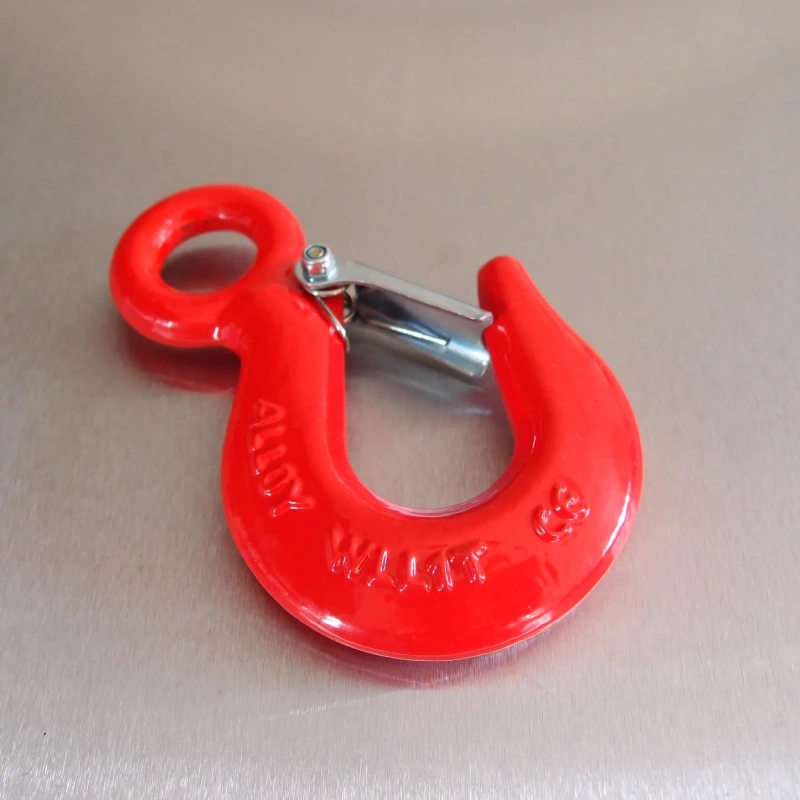
When you compare a tow strap vs a lifting sling, you must understand the risks and requirements involved in each application. Using the wrong equipment can lead to serious accidents.
Over 30% of rigging-related incidents happen because people use slings incorrectly. The table below highlights common causes of these accidents:
Cause | Description |
|---|---|
Improper Installations | Rigging systems need expert installation to prevent accidents. |
Overload | Exceeding the working load limit (WLL) often causes failures. |
Damaged Synthetic Slings | Rips and tears from the environment can make slings fail. |
Stretched or Bent Links | Overloading chain slings can cause them to break. |
You can trust Powerful Machinery for certified lifting and rigging solutions that meet strict industry standards.
Key Takeaways
Tow straps are designed for pulling vehicles, while lifting slings are meant for hoisting and moving loads vertically.
Always inspect your equipment for damage before use. Look for cuts, fraying, or broken stitching to ensure safety.
Check the working load limit (WLL) on your straps and slings. Never exceed this limit to avoid accidents.
Choose the right tool for your task. Using a tow strap for lifting or a lifting sling for towing can lead to equipment failure.
Regular maintenance and inspections are crucial. Follow recommended schedules to keep your equipment safe and effective.
What Are Tow Straps?
Definition and Main Features
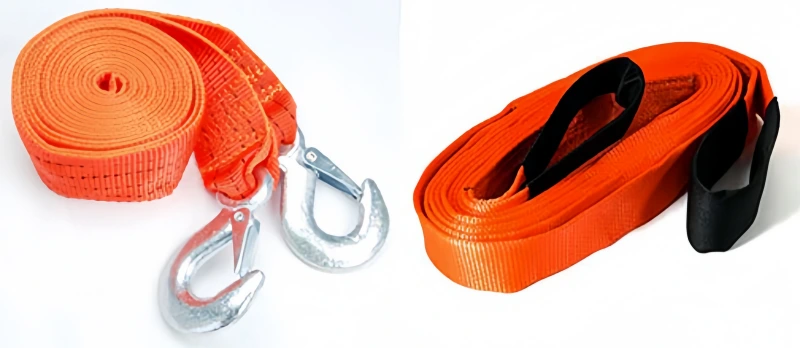
You use tow straps to connect and pull vehicles safely. These straps are designed specifically for towing, not for lifting or recovery in extreme conditions. Most tow straps feature strong materials like Dacron or polypropylene, which do not stretch under load.
This lack of stretch helps you maintain control during towing operations. You will often find tow straps equipped with sturdy hooks or shackles at each end, allowing for secure attachment to tow points on vehicles.
Tip: Always select tow straps that match your vehicle’s weight and size. Inspect the strap for cuts, frays, or broken stitching before every use.
Key features of tow straps include:
Designed for towing vehicles on roads or flat surfaces.
Made from non-stretch materials for consistent performance.
Fitted with hooks or shackles for easy and secure connections.
Common Uses for Tow Straps
Tow straps serve several important roles in automotive and industrial settings. You rely on them for more than just moving disabled vehicles. The table below outlines the most common applications:
Application Type | Description |
|---|---|
Vehicle Recovery | Used to recover vehicles stuck in mud, rain, or other difficult situations. |
Towing | Essential for towing vehicles, with special precautions needed due to potential stretch effects. |
Load Securing | Designed to secure loads, cargo, and equipment with superior tensile strength. |
You may also use 1-ply or 2-ply tow straps. The 1-ply version works well for lighter vehicles, while the 2-ply option provides extra strength for heavier equipment.
Materials and Safety Considerations
Tow straps come in a range of materials, each with specific safety ratings. Most tow straps use nylon or polyester for their construction. Nylon tow straps offer break strengths from 16,000 to 128,000 pounds, depending on whether they are 1-ply or 2-ply.
Polyester tow straps, often found in ratchet designs, provide excellent resistance to abrasion and UV exposure.
You must always check the working load limit before using tow straps. Never use tow straps for lifting or as recovery straps in extreme off-road situations. Regular inspection is critical. Look for signs of wear, such as fraying or broken stitching, and replace damaged tow straps immediately.
By following these guidelines, you ensure safe and effective towing every time.
What Are Lifting Slings?
Definition and Main Features
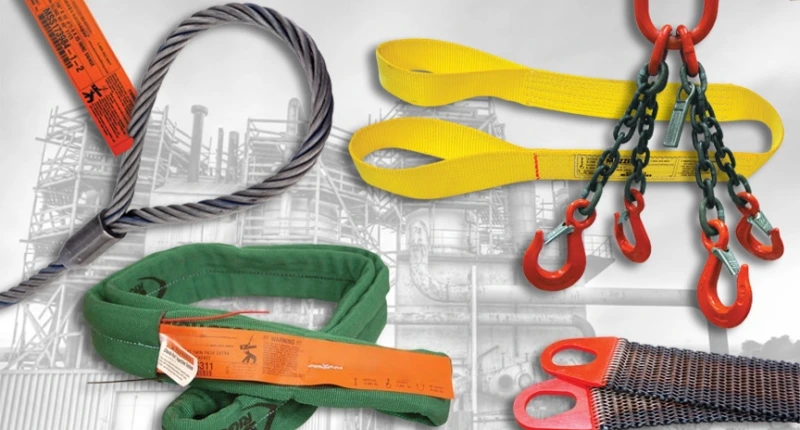
You use lifting straps to move heavy or awkward loads safely and efficiently. These tools play a vital role in material handling, especially when you need to protect delicate surfaces or distribute weight evenly.
Lifting straps come in various materials and designs, each tailored for specific lifting environments. You can refer to the table below for a clear overview of their main features according to industry standards:
Feature/Specification | Description |
|---|---|
Risk Reduction | Reduces the risk of damage to vulnerable and painted surfaces during lifting operations. |
Soft and Flexible | Very soft and flexible, fitting snugly around the load without causing harm. |
Corrosion Resistance | Good resistance to corrosion and most chemical and organic solvents. |
Elastic Elongation | About 3% of the working load and 20% of the breaking load. |
Material Types | Common materials include polyester, polyamide, and polypropylene. |
Colour Identification | Different colors indicate the type of material: green for polyamide, blue for polyester, brown for polypropylene. |
Breakage Test | Samples must bear a capacity of at least 6 times the ultimate working load. |
Production Range | Rated load ranges from 1-40T for webbing slings and 0.5-2000T for round slings. |
Manufacturing Process | Involves warping, weaving, dyeing, unwinding, sewing, and packing. |
Special Types | Includes ordinary, high-strength, fireproof, and fluorescent types based on lifting environment needs. |
You will find that lifting straps offer both strength and flexibility, making them suitable for a wide range of lifting tasks.
Powerful Machinery Lifting Slings Overview
When you choose Powerful Machinery lifting straps, you invest in advanced technology and proven reliability. The company uses automated welding systems and precision forging presses to ensure every lifting strap meets strict quality standards.
You can request custom designs to match your unique project requirements. Powerful Machinery provides a full range of certifications, including ISO9001 and TUV Rheinland, so you know your lifting straps meet international safety and quality benchmarks.
Automated production delivers consistent quality.
Custom design options let you tailor lifting straps for your needs.
Certifications guarantee safety and performance.
You gain peace of mind knowing your lifting straps come from a trusted global supplier.
Common Uses for Lifting Straps
You rely on lifting straps in construction and manufacturing to move heavy or irregularly shaped objects. These tools help you transport loads that traditional lifting methods might damage, such as fragile or painted materials.
Lifting straps give you a secure grip and distribute weight evenly, which reduces the risk of accidents and protects your cargo. You can use lifting straps for everything from hoisting steel beams to handling machinery or securing loads for transport.
Their versatility and safety features make lifting straps essential in any professional material handling operation.
Note: Always inspect your lifting straps before use and follow the manufacturer’s guidelines for safe operation.
Tow Strap vs Lifting Sling: Key Differences
Design and Construction Comparison
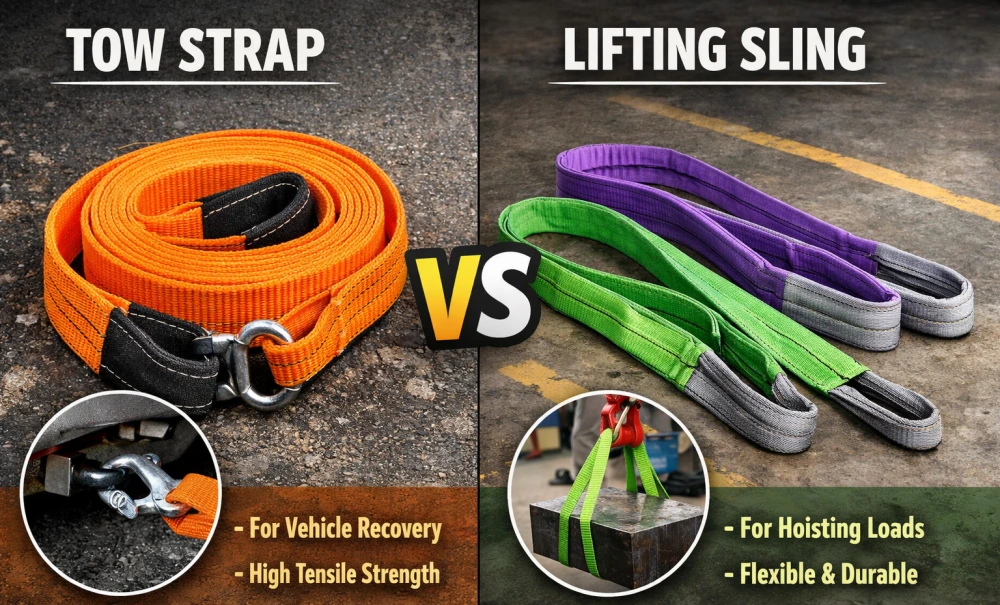
When you compare a tow strap vs a lifting sling, you notice clear differences in their design and construction. Tow straps use thicker, more durable materials such as nylon or polyester. These materials give the straps the strength needed for towing vehicles and handling heavy loads.
Tow straps often include reinforced loops or metal hooks at each end, which allow you to attach them securely to tow points.
Lifting slings, on the other hand, use lightweight synthetic materials like polyester or nylon. This construction makes them flexible and easy to handle. You find lifting slings in several forms, including flat web slings, round webbing slings, and chain slings.
Each type serves a specific lifting purpose. For example, Powerful Machinery’s polyester round webbing slings feature a seamless design and a protective sleeve, which helps prevent wear and tear during lifting operations.
Here is a quick comparison:
Type | Material Used | Key Features |
|---|---|---|
Tow Straps | Thicker, durable nylon/polyester | Heavy-duty, less flexible, reinforced ends |
Lifting Slings | Lightweight, flexible polyester/nylon | Flexible, soft, available in many configurations |
You should always choose the right tool for your task. Tow straps excel in towing and pulling, while lifting slings protect loads and offer versatility in lifting.
Strength and Load Capacity
Strength and load capacity are critical when you evaluate a tow strap vs a lifting sling. Tow straps are rated for heavy loads, but their main purpose is to pull or tow rather than lift. The rated capacity depends on the width, ply, and material. You must always check the manufacturer’s label for the working load limit (WLL).
Lifting slings, especially those from Powerful Machinery, are engineered to meet or exceed industry standards. For example, polyester round webbing slings and flat web slings from Powerful Machinery display their WLL and safety factor clearly.
Most lifting slings use a 5:1 safety factor, which means the sling can handle five times its rated load during proof testing. You can find lifting slings with capacities ranging from 1 ton to over 40 tons, depending on the type and configuration.
Nylon lifting slings meet OSHA and ASME standards.
Proof testing is performed at twice the rated capacity.
Always consult the manufacturer’s charts and follow OSHA guidelines for safe lifting.
You should never overload your equipment. Overloading increases the risk of failure and can cause serious accidents.
Safety and Certification
Safety and certification set lifting slings apart in the tow strap vs lifting sling debate. Certified lifting slings carry labels with vital information, including the WLL, inspection history, and safety instructions. In the United States, OSHA and ASME regulate lifting sling safety.
OSHA enforces workplace safety, while ASME sets technical standards for design and inspection. In Europe, certifications like EN12195-2 ensure compliance with EU regulations for lashing and safety labeling.
Tow straps may not always require the same level of certification, but you should still look for products that meet recognized standards. For lifting slings, regular inspections are mandatory.
You must perform a pre-use examination before every lift. A competent person should conduct a thorough visual inspection every six months or annually, and proof load tests should occur every two to four years.
Inspection Type | Frequency | Responsible Party |
|---|---|---|
Pre-Use Examination | Before each use | User |
Thorough Visual Examination | Every 6 months or 1 year | Competent person |
Proof Load Test | Every 2 or 4 years | Competent person |
You should always follow these inspection schedules to ensure safety and compliance.
Application Scenarios
You must understand the application scenarios when deciding between a tow strap vs a lifting sling. Tow straps work best for towing vehicles, recovering stuck cars, or securing loads during transport. Their design handles the shock and force of pulling, but they are not intended for lifting.
Lifting slings shine in construction, manufacturing, shipping, and cargo handling. You use them to lift, move, and position heavy or delicate loads. For example, Powerful Machinery’s chain slings and polyester slings are trusted in large-scale construction projects and marine operations.
Lifting slings protect painted or fragile surfaces and allow for multiple lifting configurations.
Here are some best practices to avoid common safety failures:
Inspect all equipment before use.
Match the sling or strap to the load and environment.
Never exceed the working load limit.
Use the correct hardware, such as hooks and shackles, for your sling type.
Tip: Always consult the product’s label and manufacturer’s guidelines before starting any towing or lifting operation.
When you compare a tow strap vs a lifting sling, you see that each tool serves a unique purpose. Choosing the right one ensures safety, efficiency, and compliance with industry standards.
Choosing Between Tow Straps and Lifting Straps
Assessing Your Needs
You must start by understanding the demands of your job before selecting between a tow strap and a lifting sling. Each tool serves a unique purpose, and using the wrong one can lead to equipment failure or damage. Consider the following factors when making your decision:
Load Type and Weight: Identify the exact weight and nature of your load. Tow straps work well for pulling vehicles on flat ground, while lifting slings handle vertical hoisting and heavy machinery. Always check the working load limit (WLL) on the product label.
Environment: Evaluate the conditions where you will use the equipment. Synthetic slings, such as polyester or nylon, perform best in moderate temperatures and clean environments. Steel chain slings from Powerful Machinery excel in high-temperature or abrasive settings.
Lifting Angle: Analyze the angle at which you will lift or pull the load. A non-vertical angle increases tension on the equipment, which can exceed the rated capacity if not calculated correctly.
Application: Use webbing slings for short-distance vehicle pulls on flat surfaces. Choose round slings for lifting from difficult angles or off-road recovery. Never use tow straps for vertical lifting.
Tip: Always match the equipment to the task. Using a tow strap for lifting or a lifting sling for towing can compromise both the load and your safety.
Powerful Machinery Product Selection Tips
You gain access to a wide range of certified lifting and rigging solutions with Powerful Machinery. To select the right product, follow these steps:
Define Your Task: Determine if you need to tow, lift, or secure a load. For towing, select a tow strap with reinforced loops or hooks. For lifting, choose from polyester round webbing slings, flat web slings, or high-strength chain slings.
Check Load Ratings: Review the working load limit and safety factor on each product. Powerful Machinery slings display this information clearly, helping you avoid overloading.
Consider Material and Configuration: For delicate or painted surfaces, use polyester webbing slings to prevent scratches. For heavy-duty lifting, opt for Grade 80 or Grade 100 chain slings. You can customize the length and attachments to fit your project.
Evaluate Certification: Look for products with international certifications such as ISO9001, TUV Rheinland, and EN standards. Powerful Machinery provides full documentation for compliance and peace of mind.
Consult Product Experts: If you have unique requirements, reach out to Powerful Machinery’s technical team for custom-engineered solutions.
Note: Customers often ask if they can tow a car with a lifting sling or use a tow strap for vertical hoisting. You should never use lifting slings for towing unless specified by the manufacturer, and tow straps are not designed for lifting.
Safety and Maintenance Advice
You must prioritize safety and proper maintenance to extend the life of your equipment and prevent accidents. Follow these best practices:
Inspect tow straps and lifting slings before and after each use. Look for cuts, fraying, broken stitching, or distortion.
Clean slings with mild soap and water. Avoid harsh chemicals that can weaken the fibers.
Store equipment in a dry, clean area, away from sunlight, chemicals, and sharp edges.
Protect slings from sharp corners using edge protectors.
Handle all slings and straps carefully to avoid unnecessary damage.
Maintain records of inspections and maintenance for compliance.
The table below outlines recommended inspection frequencies based on service conditions:
Service Condition | Inspection Frequency |
|---|---|
Normal Service | Yearly |
Severe Service | Monthly to Quarterly |
Special Service | As recommended by a Qualified Person |
Alert: Overloading, using improper attachments, or selecting the wrong equipment type are common mistakes. Never use tie-down straps for towing recovery or bungee cords for securing heavy cargo. Always follow manufacturer guidelines for load limits and application.
You ensure the safety of your team and equipment by following these guidelines. Regular maintenance and correct usage help you avoid costly downtime and extend the service life of your Powerful Machinery products.
Conclusion
You now understand the essential differences between tow straps and lifting slings. Tow straps excel at pulling vehicles, while lifting slings handle vertical hoisting and load protection. Safety always comes first.
Always inspect your equipment for damage.
Never exceed rated capacities.
Train according to ASME B30.9 and OSHA guidance.
Certification Standard | Requirement |
|---|---|
ASME B30.9 | Annual certification for safe usage |
WSTDA | Written record of the most recent inspection |
RS-1 | Compliance based on service type |
Choose Powerful Machinery for certified, high-performance solutions. Always review product specifications and certifications before making your final selection.
FAQ
What is the main difference between a tow strap and a lifting sling?
You use a tow strap for pulling vehicles or equipment. You use a lifting sling for hoisting and moving loads vertically. Each tool has a specific design and safety rating for its intended application.
Can you use a tow strap as a lifting sling?
You should never use a tow strap for lifting. Tow straps lack the safety features and certifications required for lifting operations. Always select the correct equipment for your task to ensure safety.
How do you choose the right towing solution for your vehicle?
You must check your vehicle’s weight and the working load limit of the strap. For reliable towing, select a tow strap with reinforced ends and proper certification. Always inspect the strap before use.
How often should you inspect lifting slings and tow straps?
You need to inspect both before and after each use. Look for cuts, fraying, or damaged stitching. Schedule regular inspections based on service conditions to maintain safety and performance.
Are Powerful Machinery slings certified for industrial use?
Yes. You receive lifting slings from Powerful Machinery that meet international standards such as ISO9001 and TUV Rheinland. These certifications ensure safety and reliability in demanding environments.