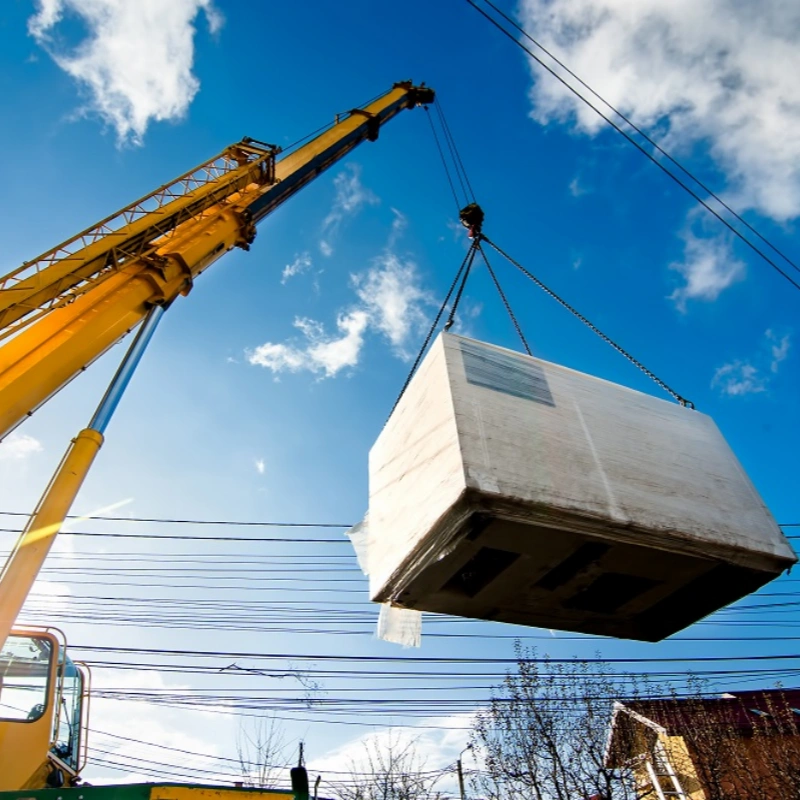
Choosing the right web sling material protects both your team and your load. Over 30% of rigging-related accidents happen because of incorrect sling usage, often linked to improper material selection.
You must consider the unique safety needs of your industry when making this decision. Powerful Machinery provides certified, high-quality web slings trusted in sectors where safety cannot be compromised.
Industry | Specific Safety Requirements |
|---|---|
Construction | Proper inspections, protective gear, and load capacity limits |
Manufacturing | Wider slings for stability |
Aerospace | Protection for delicate surfaces |
Automotive | Safeguarding sensitive components |
General Industry | Lightweight, easy storage, frequent inspections |
Key Takeaways
Choose the right web sling material to enhance safety and performance during lifting operations.
Regularly inspect slings for damage to prevent accidents and ensure reliable lifting.
Understand the differences between nylon and polyester slings to select the best option for your specific lifting needs.
Assess your load and environment carefully to match sling specifications with safety requirements.
Utilize protective measures and proper storage to extend the lifespan of your web slings.
Why Web Sling Material Matters?
Safety and Performance
You must select the right web sling material to protect your team and your equipment. The material you choose directly affects the safety and efficiency of every lift. When you use the correct sling, you reduce the risk of accidents and equipment failure. You also improve the performance of your lifting operations.
Lifting slings play a vital role in many industries. Safe use protects workers and valuable assets.
The design and quality of the sling material impact how well the sling performs under stress.
Environmental factors, such as exposure to chemicals or UV rays, can weaken sling fibers over time.
Regular inspections and proper maintenance help prevent premature failure.
The quality of your web sling material matters. High-quality polyester, nylon, or polypropylene slings last longer and withstand tough conditions. Powerful Machinery produces slings that meet strict international standards. You can trust these products to deliver consistent strength and reliability.
Application Impact
The choice of web sling material influences how well your lifting solution fits your application. Each material offers unique strengths and limitations. You must consider the type of load, the environment, and the specific lifting requirements.
Customizable synthetic webbing slings give you flexibility. You can adjust sling parameters to match your lifting needs.
The right sling configuration improves both safety and operational efficiency.
Load weight, shape, and surface finish all affect which sling material works best.
Type of Sling | Typical Lifespan |
|---|---|
Synthetic Slings | 2-5 years |
Wire Rope Slings | 5-10 years |
Chain Slings | 10 years or more |
Powerful Machinery stands behind every product with full certification and a commitment to quality. You receive slings designed for your industry, tested for durability, and ready for demanding tasks. When you match the web sling material to your application, you ensure safer lifts and longer-lasting equipment.
Nylon vs Polyester Slings

Key Differences
When you select a web sling material, you must understand how nylon and polyester differ. Both materials offer strength and flexibility, but they react differently to chemicals, moisture, and load stress.
Material | Resistance to Acids | Resistance to Alkalies | Other Notes |
|---|---|---|---|
Nylon | Poor | Good | Resistant to grease and oil |
Polyester | Good | Poor | Suitable for acidic environments |
Nylon slings stretch more under load, usually between 7% and 10% at their working load limit. Polyester slings stretch less, typically 2% to 3%. This means nylon absorbs shock better, while polyester gives you more control during steady lifts.
Pros and Cons
You should weigh the advantages and disadvantages of each material before making a choice.
Sling Type | Stretch Percentage at WLL |
|---|---|
Nylon | 7% – 10% |
Polyester | 2% – 3% |
Nylon Slings
Advantages | Disadvantages |
|---|---|
High tensile strength | Significant water absorption |
Abrasion resistance | Increased weight when wet |
Retains strength when wet | Potential UV degradation |
Dries quickly | Stretching under heavy loads |
Polyester Slings
Strengths | Weaknesses |
|---|---|
UV resistance | Limited flexibility |
Low stretch | Not as shock-absorbent as nylon |
Chemical resistance (acids, saltwater) | |
High strength-to-weight ratio |
Choosing for Your Application
You need to match the web sling material to your lifting environment and task. Nylon slings work best when you need flexibility and shock absorption, such as lifting loads that may shift or require gentle handling.
Polyester slings perform well in outdoor settings, acidic environments, or when you want minimal stretch for precise load control.
Tip: Always check the chemical exposure at your site. Polyester resists acids, while nylon handles alkalis better. For wet or outdoor jobs, polyester slings resist UV rays and water absorption, making them ideal for long-term use.
Powerful Machinery offers web slings in nylon, polyester, and polypropylene. You can choose the right material and configuration for your specific lifting needs. Always follow industry standards like ASME B30.9 to ensure safety and performance.
Types of Web Slings
You have many options when choosing the right sling for your lifting operation. Powerful Machinery offers a wide range of web slings, each designed for specific tasks and environments.
You can select from several types, including flat web slings, round slings, eye and eye web slings, and endless web slings. The Slings & Tie Downs product line provides custom sizes and configurations to match your unique requirements.
Flat Web Slings
Flat web slings work best for stable, flat loads. Their wide surface distributes weight evenly, which helps protect both the load and the sling. You will find these slings especially useful for repetitive lifting in construction and manufacturing.
They come in several configurations, such as Type U (UU), Type 1 (TC), Type 2 (TT), and Type 3 (EE), each suited for different hitch types.
Sling Type | Maximum Load Capacity (T) |
|---|---|
Flat Polyester Single Ply | Up to 6T |
Flat Polyester Double Ply | Up to 12T |
Flat Polyester Three Ply | Up to 18T |
Flat Polyester Four Ply | Up to 24T |
Round Slings
Round slings offer flexibility and strength. You can use them to lift irregular or delicate items because they conform to the shape of the load. These slings protect surfaces and reduce the risk of damage. Round slings handle much heavier loads than flat slings, making them ideal for heavy machinery and large equipment.
Eye and Eye Web Slings
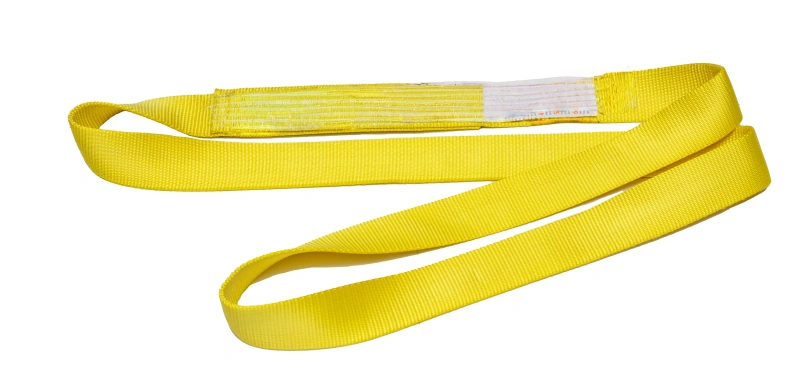
Eye and eye web slings feature reinforced loops at each end. These loops provide secure attachment points and balanced load distribution. You benefit from their exceptional strength and elasticity, especially when you choose nylon as your web sling material.
The non-slip webbing gives you a firm grip, and the sling resists abrasion, UV rays, chemicals, and moisture. You can rely on these slings in harsh environments.
Endless Web Slings
Endless web slings form a continuous loop. This design allows you to rotate the sling, spreading wear evenly and extending its lifespan. You will find endless slings easy to handle and quick to set up.
They work well in tight spaces and repetitive lifting tasks. The looped configuration ensures smooth lifting and reduces downtime between lifts.
Tip: Rotating endless slings during use helps prevent localized wear, making them a reliable choice for marine and industrial environments.
You can customize any of these sling types with Powerful Machinery. Choose the right length, width, and ply count to fit your lifting needs.
Assessing Lifting Needs
Selecting the right sling for your lifting operation starts with a careful assessment of your requirements. You must evaluate the load, the environment, and the sling specifications to ensure safety and efficiency.
Powerful Machinery offers a wide range of certified web slings, including custom sizes and color-coded options, to help you meet these demands.
Load Weight and WLL
Begin by determining the total weight of your load, including any attachments or rigging hardware. Always select a sling with a Working Load Limit (WLL) that exceeds your maximum anticipated load. This approach provides a crucial safety margin and reduces the risk of failure.
Calculate the total load weight, factoring in all components.
Choose the appropriate hitch configuration for load stability. Endless slings work well for choker hitches, while flat slings suit vertical lifts.
Apply a safety factor—multiply your load by at least 5:1 or 7:1, depending on your industry’s requirements. For heavy-duty applications, a 6:1 safety factor is common.
Check that each sling displays clear labels with WLL and certification marks. Inspect for visible damage before every use.
For critical lifts, conduct proof tests at 1.5 to 2 times the WLL in a controlled environment.
Tip: Never exceed the WLL indicated on the sling tag. Overloading can cause sudden failure and serious injury.
Environment and Conditions
The environment where you use your sling has a direct impact on its performance and lifespan. You must consider temperature, chemical exposure, and UV radiation when choosing your web sling material.
Sling Type | Temperature Range | Key Risks | Best Practices |
|---|---|---|---|
Nylon Web Sling | -40°F to 180°F | UV degradation, moisture, heat | Use edge protectors; store dry/covered |
Polyester Round Sling | -40°F to 194°F | Chemicals, abrasion, sharp edges | Inspect for wear; avoid solvents |
Alloy Steel Chain | -40°F to 400°F | Rust, pitting, and overloading | Lubricate; inspect for deformation |
Wire Rope Sling | -60°F to 250°F | Kinking, corrosion, broken wires | Use thimbles; store coiled and dry |
Nylon slings absorb moisture and can degrade with acid exposure. Polyester slings resist acids and UV rays but may still suffer from certain chemicals. Always match the sling material to your site’s specific hazards. For outdoor or marine environments, polyester slings offer superior resistance to sunlight and saltwater.
Note: Environmental factors like extreme temperatures or chemical exposure can weaken sling fibers. Regular inspections and proper storage extend sling life.
Sling Width and Ply Count
Sling width and ply count play a major role in load distribution and overall strength. Wider slings spread the load over a larger area, reducing pressure on both the sling and the load. Higher ply counts increase the sling’s capacity and durability.
Select a sling width and ply count that exceeds your maximum load by the required safety factor.
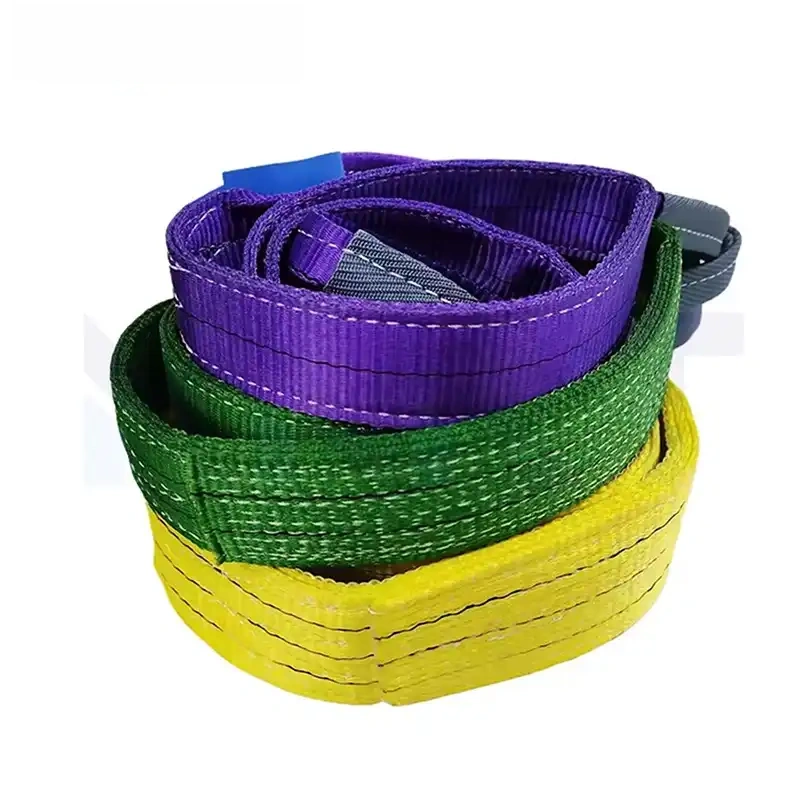
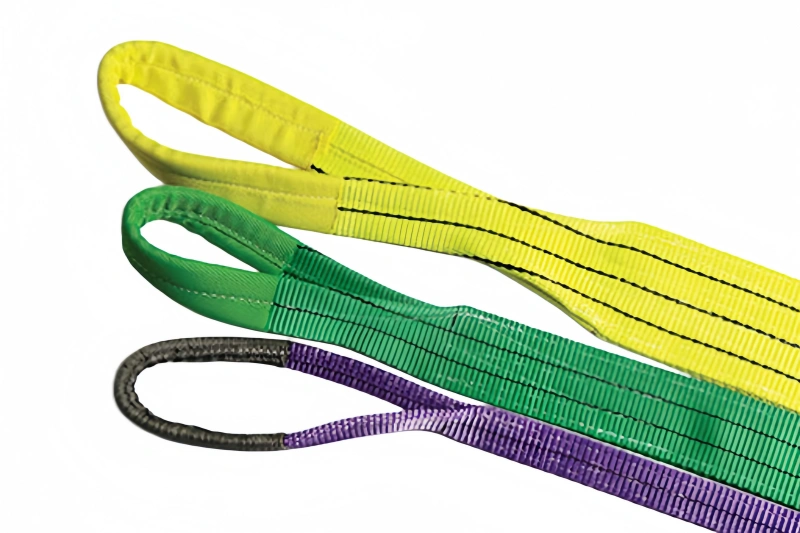
Use color-coded slings to quickly identify capacity and avoid confusion on busy job sites.
Choose slings with serialized tags for easy tracking and certification.
Color | Safe Working Load (SWL) |
|---|---|
Purple | 1,000 lbs |
Green | 2,000 lbs |
Yellow | 3,000 lbs |
Red | 4,000+ lbs |
Sling Width | Ply Count | Vertical Load Capacity | Basket Load Capacity |
|---|---|---|---|
1 inch | 1 ply | 1,100 lbs | 5,500 lbs |
2 inch | 2 ply | 5,300 lbs | 10,600 lbs |
4 inch | 4 ply | 21,200 lbs | 42,400 lbs |
Callout: Sling angles affect the WLL. A 60-degree angle can reduce capacity by half. Always factor in the hitch type and angle when planning your lift.
Powerful Machinery provides custom sizing to fit your exact lifting scenario. You can select the right width, ply count, and color-coded capacity to match your needs. This attention to detail ensures you always have the right sling for the job, maximizing safety and efficiency.
By carefully assessing your load, environment, and sling specifications, you create a safer lifting operation. The right web sling material, combined with proper sizing and certification, protects your team and your assets every time you lift.
Practical Tips for Safe Use
Measuring and Selecting
You must start every lifting operation by measuring and selecting the right sling. Follow these steps to ensure safety and efficiency:
Assess the load. Identify the weight, size, and shape of the object you plan to lift.
Review the environment. Check for temperature extremes, chemical exposure, or outdoor conditions.
Choose the sling type. Match the sling to the lift—vertical, choker, or basket.
Inspect before use. Look for signs of wear, damage, or missing identification tags.
Store and handle properly. Keep slings clean and dry when not in use.
Train your team. Make sure everyone understands proper sling use and inspection.
Tip: Always select a web sling material that matches your load and environment. This step reduces risk and extends sling life.
Powerful Machinery provides expert support and custom solutions to help you select the best sling for your needs.
Web Sling Protection
Protecting your sling extends its service life and ensures safe lifting. Use these strategies to guard against common hazards:
Hazard Type | Description | Protection Measures |
|---|---|---|
Moisture | Weakens synthetic fibers and causes corrosion | Store in dry areas; use covers in wet environments |
Chemicals | Degrades webbing and reduces load capacity | Keep away from chemicals; clean after exposure |
UV Exposure | Causes brittleness and loss of flexibility | Store indoors; rotate slings; use UV-resistant types |
Note: Use edge protectors and padding when lifting loads with sharp corners. This practice prevents cuts and abrasions.
Web Sling Inspection and Maintenance
Routine inspection and maintenance keep your lifting operations safe. Check slings at these intervals:
Service Condition | Inspection Interval |
|---|---|
Normal Service | Yearly |
Severe Service | Monthly to Quarterly |
Special Service | As recommended by a Qualified Person |
During inspections, look for these common issues:
Frayed or abraded fibers
Acid or chemical burns
Cuts, snags, or holes
Broken stitching
Faded color or brittle areas
Missing or unreadable tags
Remove any sling from service if you find visible damage. Clean slings after use and store them in a cool, dry place. Powerful Machinery’s certified products and support team help you maintain high safety standards on every job.
Conclusion
You ensure safe lifting operations by following key steps:
Inspect equipment daily and before each lift.
Confirm load matches sling capacity.
Use the correct sling and hardware.
Train operators thoroughly.
Plan each lift with your team.
Keep the area clear.
Mark and document all equipment.
Regular inspection and certified web slings reduce workplace accidents. You benefit from durability, safety standards, and resistance to corrosion. For unique challenges, consult Powerful Machinery’s experts for custom solutions. Prioritize safety every time you lift.
FAQ
What is the difference between a flat web sling and a round sling?
Flat web slings work best for stable, flat loads. Round slings handle irregular or delicate items. You get more flexibility with round slings. Flat slings distribute weight evenly and protect surfaces.
How do you know which web sling material to choose?
You should match the sling material to your load and environment. Nylon absorbs shock and works well indoors. Polyester resists acids, UV rays, and moisture. Polypropylene suits light-duty tasks. Always check chemical exposure and temperature at your site.
How often should you inspect your web slings?
You must inspect slings before each use. For normal service, perform a detailed inspection yearly. In severe conditions, check monthly or quarterly. Remove any sling with visible damage immediately.
What does color-coding on web slings mean?
Color-coding helps you identify the sling’s safe working load quickly. For example:
Color | SWL (kg) |
|---|---|
Purple | 1,000 |
Green | 2,000 |
Yellow | 3,000 |
Red | 5,000 |
Always check the tag for the exact capacity.
Can you use web slings outdoors?
Yes, you can use web slings outdoors. Polyester slings resist UV rays and moisture best. Store slings in a dry, covered area when not in use. Inspect for weather damage before every lift.