
Welded Chain
Welded chain handles lifting, securing, and heavy equipment work every day. Powerful Machinery builds welded chain with solid steel links, accurate welding, and strict factory inspection. Need a steady supply? Send a request and get a chain quote from Powerful Machinery.

We select qualified steel and control every weld during welded chain production. Each link keeps stable strength and reliable load performance for lifting, transport, and heavy equipment use.
Our team builds welded chain for many industrial sectors. We understand what construction, mining, agriculture, and logistics equipment manufacturers expect from chain quality.
We check every welded chain batch for link size, weld strength, and surface finish. Strict inspection keeps chain performance consistent and reduces risk during heavy-duty work.
Our factory runs dedicated welded chain production lines with stable output. Reliable supply and predictable lead times help distributors and equipment manufacturers plan with confidence.
We supply work provide dependable welded chains for industry leaders.





WELDED CHAINS
Our welded chains support lifting and rigging operations across diverse applications. Our selection includes:

Grade 30 proof coil chain is a welded low-carbon steel chain built for general utility work. It handles barriers, light towing, tie-downs, and anchoring. Hardware suppliers rely on it for dependable everyday use.

Grade 43 high test chain is a welded, heat-treated steel chain with higher strength than Grade 30 proof coil chain. It is widely used for towing, load binding, logging equipment, and agricultural machinery.

Grade 70 transport chain is a heat-treated welded steel chain for cargo securement. It works with binders to tie down heavy loads on trailers, flatbeds, and transport equipment.
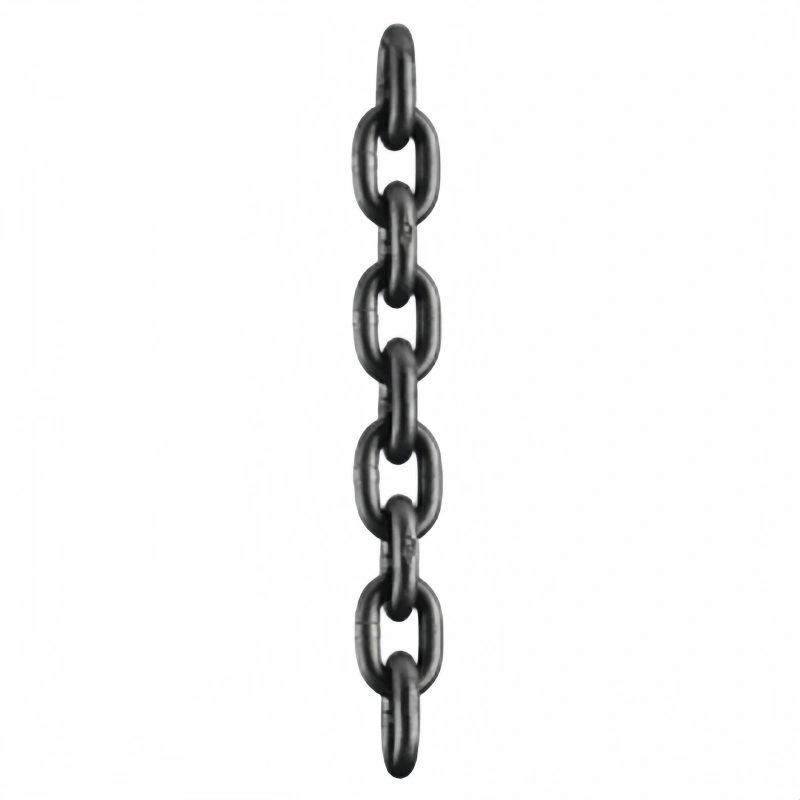
Grade 80 alloy chain is a heat-treated welded steel chain for lifting and rigging. Its high-strength links handle heavy loads in cranes, hoists, and overhead lifting equipment.
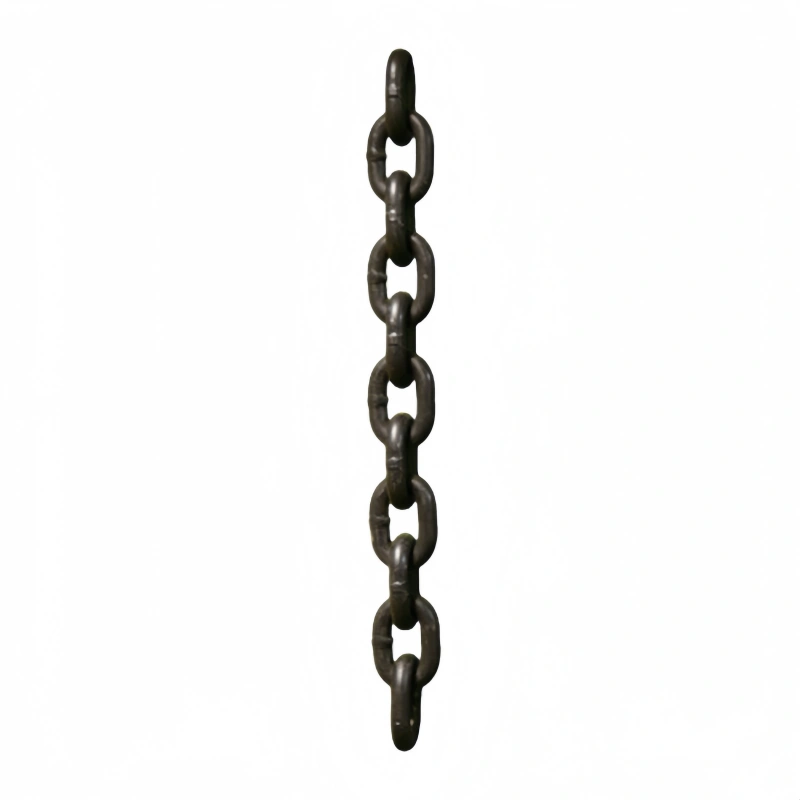
Grade 100 alloy chain is a heat-treated welded steel chain with higher lifting capacity and lighter weight than Grade 80. It suits overhead lifting, cranes, hoists, and heavy-duty rigging.
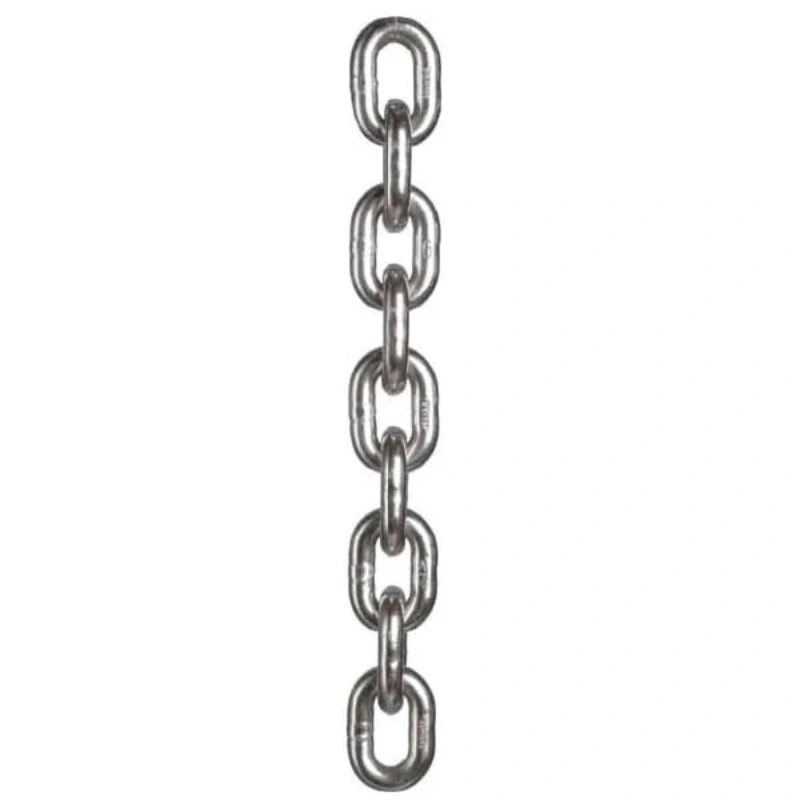
Stainless Steel Welded Chain
Stainless steel welded chain resists corrosion, rust, and wear. Perfect for marine, food processing, chemical, and industrial environments needing durable, long-lasting chain.

Straight Link Coil Chain
Straight link coil chain is a zinc-plated welded chain with long, narrow links, ideal for trailer safety, tailgates, and barrier chains. Not for overhead lifting.
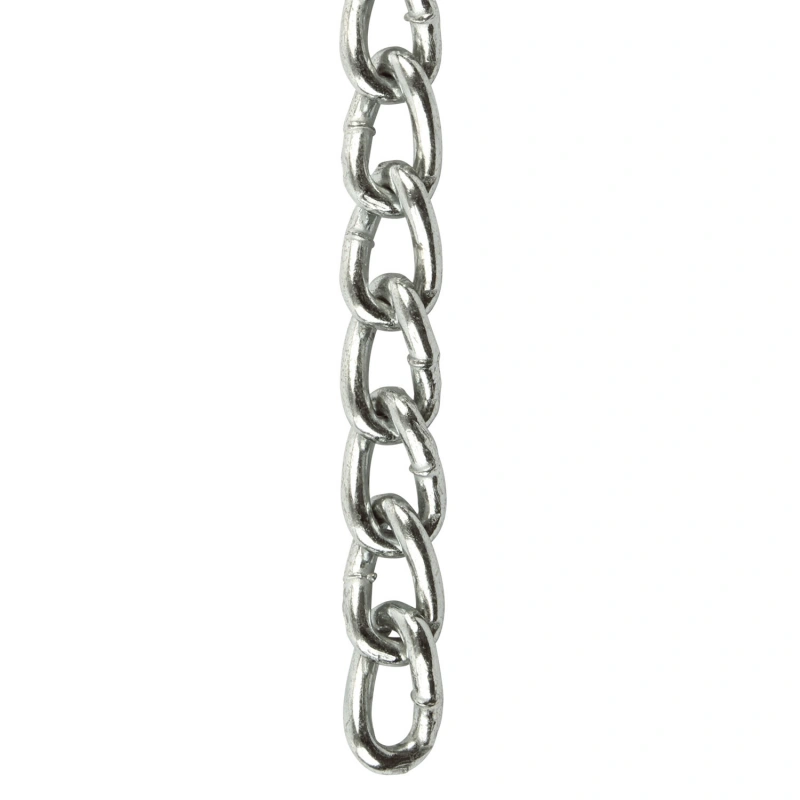
Twist link coil chain is a zinc-plated welded carbon steel chain. Its twisted links lay flat, ideal for trailer safety, tailgates, and barrier chains. Not for overhead lifting.

Straight Link Machine Chain
Straight link machine chain is a zinc-plated welded low-carbon steel chain. Flexible links work for tailgates, overhead doors, and agricultural equipment. Not for overhead lifting.
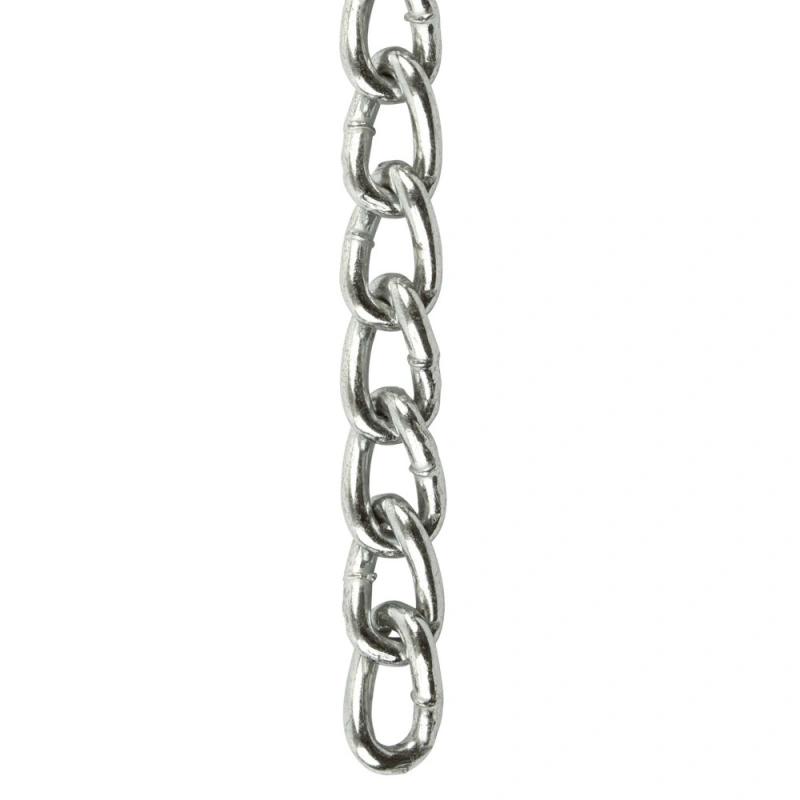
Twist Link Machine Chain
Twist link machine chain is a zinc-plated welded carbon steel chain. Twisted links lay flat for tie-downs, tailgates, and barrier chains. Not for overhead lifting.
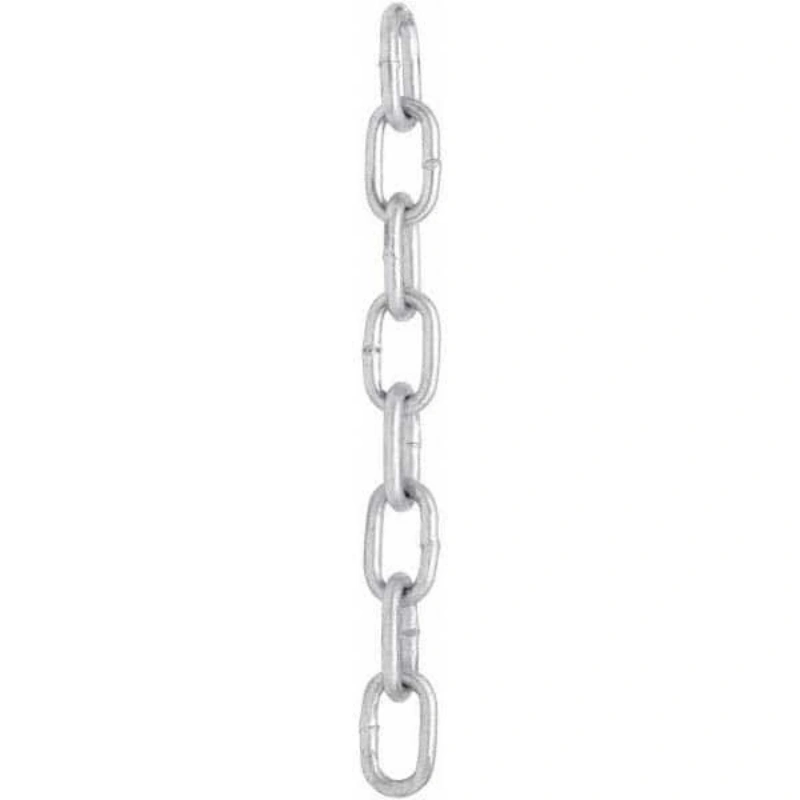
Passing Link Chain
Passing link chain is a zinc-plated welded carbon steel chain with wide links that prevent kinking. Ideal for gates, farm machinery, and general utility. Not for overhead lifting.
NEED HELP WITH YOUR WELD CHAIN ORDER?
Let us help! Reach out today and get recommendations on materials and sizing from our experts.


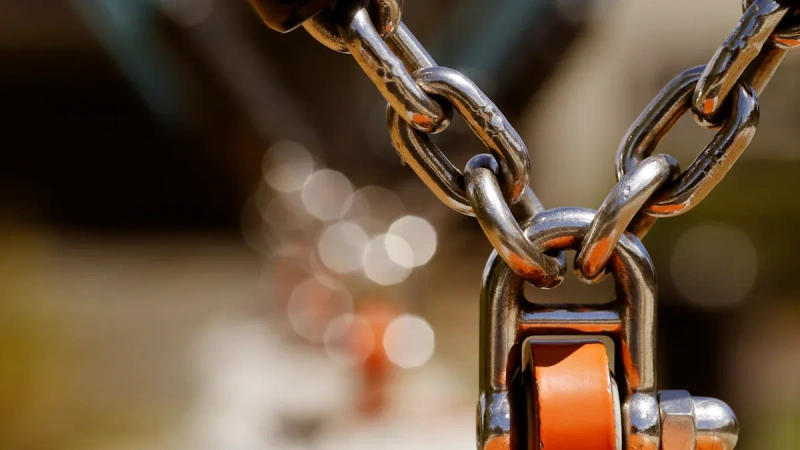
Guide to Welded Chain
Our guide to welded chains helps you understand welded chain types, applications, and selection tips so you can choose safe, reliable welded chains.
How to Measure Welded Chain Size?
Measuring welded chain size correctly ensures safety, strength, and proper fit for equipment. Follow these steps:
Check link diameter: Measure the thickness of the chain link using a caliper.
Measure internal width: Determine the inner width of each link for accurate fit.
Measure overall link length: Record the full length of a single link from end to end.
Measure multiple links: Take measurements of several links to account for minor variations.
Use proper tools: Employ a caliper or measuring tape for precise results.
Record units: Note measurements in millimeters or inches according to your application.
Confirm chain fit: Ensure measurements match equipment requirements to prevent failures.
Accurate measurement keeps industrial and utility chains safe, reliable, and ready for heavy-duty use.
What Materials Are Welded Chains Made From?
Welded chains commonly use high-strength carbon steel, alloy steel, or stainless steel. Coatings such as zinc plating, galvanization, or powder coating enhance corrosion resistance for outdoor or marine applications. Material selection determines durability, fatigue resistance, and load capacity. Matching the correct grade to the intended application ensures optimal performance in industrial lifting, cargo securing, or farm machinery use.
Can Welded Chains Handle Heavy Loads?
Welded chains support heavy loads within their rated working load limits. Chain grade and link size must match the load requirements. Exceeding the rated limit risks failure. Industrial lifting, towing, and cargo securing rely on chains with uniform welded links that prevent weak points. Choosing the proper type ensures safety, predictable strength, and reliable performance under repeated use or extreme conditions.
How to Inspect Welded Chains for Wear?
Regular inspection of welded chains ensures safety, prevents failures, and extends service life. Follow these steps to check for wear:
Visual check for cracks: Examine each link carefully for any cracks or fractures.
Look for corrosion: Identify rust or other signs of metal degradation that may weaken the chain.
Check for bent links: Ensure all links maintain their original shape and alignment.
Measure link elongation: Use a caliper or ruler to detect links stretched beyond manufacturer specifications.
Examine welds for fatigue: Inspect the welded joints for any signs of cracking or weakening.
Replace worn chains immediately: Chains showing excessive wear or damage must be replaced to avoid accidents.
Maintain inspection records: Document inspections to track chain condition and ensure compliance with safety standards.
What Applications Are Ideal for Welded Chains?
Welded chains provide strength, reliability, and versatility across multiple industries. Use them correctly to maximize safety and performance:
Lifting operations: Handle heavy loads safely in factories or construction sites.
Towing tasks: Secure vehicles, machinery, or equipment during transport.
Cargo securing: Fasten loads on trucks, trailers, or storage platforms.
Industrial machinery: Use in equipment requiring durable, high-strength chains.
Farm equipment: Support tractors, implements, and other agricultural machinery.
Marine operations: Suitable for boats, docks, or offshore equipment when coated properly.
Indoor and outdoor use: Choose appropriate coatings or materials for environmental resistance.
Proper grade and size: Select chains rated for load capacity to prevent failures.
Kink resistance: Maintain smooth operation and predictable strength under load.
Avoid non-rated chains: Do not use non-certified chains for overhead lifting or dynamic loads.
How to Maintain Welded Chains for Long Life?
Proper maintenance keeps welded chains strong, safe, and reliable over time. Follow these steps to extend chain life:
Apply lubrication regularly: Use oil or grease to reduce friction, especially in outdoor or corrosive environments.
Store chains properly: Keep chains in dry, ventilated areas to prevent rust and corrosion.
Avoid dragging chains: Prevent contact with abrasive surfaces that can damage links or welds.
Inspect after heavy use: Check chains after lifting, towing, or exposure to harsh weather for wear or fatigue.
Preserve weld integrity: Ensure welds remain intact and free from cracks to maintain strength.
Prevent fatigue: Regular care reduces stress on the metal and extends service life.
Ensure uniform strength: Proper maintenance keeps all links strong and consistent under load.
Support industrial and marine use: Well-maintained chains perform reliably in demanding environments.
Can Welded Chains Be Used Outdoors or in Marine Environments?
Welded chains perform well outdoors or near water when made from stainless steel or coated with zinc or galvanization. Regular inspection maintains coating integrity. Environmental resistance prevents corrosion, preserves link strength, and extends service life. Coated welded chains are suitable for gates, boats, construction, and industrial operations. Proper selection guarantees long-term durability in harsh or wet environments.
What Safety Standards Should Welded Chains Meet?
Following proper safety standards ensures welded chains perform reliably, handle loads safely, and comply with regulations. Check the following requirements:
ISO compliance: Confirm chains meet international standards for quality and strength.
ASTM compliance: Ensure chains adhere to American material and testing standards for industrial use.
DIN compliance: Verify European standards for link geometry, weld quality, and tensile strength.
Link geometry standards: Check uniform link shape and size for consistent load distribution.
Weld quality requirements: Inspect welds for proper fusion and durability under load.
Tensile strength verification: Ensure chains meet rated strength for intended applications.
Working load limits: Use chains rated for the specific load to prevent failures.
Request certifications: Always obtain manufacturer certifications and batch test reports.
Regulatory compliance: Adhering to standards reduces risk and ensures legal safety compliance.
Reliable industrial performance: Following these standards guarantees predictable, safe performance in demanding applications.
How to Choose the Right Welded Chain for a Project?
Selecting the correct welded chain ensures safety, reliability, and optimal performance in all applications. Follow these steps:
Check load capacity: Choose a chain rated for the maximum load it will carry.
Verify link size: Ensure link thickness and length match equipment requirements.
Select appropriate material grade: Use carbon steel, alloy steel, or stainless steel depending on strength and environment.
Consider environmental conditions: Account for corrosion, moisture, and outdoor exposure.
Determine chain length: Select the proper length for the intended application.
Assess load type: Choose chains suitable for static or dynamic loads to prevent failures.
Consult manufacturer specifications: Review certifications, test reports, and technical data.
Avoid oversizing: Oversized chains reduce flexibility and may not fit equipment properly.
Avoid undersizing: Undersized chains risk failure and compromise safety.
Match the right chain to the application: Proper selection ensures reliable performance, safety, and long service life.
Have More Questions of Welded Chains?
Have more questions about industrial welded chains? Get expert guidance on chain sizes, grades, applications, and safety. Find the right welded chain for your project and ensure reliable, long-lasting performance.