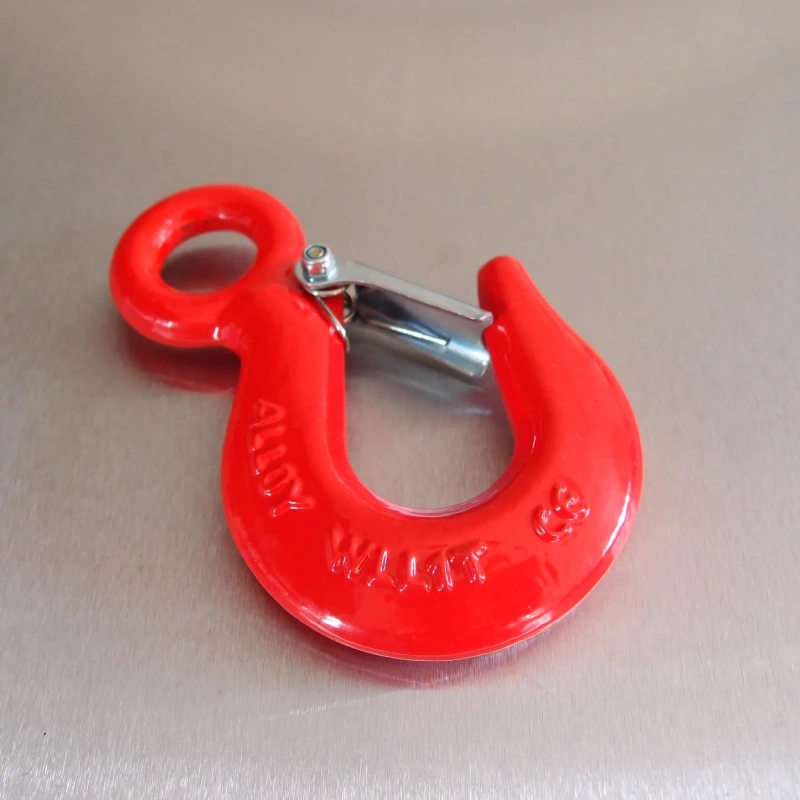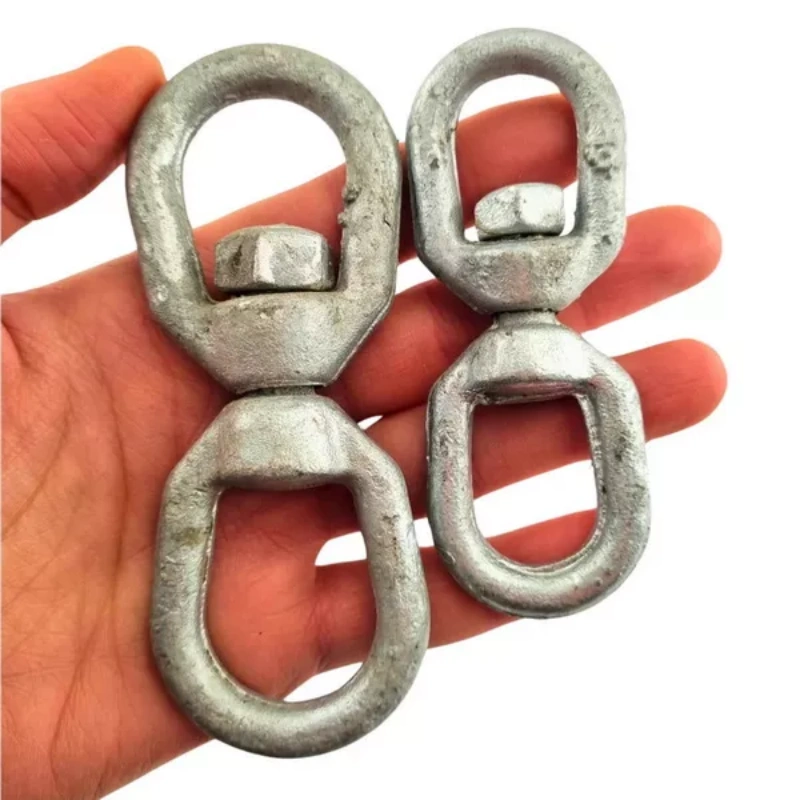
You use chain slings to lift and move heavy items safely in industrial environments. These tools play a key role in lifting and rigging tasks, answering the question of what are chain slings used for. You often find chain slings in places where strength and reliability matter the most, such as:
Lifting steel beams on construction sites
Moving heavy machinery in manufacturing plants
Handling containers in logistics and shipping yards
Performing overhead lifting tasks in demanding environments
Chain slings come in grades like Grade 80 and Grade 100, meeting strict international safety standards. Powerful Machinery provides certified chain slings designed for tough applications, giving you confidence in every lift.
Key Takeaways
Chain slings are essential for safely lifting heavy loads in industries like construction and manufacturing.
Always check the rated capacity of your chain sling before use to ensure safe lifting and prevent accidents.
Choose the right type of chain sling based on your load’s shape and weight for better stability and control.
Regularly inspect your chain slings for wear and damage to maintain safety and extend their lifespan.
Powerful Machinery offers custom chain slings tailored to specific lifting needs, enhancing safety and efficiency.
What Are Chain Slings Used For?
Lifting Heavy Loads
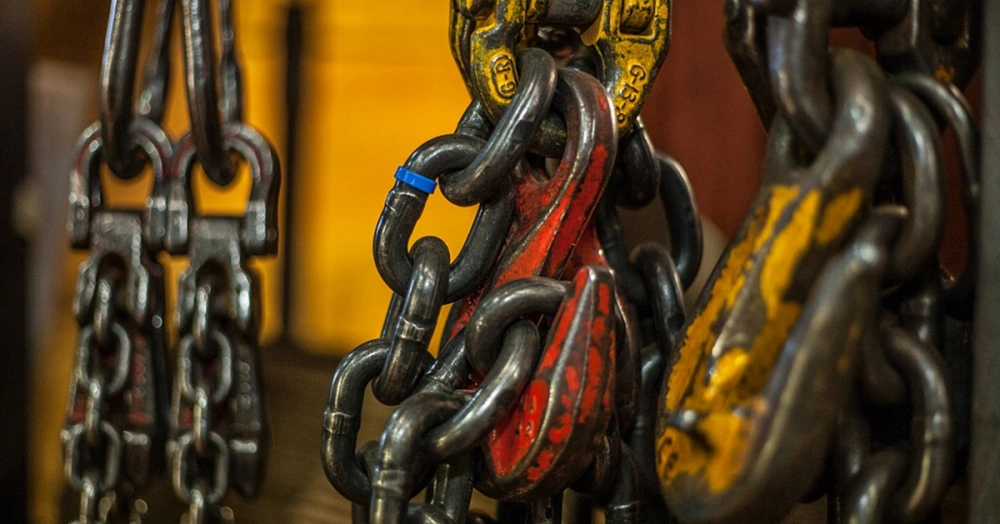
You rely on chain slings when you need to lift heavy loads in tough environments. These tools give you the strength and durability that other lifting devices cannot match. You often use chain slings for lifting applications in construction, manufacturing, and shipping.
When you ask what chain slings are used for, you find that their main purpose is to move large objects safely and efficiently.
Chain slings handle heavy loads because they are made from high-strength steel. You can use them to lift steel beams, machinery, and containers. You must always check the identification markings on each sling. These markings show the rated capacity, which tells you how much load you can safely lift.
Employers must not exceed the recommended safe working load as indicated by the sling manufacturer.
Here is a quick look at the maximum load capacity for chain slings:
Type of Sling | Maximum Load Capacity (Rated Capacity) |
|---|---|
Alloy Steel Chain Sling | As prescribed by the manufacturer |
You choose chain slings over wire rope or synthetic slings because they offer several safety advantages:
High strength and durability
Ability to withstand extreme temperatures
Resistance to cutting and abrasion
Repairable design for longer service life
These features make chain slings the preferred choice for lifting heavy loads in demanding applications.
Handling Odd-Shaped Materials
You often face challenges when lifting odd-shaped or unbalanced materials. Chain slings help you solve these problems. When you wonder what chain slings are used for, you discover that bridle chain slings provide stability and control. You use them to distribute the load across multiple connection points.
This design keeps the load balanced and reduces the risk of accidents.
Bridle chain slings work well for lifting pipes, machinery parts, and irregularly shaped objects. You can adjust the sling configuration to fit the shape of the load. This flexibility makes chain slings ideal for handling materials that do not have standard lifting points.
You improve safety and efficiency by choosing the right sling for each job.
Overhead Lifting With Cranes And Hoists
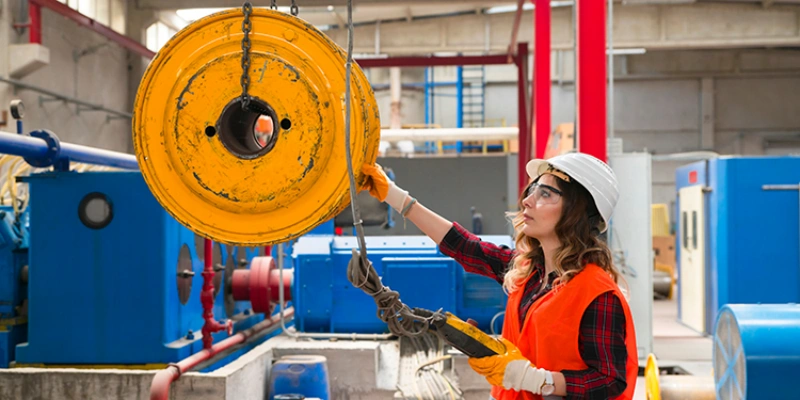
You use chain slings for overhead lifting when you need to move loads with cranes and hoists. Overhead lifting is one of the most common applications for chain slings. You see them in steel fabrication, precast concrete, marine, construction, and manufacturing industries.
When you ask what chain slings are used for, you learn that they are essential for overhead lifting in these environments.
You must follow strict safety standards when you use chain slings for overhead lifting. These standards help you protect workers and equipment. The most important safety standards include:
Standard | Description |
|---|---|
ASME B30.9 | Covers fabrication, attachment, use, inspection, testing, and maintenance of slings, including chain slings, for load handling. |
OSHA 1910.184 | Addresses safe use of slings, wire ropes, chains, and other lifting devices, including inspection and load capacity requirements. |
You find chain slings in many industries that depend on overhead lifting:
Construction
Marine
Transportation
Manufacturing
You trust chain slings because they provide reliable performance in overhead lifting operations. You use them to lift loads safely, even in harsh conditions. You improve workplace safety and efficiency by following proper inspection and maintenance routines.
Tip: Always inspect your chain slings before each use. Look for signs of wear, damage, or deformation. Replace any sling that does not meet safety standards.
You now understand what chain slings are used for in lifting heavy loads, handling odd-shaped materials, and performing overhead lifting with cranes and hoists. You choose chain slings for their strength, flexibility, and safety in a wide range of lifting applications.
Types Of Chain Slings By Powerful Machinery
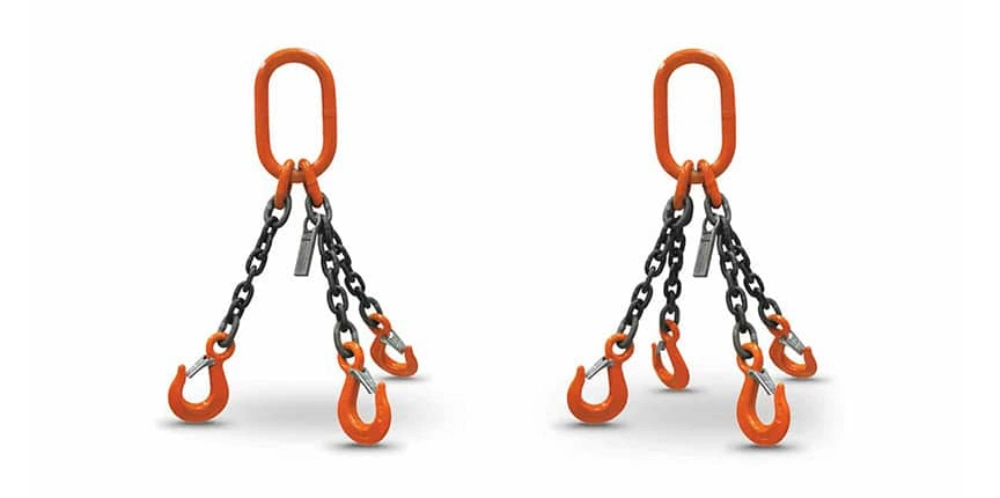
When you choose a chain sling, you need to match the configuration to your lifting task. Powerful Machinery offers single, double, triple, and quadruple leg chain slings. Each type serves a specific purpose and gives you flexibility for different lifting challenges.
Type of Sling | Description | Load Capacity |
|---|---|---|
Single Leg Chain Sling | Supports a lifted load with even distribution; ideal for lighter loads. | Up to 70,000 pounds |
Double Leg Chain Sling | Provides improved load distribution and stability; suitable for heavier loads. | Over 100,000 pounds |
Multi-Leg Chain Sling | Handles significantly higher lifting capabilities; ideal for very heavy loads. | Over 180,000 pounds |
Single-Leg Chain Sling
You use single-leg chain slings for vertical lifting. They work best when you need to lift lighter loads with balanced weight. You can use them at a 90-degree angle for secure and direct lifts. These slings are also helpful for pulling or securing loads.
For example, a 3/8″ single-leg chain sling can handle up to 8,800 lbs, while a 5/16″ size supports up to 5,700 lbs. You can select from different lengths, such as 3′, 4′, 6′, or 8′, to fit your needs.
Tip: Single-leg chain slings are simple to use and easy to inspect, making them a reliable choice for everyday lifting.
Double-Leg Chain Sling
Double-leg chain slings give you better load distribution and stability. You use them when you need to lift heavier items or when the load has two anchor points. These slings can handle over 100,000 pounds in some configurations.
For example, a ½” Grade 80 double-leg sling can lift to 16,640 lbs at a 60-degree angle. You often use double-leg slings for overhead lifting, especially in construction and manufacturing.
Improved stability for uneven loads
Versatile connections with master links and hooks
Suitable for harsh environments
Multi-Leg Chain Sling
Multi-leg chain slings, including triple and quadruple leg designs, help you lift very heavy or oddly shaped loads. You use these slings to share the weight across three or four points. This setup keeps the load balanced and reduces stress on each attachment.
Multi-leg slings are essential for complex lifts in shipping yards, factories, and construction sites.
You can customize your chain sling with Powerful Machinery. Choose the chain size, length, and attachments like hooks or master links. This flexibility lets you create the perfect sling for your lifting job.
Customization Aspect | Description |
|---|---|
Size | Select the chain diameter based on your working load limit. |
Reach | Measure from bearing point to bearing point, including all attachments. |
Attachments | Choose standard master links or request custom hooks and connectors. |
Type | Specify double leg, oblong link, sling hook, or other configurations. |
You get a chain sling that matches your exact requirements, ensuring safety and efficiency every time you lift.
Chain Sling Grades And Strength
When you choose a chain sling, you need to understand how grades affect strength and safety. Powerful Machinery offers chain slings that meet strict international standards, so you can trust their performance in any lifting job.
Grade 80 Chain Slings
Grade 80 chain slings are a popular choice for general-purpose lifting. You use them in many industries because they offer a strong balance of durability and cost-effectiveness. These slings handle tough conditions and allow you to rig materials of different shapes quickly and safely.
You can select from single, double, triple, or quadruple leg configurations, and even request custom lengths. Grade 80 slings can handle a high load capacity, such as 47,700 pounds for a 1-inch single-leg sling. Always check the working load limit marked on the sling before you lift.
Application/Advantage | Description |
|---|---|
General-purpose lifting | Used for many industrial lifting tasks |
Durability | Made from a strong alloy, works well in harsh conditions |
Flexibility | Quick and safe rigging for different shapes |
Cost-effectiveness | More affordable for abrasive environments |
High load capacity | Handles significant vertical loads |
Grade 100 Chain Slings
Grade 100 chain slings give you even more strength and efficiency. You get about 25% more load capacity than Grade 80 slings of the same size. Grade 100 chains are lighter, so you can handle them more easily. They also resist shock loading better, which means they perform well when lifting heavy or shifting loads.
For example, a 7/16-inch Grade 100 chain can match the working load limit of a 1/2-inch Grade 80 chain, but with less weight.
Higher working load limit for the same chain size
Better shock resistance
Easier handling due to lighter weight
Load Capacity And Safety Certifications
You must always follow the working load limit for every chain sling. The working load limit is based on a design factor of 4:1, as required by ISO standards. This factor helps you calculate the safe load for each sling.
Powerful Machinery’s chain slings meet or exceed major international safety standards, including OSHA, NACM, ASTM, and ISO. You also get certifications like ISO9001, TUV Rheinland, and EURO CERT, so you know your equipment is safe and reliable.
Specification | Requirement | Compliance |
|---|---|---|
OSHA | Yes | Meets |
NACM | Yes | Meets |
ASTM | Yes | Meets |
ISO | Yes | Meets |
Design Factor | 4:1 | Exceeds |
Tip: Always inspect your chain sling and confirm the working load limit before every lift. This keeps your team and your equipment safe.
Choosing The Right Chain Sling
Factors To Consider
You need to choose the right chain sling for your lifting and rigging projects to ensure safety and efficiency. Start by looking at these important factors:
Load Weight & Working Load Limit (WLL): Check the weight of your load. Make sure the sling’s WLL matches or exceeds this weight. The grade of the chain, the number of legs, and the lifting angle all affect the WLL.
Type of Hitch Configuration: Decide if you need a vertical, choker, or basket hitch. Each type changes how the weight is distributed and impacts safety.
Sling Length & Adjustability: Pick a sling length that balances your load. Adjustable slings give you more flexibility for different tasks.
Environment & Conditions: Think about where you will use the sling. High temperatures above 400°F can lower the load rating. Chemically active environments can weaken the chain. Always consult the manufacturer if you work in extreme conditions.
Inspection & Maintenance Requirements: Plan for regular inspections. Look for cracks, deformations, or other damage before every use.
Tip: Never use alloy steel chains above 1,000°F or below minus 40°F. Avoid using chain slings near acids, caustics, or strong oxidizers.
Custom Solutions From Powerful Machinery
Every lifting job is unique. Powerful Machinery offers custom engineering and consultation services to help you get the right solution. You can request chain slings designed for:
Irregular or delicate loads, such as wind turbine blades
Limited headroom or confined spaces
Subsea or harsh environments with corrosion-resistant finishes
Loads with shifting centers of gravity
Projects needing exact compliance documentation
Custom Lifting Solution | Description |
|---|---|
Irregular or delicate loads | Custom designs for unusual shapes or fragile surfaces |
Limited headroom | Solutions for low-clearance lifting areas |
Subsea or harsh environments | Corrosion-resistant materials and finishes |
Multiple center-of-gravity | Designs for shifting weight distribution |
Confined or restricted spaces | Tailored for tight lifting areas |
You can work with Powerful Machinery’s team to specify chain size, attachments, and special features. This ensures your equipment fits your project and meets all safety standards.
Safety And Maintenance Tips
You protect your team and equipment by following safety and maintenance best practices:
Store chain slings in a dry, clean area to prevent rust.
Hang chains on racks or bins to avoid kinks and tangles.
Keep slings away from chemicals, oils, and acids.
Lubricate chains regularly to reduce friction and prevent corrosion.
Rotate slings in use to spread out wear and extend their lifespan.
Use padding or edge protectors when lifting sharp or rough materials.
Clean slings after each use to remove dirt and grease.
Schedule regular servicing and replace worn components as needed.
Note: Most chain sling failures happen because of overloading, physical damage, or corrosion. Regular inspections and proper storage help you avoid these risks and maintain safety.
By considering these factors and working with Powerful Machinery, you can select the best chain sling for your lifting and rigging projects and keep your operations safe and efficient.
Conclusion
You rely on chain slings for safe, efficient lifting in construction, manufacturing, and shipping. Certified chain slings from Powerful Machinery give you key advantages:
Advantage | Description |
|---|---|
Strength | Lift heavy objects with confidence. |
Durability | Withstand tough, daily use. |
Flexibility | Handle loads in many positions. |
Versatility | Work across different industries. |
To keep your lifting operations safe and efficient, always:
Inspect slings for wear, cracks, or stretching.
Check the ID tag and rated capacity before each use.
Never stand under a suspended load or exceed the working limit.
FAQ
What is a chain sling used for?
You use a chain sling to lift, move, or secure heavy loads in industrial settings. A chain sling gives you strength and flexibility for lifting steel beams, machinery, or containers. You can trust a chain sling for tough jobs in construction, shipping, and manufacturing.
How do you choose the right chain sling?
You select a chain sling by checking the load weight, the number of legs, and the working environment. Always match the chain sling’s working load limit to your task. You can ask Powerful Machinery for help if you need a custom chain sling.
Can you use a chain sling outdoors?
Yes, you can use a chain sling outdoors. A chain sling resists corrosion and handles harsh weather. You should inspect your chain sling before each use to ensure safety. Store your chain sling in a dry place when not in use.
How often should you inspect a chain sling?
You should inspect your chain sling before every use. Look for wear, cracks, or stretching. If you see damage, remove the chain sling from service. Regular checks help you keep your chain sling safe and reliable.
What are the main advantages of a chain sling?
A chain sling offers high strength, durability, and flexibility. You can use a chain sling for many lifting tasks. A chain sling works well with odd-shaped loads and in extreme conditions. You get a long service life with proper care of your chain sling.
Tip: Always follow the manufacturer’s guidelines for your chain sling to ensure safe lifting.
Chain Sling Feature | Benefit |
|---|---|
Strength | Lifts heavy loads |
Flexibility | Handles odd shapes |
Durability | Lasts in tough jobs |