You may wonder what a chain hoistis and why so many industries rely on it. A chain hoist is a tool that helps you lift heavy objects with ease, using a strong chain and a simple pulling action. Powerful Machinery, known for its reliable lifting solutions, supplies chain hoists trusted by professionals worldwide.
If you work in construction, manufacturing, or logistics, understanding how a chain hoist works can make your job safer and more efficient.
The global market for chain hoists is growing fast:
Market size reached USD 2.8 Billion in 2023.
Expected to hit USD 3.8 Billion by 2032.
Annual growth rate projected at 3.4% from 2024 to 2032.
Key Takeaways
A chain hoist is a tool that helps lift heavy objects easily using a strong chain and pulleys. It is essential for safety and efficiency in industries like construction and manufacturing.
There are different types of chain hoists, including manual, electric, air, battery-powered, and smart models. Each type serves specific needs based on the weight and environment.
The lifting mechanism of a chain hoist multiplies your strength, allowing you to lift heavy loads with less effort. Understanding this mechanism can help you work more efficiently.
Safety is crucial when using a chain hoist. Always check the load capacity, secure the load properly, and perform routine inspections to prevent accidents.
Choosing the right chain hoist involves considering factors like load capacity, operational type, and environmental conditions. Consulting experts can help you make the best choice.
What is a Chain Hoist?
Definition and Purpose
You may ask yourself, What is a chain hoist, and how does it help you in your daily work? A chain hoist is a mechanical device that lets you lift or move heavy objects by using a strong chain, pulleys, and a load hook. You operate it by pulling a hand chain, using a pendant control, or even a wireless remote.
The chain passes through pulleys, which gives you a mechanical advantage. This means you can lift loads much heavier than your own strength. In industrial settings, you use a chain hoist for lifting and lowering loads, bearing weight, transferring force, and positioning items with precision.
You also rely on its safety mechanisms to keep your work environment secure. The compact design allows you to fit the chain hoist into tight spaces, making it a practical choice for many jobs.
Powerful Machinery stands out as a leading manufacturer of chain hoists. The company has built a reputation for supplying certified, high-performance lifting solutions to industries around the world.
When you choose a chain hoist from Powerful Machinery, you get a product that meets strict international safety standards and delivers reliable performance in tough conditions.
Tip: If you want to maintain balance and stability while lifting, a chain hoist gives you the control you need.
Types of Chain Hoist
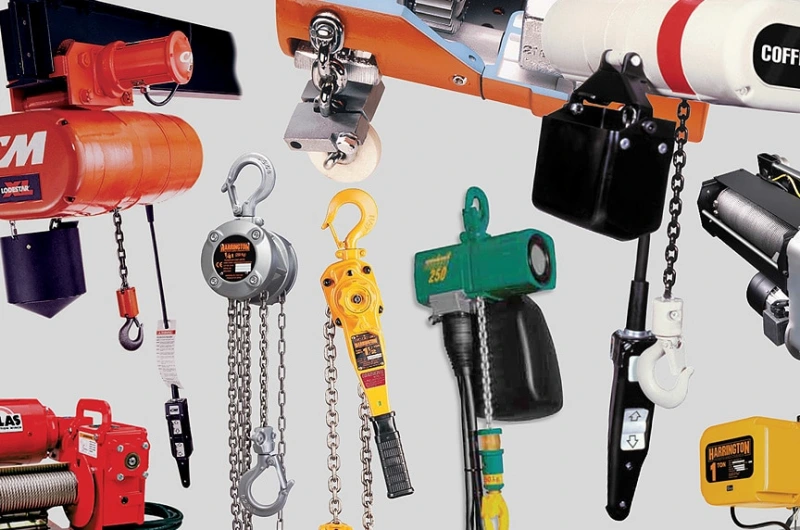
When you explore what a chain hoist is, you discover several types designed for different tasks. Each type offers unique benefits depending on your needs.
Manual Chain Hoist
You operate this type by hand. It works best for simple lifting jobs, outdoor projects, mining, and remote sites. Manual chain hoists can manage weights up to 30 tonnes, but they are usually used for lighter loads. You get precise control, but you need to use your own strength.Electric Chain Hoist
This model uses electricity to power the lifting process. You find electric chain hoists in factories, warehouses, and production lines. They can lift loads to 32 tonnes, making them ideal for heavy-duty applications. You save time and effort because the motor does the hard work.Air Chain Hoist (Pneumatic Hoist)
You use compressed air to operate this hoist. It suits environments like oil and gas facilities, cleanrooms, and shipyards. You benefit from smooth operation and the ability to work in places where electricity is not safe or available.Battery-Powered Chain Hoist
You rely on lithium batteries for power. This type is perfect for flexible job sites and mobile lifting tasks. You get portability and freedom from cords or power outlets.Smart / Intelligent Chain Hoist
You combine electricity with IoT systems for precision lifting and automation. Smart chain hoists help you achieve accurate positioning and monitor loads in real time.
When you compare manual and electric chain hoists, you notice key differences. Electric models handle heavier loads and work faster, while manual models give you more control for lighter tasks. You choose the type that matches your job requirements and environment.
If you still wonder what a chain hoist is, remember that it is a versatile tool designed to make lifting safer and easier for you. Powerful Machinery offers a wide range of chain hoists to fit every application, ensuring you get the right solution for your needs.
How Does a Chain Hoist Work?
Working Mechanism
You might wonder how a chain hoist can lift such heavy objects with so little effort. The secret lies in its smart lifting mechanism. When you use a chain hoist, you take advantage of gears and chains that multiply your strength. Here is how the process works step by step:
You pull down on the hand chain. This chain loops over a smaller gear called the hand wheel.
As you pull, the hand wheel turns. This action sets the larger load wheel in motion.
The load chain, which holds the weight, passes over the larger sprocket. The load hook attaches to your object.
The gear ratio comes into play. For example, if the ratio is 1:4, every foot you pull on the hand chain lifts four feet of load chain.
This system gives you a mechanical advantage. You can lift a heavy load with much less force than you would need on your own.
Tip: The higher the mechanical advantage, the less effort you need to lift a load. However, the lifting process may become slower.
The lifting mechanism in a chain hoist uses gears, sprockets, and chains to make your job easier. You can lift a 500 kg load with only 100 kg of effort if the mechanical advantage is 5:1. This means you save energy and reduce strain on your body.
If you use an electric chain hoist, the motor replaces your hand power. You press a button or use a remote control. The motor turns the gears and lifts the load smoothly and quickly. This makes electric chain hoists perfect for factories and warehouses where you need to lift heavy items often.
Key Components
To understand how a chain hoist works, you need to know its main parts. Each component plays a special role in the lifting mechanism. Here is a table that shows the key components and their functions:
Component | Function |
|---|---|
Lifting Chain | Carries the load and moves it up or down. Made from strong alloy steel for safety and durability. |
Sprocket | Engages with the lifting chain to ensure smooth movement and reduce friction. |
Rope Guide | Keeps the lifting chain aligned and prevents tangling or slipping. |
Safety Clutch | Stops you from lifting more than the chain hoist’s maximum capacity. Protects both you and the load. |
Lifting Motor | Powers the lifting mechanism in an electric chain hoist. Provides reliable and steady lifting. |
Limit Technology | Stops the hoist at set points to prevent overtravel and keep you in control. |
You should always check the materials used in your chain hoist. High-quality alloy steel chains give you strength and resist wear. Galvanized chains protect against rust and last longer. If you choose a chain hoist from a trusted brand like Powerful Machinery, you get certified products that meet strict safety standards.
Note: Using a chain hoist with poor materials can lead to early wear or even dangerous failures. Always pick a reliable manufacturer for your lifting needs.
The combination of strong materials, smart design, and safety features makes the chain hoist a dependable tool for lifting. Whether you use a manual or electric chain hoist, you can trust the lifting mechanism to handle tough jobs safely and efficiently.
Features and Advantages of Chain Hoist
Product Features
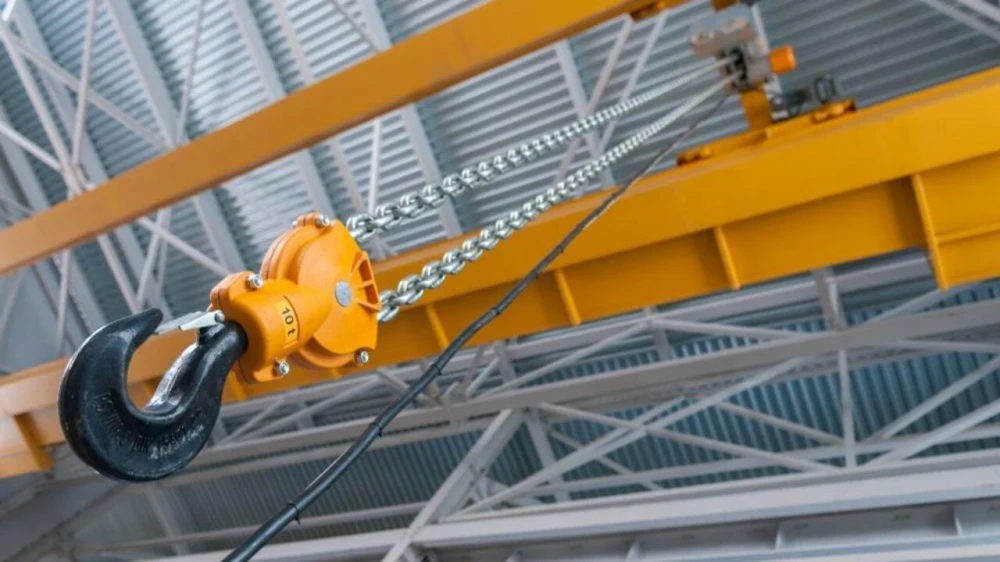
When you choose a chain hoist from Powerful Machinery, you get a tool built for strength and reliability. The design uses high-quality materials that stand up to tough jobs. You notice the unique hand wheel design, which lets the hand chain feed smoothly from different angles.
This feature prevents jamming and keeps your work moving. The thrust bearing on the lower hook allows you to rotate the load easily while it hangs, so you avoid twisting the chain. You also benefit from electro zinc-plated chains, which give a durable finish and resist oil and rust.
Here is a table showing what sets Powerful Machinery’s chain hoist apart:
Feature | Description |
|---|---|
Unique Hand Wheel Design | Feeds chain from various angles, prevents jamming. |
Thrust Bearing on Lower Hook | Rotates load easily, prevents chain twisting. |
Electro Zinc Plated Chains | Durable, non-oily finish resists corrosion. |
Fully Machined Lift Wheel | Smooth operation, long-lasting performance. |
Low Headroom | Maximizes lift in tight spaces. |
Safety matters every time you lift. Powerful Machinery includes overload protection, so the hoist will not lift loads beyond its rated capacity. Safety latches on hooks keep slings and attachments secure. You should always check these latches before starting work.
Regular maintenance, like lubricating chains and inspecting hooks, helps prevent accidents and keeps your equipment in top shape.
Benefits and Value
You gain many advantages when you use a chain hoist for lifting tasks. The tool offers strong weight capacity, handling loads up to 2000 kg with minimal effort. You get reliable mechanical braking, which keeps the load stable and prevents drops. Heavy-duty hooks with safety latches add another layer of protection.
Here are some key benefits:
Maneuverability lets you position loads with precision.
Cost-effectiveness saves you money compared to other lifting equipment.
Increased productivity means you finish jobs faster.
Portability allows you to use the hoist in remote or emergency.
Low maintenance requirements reduce downtime.
Modern chain hoists also feature ergonomic handles. You operate the hoist with one hand, which reduces physical strain and helps you work more efficiently. Smart controls and IoT integration in newer models let you monitor loads and control lifting remotely. These advancements improve safety and make your job easier.
You find that chain hoists are a cost-effective solution for frequent lifting. They help reduce worker fatigue and lower the risk of injury. Protective features like limit switches and overload safeguards keep operations safe.
When you choose Powerful Machinery, you invest in a tool that delivers lasting value and dependable performance.
What Are the Applications of a Chain Hoist?

Common Uses
You see chain hoists in many industries because they make heavy lifting safe and easy. When you work on a construction site, you use a manual chain hoist to move building materials between floors. You rely on a hand chain hoist to position steel beams or lift concrete blocks.
In infrastructure projects, you need a lifting tool that can handle large and heavy items over long distances. Mining and oil & gas sites often use a manual chain hoist because it works well in tough conditions.
Here are some common ways you use a chain hoist in construction:
High-rise building construction: You lift materials and even help move personnel to different levels.
Infrastructure and industrial projects: You transport heavy items across the site.
Mining and oil & gas: You depend on a hand chain hoist for reliable lifting in harsh environments.
In the marine and transportation industries, you use a lifting tool to move machinery and cargo. The table below shows how you use a chain hoist in these settings:
Application | Description |
|---|---|
Lifting heavy machinery | You move equipment in shipyards. |
Loading and unloading cargo | You transfer goods to and from ships. |
Lifting lifeboats | You safely raise and lower lifeboats and marine gear. |
Maritime cranes | You help cranes move heavy goods around ships and between vessels. |
You also use a hand chain hoist in cargo handling to position loads with precision. This makes your job faster and safer.
Industry Examples
You find chain hoists in many workplaces. When you work at a ship wharf, you use a manual chain hoist to lift engines or motors. In paper mills and steel mills, you rely on a hand chain hoist to move dies, injection mould tools, and steel coils.
Production plants use a lifting tool to handle turbines and transformers. Vehicle and aircraft workshops need a manual chain hoist for maintenance tasks.
Here are some places where you use a chain hoist:
Ship wharves
Paper mills
Steel mills
Production plants
Vehicle and aircraft workshops
Renewable energy installations
Maintenance works
You trust Powerful Machinery because their chain hoists deliver reliable performance in these industries. You know that durable machinery helps you save money and avoid accidents.
Strong after-sales support keeps your projects running smoothly. When you choose a hand chain hoist from Powerful Machinery, you get a lifting tool that meets strict safety standards and works well in demanding environments.
Tip: You improve efficiency and safety when you use a certified chain hoist for your lifting tasks.
Safe Operation and Selection Tips
Safety Guidelines
You must follow safety guidelines every time you operate a chain hoist. These steps help you protect yourself and your team from accidents:
Check the load capacity before lifting. Make sure the weight does not exceed the hoist’s rating.
Secure the load properly. Attach it to the hook using correct rigging techniques.
Lift vertically. Avoid pulling the load sideways or at an angle.
Keep the path clear. Remove obstacles and make sure no one stands under the load.
Operate the lever smoothly. Sudden movements can destabilize the load.
Monitor the hoist and load during operation. Watch for unusual sounds or movements.
Perform routine checks. Inspect the hook, chain, and other parts regularly.
Lower the load carefully. Place it gently in the designated spot.
Learn emergency procedures. Know what to do if something goes wrong.
Control failures, brake failures, and circuit failures in electric chain hoists can cause serious accidents. Regular inspections and proper training help you avoid these risks.
Common causes of accidents include overloading, ignoring inspections, improper rigging, and using the wrong hoist. You reduce risks by following manufacturer guidelines and maintaining your equipment.
Choosing the Right Chain Hoist
Selecting the right chain hoist for your job requires careful planning. You should consider several factors to match your needs:
Factor | Description |
|---|---|
Capacity Requirements | Choose a hoist with a rated capacity at least 20-25% higher than your heaviest planned lift. |
Suspension Types | Decide if you need a fixed or trolley-mounted hoist for your workspace. |
Operational Types | Pick manual, electric, or pneumatic models based on your power source and usage frequency. |
Duty Classes | Assess how often you will use the hoist and the average load weight. |
Dimensional Constraints | Measure headroom and clearance in your work area. |
Environmental Considerations | Select models with special features for extreme temperatures or corrosive environments. |
Load capacity is the most important factor. Powerful Machinery offers manual hoists for loads up to 10 tons, electric hoists for up to 100 tons, and pneumatic hoists for up to 10 tons. Always check the safety margin and never exceed the rated capacity.
Industry regulations require you to use certified chain hoists that meet safety standards. Powerful Machinery’s products comply with ASME and OSHA guidelines, giving you confidence in every lift.
Tip: Consult with Powerful Machinery’s experts to find the best chain hoist for your specific application.
Conclusion
You use a chain hoist to lift heavy loads safely and efficiently. The device works by multiplying your strength through gears and strong chains. Powerful Machinery ensures top quality and safety by meeting international standards like ISO and CE.
Electric chain hoists feature precise weighing, adjustable brakes, and auto-hold functions for safer lifting.
Feature | Benefit |
|---|---|
Compact design | Easy to handle |
Durability | Long-lasting use |
Safety systems | Prevents accidents |
Understanding chain hoists helps you work smarter and safer in construction, manufacturing, and logistics.
FAQ
How do you maintain a chain hoist?
You inspect the chain and hooks regularly. You clean and lubricate moving parts. You check for wear or damage before each use. You follow the manufacturer’s maintenance schedule for best results.
What is the difference between a manual and a powered chain hoist?
A manual chain hoist uses your strength to lift loads. A powered chain hoist uses electricity or batteries to lift heavier items with less effort. You choose based on your job needs.
Can you use a chain hoist outdoors?
You can use a chain hoist outdoors. You must protect it from rain and dust. You store it in a dry place after use. You check for rust or corrosion often.
What safety features should you look for in a chain hoist?
You look for overload protection, safety latches, and strong alloy steel chains. You check for certified products that meet international safety standards. You always follow safe lifting practices.
How do you select the right chain hoist for your project?
You consider load capacity, lifting height, and environment. You choose manual or powered models based on frequency of use. You consult experts if you need help matching your requirements.