You rely on eye bolts to create secure anchor points for lifting, rigging, or fastening heavy loads. Selecting the right type and material ensures durability and safety, especially in demanding environments.
Powerful Machinery offers certified solutions trusted by professionals worldwide. When you choose high-quality eye bolts and install them correctly, you reduce risks such as:
Mismatched threads causing loosening or failure under load
Over-tightening damaging threads and reducing load capacity
Misalignment leading to unexpected failure
Ignoring cracks or corrosion increasing risk
A careful approach protects your team and equipment.
Key Takeaways
Eye bolts are essential for safely lifting and securing heavy loads. Choose the right type and material to ensure safety and reliability.
Always check the manufacturer’s specifications before using an eye bolt. This helps prevent overloading and ensures safe operation.
Select shoulder eye bolts for angular loads. They provide better support and reduce the risk of failure compared to regular eye bolts.
Inspect eye bolts regularly for wear, corrosion, or damage. Replace any damaged bolts to maintain safety during lifting operations.
Use stainless steel eye bolts for outdoor or marine applications. They resist rust and corrosion, ensuring long-lasting performance.
Eye Bolt Basics
What is a Lifting Eye Bolt?
You encounter eye bolts in many industrial and construction settings. An eye bolt is a type of fastener with a looped head, designed to create a secure anchor point for ropes, cables, or chains. You use eye bolts to lift, rig, or tie down heavy loads.
The loop, or “eye,” allows you to attach lifting equipment or secure objects with confidence. Eye bolts come in various shapes and sizes, each suited for specific tasks. When you select an eye bolt, you ensure that your lifting or securing operation meets safety standards.
Tip: Always check the manufacturer’s specifications before using an eye bolt for lifting. This helps you avoid overloading and ensures safe operation.
How Lifting Eye Bolts Work?
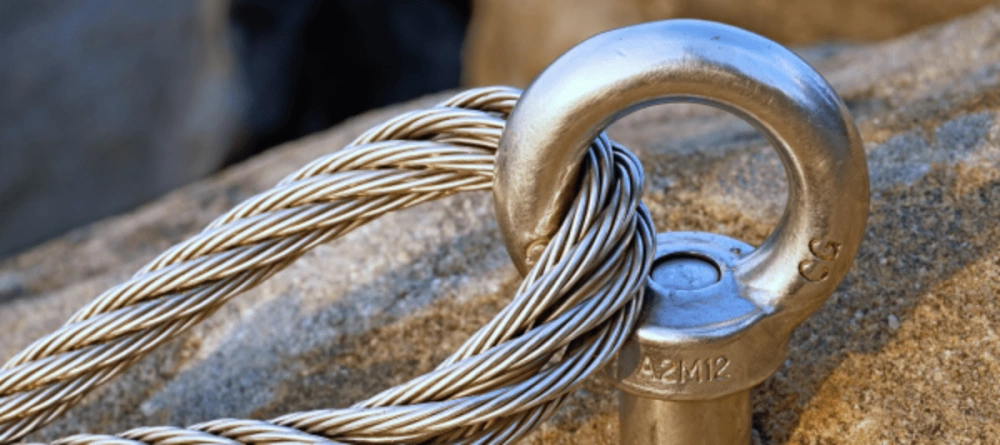
You rely on eye bolts to transfer force from a load to a mounting surface. The threaded shank screws into wood, metal, or concrete, while the eye provides a connection point for hooks, shackles, or chains. When you apply force, the eye bolt distributes the load along its axis.
This design minimizes stress and reduces the risk of failure. You must choose the right type of eye bolt for your application. For example, shoulder eye bolts handle both vertical and angular loads, while plain eye bolts are only suitable for vertical lifts.
Here is a comparison of load-bearing capacity based on design:
Type of Eye Bolt | Load-Bearing Capacity | Suitable for Angular Loads | Notes |
|---|---|---|---|
Shoulder Eye Bolts | Maintains capacity | Yes (up to 45 degrees) | Provides support against bending forces. |
Plain Eye Bolts | Drastically reduced | No | Designed exclusively for vertical lifts. |
Plain eye bolts are only for vertical lifts.
Angular loading is strictly prohibited.
Failure can occur due to bending under load.
You must avoid using plain eye bolts for side or angular pulls. This prevents dangerous bending and possible breakage.
Eye-Bolt Structure
You find several structural features in industrial-grade eye bolts. Each feature affects performance and safety. The main components include the eye (loop), the shank (threaded portion), and sometimes a shoulder. The shoulder sits flush against the mounting surface, providing extra support for angular loads.
Forged eye bolts use a single piece of steel for maximum strength. Screw eye bolts have continuous threads and no shoulder, making them suitable for light-duty vertical loads. Welded eye bolts feature an eye welded to the shank, but you should not use them for overhead lifting.
Here is a table summarizing common structural features:
Type of Eye Bolt | Key Features | Best For |
|---|---|---|
Shoulder Eye Bolts | – Shoulder sits flush against the mounting surface | Overhead lifting, rigging |
– Handles vertical and angular loads (up to 45°) | ||
– Higher working load limits | ||
– Required for side or angular pulls | ||
Screw Eye Bolts | – No shoulder, continuous threads | Light-duty vertical loads |
– Vertical loads ONLY (no angular loading) | ||
– Lower working load limits | ||
– Easier installation in tight spaces | ||
Forged Eye Bolts | – Single piece of steel, forging process | Critical lifts, overhead rigging |
– Highest strength ratings | ||
– Superior fatigue resistance | ||
– Required for overhead lifting | ||
Welded Eye Bolts | – Eye welded to threaded shank | Non-critical tie-downs |
– NOT rated for overhead lifting | ||
Machinery Eye Bolts | – Compact design, fine threads | Equipment lifting points |
Swivel Eye Bolts | – 360° rotating eye | Critical lifts, frequent repositioning |
You should also consider mechanical properties and standards when choosing eye bolts. International standards such as DIN 580, ASME B18.15, and ISO 3266 specify dimensions, material properties, and load ratings. These standards ensure that eye bolts meet strict safety requirements.
Standard | Description |
|---|---|
DIN 580 | Specifies dimensions, material properties, and load ratings for lifting eye bolts. |
ASME B18.15 | Covers the design and testing of forged and bent eye bolts. |
ISO 3266 | Defines requirements for forged steel lifting eye bolts. |
Material | Common materials include Carbon Steel, Stainless Steel, and Alloy Steel, each with specific uses. |
Load Ratings | Standards specify load capacities for different sizes, ensuring safe handling of intended loads. |
When you select an eye-bolt, you must match the type, material, and rating to your application. This guarantees safety and reliability in every lift or tie-down.
What Are Lifting Eye Bolts Used For?
Lifting and Rigging
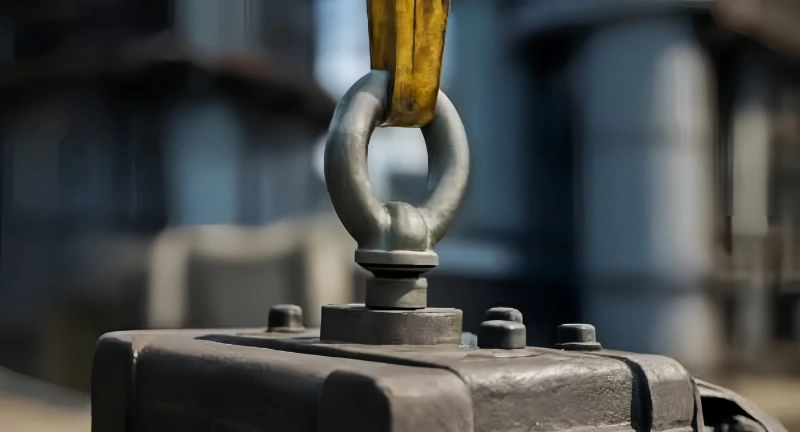
You depend on eye bolts for safe lifting and rigging in many industries. Construction, marine, and industrial sectors all rely on these components to hoist equipment, secure pulleys, and anchor heavy machinery.
When you choose a lifting eye bolt from Powerful Machinery, you get a product that meets strict international standards. These eye bolts handle heavy-duty lifting with ease, thanks to their forged steel construction and precise engineering. You can trust them for lifting applications where safety and reliability matter most.
Note: Always check the working load limit before you use an eye bolt for lifting. Loads applied in line with the shank are safest. Side or angular pulls can reduce the working load limit by fifty percent or more.
Securing Loads
You use eye bolts to secure loads during transport or storage. In shipping and manufacturing, you attach chains, ropes, or straps to eye bolts to keep cargo in place. Powerful Machinery’s Stainless Steel Eye Bolts offer excellent corrosion resistance, making them ideal for both indoor and outdoor use.
You can rely on these products for heavy-duty applications, including construction projects and industrial settings. Their robust design ensures your loads stay secure, even in harsh environments.
Common industries that use eye bolts for securing loads:
Construction
Marine
Industrial
Home Improvement
Specialized Uses (Hammocks, Swings, Marine)
You find eye bolt uses beyond heavy industry. At home, you use them to hang hammocks, swings, or garden features. In marine environments, you need stainless steel or galvanized steel eye bolts for corrosion resistance.
Powerful Machinery’s stainless steel options are perfect for boats and docks, where moisture and salt are present. You can also use bronze eye bolts for added strength and durability in marine settings.
Application | Recommended Material | Key Benefit |
|---|---|---|
Hammocks/Swings | Stainless Steel | Rust resistance |
Marine (Boats/Docks) | Stainless/Galvanized/Bronze | Corrosion protection |
Outdoor Projects | Stainless/Galvanized Steel | Long-term durability |
You should always match the eye bolt material and design to your specific application. This ensures safety, longevity, and reliable performance in every use.
Types of Eye Bolts
Choosing the right eye bolt type is critical for safety and efficiency in lifting, rigging, and securing operations. Powerful Machinery offers a comprehensive range of eye bolt types, each engineered to meet international standards and suit specific applications.
You must understand the differences between these types to select the best option for your project.
Regular Eye Bolts
Regular eye bolts feature a simple looped head and a threaded shank. You use them for vertical lifting tasks where the load pulls straight in line with the shank. These eye bolt types do not have a shoulder, which limits their use to straight-line pulls only. If you apply force at an angle, you risk bending or failure.
Tip: Always use regular eye bolts for vertical lifts. Avoid side or angular loading to maintain safety.
Shoulder Eye Bolts
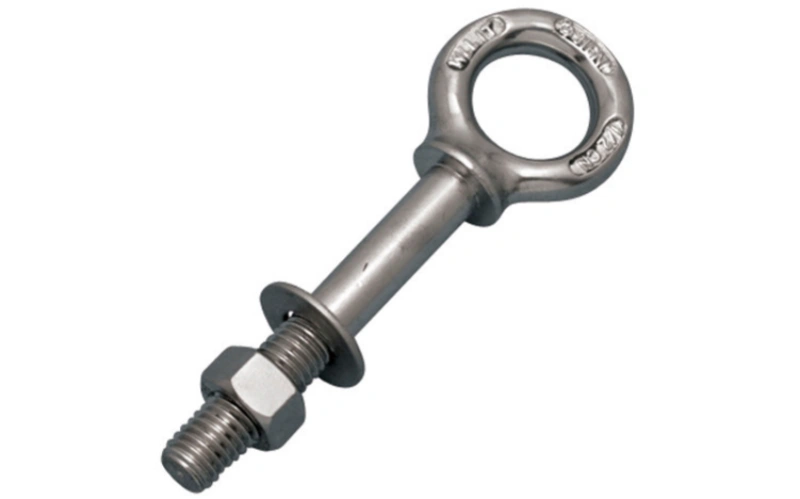
Shoulder eye bolts include a shoulder between the eye and the shank. This design allows you to handle both vertical and angular loads safely. The shoulder distributes tension and adds strength, making these bolts suitable for more demanding applications.
Here is a comparison of regular and shoulder eye bolts:
Feature | Shoulder Eye Bolts | Regular Eye Bolts |
|---|---|---|
Design | Has a shoulder | No shoulder |
Application | Angular and straight-line | Vertical lifts only |
Load Handling | Reduces tension on shank | Not for side loading |
Strength | Added strength for angular lifts | Reduced capacity for off-axis loads |
You should choose shoulder eye bolts when you expect angular pulls or need extra strength for complex rigging setups.
Lag Eye Bolts
Lag eye bolts have a pointed, wood-threaded shank. You install them by screwing directly into wood or lag anchors. These bolts provide secure anchor points for light to medium loads in timber structures, playgrounds, or outdoor installations.
Type of Eye Bolt | Installation Method |
|---|---|
Lag Eye Bolts | Threaded into wood or lag anchors |
Machinery Eye Bolts | Installed into tapped holes in machinery |
Lag eye bolts are ideal for hanging swings, hammocks, or securing outdoor fixtures. You must avoid using them for heavy lifting or in metal structures.
Machinery Eye Bolts
Machinery eye bolts are designed for installation into tapped holes in equipment or machinery. You use them as permanent lifting points for engines, pumps, or industrial machines.
When installing machinery eye bolts, ensure the hole is as deep as the length of the shank plus half the diameter of the shank. This guarantees proper engagement and load distribution.
Machinery eye bolts offer high strength and reliability for repeated lifting operations in industrial settings.
Nut Eye Bolts
Nut eye bolts feature a threaded shank and require a nut for secure attachment. You use them when you need to fasten through a surface, such as a steel plate or concrete slab. The nut provides additional security, making these bolts suitable for heavy-duty anchoring and lifting tasks.
Nut eye bolts are versatile and compatible with various rigging hardware. You can select from different sizes and materials to match your load requirements.
Screw Eye Bolts
Screw eye bolts have a continuous threaded shank and a looped head. You install them by screwing into wood, drywall, or masonry anchors. These bolts are best for light-duty applications, such as hanging cables, wires, or decorative items. You should not use screw eye bolts for overhead lifting or heavy loads.
Note: Always check the load rating before using screw eye bolts. Use only for vertical loads and avoid side pulls.
Forged vs. Bent Eye Bolts
You must distinguish between forged eye bolts and bent eye bolts when selecting hardware for lifting. Forged eye bolts are manufactured from a single piece of steel using a forging process. This method produces superior strength, fatigue resistance, and reliability.
Bent eye-bolts are formed by bending a steel rod into a loop and welding the ends. Bent eye-bolts are suitable for non-critical tie-downs but lack the strength required for overhead lifting.
Specification | Description |
|---|---|
Standard Name | ISO 3266:2010 |
Focus | Characteristics, performance, and critical dimensions of forged steel eyebolts grade 4 for lifting applications |
Application | Eyebolts for axial and inclined loading |
Temperature Range | -20 ºC to 200 ºC |
Exclusions | Not applicable to non-forged eyebolts or those manufactured before the standard’s publication |
Forged eye bolts from Powerful Machinery comply with ISO 3266:2010 and other international standards. You can rely on them for lifting operations in construction, marine, and industrial environments.
Specialty and Custom Eye Bolts
Specialty and custom eye bolts are designed to meet unique mechanical and environmental requirements. You may need custom eye bolts with corrosion-resistant coatings, reinforced shoulders, or specific dimensions for specialized construction projects.
These features enhance safety and efficiency during lifting operations. Customization ensures compatibility with various rigging hardware and allows you to address the demands of different tasks.
Powerful Machinery offers custom-engineered solutions, allowing you to specify materials, coatings, and load ratings. You benefit from products tailored to your exact needs, ensuring optimal performance and safety.
Tip: Always consult with experts or manufacturers when selecting specialty or custom eye bolts. Proper design and certification are essential for safe operation.
You must evaluate your application, load requirements, and environmental conditions before choosing among the types of eye bolts. Powerful Machinery’s product range meets international standards and provides reliable solutions for every lifting and rigging challenge.
Eye-Bolt Materials and Construction
Stainless Steel Eye Bolts
When you need maximum corrosion resistance and strength, stainless steel eye bolts stand out as the top choice. Powerful Machinery manufactures these fasteners using high-grade 304 and 316 stainless steel.
Both alloys offer excellent durability, but each has unique advantages. You can see the differences in the table below:
Alloy Type | Chromium Content | Nickel Content | Molybdenum Content | Corrosion Resistance Characteristics |
|---|---|---|---|---|
304 | 18-20% | 8-10.5% | N/A | Good corrosion resistance to various chemicals and substances, commonly used in industrial applications. |
316 | 16-18% | 10-14% | 2-3% | Superior corrosion and chloride pitting resistance, ideal for marine and chemical processing applications. |
You should choose 316 stainless steel for marine or high-chloride environments. Both grades meet international standards such as DIN 580 and JIS 1168, ensuring safety and reliability.
Carbon Steel and Other Materials
You may select carbon steel eye bolts for heavy-duty lifting in controlled environments. Carbon steel provides high tensile strength and cost-effectiveness. Powerful Machinery uses premium carbon steel, which undergoes strict quality checks and meets global certifications.
You can rely on these eye bolts for construction, manufacturing, and transportation projects where corrosion is not a primary concern. For specialized needs, you might also find eye bolts made from bronze or alloy steel, each offering unique mechanical properties.
Finishes and Coatings
The right finish or coating extends the life of your eye bolt materials, especially in outdoor or marine settings. You have several options:
Galvanized coatings add a layer of zinc, protecting carbon steel from rust in moist environments.
Stainless steel acts as a natural corrosion preventative, making it ideal for outdoor, marine, and chemical applications.
Type 304 is suitable for general construction, while Type 316 excels in saltwater or high-chloride areas.
Tip: Always match the finish or coating to your environment for the best performance and safety.
Powerful Machinery’s eye bolts combine advanced materials, certified manufacturing, and the right coatings to deliver long-lasting performance in any application.
Eye Bolt Sizing and Load Ratings
Key Dimensions
You need to understand the key dimensions before selecting load-rated eye bolts for your project. Manufacturers specify measurements such as thread diameter, eye diameter, shank length, and shoulder width. These dimensions determine the working load limit and rated weight for each bolt.
For heavy-duty lifting, you should always check the manufacturer’s specifications to ensure the maximum amount of weight matches your requirements.
Here is a table showing standard dimensions and capacities for common sizes:
Size | d1 (in) | d2 (in) | d3 (in) | d4 (in) | e (in) | h (in) | k (in) | Length l (in) | F1 max. (lbf) | F2 max. (lbf) | F3 max. (lbf) |
|---|---|---|---|---|---|---|---|---|---|---|---|
M 6 | 0.79 | 1.42 | 0.79 | 0.24 | 1.42 | 0.31 | 0.51 | 0.39 | 169 | 124 | 85.43 |
M 8 | 0.98 | 1.77 | 0.98 | 0.31 | 1.77 | 0.39 | 0.67 | 0.47 | 315 | 225 | 157 |
M 10 | 1.18 | 2.13 | 1.18 | 0.39 | 2.09 | 0.47 | 0.81 | 0.55 | 517 | 382 | 259 |
M 12 | 1.38 | 2.48 | 1.38 | 0.47 | 2.44 | 0.55 | 1.06 | 0.63 | 764 | 540 | 382 |
M 16 | 1.57 | 2.83 | 1.57 | 0.55 | 2.80 | 0.63 | 1.18 | 0.75 | 1574 | 1124 | 787 |
M 20 | 1.97 | 3.54 | 1.97 | 0.71 | 3.54 | 0.79 | 1.42 | 0.94 | 2698 | 1933 | 1349 |
M 24 | 2.56 | 4.25 | 2.36 | 0.87 | 4.29 | 0.94 | 1.77 | 1.10 | 4047 | 2900 | 2023 |
M 30 | 2.95 | 4.96 | 2.76 | 1.02 | 5.04 | 1.10 | 2.13 | 1.26 | 7194 | 5171 | 3597 |
M 36 | 3.54 | 5.91 | 3.15 | 1.18 | 5.91 | 1.18 | 2.56 | 1.42 | 10341 | 7419 | 5171 |
Size and Capacity Charts
You should always refer to a lifting capacity chart when choosing eye bolts for lifting or securing loads. The working load limit depends on the size, material, and type of eye bolt. Manufacturers set the working load limit based on rigorous testing and include a safety factor, usually 5:1.
The angle of loading and the material also affect the capacity. Never exceed the working load limit, as it is not the same as the breaking strength.
Manufacturer ratings set the working load limit and performance requirements.
The working load limit includes a safety factor.
The type and material of the eye bolt influence the capacity.
Always check manufacturer-specific load charts for accurate ratings.
Choosing Size for Hammocks and Swings
You want to ensure safety when installing eye bolts for hammocks or swings at home. For residential settings, select eye bolts with a minimum diameter of 3/8 inch. This size provides enough working load limit and capacity to support the rated weight of most hammocks.
Always install eye bolts into solid wood or structural supports. Avoid drywall or weak surfaces.
Recommended Size | Description |
|---|---|
3/8 inch | Minimum diameter for eye bolts |
Tip: Always verify the working load limit before installation. Choose load-rated eye bolts for any application where safety is critical.
Selecting Eye Bolts
Load and Application Requirements
You must evaluate several factors before choosing eye bolts for your project. Start by identifying the type of load you plan to lift or secure. Consider the weight and direction of the force. Select a bolt that matches your expected working load limit. Use this checklist to guide your selection:
Determine the load type—lifting, anchoring, or securing.
Calculate the load magnitude and ensure the bolt’s rating meets or exceeds it.
Assess the direction of the load. For angular pulls, shoulder eye bolts provide better safety.
Match the material to your environment. Stainless steel works best in corrosive or outdoor settings.
You improve safety and reliability when you select the right bolt for each application.
Thread Compatibility
You need to confirm that your threaded fastener matches the mounting surface. Check the thread size, pitch, and length. Mismatched threads can cause loosening or failure under load. Always verify that the bolt threads engage fully with the receiving material.
If you install eye bolts into machinery, ensure the tapped hole depth equals the shank length plus half its diameter. This practice guarantees secure attachment and optimal load distribution.
Tip: Use manufacturer specifications to confirm thread compatibility before installation.
Environmental Considerations
Environmental conditions affect the longevity and performance of eye bolts. Moisture, temperature, and chemical exposure can weaken materials or cause corrosion. Review the table below to understand common impacts:
Environmental Condition | Impact on Eye Bolts |
|---|---|
Moisture | Can weaken materials, leading to rust and failure |
Temperature | Affects material integrity and performance |
Chemical Exposure | Can cause corrosion and degradation of materials |
Choose stainless steel or galvanized bolts for outdoor or marine environments. Select materials that resist chemicals if you work in industrial plants.
Standards and Certifications
You protect your team and equipment by selecting eye bolts that meet recognized safety standards. Look for certifications such as ASME B30.26, OSHA 1910.184, and DIN 580. These standards ensure your hardware performs reliably under demanding conditions. Review the table below for key certifications:
Standard | Description |
|---|---|
ASME B30.26 | Rigging hardware for below-the-hook lifting devices |
OSHA 1910.184 | Slings and rigging hardware regulations |
ASME B18.15 | Forged eyebolts dimensional and strength standards |
Federal Spec FF-B-575E | Bolt, hook, and forged eyebolt specifications |
Powerful Machinery’s certified products meet or exceed these standards. Consult product specifications and certifications to ensure proper selection for your application.
Eye Bolt Safety
Installation Best Practices
You must follow strict installation steps to ensure safety and maximize the safe working load. Always select certified eye bolts that meet ASME B30.26 and other international standards.
Before installation, check that the threads are clean and match the hole or nut. Use shoulder bolts for any angular loads and make sure the shoulder sits flush against the mounting surface.
Thread at least 90% of the bolt length into the base material. Only connect slings, hooks, or chains that are rated for the intended load. Never paint eye bolts, as paint can hide signs of wear or damage. Avoid modifying or machining bolts, since this can reduce the safe working load and increase risk.
Tip: Always confirm the safe working load before lifting. If you have any doubts, consult the manufacturer’s guidelines.
Safe Lifting and Rigging
You must respect the safe working load at all times. Use only compatible rigging hardware and avoid side or angular pulls unless you use shoulder eye bolts. When lifting at an angle, reduce the safe working load according to the manufacturer’s chart. Never shock load an eye bolt, as sudden force can cause failure. Always lift slowly and steadily. Powerful Machinery’s certified products help you maintain safety and reliability in every lift.
Inspection and Maintenance
You should inspect eye bolts before and during each use. Look for signs of wear, corrosion, cracks, or deformation. Pay special attention to the eye, threads, and shoulder. Remove any bolt from service if you see damage or elongation.
Keep records of inspections as required by industry regulations. Replace damaged bolts with certified new parts to maintain the safe working load and ensure compliance with safety standards.
Practices to Avoid
You must avoid these unsafe practices:
Do not paint eye bolts, as this hides damage.
Never use worn or damaged bolts.
Do not modify or machine bolts.
Avoid running a sling from one eye bolt to another, as this creates dangerous angular forces.
Never exceed the safe working load.
Do not use the wrong anchor or skip cleaning the hole during installation.
Following these rules helps you prevent accidents and maintain a safe work environment. Powerful Machinery’s commitment to safety and international standards gives you confidence in every application.
Conclusion
You have learned the importance of choosing the right eye bolts for lifting and securing tasks. Selecting the correct type, material, and rated capacity ensures safety and reliability. Certified products from Powerful Machinery offer durability and compliance with international standards. Review the table below for key factors:
Factor | Description |
|---|---|
Types | Alloy, stainless, carbon, galvanized steel |
Materials | Rust resistance, cold temperature, corrosion |
Rated Capacity | Maximum safe load |
Safety Markings | Diameter, length, weight |
Application | Match bolt type to lifting needs |
Before each use, follow this checklist:
Inspect for wear, corrosion, or damage.
Check threads and receiving holes.
Confirm no alterations or repairs.
Ensure bolts meet performance requirements.
Consult rigging experts or manufacturers for specialized applications. Their guidance helps you maintain safety and efficiency.
FAQ
What material should you choose for outdoor or marine eye bolt applications?
You should select stainless steel, especially 316 grade, for outdoor or marine use. This material resists rust and corrosion, ensuring long-lasting performance in harsh environments.
How do you determine the correct eye bolt size for your project?
Check the load weight and application. Refer to manufacturer charts for working load limits. Always choose an eye bolt with a higher capacity than your maximum expected load.
Can you reuse eye bolts after heavy lifting operations?
You should inspect eye bolts for wear, cracks, or deformation before reuse. Replace any damaged bolts immediately. Never reuse eye bolts that show signs of fatigue or corrosion.
What certifications should you look for when buying eye bolts?
Certification | Purpose |
|---|---|
DIN 580 | Lifting eye bolts standards |
ASME B30.26 | Rigging hardware safety |
ISO 9001 | Quality management |
You should always verify these certifications for safety and compliance.