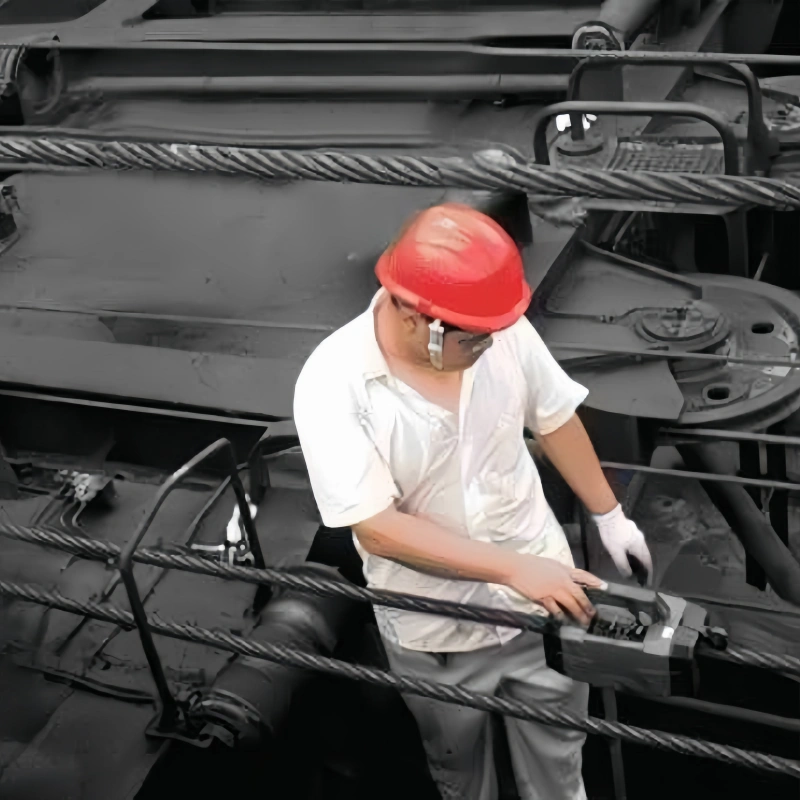
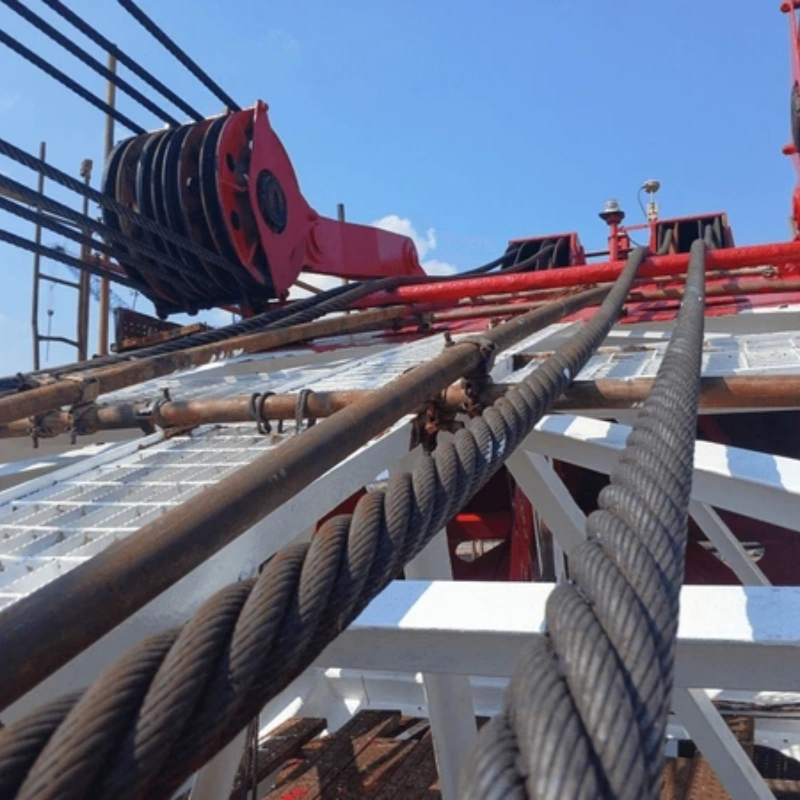
You encounter material handling every day in industries that rely on moving goods, parts, or finished products. In a warehouse, you see workers and machines transporting pallets and boxes, making sure materials reach the right place at the right time.
Material handling forms the backbone of supply chains, manufacturing lines, and storage systems. Companies focus on material handling to boost efficiency and maintain safety for workers. Automation is changing how you approach material handling.
For example, 85% of companies plan to use automation in the next year, while 70% of supply chain professionals say automation helps retain workers. As you notice, material handling continues to shape how warehouse operations run and how industries respond to higher demand and labor shortages.
Statistic | Description |
|---|---|
85% | Plan to deploy automation in the next year |
70% | See automation as positive for worker retention |
50% | Larger facilities have introduced AMRs |
Key Takeaways
Material handling is essential for efficient warehouse operations. It involves moving, storing, and managing materials to improve productivity and safety.
Automation is transforming material handling. Companies are increasingly adopting automated systems to reduce labor costs and enhance order fulfillment speed.
Following core principles of material handling, such as planning and ergonomics, leads to safer and more efficient work environments.
Investing in proper material handling equipment, like pallet trucks and automated systems, can significantly lower operational costs and improve inventory management.
Regular training and maintenance are crucial for preventing injuries and ensuring the reliability of material handling equipment.
Material Handling Objectives and Principles
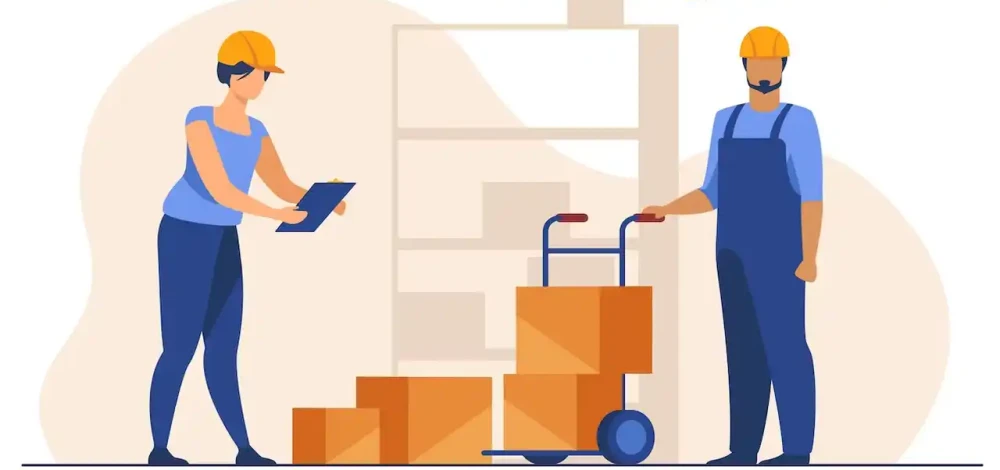
Main Objectives
You need to understand the main objectives of material handling to improve your warehouse efficiency and overall operations. These objectives guide every decision you make in warehouse management and supply chain activities. Here are the most important goals you should focus on:
Reduce material handling costs
Improve safety on construction sites and in warehousing
Increase construction productivity and operational efficiency
Minimize material waste and damage
Maximize use of space
Enhance inventory control and accuracy
Support lean and just-in-time (JIT) operations
Comply with safety and environmental regulations
Material handling objectives can look different in warehousing and manufacturing. The table below shows how each sector focuses on specific goals:
Sector | Material Handling Objectives |
|---|---|
Warehousing | Efficient storage, organization, and retrieval of goods |
Manufacturing | Movement and management of materials throughout the production process |
You also deal with key processes in material handling, such as loading and unloading, transportation, storage, and inventory management. When you set clear objectives, you create a foundation for greater productivity and efficiency in your warehouse.
Core Principles
You should follow the principles of material handling to achieve the best results. These principles help you plan, standardize, and automate your operations. Here is a list of the most widely accepted material handling principles:
Planning Principle: Always create a plan that defines your needs and performance goals.
Standardization Principle: Use standardized methods and equipment to reach your objectives without losing flexibility.
Work Principle: Reduce the amount of material handling work while keeping productivity high.
Ergonomic Principle: Design tasks and equipment to fit human abilities and limits.
Unit Load Principle: Make sure unit loads are the right size for your material flow.
Environmental Principle: Think about environmental impact and energy use when you choose equipment.
Life-Cycle Cost Principle: Analyze the total cost of equipment over its entire life.
When you follow these principles, you make your warehouse safer and more efficient. For example, using ergonomic controls lowers the risk of work-related musculoskeletal disorders.
This not only protects your team but also reduces costs linked to injuries, which can reach up to $54 billion a year. Automated material handling systems also help you meet these principles by reducing manual labor and improving accuracy.
Key Benefits
You gain many benefits from robust material handling practices. These benefits of material handling go beyond just moving items from one place to another. Here are some of the most important advantages you will see:
Faster order fulfillment: Lane Automotive cut its order time from 109 minutes to just 15 minutes by automating its warehouse.
Higher picking rates: Ariat used a goods-to-person system to process over 1,650 lines per hour with only seven employees. This increased picking rates by ten times and let 80% of their labor focus on more productive tasks.
Lower labor costs: Automated material handling systems reduce the need for manual work, which saves money.
Fewer errors: Streamlined operations and automation lower mistakes and operational costs.
Improved warehouse efficiency: You can handle more orders with fewer resources.
Better warehouse management: You keep better track of inventory and reduce waste.
Safer work environment: Following material handling principles and using automated solutions lowers injury rates.
Benefit | Impact on Cost Savings |
|---|---|
Automation of workflows | Reduces labor costs |
Streamlined operations | Enhances efficiency |
Minimization of errors | Lowers operational costs |
When you invest in efficient material handling and automated solutions, you support your supply chain and boost productivity. You also create a safer, more organized workplace. The benefits of robust material handling will help you stay competitive and meet the demands of modern warehouse management.
Tip: Review your current material handling practices regularly. Look for ways to add automated material handling systems and follow the core principles. This will help you achieve greater productivity and efficiency in your warehouse.
Types of Material Handling Equipment
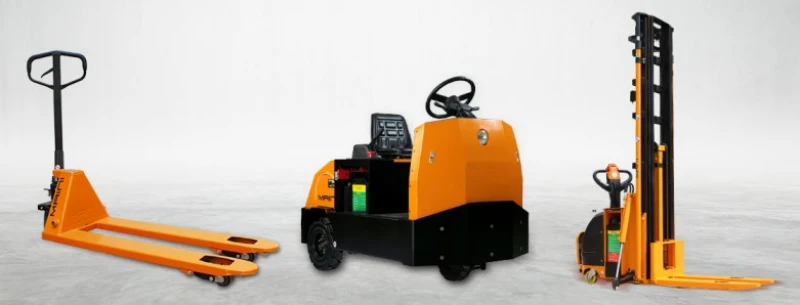
You encounter many types of material handling equipment in warehouses, factories, and distribution centers. Each category serves a unique purpose and helps you move, store, and organize materials efficiently. Industry experts recognize four main categories of material handling equipment.
The table below shows these categories and their descriptions:
Category | Description |
|---|---|
Industrial Trucks and Vehicles | Equipment like forklifts, pallet jacks, and automated guided vehicles for moving materials. |
Storage and Handling Equipment | Systems for organizing and accessing materials, including racks, shelves, and mezzanines. |
Bulk Material Handling Equipment | Equipment for handling loose materials, such as conveyors, hoppers, and bucket elevators. |
Engineered Systems | Complex systems for warehouse automation, including AGVs and automated storage systems. |
Storage and Handling Equipment
You use storage and handling equipment to organize and access materials in your warehouse. This equipment includes racks, shelves, bins, and mezzanines. Storage systems help you maximize space and keep your inventory safe and easy to find.
You can improve material handling by choosing the right storage solutions for your needs.
The storage equipment segment is expected to represent 52% of the market revenue share in 2025. This shows its leading position in the material handling industry.
You rely on storage and handling equipment to keep your warehouse organized and efficient. Well-designed storage systems reduce wasted space and make it easier for you to retrieve items quickly.
Tip: Review your current storage layout. You can often increase efficiency by upgrading racks or adding mezzanines.
Bulk Material Equipment
Bulk material equipment helps you handle loose materials like grains, powders, and raw goods. You see this equipment in industries such as mining, food processing, and recycling. Common types include conveyors, hoppers, bucket elevators, and silos. These machines move large volumes of material safely and quickly.
The table below highlights common applications for bulk material equipment in different industries:
Industry | Application Description |
|---|---|
Cement and stone manufacturing | Facilitates the transfer and processing of heavy materials, increasing productivity and reducing injury risks. |
Mining | Used to load/unload, stock, and deliver ore, coal, and other materials in various mining applications. |
Food and grain processing | Processes and packages food products, with a focus on hygienic design and easy cleaning for consumable goods. |
Chemical manufacturing | Utilizes systems for handling various chemicals in production processes. |
Lumber and wood | Employs bulk handling systems for transporting and processing wood materials. |
Oil and gas | Uses equipment for the handling of bulk materials in extraction and processing. |
Pulp and paper | Implements systems for the movement and processing of raw materials in paper production. |
Recycling | Utilizes bulk material handling for sorting and processing recyclable materials. |
You can improve material handling by using bulk equipment to reduce manual labor and increase safety. These machines help you move heavy loads with less risk of injury.
Industrial Trucks and Machines
Industrial trucks and machines play a vital role in material handling. You use them to transport pallets, boxes, and other items across your warehouse or facility.
Common examples include forklifts, pallet trucks, and automated guided vehicles. Powerful Machinery offers a wide range of industrial trucks, including manual hydraulic pallet trucks designed for durability and ease of use.
Pallet trucks are essential material handling equipment in warehouses and retail environments. You benefit from their cost-effectiveness compared to forklifts. Pallet trucks require less investment and maintenance.
They also enhance safety by reducing the risk of injuries associated with heavy lifting. This promotes a safer workplace and increases productivity.
Key features of pallet trucks include:
Forks: The main lifting mechanism designed for heavy loads.
Wheels: Made of durable materials for stability and maneuverability.
Hydraulic System: Lifts and lowers the forks using hydraulic pressure.
You also enjoy enhanced comfort with adjustable ergonomic controls and seating. Safety features such as a low entry step make access easy. Operator comfort leads to increased productivity.
Powerful Machinery’s pallet trucks stand out for their robust steel construction, ergonomic design, and reliable hydraulic systems. You can use them to move heavy pallets efficiently in tight spaces. Their polyurethane wheels protect your warehouse floors and allow smooth movement.
Note: You can explore Powerful Machinery’s full range of pallet trucks and industrial material handling equipment to find solutions that fit your needs.
Engineered and Automated Systems
Engineered and automated systems represent advanced types of material handling equipment. You see these systems in modern warehouses and manufacturing plants. They include automated guided vehicles (AGVs), conveyor systems, and automated storage and retrieval systems (AS/RS).
These systems help you automate the movement, sorting, and storage of materials.
Automated material handling involves using machines to manage transportation, sorting, and storage. This approach streamlines logistics, reduces manual labor, and boosts operational efficiency. The table below shows how engineered and automated systems impact productivity:
Aspect | Impact on Productivity |
|---|---|
Consistent Work Pace | Machines operate without breaks or distractions |
Error Reduction | Eliminates handoffs where errors occur |
Efficiency | Ensures a smooth workflow |
You benefit from optimized machine utilization, reduced operational costs, and support for lean manufacturing initiatives. Automated systems help you decongest factory floors and mitigate workforce shortages. You can scale your operations more easily with these systems.
Alert: Automated systems can transform your warehouse by increasing efficiency and reducing errors. You should consider integrating these systems to stay competitive in the material handling industry.
You can choose from many types of material handling equipment to improve your warehouse operations. Powerful Machinery provides certified, high-performance solutions for every category. You can rely on their expertise to select equipment that meets your safety and efficiency goals.
Safety and Best Practices in Material Handling
Common Hazards
You face many potential hazards relating to materials handling injuries in your daily work. These risks can lead to accidents and lost productivity in your warehouse. The most frequently reported dangers include:
Improper lifting and overexertion injuries
Slips, trips, and falls in handling zones
Equipment malfunctions and mechanical failures
Hazardous material exposure
Being struck by moving objects or equipment
Inadequate training and supervision
Wearing inappropriate clothing or PPE
Poorly designed handling systems
Fatigue from repetitive handling tasks
Improper storage of materials
Recognizing these potential hazards relating to materials handling injuries helps you take steps to protect yourself and your team. Enhanced workplace safety starts with awareness and prevention.
Prevention and Training
You can reduce the risk of potential hazards relating to materials handling injuries by focusing on prevention and proper training. Safety training programs make a big difference in your warehouse. The table below shows how incident rates improve after you implement training:
Metric | Before Implementation | After Implementation | Change |
|---|---|---|---|
WC Claims Rate | Higher | Substantially Lower | Decreased |
RH-related WC Claims Rate | Higher | Over 80% Lower | Decreased |
Claims Related to Aggression | Higher | Lower | Decreased |
You should always provide clear instructions and supervision for new equipment. Regular safety meetings and refresher courses help keep everyone alert. Powerful Machinery supports your safety goals by offering certified products that meet strict international standards.
This commitment ensures you have reliable equipment for every material handling task.
Tip: Encourage your team to report unsafe conditions and participate in ongoing safety training. This builds a culture of safety and efficiency.
Maintenance and Inspections
Regular maintenance and inspections keep your material handling equipment running smoothly. You should follow a schedule for each type of machinery in your warehouse. The table below outlines recommended maintenance activities:
Equipment Type | Maintenance Activities |
|---|---|
Forklifts | Check fluid levels, inspect tires, clean brakes, check lift chains and forks |
Pallet Jacks | Check fluid levels, inspect tires, clean brakes, and lubricate forks and cylinders |
Cranes | Lubricate hoist chains, check cables, inspect brakes, and replace worn slings |
Conveyor Systems | Clean rollers, check belt tension, inspect and replace worn belts |
Routine inspections help you spot wear and tear early. This prevents major failures and extends the life of your equipment. Regular care also improves reliability and saves you from costly repairs.
Powerful Machinery’s certified products are designed for durability and easy maintenance, supporting your efforts to maintain a safe and efficient warehouse.
Note: Regular inspections and maintenance are key to maximizing equipment value and ensuring safe material handling operations.
Role in Supply Chain and Operations
Impact on Warehousing and Manufacturing
You play a key role in the supply chain when you focus on material handling. This process streamlines warehouse operations, leading to faster order fulfillment and fewer bottlenecks. You improve productivity by using specialized equipment that reduces manual labor and product damage.
Material handling also helps you track important metrics like dock-to-stock cycle time, order accuracy, and inventory turnover. These measurements show how well your warehouse and manufacturing systems perform. When you invest in efficient material handling, you lower operational costs and create a safer workplace.
Material handling supports supply chain resilience, helping you adapt to disruptions.
You see improved logistics and distribution with efficient movement of goods.
Workplace safety increases with the right equipment, reducing injuries.
You reduce costs by minimizing labor and product damage.
Integration with Logistics
You need to connect material handling systems with logistics to achieve high operational efficiency. Best practices help you get the most from your equipment and processes. The table below shows key strategies for integrating material handling with logistics:
Best Practice Category | Description |
|---|---|
Planning and Standardization | Create a plan and standardize equipment for consistency. |
Simplification and Ergonomics | Simplify tasks and use ergonomic designs to reduce strain. |
Organization and Space Utilization | Unitize loads and use vertical storage to maximize space. |
Systematization and Sustainability | Systematize operations and use sustainable practices. |
Automation and Technology | Use automation and real-time tracking with warehouse management systems. |
Safety and Training | Provide regular training and maintain equipment. |
Continuous Improvement | Monitor performance and use feedback for ongoing improvements. |
You can boost productivity and efficiency by following these practices. Automation and technology integration are especially important for modern supply chain logistics.
Custom Solutions and Trends
You see rapid changes in material handling due to new technologies and custom material handling solutions. The market for automated equipment grows as more companies seek to optimize warehouse and supply chain operations.
Robotics, IoT, and AI give you better visibility and control over your assets. These tools help you improve asset utilization and reduce labor costs. Automated loading and unloading functions increase efficiency, especially in industries like mining.
Predictive maintenance and real-time monitoring make your systems smarter and more reliable.
Powerful Machinery leads the way by offering custom material handling solutions tailored to your needs. You benefit from certified, high-performance products that support automation and operational efficiency.
As you adopt these trends, you strengthen your role in supply chain management and boost productivity across your business.
Tip: Stay updated on the latest trends in material handling. Custom solutions and automation can give you a competitive edge in supply chain logistics.
Careers and Future of Material Handling
Career Opportunities
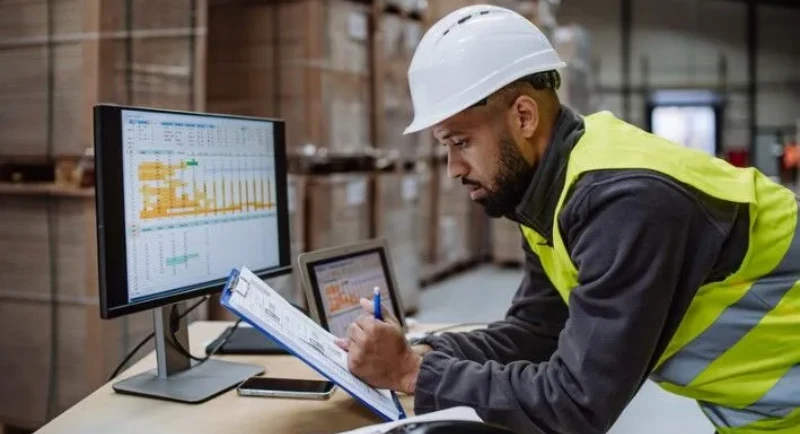
You can find many career paths in the material handling industry. As technology grows, companies need skilled technicians to maintain and repair advanced equipment. You may work as an automation engineer, service technician, or sales representative.
These roles support the handling process in warehouses and factories. You also see opportunities for project managers and plant managers who oversee daily operations and drive productivity.
Role | Salary Range |
|---|---|
Automation Engineer | $75,000 – $110,000 |
Sales Representative | $50,000 – $90,000 |
Service Technician | $50,000 – $75,000 |
Product Manager | $80,000 – $120,000 |
You need skills like forklift operation, inventory control, and equipment maintenance. You also benefit from learning warehouse management and safety procedures. Companies value professionals who understand material movement techniques and can improve the handling process.
Tip: You can boost your career by joining training programs and earning certifications in material handling.
Automation and Technology
You see automation changing the material handling landscape. Robots and automated guided vehicles now help move goods in the warehouse. This shift means you may spend less time on manual tasks and more time managing systems.
Automation improves job quality and lets you focus on troubleshooting and system oversight. You often find better pay and less physical strain in these new roles.
Change | Description |
|---|---|
Automation shifts roles | Workers move from picking orders to maintaining robots. |
Job quality improves | Employees oversee systems and solve problems. |
You need to learn new skills to keep up with these changes. Understanding the handling process and how automation works helps you stay ahead. Powerful Machinery supports your growth by offering certified equipment and promoting continuous learning.
Industry Trends
You notice several trends shaping the future of material handling. Automation and robotics drive efficiency and reduce costs. Companies use AI-driven warehouse management systems to optimize the handling process. Sustainability is also important, with electric forklifts and solar-powered conveyors becoming popular.
Businesses seek specialized equipment for unique challenges and flexible rental solutions for seasonal needs. Safety remains a top priority, with advanced features protecting workers and equipment.
Automation and robotics are transforming the handling process.
Sustainability and green technologies are gaining importance.
IoT connectivity boosts operational efficiency and productivity.
Companies invest in professional development and regular training.
Powerful Machinery leads the industry by providing high-performance solutions and supporting employee development. You can join mentorship programs, attend industry events, and take online courses to advance your career. Staying updated with new technologies and trends helps you succeed in the material handling field.
Note: You can grow your career by learning new skills and following the latest trends in material handling.
Conclusion
Material handling shapes your warehouse operations and drives efficiency across industries. When you invest in quality equipment, you reduce costs and boost productivity. The table below shows how best practices in material handling improve safety and foster innovation:
Best Practice | Impact on Safety | Impact on Innovation |
|---|---|---|
Employee Training | Enhances safety | Improves adaptability |
Technology Adoption | Reduces risks | Fosters new solutions |
You should regularly assess your material handling strategies, implement automation, and follow continuous improvement initiatives. Powerful Machinery provides reliable solutions that help you optimize your warehouse and stay ahead in material handling.
FAQ
What is material handling?
You move, store, protect, and control materials in your workplace. Material handling covers every step from receiving raw materials to shipping finished products. You use equipment and systems to make these tasks safer and more efficient.
Why is material handling important in warehouses?
You improve safety, reduce costs, and boost productivity with good material handling. You keep your warehouse organized and prevent damage to goods. Efficient handling helps you fill orders faster and keep customers happy.
What equipment do you need for material handling?
You use pallet trucks, forklifts, conveyors, racks, and automated systems. Each tool helps you move or store materials safely. You choose equipment based on your warehouse size, load type, and workflow needs.
How can you make material handling safer?
Tip: Train your team, inspect equipment often, and use certified products. You should follow safety rules and wear proper gear. Safe practices help you prevent injuries and keep your workplace running smoothly.
Where can you find reliable material handling solutions?
You can visit Powerful Machinery for certified lifting chains, pallet trucks, and custom solutions. You get high-quality products that meet international safety standards.