
G80 and G100 Load Chain Manufacturer for Hoists
Powerful Machinery manufactures load chains for hoists, lifting systems, and industrial material handling applications. Our G80 and G100 load chains are designed for stable strength, precise chain geometry, smooth hoist operation, and consistent batch quality. We support OEM buyers, distributors, and industrial procurement teams with custom sizes, dependable production, and responsive quotation service.
Why Choose Powerful Machinery as Your Load Chain Manufacturer?
Powerful Machinery is a dependable load chain manufacturer supplying hoist chains for demanding lifting applications. We support buyers with stable quality, consistent specifications, and project-focused technical service.

Stable mechanical properties, strict testing, traceable batches, no variation between shipments.
Certified alloy steel, proper heat treatment, meets standards like EN 818 or equivalent.
Reliable capacity, fast delivery, ability to handle bulk and repeat orders without delays.
Accurate chain dimensions to match hoists, smooth running, reduced wear and failure risk.
LOAD CHAIN
Our load chain is built for strength, reliability, and safety in demanding lifting applications.
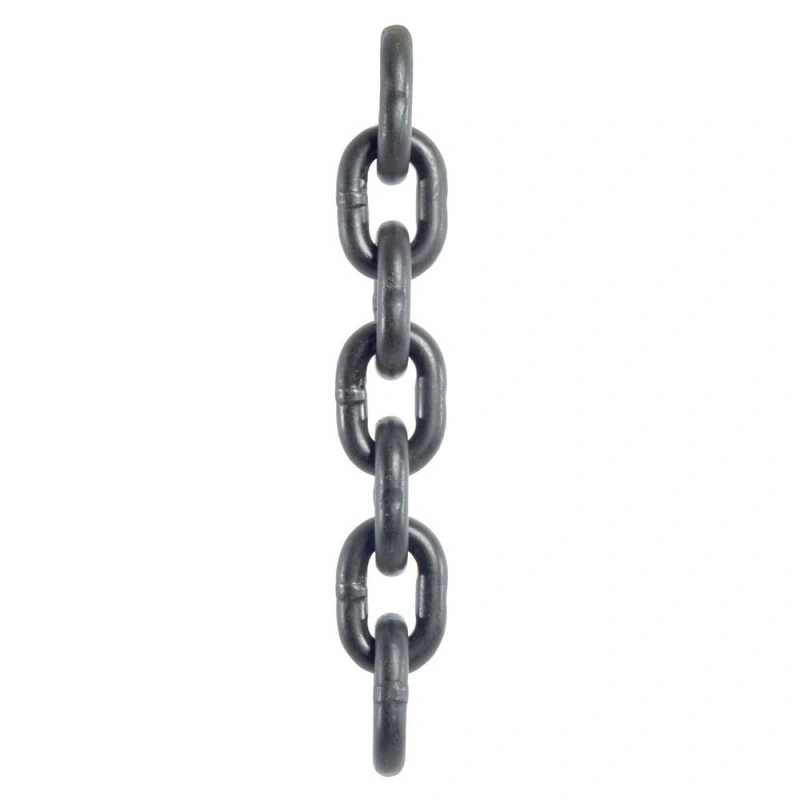
G80 load chains use heat treated alloy steel for high strength and solid wear resistance. They run smoothly on hoists and support safe lifting with a 4:1 safety factor. Stable quality keeps performance consistent in daily use.

G100 load chains use premium alloy steel for higher strength and strong wear resistance. They offer about 25% higher working load limit than G80, support lighter lifting setups, and keep performance stable in demanding hoist use.
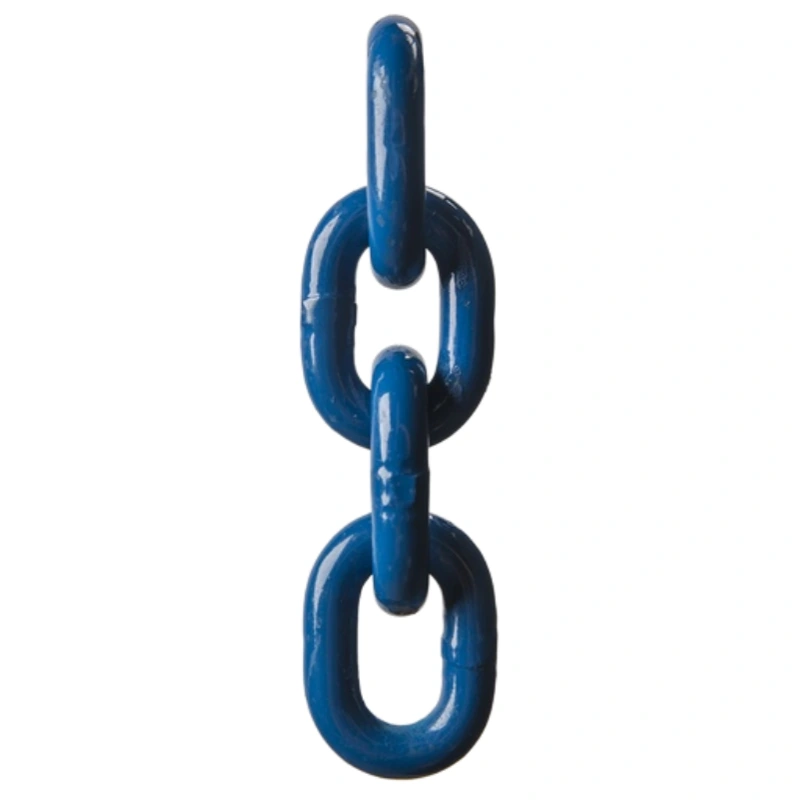
Blued Load Chain
Blued load chains use alloy steel with a dark oxide finish that adds light corrosion resistance and a clean surface. They suit indoor hoists, run smoothly, and keep lifting performance steady with consistent quality.
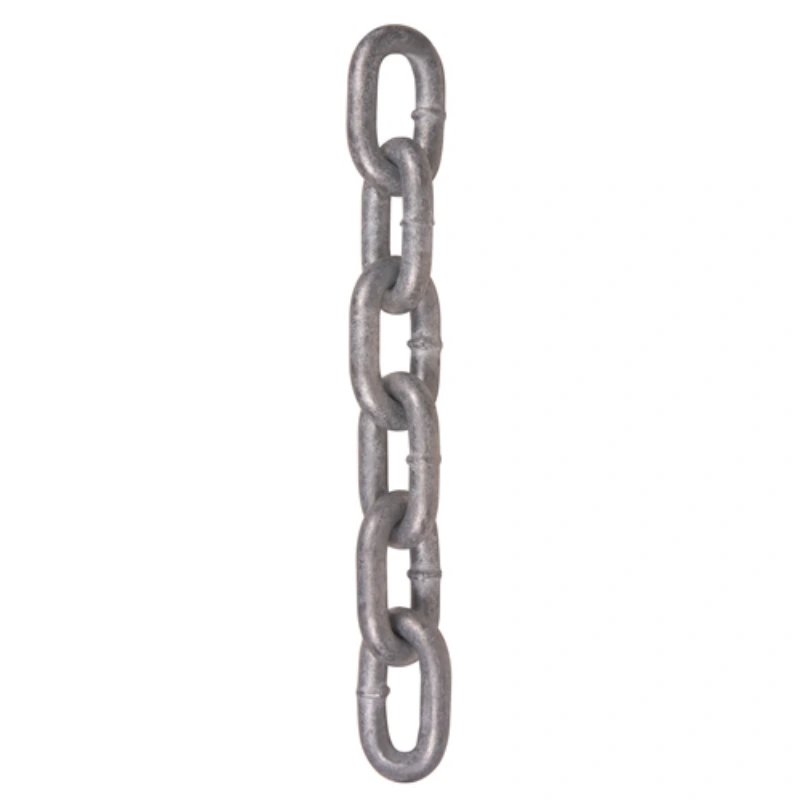
Galvanized Load Chain
Galvanized load chains use zinc coating to resist rust in outdoor and humid conditions. They offer strong durability and stable lifting performance. Ideal for harsh environments, though less common in precision hoists due to coating thickness.
LOAD CHAIN SPECIFICATIONS
| Specification Item | Details |
|---|---|
| Product Name | Load Chain / Hoist Load Chain |
| Main Applications | Manual chain hoists, electric chain hoists, lever hoists, industrial lifting systems |
| Available Grades | G80, G100 |
| Chain Type | Fine-tolerance calibrated short-link chain |
| Material | High-strength alloy steel |
| Standard Reference | EN 818-7 or project-specified requirements, where applicable |
| Diameter | Custom sizes available according to hoist design and buyer requirements |
| Pitch / Link Geometry | Produced to match hoist sprockets and chain wheel requirements |
| Surface Finish | Blackened, galvanized, phosphated, coated, or customized finish |
| Heat Treatment | Controlled heat treatment according to chain grade and product specification |
| Testing & Inspection | Dimensional inspection, proof-load verification, tensile-related testing, visual inspection, batch traceability as required |
| Documentation | Test certificate, inspection report, material traceability record, customized quality documents where required |
| Customization Options | Grade, diameter, pitch, finish, marking, packaging, and order-specific documentation |
| Target Buyers | Hoist manufacturers, lifting equipment distributors, industrial equipment suppliers, OEM customers |
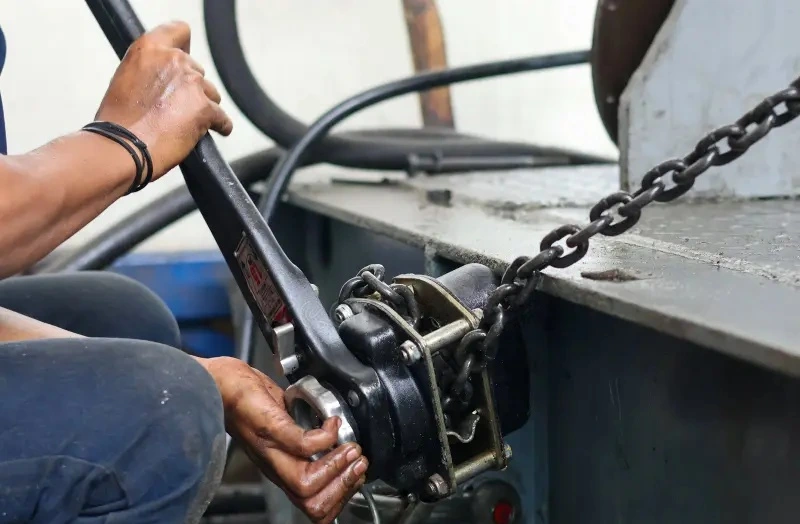
Guide to Load Chains
A guide to load chains covers types, grades, and key features for lifting use. It explains G80 and G100 chains, calibration, and surface finishes. You learn how to choose the right chain for hoists, ensure safety, and keep performance reliable in daily lifting work.
Prior to Use Load Chains Should Be Inspected For?
Load chains require careful inspection before every lift because safety depends on chain condition. Visible wear, stretched links, cracks, and deformation reduce strength and must be identified early. Pitch elongation needs measurement to confirm it stays within limits. Clear grade markings ensure traceability. Corrosion, poor lubrication, and stiff movement signal performance risk. Smooth articulation over the sprocket confirms proper operation. Any twisted or uneven link requires immediate removal from service.
- Check link diameter reduction
- Measure pitch elongation accurately
- Confirm grade and traceability marks
- Inspect corrosion and lubrication condition
- Ensure smooth movement on sprocket
How Are Load Chains Anchored?
Load chains connect through secure end fittings designed to match hoist structure and rated capacity. Hooks, shackles, or end links must align with chain grade to maintain full strength. Proper seating prevents uneven stress and avoids side loading. Welding or altering links weakens structure and must not be used. Correct alignment during installation keeps force evenly distributed across the chain during lifting operations.
- Use rated hooks or end links
- Match component grade with chain grade
- Maintain straight load alignment
- Avoid any modification to chain links
- Inspect connection points regularly
What Makes G80 and G100 Load Chains Different?
G80 and G100 load chains differ in strength and lifting efficiency. G100 provides about 25% higher working load limit, allowing lighter chain selection for the same capacity. This improves handling and reduces system weight. G80 offers reliable performance with balanced cost for standard lifting. Both grades require strict calibration and quality control to maintain safe operation in hoists.
- G100 delivers higher lifting capacity
- G80 offers cost-effective performance
- Both require precise calibration
- G100 supports lighter system design
- Selection depends on load demand
Why Must Load Chains Be Calibrated?
Calibration ensures each link meets exact dimensional tolerances required by hoists. Precise pitch and width allow smooth engagement with the sprocket. Proper fit reduces vibration, prevents jumping, and avoids uneven wear. Non-calibrated chains create instability and increase failure risk. Accurate sizing supports consistent lifting motion and protects internal hoist components.
- Maintain exact link dimensions
- Ensure smooth sprocket engagement
- Reduce vibration during operation
- Prevent abnormal wear patterns
- Extend hoist service life
How to Select the Right Load Chain Size?
Choosing the correct load chain size ensures safe lifting, smooth hoist operation, and long service life. The right selection depends on matching technical specs with real working conditions.
Key Selection Points
- Match Hoist Specifications Exactly
Select chain diameter and pitch that fit the hoist design to ensure smooth operation and avoid wear or failure. - Consider Load and Duty Cycle
Evaluate lifting weight and frequency to choose a chain that handles continuous use without performance loss. - Evaluate Working Environment
Check for humidity, corrosion, or harsh conditions to decide on suitable material and surface finish. - Confirm Sprocket Compatibility
Ensure the chain fits the hoist sprocket precisely to prevent jumping, jamming, or uneven stress. - Balance Strength and Efficiency
Choose a chain that provides enough strength while keeping the system efficient and easy to operate.
How Long Do Load Chains Last in Operation?
Load chain service life depends on how you use, maintain, and protect the chain in daily lifting work. Proper care and monitoring help extend lifespan and keep performance stable.
Key Factors That Affect Lifespan
- Monitor Wear and Elongation
Check link wear and measure elongation regularly to track condition and detect early signs of failure. - Maintain Regular Lubrication
Apply proper lubricant to reduce friction, minimize wear, and keep the chain running smoothly. - Avoid Overload and Shock Loading
Keep loads within rated limits and prevent sudden impacts that can damage chain structure. - Keep Chain Clean from Debris
Remove dirt and contaminants to reduce abrasion and protect the chain surface. - Replace Before Reaching Limits
Change the chain once wear or elongation approaches rejection criteria to maintain safe operation.
What Causes Load Chain Failure?
Load chain failure usually comes from improper use, poor maintenance, or exceeding design limits. Understanding these causes helps prevent accidents and keeps lifting operations safe.
Common Causes of Failure
- Overloading Beyond WLL
Applying loads above the working limit creates immediate stress and increases risk of sudden failure. - Wear and Elongation
Continuous use causes link wear and stretching, which reduces overall chain strength over time. - Corrosion Damage
Rust and chemical exposure weaken the metal structure and shorten service life. - Poor Lubrication
Lack of lubrication increases friction, leading to faster wear and potential link damage. - Misalignment and Side Loading
Twisting, bending, or uneven loading creates stress concentration and may lead to chain failure.
How to Maintain Load Chains Correctly?
Proper maintenance keeps load chains safe, extends service life, and ensures stable lifting performance. Routine care reduces wear, prevents corrosion, and helps detect issues early.
Key Maintenance Steps
- Clean After Use
Remove dirt and debris to prevent abrasion and surface damage during operation. - Apply Suitable Lubricant
Use proper lubrication to reduce friction, minimize wear, and keep movement smooth. - Store in Dry Conditions
Keep chains in a dry environment to limit moisture exposure and reduce corrosion risk. - Inspect on Schedule
Perform regular inspections and record results to track condition over time. - Replace Worn Chains Promptly
Change chains once wear or elongation reaches limits to maintain safe lifting.
Why Choose a Manufacturer for Load Chains?
Working directly with a manufacturer helps control quality, ensure stable supply, and support long-term lifting performance. It also improves efficiency and reduces sourcing risks.
Key Advantages
- Consistent Batch Quality
Maintain uniform specifications and reliable performance across every order. - Technical Support Available
Get expert guidance for correct selection, application, and problem solving. - Custom Production Capability
Adjust size, grade, and finish to meet specific project requirements. - Reliable Supply Chain
Ensure stable production capacity and on-time delivery for ongoing needs. - Better Cost Efficiency
Reduce middle costs and improve overall value with direct factory supply.
Have More Questions of Load Chains?
More questions about load chains? Get clear guidance on grades, sizing, and performance. Contact us for practical support and reliable solutions that keep lifting operations running safely.