You rely on chains for lifting, securing, and moving heavy loads. Chain breaking load tells you the maximum force a chain can withstand before it fails. Safety depends on knowing these limits.
For example, a G100 lifting chain has a breaking strength of 40,000 lbs and a working load limit of 10,000 lbs. This 4:1 safety factor protects you from unexpected stresses or defects.
Product Example | Breaking Strength (lbs) | Working Load Limit (WLL) (lbs) |
|---|---|---|
G100 Lifting Chain | 40,000 | 10,000 |
Wire Rope Sling | 20,000 | 5,000 |
Alloy Steel Shackle | 12,000 | 3,000 |
PowerFul Machinery’s chains meet strict standards, ensuring you get reliable performance and safety every time.
Key Takeaways
Understand the breaking strength of chains. This value indicates the maximum force a chain can handle before failure, ensuring safe lifting and rigging.
Always follow the working load limit (WLL). This limit is set lower than the breaking strength to account for unexpected stresses and protect against accidents.
Regularly inspect and maintain chains. Check for wear, corrosion, and deformation to extend the life of your equipment and prevent failures.
Choose the right chain grade for your application. Match the breaking strength to the load characteristics to ensure safety and reliability.
Stay informed about industry standards and certifications. Compliance with safety regulations helps you select reliable equipment and maintain a safe working environment.
Understanding Chain Breaking Load and Strength
Breaking Strength Explained
You need to understand breaking strength before you can select the right chain for your job. Breaking strength refers to the maximum force or weight a chain can handle before it fails. This value tells you the upper limit of a chain’s capacity, which is especially important in lifting and rigging.
When you look at a chain’s specifications, breaking strength gives you a clear idea of how much force it can withstand during use.
Several factors influence the breaking strength of a chain. The material, such as carbon steel, alloy steel, or stainless steel, plays a major role. The manufacturing process, including heat treatment and welding, affects both strength and durability.
The size and structure of the links, the type of load (static or impact), environmental conditions like temperature and corrosion, and regular wear all impact the chain’s performance.
Factor | Description |
|---|---|
Material | Different materials like carbon steel, alloy steel, and stainless steel have varying strengths. |
Manufacturing Process | Processes like heat treatment and welding techniques affect the strength and durability of chains. |
Size and Structure | The diameter of the wire and the shape of the links influence the working load limit (WLL). |
Load Type | Static and impact loads require different considerations for chain selection. |
Environmental Factors | Temperature and corrosion can significantly affect the performance and strength of chains. |
Wear and Tear | Regular wear reduces the WLL over time, necessitating checks to ensure safety. |
You will often see different grades of industrial chains, each with its own typical breaking strength and applications.
For example, Grade 80 chains are common for overhead lifting, while Grade 100 chains offer about 25% more strength for the same size. Grade 120 chains are used for the most demanding overhead lifting tasks.
Chain Grade | Ultimate Breaking Strength (N/mm²) | Typical Applications |
|---|---|---|
300 | General-purpose, light construction | |
400 | Towing, logging, utility | |
700 | Load binding, transport | |
Grade 80 | 800 | Overhead lifting, heavy-duty |
Grade 100 | 1000 | Rigging, construction |
Grade 120 | 1200 | Heavy overhead lifting |
The design of the chain, including link size and type, also impacts breaking strength. Some chains are engineered to reduce fatigue and increase durability. For example, the transport chain used in cargo securement must meet specific strength requirements to handle dynamic loads during transit.
How is Breaking Load Tested?
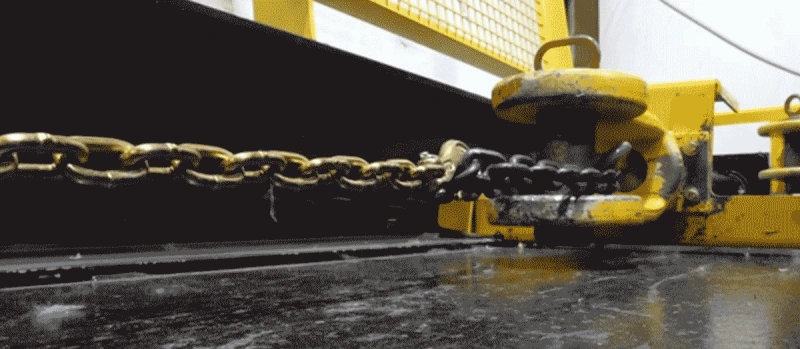
You can only trust a chain if it passes strict testing. Manufacturers use a series of tests to determine the chain-breaking load and ensure each product meets safety standards.
The most common method is the chain break test, where the chain is pulled until it breaks. This process measures the actual breaking strength and confirms the minimum breaking force.
Testing usually starts with a visual examination. You check the assembled chain for any defects or irregularities. Next, you perform a proof test, which involves applying a static load to the chain for a set period. The chain must not deform or break during this test.
For example, a static load of 315 kg may be applied to one step for at least one minute, and a higher load of 900 kg may be used for bottom lashing rings in a vertically suspended ladder.
Test Type | Description |
|---|---|
Approval Test | Conducted on the longest ladder for which approval is requested. If a test fails, the cause must be identified, and affected tests must be rerun after any design changes. |
Visual Examination | An assembled chain ladder is examined for compliance with specific requirements before testing begins. |
Strength Test #1 | A static load of 315 kg is applied to one step for at least one minute. No step may break or deform, and no attachments may loosen or break. |
Strength Test #2 | A static load of 900 kg is applied to the bottom lashing rings of a vertically suspended ladder. No components may break or deform during the test. |
Strength Test #3 | A rolled-up ladder is dropped to unroll freely. Steps and attachments must not crack, break, or loosen during the unrolling process. |
Manufacturers also use advanced equipment to measure the force required to break the chain. They calculate the breaking strength by dividing the force needed to unfasten the chain by the cross-sectional area of the links. The minimum breaking force is then listed as the chain’s grade.
This process ensures you get a reliable product for overhead lifting or transport chain applications.
Testing does not stop after manufacturing. You must inspect chains regularly for wear, corrosion, and deformation. Overloading, improper installation, and lack of lubrication are common causes of failure. Regular inspections and proper maintenance help you avoid accidents and extend the life of your chain.
Tip: Always follow the manufacturer’s guidelines for inspection and maintenance. Regular testing and checks help you avoid unexpected failures and keep your operations safe.
Significance of Breaking Load in Industry Standards
You need to know how industry standards affect the use of chains in your work. Standards set the minimum requirements for breaking strength, working load limit, and safety factor. These rules protect you and ensure that chains perform reliably in demanding environments.
Several organizations set standards for the chain-breaking load. In North America, ASME and OSHA provide guidelines for lifting equipment. Europe follows EN standards, such as EN 818 for lifting chains. Asia uses ISO and FEM standards. Each region has its own requirements, but all focus on safety and reliability.
Standard | Description |
|---|---|
OSHA | Ensures compliance with safety regulations for lifting equipment. |
ASME B30.9 | Requires proofloading of alloy lifting chain assemblies before use. |
NACM | Specifies chain specifications and requirements for safe use. |
ASTM | Sets standards for materials and performance of chains used in lifting. |
Region | Standard Body | Key Standards |
|---|---|---|
North America | ASME | ASME B30 series, B30.16 |
Europe | EN | Machinery Directive, EN 13155, EN 1492, EN 818 |
Asia | ISO | ISO standards, including FEM standards |
Regulatory bodies enforce compliance through several steps:
You must understand federal approval criteria for securement equipment.
You select equipment with the correct working load limit.
You follow procurement procedures to ensure compliance.
You must also follow regulations like § 393.100, which specifies load securement standards for trucks and trailers. All cargo must be secured with restraint systems, such as transport chains or tie-down straps, that can withstand forces from acceleration and turns.
DOT approval requires you to use materials and construction that meet federal standards.
Understanding these requirements helps you select reliable equipment and avoid violations.
Proper equipment selection prevents many common safety issues.
If you exceed the rated load, install the chain incorrectly, or neglect lubrication, you risk failure. Material fatigue from repeated high-intensity loads can also cause cracks and breakage. Regular inspections and adherence to manufacturer weight limits are essential for safety.
Note: Always check for certifications and compliance with industry standards before using any chain. This ensures you meet legal requirements and maintain a safe working environment.
By understanding chain breaking load, breaking strength, and the importance of testing and standards, you can make informed decisions. You protect your team, your equipment, and your reputation by choosing the right chain for every application.
Working Load Limit vs Breaking Strength
Difference Between WLL and Breaking Load
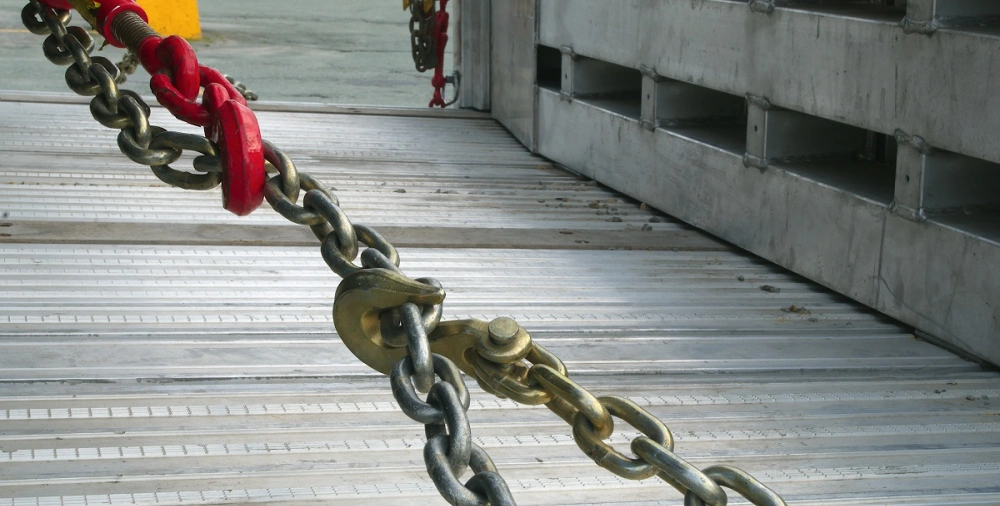
You often see both working load limit and breaking strength listed in chain specifications. These terms may seem similar, but they serve very different purposes. The working load limit represents the maximum weight you can safely lift with a chain during normal operations.
Breaking strength, sometimes called break strength, is the highest force the chain can handle before it fails. Manufacturers set the working load limits much lower than the breaking strength to create a safety factor that protects you from unexpected stresses.
Working load limit is your guideline for daily lifting tasks.
Breaking strength shows the absolute maximum force before failure.
You should never use breaking strength as your safe lifting limit.
Working load limits account for variables like shock loads, wear, and environmental factors.
The minimum breaking force is used to compare chains for heavy-duty applications, but always follow the working load limit for safety.
When you select a transport chain, always check both values. The working load limit ensures you do not overload the chain, while breaking strength helps you compare different products. Testing, including the proof test, confirms that each chain meets these requirements.
How WLL Ensures Safety?
The working load limit plays a critical role in keeping your lifting operations safe. By following the working load limit, you prevent excessive strain on your equipment and reduce the risk of failure. This practice also helps you comply with industry standards and regulations.
The working load limit keeps your machinery within safe parameters.
It prevents overloaded equipment and reduces the chance of catastrophic failure.
Meeting the working load limit ensures compliance with OSHA and other safety standards.
Exceeding the working load limit can cause chains to warp or break, leading to dangerous accidents.
Never exceed the working load limit. Every assembly is only as strong as its weakest point, including the point of attachment.
Guessing at a load’s weight or a chain’s capacity can result in damaged equipment, costly downtime, and serious injury.
You should always perform regular testing and inspections on your transport chain. Testing helps you identify wear or damage before it becomes a hazard. Following the safety factor built into the working load limit keeps your team and equipment protected.
Tip: Always use chains within their rated working load limits and perform routine test checks. This approach ensures you maintain safety and reliability in every lifting operation.
Choosing the Right Chain for Your Needs
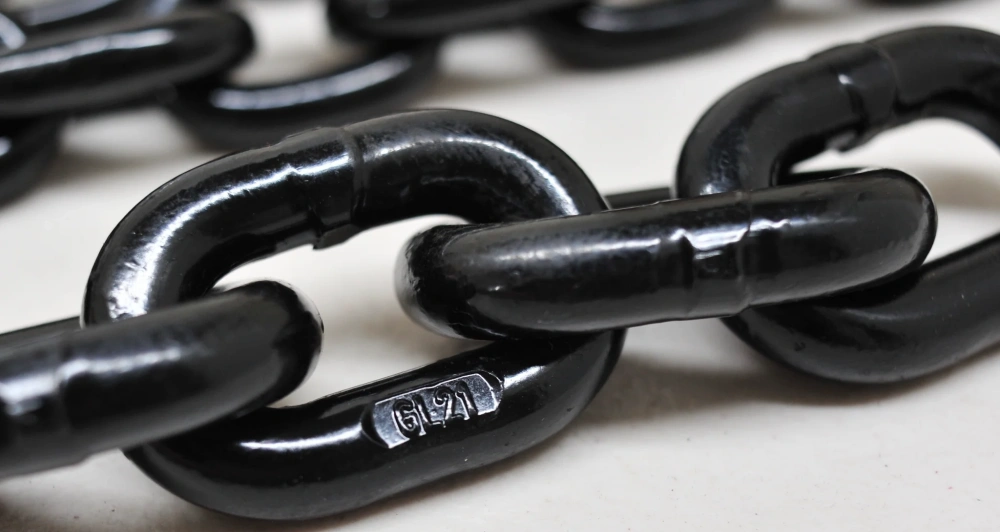
Matching Breaking Load to Application
You must match the breaking strength of your chain to the demands of your application. Start by evaluating the load characteristics. Check the weight, size, and shape of your cargo. Identify the center of gravity to ensure stability.
Select a chain grade that meets or exceeds your required working load limit. For heavy lifting, Grade 80 or Grade 100 chains provide the necessary break strength and durability.
Consider the sling configuration. Decide if you need a single-leg, double-leg, or multi-leg sling to keep your load balanced. Environmental factors matter as well. High temperatures and corrosive conditions can weaken metals and accelerate corrosion, reducing both breaking strength and minimum breaking force.
Always choose a chain with a working load limit higher than your cargo weight.
Chain Grade | Working Load Limit (lbs) | Common Applications |
|---|---|---|
Grade 30 | 1,300 to 6,900 | Light construction, logging, and agriculture |
Grade 43 | 2,600 to 13,000 | Towing, heavy-duty trucking, and construction |
Grade 70 | 3,150 to 15,800 | Trucking, logging, heavy load securement |
Grade 80 | 3,500 to 47,700 | Overhead lifting, rigging, mining |
Grade 100 | 4,300 to 35,300 | Overhead lifting, manufacturing, towing |
You should always verify that your transport chain meets ASME and OSHA standards before use.
Safety Margins and Industry Standards
You must understand the safety factor when selecting a chain. The safety factor is the ratio between the breaking strength and the working load limit. Industry standards require a safety factor to protect you from unexpected surges or overloads.
For example, North America recommends a 5:1 ratio, while Europe often uses a 10:1 ratio. Chain slings typically require a 4:1 safety factor.
Region/Equipment Type | Safety Factor Ratio |
|---|---|
North America | 5:1 |
Europe | 10:1 or higher |
Chain Slings | 4:1 |
Synthetic Slings | 5:1 |
Wire Rope Slings | 5:1 |
International organizations such as OCIMF, ISO, and the Cordage Institute set guidelines for chain breaking load and safety margins. You must follow these standards to ensure your transport chain performs safely under all conditions.
Consulting Manufacturer and Certification Info
You should always consult the manufacturer’s documentation before selecting a chain for heavy-duty applications. Manufacturer data provides essential information about load capacity, material properties, and environmental limits.
Review the working load limit, breaking strength, and minimum breaking force listed in the technical sheets. Confirm that your transport chain has passed all required test procedures, including proof load testing.
Factor | Description |
|---|---|
Load Capacity | Defines operational requirements, including material weight and dynamic factors. |
Material Properties | Evaluates density, abrasiveness, and temperature resistance. |
Environmental Factors | Considers conditions that affect chain performance and longevity. |
Safety Margins | Includes a reserve capacity of at least 25% for surges and overloads. |
Check for certifications that prove compliance with international standards. For example, Powerful Machinery’s lifting chains hold certifications that guarantee adherence to safety, design, and inspection protocols.
These certifications ensure your transport chain meets the required breaking strength and working load limits for safe operation.
Tip: Always inspect your chain before use. Look for signs of wear, corrosion, or deformation. Regular testing and maintenance help you avoid failures and extend the life of your equipment.
Conclusion
You protect your team and equipment when you understand the chain-breaking load. Selecting chains with the right breaking load and working load limit brings long-term benefits:
Aspect | Breaking Strength | Working Load Limit (WLL) |
|---|---|---|
Definition | Maximum force before failure | Maximum weight safely handled |
Safety Margin | No margin for error | Includes a safety margin for unexpected stress |
Purpose | Confirms the product can hold cargo | Ensures safety during use |
Always check for certifications and follow industry standards. Certified chains meet strict safety requirements and undergo rigorous testing. PowerFul Machinery uses advanced quality assurance and inspection processes, so you can trust their load chains for reliable performance in every application.
FAQ
What is the difference between chain grade and breaking load?
Chain grade shows the material strength and intended use. Breaking load tells you the maximum force the chain can handle before failure. Always check both values when selecting a chain for lifting or securing loads.
How often should you inspect load chains?
You should inspect load chains before each use. Look for wear, cracks, deformation, or corrosion. Schedule regular, detailed inspections based on usage frequency and environment.
Can you use a chain above its working load limit if it looks strong?
No. You must never exceed the working load limit. Even if the chain appears strong, overloading can cause sudden failure and serious accidents.
Why do certifications matter when choosing load chains?
Certifications prove that your chain meets international safety and quality standards. They give you confidence that the chain will perform reliably in demanding conditions.