Material handling safety deserves your full attention. The latest industry statistics reveal the true impact of unsafe practices:
Statistic | Value |
|---|---|
Injuries related to material handling in 2023 | 145,000 |
Fatalities related to material handling in 2023 | 106 |
The percentage of injuries due to overexertion from lifting | 27% |
Accidents involving powered industrial trucks annually | 7,000+ |
Ignoring workplace safety can result in costly fines, legal action, and even production shutdowns. You risk not only financial loss but also the well-being of your team. Adopting a comprehensive health and safety policy and an effective safety plan protects your staff and your business.
Powerful Machinery’s safety program and safety policies reflect a commitment to innovation and reliability. With strong safety strategies, you build a safer, more productive future.
Key Takeaways
Prioritize safety by adopting a comprehensive health and safety policy to protect your team and business.
Conduct regular risk assessments and safety audits to identify hazards and improve workplace safety.
Implement proper training programs for employees to ensure they understand safe equipment operation and emergency procedures.
Use ergonomic equipment and proper lifting techniques to reduce the risk of injuries and enhance productivity.
Foster a strong safety culture by engaging employees and encouraging continuous improvement in safety practices.
Material Handling Safety Risks
Common Hazards
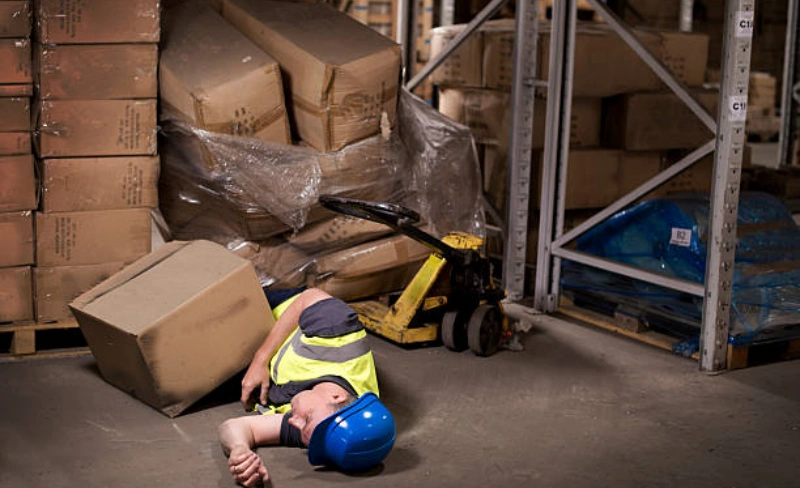
You face many material handling risks in warehouses and manufacturing facilities. These hazards can lead to serious injuries if you do not follow warehouse safety best practices. Some of the most common safety risks include:
Slips, trips, and falls from wet or cluttered floors.
Musculoskeletal injuries caused by poor lifting techniques.
Forklift accidents, such as collisions or tipping.
Fire and chemical hazards from improper storage of flammable materials.
Collapse of storage racks due to improper loading.
Falling objects from poorly stacked materials.
Pinch points on conveyors and moving equipment.
Tripping or fire hazards from accumulated materials.
You can reduce these risks by inspecting and maintaining shelving, installing rack guards, and keeping storage areas organized. Regular maintenance of pallet jacks and forklifts also helps prevent workplace injuries.
Risk Assessment and Audits
You improve warehouse safety when you conduct regular risk assessments and safety audits. These steps help you identify hazards before they cause harm. You should review safety protocols, inspect the workplace, and monitor employee practices.
Safety audits also evaluate how well your current measures work and highlight areas for improvement.
By updating risk assessments as your operations change, you create a proactive safety culture. This approach protects your team, preserves assets, and ensures compliance with regulations. You also boost productivity and reduce costs by preventing accidents.
Costs of Poor Safety
Ignoring material handling safety can lead to high costs for your business. The table below shows the direct and indirect costs you may face:
Cost Type | Description |
|---|---|
Direct Costs | Medical expenses, workers’ compensation claims, and property damage. |
Indirect Costs | Lost productivity, increased training and recruitment costs, and damage to a company’s reputation. |
You may also deal with legal fees, property damage, and lower employee morale. Poor safety can harm your reputation and make it harder to keep workers and customers. Focusing on workplace injury prevention protects your business and supports a safer environment for everyone.
Equipment Safety Procedures
Types of Material Handling Equipment
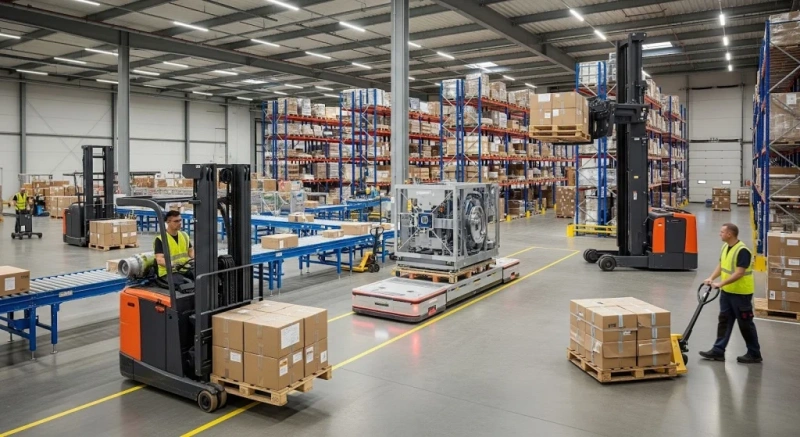
You rely on material handling equipment every day to move, lift, and store heavy loads in your facility. These machines play a vital role in warehouse safety and productivity.
Powerful Machinery offers a comprehensive range of equipment, including lift tables, pallet jacks, cargo skates, hoisting equipment, and forklift attachments. Each type serves a specific purpose:
Lift tables: Adjust load height for ergonomic handling and reduce strain.
Pallet jacks: Move pallets quickly and safely across the warehouse floor.
Cargo skates: Transport heavy machinery or awkward loads with stability.
Hoisting equipment: Lift and position materials with precision.
Forklift attachments: Adapt forklifts for specialized tasks and improve versatility.
Material handling equipment is crucial in industries like warehousing, manufacturing, and construction. You must follow safety procedures and use proper safety equipment to minimize safety risks.
Improper material handling often leads to workplace accidents, especially when heavy or hazardous materials are involved. When you use certified equipment from Powerful Machinery, you gain access to advanced safety features that help prevent injuries and support workplace injury prevention.
Tip: Always match the equipment to the task and load requirements to maximize safety and efficiency.
Inspections and Maintenance
You protect your team and assets by performing regular inspections and preventive maintenance on all material handling equipment. Industry best practices recommend daily pre-shift inspections. You should check for abnormal noise, vibration, temperature changes, or performance issues.
Use a structured daily checklist and require sign-off to ensure accountability.
Inspect critical components like frames, wheels, hydraulic lines, and brakes.
Lubricate manual points weekly to prevent bearing and chain failure.
Conduct visual checks and functional tests to confirm proper operation.
The maintenance schedule depends on equipment type, usage frequency, and environmental conditions. Neglecting inspections can lead to equipment failure, accidents, and injuries. Powerful Machinery designs its products for easy inspection and maintenance.
Features like accessible lubrication points, robust construction, and clear operator manuals help you maintain equipment in top condition.
Inspection Task | Frequency | Why It Matters |
|---|---|---|
Pre-shift inspection | Daily | Detects early signs of wear or damage |
Lubrication | Weekly | Prevents mechanical failure |
Functional testing | Daily/Weekly | Ensures safe operation |
By following these safety procedures, you reduce downtime and extend equipment life.
Safe Load Handling
You must practice safe load handling to prevent tipping, dropping, or overloading. Start by understanding the load limits of your material handling equipment.
Powerful Machinery’s products include safety features such as overload protection, anti-slip platforms, emergency stop buttons, and automatic braking systems. These features help you control loads and avoid accidents.
Always check the weight and stability of the load before lifting or moving it.
Use load management systems to monitor weight distribution in real time.
Train operators to recognize signs of overloading and unsafe conditions.
Regular maintenance keeps equipment in optimal working condition and prevents unexpected failures. Comprehensive training ensures your team understands equipment capabilities and safe handling practices.
When you combine these best practices with the advanced safety features of Powerful Machinery’s equipment, you create a safer workplace and support material handling safety.
Note: Safe load handling is essential for workplace injury prevention and regulatory compliance. Never exceed the rated capacity of your equipment.
By integrating these safety procedures into your daily operations, you protect your employees, reduce safety risks, and maintain a productive environment.
Employee Training and Certification
Safety Training Requirements
You cannot achieve material handling safety without a strong safety training program. Every country sets clear rules for safety training. These rules protect workers and help you avoid costly accidents.
The table below shows the minimum safety training requirements for employees who operate material handling equipment:
Country | Regulation | Description |
|---|---|---|
United Kingdom | Provision and Use of Work Equipment Regulations 1998 (PUWER) Regulation 9 | Organizations must deliver relevant safety training to workers using equipment, covering operations, risks, and protective measures. |
United States | OSHA 29 CFR 1910.178(l)The | Occupational Safety and Health Administration requires safety training for equipment operators. |
Australia | Work Health and Safety Regulation 2011 – Regulation 39 | Organizations must provide necessary training to team members exposed to health and safety risks. |
Canada | Canada Labour Code Part II Section 124.1 | Employers must ensure safety training for workers operating material handling equipment. |
You must provide safety training that covers equipment operation, hazard recognition, and emergency procedures.
Powerful Machinery supports your efforts by offering safety training manuals and clear operator instructions with every product. These resources help you build a safer workplace and meet regulatory requirements.
Tip: Review your employee training program every year to keep up with new equipment and changing safety risks.
Operator Certification
Operator training and certification play a key role in warehouse safety. You lower accident rates when you require operators to complete formal training and certification. Proper operator training teaches best practices and helps your team avoid common mistakes.
Many organizations use OSHA-compliant courses or similar programs to ensure operators understand safe equipment use.
Certification ensures operators know how to handle equipment safely.
Online and in-person courses teach best practices for load handling and hazard awareness.
Refresher training keeps skills sharp and maintains high safety standards.
Powerful Machinery encourages you to invest in operator certification for all team members who use lift tables, pallet jacks, hoisting equipment, and other material handling tools. This approach reduces safety risks and supports compliance with industry regulations.
Emergency Response Training
You must prepare your team for emergencies that can happen during material handling operations. Emergency response training gives employees the skills to act quickly and safely. A strong training program includes the following components:
Emergency Action Plans (EAPs)
First Aid and CPR training
Fire Safety
Active Shooter Preparedness
Hazardous Materials Handling
You should practice emergency drills and review procedures often. Powerful Machinery guides safe equipment shutdown and emergency protocols. These steps help you respond to incidents and protect your team.
Ongoing employee training is essential for compliance and safety. Regular training helps your team identify hazards, use personal protective equipment, and follow correct procedures. Safety training programs prevent accidents and improve efficiency.
When you commit to continuous training, you create a culture of vigilance and reduce workplace injuries.
Note: Hands-on practice and regular refresher courses help employees remember safety concepts and apply them in real situations.
Ergonomic Safety Practices
Ergonomic Equipment Design
You improve material handling safety when you choose equipment with ergonomic features. Ergonomic practices focus on reducing strain and injury by matching tools and workstations to your needs. Powerful Machinery designs its material handling equipment with your comfort and health in mind. You benefit from:
Workstations and tools tailored to your body size and reach.
Adjustable equipment heights that fit different workers.
Easy-to-adjust controls and handles for quick setup.
Lift tables and ergonomic handles that support natural body movement.
Tools and attachments that align with your body’s mechanics.
These ergonomic practices help you reduce musculoskeletal disorders and keep your team productive. You create a safer environment by investing in equipment that supports proper posture and movement.
Proper Lifting Techniques
You must use proper lifting technique to prevent back injuries and muscle strain. Ergonomic practices teach you how to lift safely and efficiently. Follow these steps every time you handle heavy loads:
Stand close to the load with your feet shoulder-width apart.
Bend at your knees and hips, not your waist.
Keep your back straight and your head up.
Grip the object firmly and hold it at waist height.
Lift with your legs, not your back, and engage your core muscles.
Move smoothly and avoid twisting your body.
Assess the load before lifting and plan your path.
You lower your risk of injury when you follow these ergonomic practices. Always check the area for obstacles and make sure the floor is dry before you lift.
Tip: Plan where you will place the object before you lift it. This simple step helps you avoid sudden movements and keeps you safe.
Preventing Injuries
You prevent injuries by making ergonomic practices part of your daily routine. Encourage your team to use adjustable equipment and follow safe lifting methods. Provide regular training on ergonomic practices and monitor your workplace for risks. You can:
Rotate tasks to reduce repetitive strain.
Use lift tables and pallet jacks to minimize manual lifting.
Remind workers to take breaks and stretch during long shifts.
Inspect equipment often to ensure it supports ergonomic practices.
When you prioritize ergonomic practices, you protect your team from common injuries and improve overall safety. You also boost morale and productivity by showing you care about worker health.
Regulatory Compliance in Material Handling

OSHA and ANSI Standards
You must follow strict standards to ensure material handling safety in your workplace. Both OSHA and ANSI set clear rules for equipment use, storage, and worker protection. These standards help you prevent accidents and maintain a safe environment.
Review the table below to see some of the most important standards that apply to your operations:
Standard | Description |
|---|---|
OSHA 1910.176 | General handling materials, including safe clearances and secure storage. |
ANSI/ASC A14.3 | Safety requirements for fixed ladders. |
ANSI/ASC A14.2 | Safety requirements for portable metal ladders. |
ANSI/ASME | Safety standards for conveyors and related equipment. |
ANSI/ASSP A1264.1 | Safety requirements for workplace surfaces and access. |
ANSI/ASSP Z244.1 | Control of hazardous energy (lockout/tagout). |
ANSI/ASSP Z359 | Fall protection and fall restraint standards. |
ANSI/ITSDF B56 | Standards for powered and non-powered industrial trucks. |
ANSI MH16.1 | Specification for industrial steel storage racks. |
ANSI MH29.1 | Safety requirements for industrial scissors lifts. |
ANSI/RIA R15.06 | Safety requirements for industrial robots and systems. |
ANSI/SIA A92.6 | Standard for self-propelled elevating work platforms. |
You should review these standards regularly to keep your facility in compliance and protect your team.
Compliance Checklists
A compliance checklist helps you track every safety compliance activity in your facility. You can use checklists to verify that equipment, exits, and procedures meet current regulations. This process makes it easier to spot problems before they lead to accidents. Here are some key items to include in your checklist:
Compliance Checklist Item | Description |
|---|---|
Machinery Guards | Verify that the machinery is equipped with proper guards |
Emergency Exits | Ensure that emergency exits are accessible |
Regularly review and meet OSHA compliance standards |
You should update your checklist as regulations change or new equipment arrives. This habit keeps your workplace safe and organized.
Documentation and Updates
You need strong documentation and regular updates to stay current with changing regulations. Good recordkeeping shows that you take safety seriously and helps you respond quickly during inspections. To keep your practices up to date:
Consult with industry experts regularly.
Attend safety workshops to learn about new trends.
Review your procedures often and adjust them when regulations change.
A strong safety culture starts with leadership and clear communication. When you make safety a priority, your team will follow your example and help create a safer workplace for everyone.
Risk Mitigation Strategies
Safety Audits
You strengthen material handling safety when you conduct regular safety audits. These audits help you spot hazards before they cause harm. You can find risks like slips, trips, falls, and equipment-related injuries. Many dangers go unnoticed until you review your workplace with a fresh perspective. Safety audits also help you:
Identify gaps in your safety measures and protocols.
Educate your team on safe practices, including lockout/tagout procedures.
Ensure compliance with current safety standards.
Uncover areas for improvement and provide training on fall protection and proper lifting.
You create a safer environment by acting on audit findings and updating your safety measures.
Personal Protective Equipment (PPE)
You must enforce strict use of proper safety equipment in all material handling operations. PPE includes gloves, helmets, safety shoes, and high-visibility vests. You protect your team from cuts, impacts, and other injuries when you require PPE.
You should check that all safety equipment is in good condition and fits each worker. Regular training helps your team understand when and how to use PPE. You reduce risks by making PPE a non-negotiable part of your safety measures.
Tip: Store PPE in a clean, accessible area so workers can grab what they need quickly.
Emergency Preparedness
You need a clear plan for emergencies. Your plan should cover fire, chemical spills, equipment failure, and medical incidents. You must train your team to respond fast and follow safety measures during any crisis. Practice emergency drills often so everyone knows their role.
You should keep first aid kits and emergency contacts visible. You improve risk mitigation by reviewing and updating your emergency plans regularly.
Technology and Automation
You can boost risk mitigation by using technology and automation in your facility. Automated systems reduce manual labor, which lowers the chance of injuries. Machines like AGVs and robotic conveyors handle heavy lifting and repetitive tasks. This approach improves efficiency and keeps your workflow steady.
Smart systems also monitor equipment in real time and predict maintenance needs. The table below shows how automation supports your safety measures:
Benefit of Automation | Description |
|---|---|
Reduces Manual Labor | Automation minimizes the need for manual handling, which is a leading cause of workplace injuries. |
Handles Heavy Lifting | Automated systems like AGVs and robotic conveyors manage heavy lifting, reducing accident risks. |
Improves Efficiency | Ensures consistent material movement, reducing idle time and optimizing workflow. |
Enhances Safety through Monitoring | Integration with smart systems allows for predictive maintenance and real-time monitoring. |
You create a safer and more productive workplace when you combine technology with strong safety measures.
Workplace Safety Culture
A strong workplace safety culture sets the foundation for every successful material handling operation. You build this culture by focusing on leadership, employee involvement, and continuous improvement.
Powerful Machinery stands by the values of safety, quality, and reliability, helping you create an environment where everyone feels responsible for safety.
Leadership Commitment
Your leadership shapes the expectations and standards for material handling safety. When you prioritize safety, you set the tone for your entire team. Leaders who allocate resources for safety programs, participate in safety audits, and recognize safety achievements inspire others to follow suit.
You show commitment by endorsing and practicing safety initiatives every day. This visible dedication builds trust and motivates your team to adopt a safety-first culture.
Set clear safety expectations.
Participate in safety meetings and audits.
Reward employees for safe behavior.
Support ongoing safety training.
Employee Engagement
You improve safety outcomes when you engage your employees in safety efforts. Employees who feel valued and heard are more likely to report hazards and suggest improvements. Their daily experience with equipment gives them unique insights into potential risks.
Benefit of Engagement | Description |
|---|---|
Improved Hazard Identification | Employees spot hazards early due to daily interactions with equipment. |
Effective Safety Solutions | Involving employees leads to practical, effective safety measures. |
Enhanced Monitoring | Engaged employees provide real-time feedback on safety protocols. |
Encourage open communication and recognize employee contributions. When you involve your team, you strengthen your safety-first culture and boost morale.
Continuous Improvement
You sustain a safety-first culture by always seeking ways to improve. Regular training, ergonomic solutions, and automated systems help you reduce risks and keep your team safe.
Strategy | Benefit |
|---|---|
Automated systems | Reduce manual lifting lowering injury risk. |
Ergonomic solutions | Minimize musculoskeletal injuries. |
Ongoing training | Equip employees with skills and knowledge for safe practices. |
Encourage feedback and review safety procedures often. Partnering with Powerful Machinery ensures your equipment meets the highest safety standards, supporting your long-term commitment to safety and compliance.
A safety-first culture not only protects your team but also increases productivity and morale. When you invest in safety, you invest in your people and your business.
Conclusion
You create a safer and more efficient workplace when you focus on material handling safety. Effective strategies include routine equipment maintenance, certified operator training, and a strong safety culture. Regular assessments and continuous improvement keep your practices current and compliant.
Powerful Machinery stands with you as a trusted partner, supporting your commitment to safety and operational excellence.
Minimize injuries and protect workers
Optimize productivity and reduce costs
Foster ongoing improvement through training and audits
FAQ
What types of material handling equipment does Powerful Machinery offer?
You can choose from pallet jacks, lift tables, cargo skates, hoisting equipment, and forklift attachments. Each product supports different load capacities and tasks. Powerful Machinery also provides custom solutions for unique handling needs.
How do I select the right equipment for my facility?
You should consider the weight, size, and type of materials you move. Think about your workspace layout and the frequency of use. Powerful Machinery’s team can help you match equipment to your specific requirements.
How often should I inspect my material handling equipment?
You should inspect equipment before each use. Regular weekly and monthly checks help you spot wear or damage early. Following a routine inspection schedule keeps your operations running smoothly and reduces downtime.
What are the main benefits of using certified equipment?
Certified equipment meets strict industry standards. You gain peace of mind knowing your tools support safety and reliability. Certified products also help you comply with regulations and reduce the risk of workplace accidents.
Can Powerful Machinery help with operator training?
Yes, Powerful Machinery provides manuals and guidance for safe equipment operation. You can use these resources to train your team and improve workplace safety.