You might ask, can i tow my car with a chain? The answer depends on where you live, what equipment you use, and how safe you want to be. Many states have strict rules for chain towing, so you need to check local laws first.
Using a certified tow chain from a trusted brand like Powerful Machinery gives you peace of mind. You want your car and everyone on the road to stay safe.
Key Takeaways
Check local laws before towing with a chain. Many states have specific rules about chain towing.
Always use a certified tow chain from a trusted brand like Powerful Machinery for safety and legal compliance.
Towing with a chain is usually allowed only in emergencies or for short distances. Avoid using it on highways.
Inspect your tow chain and connections before towing. Proper setup reduces the risk of accidents.
Consider professional towing services for complicated situations, like accidents or vehicle malfunctions.
Can I Tow My Car With a Chain Legally?
State Laws on Chain Towing
You might wonder, ” Can I tow my car with a chain in your state? The answer is not always simple. Every state has its own rules for towing. Some states allow chain towing only if you use a certified tow chain. Others ban it on public roads. You need to check your local laws before you start towing your car.
Many states require you to use chains that meet certain safety standards. Powerful Machinery tow chains meet these standards and have verified load ratings. This gives you confidence that you are following the law and keeping everyone safe.
Tip: Always keep a copy of your tow chain’s certification in your vehicle. Some states may ask for proof during a roadside check.
When Is Chain Towing Allowed?
Can I tow my car with a chain for any reason? Not always. Most states only allow chain towing in emergencies or for short distances. For example, you might use a tow chain to move your car out of traffic after a breakdown.
You cannot use a chain to tow a car across town or on highways in many places. Police and highway patrol officers watch for unsafe towing. They can stop you if they see a chain that looks weak or not certified.
Here are some common situations where chain towing is allowed:
Emergency breakdowns on quiet roads
Moving a car a short distance to a safe spot
Towing a car on private property with the owner’s permission
If you plan to tow your car, always use a certified tow chain from a trusted brand like Powerful Machinery. This helps you avoid trouble and keeps your car secure.
Legal Risks and Penalties
Can I tow my car with a chain and avoid legal problems? You need to know the risks. If you use the wrong chain or break the rules, you could face fines or even lose your license. Police may ticket you for using uncertified chains or for unsafe towing. Some states will impound your car if you tow it the wrong way.
Legal disputes often happen after chain towing incidents. Here are some common problems:
Improper authorization or not telling the owner before towing
Charging fees that are too high
Giving unclear or unitemized bills
Not telling the owner about a second tow
Not letting the owner check the car or cargo
Towing a car can also lead to big problems if the car gets damaged or stored the wrong way. You might have to deal with claims and extra costs. That is why you should always use the right equipment and follow the law.
If you are not sure, ask a professional or check your state’s website. Using a certified tow chain from Powerful Machinery can help you stay safe and legal.
Chain Towing Risks and Safety
Common Dangers of Chain Towing
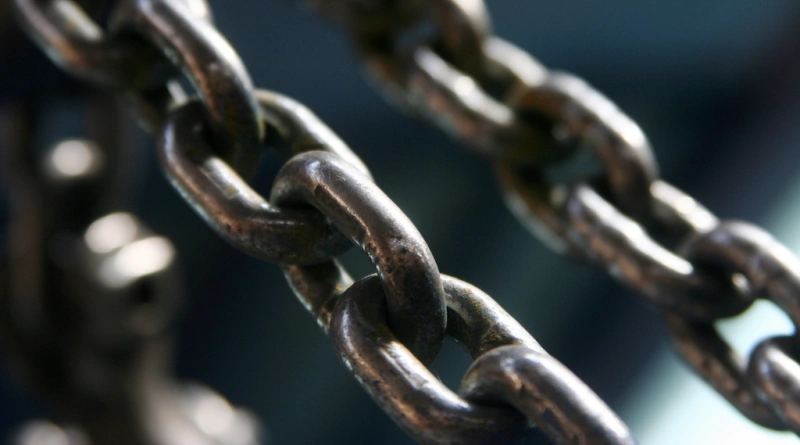
Towing your car using a chain might seem simple, but it comes with real risks. If you attach the chain in the wrong spot, you could put yourself right in the danger zone. You stand at risk if the equipment fails or the chain snaps.
If the towing device or part of the device breaks, a chain or hook quickly becomes a dangerous projectile. Serious, disabling injuries and deaths have occurred when a towing device failed.
You might think these accidents are rare, but they happen more often than you’d expect. In one case, a worker lost his life when a broken chain flew through the air. The chain was not strong enough for the job. Overloading, using the wrong equipment, or skipping safety checks can all lead to disaster.
Importance of Certified Tow Chains
You want to safely tow your car, so you need a chain you can trust. Certified tow chains from Powerful Machinery have verified load ratings. This means you know exactly how much weight the chain can handle.
Uncertified or low-grade chains might look tough, but they can snap without warning. When you use a chain that isn’t rated for your vehicle, you risk injury, damage, and legal trouble.
Here are some common mistakes people make when towing:
Overloading the chain or towing vehicle
Using a chain that isn’t rated for the job
Failing to secure the load properly
Ignoring basic safety checks
You can avoid these problems by choosing a certified tow chain and following the instructions.
Do You Cross Chains When Towing?
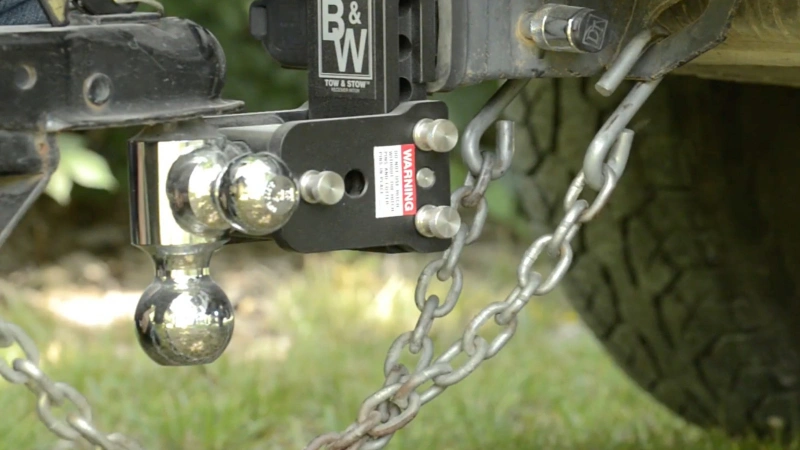
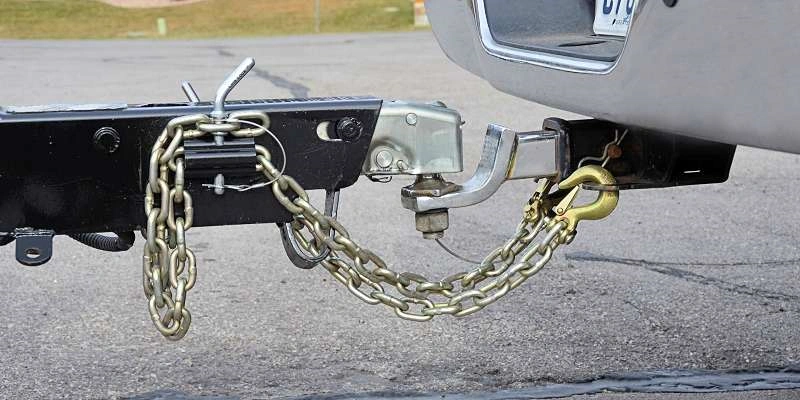
You might hear people talk about crossing chains when towing. This practice adds an extra layer of safety. When you cross the chains under the trailer’s coupler, they act as a cradle. If the hitch disconnects, the chains catch the trailer tongue and keep it from hitting the road.
Crossing chains helps prevent the trailer from completely detaching.
It gives you more control if something goes wrong.
Many experts recommend this step for added safety.
If you want to safely tow your car using a chain, always use certified equipment and follow best practices. Your safety and the safety of others depend on it.
How to Use Tow Chains Safely?
Step-by-Step Towing Guide
You want to move your car safely, so you need to follow the right steps. Here’s a simple guide to help you use a tow chain the right way:
Inspect the chain and hooks for any signs of wear or damage.
Cross the chains under the hitch or tongue to create a safety cradle.
Choose strong attachment points on both vehicles.
Attach the chain from below to lower the risk of it coming loose.
Make sure the chain is not too long or too short. It should allow for turns but never drag on the ground.
Check all connections before you start to tow.
Tip: Always double-check the security of your connections before moving the car.
Essential Precautions and Equipment
You need the right gear and safety steps for a smooth tow. Here’s what you should have:
Tow hooks for secure attachment.
Tensioners to keep the chain tight.
Locks for extra security if you plan to tow for longer distances.
Before you start, make sure only the drivers are near the vehicles. Keep bystanders at least 100 feet away. Use hazard lights while towing. Stick to the posted speed limit and avoid sudden stops or sharp turns. Always match the chain grade and size to your vehicle’s weight. Here’s a quick reference:
Chain Size | Grade 30 WLL | Grade 43 WLL | Grade 70 WLL | Typical Application |
|---|---|---|---|---|
1/4″ (6mm) | 1,300 lbs | 2,600 lbs | 3,150 lbs | Light trailers under 5,000 lbs |
5/16″ (8mm) | 1,900 lbs | 3,900 lbs | 4,700 lbs | Medium trailers 5,000-10,000 lbs |
3/8″ (10mm) | 2,650 lbs | 5,400 lbs | 6,600 lbs | Heavy trailers 10,000-20,000 lbs |
1/2″ (13mm) | 4,500 lbs | 9,200 lbs | 11,300 lbs | Extra heavy trailers 20,000-35,000 lbs |
5/8″ (16mm) | 6,900 lbs | 13,000 lbs | 15,800 lbs | Maximum duty trailers 35,000+ lbs |
Short Distance and Low Speed Towing
You should only tow a car with a chain for short distances. Keep your speed below 55 mph or follow the posted towing speed limit. Slow down for turns and rough roads. If you need to move your car farther or faster, call a professional. Safety always comes first.
Two Alternatives and Best Practices
Tow Chain vs Tow Strap
You might wonder if you should use a tow chain or a tow strap. Both have their place, but they work best in different situations. Let’s break down the differences:
Feature | Tow Chains (Powerful Machinery) | Tow Straps |
|---|---|---|
Strength | Grade 70 chains handle up to 4,700 lbs; Grade 80 chains are even stronger. | Straps are lighter and absorb shock, but may not match chain strength in tough jobs. |
Durability | Great for harsh weather and sharp edges; built for repeated use. | Softer material wears faster but is gentle on vehicles. |
Safety | Rigid, precise control; works well in extreme weather. | Elastic reduces sudden jerks and the risk of damage. |
Tow chains from Powerful Machinery give you unmatched strength and durability. You want these for heavy-duty jobs or when you need to tow in rough conditions. Tow straps are lighter, easier to handle, and safer if you worry about sudden breaks. They work well for lighter vehicles or quick recoveries.
When to Call a Professional?
Sometimes, you need more than a chain or strap. Professional towing services step in when things get complicated. Here are some situations where you should call the pros:
Situation | Why Call a Professional? |
|---|---|
Accident Recovery | Trained crews handle accident scenes safely and prevent more damage. |
Vehicle Malfunctions | Issues like broken axles need special tools and know-how. |
Fuel Delivery | Experts deliver the right fuel safely, even on busy roads. |
Tire Changes | Professionals change tires correctly and keep you safe on highways. |
Bad Weather Recovery | Teams use special gear to recover vehicles in snow, rain, or ice. |
If you feel unsure or the job looks risky, don’t hesitate to call for help.
Choosing the Right Towing Solution
Picking the right towing solution depends on your needs. Ask yourself:
How often do you need to move your vehicle?
How far do you plan to go?
What kind of vehicle do you have?
How many people or how much cargo will you carry?
You should also look at your vehicle’s tow rating and check if it has a towing package. Think about powertrain strength, interior space, and any advanced safety features. For long distances, consider alternatives like flatbed towing, car shipping, or even train transport. These options keep your car safe and reduce stress.
Tip: Always inspect your equipment before every tow. Use high-visibility gear and secure your load with heavy-duty chains or straps. Stay prepared for emergencies and adjust your driving in bad weather.
Conclusion
You’ve learned a lot about towing with chains. Here’s what you should remember:
Many places restrict hook and chain towing because it can damage vehicles.
Always use safe towing practices. Make sure your tow vehicle has working brakes and lights.
Flatbed and wheel-lift tow trucks often work better than chains for most jobs.
Choose certified tow chains from Powerful Machinery for safety and reliability. Check your local laws before you tow. Pick the right equipment every time.
FAQ
Can you tow any car with a chain?
You can tow many cars with a chain, but not all. Always check your car’s owner’s manual. Some vehicles need special towing methods. Use a certified tow chain from Powerful Machinery for best results.
How do you pick the right tow chain size?
You need to match the chain’s grade and size to your vehicle’s weight. Here’s a quick guide:
Vehicle Weight | Chain Size (G70) |
|---|---|
Up to 5,000 lbs | 1/4″ |
5,000–10,000 lbs | 5/16″ |
10,000–20,000 lbs | 3/8″ |
What should you do if your tow chain gets rusty?
You should clean the chain with a wire brush. Dry it completely. Apply a protective coating to prevent more rust. Store your chain in a dry place.
Is it safe to tow on highways with a chain?
No, you should not tow on highways with a chain. Most states do not allow it. Chains work best for short distances at low speeds. For highway towing, call a professional.