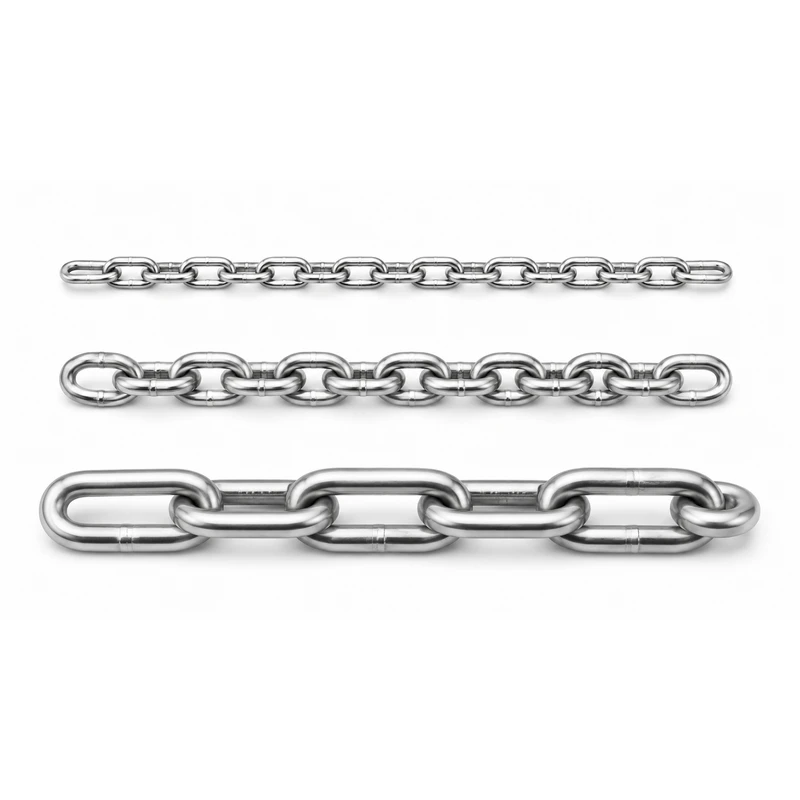
When considering what a logging chain is, it’s important to know that you use a logging chain to move, pull, or secure heavy logs in forestry operations. This essential tool provides reliable strength for demanding tasks in timber handling.
Powerful Machinery manufactures high-quality logging chains designed to help you handle tough jobs safely and efficiently. By choosing the right chain, you enhance productivity and reduce downtime in your daily work.
Key Takeaways
Logging chains are essential tools for moving, pulling, and securing heavy logs in forestry operations.
Choose the right logging chain grade and size to match your equipment and the weight of the logs for safety and efficiency.
Regularly inspect and maintain your logging chains to ensure safety and extend their lifespan.
Use logging choker chains for better grip and control when dragging or skidding logs.
Store logging chains properly to prevent rust and damage, ensuring they are ready for your next job.
What is a Logging Chain?
When you ask what a logging chain is, you discover a tool engineered for strength and reliability in forestry. You use it to pull, drag, or secure logs during timber handling.
The design of a logging chain sets it apart from other industrial chains. You find unique features that match the demands of logging work, including specialized materials and connection methods.
Construction and Materials
You need to know what a logging chain is made of before you select the right product. Manufacturers use high-grade alloy steel to ensure maximum strength and durability. Powerful Machinery offers chains crafted from Grade 100 and Grade 120 alloy steel.
These materials provide superior overhead lifting ratings and higher strength-to-weight ratios. You benefit from chains that withstand heavy timber dragging and resist wear in harsh environments.
Component | Material Type | Properties |
|---|---|---|
Logging Chain | Grade 100 Alloy Steel | High strength, superior overhead lifting ratings |
Logging Chain | Grade 120 Alloy Steel | Higher strength to weight ratios, tough for heavy timber dragging |
You notice that logging chains differ from other industrial chains in several ways. The table below highlights these differences:
Feature | Logging Chains | Other Industrial Chains |
|---|---|---|
Primary Use | Designed for forestry and timber handling | General industrial applications |
Specific Tasks | Pulling, dragging, skidding, choking, and securing logs | Varies widely depending on industry |
Chain Types | Different types for different logging jobs | More standardized types across industries |
Design Features | Tailored to the unique demands of logging work | General design features |
Material Requirements | Specific materials for strength and durability | Varies based on application |
Connection Methods | Must match equipment and working setup | More uniform connection methods |
You see that what is a logging chain involves more than just a simple link of metal. The chain must meet the specific requirements of logging operations, including compatibility with equipment and resistance to environmental challenges.
Key Features of Powerful Machinery Chains
You gain several advantages when you choose Powerful Machinery for your logging chain needs. The company designs chains with high load ratings and field durability. You rely on consistent manufacturing quality, which ensures reliability and uniformity across all products.
You can select custom specifications, hooks, and fittings to match your equipment and job requirements. Powerful Machinery offers dependable production schedules and flexible order volumes, so you never worry about supply interruptions.
Load rating and field durability help you tackle tough forestry and log handling tasks.
Consistent manufacturing quality gives you confidence in every chain you use.
Custom specs, hooks, and fittings allow you to tailor chains for your specific needs.
Lead times and supply stability support your ongoing operations.
Note: Powerful Machinery logging chains are certified by ISO9001 and comply with TUV Rheinland standards. You also benefit from products that meet international standards like ISO, OSHA, and ASTM. These certifications guarantee safety and performance in every chain.
When you understand what a logging chain is, you recognize the importance of choosing a product that meets strict quality standards. Powerful Machinery provides chains that deliver strength, reliability, and customization for all your logging tasks.
Main Uses of Logging Chains
Dragging and Skidding Logs
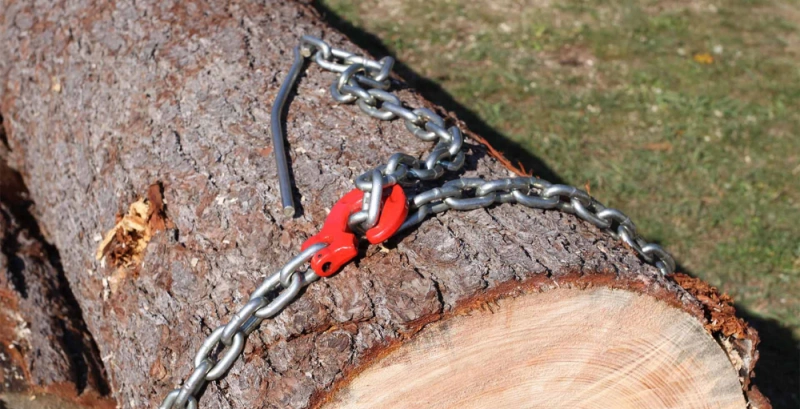
You use logging chains to move heavy timber across rugged terrain. When you drag or skid logs, you attach the chain securely around the log and connect it to your machinery. This method helps you clear land, transport timber, or organize logs for processing.
You rely on the strength of the chain to handle the weight and friction as the log moves over dirt, rocks, or snow. For added safety and efficiency, you often choose a logging choker chain, which tightens around the log and prevents slipping.
This approach improves log containment and reduces the risk of accidents during logging operations.
Securing Loads and Towing
You need reliable equipment when you secure logs for transport or tow them to a new location. Logging chains provide the stability you require for log containment on trailers or trucks. You wrap the chain around the load and fasten it with hooks or binders.
This process keeps the logs from shifting or falling during movement. You also use logging choker chains for towing, as they grip the log tightly and distribute force evenly. When you select a chain, you consider the finish and environment.
For example, hot-dip galvanized chains offer excellent corrosion resistance for outdoor use, while stainless steel chains perform best in harsh or wet conditions.
Chain Finish | Corrosion Resistance | Suitable Environment |
|---|---|---|
Self-Colored (Black) | Minimal protection | Dry indoor environments |
Hot-Dip Galvanized | Excellent resistance | Outdoor and marine applications |
Electroplated | Moderate protection, smoother finish | General use |
Stainless Steel | Superior resistance | Harsh environments |
Logging Choker Chain Applications
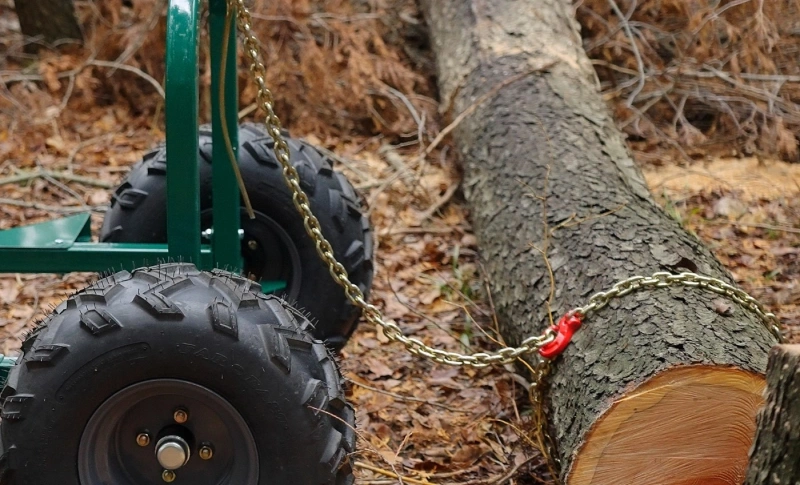
You find the logging choker chain essential for many forestry tasks. This chain wraps around the log and tightens as you pull, creating a secure grip. You use it for dragging, skidding, and lifting logs with minimal slippage. The logging choker chain also helps you manage uneven or irregularly shaped timber.
You achieve better log containment and reduce the time spent adjusting your setup. When you work in wet or muddy areas, the logging choker chain maintains its hold, ensuring safety and efficiency. You can customize the chain length and hook type to match your equipment and job requirements.
Tip: Always inspect your logging choker chain before use. Look for signs of wear or damage to maintain safety and performance in every logging operation.
Types, Grades, and Sizes
Logging Chain Grades Explained
You need to understand chain grades before selecting the right product for your logging tasks. Each grade offers different strength levels and applications. The most common grades available from Powerful Machinery include:
Grade 30: General-purpose steel, suitable for light construction, farming, and marine tasks. Not recommended for overhead lifting.
Grade 43: Higher carbon steel, moderate strength, used for container securement, towing, and logging.
Grade 70: Heat-treated carbon steel, high strength, ideal for cargo securement and heavy-duty towing.
Grade 80: Heat-treated alloy steel, very high strength, suitable for overhead lifting and heavy-duty towing.
Grade 100: Advanced heat-treated alloy steel, 25% stronger than Grade 80, used for advanced rigging and lifting.
The table below summarizes the grades and their typical uses:
Chain Grade | Strength Level | Suitable Applications |
|---|---|---|
Grade 30 | Low | Light construction, farming, and marine tasks |
Grade 43 | Moderate | Container securement, towing, and logging |
Grade 70 | High | Cargo securement, heavy-duty towing |
Grade 80 | Very High | Overhead lifting, heavy-duty towing |
Grade 100 | Highest | Advanced rigging, overhead lifting |
Logging Chain Sizes and Selection
Choosing the right size ensures safety and efficiency in your logging operations. Powerful Machinery offers standard sizes to match your needs:
Size | Description |
|---|---|
1/4 inch | Suitable for lighter logs and smaller equipment. |
5/16 inch | Versatile for medium-sized logs. |
3/8 inch | Commonly used for standard logging operations. |
7/16 inch | Ideal for heavier logs and robust equipment. |
1/2 inch | Best for the heaviest logs and industrial use. |
When selecting a chain, follow these steps:
Determine the working load limit for your job.
Select a chain size that fits your equipment and log diameter.
Choose a grade that matches your task’s demands.
Consider environmental conditions, such as moisture or corrosion.
Ensure compatibility with hooks and other components.
Tip: Investing in the right grade and size reduces downtime and replacement costs.
Hooks and Accessories from Powerful Machinery
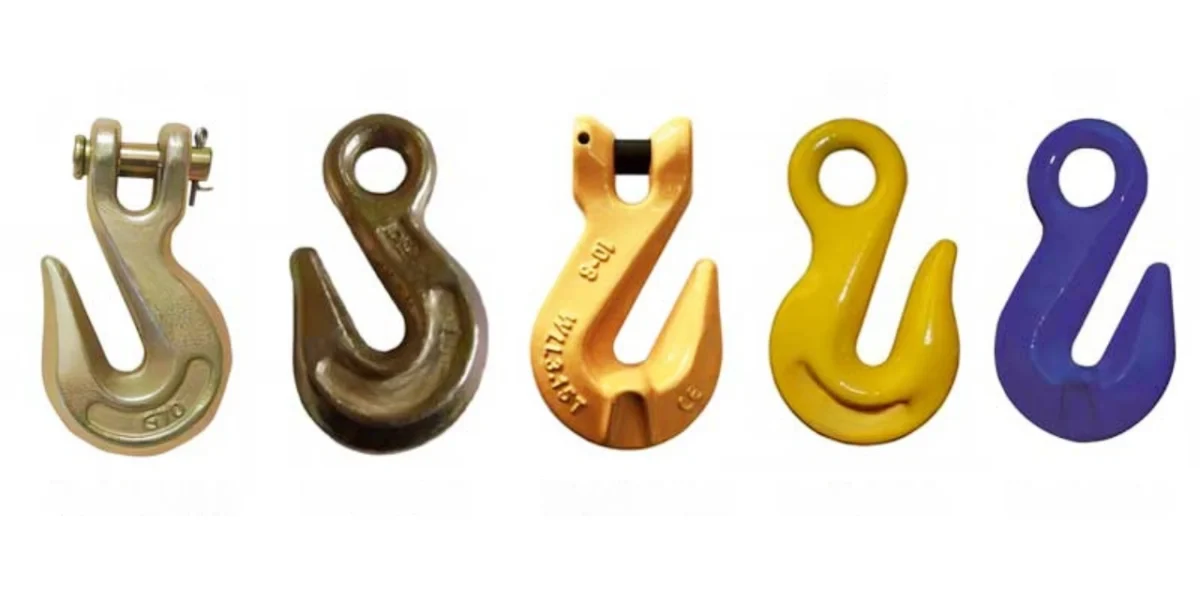
You can enhance your logging chain setup with a range of hooks and accessories from Powerful Machinery. Common options include:
Hook Type | Description |
|---|---|
1/2″ Clevis Grab Hooks | Lock onto a specific chain link, ideal for shortening chains or securing loads. |
1/2″ Clevis Slip Hooks | Features a wider throat, perfect for choker hitches that tighten under tension. |
Safety Latches | Help keep the chain secure, even if the line goes slack. |
You can also customize your order with choker hooks, loggergrab links, hammerlok coupling links, and more. These accessories ensure your logging chains work seamlessly with your equipment and job requirements.
Choosing and Using Logging Chains Safely
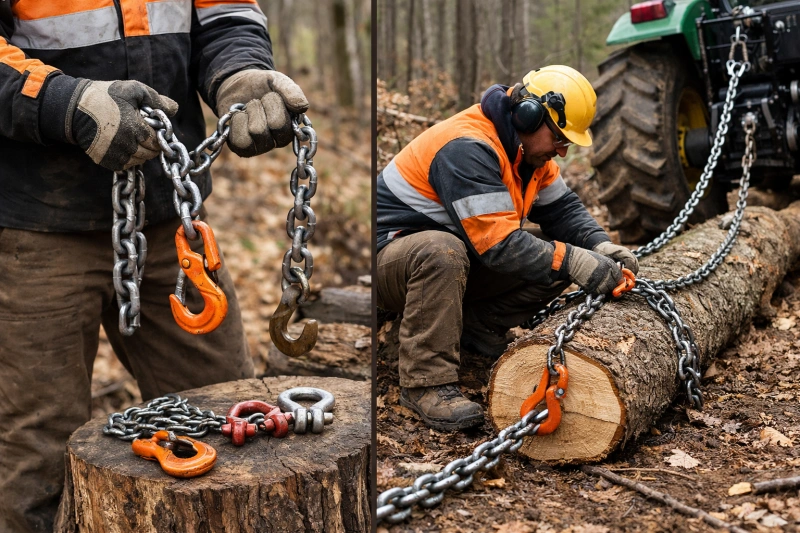
How to Drag a Log with a Chain?
You must follow a precise process when dragging logs with a logging choker chain. This method improves worker safety and ensures efficient logging operations. Use these steps:
Unravel the logging choker chain and inspect it for kinks, corrosion, or damage.
Wrap the chain securely around the log, making sure the hook fastens tightly with no gaps.
Attach the opposite end of the chain to your machinery, such as a tractor or pulley system.
Begin dragging the log, monitoring the chain and hooks for proper function.
After moving the log, unhook the chain from the machinery first, then from the log.
Inspect the chain and hooks again for damage before storing them.
Tip: Always check the chain’s certification codes and working load limits before use. This step helps you match the chain to your equipment and the weight of the logs.
Safety Tips for Use
You must prioritize safety every time you use a logging choker chain. Follow these guidelines:
Wear earplugs or earmuffs, goggles, chaps, steel-toed boots, a hard hat, and gloves.
Never cut alone. Keep children and pets away from the work area.
Stay alert and avoid operating equipment when tired or under the influence of alcohol or medication.
Keep the chain moderately tight and sharp.
Be careful when handling fuel.
Note: Choose the right chain grade and size for your application. Regularly inspect and maintain your chains to extend their lifespan.
Inspection and Maintenance
You must inspect logging chains regularly to maintain safety and performance. Establish a routine inspection schedule based on usage and manufacturer recommendations.
Trained inspectors should check for visible signs of wear, deformation, or corrosion. Use calipers or wear gauges for accurate measurements. Develop a maintenance plan to address issues promptly.
Follow these maintenance steps:
Inspect chains daily for debris and wear.
Clean and lubricate all components weekly.
Lubricate chains with light-grade oil monthly.
Conduct thorough inspections for elongation and wear quarterly.
Regulation/Standard | Description |
|---|---|
OSHA Regulations | Set safety standards for lifting and rigging, including inspection and maintenance protocols. |
ASME B30 Series | Provide guidelines for the safe operation and maintenance of lifting machinery. |
ISO 4309 | Address wire rope care, maintenance, and inspection procedures. |
Proper Storage of Logging Chains
You must store logging chains clean, dry, and organized. Keep chains off the ground to prevent rust and damage. Use racks or bins to separate chains and accessories. Powerful Machinery offers rust-resistant options that help you maintain chain longevity in wet or corrosive environments.
Callout: Proper storage reduces downtime and replacement costs. You protect your investment and ensure chains are ready for your next logging job.
Conclusion
You improve safety and efficiency when you understand how to select and use logging chains correctly. Always follow these best practices:
Use a properly sharpened and tensioned chain.
Watch for log movement that may pinch the chain.
Inspect chains for grade stamps and damage before each use.
Choosing high-quality logging chains from Powerful Machinery gives you reliable strength, consistent quality, and custom specifications for every job.
Feature | Description |
|---|---|
Reliable Strength | Handles demanding forestry and material handling work. |
Consistent Quality | Delivers uniform performance and immediate readiness. |
Custom Specifications | Matches your unique equipment and project needs. |
Explore Powerful Machinery’s full range of logging chains and accessories to support your next project.
FAQ
What is a logging chain used for?
You use a logging chain to pull, skid, choke, drag, or secure logs in forestry and timber handling. This tool helps you move heavy timber safely and efficiently during logging operations.
How do you choose the right logging chain size?
You select the chain size by considering log diameter, equipment compatibility, and working load requirements. Powerful Machinery offers sizes from 1/4 inch to 1/2 inch for various applications.
What accessories can you add to a logging chain?
You can add choker hooks, loggergrab links, hammerlok coupling links, log slides, and keyhole sliders. These accessories help you customize your chain for specific tasks and equipment.
How should you store logging chains?
You store logging chains clean, dry, and organized. Use racks or bins to keep chains off the ground. Rust-resistant options from Powerful Machinery help you maintain chain longevity.