Choosing between an electric hoist and vs manual hoist depends on your specific needs. You might need to lift heavy loads often, work in places without power, or keep labor costs low. Consider these factors:
You will find electric hoists ideal for high-frequency lifting and heavier loads.
Manual hoists work well for lighter tasks and remote locations.
Safety features tend to be more advanced in electric models.
For complex or high-risk jobs, consult experts. Powerful Machinery offers reliable solutions for any lifting challenge.
Key Takeaways
Electric hoists are ideal for heavy loads and frequent lifting, providing speed and efficiency.
Manual hoists are portable and cost-effective, perfect for light loads and locations without power.
Safety features in electric hoists, like overload protection, enhance workplace safety compared to manual hoists.
Consider your lifting needs, environment, and budget when choosing between electric and manual hoists.
Regular maintenance is crucial for both types of hoists to ensure safety and extend their lifespan.
Electric Hoist vs Manual Hoist Overview
Manual Hoists Explained
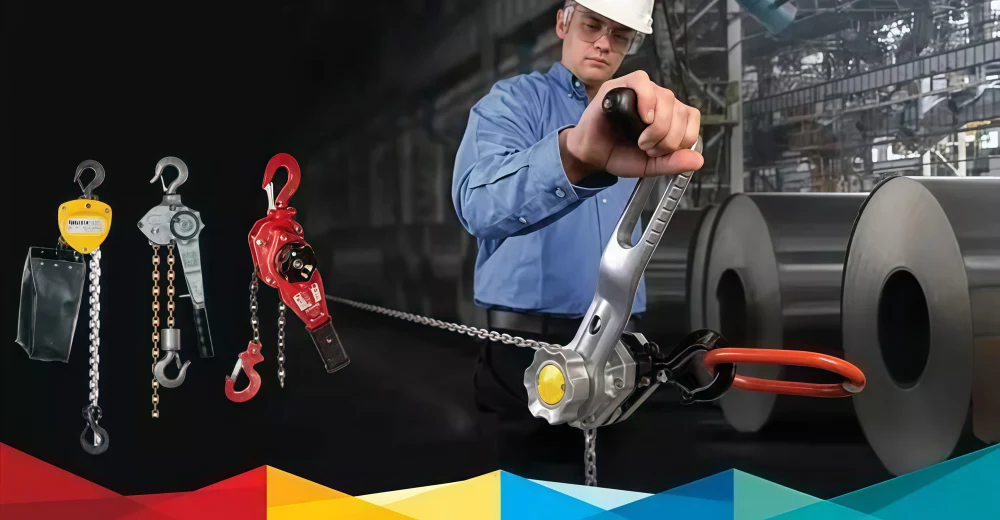
When you look at manual hoists, you see a simple and reliable lifting tool. You operate these hoists by hand, using a chain or lever to raise and lower loads. Manual hoists work well in places where you do not have access to electricity. You can use them in factories, construction sites, warehouses, and outdoor locations.
Powerful Machinery’s Manual Chain Hoist gives you a portable solution that fits many lifting needs. You can move it easily and set it up quickly. Manual hoists require physical effort, so you need some strength to operate them.
These hoists handle lighter loads and offer basic safety features. You get a cost-effective option for lifting tasks that do not happen often or do not require high speed.
Electric Hoists Explained
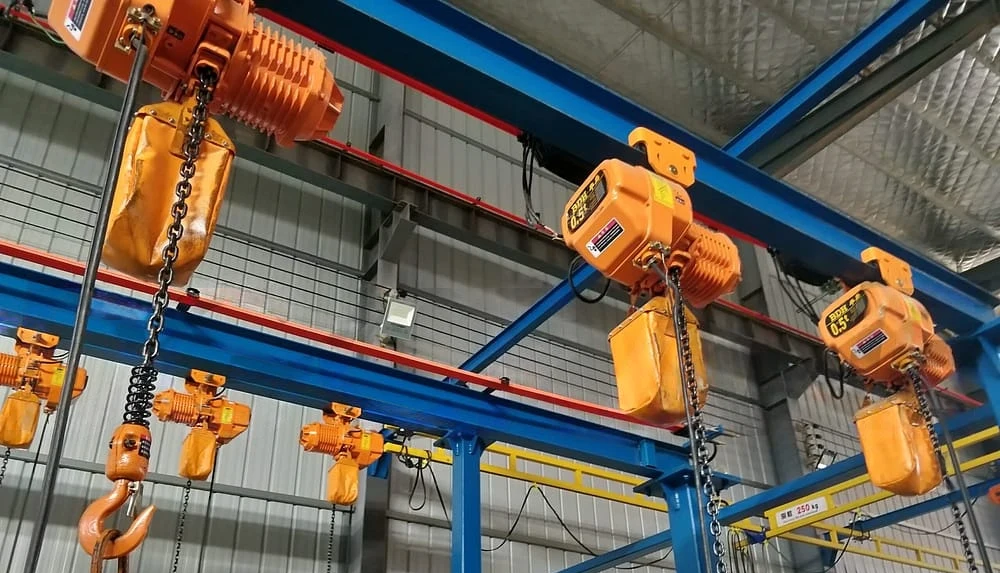
Electric hoists use an electric motor to lift and lower heavy objects. You control these hoists with a button or remote, making the process much easier. Electric hoists work best in places where you need to lift heavy loads often. You find them in industrial settings, busy warehouses, and large construction projects.
Powerful Machinery’s Electric Hoist helps you save time and reduce physical strain. You get advanced safety features, such as overload protection and emergency stop functions. Electric hoists lift faster and handle bigger loads than manual hoists. You can use them for precise lifting and positioning.
These hoists improve productivity and make your work safer.
Here is a quick comparison between an electric hoist and vs manual hoist:
Feature | Manual Hoist | Electric Hoist |
|---|---|---|
Operating Mechanism | Requires physical force to operate | Operated by an electric motor |
Ease of Use | Labor-intensive, requires strength | Simple operation, less physical strain |
Load Capacity | Limited to lighter loads | Can handle heavier loads |
Speed and Efficiency | Slower lifting speeds | Faster lifting enhances productivity |
Safety Features | Basic safety features are available | Advanced safety features |
You can see that electric hoist vs manual hoist options serve different needs. Manual hoists give you flexibility in remote areas, while electric hoists offer speed and power for demanding jobs. When you choose between hoists, think about your work environment, load size, and how often you need to lift.
Mechanism & Operation
Manual Hoist Mechanism
When you use manual hoists, you rely on your own strength to lift and lower loads. You pull a hand chain or move a lever, which turns gears inside the hoist. This gear system multiplies your effort, allowing you to raise heavy objects with less force.
The process feels straightforward, but it demands physical stamina, especially for larger loads. Manual hoists work best in places where you do not have access to electricity. You can use them in outdoor settings, remote construction sites, or small workshops.
The speed of operation depends on how quickly you pull the chain. You control every movement, so you set the pace. Manual hoists offer reliable performance, but you may notice that efficiency drops when you need to lift many loads in a short time.
You get basic safety features, such as a brake system that holds the load when you stop pulling. The simplicity of manual hoists makes them easy to maintain and transport.
Tip: Always check the hand chain and gears before using a manual hoist. Regular inspection helps maintain efficiency and safety.
Electric Hoist Mechanism
Electric hoists use a motor to lift and lower loads. You operate these hoists with a button or remote control. The motor drives the chain or wire rope, moving the load quickly and smoothly. You do not need to use physical force, which reduces fatigue and increases efficiency.
Electric hoists excel in busy environments, such as factories and warehouses, where you need to lift heavy items often. The speed of operation is much faster than manual hoists. You can lift and position loads with precision, thanks to advanced controls.
Electric hoists include safety features like overload protection and emergency stop functions. These features help prevent accidents and protect both you and the equipment. You benefit from consistent lifting speed and reliable performance, even during long shifts.
Here is a comparison of the main mechanical components:
Component | Manual Hoists | Electric Hoists |
|---|---|---|
Power Source | Human effort (hand chain or lever) | Electric motor |
Lifting Mechanism | Hand chain or lever | Motor-driven chain |
Key Components | Hand chain, gears, hook, manual control | Electric motor, gears, hook, control panel |
You can see that electric hoists offer greater speed and efficiency, while manual hoists provide a simple solution for places without power. Your choice depends on your lifting needs and the environment where you work.
Efficiency & Speed
Manual Hoist Performance
When you use manual hoists, you control the lifting process with your own hands. You pull the chain or move the lever to raise or lower the load. This method gives you full control, but it also means the speed depends on your effort. Manual hoists work best for occasional lifting tasks or when you need to move lighter loads.
If you have a small workshop or work in a place without electricity, these hoists offer a practical solution.
Manual hoists do not match the speed of electric hoists. You may notice that lifting heavy objects takes more time and energy. In busy environments, this slower pace can affect your overall efficiency.
However, manual hoists remain reliable for jobs that do not require fast or frequent lifting. You can count on them for simple, safe, and steady operation.
Tip: For the best efficiency, always check that the chain moves smoothly and the gears are well-lubricated before you start using your manual hoist.
Electric Hoist Performance
Electric hoists stand out for their speed and efficiency. You operate these hoists with a button or remote, so you do not need to use physical strength. In industrial settings, electric hoists lift loads much faster than manual hoists.
This speed makes them ideal for repetitive tasks and heavy-duty applications. You can move more items in less time, which boosts your productivity.
When you look at efficiency metrics, you see several key factors:
Duty rating and frequency of use: Electric hoists handle frequent lifting better than manual hoists.
Lifting speed: Electric hoists move loads quickly, which helps in fast-paced environments.
Safety features: Electric hoists include overload protection, emergency stop buttons, and automatic brakes.
Maintenance requirements: Both types of hoists need regular inspections and care, but electric hoists may require extra checks for electrical systems.
You will find that electric hoists improve workflow and reduce downtime. Their advanced features help you complete lifting tasks safely and efficiently. If you need to lift heavy loads often, electric hoists provide a clear advantage in both speed and efficiency.
Consistency & Ease of Use
Manual Hoist Consistency
When you use manual hoists, you control every movement. You pull the chain or move the lever to lift or lower the load. This gives you excellent tactile feedback and precision. You can stop at any point and adjust the position easily. Manual hoists work well for jobs that need careful handling or small adjustments.
You do not need electricity, so you can use these hoists anywhere. Portability is a major advantage. You can carry a manual hoist to remote locations or tight spaces.
However, consistency depends on your strength and stamina. If you lift heavy loads often, you may feel tired. Operator fatigue can affect how smoothly you use the hoist.
The lifting speed is slow and can change based on your effort. For repetitive tasks, you may notice a drop in efficiency. Manual hoists suit infrequent lifts, precision work, and places with no power supply.
Here is a table that shows key factors for manual hoists and electric hoists:
Factor | Manual Hoist | Electric Hoist |
|---|---|---|
Power Source | Human effort | Electricity |
Lifting Speed | Slow, variable | Fast, constant |
Duty Cycle | Low | High |
Portability | High | Limited |
Operator Fatigue | High | Very low |
Precision | Excellent | Good |
Tip: If you need to lift loads with high precision or in places without power, manual hoists give you reliable control.
Electric Hoist Consistency
Electric hoists offer a different experience. You press a button or use a remote to operate the hoist. The motor lifts and lowers the load at a steady speed. You do not need to use physical strength, so you avoid fatigue.
Electric hoists work best in busy environments where you lift heavy items often. You get consistent performance, even during long shifts.
These hoists have advanced features that improve ease of use. Limit switches prevent over-lifting. Overload protection devices keep you safe. Dual braking systems add another layer of safety.
Electric hoists have a high duty cycle, so you can use them for frequent lifts without worrying about overheating. Ergonomic design reduces the risk of injuries. You save time and boost efficiency with every lift.
You get minimal operator effort.
You reduce the risk of musculoskeletal injuries.
You achieve high speed and efficiency for repetitive tasks.
Electric hoists suit production lines, warehouses, and places where you need to lift heavy loads quickly and safely.
Note: Electric hoists help you maintain a steady workflow and reduce physical strain, making them ideal for high-demand environments.
Safety Features
Manual Hoist Safety
When you use manual hoists, you need to pay close attention to safety. These hoists rely on your skill and judgment for safe operation. You must inspect the hand chain, gears, and hooks before every lift. Manual hoists include basic safety features like mechanical brakes that hold the load when you stop pulling.
However, most manual hoists do not have advanced systems such as emergency stop buttons or limit switches. This means you must stay alert and follow proper lifting techniques at all times.
Powerful Machinery tests every manual hoist to meet strict international safety standards. You can trust that each hoist passes a breaking load test and a proof load test before it leaves the factory. The company’s products carry certifications recognized worldwide. Here is a quick look at some key certifications for hoists:
Certification | Region | Key Standards |
|---|---|---|
ASME | USA | ASME B30.16, ASME B30.21 |
EAC Mark | Russia, Belarus, Kazakhstan, Armenia, Kyrgyzstan | Eurasian Economic Union regulations |
ISO 9001 | Global | Quality management system certification |
DIN | Germany | National engineering standards |
BS | UK | British Standards, often harmonized with EN standards |
Always check the load rating and inspect your manual hoist before use. Good habits help prevent accidents and keep your worksite safe.
Electric Hoist Safety
Electric hoists offer advanced safety features that help protect you and your team. These hoists include emergency stop buttons, limit switches, and load sensors. You can stop the hoist instantly if something goes wrong. Limit switches prevent the load from moving too far up or down.
Load sensors help you avoid lifting more than the hoist’s rated capacity. These features provide extra layers of safety and control.
You will find that electric hoists reduce the risk of operator error. Automated systems handle much of the safety and control for you. Powerful Machinery’s electric hoists meet or exceed international safety standards, so you can trust their reliability.
The table below shows how safety features compare between electric hoists and manual hoists:
Feature | Electric Hoists | Manual Hoists |
|---|---|---|
Emergency Stop Button | Yes | No |
Limit Switches | Yes | No |
Load Sensors | Yes | No |
Operator Reliance | Minimal (automated safety features) | High (depends on the operator’s skill) |
Overall Safety Profile | More reliable due to integrated systems | Less reliable, higher risk of error |
When you choose a hoist, always consider safety and control as top priorities. Electric hoists give you more built-in protection, but you must still follow all safety considerations and use proper procedures.
Powerful Machinery’s commitment to rigorous testing and international certifications ensures that every hoist delivers dependable safety features for your lifting needs.
Cost Comparison
Manual Hoist Costs
When you look at manual hoists, you notice that the initial cost is usually lower than other types of hoists. You can often buy several manual hoists for the price of one electric hoist with a similar load capacity.
This makes manual hoists a smart choice if you have a tight budget or need multiple units for different locations. You pay less up front, which helps you manage your expenses.
However, you should also think about ongoing maintenance. Manual hoists need regular checks to make sure the chain and gears work smoothly. Over time, you may need to replace worn parts, such as chains or hooks. You also need to lubricate and inspect these hoists often.
These tasks add to your long-term cost, especially if you use the hoist frequently. Even though manual hoists have a lower starting price, the maintenance can add up if you rely on them for daily work.
Tip: Regular inspection and lubrication help extend the life of your manual hoist and keep your costs predictable.
Electric Hoist Costs
Electric hoists usually have a higher initial cost compared to manual hoists. You pay more up front because of the motor, electrical components, and advanced safety features. This investment makes sense if you need to lift heavy loads often or want to improve efficiency in your workplace.
When you consider long-term costs, electric hoists offer some advantages. These hoists require less frequent maintenance than manual hoists. You do need to check the electrical systems and controls, but you will likely spend less time on routine upkeep.
Repairs can be more expensive because of the complex parts, but electric hoists generally need fewer repairs over their lifespan. This means your total cost may balance out over time, especially if you use the hoist for high-volume lifting.
Manual hoists: lower initial cost, higher ongoing maintenance.
Electric hoists: higher initial cost, lower long-term maintenance.
Choosing the right hoist depends on your budget, how often you lift, and your need for efficiency. Think about both the purchase price and the long-term cost before you decide.
Noise & Environment
Manual Hoist Noise
You will notice that manual hoists operate quietly. When you use a manual hoist, you hear only the sound of the chain moving and the gears turning. There is no motor noise. This makes manual hoists a good choice for places where you need to keep noise levels low, such as schools, hospitals, or small workshops.
You can work without disturbing others nearby. If you need to lift loads in a quiet environment, manual hoists offer a clear advantage.
Manual hoists also suit outdoor settings. You do not need electricity, so you can use them in remote areas or on construction sites. The simple design means fewer moving parts, which helps reduce noise and vibration. You can rely on manual hoists for lifting tasks where silence and portability matter.
Tip: If you want to minimize workplace noise, choose manual hoists for light to medium lifting jobs.
Electric Hoist Noise
Electric hoists produce more noise than manual hoists. When you operate an electric hoist, you hear the motor running and the chain or wire rope moving. The noise level depends on the model and the environment.
Some electric hoists run quietly, especially those designed for indoor use. Others may be louder, especially in heavy-duty applications.
You should consider the environment before choosing electric hoists. In factories or warehouses, a little extra noise may not matter. In places where silence is important, look for electric hoists with low-noise motors.
Many modern electric hoists include sound-dampening features to reduce noise. You can find models that balance power and quiet operation.
Environmental factors play a big role in your decision. Temperature, humidity, and exposure to corrosive elements affect both manual hoists and electric hoists. High humidity can cause rust, while extreme temperatures may lead to motor overheating in electric hoists.
If you plan to use hoists outdoors, choose models with weatherproofing and corrosion resistance. Indoor hoists often focus on precision and low noise, while outdoor hoists need durability and protection against the elements.
Here is a quick comparison:
Feature | Manual Hoists | Electric Hoists |
|---|---|---|
Noise Level | Very low | Moderate to high |
Best Use | Quiet environments | Industrial settings |
Environmental Fit | Indoor/outdoor | Indoor/outdoor |
You can match the right hoist to your environment by thinking about noise, durability, and the physical conditions where you work.
Versatility & Applications
Manual Hoists in Action
You can use manual hoists in many different industries because of their portability and simple design. These hoists work well when you need to lift loads in places without electricity. For example, on construction sites, you can move a manual hoist to different floors and lift bricks or lumber exactly where you need them.
This saves time and increases efficiency. In mines, manual hoists help with low-frequency lifting tasks. You also find them useful in field maintenance, where tight spaces make larger equipment hard to use.
Manual hoists are lightweight and compact. You can carry them easily from one location to another. This makes them perfect for warehouses, workshops, and even shipbuilding yards. In the food and beverage industry, you might use manual hoists in safety-priority zones where manual control is important.
Here is a table showing where you often see manual hoists and why they fit those environments:
Industry | Reason for Use |
|---|---|
Construction sites | Remote or power-free environments |
Mines | Suitable for low-frequency lifting |
Field maintenance | Ideal for tight spaces and portability |
Warehousing and distribution | High portability and ease of movement |
Automotive | Versatile for various lifting tasks |
Food and beverage | Safety-priority zones with manual control |
Ship building | Effective in environments without electricity |
General manufacturing | Lightweight design for confined areas |
You can see that manual hoists offer great versatility and application across many sectors.
Electric Hoists in Action
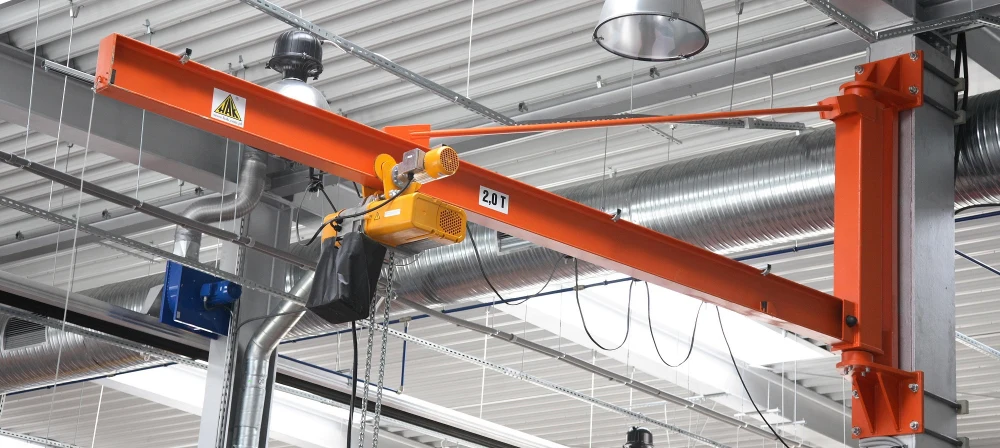
Electric hoists give you more power and speed for heavy-duty lifting. You often use these hoists in manufacturing and assembly lines to lift raw materials or move heavy products. In warehouses and logistics centers, electric hoists help you stack cargo, load pallets, and move items safely in tight spaces.
Construction and infrastructure projects rely on electric hoists to lift steel beams and concrete blocks to higher levels.
You also find electric hoists in mining and heavy industries. Here, you use them to shift large ore containers or machine parts. In energy and power plants, electric hoists help you lift generators and turbines for maintenance. These hoists provide precise control, which is important for delicate or complex tasks.
Here is a table showing common applications for electric hoists:
Sector | Application Description |
|---|---|
Manufacturing & Assembly | Lifting raw materials, moving semi-finished products, and positioning heavy assemblies for inspection |
Warehousing & Logistics | Stacking cargo, loading pallets, and maneuvering heavy items in tight spaces |
Construction & Infrastructure | Hoisting materials like steel beams and concrete blocks to elevated platforms |
Mining & Heavy Industries | Shifting large ore containers and machine parts, ensuring safe load handling |
Energy & Power Plants | Lifting generators and turbines for maintenance and upgrades |
Powerful Machinery designs both manual hoists and electric hoists to meet the needs of these industries. You can choose the hoist that matches your environment and lifting requirements.
When you think about applications best suited for each type, consider the power source, load size, and how often you need to lift. This approach helps you get the most out of the versatility and application of each hoist.
Maintenance & Durability
Manual Hoist Maintenance
You will find that manual hoists need regular care to stay safe and reliable. Before each use, inspect the chain, gears, and hooks for signs of wear or damage. Lubricate moving parts to keep the hoist working smoothly.
Clean the hoist after use, especially if you work in dusty or dirty environments. Replace worn chains and hooks right away to prevent accidents. Store manual hoists in a dry place to avoid rust.
Manual hoists have a simple design, so you can perform most maintenance tasks yourself. You do not need special tools for basic checks. If you use the hoist often, schedule deeper inspections every few months. This helps you catch problems early and extend the lifespan of your equipment.
Manual hoists are designed for about 10 years of serviceable life, with an average of 1.6 million cycles. Regular maintenance helps you reach this goal.
Inspect chains and gears before each use
Lubricate moving parts often
Replace worn components quickly
Store in a dry area for better durability
Electric Hoist Maintenance
Electric hoists require a different approach to maintenance. You should check the motor, control panel, and wiring for any issues. Clean the hoist and keep dust away from electrical parts. Test the emergency stop and overload protection features to make sure they work.
Lubricate the chain or wire rope as needed. Schedule professional inspections for the motor and electrical systems at least once a year.
Electric hoists offer advanced safety features, but you must keep them in good condition. If you notice strange noises or slow lifting, stop using the hoist and inspect it.
Electric hoists are built for about 10 years of serviceable life, with an average of 2 million cycles. Proper maintenance helps you get the most out of your investment and improves durability.
Hoist Type | Average Lifespan | Designed Cycles |
|---|---|---|
Electric Hoists | ~10 years | ~2 million cycles |
Manual Hoists | ~10 years | ~1.6 million cycles |
You can see that both types of hoists offer long service lives if you maintain them well. Regular care increases durability and keeps your lifting operations safe.
Power Supply Needs
Manual Hoist Power
You do not need electricity to operate manual hoists. You use your own strength to pull the chain or move the lever. This makes manual hoists perfect for remote locations or places where power is unreliable. You can rely on these hoists during construction projects in off-grid areas, such as building small hydroelectric stations.
The mechanical braking system uses a ratchet and clutch mechanism. This design keeps the load secure, even if you let go of the handle. You get controlled lowering and safe lifting every time.
Manual hoists work well in outdoor settings, mines, and temporary job sites. You do not have to worry about power outages or electrical failures. The ability to operate without electricity means you can keep working, no matter where you are. You can trust manual hoists for safe and effective lifting in challenging environments.
Tip: Always check the mechanical brake before using your manual hoist. This helps you avoid accidents and keeps your lifting tasks safe.
Electric Hoist Power
Electric hoists require a reliable power supply to function. You need to match the hoist to the voltage available at your site. Most electric hoists run on one of the following voltages:
Voltage | Description |
|---|---|
110V | Common for smaller applications |
220V | Standard for residential use |
240V | Used in light commercial settings |
380V | Preferred in industrial environments |
You also need to know if your power supply is single-phase or three-phase. Single-phase electric hoists suit smaller jobs or residential areas. Three-phase electric hoists work best for heavy-duty lifting in factories and warehouses.
Single Phase: Good for small or residential tasks (220V).
Three Phase: Ideal for large industrial jobs (380V).
Before you choose an electric hoist, follow these steps:
Check the power supply at your location.
Determine if it is single-phase or three-phase.
Select the hoist that matches your power type.
Electric hoists give you fast and efficient lifting, but you must ensure the right power connection. You get advanced features and a higher lifting capacity when you use the correct setup.
Note: Always verify your power supply before installing electric hoists. This prevents damage and ensures safe operation.
Load Capacity
Manual Hoist Limits
When you choose manual hoists, you need to know their load capacity. Most manual hoists handle lighter to medium loads. You often see these hoists with a capacity range from 0.5 tons up to 20 tons.
The SK Series from Powerful Machinery, for example, offers several models within this range. You can use manual hoists for many tasks, but you should always check the rated load capacity before lifting.
Manual hoists work best for jobs that do not require frequent heavy lifting. You control the hoist by hand, so your strength and stamina play a role. If you try to lift more than the rated capacity, you risk damaging the hoist or causing an accident. Always follow the manufacturer’s guidelines for safe operation.
Tip: Always inspect your manual hoist before use. Never exceed the recommended load capacity.
Manual Hoist Model | Minimum Capacity | Maximum Capacity |
|---|---|---|
SK Series | 0.5 tons | 20 tons |
Electric Hoist Limits
Electric hoists give you more power and higher load capacities. You can find electric hoists with a capacity from 0.5 tons up to 20 tons or more. These hoists use a motor, so you do not need to rely on physical strength.
You can lift heavy loads quickly and safely. Electric hoists suit industrial settings, warehouses, and construction sites where you need to move large items often.
You should always check the load capacity of your electric hoist before starting a job. Overloading can damage the equipment and create safety risks. Many electric hoists include overload protection features to help prevent accidents. You get consistent performance and can handle demanding lifting tasks with confidence.
Electric Hoist Model | Minimum Capacity | Maximum Capacity |
|---|---|---|
Standard Models | 0.5 tons | 20+ tons |
Note: Electric hoists are ideal when you need to lift heavy loads often and want to maximize efficiency.
You can see that both types of hoists offer a range of load capacities. Your choice depends on the weight of your typical loads and how often you need to lift them.
Portability
Manual Hoist Portability
You will notice that manual hoists stand out for their portability. These hoists do not need electricity, so you can use them almost anywhere. You can carry a manual hoist to different job sites with ease.
The compact size and lighter weight make them ideal for small workspaces or outdoor projects. You do not need special equipment to move them. Many workers choose manual hoists for tasks that require frequent relocation.
Manual hoists operate by hand, so you do not need a power source.
The simple design makes them easy to transport and store.
You can use manual hoists for lighter lifting jobs or in places where electricity is not available.
The compact build fits well in tight spaces or on crowded job sites.
If you work in construction, maintenance, or remote areas, you will appreciate how quickly you can set up and move a manual hoist. You save time and effort when you need to change locations often.
Electric Hoist Portability
Electric hoists offer a different level of portability. Some models, like mini electric hoists, are designed to be more portable. You can use these in factories, warehouses, construction sites, and shipyards.
These hoists need an electrical outlet, so you must check for power access before use. Larger electric hoists are heavier and less portable, but they provide more lifting power.
Model | Portability | Typical Use Cases |
|---|---|---|
Mini Electric Hoist | High | Factories, warehouses, construction sites, shipyards |
Electric Chain Hoist | Moderate | Various lifting tasks, requiring only an electrical outlet |
You can move mini electric hoists between locations if you have the right setup. Electric chain hoists offer moderate portability and work well for jobs that stay in one place for longer periods. When you need to lift heavier loads and have access to power, electric hoists give you the strength and speed you need.
Tip: Always check the weight and installation requirements before moving any hoist. This helps you avoid injuries and keeps your work safe.
Choosing the Right Hoist
Key Selection Factors
When choosing the right hoist for your job, you need to match the equipment to your operational needs. Start by looking at the type of loads you plan to lift. If you often handle heavy items, electric hoists give you the power and speed you need.
For lighter or occasional lifting, manual hoists offer a simple and cost-effective solution.
Consider these important factors before making your decision:
Load requirements: Check the weight of your heaviest load and choose a hoist with enough capacity.
Frequency of use: If you lift items many times each day, electric hoists save time and reduce fatigue. Manual hoists work well for less frequent tasks.
Working environment: Think about where you will use the hoist. Manual hoists fit remote or outdoor sites without power. Electric hoists suit busy warehouses or factories with reliable electricity.
Budget constraints: Manual hoists usually cost less up front. Electric hoists may cost more but can save money over time with higher efficiency.
Maintenance: Manual hoists have simple designs and need basic care. Electric hoists require more technical maintenance but last longer with proper service.
Powerful Machinery offers a wide range of hoists to fit every application. You can find both manual hoists and electric hoists designed for safety, durability, and performance.
Expert Guidance
You can make a better choice by talking to hoisting equipment experts. Experts help you avoid safety hazards and make sure your hoist meets all safety standards. They can give you advice that matches your project’s unique needs. This guidance helps you pick the right hoist and avoid costly mistakes.
When you work with Powerful Machinery, you get support from a team with years of experience. Their experts help you select the best hoist for your job, whether you need manual hoists for remote sites or electric hoists for high-volume lifting. Proper selection keeps your operation efficient and safe.
Tip: Always consult with experts when choosing the right hoist for complex or high-risk lifting jobs. This step protects your team and your investment.
Conclusion
You see clear differences between electric and manual hoists. Electric hoists boost efficiency and safety, making them ideal for frequent, heavy lifting. Manual hoists work best for light loads, remote locations, and jobs needing portability.
Electric Hoists | Manual Hoists |
|---|---|
Fast, safe, versatile | Portable, affordable, precise |
Always match your hoist to your workload and environment. Powerful Machinery’s certified products give you reliable options. For complex or high-risk lifts, consult experts to ensure safety and long-term performance.
FAQ
What is the main difference between a manual hoist and an electric hoist?
You operate a manual hoist by hand. An electric hoist uses a motor. Manual hoists suit light, occasional lifting. Electric hoists work best for heavy, frequent lifting tasks.
How do I choose the right hoist for my job?
You should check your load weight, lifting frequency, and work environment. Manual hoists fit remote or low-use jobs. Electric hoists suit busy sites with heavy loads.
Are electric hoists safer than manual hoists?
Electric hoists include advanced safety features like overload protection and emergency stops. Manual hoists rely on your careful operation. Both types meet strict safety standards from Powerful Machinery.
Can I use a manual hoist outdoors?
Yes, you can use manual hoists outdoors. You do not need electricity. Always check for secure anchor points and inspect your hoist before use.
How often should I maintain my hoist?
You should inspect your hoist before each use. Clean and lubricate moving parts regularly. Schedule a full inspection every few months for both manual and electric hoists.