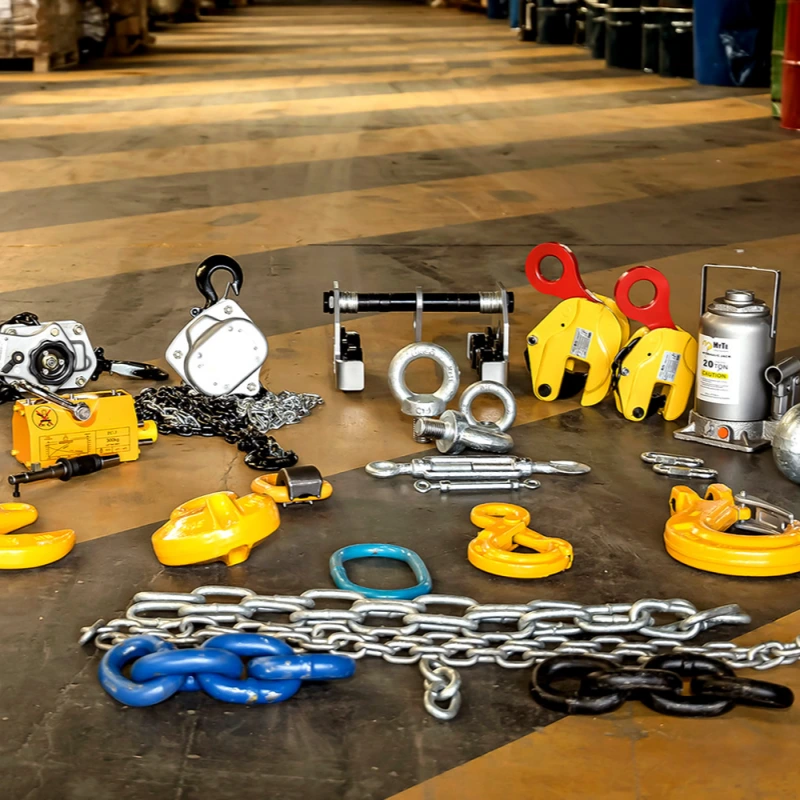
You want to keep your lifting operations safe and efficient. Regular hoist inspection and maintenance play a critical role in protecting your team, meeting industry standards, and extending the life of your equipment.
Industry data shows that routine checks can reduce mechanical failure rates by 30%-40% and increase equipment lifespan by 20%. Powerful Machinery stands behind every product with a strong focus on quality and reliability. Ongoing diligence and proper training help you achieve lasting performance and safety.
Key Takeaways
Conduct daily inspections before each use to identify visible damage and ensure safety.
Follow a rigorous maintenance schedule to extend equipment life and improve operational efficiency.
Document all inspections, repairs, and maintenance activities to maintain compliance with safety standards.
Invest in proper training for operators to enhance workplace safety and reduce risks.
Use manufacturer-recommended lubricants and parts to ensure reliable hoist performance.
Why Chain Hoist Inspection and Maintenance Matter?
Safety and Risk Prevention
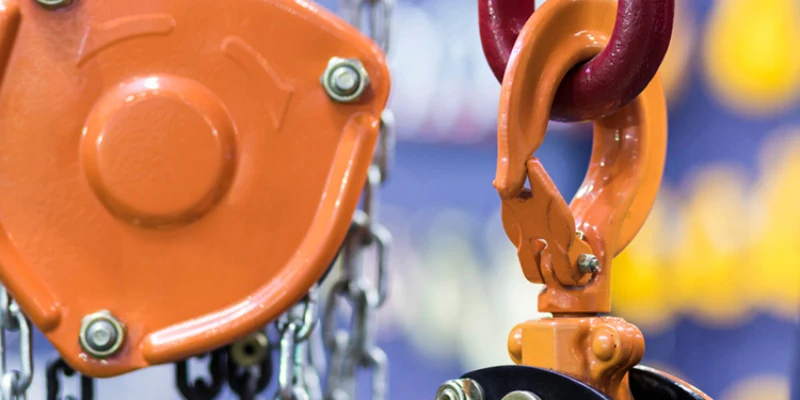
You protect your team and workplace by prioritizing hoist inspections. Daily and periodic inspections help you spot hidden damage before it leads to accidents. Neglecting regular checks can cause undetected wear, overloading, and improper rigging.
These risks increase the chance of equipment failure and workplace injuries.
Undetected wear and damage can compromise safety.
Overloading the hoist may occur if you skip inspections.
Improper rigging techniques often result from missed checks.
Routine testing identifies hazards before they become accidents.
If you find damage, tag the hoist and remove it from service until repairs are complete.
According to OSHA, cranes and hoists contribute to many workplace incidents each year. An average of 44 workers died annually in crane-related accidents from 2011 to 2020. Equipment failure and lack of training often play a role. Thousands of injuries highlight the need for strict safety standards and regular hoist inspections.
A material hoist collapsed, killing a 37-year-old man. OSHA found that the hoist was not inspected and workers lacked training. This tragedy shows why you must follow safety standards and conduct periodic inspections.
Equipment Longevity and Efficiency
You extend the life of your equipment and improve efficiency by maintaining a rigorous schedule of hoist inspections. Proper lubrication and assessment of load-bearing components reduce downtime and prevent costly repairs.
Here is how regular maintenance benefits your operation:
Key Focus Areas | Benefits of Regular Maintenance |
|---|---|
Rigorous inspection schedules | Prevents equipment failure and costly downtime |
Proper lubrication | Extends equipment longevity and operational efficiency |
Integrity of braking systems | Enhances safety and reduces the risk of catastrophic failure |
Assessment of load-bearing components | Mitigates risks of workplace injuries and legal issues |
Periodic inspections help you identify issues early. Maintenance is more cost-effective than repairs after breakdowns. You protect workers and avoid legal actions by following safety standards and keeping equipment in top condition.
Compliance with Industry Standards
You must comply with safety standards and legal requirements when performing hoist inspections. Regulations exist to protect workers and ensure safe lifting operations.
Chain hoist inspections must meet specific safety standards.
Legal requirements demand periodic inspections and proper documentation.
Non-compliance can lead to fines, legal action, and damage to your reputation.
You safeguard your business and workforce by following industry safety standards.
Periodic inspections and adherence to safety standards keep your operations compliant. You avoid serious consequences and demonstrate your commitment to safety.
Types of Chain Hoist Inspections
Pre-Operational Safety Inspection
You start every shift with a pre-operational safety inspection to ensure your chain hoist operates safely. This inspection helps you catch issues before lifting begins. Follow these steps for a thorough check:
Clear the area under the hoist and make sure no one is in the path.
Confirm there is no load on the hoist.
Prepare to stop the hoist by releasing the controller.
Run the hoist up without a load and listen for strange noises.
Check if the limit switch stops the hoist before the hook block reaches the hoist.
Remove the hoist from service if the limit switch fails.
Lower the hook and test the lower limit switch, listening for unusual sounds.
Inspect the chain for defects, such as inner link wear, bent or broken links, and proper lubrication.
Tip: You prevent accidents and equipment damage by performing this inspection before each use.
Frequent and Periodic Hoist Inspections
You maintain safety and reliability by conducting frequent inspections and periodic checks. Frequent inspections happen at the start of every shift and focus on visible issues. Periodic inspections are more detailed inspections that may require disassembly and documentation.
Industry authorities like OSHA and ASME set guidelines for inspection frequency.
Type of Inspection | Description | Frequency |
|---|---|---|
Frequent Inspections | Pre-operational inspections at the start of every shift. No records needed. | At the start of every shift |
Periodic Inspections | Thorough inspections, sometimes requiring disassembly and documentation. | Annual, semi-annual, or quarterly |
You follow these intervals based on service severity, activity, and manufacturer recommendations. OSHA requires periodic inspections for top-running bridge and gantry cranes at least once a year. ASME standards also mandate periodic inspections for cranes under their guidelines.
Professional Servicing
You rely on professional servicing for complex repairs and maintenance. Certified chain hoist technicians have formal training and certification. Organizations like CMAA and CMCO offer training programs. Technicians must have at least 2,000 hours of relevant work experience.
Training covers basic electricity, mechanical principles, and rigging. You ensure your equipment meets industry standards by choosing qualified professionals for servicing.
Note: Professional servicing guarantees your chain hoist remains safe, reliable, and compliant with regulations.
Proper Hoist Chain Inspection with Powerful Machinery
Chain Inspection Checklist
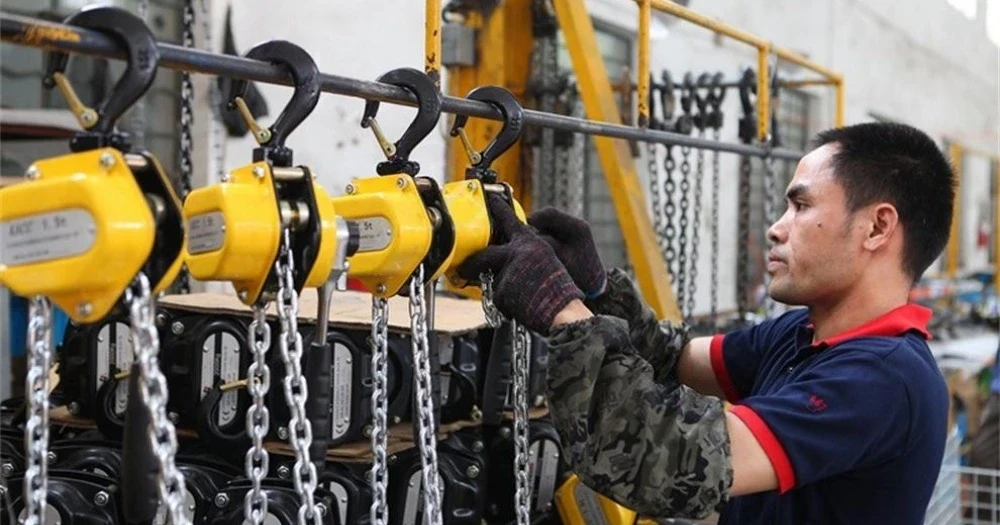
You need a systematic approach for proper hoist chain inspection to keep your lifting operations safe and compliant. Start by reviewing all safety features and confirming that each component meets international standards. Use a checklist to guide your process:
Inspection Type | Criteria |
|---|---|
Load Chain Inspection | Inspect for elongation, nicks, gouges, corrosion, and twists. |
Hooks Inspection | Check for cracks, deformation, and proper latch operation. |
Hoist Body Inspection | Examine for structural integrity and signs of damage. |
Fasteners & Sprockets | Look for wear, looseness, or missing parts. |
Brake System Testing | Test for reliable load holding and absence of contamination. |
Limit Devices Verification | Verify correct operation to prevent over-travel. |
You should also check the name plate for security and visibility. Inspect hooks and latches for cracks or malfunctions. Examine load and hand chains for twists and proper lubrication. Record any defects and actions taken to ensure compliance.
Hook and Control Checks
You must pay close attention to hooks and controls during chain hoist inspection. Remove any hook from service if you find damage. Check for missing or illegible manufacturer identification. Look for excessive pitting, corrosion, or any cracks. Measure wear and ensure it does not exceed 10% of the original dimensions.
Confirm that the throat opening distortion does not go beyond 5%. Self-locking hooks must lock properly, and latches should operate smoothly. Always document issues and confirm that all accessories are fit for use.
Tip: Consistent hook and control checks help you prevent accidents and maintain equipment reliability.
Markings and Labels
You ensure safety and traceability by verifying all markings and labels during proper hoist chain inspection. Markings give each hoist a unique identity, which is essential for tracking inspection history.
Accurate labels help you comply with safety standards and avoid confusion about equipment status. Always confirm that load ratings, manufacturer details, and inspection tags are present and legible.
Note: Clear markings and labels support compliance and make your chain hoist inspection process more effective.
Chain Hoist Inspection and Maintenance Procedures
Cleaning and Lubrication
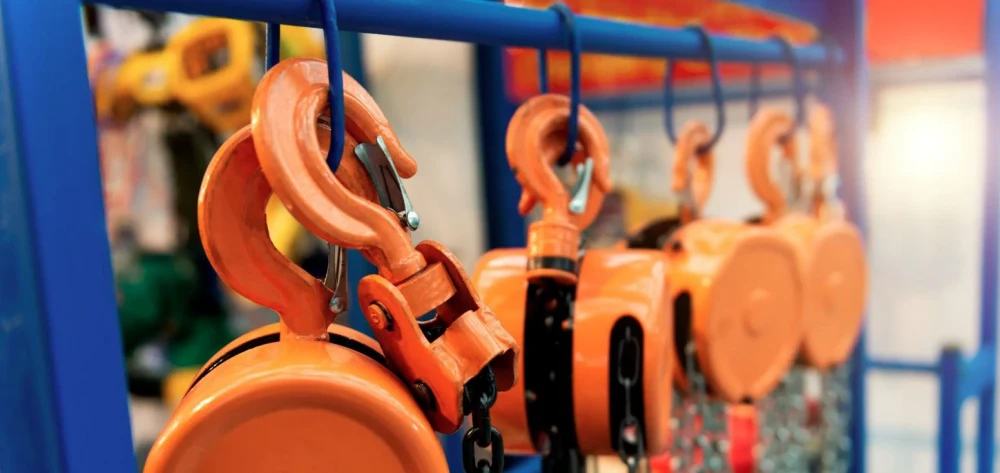
You maintain the performance and safety of your lifting equipment by following strict cleaning and lubrication routines. Begin each day with a visual inspection. Remove dust, dirt, and debris from the hoist body and chain. Use a soft brush or cloth to clean the load chain after every use.
Wash the hoist occasionally with mild soap and water to prevent corrosion. Dry all components thoroughly before storage.
Lubricate the load chain regularly to reduce friction and prevent wear. Apply manufacturer-recommended lubricants to the chain and gears. Check for signs of rust or damage during lubrication.
For electric chain hoists, inspect electrical components and ensure connections remain tight. Test the electrical system for proper function. Clean pendant controls and keep limit switches free from debris.
Tip: Consistent cleaning and lubrication help you extend equipment life and reduce the risk of breakdowns.
You improve maintenance practices by scheduling comprehensive inspections with qualified technicians. These steps ensure your hoist inspection and maintenance routine meets industry standards.
Inspect the hoist for visible signs of wear or damage before each use.
Lubricate the load chain and gears regularly.
Clean the hoist body and controls after every operation.
Test electrical systems and connections for electric models.
Schedule professional servicing annually.
Part Replacement and Repairs
You protect your team and equipment by replacing worn or damaged parts promptly. Recognize the signs that indicate the need for repairs. Overheating or burning smells suggest mechanical or electrical issues. A decline in load capacity points to stretched chains or worn hooks.
Inconsistent braking performance signals wear in brake components. Electrical malfunctions or control issues require immediate attention.
Sign of Issue | Explanation |
|---|---|
Overheating or Burning Smells | Mechanical or electrical issues, possibly due to an overworked motor or faulty wiring. |
Decline in Load Capacity | Mechanical issues like stretched chains or worn hooks affecting lifting capability. |
Inconsistent Braking Performance | Wear in brake components, leading to delayed response or slipping loads. |
Electrical Malfunctions or Control Issues | Unresponsive controls or erratic operation indicate potential electrical faults needing attention. |
Replace parts only with manufacturer-recommended components. Follow Powerful Machinery’s guidelines for part compatibility and installation. Remove the hoist from service if you detect any critical faults. Document all repairs and replacements to maintain compliance with regulatory standards.
Note: Using genuine parts and following regulatory standards ensures your lifting equipment remains safe and reliable.
Load and Functional Testing
You verify the safety and performance of your chain hoist through regular load and functional testing. Start with a visual inspection of the sheave grooves, rope, hook, and control cable. Check for damage or distortion. Conduct functional tests before turning on the power. Ensure all buttons and emergency stops work correctly.
Activate all crane motions and test the brakes and limit switches. Raise the load a few inches to test the holding brake. Report any deficiencies immediately. For new or modified hoists, perform load tests at 100% to 125% of the rated load, as required by OSHA and ASME standards.
Schedule load tests at least every four years for ongoing compliance.
Examine all visible components for damage.
Test operational controls and emergency stops.
Activate crane motions and check brakes.
Raise a load to test the holding brake.
Report and address any issues found.
Alert: Load and functional testing are essential for safe operation and regulatory compliance.
Documentation and Record Keeping
You maintain accurate records to support your hoist inspection and maintenance program. Record every inspection, cleaning, lubrication, repair, and test. Use a logbook or digital system to track activities. Include the date, type of inspection, findings, actions taken, and technician’s name.
Inspection Type | Frequency |
|---|---|
Pre-operational | Daily or at the start of each shift |
Frequent | Monthly (normal use), Weekly (heavy use), Daily (severe use) |
Periodic | Yearly (normal service), Semi-annually (heavy service), Quarterly (severe service) |
You demonstrate compliance with industry standards by keeping detailed records. Accurate documentation helps you identify trends, schedule preventive maintenance, and provide proof during audits.
Tip: Thorough record keeping supports safety, compliance, and equipment longevity.
You strengthen your maintenance practices by training operators and following manufacturer guidelines. Consistent hoist inspection and maintenance routines protect your investment and ensure safe lifting operations.
Chain Hoist Maintenance
Manual Chain Hoist Maintenance
You keep your manual chain hoist in top condition by following a consistent maintenance routine. Start each day with a visual check for wear or damage on the chain, hooks, and body. Clean the load chain with a soft brush to remove dust and debris. Lubricate the chain regularly to prevent rust and ensure smooth operation.
Inspect the brake system for proper function and listen for unusual noises during use. Tighten any loose bolts or fasteners. Replace worn or damaged parts with manufacturer-approved components. By following these steps, you reduce the risk of breakdowns and extend the service life of your equipment.
Electric Chain Hoist Maintenance
You face unique challenges with electric chain hoist maintenance. Common issues include the hoist not operating, motor overheating, and unusual noises. When the hoist does not operate, check the power source and control connections. If the motor overheats, verify that you are not overloading the hoist and inspect the ventilation.
Address unusual noises by lubricating the chain and checking for wear. Inspect the load chain for damage if you notice jamming, and adjust brake settings as needed. Always check the braking system and ensure proper lubrication to prevent load drift. Regularly inspect wiring and control panels to detect electrical failures early.
Well-trained operators can identify and address these issues quickly.
General Chain Hoist Maintenance Tips
You improve safety and reliability by following a few essential chain hoist maintenance tips:
Conduct daily checks for visible signs of wear or damage.
Follow the manufacturer’s maintenance schedule for optimal performance.
Lubricate moving parts to eliminate friction and prevent rust.
Tighten and replace loose or worn components.
Implement a daily inspection routine to catch problems early.
Tip: Regular chain hoist maintenance helps you avoid costly repairs and keeps your lifting operations safe and efficient.
A strong maintenance routine ensures your chain hoist remains reliable and compliant with industry standards.
Operator Training and Certification
Training Requirements
You must complete a comprehensive training program before operating any chain hoist. Regulatory agencies set strict standards to ensure safety and compliance. Training covers both classroom instruction and hands-on practice. You learn how to perform pre-operation safety checks, inspect equipment, and conduct load testing.
You also study fall protection and safety precautions. Training programs teach you how to use hand signals and pass practical and written examinations. You must maintain current certification and follow operational rules at all times.
Regulatory Agency | Training Requirements |
|---|---|
OSHA | Mandatory operator training and certification, including both classroom and hands-on assessment. Pre-operation safety checks, equipment inspections, and load testing at required intervals. Strict adherence to fall protection requirements. |
ASME | Training must be tailored to the specific equipment. Programs should cover hand signals, practical operation examination, and passing a written or oral examination. |
CSA | Complete approved training (often a 21-hour course), maintain current certification, demonstrate ability to inspect and operate safely, and follow operational rules. |
Tip: You improve workplace safety and reduce risks by investing in proper training and certification for every operator.
Operator Responsibilities
You take on important responsibilities as a certified chain hoist operator. You must operate hoists safely and transport materials with care. You need a strong understanding of mechanical systems and must follow safety guidelines at all times.
You perform regular safety checks to confirm equipment is functioning properly. You manage load dynamics and position heavy loads accurately. You also handle routine machine maintenance and troubleshoot issues as they arise.
Responsibility | Description |
|---|---|
Operating hoists | Responsible for lifting and transporting materials and equipment on construction sites. |
Understanding mechanical systems | Requires a keen understanding of how hoists and related machinery function. |
Commitment to safety protocols | Must adhere to strict safety guidelines to ensure the safety of all personnel on site. |
Performing safety checks | Regularly checks equipment to ensure it is functioning properly and safely. |
Load dynamics knowledge | Needs to understand how to manage and position heavy loads accurately. |
Machine maintenance | Involves routine maintenance and troubleshooting of hoisting equipment. |
Note: You protect your team and equipment by following safety precautions and maintaining high standards in every aspect of your work.
Regulatory Compliance and Certification
OSHA and ASME Standards
You must follow strict standards when inspecting and maintaining chain hoists. OSHA and ASME set clear requirements for safe lifting operations. These standards protect your team and ensure your equipment performs reliably.
OSHA standards focus on workplace safety and require inspections by a competent person before using hoisting equipment. ASME standards cover the construction, testing, and maintenance of hoists. You need to understand how these standards apply to your daily operations.
Section | Description |
|---|---|
1926.1431(a) | Prohibits the use of equipment to hoist employees unless safer alternatives are not possible. |
1926.1431(j)(3) | Requires inspection by a competent person after proof testing to ensure safety before use. |
1926.1431(j)(4) | States that personnel hoisting cannot occur until a competent person confirms successful proof testing. |
Powerful Machinery demonstrates compliance with international standards through rigorous certification. You benefit from products that meet ASME B30.21, OSHA, and ANSI standards. These standards guarantee reliability and safety in every lifting application.
Safety Standard | Description |
|---|---|
ASME B30.21 | Covers construction, inspection, testing, and maintenance of lever hoists. |
OSHA | Enforces safety standards in the workplace, including hoisting equipment. |
ANSI | Provides consensus standards for lifting devices, ensuring reliability and safety. |
You rely on Powerful Machinery’s commitment to standards for peace of mind in demanding environments.
Inspection Records and Certification
You must maintain accurate inspection records to meet certification requirements. Dated inspection reports should be accessible to authorized personnel at all times. You need a long-range inspection program that documents the examination of ropes or chains removed from service.
This process helps you compare visual assessments with the actual condition of your equipment. Proper record keeping supports compliance with all standards and prepares you for audits.
Tip: You improve safety and demonstrate your commitment to standards by keeping thorough inspection records.
Powerful Machinery’s products carry certifications that reflect adherence to international standards. You can trust that every chain hoist meets or exceeds the requirements set by OSHA, ASME, and other global standards. Consistent documentation and certification help you maintain a safe and compliant workplace.
Conclusion
You protect your team and equipment by inspecting and maintaining chain hoists regularly. Powerful Machinery delivers certified lifting solutions and supports ongoing operator training. You benefit from thorough documentation, which offers legal compliance, risk reduction, and operational efficiency.
Benefit | Description |
|---|---|
Legal Compliance | You avoid fines and legal action by staying compliant. |
Risk Reduction | You lower the chance of accidents and injuries. |
Operational Efficiency | You prevent downtime and keep operations running smoothly. |
Regular inspections help you spot hazards and meet OSHA and ASME standards.
Safety training increases your value and keeps your workplace efficient.
Take action today. Follow best practices, maintain detailed records, and invest in ongoing safety training.
FAQ
How often should you perform a shift inspection on your chain hoist?
You should complete a shift inspection at the start of every work shift. This process helps you identify visible damage, wear, or operational issues before using the hoist. Consistent shift inspection keeps your equipment safe and reliable.
What is the difference between a shift inspection and a periodic inspection?
A shift inspection happens daily before each use. You check for obvious problems. A periodic inspection is more detailed and occurs less frequently. You may need to disassemble parts and document findings during a periodic inspection.
Why is documentation important for chain hoist inspection?
You need accurate records for every inspection. Documentation helps you track maintenance, repairs, and compliance with safety standards. Proper records also support audits and prove your commitment to safe lifting operations.
Can you use any lubricant for chain hoist maintenance?
You should only use lubricants recommended by the manufacturer. The right lubricant prevents rust and reduces wear. Using the wrong product can damage the chain or reduce performance.
What should you do if you find damage during a shift inspection?
You must remove the hoist from service immediately. Tag the equipment and report the issue to your supervisor. Do not use the hoist until a qualified technician completes repairs and confirms it is safe.