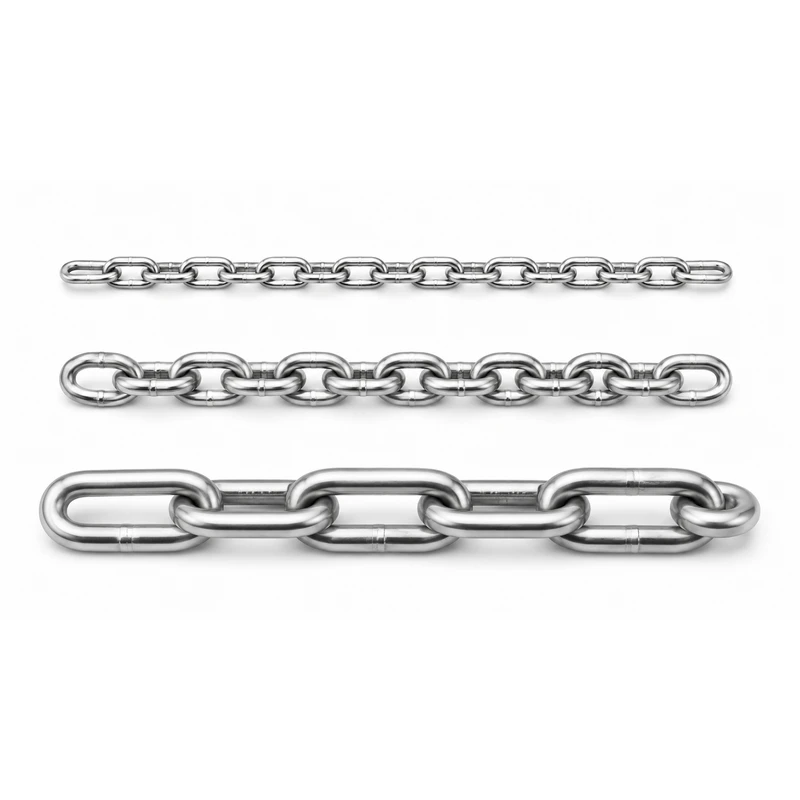
When you focus on lifting chain maintenance and inspection, you protect yourself and your team from unnecessary injury. Using certified lifting chains from Powerful Machinery gives you the best safeguard against personal injury and supports the safe use of lifting equipment every day.
You gain extra peace of mind because certified chains use high-grade alloy steel and strict quality controls. See how certified and uncertified chains compare:
Aspect | Certified Chains | Uncertified Chains |
|---|---|---|
Safety | Adhere to strict manufacturing standards and rigorous testing | Can pose significant risks, including potential failure during use |
Legal Compliance | Meet all requirements and support insurance claims | May lead to legal liabilities and fines |
Material Quality | High-grade alloy steel (T80, T100) | Often made from lower-quality materials |
Key Takeaways
Inspect lifting chains daily to catch early signs of wear and prevent accidents.
Use certified chains for better safety and compliance with legal standards.
Adjust inspection frequency based on environment and usage conditions.
Store chains properly to avoid damage from moisture and chemicals.
Train your team regularly to ensure safe and effective lifting practices.
Lifting Chains Inspection Frequency
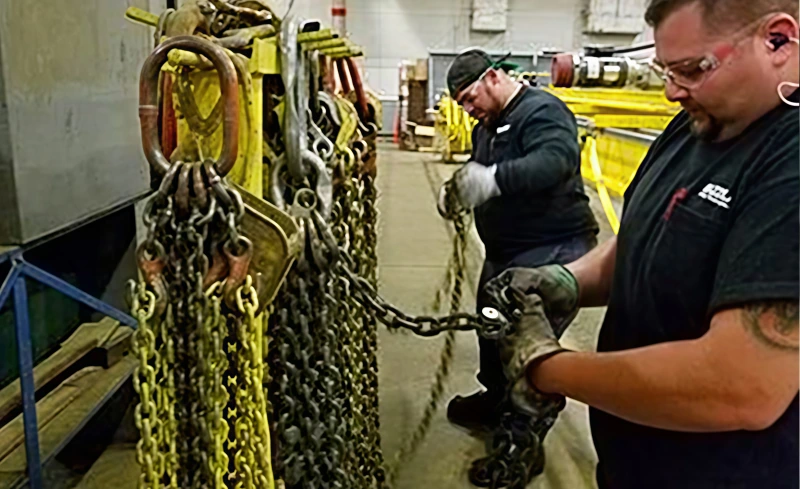
Powerful Machinery’s certified lifting chains and chain slings are engineered for regular inspections and maintenance in the world’s most demanding industries. You rely on these products for safety and performance, so you must follow a strict inspection schedule.
This approach helps you catch early signs of wear, maintain compliance, and extend the life of your equipment.
Daily Checks for Inspecting Lifting Chains
You should perform daily checks before each use. These quick inspections help you spot problems early and prevent accidents. Here is a simple checklist you can follow every day:
Lubrication: Make sure the chain has a light film of lubricant to reduce wear.
Wear and Stretch: Look at the connection points for deep gouges or shiny spots. Measure the chain for any elongation.
Twists and Kinks: Check that all links are straight and properly aligned.
Corrosion and Heat Damage: Watch for rust, pitting, or discoloration from heat.
Broken Wires (for wire ropes): Scan for broken wires, especially between strands.
Corrosion (for wire ropes): Look for rust both inside and outside the rope.
Deformation (for wire ropes): Find any kinks or crushing that could weaken the rope.
By inspecting lifting chains daily, you can identify issues before they become serious. This habit supports a culture of safety and keeps your operations running smoothly.
Periodic and Annual Professional Inspection
You need more thorough inspections at set intervals. These inspections go beyond daily checks and require a qualified professional. The table below shows the recommended inspection intervals based on international safety standards:
Inspection Type | Frequency | Description |
|---|---|---|
Daily Inservice | Before each use | Visual checks for signs of wear, damage, or deformation. |
Periodic Inspections | Every 3 to 6 months | Thorough inspections by a competent person to assess the condition, including wear and corrosion. |
Annual Inspections | At least once a year | Comprehensive examinations to ensure chains can handle the rated capacity without failure. |
Professional inspectors must have proper training and experience in hoist inspection. They should understand industry standards and know how to find hidden defects. The table below outlines the qualifications you should look for in an inspector:
Qualification Type | Description |
|---|---|
Training and Experience | Inspectors must have training and experience in hoist inspection. |
Understanding of Industry Standards | Inspectors should be familiar with relevant industry standards. |
Ability to Identify Hidden Defects | Inspectors must be skilled in identifying hidden defects during inspections. |
Regular inspections by qualified professionals help you meet legal requirements and avoid fines. This process also ensures your lifting chains remain reliable and safe for every lift.
Adjusting Frequency for Environment and Usage
You must adjust your inspection schedule based on how and where you use your lifting chains. Chains used in harsh environments, such as corrosive or high-temperature areas, need more frequent and careful inspection. The table below shows how often you should inspect chains in different conditions:
Inspection Frequency | Environment Condition |
|---|---|
Once every three months | Corrosive or high-temperature environments |
Annually | Standard conditions |
If you use your chains for heavy loads or in extreme conditions, increase the inspection frequency. This proactive approach helps you spot problems early and keeps your equipment in top shape.
Tip: Regular inspections not only improve safety but also help you comply with health and safety regulations. This practice reduces the risk of accidents, legal issues, and costly downtime.
By following these guidelines for lifting chain maintenance and inspection, you protect your team and your investment. Powerful Machinery’s certified products make it easier to maintain high standards, thanks to their traceability and compliance with global regulations.
Lifting Chain Inspection Checklist
A reliable lifting chain inspection checklist helps you maintain safety and compliance every day. You need to follow a structured process to spot issues early and keep your lifting equipment in top condition. Powerful Machinery’s certified chains make this process easier with advanced features and clear identification marks.
Visual Defects and Damage Signs
Start each inspection with visual inspections covering the whole sling and chain. You must look for any signs of damage or wear that could compromise safety. Use this checklist to guide your process:
Examine every chain link for bending, cracking, elongation, or twisting.
Check for surface wear, corrosion, and pitting along the entire chain.
Look for broken links or connectors that may weaken the chain.
Inspect for heat discoloration, which can signal exposure to excessive temperatures.
Identify any damaged hooks, master links, or attachments.
Search for missing or illegible identification tags.
Confirm that all safety latches and locking mechanisms work properly.
Powerful Machinery’s lifting chains feature high-grade alloy steel and advanced tracking technologies like RFID tags and QR codes. These features help you quickly identify damaged components and manage inspection history. If you find any broken or damaged parts, remove the chain from service immediately.
Tip: Always use a comprehensive loler checklist template or a lifting equipment checklist template to ensure you do not miss any critical steps during your inspection.
Inspection Process and Qualified Personnel
You need a systematic approach for every inspection. Assign only qualified personnel to perform these checks. Trained inspectors know how to spot subtle signs of damage and understand the importance of each checklist item.
Follow these steps for a thorough inspection:
Identify the equipment using serial numbers or RFID/QR codes.
Review the last inspection date and maintenance records.
Perform a visual check for all signs of damage, including broken or worn links.
Measure chain elongation and check for deformation.
Test all moving parts and safety mechanisms.
Record findings and note any corrective actions needed.
Qualified inspectors ensure that every lifting chain inspection checklist is completed accurately. They help you maintain compliance with industry standards and reduce the risk of accidents caused by overlooked damage.
Using Inspection Forms and Tags
Inspection forms and tags play a vital role in lifting chain maintenance and inspection. You should use these tools to document every inspection and keep a clear record of your equipment’s condition.
Inspection tags provide quick, on-site verification that your lifting chains have passed inspection and are safe to use. These tags serve as visible proof of compliance with regulations.
By recording inspection dates and maintenance intervals, you ensure that each chain receives timely service and reduce the risk of unexpected failures.
Each tag also acts as a record of responsibility, showing who performed the inspection and when. This strengthens workplace accountability and traceability. Powerful Machinery’s traceable products, equipped with RFID tags and QR codes, make it easy to manage inspection history and demonstrate compliance during audits.
When you fill out inspection forms, include the following details:
Equipment identification (serial number, RFID, or QR code)
Date and type of inspection performed
Inspector’s name and findings
Any corrective actions taken and deadlines for completion
Note: Keeping accurate records with inspection forms and tags not only supports compliance but also helps you track trends in equipment wear and plan proactive maintenance.
A well-maintained lifting chain inspection checklist, combined with proper documentation, ensures your lifting operations remain safe, efficient, and compliant.
Lifting Chain Maintenance Best Practices
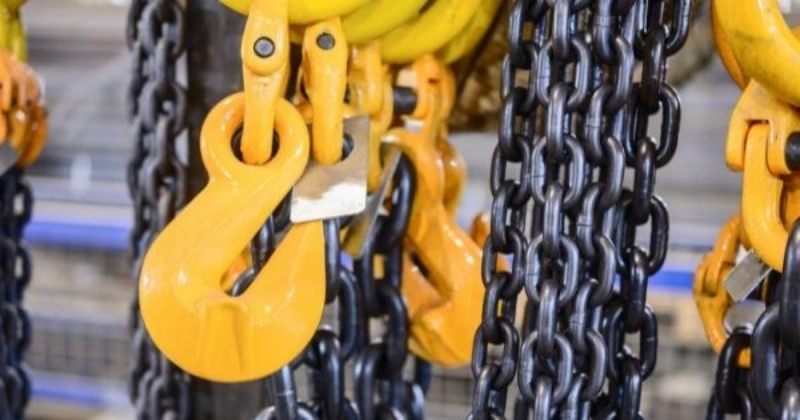
Proper lifting chain maintenance and inspection keep your equipment safe and reliable. By following best practices, you reduce the risk of catastrophic chain failure and extend the lifespan of your investment.
Cleaning and Lubrication
You should always keep your lifting chains, chain slings, and related equipment clean and dry after each use. Dirt, grease, and other contaminants can cause corrosion and wear. Make sure you:
Remove all debris and moisture from the chains before storage.
Use the correct lubricant to reduce friction and prevent rust.
Apply lubricant regularly, but avoid over-lubrication, which can attract dust and dirt.
A well-maintained lifting chain will perform better and last longer, especially in demanding environments.
Storage and Handling
Store your equipment in a dry, well-ventilated area. Avoid leaving chains on the ground or in damp locations. Hang chains on racks or dedicated hooks to prevent tangling and kinks. Always inspect chains before and after use to catch any signs of damage early.
Handle all lifting equipment with care to avoid dropping or dragging it, which can weaken the links.
Tip: Assign a designated storage area for all lifting equipment. This practice helps you keep track of inspection intervals and ensures that only qualified personnel access the chains.
Environmental Risk Management
Environmental hazards can quickly damage your lifting chains and slings. The table below highlights common risks and how you can protect your equipment:
Hazard Type | Description | Protection Measures |
|---|---|---|
Moisture | Causes corrosion, weakening structural integrity | Store in dry areas, use stainless or galvanized chains |
Chemicals | Degrades chains, compromising load capacity | Store away from chemicals, clean immediately if exposed |
UV Exposure | Leads to brittleness and reduced flexibility | Store indoors, use UV-resistant slings, and rotate equipment usage |
Extreme temperatures, dust, and moisture also affect your equipment’s performance. Regularly check for signs of environmental damage and adjust your maintenance schedule as needed.
By following these best practices for lifting chain maintenance, you ensure your equipment remains safe, reliable, and ready for every lift.
Certification and Compliance for Lifting Chains
Legal and Regulatory Standards
You must follow strict legal and regulatory standards when you manage lifting chains. These standards protect your team and ensure your equipment meets global safety requirements.
Powerful Machinery’s lifting chains and chain slings carry certifications from ISO, TUV Rheinland, EURO CERT, and other recognized bodies. These certifications help you comply with regulations in every major industrial region.
Here is a quick overview of the main standards:
Regulation/Standard | Description |
|---|---|
OSHA Regulations | Establish safety standards for lifting and rigging, including inspection and maintenance protocols. |
ASME B30 Series | Provides guidelines for safe operation and maintenance of lifting machinery. |
ISO 4309 | Addresses wire rope care, maintenance, and inspection procedures. |
ISO 16881 Series | Offers safety recommendations for steel wire ropes. |
You must ensure a qualified professional performs each inspection of lifting equipment. Inspections fall into three categories: initial, frequent, and periodic. Documentation is required for every thorough examination of lifting equipment.
Certification Process and Load Testing
Certification gives you confidence that your lifting chains can handle demanding jobs. During the certification process, you must complete a thorough examination and load testing. A qualified professional conducts these tests to verify the chain’s strength and reliability.
Testing Method | Description | Pass/Fail Criteria |
|---|---|---|
Static Testing | Involves applying a stationary load at 125% of the rated capacity. | Pass if no failure occurs after 10-20 seconds. |
Dynamic Testing | Involves an overload test at 125% of rated capacity with movement. | Pass if no deficiencies are observed during operation. |
You should only use chains that pass both tests. This process ensures your equipment is ready for safe lifting operations.
Record-Keeping and Documentation
Accurate records support compliance and make audits easier. You need to keep certificates and inspection reports organized and accessible. Digital tools and RFID technology help you track inspection dates and results for each piece of equipment.
Documentation Requirement | Source |
|---|---|
Periodic inspections must be documented and records retained as per ASME B30.9 | Mazzella Companies |
Employers must maintain a record of the most recent thorough inspection | Mazzella Companies |
A record of each inspected sling is required per OSHA 1910.184 | Mazzella Companies |
Employers must retain a certificate of the proof test | eCFR |
The certificate must be available for examination | eCFR |
You should store all certificates in a secure system. Make sure you can retrieve them quickly for regulatory reviews. Keep documentation for each sling, including proof tests and maintenance logs. This practice shows your commitment to safety and compliance.
Note: Proper certification and documentation help you avoid fines and keep your lifting operations running smoothly.
Factors Affecting Lifting Chain Maintenance
Usage, Load, and Chain Grade
You must consider how you use your lifting chains when planning maintenance. The frequency and type of loads you lift directly impact how quickly your chains wear out. Heavy or frequent lifting puts more stress on the links, especially if you use the chains near their maximum rated capacity.
Chains made from higher grades, such as Grade 80 or Grade 100, offer greater strength, but even the highest quality chains can deteriorate without proper care. You should always store chains in designated areas, away from dirt and moisture.
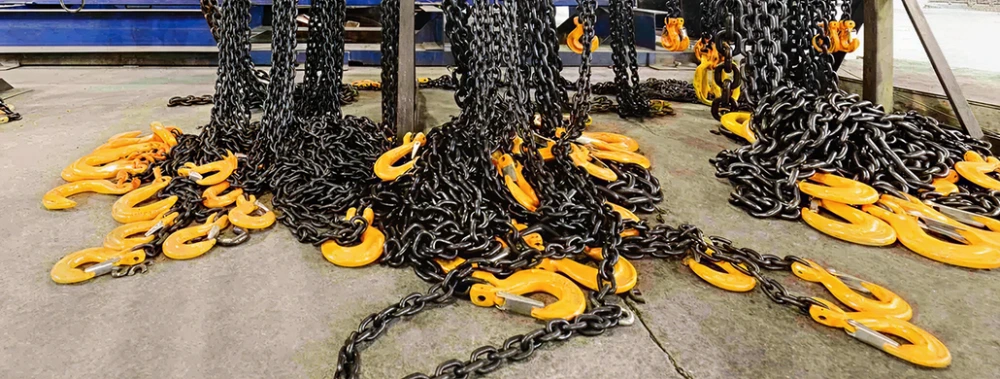
Leaving chains scattered on the shop floor exposes them to contaminants that accelerate wear and tear. Proper storage and handling help you maintain optimal performance and safety standards.
Tip: Always match the chain grade and configuration to the load requirements. Using the right chain for the job reduces unnecessary strain and extends service life.
Environmental and Operational Risks
Your work environment plays a major role in how often you need to inspect and maintain your lifting chains. Certain operational risks can accelerate wear and lead to early failure. You should pay close attention to the following factors:
Harsh environments, such as coastal areas or chemical plants, increase the risk of corrosion.
Outdoor conditions, humidity, and airborne pollutants can damage chain surfaces.
Salt-laden air and exposure to industrial chemicals speed up corrosion and weaken metal.
Overloading your rigging equipment also creates serious risks. When you exceed the rated capacity, you cause metal fatigue and deformation. These conditions weaken the chain, making it more likely to break or malfunction. Such failures can result in severe injuries, fatalities, or costly damage to equipment and materials.
You can reduce these risks by following strict load limits, performing regular inspections, and storing your chains properly. By understanding how usage patterns and environmental factors affect your lifting chains, you make smarter decisions that protect your team and your investment.
Common Mistakes in Lifting Chain Maintenance
Maintaining lifting chains requires attention to detail and consistent best practices. You can avoid costly downtime and safety risks by recognizing and correcting common mistakes. The following table highlights frequent errors and their consequences:
Mistake | Consequence |
|---|---|
Neglecting Regular Inspections | Equipment failure due to undetected wear or damage. |
Incorrect Storage Practices | Premature wear and damage to lifting equipment. |
Inadequate Lubrication | Accelerated wear on moving parts reduces performance and lifespan. |
Using Unauthorized Replacement Parts | Compromised integrity and safety of lifting gear. |
Ignoring Load Limits | Risk of catastrophic accidents due to overloading. |
Improper Sling Selection | Increased likelihood of accidents during lifting operations. |
Neglecting Documentation | Lack of maintenance history can lead to compliance issues and safety risks. |
Skipping Team Training | Higher chances of accidents and non-compliance with safety standards. |
Failing to Monitor Environmental Conditions | Potential damage to equipment from extreme conditions affects safety and performance. |
Neglecting Lubrication and Cleaning
You must keep lifting chains clean and properly lubricated. Dirt and moisture cause corrosion, which weakens the metal and shortens the chain’s lifespan. Regularly apply manufacturer-recommended lubricants to chain links, gears, and bearings.
Use lubricant sparingly to avoid attracting dust and debris. Inadequate lubrication increases friction, causes overheating, and leads to excessive wear or sudden breakage.
Proper cleaning and lubrication prevent rust and ensure smooth operation. Skipping these steps can result in unexpected equipment failure.
Overlooking Minor Damage
Small cracks, bends, or elongation in chain links may seem harmless, but they signal deeper problems. If you ignore minor damage, you risk sudden chain failure during lifting operations. Always inspect each link for signs of wear, deformation, or discoloration. Remove damaged chains from service immediately.
Improper Storage
Storing chains in damp or chemically exposed areas accelerates corrosion and mechanical failure. Corrosion weakens the metal structure, leading to cracks and reduced load-bearing ability. Chemical agents can cause irreversible damage through physical changes.
Store chains in dry, well-ventilated spaces, away from chemicals and moisture.
Assign a dedicated storage area for lifting chains. This simple step protects your investment and supports safe lifting practices.
Insufficient Training
Operators need hands-on experience and ongoing education to maintain lifting chains correctly. Training programs should cover load securing techniques, weight limits, and equipment wear recognition. The Train-the-Trainer approach helps instructors teach effective methods and safety principles.
Continuous skills assessment ensures your team stays up to date with best practices.
Hands-on practice builds confidence and skill.
Regular training reduces maintenance errors and improves safety.
Lesson plans and behavior modification techniques reinforce lasting safety habits.
You strengthen your safety culture by investing in proper training and education for every team member.
Practical Tips and Case Examples
Real-World Inspection Schedules
You can keep your lifting operations safe by following a structured inspection schedule. Many industrial organizations use a three-tiered approach:
Inspection Type | Frequency | Description |
|---|---|---|
Daily Inspection | Before each shift | Operators perform visual and functional checks for immediate safety. |
Frequent Inspection | Monthly to quarterly | Trained personnel conduct thorough inspections and document findings. |
Periodic Inspection | Annually | Qualified experts carry out in-depth checks, sometimes with partial disassembly. |
This schedule ensures you catch issues early and maintain compliance with industry standards. Daily checks help you spot visible damage, while frequent and periodic inspections address deeper wear and tear.
Maintenance Success Stories
Many clients of Powerful Machinery have seen remarkable improvements in safety and equipment longevity by adopting best practices. When you maintain accurate inspection records and certifications, you meet safety standards and prepare for audits.
Powerful Machinery’s products comply with ASME B30.21, OSHA, and ANSI standards, so you can trust their reliability.
Regular maintenance can extend the lifespan of your chain hoists by up to 30%.
Routine inspections and proper lubrication minimize wear, keeping your equipment safe and dependable.
Operator training leads to safer lifting practices, reducing risks and boosting efficiency.
Proper training also helps your team recognize early signs of wear and damage. Regular refresher courses keep everyone updated on new equipment and safety protocols. Certified lifting slings guarantee compliance and reliable performance.
Building a Safety Culture
You build a strong safety culture by making maintenance and inspection a daily habit. Start with these strategies:
Schedule regular inspections and keep detailed maintenance records.
Train operators to inspect and care for lifting chains confidently.
Use only certified equipment and follow industry standards.
Store and install chains properly to prevent unnecessary damage.
When you invest in training and maintain high standards, you create a workplace where safety comes first. This approach not only protects your team but also extends the life of your equipment and supports long-term success.
Conclusion
You protect your team and equipment when you follow best practices for lifting chain maintenance and inspection. Companies that invest in preventive care see real results:
33% less equipment failure
25% fewer safety incidents
Major cost savings over time
Every dollar spent on maintenance returns five in avoided costs
Powerful Machinery’s certified products and inspection services support your long-term safety and compliance:
Service Type | Contribution to Safety and Compliance |
|---|---|
Manufacturing Quality Inspection | Identifies deviations early to prevent costly errors and boost production efficiency. |
Certified Manufacturing Inspections | Unlocks supplier trust and regulatory approvals worldwide through globally accepted inspection protocols. |
Manufacturing Quality Assurance Programs | Guides manufacturers in establishing strong internal control systems and real-time process monitoring. |
ISO Certification for Manufacturers | Simplifies the certification process and maintains long-term compliance readiness. |
Safety Compliance in Manufacturing | Ensures compliance by performing on-site hazard assessments and evaluating machinery and PPE safety. |
Stay proactive with regular inspections, accurate records, and ongoing training to keep your workplace safe and compliant.
FAQ
How often should you inspect lifting chains?
You should inspect lifting chains before each use and schedule professional inspections at least once a year. Increase inspection frequency if you operate in harsh environments or handle heavy loads.
What should you do if you find damage on a lifting chain?
Remove the chain from service immediately. Do not attempt repairs yourself. Contact a qualified inspector or your Powerful Machinery representative for guidance on replacement or repair.
Can you clean lifting chains with water?
You can use water for cleaning, but always dry the chains thoroughly afterward. Apply a light lubricant to prevent rust. Avoid harsh chemicals that may damage the chain’s surface or reduce its strength.
Why is chain grade important for lifting operations?
Chain grade determines the strength and load capacity of your lifting chain. Using the correct grade, such as Grade 80 or Grade 100, ensures safe lifting and compliance with industry standards.
How do you keep track of lifting chain inspections?
Use inspection tags, forms, or digital tools. Powerful Machinery’s products feature RFID and QR codes for easy tracking. Always record inspection dates, findings, and corrective actions for compliance and safety.