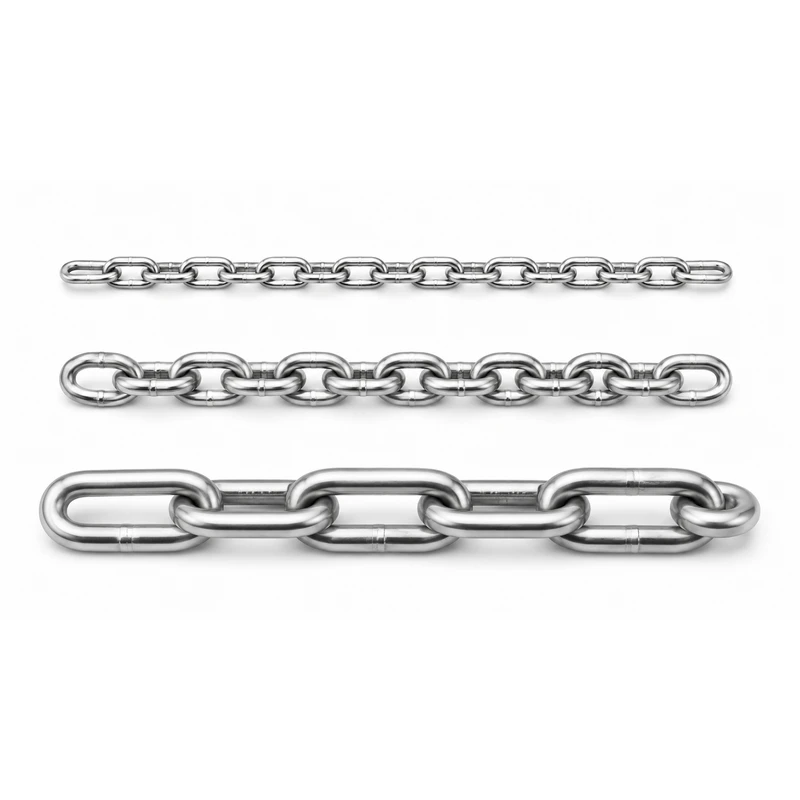
You need to understand the lifting chain safety factor to protect yourself and others during lifting. The lifting chain safety factor tells you how much stronger the chain is than the maximum load it should carry.
When you lift heavy loads in chain sling applications, you must rely on safety measures and high-strength alloy steel to prevent accidents. Regular inspection and strict compliance with standards ensure safety. Powerful Machinery provides certified lifting chains with a trusted reputation for quality and reliability.
Key Takeaways
Always check the safety factor of a lifting chain before use to ensure it can handle more than the maximum load.
Inspect lifting chains regularly for signs of wear or damage to prevent accidents.
Choose the right chain grade and material for your lifting needs and environment.
Follow industry standards and keep accurate records to maintain safety and compliance.
Provide regular training for your team to ensure safe lifting practices.
Lifting Chain Safety Factor Basics
Definition and Importance
You need to understand the safety factor when you select or use any type of lifting chains. The safety factor represents the ratio between the breaking strength of a chain and its working load limit.
This ratio ensures that the chain can handle much more than the maximum load you plan to lift. Leading safety organizations, such as OSHA and ASME, set clear safety guidelines for this ratio. For example:
The safety factor for most chain slings is 4:1, which means the chain’s strength is four times greater than its rated load.
In North America, you often see a 5:1 safety factor for lifting and rigging.
In Europe, equipment used for lifting people may require a safety factor as high as 10:1.
You must always follow these safety guidelines to protect workers and equipment. The safety factor acts as a buffer against unexpected forces or misuse. If you ignore this margin, you risk catastrophic failures, such as dropped loads or serious injuries.
Tip: Always check the working load limit and safety factor before every lift. Never exceed the rated capacity of your chain.
The safety factor is critical for preventing workplace accidents. It ensures that your equipment operates well below its breaking strength. This margin accounts for unpredictable conditions, such as shock loading or wear over time.
When you use types of lifting chains that meet or exceed industry standards, you reduce the risk of failure and keep your team safe.
Working Load Limit (WLL) | Safety Factor | Breaking Strength |
|---|---|---|
2,000 pounds | 5:1 | 10,000 pounds |
This table shows how a chain with a 2,000-pound working load limit and a 5:1 safety factor must have a breaking strength of at least 10,000 pounds. You can see how the safety factor provides a vital buffer for every lift.
How Safety Factors Are Calculated?
You calculate the safety factor for types of lifting chains by dividing the chain’s minimum breaking strength by its working load limit. This calculation helps you verify that the chain will not fail under normal use. The formula looks like this:
Safety Factor = Minimum Breaking Strength / Working Load Limit
When you select types of lifting chains, you must consider several factors that affect the safety factor and overall capacity:
Factor | Description |
|---|---|
Nominal breaking strength | The strength of the material used for the chain. |
Splicing or end-attachment | The method of joining the chain ends can affect strength. |
Number of parts in the sling | The total number of segments in the sling that share the load. |
Type of hitch | The configuration used to attach the chain affects load distribution. |
Angle of loading | The angle at which the load is applied influences the effective strength. |
Load center of gravity | The point where the load’s weight is concentrated affects stability. |
Sling angles | Recommended angles for safe lifting are typically not less than 30°. |
Diameter of curvature | The radius around which the chain bends impacts its strength. |
You must always match the chain’s capacity to the load and application. For example, if you use a chain with a 4:1 safety factor and a working load limit of 2,500 pounds, the chain must have a minimum breaking strength of 10,000 pounds.
This calculation ensures that the chain can handle unexpected forces and maintain safety.
You should also remember that different types of lifting chains, such as Grade 80, Grade 100, or stainless steel chains, have different capacities and safety factors. Always refer to the manufacturer’s specifications and safety guidelines before use.
Note: Following safety protocols and using the correct types of lifting chains for each application will help you maintain compliance and protect your team.
Influencing Factors for Safety
Chain Grade and Material
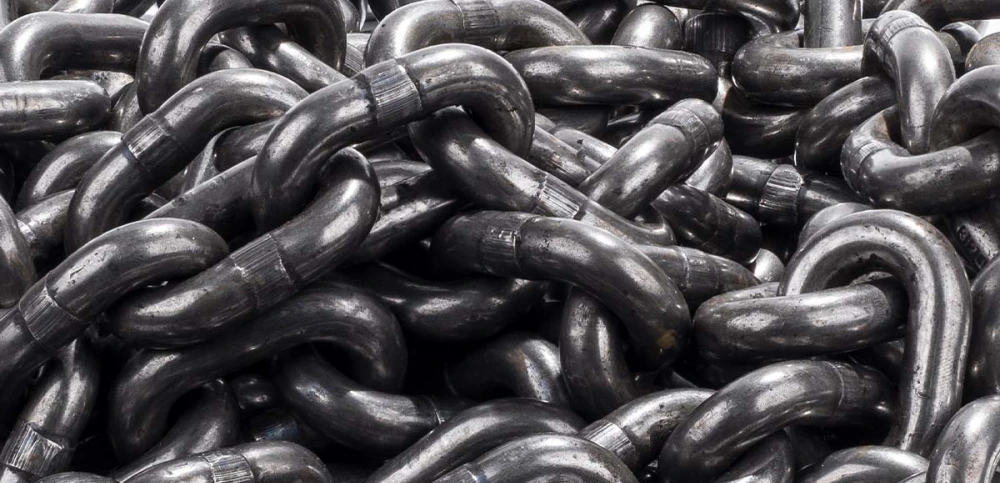
You must pay close attention to the grade and material of every chain you use for lifting. The grade of a chain directly affects its strength and safety. For example, Grade 100 chains have higher tensile strength than Grade 80 chains.
This means Grade 100 chains can handle more force during overhead lifting and resist shock loading better. You gain a greater safety margin when you choose a higher-grade chain, especially in demanding lifting environments.
The material of the chain also plays a critical role in safety and performance. Most lifting chains use either alloy steel or stainless steel. Each material offers unique advantages for overhead lifting and other applications. Review the table below to compare their properties:
Property | Alloy Steel Chains | Stainless Steel Chains |
|---|---|---|
Strength | Improved strength and resistance to wear and fatigue | High tensile strength and durability |
Durability | Can be heat-treated for enhanced hardness and toughness | Requires little maintenance due to rust resistance |
Corrosion Resistance | Susceptible to corrosion if not treated | Exceptional corrosion resistance in various environments |
You should always select the chain grade and material that match your lifting needs and the environment where you operate. This decision will help you maintain the highest level of safety and extend the service life of your equipment.
Application and Environment
The way you use a chain and the environment where you perform lifting tasks both influence the safety factor. Certain applications require higher safety margins.
These include heavy machinery lifting, offshore and marine operations, oil and gas industry tasks, mining, aerospace, infrastructure construction, shipbuilding, heavy load transportation, material handling, and critical lifting in nuclear or high-precision settings.
You must always assess the risks and choose a chain with the right strength and safety factor for each job.
Environmental conditions can also impact the safety of your lifting chain. Moisture exposure can cause corrosion, which weakens the chain over time.
High temperatures may lead to loss of strength and evaporation of lubricants, making chains unsafe for overhead lifting. Low temperatures can make steel brittle, increasing the risk of failure during lifting operations.
Tip: Always inspect your chain before every lift. Look for signs of corrosion, wear, or damage. Replace any chain that does not meet safety standards.
By understanding how chain grade, material, application, and environment affect safety, you can make informed decisions and protect your team during every overhead lifting operation.
Industry Standards for Lifting Chains
2026 Safety Standards Overview
You must follow strict industry standards when you select or use any lifting chain. These standards protect you and your team by ensuring every chain meets minimum strength and safety requirements.
In 2026, organizations such as OSHA, ASME, and ISO continue to set the rules for lifting chain use in construction, marine, and transportation. You will see these standards referenced in every major industry because they help prevent accidents and equipment failure.
OSHA and ASME require you to certify each lifting chain at least once every 12 months. If you work in heavy or severe service conditions, you may need to certify your equipment more often. Annual certification is not just a legal requirement. It is a vital part of your safety program.
You must also check that each chain meets the correct grade and strength for your application. For example, Powerful Machinery’s G80 lifting chain meets strict standards, comes with a certificate of conformity, and passes rigorous testing. This gives you confidence in the chain’s strength and reliability for overhead lifting.
Certification and Documentation
You need to keep accurate records to prove your lifting chain meets all industry standards. During a safety audit, you must show that your equipment has passed inspections and meets all requirements. Good documentation helps you track the history and condition of every chain in your operation.
Documentation Type | Description |
|---|---|
Inspection Registers | Must include test dates, equipment status, and next inspection due dates. |
Digital Tracking Systems | Provides 24/7 traceability for all lifting gear records, allowing instant access to equipment history. |
Inspection Checklists | Should detail hoist specifics, key component inspections, and document defects and corrective actions. |
You should include details such as equipment identification, date and type of inspection, inspector findings, and any corrective actions. Manufacturer details, working load limit, height of lift, asset number, and photos or locations of the equipment also support your compliance.
Powerful Machinery holds certifications from ISO, TUV Rheinland, EURO CERT, and other leading agencies. These achievements show that every lifting chain you use from Powerful Machinery meets or exceeds the highest industry standards for safety and strength.
Tip: Keep your chain documentation organized and up to date. This practice will help you pass audits and maintain a safe workplace.
Powerful Machinery Chain Selection Guidelines
Choosing the Right Chain Grade
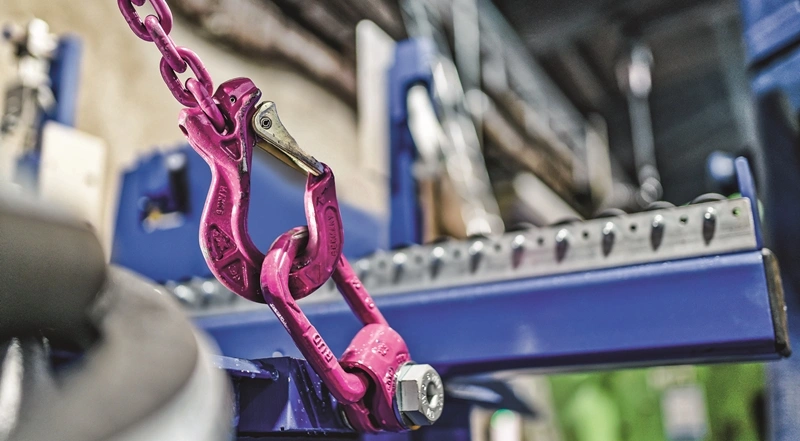
You must select the right chain sling for every lifting operation. The grade of a chain determines its strength, durability, and suitability for specific tasks. Manufacturers assign grades based on minimum tensile strength and material quality.
Higher grades offer greater strength and better performance in demanding environments. You should always match the chain grade to your application to ensure safety and compliance with industry guidelines.
The table below outlines the main factors you should consider when you select the right chain sling for your lifting needs:
Factor | Description |
|---|---|
Type of Trailer | Match the chain grade to the trailer’s weight class. |
Gross Trailer Weight | Confirm the chain’s breaking strength exceeds the gross trailer weight. |
Chain Grade | Grade 30 and Grade 70 suit most trailer needs; Grade 80 and Grade 100 are for lifting only. |
Length and Fit | Choose a chain that fits without dragging or being too short. |
Hooks and Attachments | Use rated hooks for secure connections. |
Corrosion Resistance | Select chains with protective coatings for harsh conditions. |
Legal Requirements | Follow local laws for trailer chain specifications. |
Inspection and Maintenance | Check chains regularly for wear or damage. |
You will find that lifting chain grades such as Grade 80, Grade 100, and Grade 120 are designed for overhead lifting and heavy-duty slings. Grade 80 chains are the standard for most lifting slings. Grade 100 chains provide a higher strength-to-weight ratio, making them lighter and easier to handle.
Grade 120 chains offer premium strength for the most demanding applications. You should never use lower-grade chains for overhead lifting, as they do not meet the required safety standards.
Powerful Machinery offers a full range of chain grades, from Grade 30 to Grade 120. You can select the right chain sling for your project, whether you need a standard solution or a custom-engineered product. Each chain meets strict industry standards and comes with full certification.
You can trust Powerful Machinery to deliver the strength and reliability you need for every lifting task.
Tip: Always consult the manufacturer’s load chart before you select the right chain sling. This ensures you do not overload your equipment and maintain safety at all times.
Matching Safety Factor to Application
You must match the safety factor of your chain to the specific lifting application. This process involves several steps that help you maintain safety and follow industry guidelines. Start with a thorough pre-use inspection. Check every chain sling for damage, wear, or missing markings.
Focus on the chain links, attachments, and any visible defects.
Next, use proper chain sling securement techniques. Attach the chain to stable lifting points and select the right hitch type for the load. Maintain control of the load during the entire lift. Use securement tools such as hooks, shackles, and chain binders that match the load requirements.
Adjust your securement methods based on the lifting scenario, such as heavy equipment or confined spaces.
Follow these steps to ensure you select the right chain sling and safety factor for your application:
Inspect the chain sling before each use.
Choose the correct chain grade for the load and environment.
Use rated hooks and attachments for secure connections.
Consult the manufacturer’s load chart for working load limits and angles.
Adjust securement techniques to match the lifting scenario.
Ensure compliance with industry standards like ASME B30.10.
Provide proper training for all personnel involved in lifting operations.
You must understand that the angle between the sling legs affects the tension on each leg. As the angle decreases, the tension increases. Always check the load chart to avoid exceeding the working load limit. This practice helps you maintain safety and prevent equipment failure.
Powerful Machinery’s product range supports your need for different chain grades and safety factors. You can choose from a variety of lifting chains, slings, and attachments, all designed to meet the highest industry standards. Customization options allow you to tailor your lifting solution to your exact requirements.
Every chain comes with full traceability and certification, giving you confidence in your equipment’s strength and safety.
Note: Compliance with industry guidelines and regular training are essential for safe lifting operations. You protect your team and equipment when you follow these best practices.
Lifting Chain Inspection and Maintenance
Inspection Guidelines and Frequency
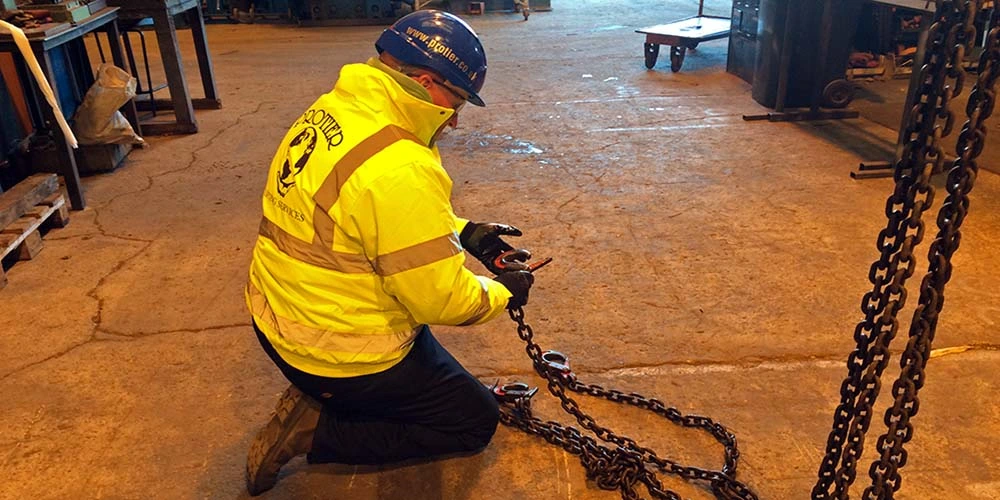
You must treat lifting chain inspection as a critical part of your safety program. Regular inspection helps you catch problems before they lead to accidents or equipment failure. Industry standards require at least one documented inspection every 12 months for normal service.
If you use your chain in severe service conditions, you should inspect it monthly or quarterly. For special lifting applications, a qualified person may set a custom inspection schedule.
Yearly inspection for normal service
Monthly or quarterly inspection for severe service
Custom inspection schedule for special service
Always keep a record of every inspection
During each inspection, look for these common signs of wear or damage:
Stretched or bent links
Visible cracks or nicks
Twisted or deformed sections
Rust or corrosion
Knots in the sling
Evidence of heat or chemical damage
Chain links or attachments that do not hinge freely
Hook throat opening increased by more than 15% or twisted out of plane by more than 10 degrees
If you find any of these issues, remove the chain from service immediately. Never ignore these warning signs, as they can reduce the strength of your lifting equipment and put your team at risk.
Maintenance Best Practices
Proper maintenance extends the life and strength of your lifting chain. You should clean the chain after each use, especially if you work in dirty or corrosive environments. Apply light machine oil or chain lubricant to reduce friction and prevent rust.
Store your chain in a dry, well-ventilated area, hanging it on racks to avoid tangling or damage.
Follow these best practices for lifting chain maintenance:
Clean the chain after every use.
Lubricate with light oil or chain lubricant.
Store in a dry, ventilated space, hanging on racks.
Use protective coatings or stainless steel chains in corrosive environments.
Never overload the chain beyond its working load limit.
Prevent twisting and knotting during lifting.
Replace damaged links or parts with manufacturer-approved components.
Regular maintenance keeps your lifting chain strong and reliable. Inspections help you spot wear early, while cleaning and lubrication protect against rust and friction. Timely repairs or replacements maintain the safety factor and ensure your lifting operations run smoothly.
Always follow the manufacturer’s guidelines for inspection and maintenance to protect your team and equipment.
Ensuring Ongoing Safety and Compliance
Recordkeeping and Training
You must keep accurate records to maintain ongoing compliance with lifting chain safety standards. Good recordkeeping helps you track inspections, repairs, and certifications for every chain in your operation.
You should document the date and nature of repairs, identify the responsible person or organization, and keep certificates of proof testing. You also need to store certificates for welded end attachments. The table below shows key elements you should include in your records:
Recordkeeping Element | Description |
|---|---|
Date and nature of repairs | Document when and what repairs were made to each sling. |
Responsible person or organization | Identify who performed the repairs or inspections. |
Certificate of proof testing | Maintain proof that each repaired sling was tested to twice its rated capacity. |
Certificates for welded attachments | Keep records of certifications for welded attachments for future examination. |
You must maintain documented inspections of slings and hardware. Keep records aligned with OSHA and ASME B30 standards. Always have the most recent inspection records available for examination.
Training plays a vital role in lifting chain safety. You should enroll your team in programs that teach inspection and maintenance techniques. Overhead Alliance offers courses focused on safety and maintenance for cranes, hoists, and monorails.
The Hands-On Rigging Inspection Course by ITI covers inspection techniques for alloy chain slings. Lift-It’s Sling & Rigging programs provide foundational skills for load handling and inspection. These programs help your team understand pre-use inspections and compliance with safety standards.
Tip: Regular training and thorough recordkeeping help you maintain compliance and improve workplace safety.
Responding to Audits
You must prepare for lifting chain safety audits by following clear procedures. Auditors inspect equipment for damage, wear, or defects before use. They assess load capacity and confirm that each chain matches the intended load.
Auditors check that you follow the manufacturer’s instructions and proper rigging practices. They look for personal protective equipment and verify that operators have received training.
During an audit, you need to maintain an organized workspace and establish communication protocols. Auditors review maintenance and inspection records. They observe safe lifting practices and check emergency preparedness measures.
If auditors find non-compliance, you should conduct assessments to identify areas for improvement. You may initiate a self-assessment for OSHA and ASME standards or hire a neutral third-party if needed. Review documentation such as training and inspection records.
Observe how you use, care for, and store rigging equipment. Identify critical safety issues and schedule follow-up meetings to discuss findings.
Note: Responding quickly and thoroughly to audit findings helps you maintain safety and meet industry standards.
Conclusion
You play a vital role in maintaining safety during every lifting operation. Always select a chain with a working load limit that exceeds your maximum load. Follow recognized standards to prevent accidents and injuries. Powerful Machinery supports you with certified products and expert guidance.
Regular inspections and proper maintenance keep your equipment reliable.
Ongoing education and certified training help you understand best practices for safe lifting.
Stay proactive with compliance, documentation, and team communication to ensure a secure work environment.
FAQ
What is the most important step before using a lifting chain?
You must inspect the chain for visible damage or wear before every use. This step ensures safety and prevents accidents during lifting operations.
How do you know which chain grade to select for your application?
You should check the load requirements and refer to the manufacturer’s recommendations. Always choose a chain grade that matches or exceeds your lifting needs.
Can you use a lifting chain in outdoor environments?
Yes, you can use a lifting chain outdoors. Select chains made from corrosion-resistant materials or with protective coatings to maintain performance in harsh weather.
How often should you replace a lifting chain?
You should replace a lifting chain immediately if you find any signs of damage, excessive wear, or deformation. Regular inspections help you decide when replacement is necessary.
Why is documentation important for lifting chain safety?
Documentation helps you track inspections, repairs, and certifications. Keeping accurate records supports compliance and ensures your lifting equipment remains safe for use.