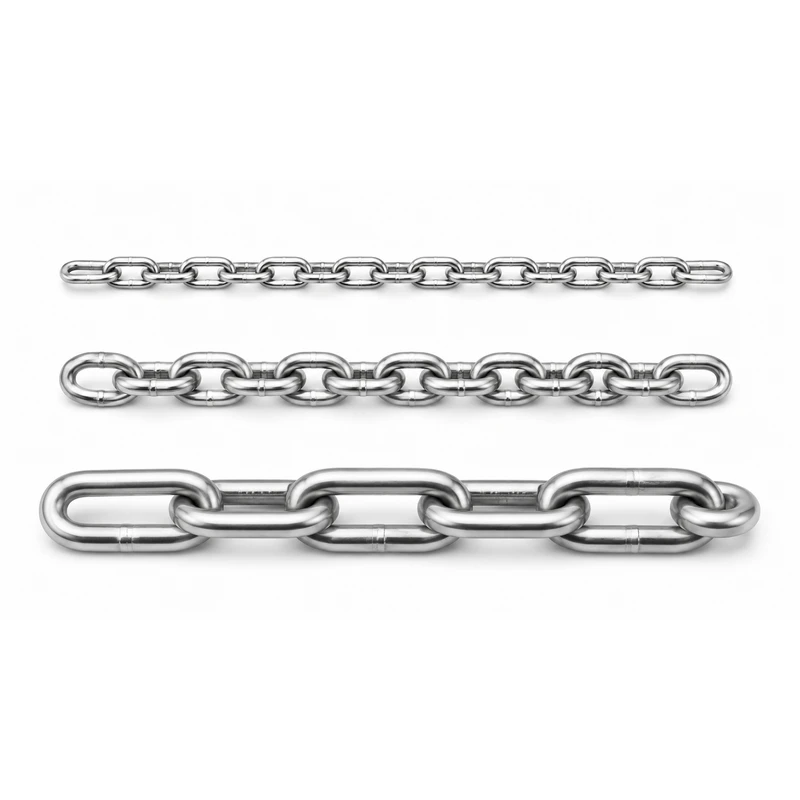
Overloading a rigging system stands as the most common misuse in lifting operations. Many workers skip calculating the total load weight and forget to include every component, which often leads to dangerous overloads.
Quick or dynamic lifting can increase tension, raising the risk of sudden drops and severe injuries. Changes in sling angles and hitch types also cause miscalculations, resulting in Common Rigging Mistakes. You must treat rigging and lifting with caution to avoid accidents and keep your team safe.
Key Takeaways
Always calculate the total load weight, including rigging components, to avoid dangerous overloading.
Inspect all rigging equipment before each lift to catch any damage or wear that could lead to failures.
Plan every lift carefully, ensuring clear communication and proper equipment selection to prevent accidents.
Use only certified rigging hardware that meets industry standards for safety and reliability.
Invest in training for your team to improve safety awareness and reduce the risk of rigging mistakes.
Common Rigging Mistakes and Why They Happen
Mistakes in rigging can lead to serious accidents, costly downtime, and even fatalities. You need to recognize the most common rigging mistakes to prevent them and keep your team safe.
Many of these errors happen because of industry pressures, lack of training, and the use of uncertified or poorly labeled equipment. Let’s break down the most frequent issues and why they occur.
Overloading Equipment
Overloading stands as the most frequent and dangerous of all common rigging mistakes. You might miscalculate the load weight or ignore the capacity of your slings and hardware.
Sometimes, you may not know the exact weight of the load or forget to include the weight of rigging components. This leads to exceeding the rated capacity, which can cause catastrophic equipment failure.
Load weight miscalculation
Not knowing the weight of the load
Using equipment withan unknown or unreadable capacity
Working with available gear instead of the right gear
Guessing the center of gravity
Tip: Always check the load rating on your rigging hardware. Powerful Machinery’s products display clear, certified load ratings, so you never have to guess.
Industry pressures often push you to finish jobs quickly. You might feel tempted to use whatever equipment is available, even if it is not rated for the task. This shortcut can result in overloading and structural failure. You must resist the urge to rush and always verify the capacity of your rigging equipment.
Not Inspecting Gear
Not inspecting gear is another leading cause of rigging failures. You need to inspect all equipment before every lift. Many accidents happen because workers skip this step or do not know what to look for.
Regular inspections and maintenance are crucial to prevent equipment failures. Neglecting maintenance increases the risk of malfunctions, injuries, and fatalities.
Inspect for cracks, nicks, stretching, and wear in chain slings.
Check for cuts, tears, burns, and broken stitching in synthetic slings.
Remove any sling with missing or unreadable identification tags from service.
You might skip inspections because of time constraints or lack of training. However, even the best equipment can fail if you do not maintain it. Powerful Machinery’s rigging hardware is fully traceable and designed for easy inspection, helping you stay compliant and safe.
Poor Planning and Communication
Poor planning and communication often lead to incorrect rigging techniques and accidents. You need to plan every lift, assess the load, and choose the right equipment. Miscommunication between team members can cause errors, such as using the wrong hitch or lifting device.
Failing to know the precise weight of the load
Rushing inspections or skipping safety protocols
Not using the correct sling, device, or hitch for the application
Inadequate training makes these problems worse. Untrained operators may not understand safe operating procedures or how to inspect equipment. Comprehensive training programs should cover operational theory, rigging proficiency, daily inspection, and safe lifting practices.
When you invest in training, you reduce the risk of accidents and misuse.
Note: Powerful Machinery supports your safety efforts by providing certified, clearly labeled rigging hardware. This makes it easier for you to select the right equipment and communicate load limits to your team.
By understanding these common rigging mistakes and why they happen, you can take steps to prevent them. Choose certified, traceable equipment from Powerful Machinery to support safe and efficient lifting operations.
How Common Rigging Problems Jeopardize Safety?
Equipment Failure and Accidents
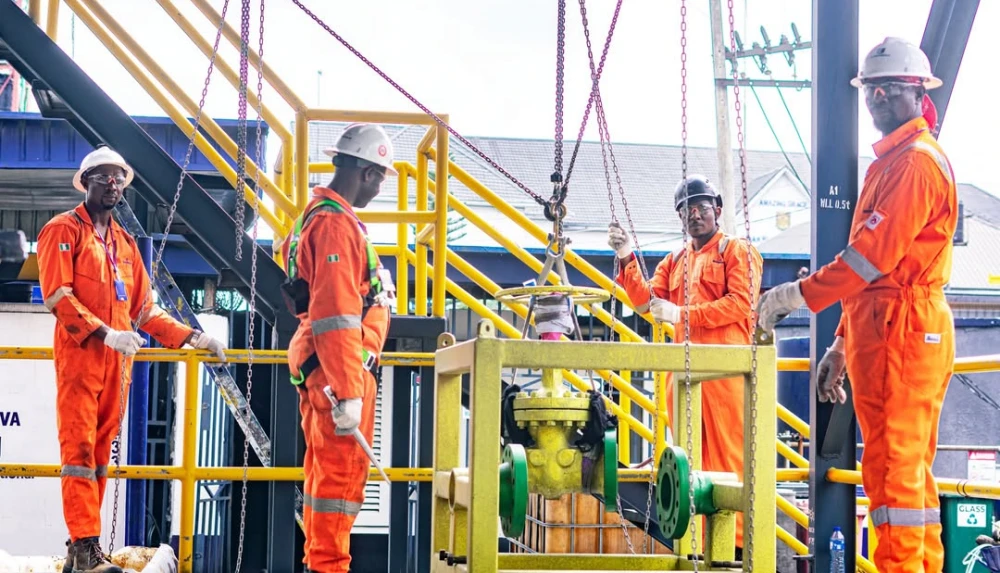
You face serious safety issues when you ignore common rigging problems. Overloading and skipping inspections can jeopardize safety on any jobsite. Equipment failure often leads to severe injuries, property damage, and lost productivity.
The risks become even greater when you use uncertified or poorly maintained rigging hardware.
24 out of 40 crane-related fatalities (60%) resulted from rigging failure, according to the CDC.
The Bureau of Labor Statistics found that 60% of 42 fatalities were caused by falling objects due to failed rigging.
A study of 249 crane incidents revealed 133 injuries and 133 fatalities. In 37% of cases, workers were crushed by a load. In 27% of incidents, load drops from rigging failure caused the accident.
You must understand that common rigging problems do not just slow down work. They can jeopardize safety and put lives at risk. Failing to inspect gear or exceeding load limits can turn a routine lift into a disaster.
Real-World Incident Examples
Real incidents show how common rigging problems can have devastating effects. In one case, a worker suffered severe injuries when a load slipped from an overloaded sling. In another case, a team lost valuable time and equipment after a shackle with an unreadable rating failed during lifting.
These examples highlight the need for certified, traceable rigging equipment.
Feature | Certified G80 Lifting Chain | Uncertified Alternatives |
|---|---|---|
Manufacturing Standards | Meets global standards | No standardized manufacturing |
Testing | Rigorous, documented | Often lacks testing |
Traceable Heat Treatments | Yes | No |
Minimum Tensile Strength | 800 MPa | Varies, often lower |
Performance Under Conditions | Reliable in harsh environments | Uncertain performance |
You reduce the risk of accidents when you choose certified and traceable products from Powerful Machinery. These products meet strict standards and undergo rigorous testing. You gain confidence that your rigging will perform as expected, even in tough environments.
By addressing common rigging problems with the right equipment, you help prevent injuries, downtime, and fatalities. Always select hardware that supports your commitment to safety and compliance.
Load Assessment and Control
Accurate Weight Calculation
You must know the exact weight of every load before starting any lifting operation. Accurate calculations help you stay within weight limits and prevent dangerous situations.
Always include the weight of slings, shackles, and lifting devices in your total. If you miss these details, you risk exceeding safe working loads and causing equipment failure.
Determining the center of gravity is just as important. If the center of gravity is not directly beneath the hook, the load can shift or tip, leading to dropped loads. You can estimate the center of gravity by performing test lifts, using engineered lugs, or checking the manufacturer’s documentation.
Simple tools like a tape measure and a calculator can help you make precise calculations. Following rigging best practices and proper training ensures you select the right equipment and keep your team safe.
Tip: Always double-check your calculations and use certified rigging equipment from Powerful Machinery. Their products display clear weight limits, making it easier to plan safe lifts.
Failure to Maintain Load Control
Failure to maintain load control is a leading cause of accidents in rigging operations. When you lose control of a load, you risk serious injuries, property damage, and even fatalities. Dropped loads often result from poor planning or ignoring environmental factors like wind or uneven ground.
Even with proper rigging, you can still face problems if you do not control the load throughout the lift. Always plan your route, communicate with your team, and monitor the environment.
Specialized equipment, such as spreader bars and pulleys from Powerful Machinery, helps distribute weight evenly and provides better control. These tools reduce the risk of dropped loads and support precise handling, even in complex scenarios.
Always determine the weight of the load and the center of gravity.
Use equipment designed for your specific lifting needs.
Conduct pre-operation inspections and train your team in safe practices.
By focusing on accurate weight calculation and maintaining load control, you protect your crew and equipment. Powerful Machinery’s range of rigging equipment supports you in achieving safe, efficient, and compliant lifting operations.
Equipment Selection with Powerful Machinery
Choosing the Right Rigging Hardware
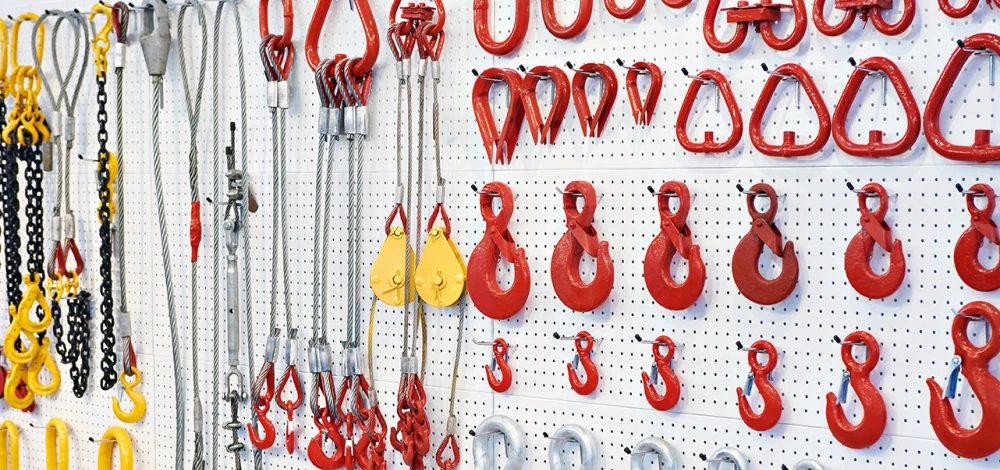
Selecting the right rigging hardware is essential for safe and efficient lifting. You need to match the hardware to the specific requirements of your job. Start by evaluating the weight, shape, and material of the load.
Always determine the center of gravity to keep the load stable during lifting. Choose equipment rated for a load limit greater than the actual load.
Consider the environment where you will use the rigging. Moisture, temperature, and chemical exposure can affect performance. Stainless steel hardware works best in wet conditions, while galvanized finishes resist corrosion.
For unique jobs, such as dynamic loads or wide objects, you may need specialized equipment like swivel hoist rings or lifting beams. Powerful Machinery offers custom solutions to fit non-standard load shapes and tight spaces, ensuring safety and efficiency.
Tip: Never guess the capacity of your rigging hardware. Always check the clear load ratings provided on each component.
Certified Strength and Compliance
You must use certified, standards-ready rigging hardware to meet industry regulations and protect your team. Powerful Machinery’s products comply with key standards set by organizations such as OSHA, ASME, and ISO.
These standards cover design, inspection, testing, and operation, ensuring your equipment meets strict safety requirements.
Organization | Role | Key Guidelines |
|---|---|---|
OSHA | Enforces safety regulations | Inspections, citations, General Duty Clause |
ASME | Develops safety standards | ASME B30 series for cranes and rigging |
ISO | Sets international standards | ISO 4309, ISO 16881 series |
Clear load ratings and traceability features are vital for compliance. They provide documented proof of equipment safety and help you track the history of each piece. This documentation supports accountability and protects you from liability in case of incidents.
Powerful Machinery’s hardware includes these features, making inspections easier and supporting your commitment to safety.
Not Inspecting Gear and Maintenance Essentials
Inspection Frequency and Best Practices
You must treat equipment inspections as a non-negotiable part of every rigging operation. Not inspecting gear before each lift exposes your team to unnecessary risks. Safety standards recommend different inspection frequencies based on how and where you use your equipment.
The following table shows the recommended inspection intervals:
Inspection Type | Frequency |
|---|---|
Initial Inspection | When you receive new rigging products |
Frequent Inspection | Before each use or shift, more often for severe service |
Periodic Inspection | At least every 12 months, monthly or quarterly for harsh conditions |
You should adjust your inspection schedule based on how often you use the equipment, the severity of service conditions, and the nature of your lifting activities.
Always log each rigging item into a maintenance system. Record serial numbers, equipment type, and any visible defects. This traceable approach ensures you never overlook a piece of gear and supports future audits.
Tip: Powerful Machinery’s rigging hardware features clear identification and traceable records, making equipment inspection and maintenance easier and more reliable.
Removing Damaged Equipment
You must remove damaged rigging from service immediately. Look for rust spots, scratches, dents, or missing pieces such as latches and pins. Shackles should fit snugly and be rated for the intended load. Frozen ring bolts often indicate overloading.
Illegible or missing tags on slings mean you must take them out of service. Watch for heat damage, UV damage, rips, tears, punctures, abrasion, or worn stitching. Wire ropes with kinking, birdcaging, broken wires, or corrosion require removal.
Inspect for rust, scratches, dents, and missing parts.
Remove gear with unreadable tags or signs of heat and UV damage.
Take out the wire ropes showing kinking, broken wires, or corrosion.
You simplify equipment inspections when you use traceable hardware. Logging arrival conditions and defects helps you maintain compliance and safety. Powerful Machinery’s inspection-friendly design and adherence to international standards support your commitment to safe lifting operations.
Communication and Training in Rigging Safety
Standard Protocols and Briefings
You cannot achieve safe rigging operations without effective communication and thorough training. Clear communication prevents misunderstandings that often lead to accidents. You should always use standardized hand signals or two-way radios during lifts.
These tools help your team stay coordinated and reduce the risk of mistakes. Make sure that only trained personnel give and receive signals.
Before every lift, conduct pre-job briefings. Review the project scope, discuss objectives, and identify potential hazards. Pre-lift safety briefings ensure everyone knows their roles and the safety protocols. Visual aids, such as charts of hand signals, can help your crew remember key procedures.
Use dedicated radio channels and keep messages short and clear. This approach supports effective communication, especially in noisy or complex environments.
Tip: Regular training sessions on communication protocols and emergency procedures keep your team sharp and ready for any situation.
Here are some best practices for communication on the job site:
Hold pre-job briefings to review hazards and objectives.
Use standardized hand signals and clear radio protocols.
Provide visual aids for quick reference.
Train all crew members in communication techniques and emergency actions.
Review and improve protocols after each job.
Building a Safety Culture
You build a strong safety culture by making safety a shared responsibility. Encourage your team to speak up if they see unsafe conditions. Empower workers to stop any lift that feels unsafe, without fear of blame. Supervisors should lead by example, always wearing PPE and inspecting gear before use.
Recognize and reward safe behavior. Celebrate team members who follow safety protocols and demonstrate proper training. Keep learning and sharing new safety methods. Comprehensive training programs and lifting and rigging training help your team stay updated on best practices.
Evidence Type | Statistic | Source |
|---|---|---|
Nonfatal Workplace Injuries | Over 2.6 million reported in 2023 | U.S. Bureau of Labor Statistics |
Cost of Workplace Injury | The average cost is around $43,000 | National Safety Council |
Load Drops Due to Poor Rigging | 27% of incidents are tied to poor practices | Konecranes Training Institute |
Crane-related Fatalities from Rigging Failures | 60% of fatalities | Centers for Disease Control |
You reduce incidents and protect your team when you invest in proper training and effective communication. Make safety a core value in every rigging operation. Continuous improvement and regular training sessions ensure your crew stays prepared for every lift.
Preventing Common Rigging Problems: Step-by-Step
Preventable mistakes in rigging can lead to serious accidents, but you can avoid most issues by following a clear process. Use this checklist to keep your team safe and your lifting operations efficient:
Conduct a structural component assessment before every lift.
Perform both visual and tactile inspections of all load-bearing surfaces.
Check welded joints and connection points for any signs of weakness.
Look for fatigue or stress fractures in all rigging hardware.
Verify structural alignment and integrity for proper setup.
Use tools like a straight edge or magnifying glass for detailed inspections.
Document all measurements and changes over time.
Plan Every Lift
Proper planning forms the foundation of safe rigging. Start by developing a clear, documented plan for each lifting task. Assess the load, define your objectives, and understand the characteristics of what you are moving. Identify hazards through a detailed analysis and select the right equipment based on your findings.
Plan the travel route to avoid obstacles and check ground stability. Assign roles and establish communication protocols among your team. Planning helps you avoid preventable mistakes and ensures every lift runs smoothly.
Inspect and Use Certified Equipment
You must inspect all rigging equipment before use. Certified hardware, such as that from Powerful Machinery, meets strict standards for construction, operation, and maintenance. This reduces the risk of accidents and equipment failure.
Always check for clear load ratings and traceability. Remove any damaged or questionable gear from service. Using certified equipment supports compliance and gives you confidence in every lift.
Communicate and Train Continuously
Continuous training and strong communication protect your team and improve jobsite safety. Hold regular safety briefings and review protocols before each lift. Train all crew members in standard hand signals and emergency procedures. Encourage open communication so everyone feels responsible for safety.
Ongoing training not only reduces preventable mistakes but also supports long-term career growth and specialization in rigging. A culture of safety starts with you and your commitment to learning.
Tip: Investing in qualified riggers and signalmen adds layers of protection during lifting operations, significantly reducing the chance of accidents.
By following these steps—planning, inspecting, communicating, and training—you create a safer work environment and prevent common rigging problems. Choose Powerful Machinery’s certified rigging hardware and equipment to support your safety goals.
Conclusion
Overloading remains the most dangerous misuse in rigging, often causing catastrophic failures, injuries, and even fatalities. You can prevent these incidents by following best practices:
Plan every lift with accurate load calculations.
Use only certified, standards-compliant equipment.
Inspect and maintain gear regularly.
Communicate clearly and train your team continuously.
Companies that prioritize these steps create safer workplaces and reduce incident rates. Choose a trusted partner like Powerful Machinery for reliable, compliant rigging hardware and equipment to protect your crew and ensure operational success.
FAQ
What is the most common mistake when using rigging equipment?
You often see overloading as the top mistake. Many workers skip calculating the total load or ignore the rated capacity. This error can cause equipment failure and serious injuries. Always check load ratings before every lift.
How often should you inspect rigging hardware?
You should inspect rigging hardware before each use and schedule periodic inspections based on usage and environment. Look for wear, damage, or missing identification tags. Regular checks help you catch problems early and keep your team safe.
Why is certified rigging equipment important?
Certified equipment gives you confidence in strength and reliability. You meet industry standards and reduce risk. Powerful Machinery’s products display clear load ratings and traceability, making inspections and compliance easier.
What should you do if you find damaged rigging gear?
Remove damaged gear from service immediately. Tag it as “Do Not Use” and report it to your supervisor. Never attempt to repair rigging hardware yourself. Only use certified, undamaged equipment for every lift.
How does Powerful Machinery support safe lifting operations?
Powerful Machinery provides certified, traceable rigging hardware and equipment. You get clear load ratings, compliance with global standards, and products designed for easy inspection. This support helps you maintain safe, efficient lifting operations every day.