
Crane Scales
Powerful Machinery’s crane scales are designed for reliable, heavy-duty weighing in industrial lifting applications. These compact, durable scales offer exceptional accuracy, with capacities ranging from 100kg to 12 tonnes. Our crane scales provide real-time data to optimize operations and prevent overload incidents. With over 25 years of experience, we ensure quality and safety in every product.
Get your custom quote today and discover how our crane scales can enhance your operations!

Our crane scales offer precise weight measurements to ensure efficiency and accuracy in every operation.
Designed for heavy-duty use, our crane scales withstand tough environments, ensuring long-term performance and reliability.
Our crane scales meet all relevant certifications, ensuring compliance and safety for your operations.
With excellent customer service and a strong warranty, we provide peace of mind and reliable assistance whenever you need it.
Powerful Machinery - Your Reliable Crane Scale Manufacturer
We supply work provide dependable crane scales for industry leaders.





CRANE WEIGHT SCALE
Our crane weight scales support lifting and rigging operations across diverse applications. Our selection includes:
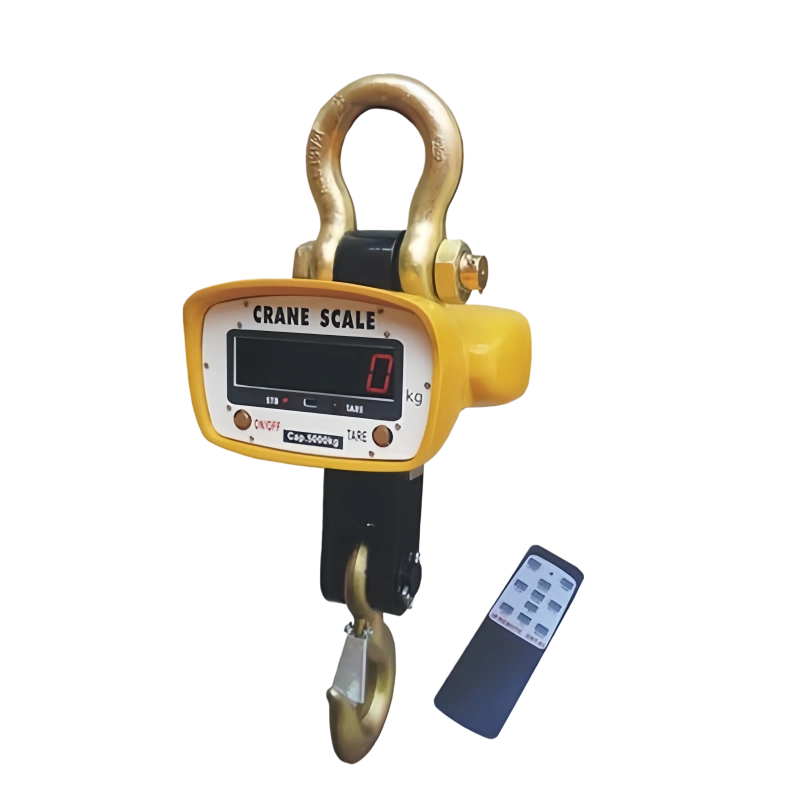
Our digital crane scales provide precise weight measurements with easy-to-read LED/LCD displays and data logging. Available in capacities from 50kg to 100 metric tons, they ensure accuracy for heavy lifting.
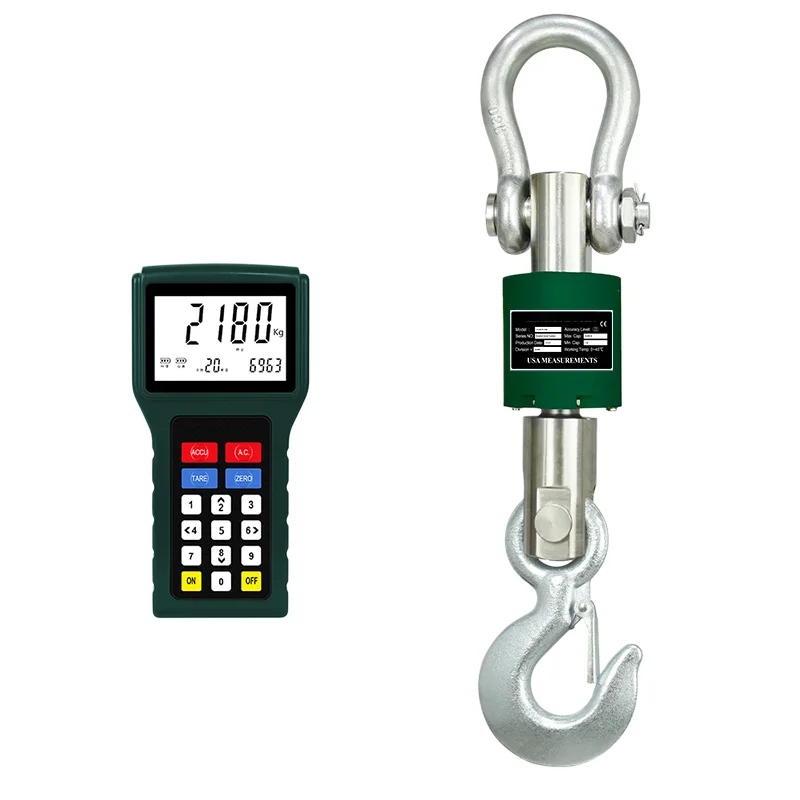
Wireless Crane Scale
Wireless crane scales enhance safety by transmitting weight data to a remote device, enabling operators to monitor loads from a safe distance with precise measurements.
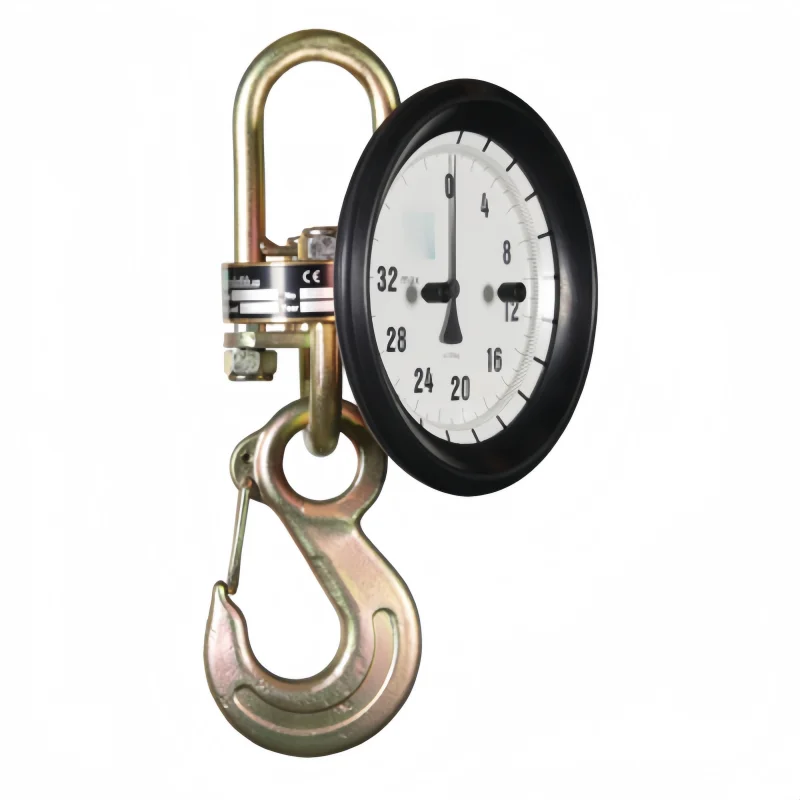
Mechanical Crane Scale
Mechanical crane scales are durable, battery-free options for weighing heavy loads. While not as precise as digital models, they provide reliable performance in tough environments.

Mini Crane Scale
Our mini crane scales are compact, digital solutions for lighter-duty lifting tasks, offering precision and ease for lower-capacity applications. Ideal for smaller, everyday lifting needs.

Heavy Duty Crane Scale
Our heavy-duty crane scales are designed for extreme environments, including metalworking, industrial, mining, and marine settings. They withstand high heat and tough conditions for reliable performance.
NEED HELP WITH YOUR CRANE SCALE ORDER?
Let us help! Reach out today and get recommendations on materials and sizing from our experts.


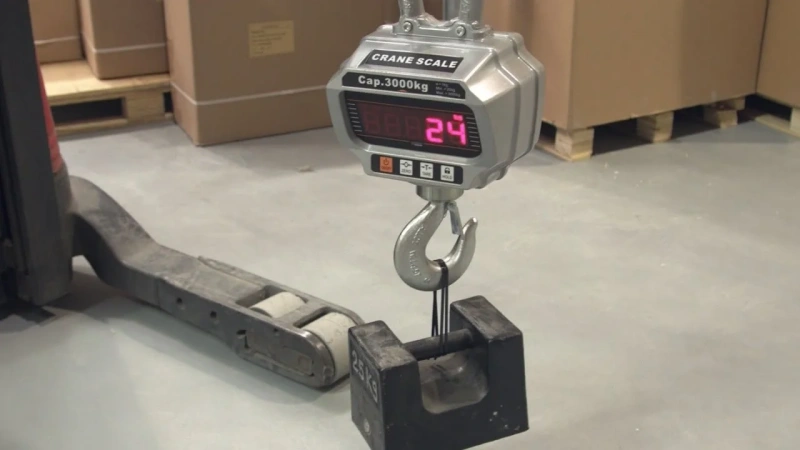
Guide to Hanging Crane Scale
Our guide to crane scale helps you understand crane scale types, applications, and selection tips so you can choose safe, reliable lifting euipments.
What is a Crane Scale?
A crane scale is a device used to measure the weight of heavy objects being lifted by a crane. It is designed to be suspended between the hook of the crane and the load. The scale uses load sensors to provide real-time weight readings. These scales are vital in industries like construction, manufacturing, and shipping, where precise weight measurement is necessary for safety and efficiency. You can rely on them to measure both small and large loads accurately.
Crane Scale Repair
Repairing a crane scale involves a few key troubleshooting steps. Follow these guidelines to ensure your scale is back in working order:
Check the Power Supply: Ensure the scale has power. If the power supply is faulty, replace it.
Inspect Cables and Connections: Look for any visible damage or loose connections. Repair or replace any damaged components.
Recalibrate the Scale: If the scale malfunctions, recalibrate it to restore accuracy.
Replace Load Cells: If recalibration doesn’t solve the problem, you may need to replace the load cells.
Inspect the Display Unit: If the display shows incorrect readings, replacing the display unit might be necessary.
Consult the Manufacturer’s Manual: Refer to the manual for specific troubleshooting steps or recommendations.
Contact a Certified Technician: If you’re unable to fix the issue yourself, it’s best to call a professional to avoid voiding the warranty.
By following these steps, you can effectively troubleshoot and repair your crane scale to maintain accurate and reliable performance.
Crane Scale vs Dynamometer: What’s the Difference?
Both crane scales and dynamometers are used to measure weight or force, but their designs and uses vary. Here’s a breakdown of the differences:
Design and Size:
Crane Scales: Larger and more robust, designed to withstand heavy lifting.
Dynamometers: More compact and portable, suited for a variety of applications.
Primary Application:
Crane Scales: Used for lifting heavy loads with cranes, making them ideal for industrial and construction settings.
Dynamometers: Primarily used for measuring force, tension, or torque, often in testing machinery, cables, or even for scientific purposes.
Load Attachment:
Crane Scales: Often feature hooks for easy attachment to the load.
Dynamometers: More versatile and may have different configurations depending on the application.
Strength and Durability:
Crane Scales: Designed to handle heavy-duty lifting and extreme environments.
Dynamometers: Focus on precision in force measurement, typically used in lighter or more varied tasks.
In summary, crane scales are built for heavy-duty lifting applications, while dynamometers are more versatile tools for measuring force across a range of tasks.
How Accurate Are Crane Scales?
Crane scales are highly accurate when properly calibrated and used in the correct environment. Typically, they have an accuracy range of ±0.1% to ±0.5% of the total load weight. This precision ensures that even large loads are weighed with minimal error, which is crucial for safe lifting operations. For optimal accuracy, it’s essential to maintain and calibrate your crane scale regularly and ensure it is in a stable, controlled environment free from interference.
How Do You Calibrate a Crane Scale?
Calibrating a crane scale ensures accurate weight measurements. Follow these simple steps to calibrate your crane scale properly:
Place Known Calibration Weights: Begin by placing certified calibration weights on the scale to compare against the displayed readings.
Follow Manufacturer’s Procedure: Refer to the manufacturer’s calibration instructions, which often involve adjusting the scale’s readings to match the known reference weight.
Use Automatic Calibration (if available): If your crane scale has an automatic calibration feature, follow the on-screen prompts to complete the calibration.
Always Use Certified Weights: Ensure you are using certified calibration weights for optimal accuracy during the process.
Calibrate Periodically: Perform calibration regularly, especially after heavy use or repairs, to maintain consistent accuracy.
Proper calibration of your crane scale ensures it delivers precise and reliable weight measurements every time.
How Do You Change a Crane Scale Back to Pounds?
Switching your crane scale from kilograms to pounds is simple. Follow these steps to change the unit of measurement:
Access the Settings Menu: On your crane scale’s display, navigate to the settings menu.
Locate the “Units” or “Mode” Option: Look for an option labeled “Units” or “Mode” in the settings.
Toggle Between kg and lbs: Select the “Units” option and toggle between kilograms (kg) and pounds (lbs).
Consult the User Manual: If you’re unsure how to change the units, refer to the user manual for model-specific instructions.
Check the Manufacturer’s Website: For further assistance, visit the manufacturer’s website for detailed guidance on your specific crane scale model.
Changing the unit to pounds is a quick process that ensures your scale meets your specific weight measurement needs.
How Do You Change a Crane Scale From Kg to Lbs?
Switching your crane scale from kilograms to pounds is simple and can be done in a few steps:
Locate the “Unit” or “Settings” Button: Find the “Unit” or “Settings” button on your crane scale’s digital display.
Press the Button: Press the button until you see the option to select your preferred unit of measurement.
Choose Between kg and lbs: Depending on the model, the display may prompt you to toggle between kilograms (kg) and pounds (lbs).
Confirm Your Selection: Once you’ve selected pounds (lbs), confirm the choice by pressing the appropriate button.
Available on Most Digital Models: This feature is commonly available on most digital crane scales and is useful for international weight measurements.
With these steps, you can easily switch your crane scale’s unit to pounds, ensuring compatibility for your specific weight measurement needs.
How Do You Reset a Crane Scale?
If your crane scale is malfunctioning or needs to clear previous data, follow these steps to reset it:
Locate the “Reset” or “Zero” Button: Find the “Reset” or “Zero” button on the digital display of your crane scale.
Press and Hold the Button: Press and hold the button for a few seconds until the display returns to its default settings.
Unload the Scale (if applicable): If your scale has a tare function, make sure the scale is unloaded before resetting to ensure correct calibration.
Consult the Manual: For model-specific instructions, refer to the manufacturer’s manual for additional reset guidelines.
By following these steps, you can quickly reset your crane scale and restore it to accurate, reliable performance.
How Do You Use a Crane Scale?
Using a crane scale is easy and efficient once it’s properly calibrated. Follow these steps to operate your crane scale safely:
Ensure Proper Calibration: Before use, make sure your crane scale is calibrated for accurate measurements.
Attach the Scale to the Load: Secure the crane scale’s hook to the load you wish to lift.
Lift the Load Using the Crane: As the crane lifts the load, the digital display will show the weight in real-time.
Check for Proper Securing: Ensure that the crane scale is securely attached and the load is evenly balanced to prevent damage.
Read the Manufacturer’s Manual: For safety and proper operation, consult the manufacturer’s manual for specific instructions and guidelines.
What is the Standard for Crane Scales?
The standard for crane scales varies by region and industry but generally includes regulations on accuracy, load limits, and safety features. In the U.S., crane scales are often built to comply with ANSI (American National Standards Institute) and NIST (National Institute of Standards and Technology) guidelines. These standards ensure that crane scales provide precise measurements within specific tolerances. Depending on your industry, your crane scale might also need to meet OSHA (Occupational Safety and Health Administration) requirements for safety.
Crane Scales Inspection
Regular crane scale inspections are crucial for ensuring accurate performance and safety. Follow these steps to perform a thorough inspection:
Verify Calibration and Accuracy: Ensure the scale is calibrated correctly and operating within the specified tolerance limits for accurate weight measurements.
Assess Physical Condition: Check the condition of key components, including the hook, display unit, and load cells, for wear or damage.
Inspect for Signs of Damage: Look for any rust, cracks, or other signs of wear on the scale’s parts that may affect performance.
Address Any Issues: Repair or replace worn or damaged components to maintain the scale’s reliability and functionality.
Schedule Regular Inspections: Perform crane scale inspections on a regular basis to prevent malfunctioning and ensure safe lifting operations.
Regular inspections help keep your crane scale in top working condition, ensuring accurate readings and safe use in heavy-duty applications.
Have More Questions of Crane Scale?
Have more questions about crane scales? Whether you’re curious about installation, calibration, or maintenance, we’re here to help. Get clear answers and expert guidance to ensure your crane scale operates smoothly and accurately. Contact us today for more information!