
Slip Hooks
Get heavy-duty, reliable slip hooks built for any lifting or securing task. We make every piece with precision and durability. Quote your slip hooks from Powerful Machinery today and get hardware you can trust.

Our slip hooks handle heavy loads with precision, delivering safe and durable performance every time.
Get fully certified slip hooks built to meet strict industry standards you can trust in every operation.
We make slip hooks tailored to your exact size, material, and finish requirements for perfect fit and use.
Receive slip hooks on time with dedicated support to keep your projects running smoothly without delays.
Powerful Machienry- Your Relaible Slip Hook Manufacturer
We supply work provide dependable slip hooks for industry leaders.





SLIP HOOK COLLECTION
Our slip hooks support lifting and rigging operations across diverse applications. Our selection includes:

Clevis slip hook features a U-shaped attachment with a removable pin, letting you connect chains or rigging hardware directly for safe lifting.
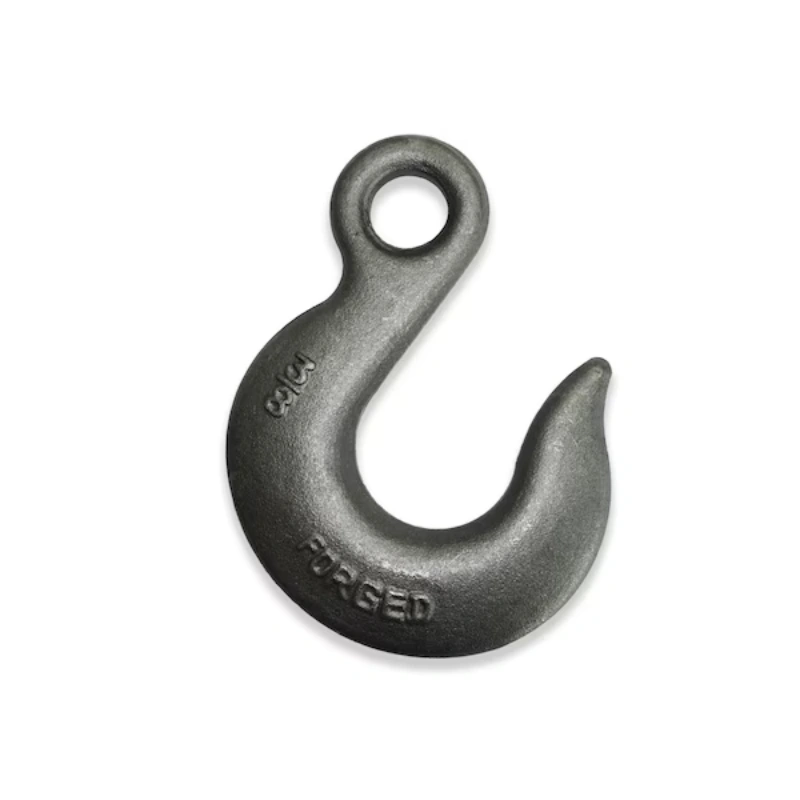
Eye slip hook has a closed circular eyelet, securely connecting wire rope, chains, or synthetic slings for dependable lifting.
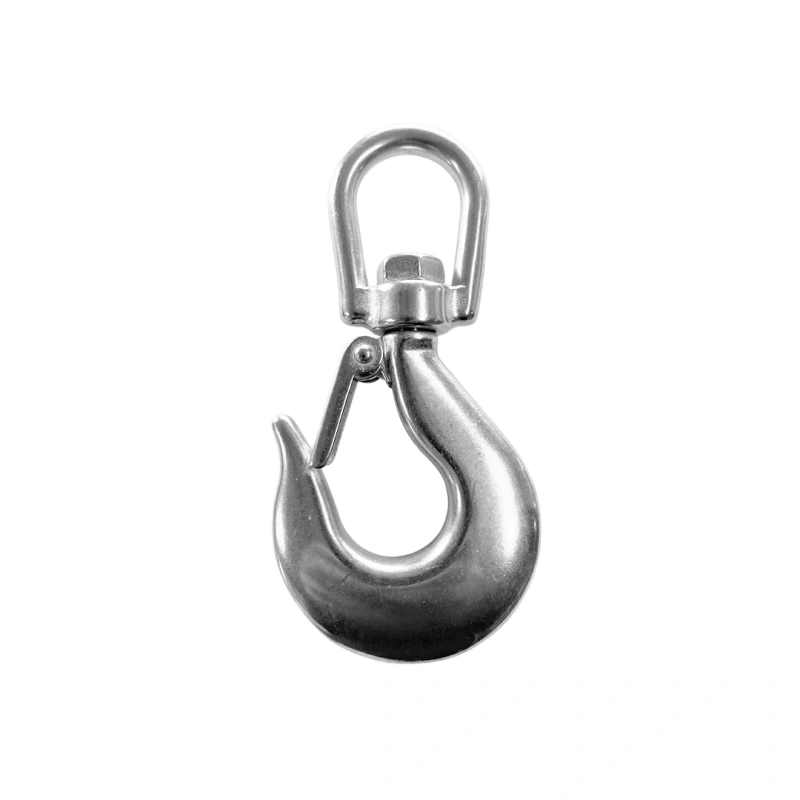
Swivel Slip Hook
Swivel slip hook rotates 360°, preventing load twisting or shifting for safer, smoother lifting of chains, ropes, or rigging hardware.
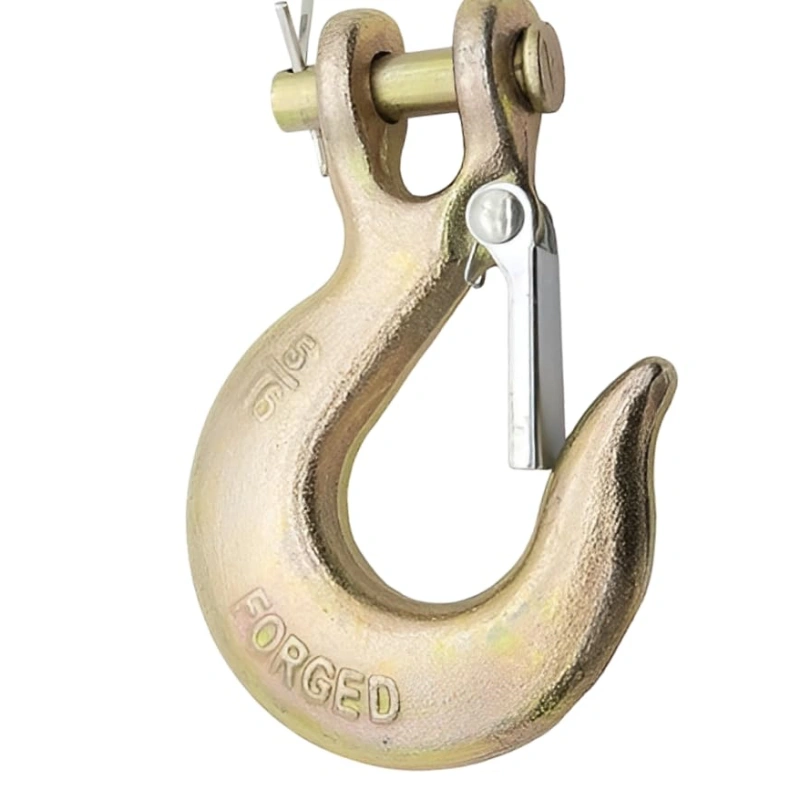
Slip Hook With Latch
Slip hook with latch has a spring-loaded safety latch, securing chains or loads and preventing slips during lifting or rigging.
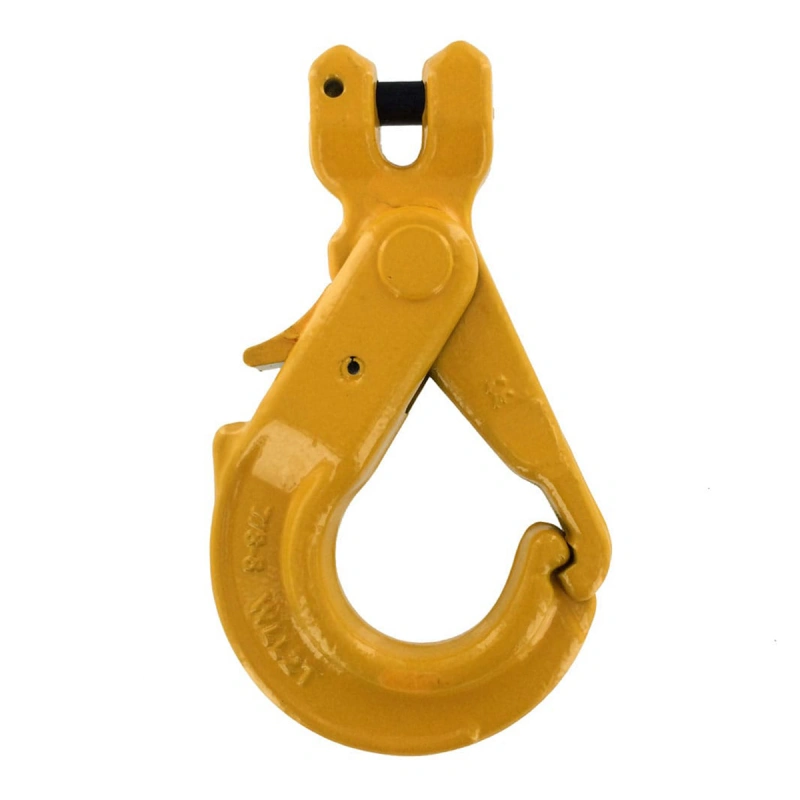
Self-Locking Slip Hook
Self-locking slip hook locks automatically under tension, keeping chains or loads secure and preventing slips during lifting or rigging.
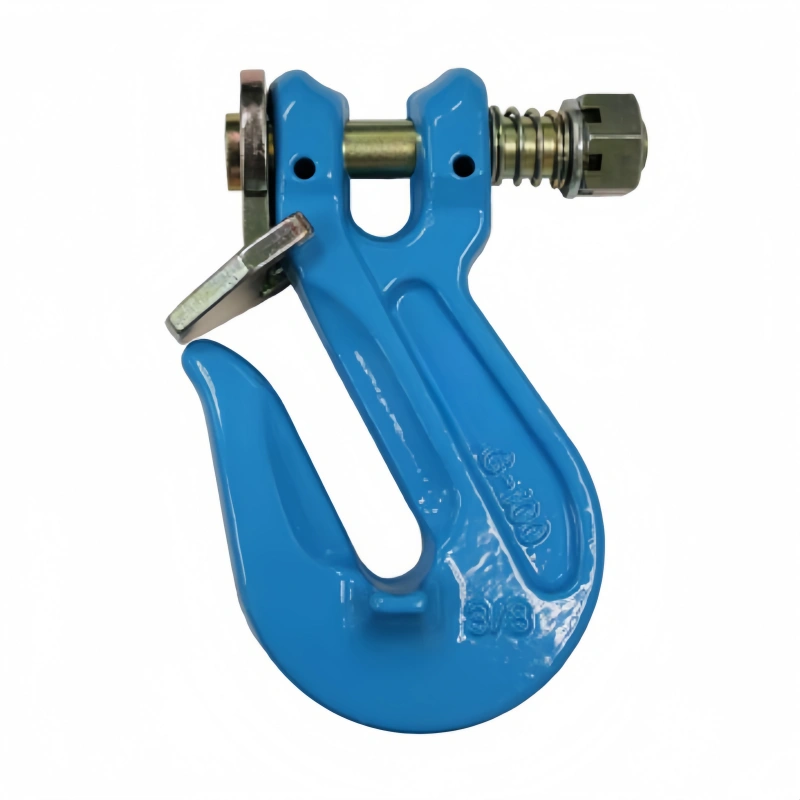
Twist Lock Slip Hook
Twist lock slip hook locks when twisted, securing chains or loads and preventing accidental release during lifting or rigging.
NEED HELP WITH YOUR SLIP HOOK ORDER?
Let us help! Reach out today and get recommendations on materials and sizing from our experts.


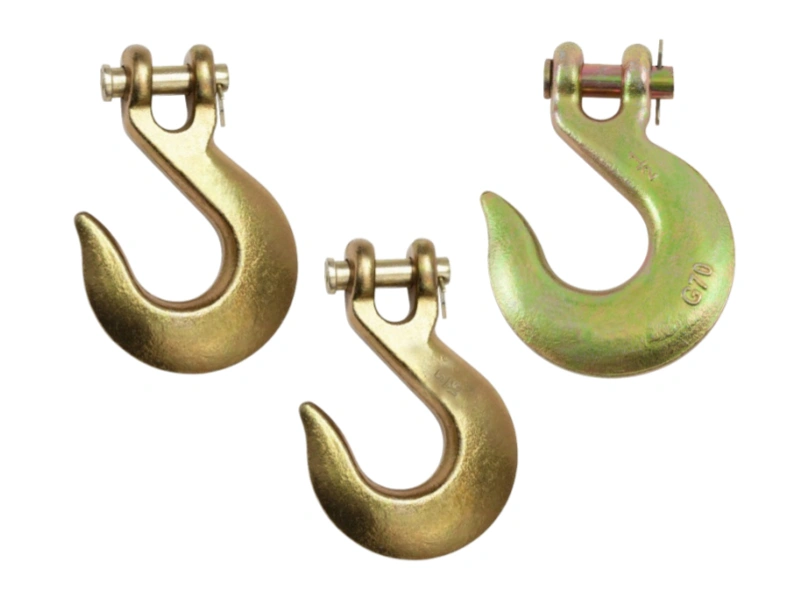
Guide to Slip Hook
Our guide to slip hooks helps you understand slip hook types, applications, and selection tips so you can choose safe, reliable rigging connections.
What is a Slip Hook?
A slip hook lets you attach chains, ropes, or webbing and slide them under tension. You can adjust chain length instantly. Our slip hooks handle loads from 1 ton up to 20 tons, made with alloy steel and forged for uniform strength. You maintain a secure connection while lifting, towing, or handling heavy materials without extra links or adapters.
Slip Hook vs Grab Hook: What's the Difference?
When you choose chain hooks for lifting, towing, or rigging, you often compare slip hooks and grab hooks. Each hook serves a different purpose in load control and chain positioning. Understanding the differences helps you select the right hook for safe and efficient operations.
Main Differences Between Slip Hooks and Grab Hooks
Chain Movement
A slip hook allows the chain to slide freely through the hook under load.
A grab hook locks onto a specific chain link and stops movement.
Function in Rigging
Slip hooks provide flexibility when you need adjustable chain positioning.
Grab hooks create a fixed connection point in the chain.
Best Application
Slip hooks work well for lifting, towing, and situations where chain length needs adjustment.
Grab hooks work best for shortening chains or securing a load at a fixed position.
Load Handling
Slip hooks support dynamic loads where chain movement may occur.
Grab hooks hold the chain firmly in place for stable load control.
Manufacturer Testing
We test both hook types for rated working load limits (WLL).
Slip hooks ensure smooth load handling, while grab hooks deliver reliable fixed positioning.
Foundry Hook vs Slip Hook: What is the Difference?
When you select hooks for lifting or rigging, you may encounter both foundry hooks and slip hooks. These terms describe different aspects of hook manufacturing and design. Understanding their differences helps you choose the right hook for strength, durability, and application.
Key Differences Between Foundry Hooks and Slip Hooks
Manufacturing Method
A foundry hook comes from casting or hot forging processes.
These processes create dense metal with directional grain for stronger performance.
Hook Design
A slip hook refers to a hook style with an open throat.
This design allows the chain to slide freely inside the hook.
Material Strength
Foundry-made hooks often provide higher toughness due to controlled metal flow and forging techniques.
Durability and Heat Treatment
We heat-treat every foundry slip hook to improve fatigue resistance and structural strength.
Industrial Applications
Foundry slip hooks perform well in demanding environments such as industrial lifting, marine operations, and mining equipment.
How Do You Choose the Right Slip Hook for Your Load?
Selecting the correct slip hook ensures safe lifting and reliable load control. You need to match the hook capacity, chain size, and working conditions with your application to avoid overload or equipment failure.
Steps to Choose the Right Slip Hook
Check the Working Load Limit (WLL)
Match the slip hook’s WLL to your maximum expected load plus a safety margin.
Apply a Safety Margin
Example: If your load reaches 5 tons, choose a slip hook rated 7–8 tons for safer operation.
Verify Chain Compatibility
Ensure the hook throat size fits your chain diameter or rigging hardware correctly.
Review Product Identification
Look for clear WLL markings, batch numbers, and dimensional charts to confirm specifications.
Consider Load Conditions
Check load angles, dynamic forces, and shock loading before selecting a slip hook.
Confirm Manufacturer Specifications
Choose hooks that meet tested standards and provide reliable performance for lifting and rigging tasks.
What Materials Make High-Quality Slip Hooks?
Material selection determines the strength, durability, and reliability of slip hooks used in lifting and rigging. High-quality materials help the hook withstand heavy loads, repeated use, and harsh working environments.
Key Materials and Features of Quality Slip Hooks
High-Strength Alloy Steel
Quality slip hooks use alloy steel that provides high tensile strength and strong load-bearing capacity.
Balanced Ductility
Proper ductility allows the hook to absorb stress and resist cracking during lifting or towing operations.
Controlled Alloy Composition
We use alloys with precise carbon and manganese levels to improve structural strength and durability.
Heat-Treated for Toughness
Heat treatment increases toughness and wear resistance, helping the hook perform under heavy loads.
Resistance to Repeated Loads
High-quality slip hooks handle repeated lifting cycles and shock loads better than standard cast hooks.
Reliable Performance in Harsh Environments
Strong materials keep slip hooks dependable in demanding applications such as industrial lifting, towing, and heavy material handling.
What Standards Should Slip Hooks Meet?
Slip hooks must meet ASME B30.9, ASTM load testing, and sometimes API criteria. You look for proof load, dimensional accuracy, and traceable test reports. We design hooks with proper radii, throat openings, and fatigue resistance. You get confidence that every hook performs consistently under lifting, rigging, or towing conditions.
How Does the Latch Improve Slip Hook Performance?
A safety latch keeps chain or rope inside the hook throat, reducing accidental unhooking during shifts, bumps, or swings. You open it manually when needed. We design springs and pivots that resist fouling and wear. You maintain controlled engagement, reduce dropped loads, and improve safety every time you lift or tow with a latched hook.
Can Slip Hooks Rotate Under Load?
Rotation can occur if the hook aligns with the load direction. You want a hook geometry that keeps force along its strongest axis. We design shoulders and curves to guide the chain evenly. You reduce side loads and uneven wear, keeping chains aligned and extending hook life in lifting, rigging, and marine operations.
How Should You Inspect and Maintain Slip Hooks?
Regular inspection and maintenance keep slip hooks safe and reliable in lifting and rigging operations. A simple routine check helps you detect damage early and reduce the risk of load failure.
Slip Hook Inspection and Maintenance Checklist
Check for Visible Damage
Look for cracks, pitting, surface corrosion, or signs of metal fatigue.
Inspect Deformation
Check for elongation, bending, or changes in the hook throat opening.
Examine Safety Latch Condition
Inspect latch wear and confirm it closes properly without sticking.
Measure Critical Dimensions
Compare throat opening and overall hook dimensions with the original specifications.
Maintain Moving Parts
Lubricate pivot points and moving components to keep smooth operation.
Protect from Corrosion
Keep slip hooks away from corrosive chemicals and harsh environments when possible.
Replace Damaged Hooks Immediately
Remove hooks showing necking, fractures, or structural deformation to prevent lifting accidents.
Follow a Regular Inspection Routine
Consistent checks extend service life and reduce the risk of unexpected load failures.
Why Choose Us as Your Slip Hook Manufacturer?
Working with an experienced slip hook manufacturer ensures consistent quality, verified strength, and reliable performance in demanding lifting applications. A trusted manufacturer focuses on real working conditions, not just catalog specifications.
Key Benefits You Receive
Precision Forging Process
You get slip hooks produced through precision forging for stronger structure and consistent quality.
Strict Material Control
We select and control alloy materials carefully to ensure durability and high load capacity.
Heat-Treated for Industrial Use
Each hook undergoes heat treatment to handle real industrial lifting conditions.
Verified Working Load Limit (WLL)
We test WLL to confirm every hook meets reliable load performance standards.
Traceable Production Records
Batch numbers and traceable records allow full product tracking and quality verification.
Technical Support on Selection
We guide you on correct hook sizing, duty cycles, and rigging practices.
Designed for Real Field Conditions
Our slip hooks perform reliably in construction, marine, mining, and logistics operations.
Have More Questions of Slip Hook?
Have more questions about slip hooks? Contact our team for help with hook types, load capacity, materials, and selection. We help you choose reliable slip hooks for safe lifting and rigging.