Chain hoist maintenance protects you, your team, and your investment. Powerful Machinery provides certified lifting solutions built for demanding industries. You can extend the lifespan of your equipment and reduce unexpected breakdowns with routine care.
Regular maintenance can extend the lifespan of chain hoists by up to 30%.
Predictive maintenance helps you catch problems before they cause downtime.
Routine inspections and proper lubrication minimize wear and tear.
Key Takeaways
Regular maintenance can extend the lifespan of chain hoists by up to 30%. Schedule routine inspections to catch issues early.
Proper lubrication and cleaning prevent wear and tear. Use manufacturer-approved products to keep your hoist running smoothly.
Conduct thorough visual inspections before each use. Look for signs of damage, rust, or unusual noises to ensure safety.
Invest in operator training to promote safe lifting practices. Well-trained operators reduce risks and improve efficiency.
Follow manufacturer guidelines for maintenance and storage. This approach protects your investment and ensures reliable operation.
Why Chain Hoist Maintenance Is Essential?
Safety and Reliability
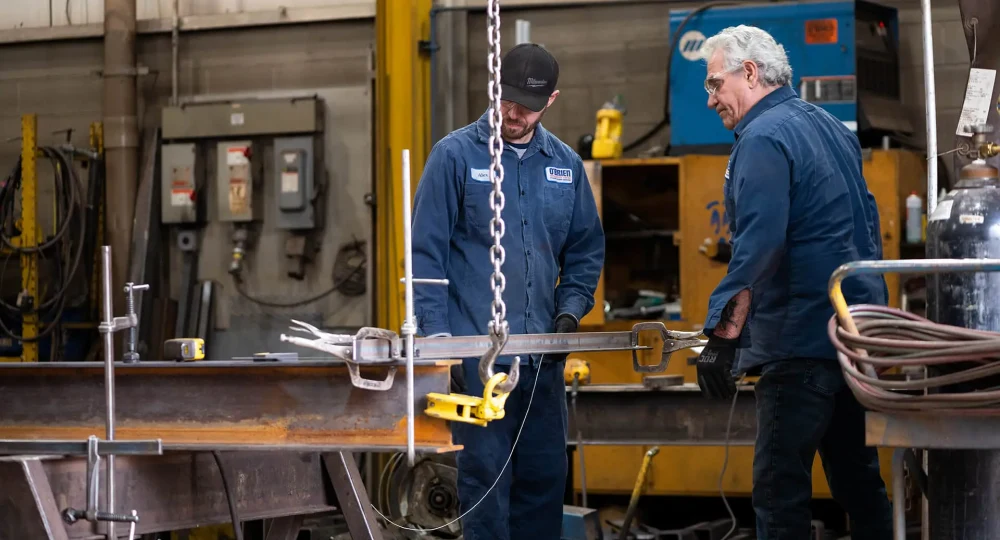
You protect your team and your workplace when you prioritize safety. Chain hoist maintenance plays a critical role in preventing accidents and ensuring reliable operation. Neglecting routine care can lead to several risks:
Chain wear and damage, such as stretched or kinked chains, can compromise safety and efficiency.
Overloading the hoist can cause premature wear or even failure.
Environmental factors, including corrosion and dirt, can affect the hoist’s operation.
Skipping regular inspections allows undetected wear or damage to go unnoticed, increasing the risk of failure under load.
Using damaged components puts everyone at risk and should never happen.
Chain failures in electric hoists can result in sudden, catastrophic incidents. These failures not only threaten safety but also cause operational downtime. The integrity of the load chain is vital. Any damage can compromise the entire system, leading to costly repairs and hazards in your workplace.
You can prevent these issues by inspecting and maintaining your equipment regularly, lubricating moving parts, managing loads properly, and training operators to recognize stress and wear.
Cost Savings and Longevity
You save money and extend the life of your equipment with a proactive maintenance program. Investing in durable, efficient hoists reduces long-term costs because high-quality components require less frequent servicing and fewer expensive repairs. Consider the following comparison:
Item | Before CORP | With CORP |
|---|---|---|
Overhaul parts (per unit) | $447 | $173 |
Reduction | — | 61% lower |
For a fleet of 200 hoists, you could save up to $54,800 annually on overhaul parts alone. Regular inspections help you spot problems early. Proper lubrication reduces wear and tear. Timely troubleshooting prevents minor issues from becoming major failures.
These steps reduce the need for equipment replacement and keep your operations running smoothly.
Tip: Schedule routine chain hoist maintenance to maximize safety, reliability, and cost efficiency.
Chain Hoist Maintenance Practices
Visual Inspections
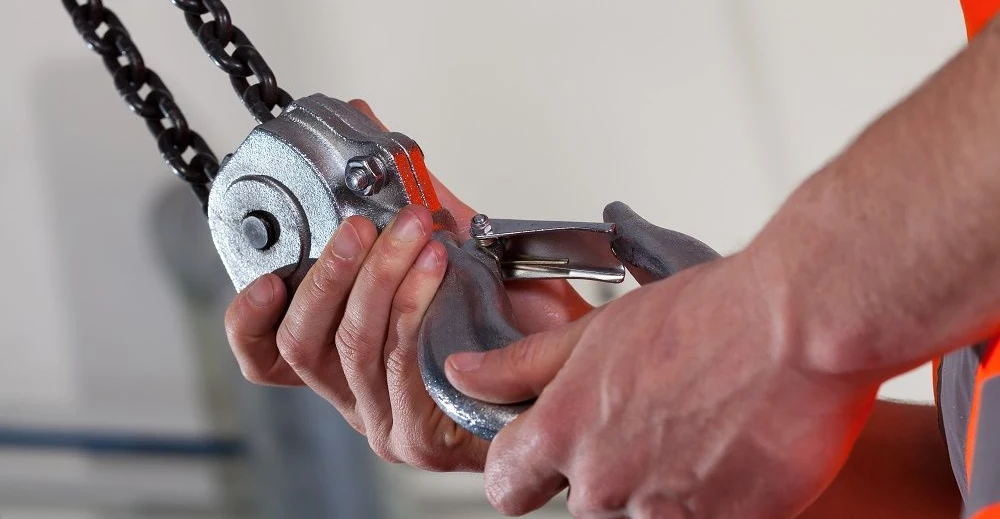
You should start every chain hoist maintenance routine with a thorough visual inspection. This step helps you catch early signs of wear, damage, or misuse before they become serious problems. For both manual chain hoists and electric models, follow a structured inspection schedule to ensure safety and compliance.
Inspection Type | Frequency | Description |
|---|---|---|
Initial Inspection | Before first use or after changes | Confirm compliance with standards and manufacturer guidelines. |
Frequent Inspection | Weekly to monthly | Check for proper operation, unusual sounds, and visible damage. |
Periodic Inspection | Monthly to annually | Conduct a detailed review of all components and safety features. |
Hoists Not in Service | After 1 month or 1 year of being idle | Inspect before returning to active use. |
Inspection Records | Ongoing | Keep dated reports for accountability and safety tracking. |
You should always check for rust, corrosion, excessive wear, and any unusual noises or vibrations. Pay close attention to the load chain, hooks, and safety latches. If you notice any cracks, deformation, or signs of overloading, remove the hoist from service immediately. Never use a hoist with a kinked or damaged chain.
Tip: Only trained and authorized personnel should perform inspections and maintenance. Always follow the manufacturer’s recommendations for your specific model, such as the SK Series Manual Chain Hoist or HHSY Electric Chain Hoist.
Cleaning and Lubrication
Proper cleaning and lubrication keep your chain hoist running smoothly and extend its service life. Dirt, dust, and moisture can cause corrosion and premature wear, especially in demanding environments like construction sites or warehouses.
Wipe down the hoist after each use with a damp towel.
Use mild soap and water for occasional deep cleaning. Dry the hoist completely before storing or using it again.
Apply the manufacturer’s recommended lubricant to the chain and gears at least once or twice a year. This prevents rust and ensures smooth operation.
Avoid using unapproved cleaning agents or lubricants, as these can damage certified components.
You should always follow the guidelines provided in your product manual. For example, the DHS Electrical Chain Hoist and DHP Chain Electric Hoist require regular lubrication of moving parts to maintain optimal performance.
Certified components, such as alloy steel chains and hooks, resist corrosion and wear when properly maintained.
Alert: Never bypass safety devices or use makeshift cleaning tools. Always use the correct products and methods specified by Powerful Machinery.
Component Care (Chains, Hooks, Gears, Brakes)
You must pay close attention to the core components of your hoist. Each part plays a critical role in safe lifting operations.
Chains: Look for rust, corrosion, or excessive wear on each link. Grade 80 and Grade 100 chains, like those used in Powerful Machinery hoists, offer superior durability. Replace any chain that shows signs of stretching, kinking, or damage.
Hooks: Inspect for cracks, deformation, or damaged safety latches. Hooks made from quenched and tempered alloy steel provide high strength and toughness. Never use a hook that is loose or shows signs of overloading.
Gears: Listen for grinding noises or rough movement. Clean and lubricate gears regularly to prevent wear and ensure smooth operation.
Brakes: Test the brake system to confirm it engages and releases properly. A reliable brake is essential for controlled lifting and lowering. If you notice slipping or difficulty stopping the load, service the brake immediately.
Common mistakes include continuing to use a hoist with visible damage, exceeding the rated capacity, or using non-certified replacement parts. You should always use genuine components and follow the maintenance schedule outlined by Powerful Machinery. This approach maximizes safety and extends the life of your equipment.
Note: Never attempt repairs or adjustments unless you are qualified and authorized. Always secure the load properly and never leave it unattended.
By following these chain hoist maintenance practices, you protect your investment and ensure safe, reliable operation. Regular inspections, proper cleaning, and attention to certified components keep your hoists—manual or electric—in top condition for years to come.
Manual vs Electric Chain Hoist Maintenance
Maintaining your chain hoist properly ensures safe operation and extends its service life. You need to understand the differences between manual and electric chain hoists to create an effective maintenance plan.
Each type has unique requirements and challenges. Powerful Machinery’s SK Series Manual Chain Hoist and HHSY, DHS, and DHP Electric Chain Hoist models offer reliable performance when you follow the right care routines.
Manual Chain Hoist Care
Manual chain hoists require hands-on attention. You should inspect mechanical parts regularly and keep them clean. The SK Series Manual Chain Hoist features a compact design and high-strength alloy steel chains. These components resist wear, but you must check them often for signs of damage.
Examine the load chain for rust, stretching, or kinks.
Lubricate the chain and gears to prevent friction and corrosion.
Inspect hooks for cracks or deformation.
Tighten bolts and fasteners to maintain structural integrity.
Test the brake and load limiter for proper function.
Clean the hoist after each use to remove dust and moisture.
You can use a simple checklist to stay organized:
- Inspect chain links and hooks
- Lubricate moving parts
- Check bolts and fasteners
- Test brake and safety devices
- Clean exterior surfaces
Manual chain hoists do not have electrical components, so you focus on mechanical wear and cleanliness. Regular care prevents rust and ensures smooth operation, especially in harsh environments.
Electric Chain Hoist Servicing
Electric chain hoists demand a more technical approach. You must check both mechanical and electrical systems. Powerful Machinery’s HHSY, DHS, and DHP Electric Chain Hoist models include advanced safety features and high-performance motors. You need to inspect these components to maintain reliability.
Here is a comparison of maintenance tasks for each type:
Type of Hoist | Maintenance Tasks |
|---|---|
Electric Chain Hoist | – Check electrical components (motor, wires, controls) |
– Lubricate moving parts and bearings | |
– Test and adjust safety features (limit switches, overload protection, emergency stop) | |
– Inspect and repair the brake | |
– Regular servicing for optimal performance and longevity | |
Manual Chain Hoist | – Check and lubricate mechanical parts (chains, hooks, gears) |
– Ensure bolts and fasteners are secure | |
– Inspect for wear on load-bearing components | |
– Test safety features (brakes, load limiters) | |
– Maintain cleanliness to prevent rust and ensure proper function |
When you service electric chain hoists, pay close attention to common issues:
Control failure can stop the hoist from moving as intended.
Brake failure may cause unsafe load drift.
Circuit failure disrupts operation and requires prompt repair.
Lubrication prevents friction and overheating.
Electrical checks help you spot problems before they escalate.
Operator training ensures safe and efficient use.
You should follow a routine:
Inspect the power source and control pendant.
Check the motor for overheating and allow cooling if needed.
Listen for unusual noises and lubricate the chain.
Inspect the load chain for jamming or misalignment.
Test the brake system and adjust settings.
Examine wiring and control mechanisms.
Tip: Always consult the manufacturer’s manual for specific procedures and recommended service intervals.
Professional Inspections
You should schedule professional inspections for both manual and electric chain hoists. Certified technicians have the expertise to identify hidden issues and perform advanced diagnostics.
Powerful Machinery recommends annual inspections for electric chain hoists and periodic checks for manual models, especially in high-use environments.
Professional inspections include:
Detailed examination of chains, hooks, gears, and brakes.
Electrical system testing for electric chain hoists.
Load testing to verify rated capacity.
Review of maintenance records and service history.
Load Testing for Chain Hoists
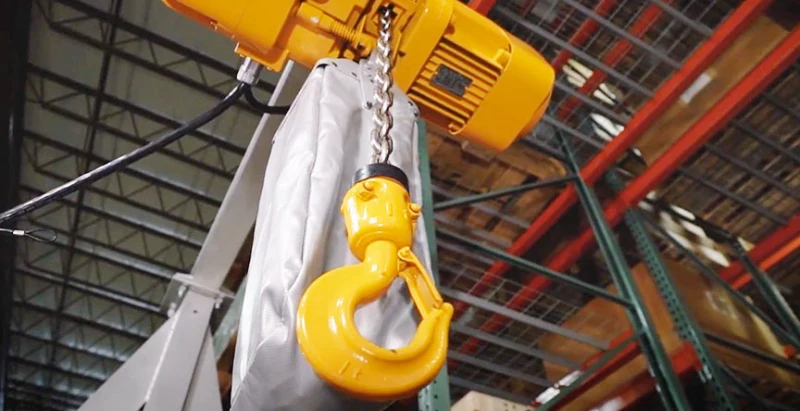
Static and Dynamic Tests
You must verify the safety and reliability of your chain hoist with proper load testing. This process checks if your equipment can handle the demands of daily lifting. Industry standards require two main types of tests:
Static load testing applies a stationary overload, usually 125% of the rated capacity, to your hoist. This test confirms the structural integrity of the hoist and its components.
Dynamic load testing also uses 125% of the rated capacity. You operate the hoist under this load, raising and lowering it to ensure all functions work as designed.
You should follow OSHA and ANSI regulations for both tests. These rules help you meet safety requirements and protect your team. Never exceed 125% of the rated load unless your manufacturer provides different instructions. Always use certified equipment, like Powerful Machinery’s chain hoists, to ensure accurate results.
Tip: Perform load testing after installing a new hoist, making major repairs, or modifying the equipment.
Testing Intervals
You need to schedule regular inspections and tests to keep your chain hoist in top condition. The table below shows the recommended intervals:
Inspection Type | Frequency |
|---|---|
Frequent inspection | Daily to monthly intervals |
Periodic inspection | 1 to 12-month intervals |
Frequent inspections help you catch early signs of wear or damage. Periodic inspections include more detailed checks, such as load testing, to confirm the hoist’s performance. Always record your test results and keep them for future reference.
This practice supports compliance and helps you track the condition of your equipment over time.
Note: Schedule load testing according to OSHA and ASME standards, or as recommended by your manufacturer.
Preventive Maintenance Programs
Scheduling and Records
You need a structured preventive maintenance program to keep your chain hoists safe and reliable. Start by creating a schedule that includes daily visual inspections, monthly walk-throughs, and comprehensive checks at regular intervals. This routine helps you catch minor issues before they become major problems.
Conduct daily visual checks for wear and test the hoist’s functionality.
Perform monthly walk-throughs to identify early signs of trouble.
Keep a recommended spare parts list on hand for quick repairs.
Lubricate the chain as part of your regular maintenance routine.
Schedule thorough inspections to review all components.
A simple logbook or checklist acts as a medical chart for your hoist. You can track service dates, repairs, and recurring issues. This documentation helps you diagnose problems, plan replacements, and demonstrate compliance with safety regulations.
Keeping detailed records also serves as legal proof that you maintain your equipment responsibly.
Tip: Consistent record-keeping supports troubleshooting and ensures you never miss a scheduled inspection.
Manufacturer Recommendations
You should always follow the manufacturer’s guidelines for your specific chain hoist model. Different types of hoists require unique maintenance procedures. Manual hoists need attention to bearings, gears, and chains.
Electric hoists require checks on push-button switches, contactors, and cables. Consult your product manual for the recommended service intervals and procedures.
Powerful Machinery aligns its maintenance recommendations with international safety standards and certifications. The table below highlights key standards that guide safe operation and maintenance:
Standard/Certification | Description |
|---|---|
ASME Standards | U.S. standards for overhead and lever hoists (e.g., ASME B30.16, B30.21). |
CE Mark | Indicates compliance with European safety requirements. |
EAC Mark | Confirms conformity for the Eurasian Economic Union. |
ISO Standards | Quality management and safety systems (e.g., ISO 9001). |
National Standards | Includes DIN (Germany) and BS (Britain) for engineering quality. |
By following these recommendations and standards, you reduce unplanned outages, extend equipment life, and schedule downtime efficiently. A proactive approach to regular maintenance keeps your chain hoists operating safely and reliably.
Operator Training and Safety
Training for Proper Use
You build a strong foundation for safe lifting when you invest in operator training. Every operator should receive hands-on instruction for both manual and electric chain hoists.
Training must cover OSHA 1910 and ASME B30 requirements. You learn essential skills in safe operation and compliance, which reduces risk and improves uptime. A well-trained team creates a stronger safety culture in your workplace.
Key training topics include:
Inspect the hoist for damage or wear before each use.
Follow the manufacturer’s recommended weight limits.
Secure the load to the hook and distribute it evenly.
Keep the area beneath the load clear at all times.
Maintain clear communication among operators.
Avoid swinging loads and always lift vertically.
Understand emergency procedures and overload protection.
Practice safe rigging techniques.
You should also review hoist inspection protocols for daily, frequent, and periodic checks. These steps help you prevent accidents and keep your equipment in top condition.
Safe Maintenance Procedures
You protect yourself and your team by following strict maintenance procedures. Start with pre-operation checks. Inspect the chain and hooks, test mechanical components, and confirm the load capacity. Set up the hoist on a secure anchor point and balance the load before lifting.
Use slow, controlled movements and stay out of the danger zone during operation. Always monitor the hoist and environment for changes.
For maintenance, lubricate moving parts regularly and replace any damaged components. Use hoists rated for your specific conditions to maintain safety. These habits prevent accidents and extend the life of your equipment.
Tip: Never skip a step in your maintenance routine. Consistency ensures safety for everyone on site.
Recommended Tools
You need the right tools to perform maintenance safely and efficiently. Keep these items in your toolkit:
Manufacturer-approved lubricants and cleaning agents
Inspection mirrors and flashlights for hard-to-see areas
Torque wrenches for tightening bolts and fasteners
Safety gloves and protective eyewear
Load test weights for verifying hoist capacity
Lockout/tagout devices for electrical hoists
Using proper tools helps you complete tasks accurately and supports a culture of safety in your workplace.
Environmental and Storage Tips
Corrosion Prevention
You face many environmental challenges when you operate or store chain hoists. Moisture, extreme temperatures, chemicals, and UV radiation can all damage your equipment. Moisture causes steel strands to rust, which weakens the hoist.
High or low temperatures make lubricants evaporate and can reduce the strength of materials. Chemicals may break down synthetic parts, and sunlight can make fibers brittle.
To protect your chain hoist from corrosion, you should follow these best practices:
Best Practice | Description |
|---|---|
Protective Coatings | Apply epoxy or zinc-based coatings to metal parts to block rust caused by humidity. |
Regular Maintenance | Inspect for rust, clean all components, and lubricate moving parts to keep the hoist working well. |
Environmental Control | Use dehumidifiers and keep the area ventilated to lower humidity around the hoist. |
You should also use protective covers or coatings when you work in harsh environments. Always clean the hoist after use and apply the recommended lubricant to the chain or wire rope. In humid areas, place desiccant packs near electrical parts to absorb moisture.
Tip: Choose chain hoists with corrosion-resistant features if you work in corrosive environments.
Proper Storage
You extend the life of your chain hoist when you store it correctly. Always hang the hoist by its suspension hook if possible. If you must use a shelf, make sure the hoist has full support to prevent bending or distortion. Never stack heavy items on top of your hoist.
Store your hoist indoors in a dry, climate-controlled space. Keep the temperature between 50–80°F (10–27°C) and the humidity below 50%. Protect the hoist from direct sunlight and allow good air circulation. If you must store the hoist outside, use a durable, water-resistant cover.
Before storage, clean the hoist to remove dirt, grease, and moisture. Lubricate the chain or wire rope with the recommended product. Place the hoist on a pallet or shelf to keep it off the floor and away from moisture. Cover the hoist or store it in a cabinet to protect it from dust and dirt.
Note: Proper storage and environmental control help you prevent rust, reduce wear, and keep your chain hoist ready for safe use.
Conclusion
You protect your team and investment when you maintain your chain hoists regularly. Routine care prevents failures, reduces accidents, and keeps your equipment reliable for years.
You prevent equipment failures and lower accident risks.
You ensure safe operation with proper lubrication and inspections.
You boost reliability by engaging qualified technicians.
Powerful Machinery stands out as a trusted provider of certified lifting solutions:
Evidence Type | Description |
|---|---|
Commitment to Quality | Strong focus on product quality and safety. |
Advanced Manufacturing | Automated welding and precision forging techniques. |
Industry Experience | Over 20 years in lifting solutions. |
Customer Trust | Global clients rely on their expertise. |
Follow manufacturer guidelines, keep detailed records, and consult experts for complex maintenance. Explore Powerful Machinery’s products for dependable lifting solutions.
FAQ
How often should you inspect your chain hoist?
You should inspect your chain hoist before each use and perform a detailed inspection monthly. Schedule annual professional inspections for electric models. Regular checks help you catch problems early and keep your equipment safe.
What lubricant works best for chain hoists?
You should use manufacturer-approved lubricants designed for alloy steel chains and gears. Avoid generic oils. Proper lubrication reduces friction, prevents rust, and extends the life of your hoist.
Can you replace chain hoist parts yourself?
You can replace basic parts like chains and hooks if you follow the manufacturer’s instructions. For complex repairs, contact a certified technician. Always use genuine Powerful Machinery components for safety.
What should you do if your hoist makes unusual noises?
Stop using the hoist immediately. Inspect for damage, loose parts, or lack of lubrication. If you cannot find the cause, schedule a professional inspection. Unusual noises often signal mechanical issues.
How do you store a chain hoist to prevent rust?
Clean and dry your hoist before storage. Hang it by the suspension hook in a dry, climate-controlled area. Use protective covers and apply lubricant to chains and gears. This routine prevents rust and keeps your hoist ready for use.