
Clevis Links
Clevis links keep chain and rigging connections secure and easy to manage. Powerful Machinery manufactures hardware accessories with consistent quality, reliable supply, and practical support for your projects. Need clevis links? Request a hardware accessories quote from Powerful Machinery.

Consistent clevis links quality that helps you reduce risk and keep supply stable.
Precise clevis links dimensions for secure fit and smoother assembly.
Stable production capacity and on-time delivery for bulk clevis links orders.
Fast response, custom options, and direct factory support for easier sourcing.
Powerful Machinery - Your Reliable Clevis Link Manufacturer
We supply work provide dependable clevis links for industry leaders.



CLEVIS LINK
Our clevis links support secure connections in lifting, rigging, towing, and equipment assembly. We manufacture clevis links with consistent quality, accurate fit, and stable supply for industrial projects.

A double clevis mid-links is a heavy-duty chain connector with two clevis ends and removable pins, built for secure joining in towing, cargo control, and rigging.
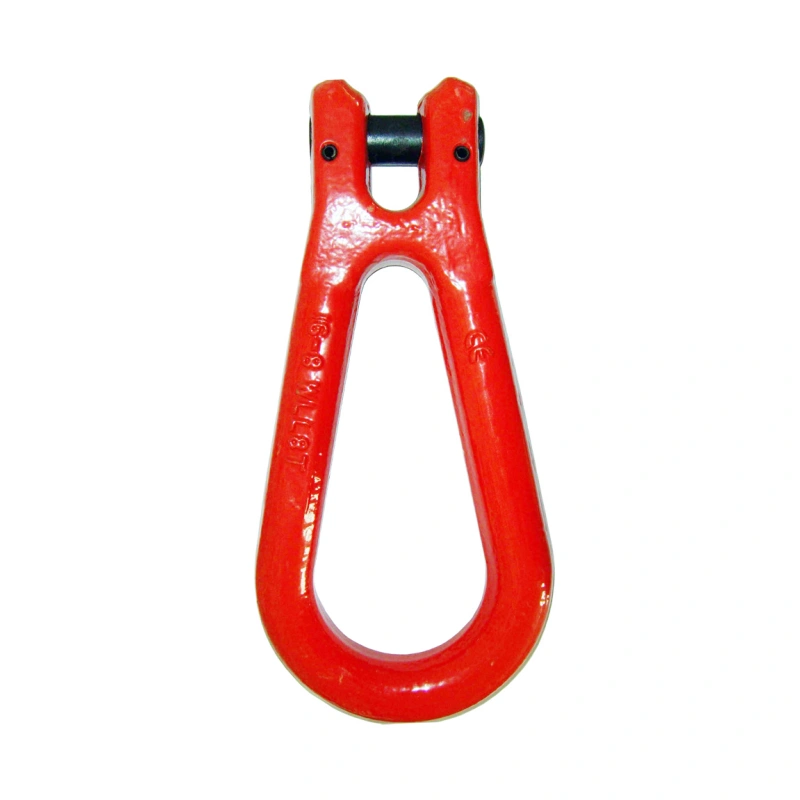
Clevis Pear Link
A clevis pear link is a forged alloy steel fitting with a clevis end and pear-shaped body, built for secure chain connection in lifting points and chain sling assemblies.
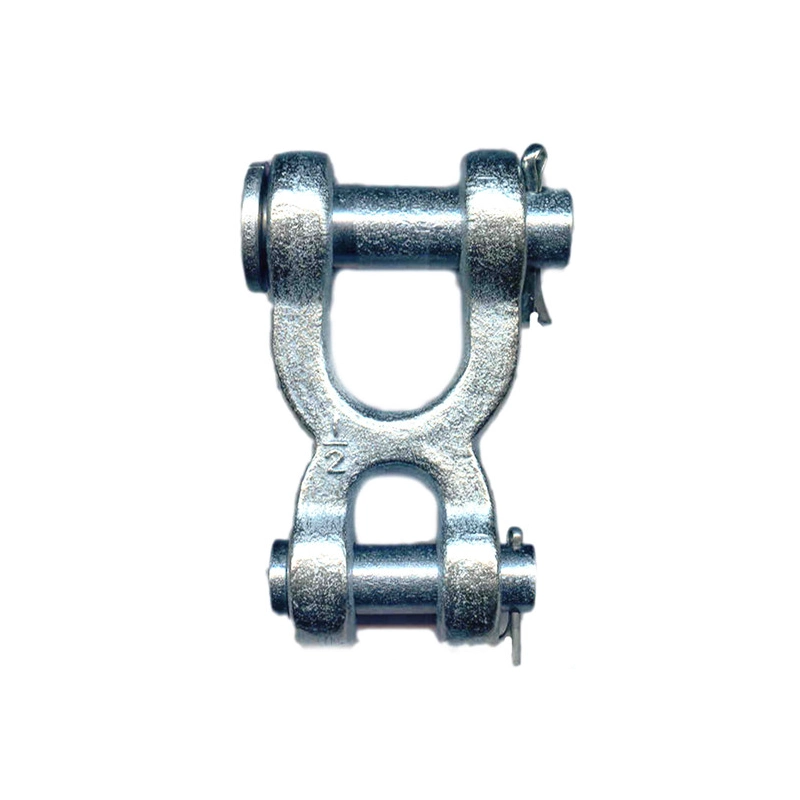
An X type double clevis link is a forged steel chain connector with a double jaw design, built for chain joining and repair in towing, lashing, and industrial hardware use.
NEED HELP WITH YOUR CLEVIS LINK ORDER?
Let us help! Reach out today and get recommendations on materials and sizing from our experts.

Guide to Clevis Links
Guide to clevis links covers types, sizes, applications, and selection points for better sourcing, secure fit, and reliable chain connection.
What Are Clevis Links?
Clevis links connect chain, hooks, rings, and other hardware parts with a pin-based structure that you can install, remove, and inspect without cutting the chain. You use them when you need a secure link that saves time during assembly, maintenance, or replacement. A good clevis link does more than join two parts. It gives you stable fit, steady load transfer, easier servicing, and fewer connection problems during daily use. When you buy clevis links for industrial work, you need to check fit, material, finish, pin security, and batch consistency, not just price.
Which Clevis Link Type Fits Your Job?
Choosing the right clevis link starts with the actual job, not the product name. Different clevis links serve different connection needs, body shapes, and assembly setups. You should compare the link type, chain size, mating hardware, and working conditions before you place an order.
- Double clevis link
You can use this type for chain joining and general connection work where you need a secure and practical link. - X type double clevis link
You can choose this type when your project needs a specific body shape for fit, clearance, or connection layout. - H type twin clevis link
You can use this type when the connection setup calls for a different link shape or joining structure. - Clevis pear link
You can choose this type for sling assembly or lifting point connection where a pear-shaped body fits better. - Compare drawings, not just product names
Similar names can describe different products, so you should always check the technical drawing first. - Check key fit details
You should review jaw width, pin size, and body clearance to make sure the link fits your hardware correctly. - Match the clevis link to the real application
You should confirm the exact use, load condition, and movement in the connection before you release a bulk order.
Ball Links Versus Clevis: Which One Works Better?
Ball links and clevis links work in different ways, so the right choice depends on how your connection needs to move, carry load, and stay easy to maintain. You should compare motion, load direction, service needs, and surrounding hardware before you choose one.
- Choose ball links for more movement
You can use ball links when your connection needs more angular movement and smoother articulation in mechanical linkage systems. - Choose clevis links for stronger fixed connection
You can use clevis links when you need a fork-and-pin connection with better strength, easier inspection, and simpler replacement. - Clevis links fit industrial hardware use better
In towing, rigging, and chain assembly, clevis links often give you a more practical and serviceable connection. - Check how the load moves through the joint
You should review the load path carefully before you decide which link type fits your job. - Think about maintenance before you buy
You should choose the option that your team can inspect, remove, and replace more easily. - Match the link to nearby hardware
You should also check the connected parts around the joint to make sure the link type fits the full assembly.
What Should You Know About Clevis Link Design?
Clevis link design affects how the product fits, performs, and holds up in real use. A good design helps you get secure pin fit, easier assembly, longer wear life, and better connection stability. You should review the full design before you place an order, especially when your project has exact fit or load requirements.
- Body shape matters
You should check whether the body shape matches your chain, fitting, and connection layout. - Jaw opening affects fit
You need the right jaw opening to avoid poor fit, side movement, or assembly problems. - Pin diameter supports connection security
You should make sure the pin size matches the hardware correctly and stays secure during use. - Material grade affects strength and service life
You should choose the right material grade based on load needs and working conditions. - Good design makes assembly easier
A well-designed clevis link should install cleanly without forcing, grinding, or rework. - Pin security matters in repeated use
The design should keep the pin seated during vibration, movement, and regular handling. - Poor design creates real problems
Weak design can lead to looseness, side wear, poor alignment, and difficult installation. - Ask your manufacturer for technical support
You should review detailed drawings, tolerance control, finish options, and fit advice for your exact application. - Check the full design, not one feature alone
You should review body shape, pin system, and jaw opening together. - Inspect wear-prone areas early
You should pay close attention to the contact points where wear usually starts first.
How Do You Choose the Right Clevis Link Size?
Choosing the right clevis link size takes more than matching the chain diameter. You need to look at the full connection system, including chain size, working load, mating hardware, pin fit, and assembly space. A careful size check helps you avoid poor fit, early wear, and connection problems before bulk production.
- Check the full connection system
You should size clevis links by the complete assembly, not by chain diameter alone. - Match the clevis link to chain size
The link should fit your chain correctly for secure connection and smooth assembly. - Review the working load requirement
You should choose a size that supports the real load demands of the application. - Measure mating hardware width
The clevis link must fit the connected hardware without forcing or excess movement. - Confirm the pin diameter
The pin size should match the hardware correctly to avoid looseness or poor load transfer. - Check the real assembly space
You should make sure the link has enough clearance in the actual connection area. - Avoid a jaw that is too narrow
If the jaw width is too small, the clevis link will not fit the hardware properly. - Avoid a jaw that is too wide
If the jaw width is too large, the connection may shift too much and wear faster. - Review technical drawings before ordering
You should check full drawings to confirm dimensions, fit, and connection details. - Test sample assembly before mass production
You should confirm the fit with actual connected parts before you release a bulk order.
How Do You Keep Chain Clevis Link Tight?
Keeping a chain clevis link tight starts with correct fit, correct pin size, and regular inspection. A loose clevis link can cause movement, faster wear, and poor connection stability. You should check the full connection early to avoid problems in transport, towing, and rigging applications.
- Start with the right fit
You should control fit from the beginning because a loose clevis link often starts with wrong sizing. - Use the correct pin size
If the pin is too small, the joint will move more, wear faster, and lose stability. - Check jaw width carefully
If the jaw leaves too much space, the chain or fitting can shift during use. - Choose the right pin retention method
A secure retention method helps keep the pin in place during movement and vibration. - Inspect the clevis link regularly
You should check the link often to catch wear and looseness before they get worse. - Watch for pin movement
Pin movement can show that the fit is poor or that the connection is starting to fail. - Look for side wear
Side wear often means the parts are moving too much during use. - Check for body spread
Body spread can reduce connection security and lead to poor fit. - Inspect contact marks
Contact marks can help you find early wear points and alignment problems. - Replace worn parts early
Early replacement helps you avoid larger connection problems and downtime. - Take looseness seriously
You should not treat a loose chain clevis link as a small issue in transport, towing, or rigging work.
Can One Clevis Link Work for Lifting, Towing, and Cargo Control?
You should not treat all clevis links as universal products. Lifting, towing, and cargo control put different demands on the link body, pin, material, finish, and safety margin.
A link that works well in one job may not suit another if you ignore chain grade, connection geometry, or service conditions. You need to define the application first, then match the clevis link to that use.
Why Should You Source Clevis Links From a Manufacturer?
Buying clevis links from a manufacturer gives you better control over quality, dimensions, lead time, and product support. You can communicate more directly, solve problems faster, and manage sourcing with more confidence. This approach works especially well when your business needs stable supply, custom production, and consistent results across repeat orders.
- Get direct factory support
You can work with the production side directly instead of passing details through a trading company. - Review drawings more accurately
A manufacturer can check your drawings and confirm whether the clevis links fit your exact requirements. - Adjust dimensions when needed
You can discuss size changes more clearly when the factory handles production directly. - Support custom clevis links production
A manufacturer can help with custom sizes, finishes, packaging, and other project needs. - Manage tooling more efficiently
Direct factory control makes tooling review and production setup easier to handle. - Respond faster to changes
Your team can get quicker feedback when specifications, quantities, or delivery needs change. - Reduce communication errors
A shorter path between your request and the production line helps reduce misunderstanding. - Avoid quoting and fit mistakes
Direct technical review helps lower the risk of wrong quotations and poor product fit. - Keep supply more stable
A manufacturer can support long-term production planning and repeat orders more consistently. - Improve repeat order consistency
You can expect better control over batch quality and dimension accuracy across ongoing orders. - Get factory-level technical support
Direct support from the manufacturer helps you solve sourcing and application questions more effectively. - Build stronger long-term cooperation
Working with a clevis links manufacturer gives you more confidence and control in long-term sourcing.
Have More Questions of Clevis Links?
Have more questions about clevis links? Contact our team for product details, size selection, custom support, and fast quotes on hardware accessories for your next order.