
Elevator Wire Rope Manufacturer
Powerful Machinery manufactures reliable elevator steel wire ropes for traction, governor, suspension, and compensating systems, with stable diameter control, controlled lubrication, and custom specifications for lift OEMs, maintenance contractors, and distributors.

High tensile elevator wire rope delivers stable traction and safe lifting performance in demanding elevator systems.
Extended fatigue life reduces replacements, cuts downtime, and keeps your elevator systems running longer.
Strict in-house quality control ensures consistent structure, tested performance, and reliable product standards.
Fast factory supply keeps your projects on schedule with stable stock, quick production, and dependable delivery.
Powerful Machinery - Your Relaible Elevator Rope Manufacturer
ELEVATOR ROPES
- Available constructions: 8x19S, 8x19W, 8x25F, 6x19W and custom elevator rope designs.
- Core options: fiber core (FC/NFC/SFC) for ride comfort and lubrication support, and steel core/IWRC for higher strength and lower stretch.
- Applications: traction rope, suspension rope, governor rope, compensating rope and door-closing rope.
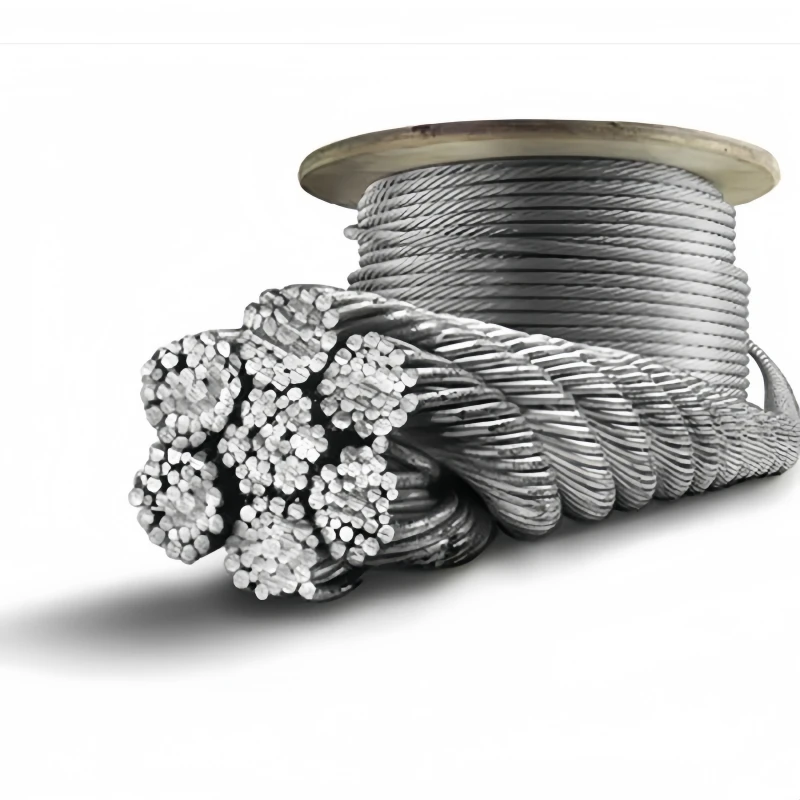
Elevator Governor Rope
Elevator governor rope connects the car to the speed governor and supports the overspeed safety system. It must run accurately and consistently, with stable diameter, precise construction and dependable surface quality.
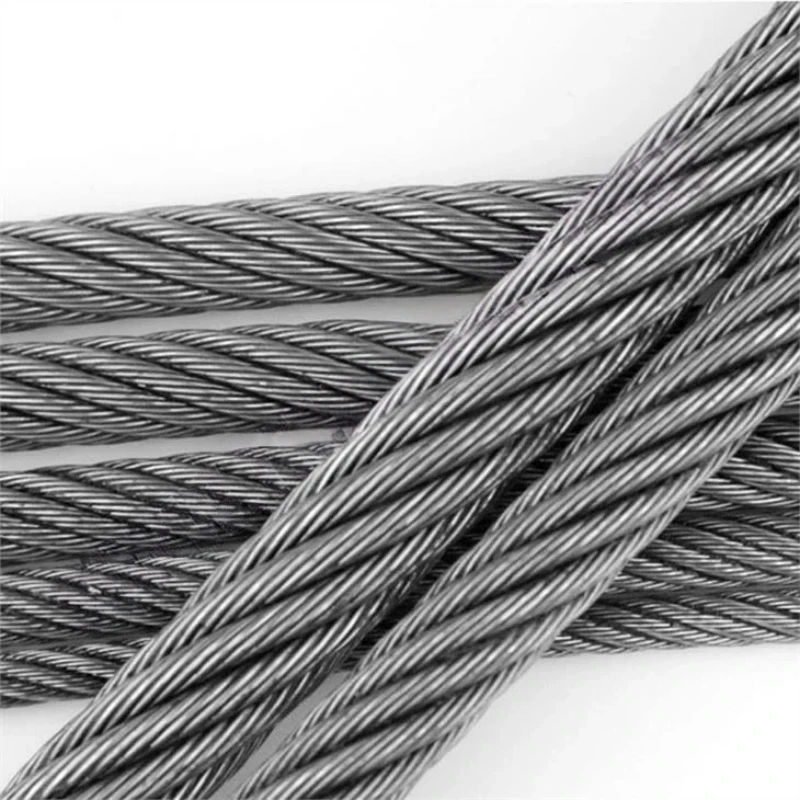
Elevator Compensating Rope
Elevator compensating rope balances the changing weight between the car and counterweight in taller buildings. A properly selected compensating rope improves ride stability, reduces motor load and helps the system run smoothly through the full travel height.
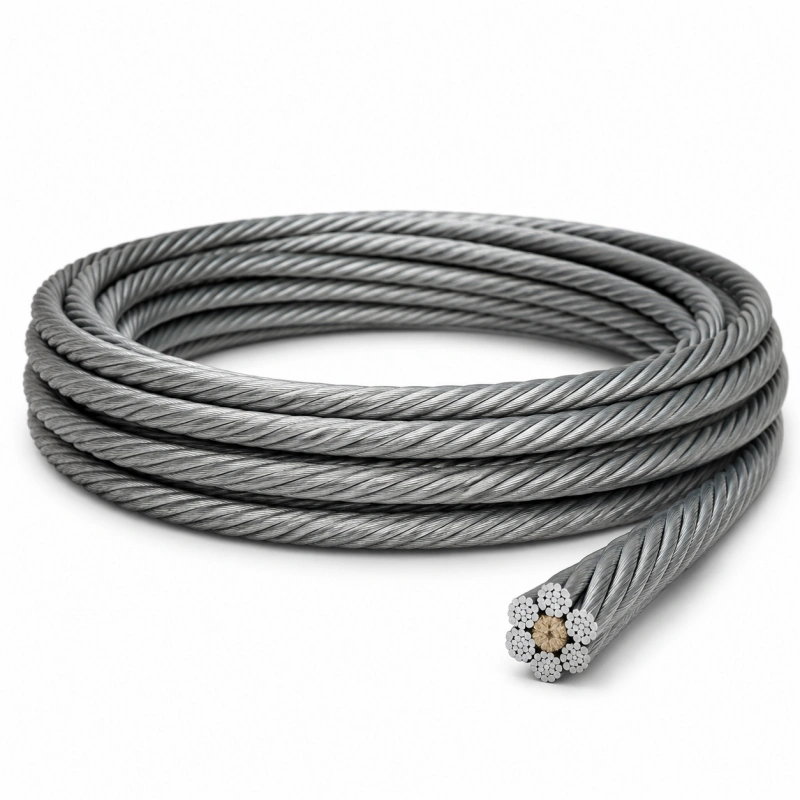
8x19S+FC Elevator Wire Rope
The 8x19S fiber core elevator rope is a reliable option for low- to mid-rise passenger elevators where smooth operation and ride comfort are important. The Seale strand design uses larger outer wires for abrasion resistance, while the fiber core helps absorb vibration and hold lubrication inside the rope.
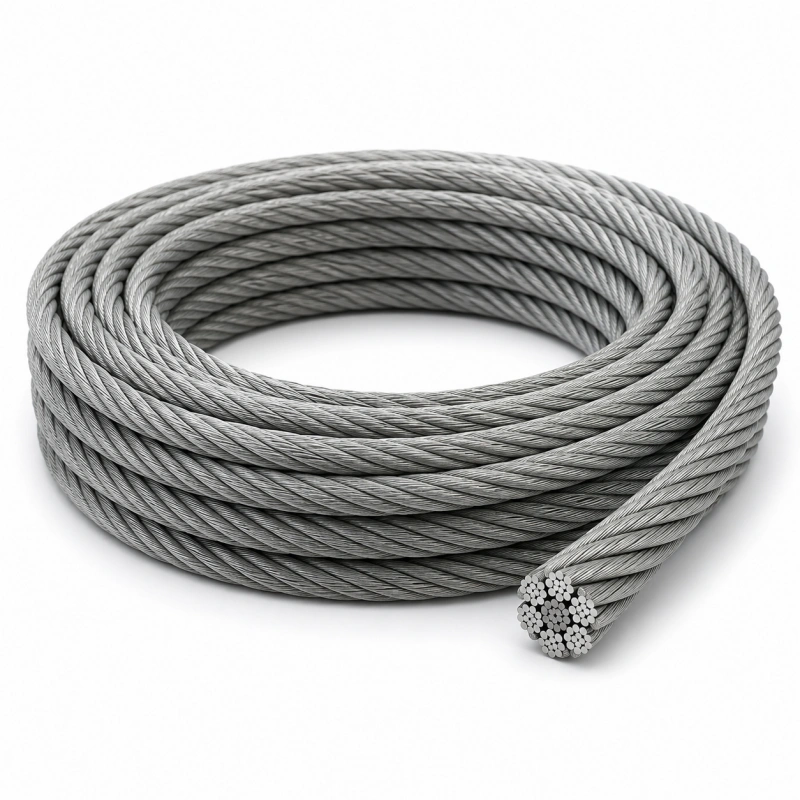
8x19S+IWRC Elevator Wire Rope
The 8x19S IWRC elevator rope is designed for higher strength and lower constructional stretch. It is suitable for high-rise elevators, heavy-duty lift systems and projects where floor-leveling accuracy and dimensional stability matter.
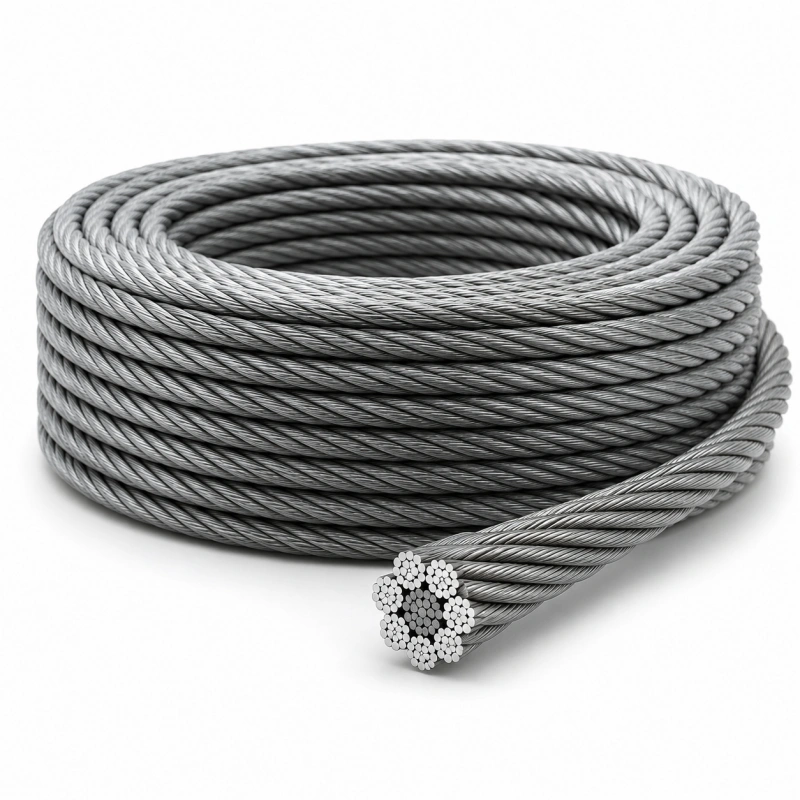
8x19W Elevator Steel Wire Rope
The 8x19W Warrington construction provides a strong balance of flexibility, fatigue resistance and abrasion resistance. It is widely used in traction elevators because the eight-strand surface supports smooth contact with the traction sheave and helps reduce groove wear.
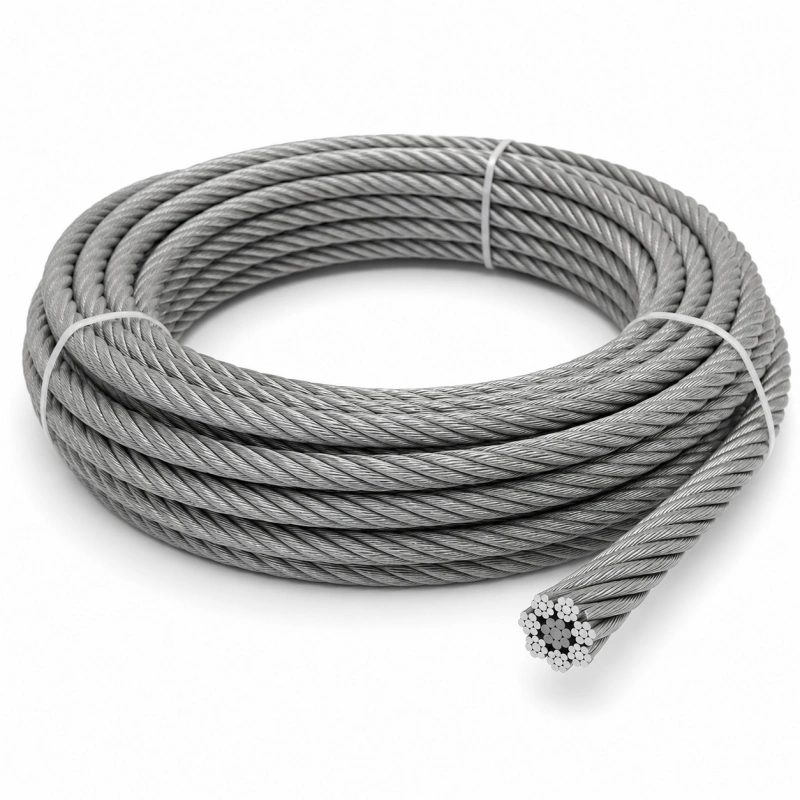
8x25F Elevator Wire Rope
The 8x25F filler construction gives excellent flexibility and bending-fatigue performance. It is a practical choice for elevator systems that need a flexible rope with reliable service life under repeated bending cycles.
FC vs IWRC: Which Elevator Rope Core Should You Choose?
Fiber core elevator rope is often selected for passenger comfort, vibration damping and internal lubrication. IWRC or steel-core elevator rope is selected when the elevator requires higher breaking strength, lower stretch and better dimensional stability. Do not replace a fiber-core rope with a steel-core rope, or the reverse, unless the elevator design and manufacturer requirements allow it.
How to Choose Elevator Wire Rope?
1. Confirm the elevator duty: passenger, freight, service, MRL, high-rise or modernization replacement.
2. Match the rope construction to the sheave, speed, load and bending requirements.
3. Select the right core: FC for comfort and lubrication support, IWRC for strength and lower stretch.
4. Confirm diameter, tensile strength, lay direction, surface finish and lubrication.
5. Check applicable standards and replacement requirements in your market.
6. Order all ropes in one matched set when replacing suspension ropes.
Manufacturing and Quality Control
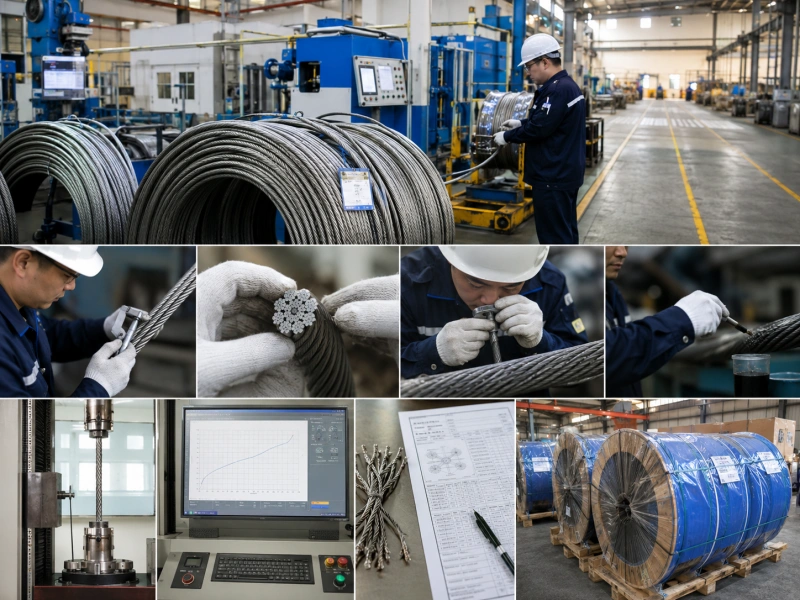
Elevator wire rope is a safety-critical component. Powerful Machinery controls rope construction, strand consistency, lubrication, diameter, breaking-load performance and packaging before shipment. For technical projects, we can support custom lengths, reel packaging, export documents and inspection records according to your order requirements.
Standards and Specifications
Elevator rope requirements vary by country, elevator design and project standard. Common reference standards include ISO 4344 for steel wire ropes for lifts, EN 12385-5 for stranded ropes for lifts, GB/T 8903, JIS G3525 and ASME A17.6 for North American elevator applications. Confirm the required standard before ordering; our team can quote based on your specification.
Applications of Elevator Wire Rope
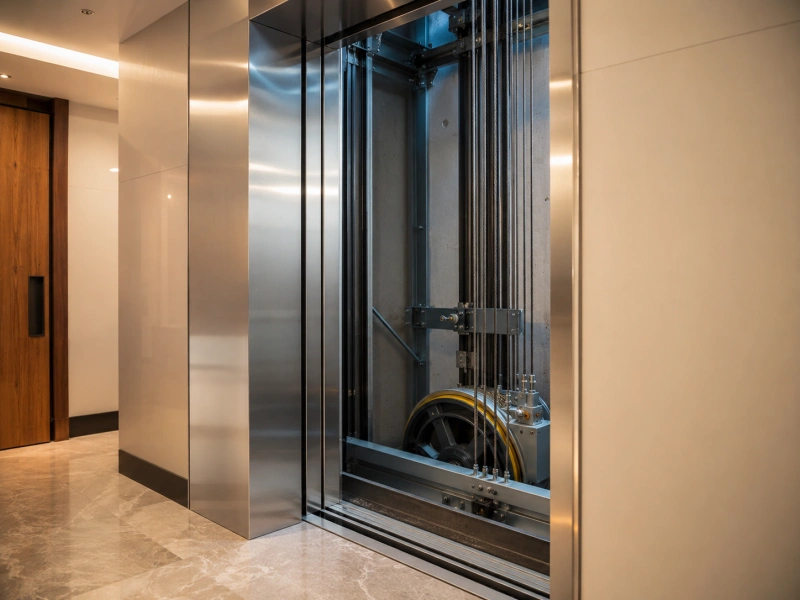
Passenger Elevators
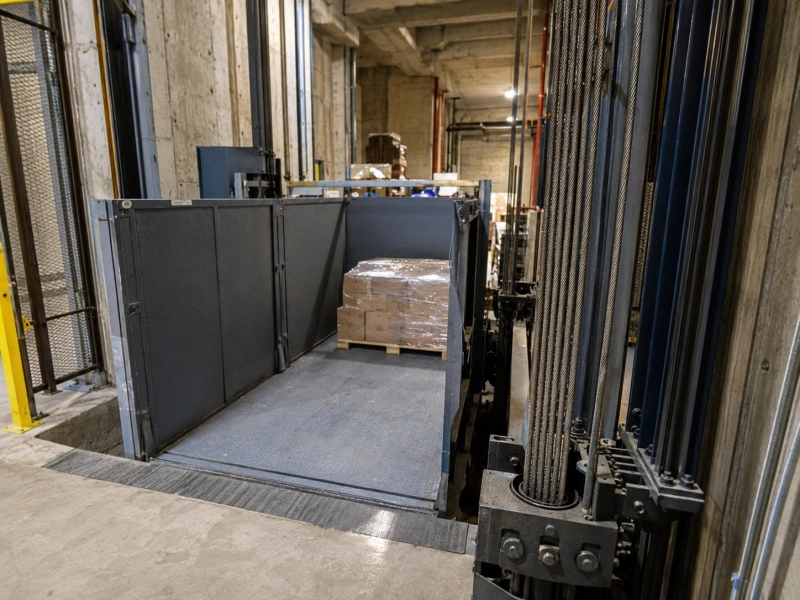
Freight and Cargo Elevators
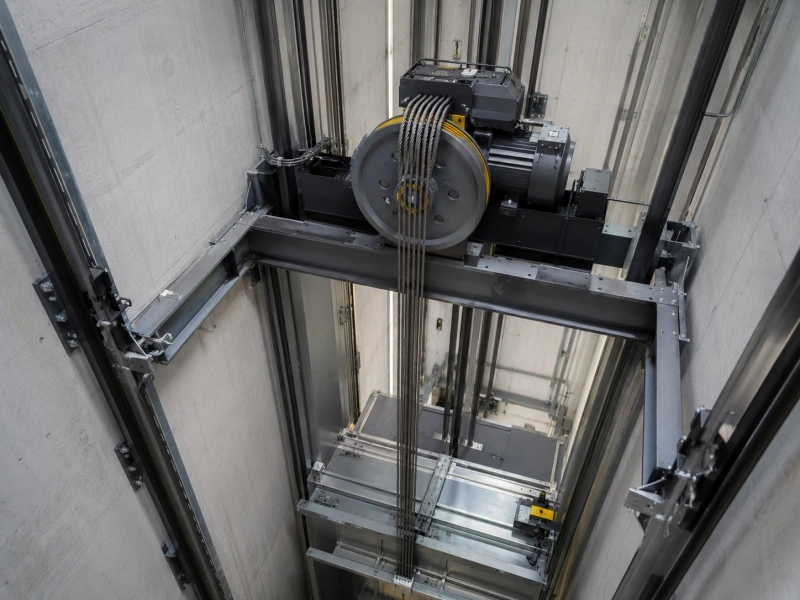
Machine-Room-Less (Mrl) Elevators

Low-rise, mid-rise and high-rise traction elevators
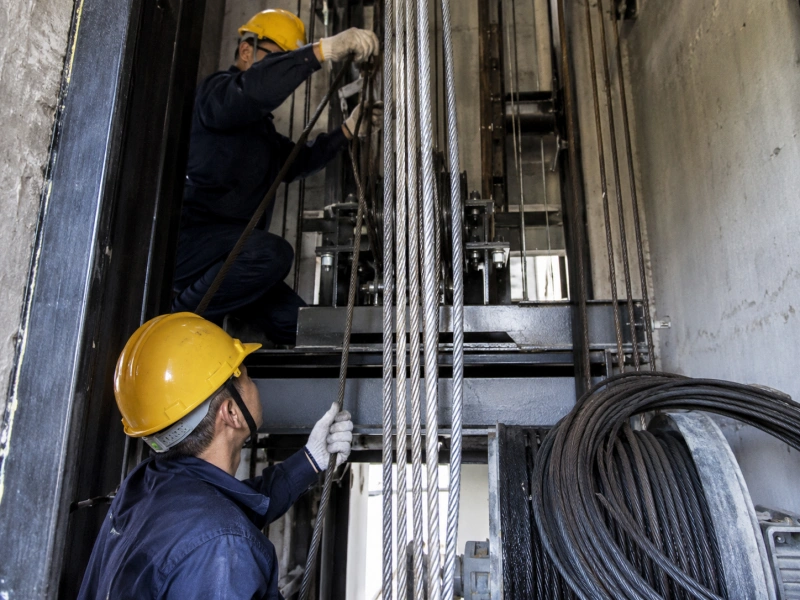
Elevator Modernization and Replacement Projects
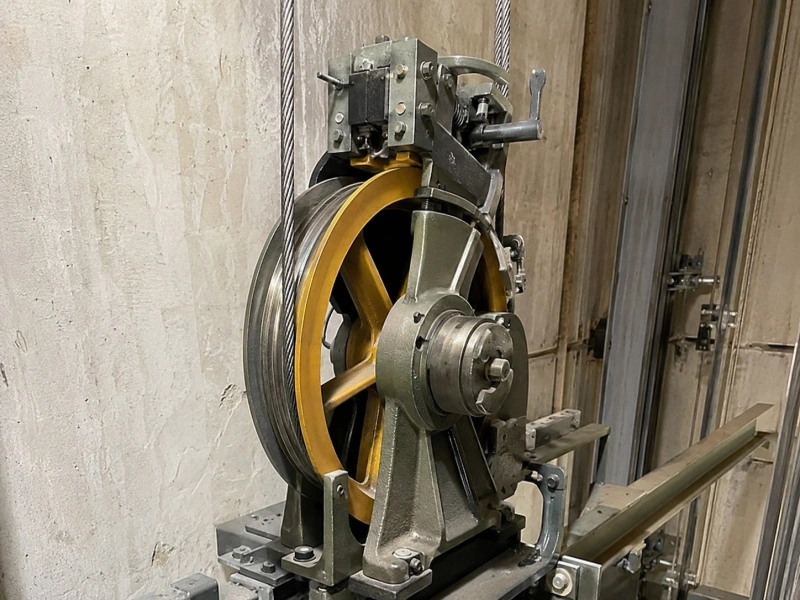
Overspeed Governor Systems
NEED HELP WITH YOUR ELEVATOR STEEL ROPE ORDER?
Let us help! Reach out today and get recommendations on materials and sizing from our experts.


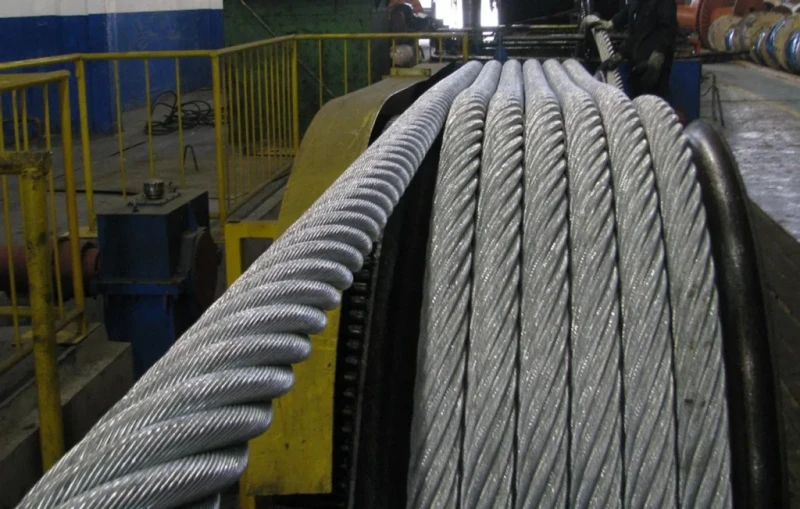
Guide to Elevator Wire Rope
This guide to elevator wire rope covers key types, structure, and performance factors. Learn how to choose the right rope for safe, durable, and smooth elevator operation.
What is elevator wire rope?
Elevator wire rope is a steel wire rope used to support, move or control an elevator car. Common applications include traction ropes, suspension ropes, governor ropes, compensating ropes and door-closing ropes.
Elevator Wire Rope Market
The elevator wire rope market continues to grow with high-rise construction and elevator modernization. Buyers now demand longer service life, higher safety margins, and lower maintenance costs.
Current buying trends:
- Strong demand for high fatigue-resistant ropes
- Increased use of compacted and coated ropes
- Replacement market grows faster than new installation
- OEMs prefer stable long-term manufacturing partners
- Custom specifications gain importance in large projects
Elevator Rope Length Calculation
Accurate rope length prevents installation delays and extra cost. A small miscalculation can stop your entire project.
You must account for:
- Exact shaft travel height
- Reeving system configuration
- Sheave and pulley routing
- Installation allowance and adjustment margin
- Compensation rope requirements in tall buildings
Why is Elevator Rope Lubrication Critical?
Lubrication protects the internal wires and reduces friction during operation. Without proper lubrication, the rope wears faster and loses flexibility.
Key benefits:
- Reduces internal wire friction and heat
- Protects against corrosion in harsh environments
- Improves bending fatigue performance
- Keeps rope running smoothly and quietly
- Extends overall service life
Elevator Rope Maintenance
You protect your investment through structured maintenance. Regular checks keep performance stable and prevent unexpected shutdowns.
Best maintenance practices:
- Inspect rope condition on a fixed schedule
- Track diameter reduction and surface wear
- Reapply lubrication before dryness appears
- Check rope alignment with sheave grooves
- Keep maintenance records for lifecycle planning
When Should You Replace Elevator Ropes?
Elevator rope replacement criteria
You replace ropes before failure to avoid safety risks and costly downtime.
Clear replacement signals:
- High number of broken wires in one section
- Visible diameter reduction
- Corrosion that weakens outer wires
- Uneven elongation across ropes
- Structural deformation or internal damage
Elevator rope replacement procedure
You follow a precise process to ensure safety and performance.
Efficient replacement steps:
- Secure system and release load safely
- Remove ropes in a controlled sequence
- Install new ropes with correct routing
- Balance and equalize rope tension
- Run full-load testing before operation
What Types of Elevator Ropes Should You Choose?
You choose the right rope to match your project requirements. The correct selection improves performance and reduces long-term cost.
Top-performing rope options:
- Standard traction ropes for general use
- 8×19 and 8×25 ropes for flexibility and durability
- Compacted ropes for higher strength and longer life
- Coated ropes for corrosion resistance
- High-performance ropes for high-speed elevators
What is the Purpose of Compensation Rope in Elevator?
A compensation rope keeps the elevator system balanced during operation. This balance becomes essential in high-rise buildings.
Business value:
- Stable traction across full travel height
- Reduced motor load and energy consumption
- Improved ride comfort for passengers
- Lower wear on main traction ropes
- Extended system lifespan
What Should You Check Before Buying Elevator Wire Rope?
You secure long-term value by choosing the right supplier, not the lowest price.
Your buying checklist:
- Certified compliance with international standards
- Proven service life and fatigue performance
- Strong corrosion resistance capability
- Customization support for your project
- Reliable manufacturer with stable production capacity
What is the best construction for elevator wire rope?
Common elevator rope constructions include 8x19S, 8x19W and 8x25F. The best choice depends on elevator speed, travel height, sheave design, required flexibility, load and replacement standard.
Can I replace fiber core elevator rope with steel core rope?
Do not substitute core types without confirming the elevator design and manufacturer requirements. Steel-core rope can change stretch, traction and system behavior, so the replacement rope should match the required specification.
What information is needed for a quotation?
Please provide rope construction, diameter, core type, tensile strength, quantity, length per reel, lay direction, surface finish, target standard and destination country. A photo of the old rope tag or drawing is also helpful.
Do you supply custom elevator wire rope?
Yes. Powerful Machinery can quote custom elevator wire rope by construction, diameter, core, tensile strength, length, packaging and required standard. Send your specification for confirmation.
Have More Questions of Elevator Wire Rope?
Need help selecting elevator wire rope? Send us your rope diameter, construction, core type, tensile strength, quantity and target standard. We will confirm the recommended specification and provide a quotation.