
You should select the right eye bolt material by matching the strength, corrosion resistance, and working load limit of each eye bolt to your specific job. Review the environment—indoor, outdoor, marine, or industrial—before making a choice.
Stainless steel eye bolts work well in harsh or wet conditions and have become popular in marine and aerospace fields. Alloy steel eye bolts give you high strength for heavy-duty jobs. For unique projects, you may find other eye bolt types made from non-metallic materials.
Always check that your eye bolt meets safety standards. Certified products from trusted brands like Powerful Machinery ensure you get reliable eye bolts for every task. Prioritize safety and long-term durability when you choose an eye bolt for your project.
Key Takeaways
Select eye bolts based on strength, corrosion resistance, and working load limit to match your specific job requirements.
Stainless steel eye bolts are ideal for marine and outdoor environments due to their excellent corrosion resistance.
Always check the working load limit before using eye bolts to ensure safety and prevent accidents.
Inspect eye bolts regularly for wear and damage to maintain safety and extend their service life.
Choose certified eye bolts from trusted brands to ensure compliance with safety standards and reliable performance.
Eye Bolt Material Types
When you select an eye bolt material, you need to understand the main types and their properties. Each type of eye bolt offers unique benefits for lifting and rigging tasks. The material of the eye bolt affects its strength, durability, and load capacity. You must match the type of attachment and environment to the right eye bolts.
Carbon Steel Eye Bolts
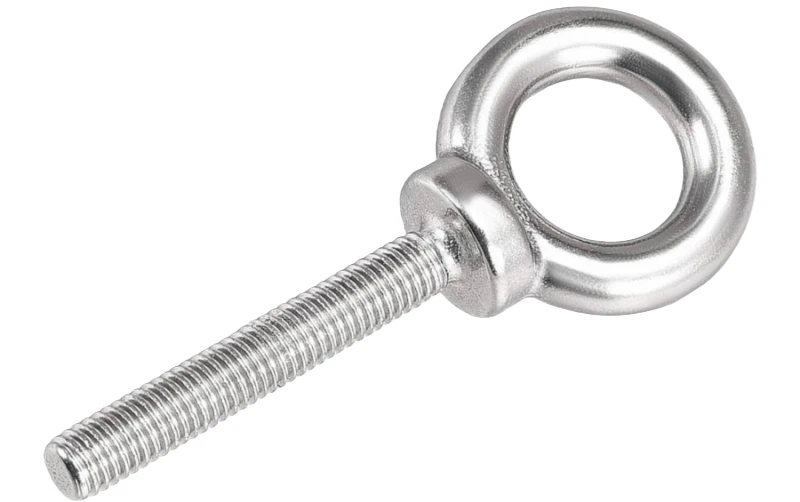
Carbon steel eye bolts give you solid strength for general lifting jobs. You often see these eye bolts in construction and industrial settings. Carbon steel handles heavy loads, but it needs protective coatings to resist rust. You should use carbon steel eye bolts indoors or in dry environments.
If you need shoulder eye bolts for angled lifting, carbon steel is a common choice.
Stainless Steel Eye Bolts by Powerful Machinery
Stainless steel eye bolts from Powerful Machinery set the standard for durability and corrosion resistance. You can use these eye bolts in marine, outdoor, and industrial environments. Stainless steel eye bolts resist rust, even in saltwater.
Powerful Machinery’s certified stainless steel eye bolts meet international standards, making them ideal for demanding lifting and rigging jobs. You get reliable load capacity, long-term strength, and durability.
Tip: Choose stainless steel eye bolts for maximum corrosion resistance and safety in harsh conditions.
Galvanized Eye Bolts
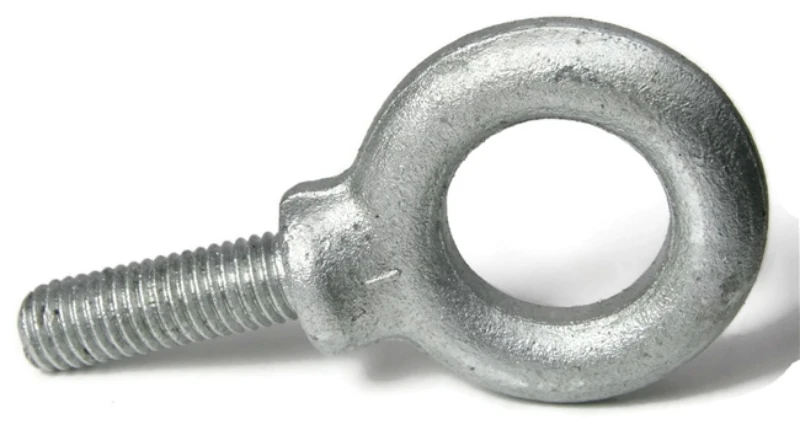
Galvanized eye bolts feature a protective zinc coating. This layer helps the eye bolts resist rust in freshwater and moderate industrial environments. You should use galvanized eye bolts for outdoor projects where moisture is present but not extreme.
These eye bolts offer good load capacity and are easy to install for many types of attachments.
Alloy Steel Eyebolts
Alloy steel eyebolts deliver high strength for heavy-duty lifting. You find these eyebolts in critical applications where load and safety matter most. Alloy steel eyebolts balance strength and corrosion resistance, depending on their formulation.
You should select alloy steel eyebolts for jobs that require maximum load capacity and reliability.
Below is a table comparing the mechanical properties of common eye bolt materials:
Material Type | Yield Strength (psi) | Tensile Strength (psi) |
|---|---|---|
Carbon Steel (Grade 5) | 85,000 | 120,000 |
Stainless Steel (316) | 20,000 Min. | 100,000 – 150,000 |
Galvanized Steel | 74,000 – 92,000 | 105,000 – 120,000 |
Alloy Steel (Grade 8) | 130,000 | 150,000 |
You must consider corrosion resistance when choosing eye bolts. Stainless steel eye bolts perform best in marine environments. Galvanized eye bolts work well in freshwater. Carbon steel eye bolts need treatment for wet areas. Alloy steel eyebolts offer a balance of strength and resistance for industrial uses.
Each type of eye bolt material supports different uses and environments. You should always match your lifting and rigging needs to the right eye bolts for safety and performance.
Key Factors in Choosing Eye Bolts
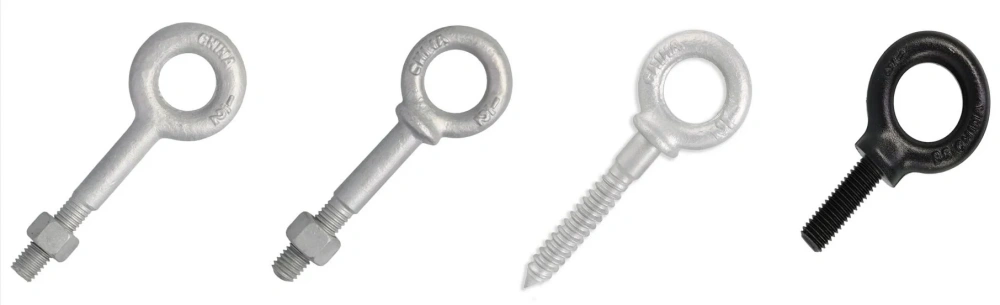
When you select eye bolts for your project, you must evaluate several critical factors. The right choice ensures safety, performance, and long-term value. You need to match the eye bolt material to your environment and application.
Below, you will find the main considerations for choosing the best eye bolts for lifting and rigging tasks.
Working Load Limit and Strength
You must always check the working load limit before using any eye bolt. The working load limit tells you the maximum load the eye bolt can safely handle. Manufacturers test eye bolts for both vertical and angled loads. You should never exceed these limits, as doing so can cause failure and risk injury.
The table below shows recommended working load limits for common eye bolt sizes. These values apply to carbon steel, stainless steel, galvanized steel, and alloy steel eyebolts.
Thread Size | WLL Vertical (lbs) | WLL 45° (lbs) |
|---|---|---|
1/4″-20 | 400 | 120 |
5/16″-18 | 650 | 195 |
3/8″-16 | 1,000 | 300 |
1/2″-13 | 1,750 | 525 |
5/8″-11 | 3,000 | 900 |
3/4″-10 | 4,500 | 1,350 |
7/8″-9 | 6,000 | 1,800 |
1″-8 | 8,000 | 2,400 |
1-1/4″-7 | 13,000 | 3,900 |
1-1/2″-6 | 18,000 | 5,400 |
You must select the correct eye bolt material and size for your load. If you use shoulder eye bolts for angled lifting, always check the reduced working load limit. Powerful Machinery provides clear markings and specifications for each eye bolt, helping you choose the right product for your type of attachment and load requirements.
Corrosion Resistance for Eyebolts
Corrosion can weaken eye bolts and reduce safety. You need to consider the environment where you will use the eye bolts. Stainless steel eye bolts offer excellent resistance to rust and chemicals. These eye bolts work best in marine applications, outdoor construction, and industrial sites with moisture or chemicals.
The table below compares corrosion resistance and durability for popular eye bolt materials:
Material | Corrosion Resistance | Durability | Applications |
|---|---|---|---|
Stainless Steel | High | High | Moisture, chemicals, and extreme temperatures |
Galvanized Steel | Moderate | Moderate | General applications, less extreme conditions |
You should choose stainless steel eye bolts for marine applications or environments with high humidity. Galvanized steel eyebolts work well outdoors but may need more maintenance over time. Carbon steel eyebolts require protective coatings and regular inspection in wet areas.
Tip: Corrosion-resistant eye bolts maintain safety and appearance over time. Stainless steel eye bolts from Powerful Machinery use premium grades like SS304 and SS316 for maximum protection.
Safety Standards and Certifications
You must verify that your eye bolts meet international safety standards. Certified products ensure reliable performance and reduce risk. Powerful Machinery manufactures eye bolts that comply with ISO9001, DIN 580, JIS 1168, and other global standards.
The table below lists key certification requirements for eye bolts:
Requirement | Description |
|---|---|
Manufacturer Mark | Name or trademark of manufacturer |
Size or Rated Load | Size or rated load of the eyebolt |
Grade | Grade for alloy eyebolts |
Maintenance | Identification must be maintained to be legible throughout the life of the hardware |
You should always check for clear markings on each eye bolt. These markings show the manufacturer, size, grade, and working load limit. Powerful Machinery’s eye bolts feature permanent identification, so you can verify compliance at any time.
Environmental Compatibility
You need to match the eye bolt material to your environment. Humidity, temperature, and chemical exposure affect the performance and longevity of eyebolts. Stainless steel eye bolts resist corrosion in wet or marine environments.
SS316 eye bolts provide very high resistance for offshore or coastal uses. SS304 eye bolts work well in less aggressive conditions. Carbon steel eye bolts suit dry indoor settings.
The table below helps you compare material suitability for different environments:
Material | Corrosion Resistance | Suitable Environments |
|---|---|---|
Stainless Steel | High | Moisture, chemicals, extreme temperatures |
SS316 | Very High | Marine or offshore environments |
SS304 | Moderate | Less aggressive conditions |
Carbon Steel | Low | Dry indoor environments; avoid in corrosive settings |
Corrosion is a major concern for hardware exposed to moisture, chemicals, or harsh environmental conditions.
The use of 304 or 316 stainless steel ensures resistance to moisture and chlorides.
Corrosion-resistant eye bolts maintain safety and aesthetics over time.
You should always assess your environment before selecting eye bolts. Powerful Machinery offers a full range of certified eye bolts for every application, ensuring you get the right product for your lifting and rigging needs.
Eye Bolt Material Comparison & Selection Guide
Quick Comparison Table
You need to compare eye bolts based on their material, working load limit, corrosion resistance, and typical uses. The table below helps you evaluate the main types of eyebolts, including options from Powerful Machinery. This guide makes it easier to select the right eye bolt for your lifting and rigging tasks.
Type of Eye Bolt | Material of the Eye Bolt | Working Load Limit | Corrosion Resistance | Durability | Load Capacity | Suitable Uses |
|---|---|---|---|---|---|---|
Stainless Steel | Stainless Steel (304/316) | High | Excellent | High | Heavy | Marine applications, outdoor, chemical |
Galvanized | Galvanized Steel | Moderate | Good | Moderate | Medium | Indoor, light-duty, general attachment |
Carbon Steel | Carbon Steel | High | Low | Moderate | Heavy | Construction, dry environments |
Alloy Steel | Alloy Steel | Very High | Moderate | High | Very Heavy | Industrial lifting, heavy-duty jobs |
Powerful Machinery’s certified stainless steel eye bolts stand out for their corrosion resistance and strength. You can rely on these eye bolts in marine, chemical, and outdoor environments. Their compliance with DIN 580 and JIS 1168 ensures safety and quality.
The chromium content in the steel forms a protective layer, guarding against rust and oxidation. You get durability and long-term value with these eye bolts.
Application-Based Recommendations
You must match the type of eye bolt to your specific application. The table below shows recommended materials for common uses. This helps you choose the right eye bolt for your environment, load, and safety needs.
Application | Recommended Material | Notes |
|---|---|---|
Marine applications | Stainless Steel | Corrosion-resistant, ideal for securing equipment |
Construction | Steel or Alloy Steel | Strong and durable for heavy lifting tasks |
Industrial lifting | Stainless Steel or Alloy Steel | Suitable for various load requirements and environments |
Food processing | 304 or 316 Stainless Steel | Good corrosion resistance for food safety |
Chemical exposure | 316 Stainless Steel | Superior resistance for harsh chemical environments |
You should follow a practical checklist when selecting eye bolts:
Identify the load type—lifting, anchoring, or securing.
Calculate the load magnitude and confirm the working load limit meets or exceeds your needs.
Assess the direction of the load. For angular pulls, shoulder eye bolts provide better safety.
Match the material to your environment. Stainless steel works best in corrosive or outdoor settings.
Confirm that the eye bolt meets recognized safety standards such as DIN 580 or ASME B30.26.
Environmental conditions affect the performance of eye bolts. Moisture can weaken materials and cause rust. High temperatures may impact the integrity of the bolt. Chemical exposure can lead to corrosion and degradation. You must select eye bolts that withstand these factors for reliable attachment and long-term safety.
Tip: Always check the working load limit and certifications before installation. Powerful Machinery’s eye bolts feature clear markings for easy verification.
Maintenance and Longevity
You need to maintain eye bolts to ensure safety and extend their service life. Maintenance practices differ based on the material and environment. Stainless steel eye bolts offer superior corrosion resistance in marine applications. You can expect less frequent replacement and long-term investment value.
Galvanized eyebolts require lubrication to prevent friction and wear. The zinc coating may wear off over time, especially in harsh environments, leading to increased replacement needs.
Stainless steel eye bolts are made from high-grade alloys. You get durability and reduced maintenance in outdoor and industrial settings. Galvanized eye bolts are budget-friendly but may need more frequent inspection and replacement. Carbon steel eye bolts require protective coatings and regular checks in wet areas.
Alloy steel eyebolts provide high strength and reliability for heavy-duty lifting and rigging.
You should inspect eye bolts before and during use. Look for signs of wear, deformation, corrosion, or damage. Check for elongation of the eye, thread damage, cracks, or distortion of the shoulder. Remove any damaged eye bolts from service immediately.
Visual inspections help you catch problems early. Thread inspections ensure proper load handling. Periodic load testing verifies that the eye bolts can handle their rated capacity safely.
Note: Industry regulations often mandate inspection intervals and require documented records for lifting hardware. Regular maintenance and inspection keep your team and equipment safe.
You must choose eye bolts with the right material, working load limit, and certifications for your application. Powerful Machinery offers a full range of certified eye bolts designed for strength, durability, and safety in every environment.
Conclusion
Selecting the right eye bolt material ensures safety, durability, and reliable performance for every application. You should always review the comparison guide and consult certified suppliers like Powerful Machinery. Their expertise helps you match the eye bolt to the load, application, and structure.
Before purchase, check these details:
Manufacturer identification on each eye bolt
Working Load Limit stamped on the eye or shank
Material grade and traceability code
Proper identification markings for overhead lifting
Manufacturer’s manual for the heaviest potential load
By following these steps, you maximize strength and safety in every lift.
FAQ
What are eye bolts used for in lifting and rigging?
You use eye bolts to create secure attachment points for lifting, pulling, or anchoring heavy objects. These eyebolts help you connect chains, ropes, or cables to equipment. You can rely on them for safe load handling in construction, marine, and industrial environments.
How do you choose the right eye bolt for your application?
You should match the eye bolt material to your environment and load requirements. Always check the working load limit and ensure the eyebolts meet safety standards. For corrosive or outdoor settings, select stainless steel eye bolts for maximum durability and performance.
Can you use eyebolts for angular loads?
You can use shoulder eye bolts for angular loads. Non-shoulder eyebolts only support vertical lifting. Always check the manufacturer’s guidelines for the correct load rating when you apply force at an angle. This ensures the eye and bolt remain safe during lifting.
How often should you inspect eye bolts and eyebolts?
You should inspect eye bolts and eyebolts before each use. Look for signs of wear, corrosion, or deformation around the eye and threads. Regular inspections help you prevent accidents and maintain safe load handling. Replace any damaged bolt immediately.
What maintenance do eye bolts require for long service life?
You need to keep eye bolts clean and free from debris. Lubricate threads if required. For eyebolts in harsh environments, choose a corrosion-resistant material. Regularly check the eye and bolt for damage. Proper care ensures reliable load support and extends the life of your eyebolts.