
Eye Bolts
Eye bolts give you a secure fixing point for lifting, securing, and routing loads, and we manufacture them with controlled materials, defined load ratings, and stable specs—quote eye bolts directly from Powerful Machinery today.

We manufacture eye bolts in-house, giving you consistent strength, accurate threads, and stable quality across every batch you install or resell.
You get direct factory control over materials and load ratings, which reduces risk, improves safety margins, and supports critical lifting applications.
Our production experience helps you source eye bolts with clear specs, predictable lead times, and fewer supply chain variables.
Working with us means faster technical response, flexible customization, and pricing that reflects real manufacturing value, not trading markups.
Eye Bolt Featured Partners
We supply work provide dependable eye bolts for industry leaders.





Eye Bolt by Functional Design
By functional design, eye bolts handle lifting, anchoring, or load attachment, with fixed or swivel types selected to match load direction and movement.

Shoulder Eye Bolt
A shoulder eye bolt uses a built-in collar to support angled lifting, reduce shank stress, and maintain strength when seated correctly and used within rated load limits.

Non Shouldered Eye Bolt
A non-shouldered eye bolt has no collar and supports straight vertical lifting only, since the design cannot handle side or angled loads.

Long Shank Eye Bolts
Long shank eye bolts feature extended threading for deeper engagement, making them ideal for thick materials, recessed mounting points, and secure lifting or anchoring use.
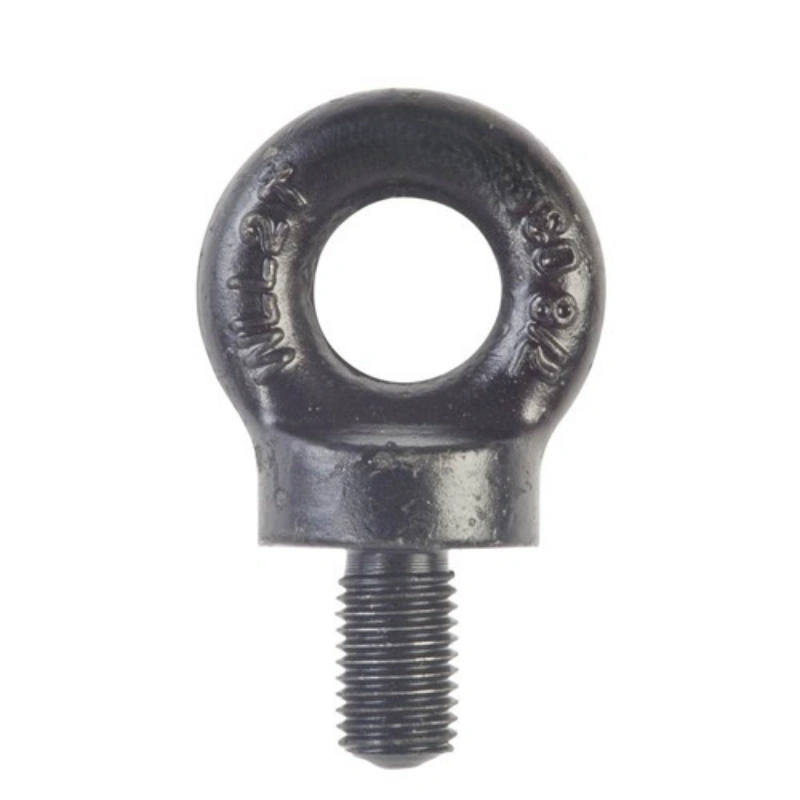
Collared Eye Bolt
A collared eye bolt seats on a machined surface to support axial lifting, protect the threads, and keep balanced or multiple loads stable.
Eyebolts by Material
By material, eye bolts come in carbon steel for strength, stainless steel for corrosion resistance, and coated steel for added protection in tough environments.

Stainless Steel Eye Bolts
Stainless steel eye bolts resist rust and corrosion while delivering strong load performance, making them ideal for lifting and securing in marine, outdoor, and humid areas.
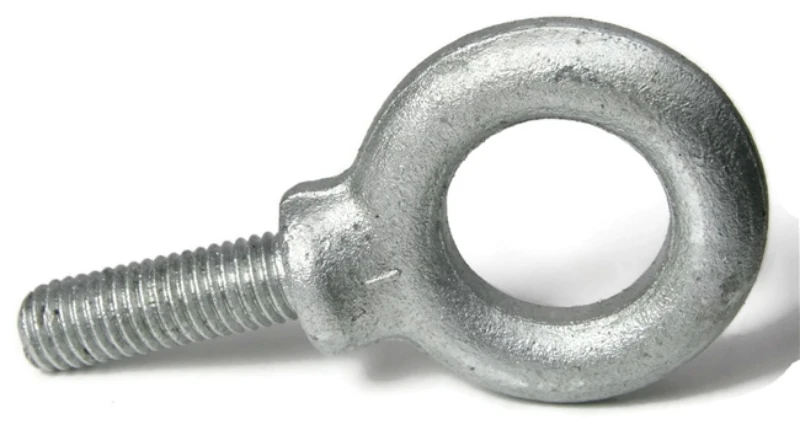
Galvanized Eye Bolts
Galvanized eye bolts feature a zinc coating that fights corrosion and wear, delivering dependable lifting and securing performance in outdoor and industrial settings.
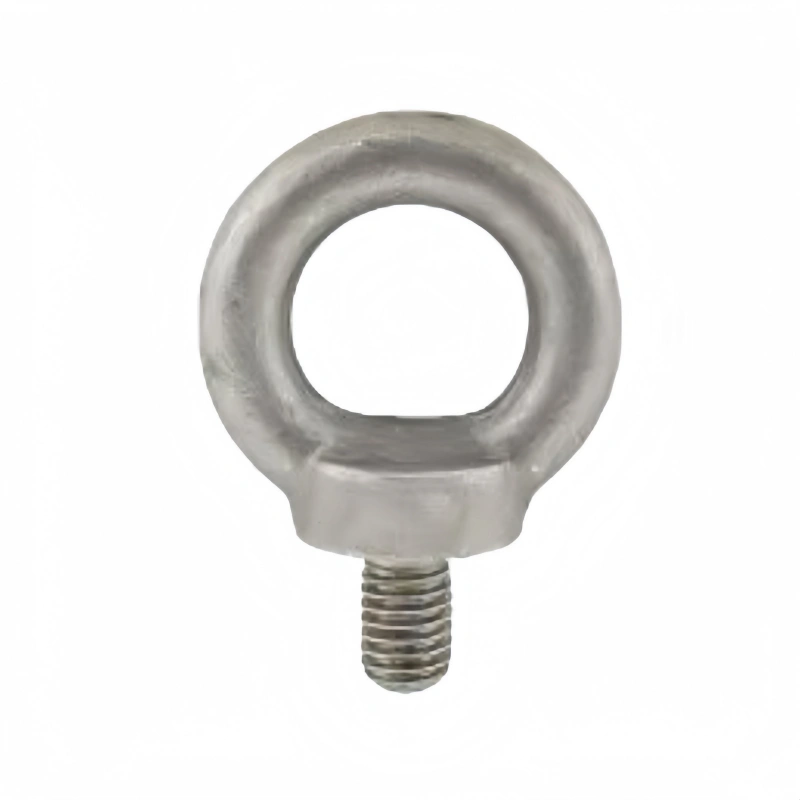
Carbon Steel Eye Bolt
Carbon steel eye bolts deliver strong load capacity and durability, making them a solid choice for lifting and anchoring heavy equipment in construction and industry.
Eyebolts by Application
By application, eye bolts handle lifting, anchoring, and load securing, with designs chosen to match working load, installation, and safety needs.

Machined Eye Bolts
Machined eye bolts have a precision-threaded shank designed to screw directly into tapped holes, creating a secure and accurate lifting point on machinery or equipment.

Screw Eye Bolt
A screw eye bolt has a tapered thread and eye, made to screw into wood or anchors for light hanging or securing, not for heavy lifting or overhead load use.

Lag Eye Bolt
A lag eye bolt has a wood screw thread that drives into timber or lag anchors, making it suitable for light securing tasks where load capacity depends on the wood, not rated lifting.
NEED HELP WITH YOUR EYEBOLTS ORDER?
Let us help! Reach out today and get recommendations on materials and sizing from our experts.



Guide to Eye Bolt
This guide to eye bolts covers types, materials, and applications, helping you choose the right option for lifting, anchoring, and safe load securing.
What is an eye bolt?
An eye bolt is a fastener with a loop for securing ropes, cables, or hooks and a threaded shank for installation into wood, metal, or concrete. Available in shoulder, non-shoulder, and long shank designs, they are crucial for safe lifting and load stability.
What are eye bolts used for?
Eye bolts are used to lift, secure, and anchor loads. Installed in wood, metal, or concrete, they provide a fixed point for ropes, cables, and chains, ensuring safe and stable lifting across industries.
What is the tensile strength of an eye bolt?
Tensile strength is the maximum load an eye bolt can handle before deformation. It depends on the material, size, and design. Always follow manufacturer specs for safe use, especially in heavy-duty applications.
Eye Bolt Design
An eye bolt has a loop (eye) at one end and a threaded shank at the other. The loop provides a secure point for ropes, chains, or hooks. The threaded part allows it to be screwed into wood, metal, or concrete. There are several designs:
Shoulder eye bolts: for angled lifts.
Non-shoulder eye bolts: for vertical lifting only.
Swivel eye bolts: for rotating the load.
The material of the eye bolt varies to suit environmental conditions and load demands.
How to Install an Eye Bolt?
Installing an eye bolt correctly ensures secure and safe lifting. Follow these steps based on your material and load requirements:
Select the right type of eye bolt for the material you are working with (wood, metal, or concrete) and the load capacity required.
For wood applications:
Use a lag eye bolt.
Screw the eye bolt directly into the wood.
Ensure it is securely seated and flush with the surface.
For metal or concrete applications:
Use a machine eye bolt with the appropriate thread size.
Insert the threaded shank into a pre-drilled, tapped hole.
Ensure the hole matches the size and depth of the bolt’s threads for a secure fit.
Tighten securely:
Use a wrench or pliers to fully tighten the eye bolt.
Make sure it’s seated flush to prevent any shifting or instability.
Final Check:
Ensure the eye bolt is properly seated and aligned to avoid load failure.
Types of Eye Bolts
Eye bolts come in several types, including:
Shoulder eye bolts: Designed for angled lifting, with a collar under the eye to reduce stress on the shank.
Non-shoulder eye bolts: Used for vertical lifts only, without a collar.
Long shank eye bolts: Provide deeper engagement for thicker materials.
Swivel eye bolts: Allow for rotation to accommodate changing load angles.
Lag eye bolts: Used for wood applications, with a screw-like thread for easy installation.
How to Screw in an Eye Bolt?
Properly screwing in an eye bolt ensures secure attachment for lifting and rigging tasks. Follow these simple steps based on the material and load requirements:
Choose the right type of eye bolt:
Select an eye bolt based on the material (wood, metal, or concrete) and the load requirements for the job.
For wood applications:
Use a lag eye bolt.
Screw the eye bolt directly into the wood.
Ensure it is securely seated and flush with the surface for a stable attachment.
For metal or concrete applications:
Use a machine eye bolt with the appropriate thread size.
Insert it into a pre-drilled, tapped hole.
Ensure the hole is correctly sized to match the thread for a secure fit.
Tighten the eye bolt:
Use a wrench or pliers to tighten the bolt fully.
Ensure the eye is seated flush to prevent any shifting or instability.
Final inspection:
Confirm the eye bolt is tightly installed and securely attached to prevent any failure during load lifting or securing.
What Angle is Not Recommended for Eyebolts?
When using eye bolts, avoid loading them at angles greater than 45°. Most standard eye bolts are designed for vertical loads, and applying an angular load beyond 45° can cause bending, deformation, or failure of the eye bolt. For angled lifts, shoulder eye bolts are recommended, as their design supports angular loading up to 45°, minimizing the risk of damage. Always follow manufacturer specifications regarding load limits and angles for safe operation.
Identify and Match the Eyebolts
Selecting the correct eye bolt ensures safety and efficiency in lifting and securing loads. Follow these steps to match the right eye bolt to your application:
Understand the load requirements:
Determine the weight of the load and the direction of the force (vertical or angular) to choose the correct eye bolt.
Select the right material:
Stainless steel: Ideal for marine and outdoor environments due to its corrosion resistance.
Carbon steel: Best for industrial and heavy-duty lifting applications.
Galvanized steel: Provides rust resistance for moderate environments.
Choose the correct thread size:
Ensure the eye bolt’s thread size matches the pre-drilled hole or anchor point.
Pick the right design type:
Shoulder eye bolts: Used for angled lifting (up to 45°) to prevent stress on the shank.
Non-shoulder eye bolts: Designed for vertical lifts only and not recommended for side loading.
Swivel eye bolts: Allow rotation for flexible load positioning.
Verify load ratings:
Always check the manufacturer’s specifications for load limits to ensure the eye bolt can safely handle the intended weight and force.
Which Type of Eyebolt is Not Allowed for Rigging?
Non-shoulder eye bolts are generally not suitable for rigging, especially in applications involving side or angular loads. These eye bolts are designed for vertical lifts only and lack the support structure needed to handle the stress of angled lifting. For rigging purposes, use shoulder eye bolts or other rated lifting points designed for angular loading. Always verify the product specifications to ensure the eye bolt is suitable for your rigging application.
What is Eyebolt Testing?
Eye bolt testing involves checking the load capacity, thread integrity, and overall strength of the eye bolt under real-world conditions. This may include load testing where the eye bolt is subjected to the maximum working load to verify its strength. Manufacturers often perform tests such as tensile testing, where the bolt is pulled until failure, and fatigue testing, where repeated cycles of load are applied. Regular testing ensures the eye bolts maintain safety standards and can be trusted for heavy-duty use.
Can You Use Eye Bolts for Swings?
Yes, you can use eye bolts to hang swings. Select stainless steel or galvanized eye bolts for corrosion resistance. For a porch swing or hammock, choose eye bolts with the appropriate tensile strength to support the weight capacity. Install the bolts securely into a solid wood beam or anchor point. For safety, inspect the bolts regularly for wear or damage to prevent failure.
What Are Alternatives to Eye Bolts?
Alternatives to eye bolts include screw eyes, lift rings, and quick links.
Screw eyes work for lighter applications, especially on wood.
Lift rings offer rotation flexibility for rigging.
Quick links can attach cables to various mounting points.
However, each alternative has limitations, so choose based on the load, environment, and usage requirements.
Eye Bolt Inspection Checklist
Regular inspection of eye bolts is essential to ensure safe and efficient lifting operations. Use the following checklist to inspect your eye bolts:
Visual Inspection of the Eye
Check for cracks, deformation, or any visible signs of wear.
Ensure the eye is not distorted, which could compromise its load-bearing capacity.
Thread Condition
Inspect the threads for damage, wear, or corrosion.
Ensure that the threads are clean, without any obstructions or deterioration.
Verify the eye bolt has the correct thread size for the installation.
Load Capacity Verification
Confirm that the working load limit (WLL) marked on the eye bolt matches the load being lifted.
Ensure that the manufacturer’s specifications are followed.
Material and Corrosion Check
Inspect for signs of rust or corrosion, especially if the eye bolt is used outdoors or in marine environments.
Ensure the eye bolt is made from the correct material for the environment (e.g., stainless steel, galvanized).
Shoulder or Collar Integrity (For Shoulder or Collared Eye Bolts)
For shoulder or collared eye bolts, check that the shoulder/collar is not cracked or worn.
Ensure the shoulder is flush and properly seated for angular lifting.
Installation Point Inspection
Verify that the bolt is securely installed into the surface (e.g., wood, metal, concrete).
Ensure the bolt is flush with the surface to prevent shifting.
Check that there is no movement or slippage during use.
Eye Bolt Rotation (For Swivel Eye Bolts)
For swivel eye bolts, ensure the rotation mechanism is working smoothly without any binding or wear.
Locking Mechanism (If Applicable)
For locking eye bolts, ensure the locking mechanism is intact and functional.
General Wear and Tear
Inspect for general wear or signs of stress that may affect the integrity of the eye bolt.
Look for any unusual deformation in the shank or loop that could impact its strength.
Replacement or Repair
If any of the above issues are found, replace or repair the eye bolt immediately to avoid accidents.
Eye Bolt Markings
Eye bolts typically have markings to indicate their material, load rating, and lifting certification:
Manufacturer’s logo for authenticity.
Load rating (e.g., WLL—Working Load Limit).
Material code (e.g., stainless steel, carbon steel).
Thread size and type for correct fitting.
These markings ensure the eye bolt meets industry standards and can safely be used in lifting tasks.
Eye Bolt Material
Eye bolts are made from various materials, including stainless steel, carbon steel, and galvanized steel. Each material serves a specific purpose:
Stainless steel is highly resistant to corrosion, ideal for marine, outdoor, and harsh environments.
Carbon steel offers strength for heavy-duty lifting and industrial applications.
Galvanized steel provides a layer of protection against rust, making it suitable for moderate conditions.
Choose the material based on your application’s environmental exposure and load requirements.
Eye Bolt vs Eye Screw: What's the Difference?
An eye bolt is a fastener with a loop at one end and a threaded shank at the other. It is typically used for lifting or securing loads by attaching cables or ropes. A screw eye is a type of eye bolt, but it is specifically designed for screwing into materials like wood. Key differences:
Eye bolts are used for rigging and lifting in industrial environments.
Eye screws are ideal for light-duty applications, especially in woodworking.
Both serve the same purpose but are used in different applications.
Hoist Ring vs Eye Bolt: Which is Better?
A hoist ring is designed for safer, more flexible lifting compared to an eye bolt. It allows for rotation, which reduces stress on the shank and maintains the load’s orientation. However, eye bolts are:
Fixed and designed for vertical lifting (unless they are shoulder eye bolts).
Hoist rings are ideal when the load needs to rotate during lifting or when the load may change direction.
How Much Weight Can an Eye Bolt Hold?
The weight an eye bolt can hold depends on several factors:
The material (stainless steel holds more than carbon steel).
The thread size and length.
The design of the bolt (shoulder, non-shoulder, or swivel).
Always check the Working Load Limit (WLL) or tensile strength provided by the manufacturer. For example, stainless steel eye bolts with a shoulder can support heavier loads in angular lifting.
How do you anchor an eye bolt in concrete?
To anchor an eye bolt in concrete, follow these steps:
Drill a hole of the appropriate size for the eye bolt’s thread.
Insert an expansion anchor or threaded insert into the hole.
Screw the eye bolt into the anchor or insert until it’s firmly seated.
Ensure the eye bolt is flush and properly aligned to avoid shifting under load.
Use the correct drill bit size and ensure the anchor is rated for the expected load capacity.
How do you attach a cable to an eye bolt?
To attach a cable to an eye bolt, follow these steps:
Select the correct eye bolt based on the cable’s weight capacity.
Thread the cable through the eye of the bolt, or use a swivel hook to connect the cable securely.
Tighten the connection using a locking mechanism like a quick link or cable clamp.
Ensure the eye bolt and cable are correctly rated for the load. Regularly inspect the cable for signs of wear to ensure safety.
How do you attach a chain to an eye bolt?
To attach a chain to an eye bolt:
Choose the right size of eye bolt for the chain’s link size.
Open the chain link using a chain link tool or quick link.
Attach the chain directly to the eye bolt, ensuring the link is properly seated in the loop.
Tighten the connection with a locking mechanism to ensure the chain stays secure.
Check the weight rating of both the chain and eye bolt to ensure safe lifting.
How do you install an eye bolt in a ceiling?
To install an eye bolt in a ceiling:
Locate a solid beam or support structure capable of holding the load.
Drill a pilot hole into the ceiling at the desired location.
Screw in the eye bolt or use an expansion anchor for concrete ceilings.
Tighten securely to prevent movement under load.
Ensure that the ceiling or beam is rated for the expected load before installation.
How do you install eye bolts in wood?
To install eye bolts in wood:
Drill a pilot hole that matches the size of the threaded part of the eye bolt.
Screw the eye bolt into the wood using a wrench or pliers to tighten.
Ensure the bolt is flush and securely seated, preventing any movement.
Always verify the wood’s strength to ensure it can safely handle the load without damaging the material.
How do you open an eye bolt?
To open an eye bolt:
Grip the shank with pliers or a wrench.
Use a counterclockwise motion to unscrew the threaded part from its anchor or surface.
Remove the eye bolt from the attachment point and check for wear before reuse.
How do you put an eye bolt into brick?
To install an eye bolt into brick:
Drill a hole in the brick with a masonry drill bit of appropriate size.
Insert a wall plug or expansion anchor into the hole.
Screw the eye bolt into the anchor, ensuring it’s securely fastened.
Check the brick’s integrity and ensure the bolt is rated for the load you intend to lift.
How do you tie a knot to an eye bolt?
To tie a knot to an eye bolt:
Pass the rope through the eye.
Use a bowline knot or clove hitch to secure the rope tightly.
Ensure the knot is tightly tied to prevent slippage under load.
Inspect the rope regularly to avoid wear or weakening of the knot.
How do you tie a rope to an eye bolt?
To tie a rope to an eye bolt:
Thread the rope through the eye of the bolt.
Tie a secure knot like a bowline or figure-eight knot to prevent slippage.
Tighten the knot to ensure a secure connection.
Regularly check the rope and knot for wear or degradation.
Shoulder Eye Bolt vs Eye Bolt: What’s the Difference?
The primary difference between a shoulder eye bolt and a regular eye bolt is the shoulder:
Shoulder eye bolts are designed for angled lifting, preventing stress on the bolt’s shank.
Eye bolts without a shoulder are meant for vertical lifting only.
Always choose a shoulder eye bolt when the load will be lifted at an angle to prevent damage or failure.
Have More Questions of Eye Bolts?
Understanding how eye bolts work helps you select the right hardware for your load, setup, and jobsite conditions. If you need assistance choosing the perfect eye bolt for your application, contact our team for expert guidance.