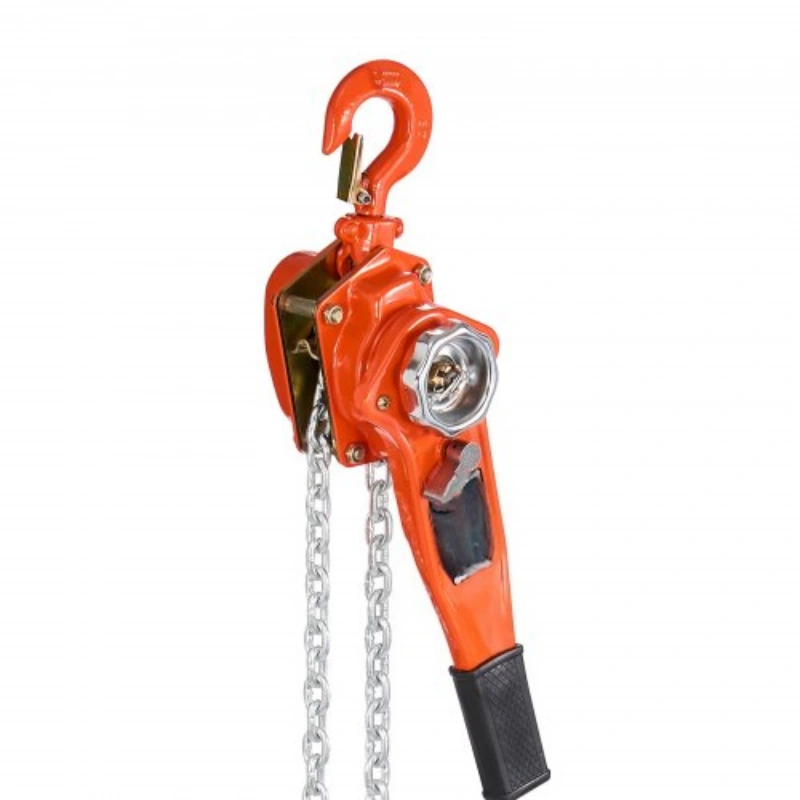
When you want to know how to secure a load with chains, you must follow a precise process. First, select chains and hardware certified for heavy-duty applications, such as those from Powerful Machinery. Attach chains so they run straight and use proper anchor points.
Tighten with binders but avoid over-tightening. Inspect every component before moving your load. You must comply with legal standards, as the consequences for improper securement can be severe.
Violation Type | First Offense | Repeat Offense | Out-of-Service Risk | CSA Points |
|---|---|---|---|---|
Insufficient tie-downs | $1,000-3,000 | $3,000-7,500 | High (65%) | 7 points |
Inadequate WLL | $1,200-4,000 | $4,000-10,000 | High (70%) | 7 points |
Damaged equipment | $800-2,500 | $2,500-6,000 | Medium (45%) | 4 points |
Wrong chain grade | $1,500-4,500 | $4,500-12,000 | High (75%) | 7 points |
No WLL markings | $500-1,500 | $1,500-3,500 | Low (20%) | 2 points |
You risk steep fines, CSA points, and being taken out of service if you neglect proper chain securement. Only trust reliable, high-quality equipment and thorough inspection to keep your cargo, your business, and the road safe.
Key Takeaways
Always use certified chains and hardware to ensure safety and compliance with regulations.
Inspect chains and binders before each use. Look for damage, rust, or elongation to prevent accidents.
Follow proper techniques for attaching chains and applying tension. Avoid over-tightening to protect your cargo.
Regularly check your load during transport. Re-inspect after the first 50 miles to maintain securement.
Understand legal requirements for load securement. Compliance helps avoid fines and ensures safety on the road.
Choosing Chains and Equipment
When you secure a load, you must start with the right chains and hardware. Using certified, high-quality equipment from a trusted provider like Powerful Machinery ensures your cargo stays safe and compliant with regulations. Always check that your chains and binders meet or exceed the working load limit (WLL) for your cargo.
Types of Chains for Securement
You will find several chain grades available for load securement. Each grade has a specific working load limit and best use. The table below helps you compare the most common options:
Chain Grade | Working Load Limit Range | Material | Best Use | Safety Notes |
|---|---|---|---|---|
G30 | 1,300 lb – 6,900 lb | Standard carbon steel | Light-duty tie-downs | Not for heavy loads |
2,600 lb – 13,000 lb | Improved carbon steel | General cargo securement | Not for overhead lifting | |
3,150 lb – 15,800 lb | Heat-treated carbon steel | Securing cargo, towing | Not for overhead lifting | |
3,500 lb – 47,700 lb | High-strength alloy steel | Overhead lifting, heavy-duty securement | Designed for lifting applications | |
4,300 lb – 35,300 lb | Premium alloy steel | Extreme heavy-duty securement | Highest strength, certified lifting |
Tip: Always match the chain’s WLL to your cargo weight. Never exceed the lowest WLL among your tie-down system components.
Binders: Lever vs Ratchet
You need a binder to tighten your chains. The two main types are lever binders and ratchet binders. Each has unique features:
Feature | Ratchet Load Binder | Lever Load Binder |
|---|---|---|
Tensioning Style | Step-by-step with a ratcheting handle | Single quick lever action |
Mechanical Advantage | High uses gears | Moderate, uses leverage |
Control | Precise, incremental | Fast, less precise |
Ratchet binders offer increased safety and precise tensioning. They reduce the risk of sudden kickback.
Lever binders work faster but require more physical effort and can be dangerous if mishandled.
Improper use of binders can cause accidents, including load slippage and injuries. Always follow safety guidelines.
Chain and Binder Inspection
Before each use, inspect your chains and binders carefully. Lay chains flat and check every link for damage, rust, or elongation. Replace any component that shows wear or does not meet manufacturer specifications.
Inspection Criteria | Description |
|---|---|
Visual Inspection | Examine links for cracks, bends, or damage |
Wear and Elongation Check | Remove chains with more than 3% elongation |
Rust and Corrosion | Look for color changes, pitting, or rough surfaces |
Common Damage Signs | Replace if you see stretched links, cracks, or damaged hooks |
You protect your cargo, your equipment, and your reputation when you use certified chains and hardware from Powerful Machinery and inspect them before every trip.
How to Secure a Load With Chains: Step-by-Step Guide
Preparing Load and Vehicle
You must start with careful preparation before you secure any load. This step ensures safety and compliance with regulations. Follow these steps:
Use the right number and type of securing devices. FMCSA regulations require specific tie-downs for heavy equipment.
Identify attachment points on your cargo. Refer to the operator’s manual for designated securement areas.
Secure moving parts and protect fragile components. Prevent damage during transit by locking or covering exposed parts.
Inspect the cargo. Make sure it sits stable and centered on the trailer. Use rated connection points for securement.
Check the trailer. Confirm anchor points have a working load limit that matches or exceeds your chains.
Clear the deck. Remove debris from the trailer to maximize contact between cargo and trailer.
Ensure driver visibility. Adjust mirrors and check sightlines from the driver’s seat.
Tip: Powerful Machinery offers certified chains and rigging hardware designed for demanding loads. Their products meet international standards, making them ideal for heavy equipment securement.
Attaching Chains Properly
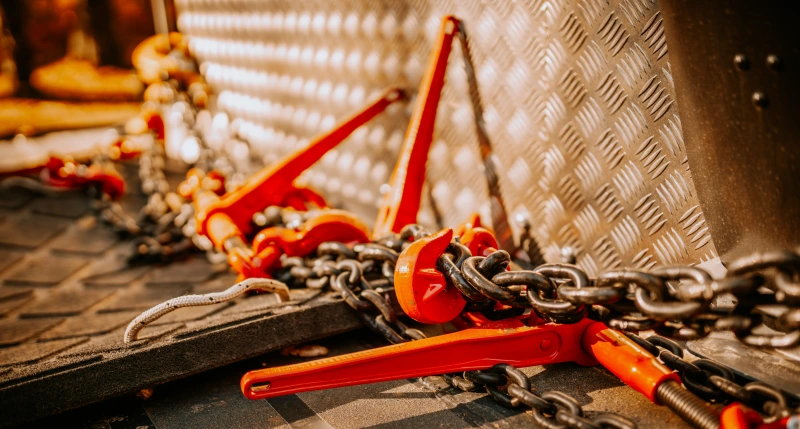
When you learn how to secure a load with chains, you must attach chains correctly to maximize stability. Use these guidelines:
Select the right hooks for your application:
Grab hooks allow easy adjustment of chain length.
Slip hooks provide flexibility for loads that may shift.
Clevis hooks offer strength for heavy-duty lifting.
Foundry hooks work best for oversized or irregularly shaped loads.
Hook the chain to itself or use D rings and anchor points. This method prevents slippage and ensures a secure connection.
Run chains in straight lines. Avoid twists or bends, which can weaken the system.
Check the weakest link. Never exceed the lowest working load limit among all components.
Note: Powerful Machinery’s high-tensile chains and hooks are engineered for extreme conditions. Their products deliver reliability for construction, marine, and cargo handling applications.
Using Binders for Tension
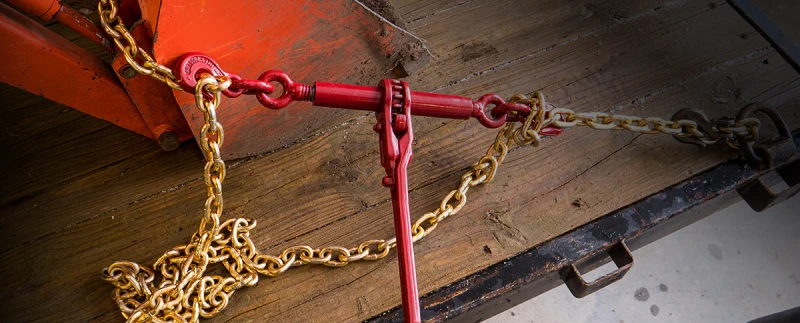
You must apply proper tension to your chains to keep the load secure. Follow these practices:
Use certified ratchet chain binders for controlled tightening. Ratchet binders require less physical effort and maintain secure tension.
Achieve optimal tension by making chains taut, but avoid stretching them to their working load limits.
Follow the manufacturer’s guidelines for maximum tension. Over-tightening can damage chains and cargo.
Utilize tension-indicating devices if available. These tools help prevent exceeding recommended limits.
Conduct regular checks, especially after the first 50 miles of transit. Chains may settle, so re-tighten as needed.
Alert: Never over-tighten chains. Excessive tension can cause failure or damage. Always prioritize safety and follow best practices.
Securing Excess Chain
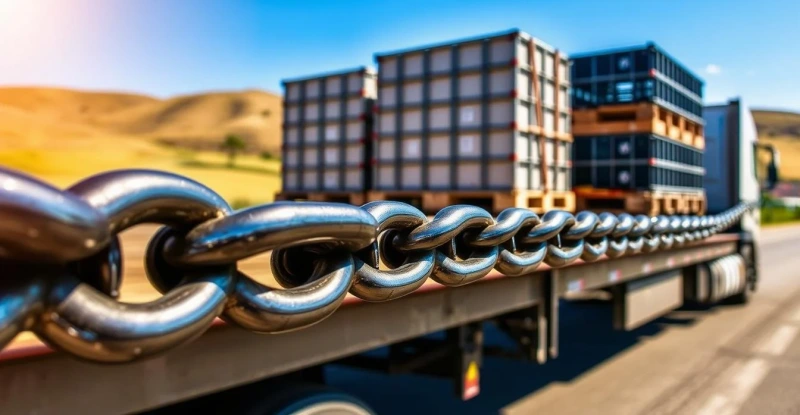
Loose chain ends can pose hazards during transport. Secure the excess chain to prevent movement and maintain safety:
Coil or tie excess chain using zip ties or wire. Keep chain ends away from tires and moving parts.
Fasten the loose chain to the anchor points or D rings. This step prevents chains from dragging or becoming entangled.
Inspect all secured chain ends before departure. Make sure nothing hangs loose or interferes with the vehicle.
Tip: When you use Powerful Machinery’s certified chains and accessories, you gain peace of mind knowing your load is secure and compliant.
By following these steps, you will master how to secure a load with chains for heavy equipment and demanding cargo. You protect your investment, meet legal requirements, and ensure safe transport every time.
Safety Tips and Common Mistakes
Key Safety Precautions
You must prioritize safety every time you secure a load with chains. Proper procedures protect your cargo, your equipment, and everyone on the road. Follow these essential steps to maintain compliance and reduce risk:
Understand why proper load securement matters. Safety and regulatory compliance depend on your attention to detail.
Select the correct chain grade and binder for your cargo. Always match the working load limit (WLL) to the weight of your load.
Learn the right way to use ratchet and lever binders. Practice safe tightening techniques to avoid injury.
Troubleshoot challenges before you hit the road. Address any issues with chain placement or tension.
Apply best practices for efficient securement. Double-check every connection and anchor point.
Note: Both you and your carrier share responsibility for correct load securement. Training in tie-down selection, usage, and inspection is critical for meeting DOT requirements.
Weather can affect chain performance. In winter, ice may build up on cargo or freeze securement devices, making them less effective. Summer heat can cause chains to expand, requiring you to retighten them.
Rain increases the risk of slippery surfaces and adds weight to your load. Use tarpaulins to shield cargo and add support during adverse conditions.
Chain integrity drops in extreme temperatures. Each chain grade has a specific temperature range. Exceeding it can reduce the WLL and compromise safety.
Mistakes to Avoid
Many violations and accidents result from common mistakes. You can prevent these issues by staying alert and following best practices:
Failing to calculate the total WLL for your load.
Using chains with the wrong grade for transport.
Placing chains at improper angles, which reduces their effectiveness.
Securing cargo with damaged or worn chains.
Attaching chains to non-rated points on the trailer or cargo.
Leaving chains too loose or not tightening them enough.
Skipping edge protection when chains contact sharp cargo edges.
Mixing hardware with different ratings, such as hooks or binders below the chain capacity.
Forgetting to re-tension chains during transit.
Lacking proper documentation to prove compliance during inspections.
🚨 Even a small oversight can lead to fines, out-of-service orders, or cargo loss. Always inspect, document, and adjust your securement system for every trip.
Legal and Industry Standards
Securement Laws Overview
You must understand the legal requirements for securing loads with chains. In the United States, federal regulations set strict standards for commercial vehicles. These rules protect you, your cargo, and everyone on the road. The main regulations come from the Federal Motor Carrier Safety Administration (FMCSA).
You should always use chains and hardware that meet or exceed these standards.
Regulation | Description |
|---|---|
49 CFR part 393 | Outlines safe operation requirements for commercial vehicles, including load securement. |
§ 393.100 | Specifies which vehicles must comply with securement rules, such as trucks and trailers. |
§ 393.104 | Requires chains to meet NACM specifications and webbing to follow WSTDA standards. |
You may operate in different regions. Securitization laws can vary by country. For example, the United States, Canada, and the European Union each have their own frameworks for load securement. You must check local laws before every trip.
Region | Securement Laws Overview |
|---|---|
United States | Follows FMCSA regulations and requires chains to meet NACM standards. |
Canada | Adopts similar standards but may have unique provincial requirements. |
European Union | Uses its own legal framework for cargo securement and chain specifications. |
Tip: Always keep documentation for your chains and binders. Inspectors may ask for proof of certification during roadside checks.
Chain Placement Rules
You must follow official guidelines for chain placement to ensure safe transport. The FMCSA provides clear steps for securing chains on flatbed trailers:
Confirm that your chain’s working load limit (WLL) exceeds the trailer’s gross vehicle weight rating (GVWR).
Position the left chain under the trailer tongue and route it toward the right side of your tow vehicle.
Pass the right chain under the tongue, crossing it over the left chain.
Attach each chain to the designated tow points or frame-mounted attachment points on your vehicle.
Make sure all hooks are fully seated and safety latches are locked.
Check for proper slack. Chains should allow a full turning radius without dragging—usually 6 to 12 inches of slack.
Complete a final inspection. Verify the crossing pattern, connection security, and slack before you start your trip.
Following these rules helps you stay compliant and keeps your cargo secure throughout the journey.
Final Inspection and Ongoing Checks
Pre-Trip Checklist
You must complete a thorough inspection before every trip. This step ensures your load stays secure and compliant with regulations. Use a checklist to confirm that every detail meets industry standards. The following table outlines key items you should review:
Checklist Item | Description |
|---|---|
Securement Confirmation | Check that all cargo is properly secured. Inspect tie-downs, blocking, bracing, and any specialized systems. |
Load Securement | Make sure all tie-downs are tensioned. Look for damaged chains or straps. Confirm that blocking and bracing are in place. Verify weight distribution and ensure the load does not exceed vehicle limits. |
Tip: A written checklist helps you avoid missing critical steps. You can use a printed form or a digital app for convenience.
Monitoring During Transport
You must monitor your load throughout the journey. Industry best practices recommend checking chain tension and securement at regular intervals. Inspect all tie-downs and binders before you start your trip. Recheck them after the first 50 miles.
Vibrations and road conditions can loosen chains, so early re-inspection is essential.
During long hauls, stop at least once every three hours or 150 miles to inspect your securement system. Look for loose chains, damaged hardware, or shifting cargo. If you notice any issues, address them immediately. Use only certified replacement parts, such as those from Powerful Machinery, to maintain safety and compliance.
🚚 Regular inspections keep your cargo secure and protect your business from costly violations. Make ongoing checks a standard part of your routine.
By following these steps, you ensure your load remains secure from departure to arrival. Consistent inspections and proper documentation demonstrate your commitment to safety and industry standards.
Conclusion
You now know how to secure a load with chains safely and efficiently. Using certified equipment from Powerful Machinery gives you enhanced safety, durability, compliance, and expert support:
Benefit | Explanation |
|---|---|
Enhanced Safety | Certified products maintain consistent tension, preventing load shifting and improving transport safety. |
Durability | Designed to withstand extreme conditions and heavy loads, ensuring long-term reliability. |
Compliance | Meets or exceeds international standards such as ISO9001, TUV Rheinland, OSHA, and ASTM, ensuring regulatory adherence. |
Support | Access to expert training and customer service enhances proper use and maintenance, extending product lifespan. |
Regular inspections reveal equipment condition, check suitability, and help you catch faults early. Stay updated on best practices by following industry guidelines, using modern tools, and investing in ongoing training. Reliable securement keeps your cargo, business, and everyone on the road safe.
FAQ
How do you choose the right chain grade for your load?
You must check the weight of your cargo. Match it to the working load limit (WLL) of the chain. Use certified chains from Powerful Machinery for heavy equipment. Grade 80 and Grade 100 chains offer maximum strength and safety.
How often should you inspect chains and binders?
You should inspect chains and binders before every trip. Check again after the first 50 miles. Look for damage, rust, or elongation. Replace any worn parts immediately. Regular inspection keeps your cargo secure and prevents violations.
What is the best way to secure excess chain?
You should coil or tie excess chain with zip ties or wire. Fasten loose ends to anchor points or D rings. Make sure chain ends do not drag or interfere with tires. This prevents hazards and keeps your load safe.
Can you use chains for all types of cargo?
You must use chains for heavy equipment, machinery, and large loads. Avoid chains for fragile or lightweight cargo. Use straps or webbing for those items. Always follow legal requirements and manufacturer guidelines for securement.
What certifications should your chains and hardware have?
You should use chains and hardware certified to international standards like ISO9001, TUV Rheinland, OSHA, and ASTM. Powerful Machinery products meet these certifications. Certified equipment ensures compliance and provides peace of mind during inspections.