
Lifting Hooks
Discover durable lifting hooks built by the manufacturer for heavy-duty lifting. Strong, safe, and heat-treated for reliability in harsh environments. Quote your lifting hooks today from Powerful Machinery and ensure long-lasting performance.

Our lifting hooks meet strict load ratings, giving you maximum safety and confidence on every lift.
We provide Grade 80 and Grade 100 lifting hooks fully compliant with international standards for secure operations.
Every hook is fully traceable, tested, and verified for consistent performance and compliance you can trust.
Factory-controlled output supports bulk orders, stable lead times, and predictable pricing.
Featured Partners
We supply lifting hooks to industry leaders who demand reliable rigging hardware.





Lifting Hook By Attachment
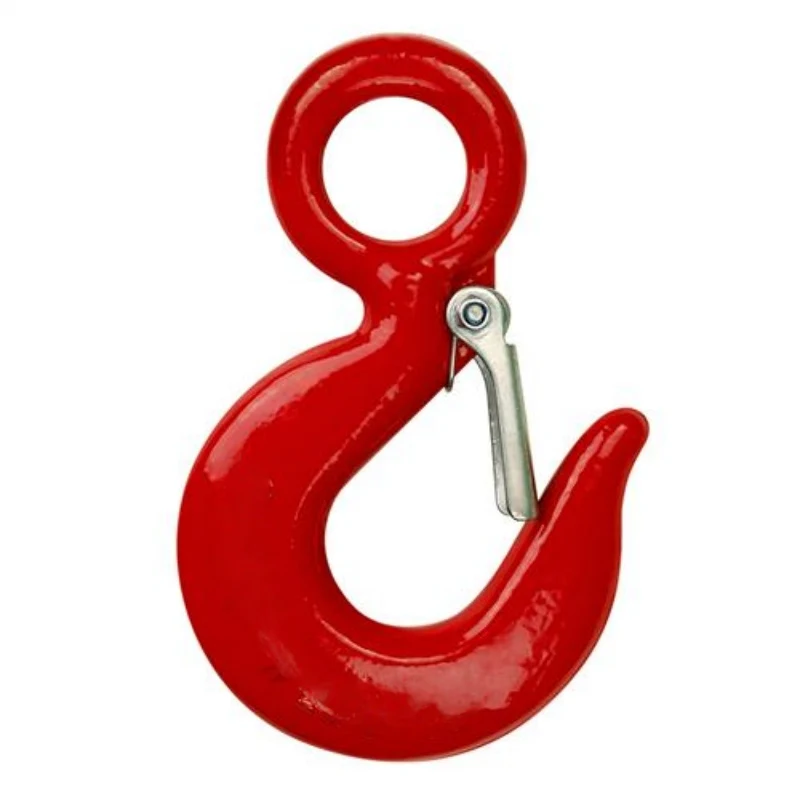
Eye Hooks
An eye hook features a closed loop for easy connection to slings, wire rope, or shackles. It provides a secure, flexible lifting connection when chain attachment is not required.
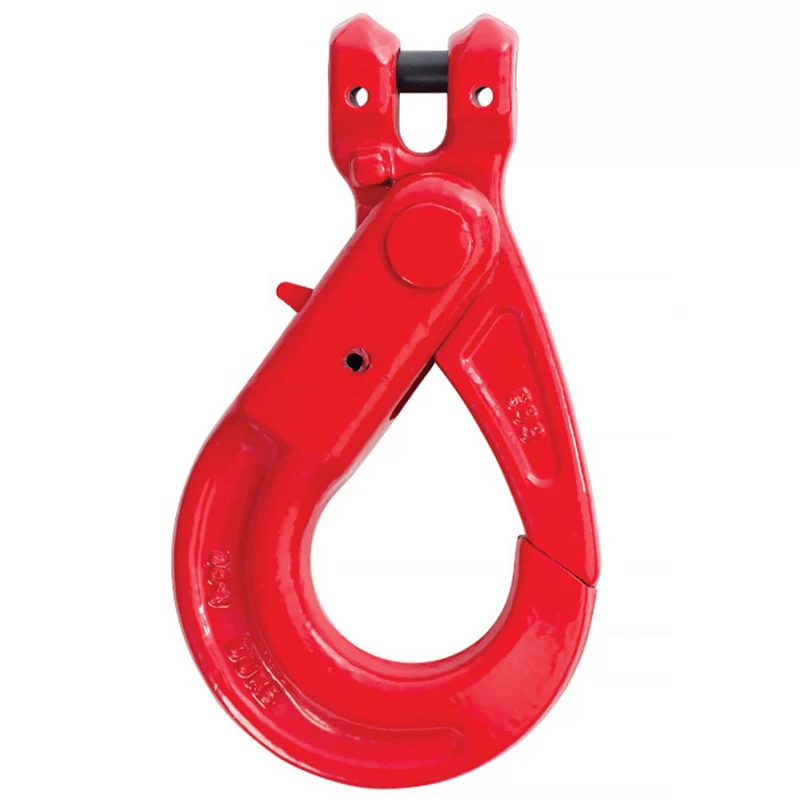
Clevis Hooks
Clevis hooks feature a U-shaped end with a pin for direct chain attachment. They offer a compact, durable, and cost-effective solution for reliable lifting connections.
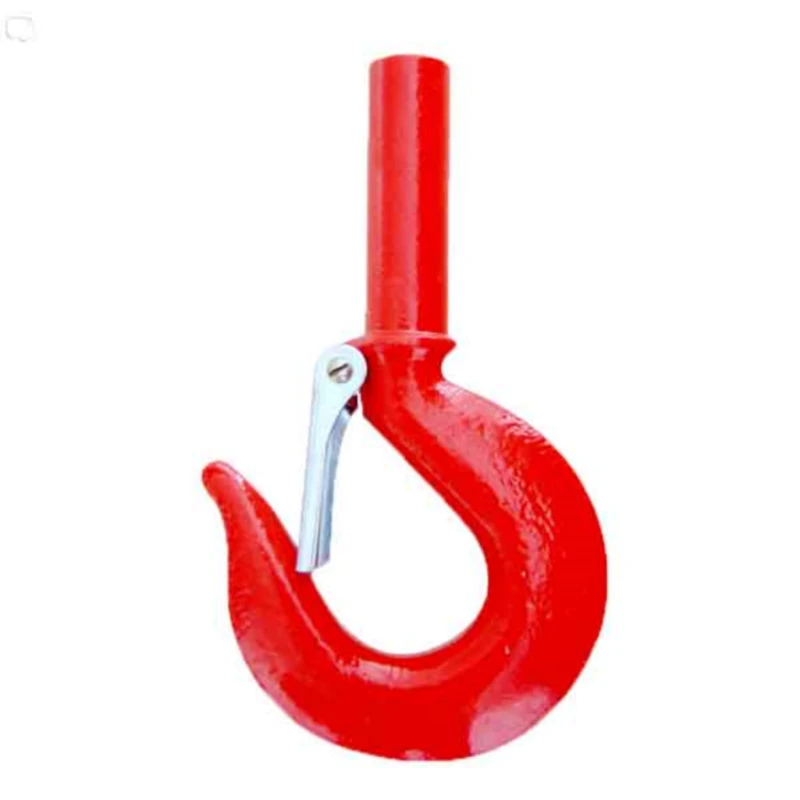
A shank hook uses a threaded shank for direct mounting to lifting hardware. It delivers a strong, stable connection and works well with shackles and custom lifting setups.
Lift Hook By Function
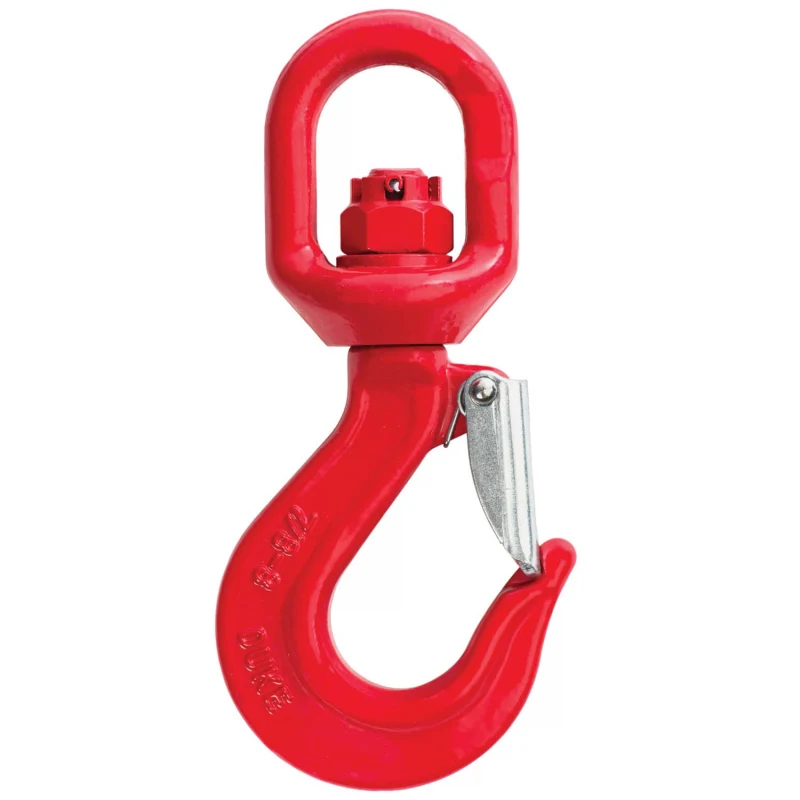
A swivel hook rotates to reduce twisting in wire ropes and slings. It improves load control and helps extend the service life of lifting components.

Grab Hook
A grab hook features a narrow throat that securely holds chain links in place. It allows precise load control and often includes a safety latch to reduce slippage.
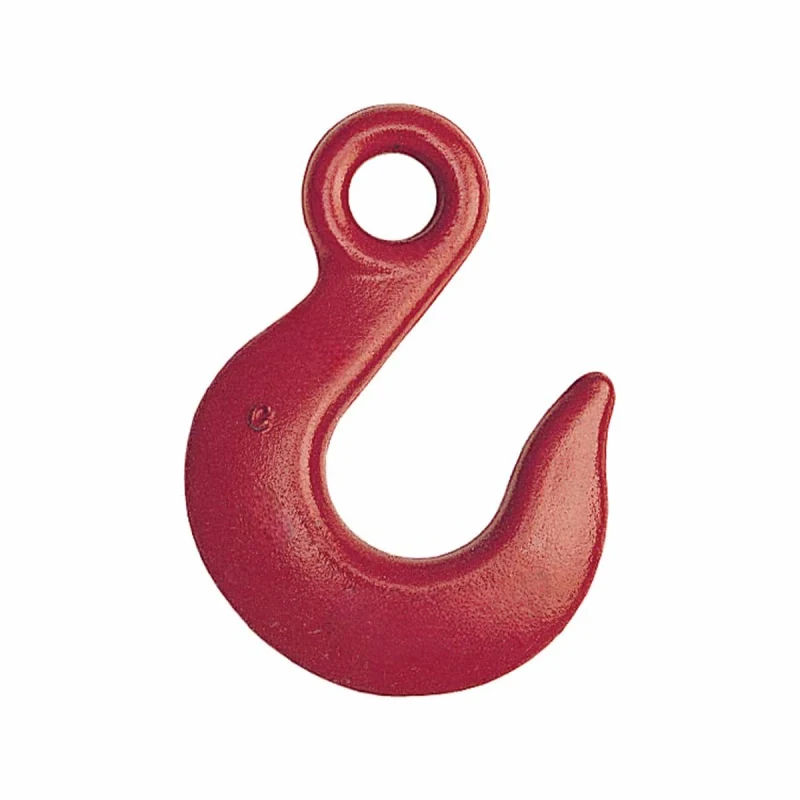
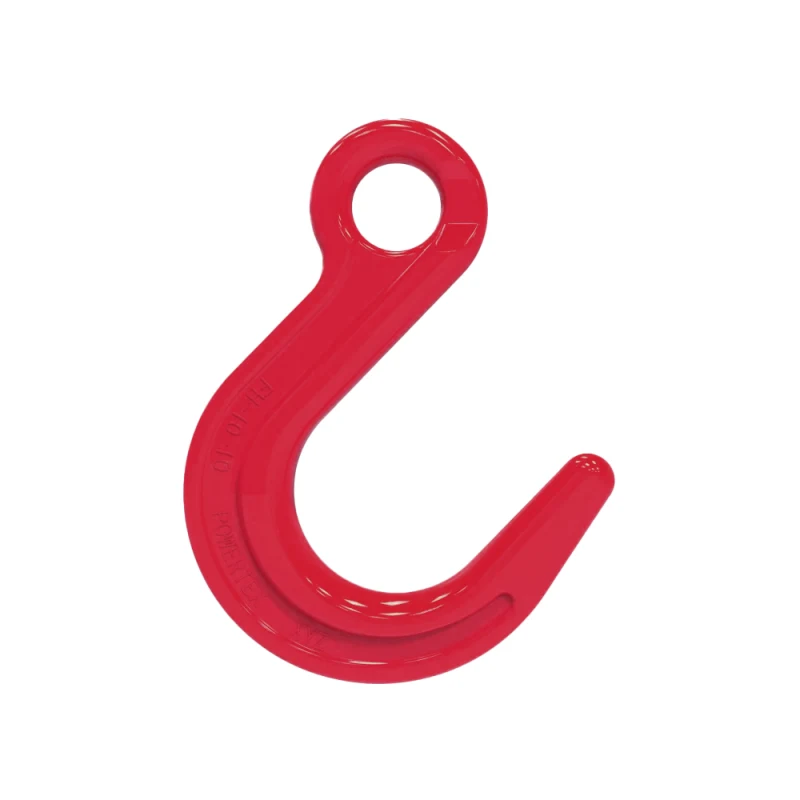
A foundry hook features a deep, open throat for fast engagement with large or irregular loads. It handles demanding lifting tasks, including hot materials in industrial environments.
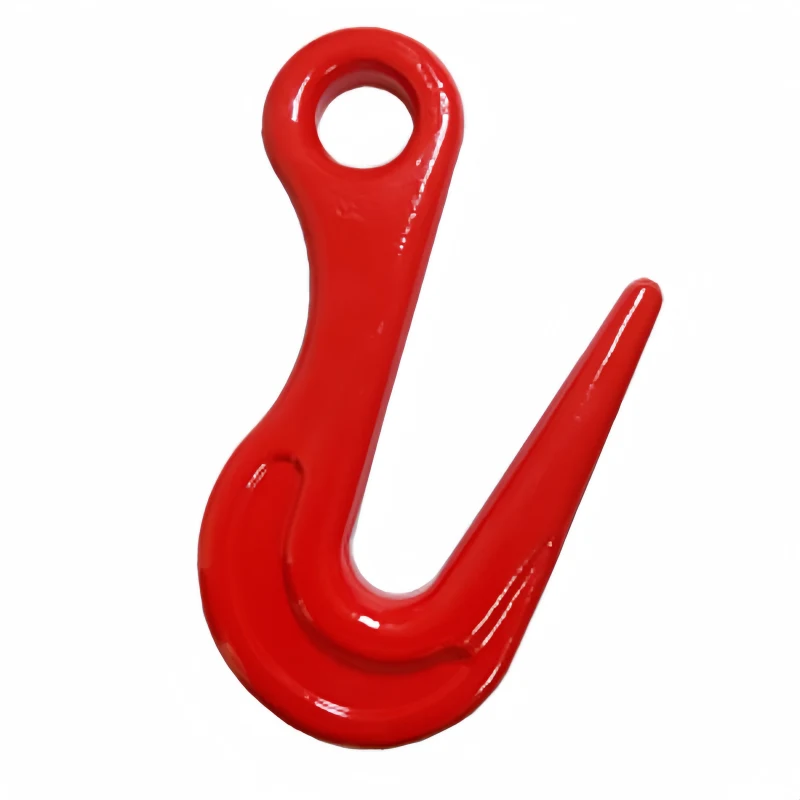
Sorting Hook
A sorting hook is designed for efficient scrap handling and material separation. It allows quick grabbing, moving, and sorting of metal and bulk materials in tough work conditions.

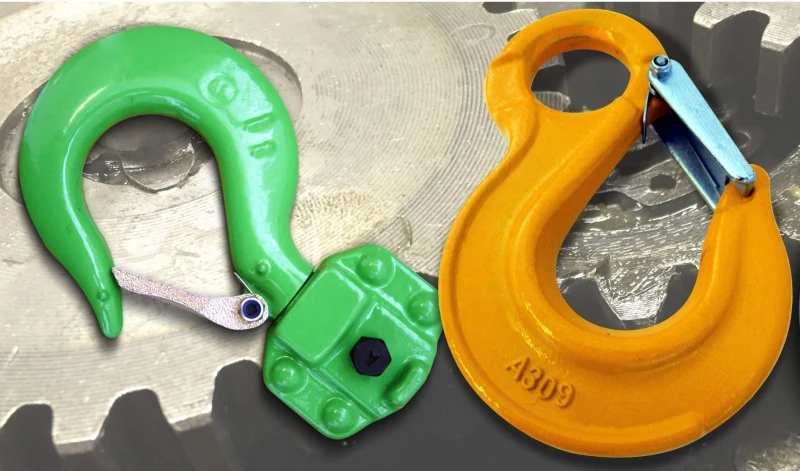
A self locking hook features an automatic latch that closes under load to prevent accidental release. It enhances lifting safety and provides reliable load security during operation.
NEED HELP WITH YOUR ORDER?
Let us help! Reach out today and get recommendations on materials and sizing from our experts.


LIFT HOOKS GUIDE
Lifting hook selection affects safety and efficiency. Use this guide to see where each lifting hook type performs best.
What Are the Main Types of Lifting Hooks?
Choosing the right lifting hooks depends on how you connect, control, and secure loads. Each hook type serves a specific lifting purpose and improves safety and efficiency when used correctly.
Eye Hooks – Provide flexible connections with slings, shackles, and wire rope
Clevis Hooks – Attach directly to lifting chains for a compact and strong connection
Shank Hooks – Mount through threaded connections for fixed or custom lifting setups
Swivel Hooks – Rotate to reduce twisting in slings and wire ropes during lifting
Grab Hooks – Secure specific chain links to control load length and position
Slip Hooks – Slide onto chains for quick and adjustable load connections
Foundry Hooks – Handle hot, large, or irregular loads with a deep open throat
Sorting Hooks – Support scrap handling and material separation tasks
Self Locking Hooks – Add automatic load security with built-in locking mechanisms
Matching the correct lifting hook to load behavior, lifting angle, and connection method helps you achieve safer and more efficient lifting operations.
Lifting Hook Material
Lifting hook material plays a key role in load capacity, durability, and service life. Choosing the right material helps control stress, fatigue, and performance in different working conditions.
Alloy Steel – Handles high tensile strength and shock loads, making it ideal for heavy-duty lifting
Carbon Steel – Suits light-duty lifting where cost control and basic strength are required
Stainless Steel – Resists corrosion in marine, chemical, and humid environments
Heat-Treated Alloy Steel – Quenched and tempered to deform before failure, improving safety and reliability
Are Safety Latches Required on Lifting Hooks?
You do not always need safety latches by law, but you greatly reduce risk when you use them. Safety latches help prevent accidental disengagement during slack conditions, sudden movement, or operator error. Self locking hooks provide automatic closure under load and remove guesswork. You should always use latches for overhead lifting, rental fleets, and high cycle operations. You still need proper rigging practice because latches do not increase load capacity or replace correct hook selection.
What are the best lifting hooks for heavy lifting?
The best lifting hooks for heavy lifting depend on load weight, connection method, and lifting conditions. Choosing the right hook type and grade improves safety, reliability, and long-term performance.
Grade 80 Alloy Steel Hooks – Provide high strength and durability for demanding lifting tasks
Grade 100 Alloy Steel Hooks – Offer higher load capacity with reduced weight and verified traceability
Self Locking Hooks – Improve safety during overhead lifting by preventing accidental load release
Swivel Hooks – Protect slings and wire rope by reducing twisting during rotation
Clevis Hooks – Deliver compact and strong chain connections in tight lifting spaces
Proof-Tested Hooks – Reduce downtime through verified performance, batch tracking, and consistent quality
How do I determine lifting hook capacity?
Determining lifting hook capacity requires more than reading a single number. You need to evaluate load conditions, lifting angles, and hook markings to ensure safe operation.
Check the Working Load Limit (WLL) – Always confirm the WLL stamped on the hook body
Verify Load Weight – Ensure the total load stays within the rated capacity
Consider Lifting Angle – Understand that angled lifts reduce effective capacity
Account for Dynamic Forces – Factor in shock loading and sudden movement
Avoid Side Loading – Side forces significantly reduce hook capacity and cause damage
Confirm Material Grade – Higher grade steel provides better safety margins
Inspect Markings – Remove the hook from service if load markings are missing or unreadable
Lifting Hook Inspection
Regular inspection of lifting hooks helps prevent accidents and extends equipment service life. You should inspect hooks before each lift and during scheduled maintenance checks.
Inspect Before Every Lift – Check hooks as part of daily lifting procedures
Check Throat Opening – Measure throat spread and compare it to original specifications
Look for Cracks or Deformation – Identify bending, twisting, or structural changes
Examine for Corrosion – Watch for rust or surface damage that weakens the hook
Inspect Safety Latches – Ensure latches move freely and remain undamaged
Check Load-Bearing Surfaces – Look for excessive wear or deep nicks
Remove Damaged Hooks – Take hooks out of service if you find heat damage or distortion
Maintain Inspection Records – Document inspections to support compliance and audits
How do I measure a lifting hook correctly?
Accurate measurement of a lifting hook helps detect overload, wear, and deformation before failure occurs. You should always compare measurements to manufacturer specifications.
Measure Throat Opening – Focus on throat spread since excessive opening signals overload
Check Hook Diameter – Confirm load-bearing sections remain within tolerance
Measure Overall Length – Identify stretching or deformation over time
Verify Pin Size – Inspect pin dimensions on clevis or shank hooks if applicable
Compare to Specifications – Use original drawings or manufacturer data as reference
Use Proper Tools – Rely on calipers or gauges instead of visual estimates
Record Measurements – Document results during inspections to track wear trends
Replace Before Rejection Limits – Remove hooks from service before deformation reaches unsafe levels
Can I replace the safety latch on safety hooks?
You can replace safety latches if the hook design supports replacement and the manufacturer provides approved parts. You must match latch size, spring tension, and locking geometry exactly. You never install generic latches because they may interfere with hook seating. You inspect latch movement after installation to ensure smooth operation. You retire the hook if the latch mounting point shows wear or distortion. You maintain safety standards by using original replacement components only.
Can I replace the safety hook on my hoist or puller?
You can replace the safety hook on a hoist or puller if the new hook matches load rating, connection type, and dimensional fit. You verify compatibility with the hoist manufacturer or lifting hook supplier. You avoid upsizing or downsizing hooks without engineering approval. You test operation after replacement under controlled conditions. You reduce liability when certified technicians perform replacements and document the change.
Have More Questions About Lifting Hooks?
Understanding each lifting hook type helps you make informed choices and select the right hardware for your lifting tasks. Contact us for guidance or product support.