
Overhead Lifting Chain
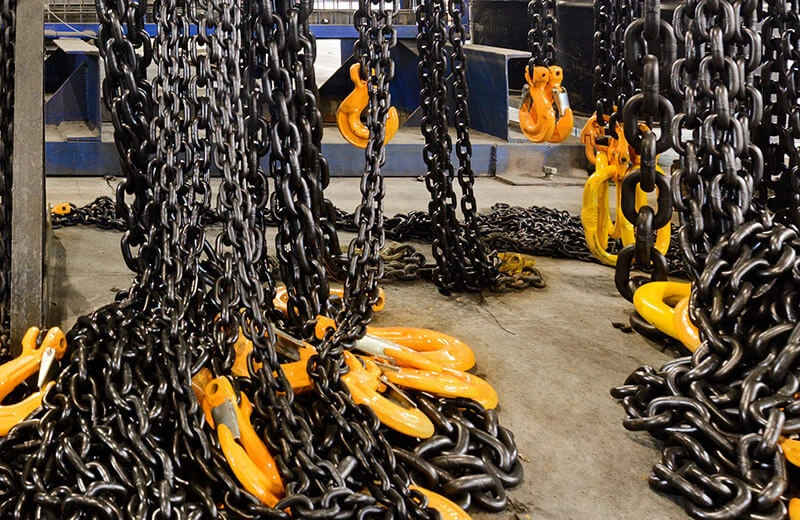
Powerful Machinery’s overhead lifting chain delivers unmatched strength, reliability, and versatility. Constructed from high-grade alloy steel, these chains are designed for heavy-duty applications such as construction, manufacturing, and logistics. Built to exceed OSHA, NACM, ASTM, and Government standards, our chains offer safety and maximum efficiency for every lift. Ready to upgrade your lifting operation? Contact Powerful Machinery for a quote today.

Our overhead lifting chains are crafted with high-strength materials, delivering long-lasting durability for demanding industrial applications.
Meeting or exceeding OSHA and industry safety standards, our chains ensure secure and reliable lifting across all operations.
From construction to logistics to oil & gas, our overhead lifting chains are designed to meet the unique needs of diverse heavy-duty industries.
Each chain undergoes rigorous testing and quality control, guaranteeing top-tier performance and safety with every lift.
Powerful - Your Reliable Overhead Lifting Chains Manufacturer
We supply work provide dependable rigging shackles for industry leaders.

CHAIN FOR OVERHEAD LIFTING
Our overhead lifting chains support lifting and rigging operations across diverse applications. Our selection includes:

Powerful Machinery’s Grade 100 chain is built for strength and performance in overhead lifting and heavy-duty rigging. Made from high-quality alloy steel, it provides up to 25% higher load capacity than Grade 80, with reduced weight and better fatigue resistance. Trusted across industries, it meets top safety standards, ensuring reliable performance in the toughest environments.

Powerful Machinery’s Grade 80 chain is built for overhead lifting, combining high strength, durability, and energy absorption. Made from special alloy steel, it has twice the tensile strength of ordinary steel. Quenched and tempered for added reliability, it meets strict safety standards and is ideal for industrial lifting and rigging tasks. Cost-effective and versatile, Grade 80 chain is trusted for tough, long-term applications.

Grade 50 Chain
Powerful Machinery’s Grade 50 Stainless Steel Chain is non-magnetic and highly resistant to corrosion, making it perfect for harsh environments. Ideal for food processing, marine, and industrial applications, it meets overhead lifting standards. With its durability and hygiene-friendly design, it ensures reliable performance in critical conditions.

Grade 120 Chain
Powerful Machinery’s Grade 120 Alloy Chain is a high-performance lifting solution, engineered for maximum strength and outstanding wear resistance. Ideal for critical lifts, it offers superior durability and reliability, ensuring safe and efficient performance in demanding environments.
NEED HELP WITH YOUR OVERHEAD LIFTING CHAIN ORDER?
Let us help! Reach out today and get recommendations on materials and sizing from our experts.


Guide to Overhead Lifting Chain
Our Guide to overhead lifting chains helps you understand overhead lifting chains types, applications, and selection tips so you can choose safe, reliable rigging connections.
What is an Overhead Lifting Chain?
An overhead lifting chain is a heavy-duty chain used for lifting, hoisting, and rigging in industrial applications. These chains are made from high-strength alloy steel, engineered to withstand the stresses of heavy lifting in various industries, such as construction, manufacturing, and logistics.
Where Are Overhead Lifting Chains Commonly Used?
Overhead lifting chains are commonly used in construction sites, warehouses, factories, shipyards, and mining operations. They are essential for hoisting and rigging in environments where heavy loads need to be moved safely and efficiently, such as material handling in manufacturing or lifting equipment in construction.
What Grade of Chain is Used for Overhead Lifting?
When selecting a chain for overhead lifting, it’s crucial to choose the right grade based on the load and application. The most commonly used grades for lifting chains include:
Grade 80: Ideal for general lifting tasks, offering a balance of strength and lightweight construction.
Grade 100: Designed for heavier lifting, providing increased load capacity and superior strength.
Grade 120: Used for the most demanding lifting applications, offering maximum strength, durability, and performance.
Each grade is engineered to handle specific lifting tasks, ensuring safety and efficiency in overhead lifting operations.
What is the Difference Between Lifting Chain Grades?
Lifting chain grades differ primarily in their strength, load capacity, and suitability for various lifting tasks. Here’s how each grade compares:
Grade 80: Strong yet lightweight, suitable for general lifting applications with moderate load requirements.
Grade 100: Up to 25% stronger than Grade 80, making it ideal for heavier and more intense lifting tasks.
Grade 120: Offers the highest performance with exceptional durability, designed for extreme and high-demand lifting applications.
Can All Chains Be Used for Overhead Lifting?
Not all chains are suitable for overhead lifting. Only chains specifically rated for lifting, such as Grade 80 or higher, should be used for overhead operations. Using a standard chain not designed for lifting can lead to unsafe conditions, as these chains may not be able to withstand the stress and weight of heavy loads.
What Are the Safety Standards for Lifting Chains?
Lifting chains must meet safety standards set by OSHA, ASTM, and NACM. These standards ensure that the chains can safely handle the intended load and provide secure lifting. It’s essential to use chains that comply with these regulations to avoid accidents and ensure safe operations in all lifting environments.
How Often Should Overhead Lifting Chains Be Inspected?
Overhead lifting chains should be inspected at least once a year, or more frequently if used heavily. Regular inspections help detect signs of wear, corrosion, or damage to the chain. Any chain that shows signs of damage or stretch should be taken out of service immediately to prevent unsafe lifting conditions.
Can Overhead Lifting Chains Be Repaired?
Lifting chains can sometimes be repaired, but only by professionals. If a chain link is damaged, it may be replaced. However, repairs should only be performed following manufacturer guidelines and industry standards. Never attempt to repair a chain yourself unless you are qualified to do so, as improper repairs can compromise safety.
How Do I Choose the Right Lifting Chain?
Selecting the right lifting chain depends on various factors, including the load weight, environment, and safety standards. Here are key considerations to help you make the best choice:
Load Weight: Consider the weight of the load you’ll be lifting. For heavier lifts, higher-grade chains like Grade 100 or Grade 120 are recommended.
Environment: Evaluate the working conditions, such as exposure to heat, moisture, or chemicals, to choose the most durable and corrosion-resistant chain.
Load Capacity: Ensure the chain’s capacity matches or exceeds the weight of the load being lifted.
Compatibility: Verify that the chain is compatible with the lifting equipment (e.g., hoists, cranes) to ensure safe and efficient operation.
Safety Standards: Make sure the chain meets relevant industry safety standards, such as OSHA and ASTM.
Considering these factors ensures you select a lifting chain that meets both safety and performance requirements for your specific application.
Are Overhead Lifting Chains Heat-Resistant?
Overhead lifting chains can be heat-resistant, depending on the material used. While Grade 80 and Grade 100 chains can withstand some heat, extreme temperatures may weaken their strength. If you work in high-heat environments, such as metal foundries or steel mills, choose chains rated for high-temperature use to ensure durability.
Can Lifting Chains Be Used With Hoists?
Yes, lifting chains are commonly used with hoists to lift heavy loads. When using chains with hoists, it’s important to ensure that the chain is properly matched to the hoist’s lifting capacity and specifications. Regular maintenance of both the chain and hoist is essential for safe and efficient operations.
What End Fittings Are Available for Lifting Chains?
Lifting chains can be fitted with a variety of end fittings, such as hooks, shackles, and rings, depending on your lifting needs. These fittings are designed to securely attach the chain to the load or lifting equipment. Ensure the end fittings match the chain’s capacity and meet safety standards to prevent accidents.
Are Lifting Chains Available in Different Lengths?
Yes, lifting chains are available in different lengths. You can select custom lengths to fit the specific requirements of your lifting operation. Whether you need a short chain for light lifting or a long chain for large-scale lifts, there’s an option to meet your needs.
What is Chain Stretch, and When is It Unsafe?
Chain stretch occurs when the links of a chain elongate over time due to repeated use and load stress. If a chain stretches beyond its safe limit, it can affect the lifting operation’s safety and effectiveness. Chains should be regularly checked for elongation, and any chain that has stretched beyond safe limits should be replaced.
How Should Overhead Lifting Chains Be Stored?
Overhead lifting chains should be stored in a clean, dry environment away from moisture, corrosive substances, and extreme temperatures. Proper storage helps prevent rust, corrosion, and wear. If you store chains outside, make sure they are properly covered and protected from the elements.
Do I Need Training to Use Lifting Chains?
Yes, training is essential for anyone who uses lifting chains. Proper training ensures that operators know how to safely lift and rig loads, inspect chains for damage, and comply with safety regulations. Properly trained workers are essential to preventing accidents and ensuring safe lifting operations.
Have More Questions of Overhead Lifting Chain?
Got more questions about overhead lifting chains? Whether you need guidance on chain grades, safety standards, or choosing the right chain for your lift, we’re here to help. Contact us for expert advice and customized solutions tailored to your lifting needs.