You protect workplace safety when you prioritize pallet jack inspection. Regular inspections help you avoid injuries, keep downtime low, and reduce operational costs. Neglecting checks can lead to unexpected breakdowns and costly repairs.
Powerful Machinery delivers reliable hand pallet trucks and pallet trucks that support your commitment to safe operations. Industry studies show that consistent care offers real benefits:
Impact of inspection | Description |
|---|---|
Reduced repair expenses | Preventive care minimizes costly emergency fixes and part replacements by catching issues early. |
Extended equipment lifespan | Well-maintained equipment delivers maximum value over its lifecycle, extending useful life. |
Increased uptime and throughput | Reliable equipment maintains productivity, meets customer expectations, and avoids bottlenecks. |
Key Takeaways
Regular pallet jack inspections prevent accidents and injuries. Make daily checks a routine to ensure safety.
Consistent maintenance extends the lifespan of your equipment. Catch small issues early to avoid costly repairs.
Follow industry regulations for compliance. Ensure operator training and equipment checks meet safety standards.
Document all inspections and maintenance activities. A clear log helps track issues and supports safety compliance.
Use certified replacement parts and professional services for repairs. This keeps your pallet jacks running smoothly and safely.
Why Pallet Jack Maintenance Is Essential?
Safety Benefits
You protect your team and workplace when you make pallet jack inspection a priority. Regular inspection helps you prevent injuries and damage by catching problems before they become hazards.
Neglecting checks can lead to structural damage, equipment failure, or even catastrophic breakdowns if you exceed weight limits. These risks can cause serious injuries and disrupt your operations.
Tip: A daily inspection routine helps you spot issues early and keep everyone safe.
Benefit | Description |
|---|---|
Safer Working Environment | Regular inspections help identify and fix potential issues early, minimizing the risk of accidents and injuries related to pallet jack operation. |
Risk Prevention | Regular inspections of pallet racking systems help avoid risks, prevent accidents, and protect employee well-being. |
Powerful Machinery designs every hand pallet truck and pallet truck with safety in mind, supporting your commitment to a secure workplace.
Equipment Longevity
You extend the life of your equipment when you follow a consistent inspection schedule. Daily inspection and monthly checks help you catch small problems before they grow. You can spot worn-out forks, damaged components, or hydraulic leaks early. This approach keeps your pallet jacks efficient and reliable.
Regular inspection helps keep pallet jacks safe and efficient.
Daily checks catch small problems before they become big issues.
Monthly inspections include detailed checks and maintenance.
Training staff to inspect properly is important for safety.
You get more value from your investment and reduce the need for costly repairs or replacements.
Compliance and Regulations
You meet industry standards and legal requirements when you perform regular pallet jack maintenance. Most industrialized countries require operator training, equipment inspection, and strict adherence to load capacity guidelines. These rules help you maintain a safe environment and avoid penalties.
Operator training is mandatory.
Equipment inspection and maintenance are required.
Load capacity limitations must be followed.
Powerful Machinery supports your compliance efforts by providing reliable, certified equipment that meets international safety standards.
Pallet Jack Inspection Checklist Overview
Inspection Frequency
You maintain a safe and efficient workplace when you follow a consistent inspection schedule. Industry standards recommend that you inspect every pallet jack at least once per day. If your team operates equipment across multiple shifts, you should complete an inspection at the start of each shift.
Annual inspections provide a deeper assessment, while post-operational checks help you catch issues after heavy use or unusual events.
Inspection Frequency | Description |
|---|---|
Daily | Inspect every pallet jack before use each day. |
Multi-shift | Complete an inspection at the start of every shift. |
Annual | Conduct a thorough inspection and maintenance review once per year. |
Post-operational | Inspect after any incident, overload, or extended use. |
Powerful Machinery’s hand pallet truck benefits from this routine. You reduce downtime and extend the life of your equipment when you stay consistent.
Key Inspection Requirements
A comprehensive pallet jack inspection checklist covers all critical components. You ensure safety and reliability when you check each item carefully. Safety experts recommend that you include the following in your inspection:
Inspection Item | Description |
|---|---|
Structural Integrity | Check for visible damage or wear. |
Load-Bearing Components | Examine for stress or failure. |
Wheels and Casters | Inspect for proper function and wear. |
Hydraulic System | Assess for leaks and efficiency. |
Handle and Control Mechanisms | Test for responsiveness and safety features. |
Emergency Stop Mechanisms | Verify emergency stops work correctly. |
Safety Warning Labels | Ensure labels are intact and visible. |
Load Capacity Indicators | Confirm indicators are secure and accurate. |
Brake and Locking Systems | Test for reliable operation. |
Protective Handle Guards | Make sure guards are intact and functional. |
Tip: Record equipment identification, inspection date, inspector’s name, and any recommendations for repairs or replacement. This documentation supports compliance and helps you track maintenance history.
You protect your investment and your team when you use a detailed pallet jack inspection checklist. Powerful Machinery’s ergonomic handle, PU wheels, and robust hydraulic system require regular attention to maintain peak performance.
Pre-Operational Pallet Jack Inspection Checklist
You protect your team and equipment when you follow a thorough pre-operational inspection. This daily inspection checklist helps you confirm that every pallet jack is safe to use before starting work. You reduce the risk of accidents, downtime, and costly repairs by making these checks part of your routine pallet jack maintenance.
Clean Work Area
You start every maintenance checklist by making sure the work area is clean and free of hazards. A clean environment prevents slips, trips, and falls. You also avoid debris that can damage wheels or cause a damaged jack to go unnoticed.
Factor | Impact on Safety and Effectiveness |
|---|---|
Floor Condition | Defects can cause instability, leading to accidents. |
Obstruction-Free Path | Clear routes prevent accidents and ensure smooth operations. |
Tip: Sweep the floor, remove obstacles, and check for spills before you begin your inspection.
Visual Checks
You perform a visual inspection with the power off. Look for signs of damage, leaks, or wear. You want to spot problems before they affect performance or safety.
Indicator | Description |
|---|---|
No visible oil leaks | The hydraulic system works as intended |
Forks are straight | Safe handling and load stability |
Wheels roll freely | Smooth operation and enhanced safety |
The handle operates smoothly | Easy control and maneuverability |
No loose bolts or pins | Maintains structural integrity |
Oil is visible on the floor | Signals leaks needing attention |
Any visible leak | Requires immediate maintenance |
Forks bent > 10° | Compromises safety and load handling |
Handle cracked, bent, or loose | Affects control and safety |
You also check for warning lights, error codes, and visible wear such as frayed belts or loose bolts. If you find oil stains or fluid leaks, you must address them before using the equipment.
Wheels and Rollers
You inspect pallet jack wheels and rollers for cracks, chips, or debris. Damaged wheels can cause rough handling and increase the risk of accidents. You want to make sure the polyurethane (PU) wheels on Powerful Machinery’s hand pallet truck roll smoothly and quietly.
Check for cracked steer wheel hubs or missing tread.
Remove debris that prevents wheels from turning freely.
Replace wheels with deep cracks or peeling polyurethane.
Listen for unusual noises, which may signal damaged bearings.
You keep your equipment in good working order when you inspect pallet jack wheels daily. Grease moving parts weekly and remove wheels monthly to check for wear or side-to-side play.
Forks and Frame
You inspect pallet jack forks and the frame for bends, cracks, or misalignment. Structural damage can lead to equipment failure or accidents. You want to make sure the forks are straight and the welds are intact.
Look for bent forks or cracked welds.
Check for misaligned wheels.
Inspect the top clip retaining pin and heel of the forks.
Confirm that the frame shows no signs of stress or fatigue.
You maintain safety and performance when you inspect pallet jack forks and frame as part of your maintenance checklist.
Safety Labels and Features
You check that all safety labels and features are present and legible. Clear labels help you follow safe operating procedures and prevent accidents. You also verify that safety devices, such as emergency stops and protective handle guards, function properly.
Ensure load capacity markings are visible.
Confirm that warning decals and nameplates are intact.
Test safety features like emergency stops and handle guards.
Make sure the operator manual is available and readable.
Note: You improve workplace safety when you keep the training area clear, use high-visibility tape for safe zones, and require protective gear.
You complete your pre-operational inspection by confirming that every item on your maintenance checklist meets standards. You keep your Powerful Machinery pallet jack safe to use and ready for a productive shift.
Hand Pallet Truck Inspection Checklist
Hydraulic System
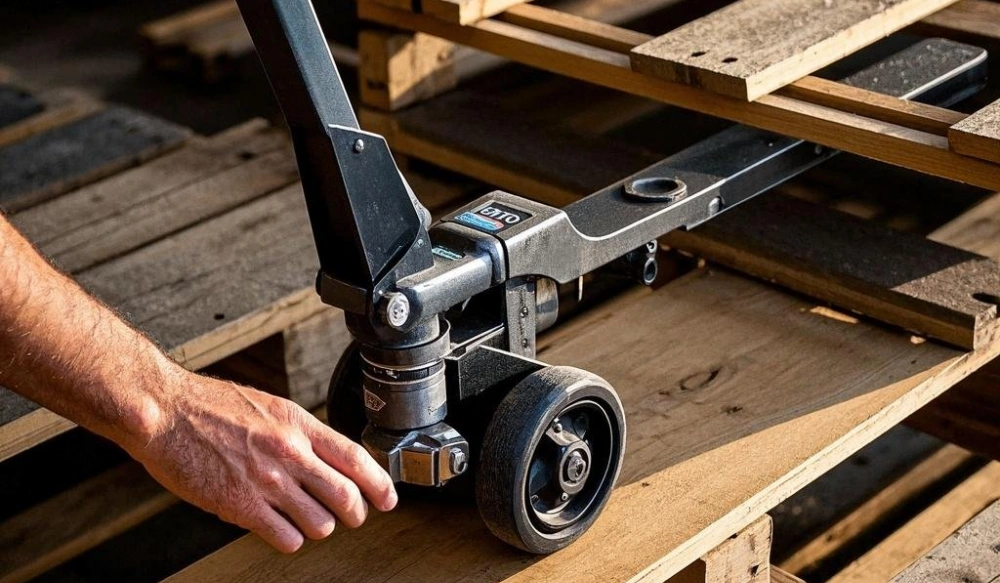
You ensure safe operation when you inspect pallet jack hydraulics before every shift. Start by testing the hydraulic lifting mechanism. Pump the handle to raise and lower the forks. The movement should feel smooth and controlled. Listen for any unusual noises or resistance, which may signal internal leaks or worn components.
Check the hydraulic fluid level using the sight gauge. Top up with the manufacturer-recommended oil if the level is low. Examine the cylinder and valve seals for signs of damage or leakage. Replace worn seals right away to prevent contaminants from entering the system. Even small leaks can reduce efficiency by up to 15%.
Contaminants cause most problems with hydraulics, so keep the system clean. Adjust the release valve to ensure the forks lower at a safe, steady speed. Sudden drops can lead to accidents or equipment damage.
Tip: Schedule a hydraulic system inspection monthly to catch hidden issues early and maintain peak performance.
Handle and Controls
You rely on the handle and controls for safe, efficient operation. Check all connecting parts for looseness or damage. The handle should move freely and allow you to steer and lift without extra effort. If the handle feels stiff or shows abnormal movement, repair it before use.
The flexibility of the operating handle directly affects both safety and productivity. Test the control lever to make sure it engages the lifting and lowering functions smoothly. Confirm that the ergonomic handle on Powerful Machinery’s hand pallet truck reduces fatigue and provides a comfortable grip.
Lifting Mechanism
You protect your team and your equipment when you check the lifting mechanism. Inspect the forks for straightness and look for cracks or bends. Test the overload protection feature by lifting a load within the rated capacity. The mechanism should prevent you from raising loads that exceed the limit.
Examine the pivot points and lubricate them as needed to ensure smooth operation. Make sure the lifting action is consistent and does not jerk or stick. Address any issues immediately to avoid downtime or accidents.
Note: Keep a maintenance log to track repairs and inspections. This practice supports compliance and helps you plan preventive maintenance.
Electric Pallet Jack Inspection Checklist

You keep your electric pallet jack reliable and safe when you follow a daily battery and electrical system inspection routine. This process helps you spot early signs of damage and avoid costly downtime.
Battery and Cables
You start your inspection by checking the battery and cables. A healthy battery ensures your pallet jack runs smoothly throughout the shift. Use the table below to guide your daily checks:
Inspection Item | Requirement Description |
|---|---|
Battery Condition | Check for an adequate battery level. |
Cable Integrity | Ensure cables are intact and free from visible damage or wear. |
Emergency Functions | Verify emergency reverse and stop buttons, lifting controls, and driving functions. |
Fluid Leaks | Check for any fluid leaks that could pose safety hazards. |
General Condition | Inspect load wheels, forks, and general wheels for wear and damage. |
You also want to inspect battery terminals for tightness and cleanliness. Make sure there are no fluid leaks around the battery compartment. If you notice any signs of damage, address them before operating the equipment.
Electrical Controls
You rely on responsive controls for safe operation. Clean the control panel with a dry cloth to remove dirt or moisture. Inspect all wiring for loose or damaged connections. If you experience unexpected shutdowns or erratic behavior, check the control panel for visible issues.
Regular inspections can catch common issues such as worn-out parts, hydraulic leaks, and electrical problems early, ensuring the reliability of electric pallet jacks.
If problems persist, consult a qualified technician for repairs. Never ignore warning lights or error codes during your inspection.
Safety Devices
You protect yourself and your team by testing all safety devices before each shift. Standard features include emergency stop buttons, horns, and brakes. Test the emergency stop button and horn to confirm they work. Make sure all safety features respond as expected.
Test the emergency stop button.
Sound the horn to ensure it is loud and clear.
Check that the brakes engage and release smoothly.
You reduce the risk of accidents when you verify that every safety device functions properly. Consistent inspection and prompt attention to damage keep your electric pallet jack in top condition.
Operational Safety Checks
Lifting and Moving
You ensure safe and efficient operation when you test the lifting and moving functions of your pallet jack before each shift. Begin with a visual inspection. Look for cracks, leaks, or bent forks. These signs indicate potential hazards. Next, check tire pressure.
Proper inflation supports stability and maneuverability. Verify the hydraulic fluid level. Top off the fluid if it falls below the recommended mark. Confirm fork alignment. The forks should be parallel and straight to guarantee balanced lifting. Test all wheels. They must roll smoothly without resistance or noise.
Use the following table to guide your operational tests:
Test Type | Description |
|---|---|
Visual Inspection | Look for damage, cracks, leaks, or bent forks. |
Tire Pressure | Check inflation for stability and easy movement. |
Hydraulic Fluid Level | Confirm fluid is at the correct level; add if needed. |
Fork Alignment | Ensure forks are parallel and straight. |
Wheel Function | Roll all wheels to check for smooth operation. |
Hydraulic Lift Test | Raise forks without a load to confirm smooth lifting. |
Component Inspection | Examine steer wheels, forks, and rollers for cracks or damage. |
After completing these checks, operate the hydraulic lift without a load. The forks should rise smoothly and lower at a controlled pace. If you notice jerky movements or unusual sounds, schedule maintenance immediately. Inspect main steer wheels, fork rollers, and all moving parts for cracks or wear.
Address any issues before using the equipment for heavy loads.
Braking System
You protect your team and inventory when you confirm the reliability of the braking system. Brakes prevent unintentional movement and ensure controlled stops. Follow these steps for a thorough brake test:
Push the pallet jack forward on a flat surface.
Apply the brakes and observe if they engage smoothly.
Confirm the equipment stops without sliding or delay.
If brakes do not respond or feel weak, prioritize repairs before further use.
Tip: Reliable brakes are essential for safe operation, especially in busy warehouse environments. Never operate a pallet jack with faulty brakes.
You maintain a safe workplace when you test lifting, moving, and braking functions every day. Consistent operational safety checks help you avoid accidents and keep Powerful Machinery pallet jacks performing at their best.
Post-Operational Maintenance Checklist

Cleaning and Storage
You maintain your pallet jack’s performance when you clean and store it properly after each use. Start by removing dust, dirt, and debris from all surfaces. Pay special attention to the wheels, forks, and handle.
Clean battery terminals if you use an electric model. Lubricate all moving parts to prevent rust and ensure smooth operation. Before storing, fully charge the battery to maximize its lifespan.
Follow these best practices for cleaning and storage:
Clean the pallet jack thoroughly, including battery terminals.
Lubricate moving parts to prevent rust.
Fully charge the battery before storage.
Cover the pallet jack to protect it from dust and dirt.
Store your pallet jack in a dry, clean area. Avoid locations with extreme temperatures or high humidity. Keep the equipment away from moisture and corrosive substances. Proper storage protects Powerful Machinery pallet trucks from unnecessary wear and extends their service life.
Tip: A well-maintained and properly stored pallet jack reduces downtime and repair costs.
Maintenance Log
You support safety and compliance when you document every inspection and maintenance activity. Use a maintenance log to record the date, findings, and any actions taken. Include the equipment identification and your name as the inspector. This record helps you track recurring issues and plan preventive maintenance.
A clear maintenance log also demonstrates your commitment to safety and supports warranty claims. Many companies use digital logs or checklists for easy access and organization.
Reporting Issues
You keep your workplace safe when you report problems promptly. If you notice mechanical failures or safety concerns during your inspection, use a checklist to determine if the pallet jack needs immediate removal from service. Document the issue and communicate it to your maintenance team right away.
Conduct pre-use and post-use inspections to spot issues.
Use a checklist to identify equipment that requires urgent attention.
Record inspection results to support compliance and maintenance communication.
Quick reporting ensures that Powerful Machinery pallet trucks remain reliable and safe for every shift.
Pallet Truck Safety Checklist and Resources
You maintain a safe and efficient workplace when you use the right resources for your pallet truck safety checklist. Powerful Machinery supports you with certified replacement parts, instructional guides, and access to professional pallet truck servicing.
These resources help you keep your equipment in top condition and ensure compliance with industry standards.
Replacement Parts and Repairs
You extend the life of your pallet trucks by replacing worn or damaged components promptly. Commonly replaced parts include:
Battery: Replace if you notice power loss, slow operation, or failure to start.
Hydraulic system: Look for leaks or inconsistent lifting as signs of replacement.
Motor: Grinding noises, vibration, or reduced speed indicate the need for attention.
Wheels: Uneven movement or difficulty steering, signal wear.
You reduce downtime and avoid costly pallet truck repairs when you address these issues early. Powerful Machinery offers a full range of certified replacement parts to keep your equipment running smoothly.
Instructional Support
You empower your team with access to comprehensive training and instructional materials. Leading manufacturers and safety organizations provide a variety of resources, such as:
Electric pallet jack training for operator responsibilities and safe load handling.
Courses on best practices for electric and manual pallet jacks, including maintenance routines.
Safety training and certification programs that highlight hazard prevention and compliance.
You can explore online courses from organizations like OSHA Education Center, ForkliftTraining.com, and Lonestar Forklift. These resources help you build a strong foundation for safe operation and effective use of your pallet truck safety checklist.
Professional Services
You ensure long-term reliability when you schedule regular pallet truck servicing. Industry recommendations suggest:
Arrange professional inspections and servicing based on usage and manufacturer guidelines.
Confirm your pallet trucks meet all relevant safety and operational compliance standards.
You protect your investment and workplace safety by engaging experts for complex pallet truck repairs and annual servicing. Powerful Machinery’s support team stands ready to assist with technical guidance and certified service solutions.
Download or create your own pallet truck safety checklist to support ongoing safety and compliance. Consistent use of these resources helps you maintain a productive and secure work environment.
Conclusion
You gain improved safety, lower costs, and longer equipment life when you follow a structured pallet jack maintenance routine. Daily inspections and accurate documentation help prevent injuries and keep your workplace compliant. Industry experts recommend these next steps:
Verify operator skills with written and practical tests.
Maintain a detailed maintenance log for each pallet jack.
Ensure all operators understand OSHA safety regulations.
You can rely on Powerful Machinery’s hand pallet trucks and support resources to keep your operations running smoothly.
FAQ
How often should you inspect your pallet jack?
You should inspect your pallet jack daily before each use. For multi-shift operations, check at the start of every shift. Schedule a thorough annual inspection to ensure long-term reliability.
What signs indicate your pallet jack needs maintenance?
Look for oil leaks, unusual noises, stiff handles, or uneven wheel movement. If you notice cracks, bent forks, or warning lights, schedule maintenance immediately.
Can you use a hand pallet truck on ramps?
Yes, you can use a hand pallet truck on ramps. Move slowly, keep the load balanced, and avoid overloading. Always ensure the ramp surface is smooth and clear.
How do you extend the lifespan of your pallet jack?
Follow a regular maintenance schedule. Clean and lubricate moving parts. Store the pallet jack in a dry, safe area. Avoid exceeding the rated load capacity.
Where can you find certified replacement parts for Powerful Machinery pallet trucks?
You can order certified replacement parts directly from Powerful Machinery’s official website or contact their support team for assistance.
Tip: Always use genuine parts to maintain safety and performance.