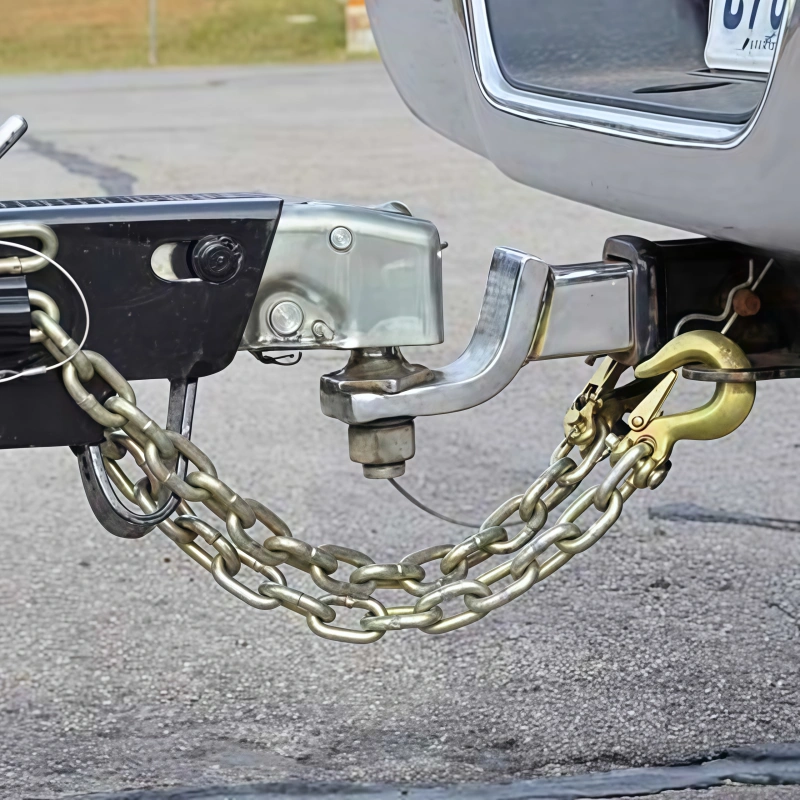
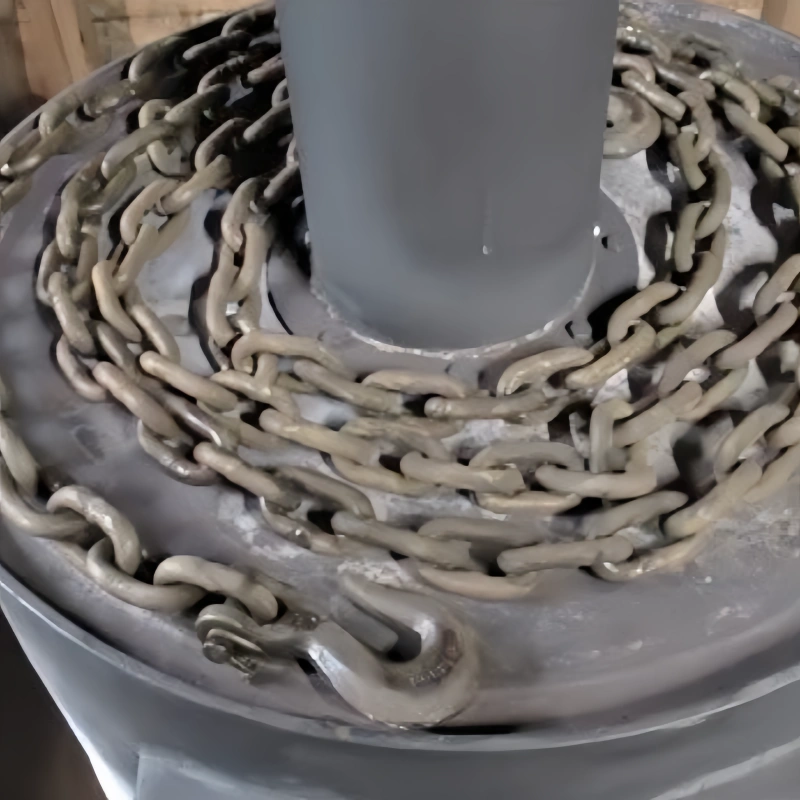
You rely on rigging hooks every time you move heavy loads in lifting, towing, or rigging tasks. The right hook keeps your team safe and your project efficient. Choosing the correct type and grade can prevent rigging failures, which cause many workplace injuries each year.
Between 2011 and 2017, crane-related accidents led to dozens of deaths, with most linked to rigging issues. Powerful Machinery delivers certified, high-performance hooks trusted by professionals worldwide for reliable lifting operations.
Key Takeaways
Choose the right rigging hook to enhance safety and efficiency in lifting operations. Each hook type serves a specific purpose.
Regularly inspect your rigging hooks for signs of wear or damage. This practice prevents accidents and ensures safe lifting.
Understand the working load limit (WLL) of each hook. Never exceed this limit to maintain safety during lifting tasks.
Use hooks with safety latches whenever possible. These features help secure loads and reduce the risk of accidental release.
Consult experts for tailored advice on selecting rigging hooks. Their guidance can help you choose the best options for your specific needs.
Rigging Hooks Overview
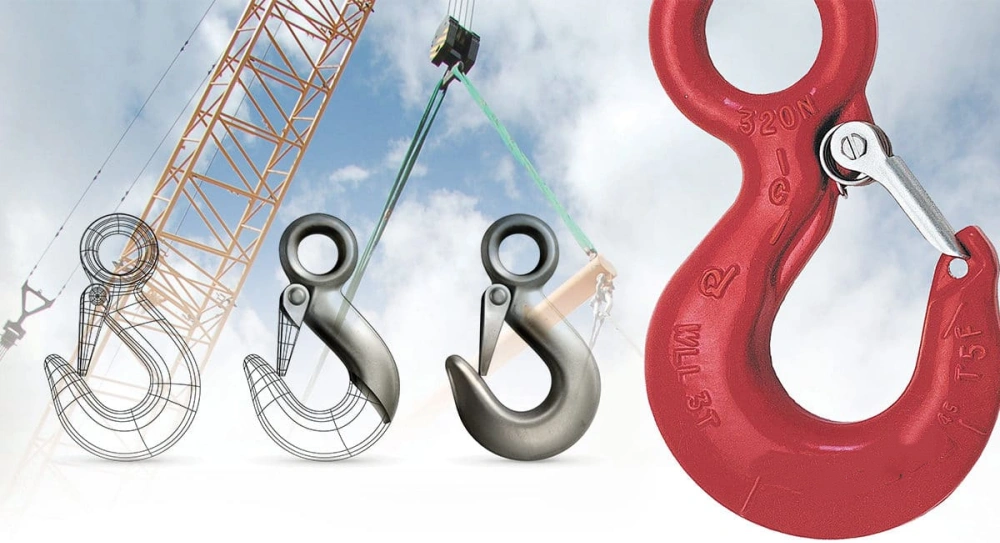
Definition & Importance
You use rigging hooks to connect loads to cranes, hoists, or other lifting equipment. These hooks play a key role in keeping your work safe and efficient. When you choose the right hook, you reduce the risk of accidents and make sure your team can move heavy objects with confidence.
Rigging hooks come in many shapes and sizes, each designed for a specific task. For example, eye hooks are common for permanent connections, while swivel hooks let you rotate loads without twisting the chain or rope. Self-locking hooks keep the load secure until you release it.
Grab hooks help you shorten or secure chains during lifting or towing.
Safety matters every time you use rigging hooks. Regulations like OSHA 1910.181(j)(2)(ii) require safety latch-type hooks when possible. The ASME 30.2-2011 standard also advises using hooks with latches unless it is not practical. These rules protect you and your team from hazards.
Regulation | Description |
|---|---|
OSHA 1910.181(j)(2)(ii) | Mandates the use of safety latch-type hooks wherever feasible. |
OSHA General Duty Clause (5(a)(1)) | Requires employers to protect workers from hazards, including missing safety latches. |
ASME 30.2-2011 | Advises using latch-equipped hooks unless impractical. |
Common Applications
You find rigging hooks in many industries. Construction sites use them to lift steel beams and concrete blocks. Manufacturing plants rely on them to move heavy machinery and parts. Material handling companies use these hooks to secure loads for transport or storage.
In towing, you depend on strong hooks to attach vehicles or equipment safely.
Construction
Manufacturing
Material handling
Towing
Rigging hooks help you attach loads to lifting equipment quickly and safely. When you understand how to use them, you lower the risk of accidents and keep your projects running smoothly.
Types of Rigging Hooks
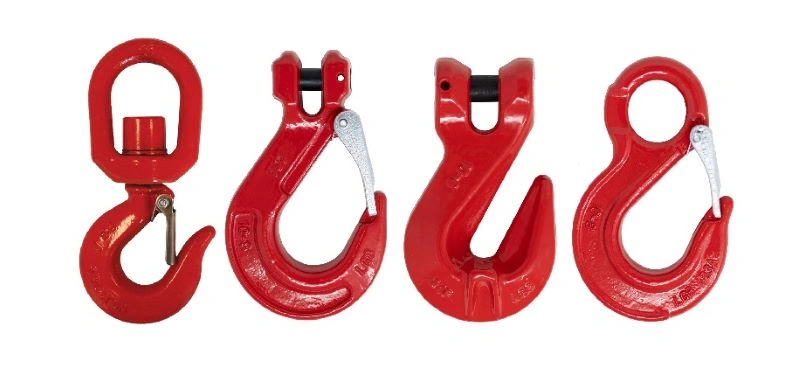
When you choose rigging hooks, you need to understand the different types available. Each type serves a unique purpose in lifting and rigging tasks. Powerful Machinery offers a wide range of hooks, including Eye Grab Hook H323/A323, Clevis Slip Hook H331/A331, and Clevis Grab Hook H330/A330.
These hooks feature forged steel construction, corrosion resistance, and compatibility with Grade 80 and Grade 100 chains. You can rely on them for strength and safety in demanding environments.
Eye Hooks
Eye hooks have an eye-shaped opening that lets you attach them easily to chains, ropes, or slings. You use these hooks for permanent connections, which means you can position and secure loads with flexibility. Eye hooks work well in overhead lifting and rigging equipment.
You find them in configurations like swivel eyes or self-locking eyes, which give you more options for different lifting scenarios.
Eye hooks provide a secure connection for slings.
You can use them for flexible positioning and attachment to loads.
They suit various lifting operations, including heavy-duty rigging.
Powerful Machinery’s Eye Grab Hook H323/A323 stands out for its high-strength forged steel and corrosion-resistant finish. You can use it with Grade 80 and Grade 100 chains for reliable performance.
Clevis Hooks
Clevis hooks feature a U-shaped design with a removable pin. You use them for quick connections to chains and slings. These hooks help you secure cargo and hoist heavy machinery. The latch on a clevis hook keeps the load in place, which improves safety.
Application | Safety Feature |
|---|---|
Hoisting heavy machinery | U-shaped design with a latch securing the load |
Securing cargo during transport | Removable pin and cotter for quick connection |
Direct connection to chain slings | Designed to prevent twisting and ensure stability |
Powerful Machinery’s Clevis Slip Hook H331/A331 and Clevis Grab Hook H330/A330 offer secure locking mechanisms. You get easy handling and installation, along with compatibility for high-grade chains.
Swivel Hooks
Swivel hooks rotate freely, which helps you control loads and prevent twisting of cables or chains. You use swivel hooks in dynamic lifting situations where the load may shift or turn. These hooks reduce wear on your lifting equipment and extend service life.
Feature | Benefit |
|---|---|
Smooth rotation | Precise load control |
Less stress | Reduces wear on lifting equipment |
Longer service life | Parts wear out more slowly |
Versatility | Works well in various rigging setups |
Swivel hooks often include self-locking mechanisms for added safety. You can use them to connect slings, chains, or ropes to loads, ensuring even force distribution.
Grab Hooks
Grab hooks have an open design that lets you attach them quickly to chains. You use grab hooks for precise load control, especially when you need to shorten or secure chains during lifting or towing. These hooks do not have safety latches, so you should use them for stable lifting tasks.
Feature | Grab Hooks | Slip Hooks |
|---|---|---|
Design | Open design for quick attachment | Closed design with a safety latch |
Load Control | Provides precise load control | Prevents accidental release of the load |
Safety | No safety latch, less secure | Safety latch ensures load security |
Use Case | Ideal for stable lifting in construction | Suitable for dynamic environments with shifting loads |
Powerful Machinery’s Eye Grab Hook H323/A323 and Clevis Grab Hook H330/A330 are precision-engineered for optimal load distribution and safety.
Slip Hooks
Slip hooks have a closed design with a safety latch. You use slip hooks to prevent accidental release of the load. These hooks work well in dynamic environments where loads may shift or move. The safety latch keeps your rigging secure, which is important for transportation and towing.
You can rely on Powerful Machinery’s Clevis Slip Hook H331/A331 for secure load handling and compatibility with high-strength chains.
Hoist Hooks
Hoist hooks are designed for lifting heavy materials in industrial settings. You use hoist hooks in construction, manufacturing, shipping, oil and gas, and maintenance operations. These hooks help you move steel beams, concrete blocks, machinery parts, and cargo safely and efficiently.
Construction projects: Lift heavy materials like steel beams and concrete blocks.
Manufacturing: Handle bulky parts in assembly lines.
Shipping and logistics: Load and unload cargo in ports and warehouses.
Oil & gas: Lift equipment in harsh environments.
Maintenance: Move large machinery parts for repair.
Hoist hooks from Powerful Machinery feature forged steel construction and corrosion-resistant coatings for long-term reliability.
Self-Locking Hooks
Self-locking hooks engage automatically when you attach a load. You do not need to lock them manually, which saves time and reduces the risk of accidental release. These hooks offer faster operation and improved safety compared to traditional hooks.
Feature | Self-Locking Hooks | Traditional Hooks |
|---|---|---|
Locking Mechanism | Automatic locking engages with the load contact | Manual latches or safety pins require user action |
Risk of Accidental Release | Significantly reduced due to automatic engagement | Higher risk due to reliance on manual locking |
Speed of Operation | Faster, as no manual locking is needed | Slower, as it requires manual locking and unlocking |
You can use self-locking hooks for critical lifting tasks where safety and speed matter most.
Sling Hooks
Sling hooks connect slings to loads. You use sling hooks in many rigging setups, including lifting, towing, and securing cargo. These hooks come in various shapes and sizes, which lets you choose the right type for your application. Sling hooks often include safety latches for secure load handling.
Powerful Machinery offers sling hooks with forged steel construction and corrosion-resistant finishes. You get durability and reliability for demanding jobs.
Sorting Hooks
Sorting hooks help you handle awkward or bulky materials in warehouses and material handling operations. You use sorting hooks to improve workflow and reduce manual labor. The ergonomic design lets you manipulate loads quickly and safely.
Sorting hooks provide versatility in lifting setups.
You can move materials faster and with less effort.
The design improves productivity and operational safety.
A well-designed sorting hook gives you secure handling for items that are difficult to manage. You can control heavy or bulky materials with better safety and efficiency.
Foundry Hooks
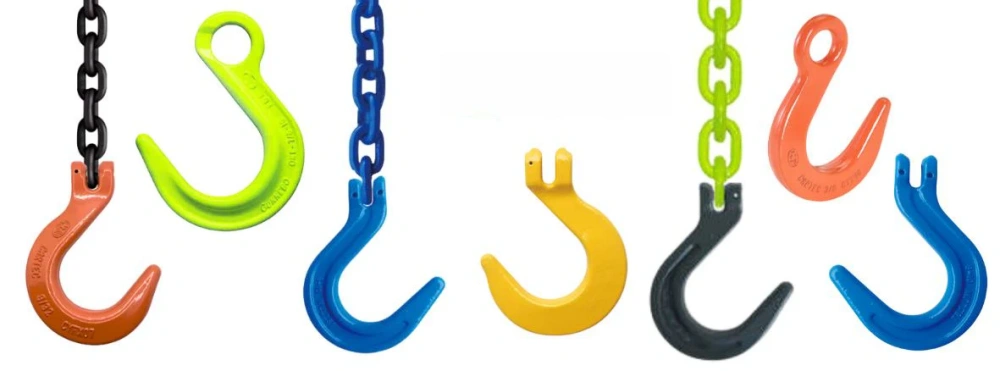
Foundry hooks are made for high-temperature environments, such as foundries and steel mills. You use foundry hooks to lift molten metal, castings, and other heavy loads. These hooks feature forged alloy steel and powder-coated surfaces in red or yellow for visibility and durability.
Specification | Details |
|---|---|
Material | Forged Alloy Steel |
Surface Treatment | Powder plastifed (Red / Yellow) |
Working Load Limit (WLL) | Ranges from 1 ton to over 15 tons |
You can trust Powerful Machinery’s foundry hooks for strength and safety in extreme conditions.
When you understand the types of rigging hooks, you can select the right lifting hook for your rigging needs. Powerful Machinery’s product range covers all major types, giving you reliable options for every application.
Features & Uses
Permanent vs. Temporary Connections
When you select rigging hooks for overhead lifting, you must decide between permanent and temporary connections. Permanent connections, like clevises, give you a fixed link that boosts stability and reliability for static loads. Temporary connections, such as shackles, let you remove or adjust the hook as needed.
This flexibility helps in dynamic rigging situations but can affect safety if not inspected regularly. Always check fasteners before each lifting operation to keep your team safe and your load securement strong.
Clevises offer fixed, stable connections for static loads.
Shackles provide removable links for flexible rigging.
Regular inspection of all fasteners prevents accidents.
Safety Latches & Locking Mechanisms
Safety latches and locking mechanisms are essential features for overhead lifting and load securement. These devices keep the load attached to the hook, reducing the risk of slippage or accidental release. You will find several types of latches:
Type of Latch | Description |
|---|---|
Spring-loaded latches | Use a spring to keep the latch closed, suitable for general overhead lifting. |
Positive locking latches | Require manual action to open, giving you a more secure lock. |
Self-locking latches | Engage automatically when the load is applied, improving safety during lifting operations. |
A Grade 80 swivel hook from Powerful Machinery uses a spring-loaded latch that you must release manually. This design ensures the load stays attached during overhead lifting. Regular maintenance of these features is vital for safe lifting operations.
Industry Applications
You use rigging hooks across many industries. Construction sites rely on them for overhead lifting of beams and heavy materials. Marine operations need corrosion-resistant hooks for secure load lifting in harsh environments. Transportation companies use these hooks for load securement during transit.
Powerful Machinery’s hooks stand out for their durability, advanced safety features, and versatility. Their products meet international certifications like ISO9001 and TUV Rheinland.
Customers such as Ben Carter from Canada and David Müller from Germany trust these hooks for reliability in demanding overhead lifting and rigging environments.
Choose hooks with the right features for your application. Certified products from Powerful Machinery help you achieve safe, efficient load lifting every time.
Rigging Hooks Terminology
Working Load Limit (WLL)
You need to know the working load limit before you use rigging hooks for lifting. The WLL shows the safe working load that a hook can handle during normal operations. Manufacturers determine this value by testing each hook and dividing its minimum breaking strength by a safety factor.
You will see the WLL clearly marked on hooks, chains, and other rigging equipment. This label helps you avoid overloading and keeps your lifting tasks safe.
The WLL is the safety threshold for each hook.
You should never exceed the WLL during any rigging operation.
The WLL is different from the hook’s overall capacity because it includes safety margins.
Minimum Breaking Strength (MBS)
You must understand the minimum breaking strength when you select rigging hooks. The minimum breaking strength is the lowest force at which a hook will break during testing. Manufacturers use destructive tests to find this value. You should never use a hook near its minimum breaking strength.
The safe working load is always much lower than the minimum breaking strength. For example, if a hook has a minimum breaking strength of 80,000 pounds and a safety factor of 4:1, the safe working load is 20,000 pounds.
Minimum breaking strength shows the point where equipment may fail.
The formula for WLL is: WLL = minimum breaking strength/safety factor.
Always keep your load well below the minimum breaking strength.
Safety Factor
You rely on the safety factor to keep your lifting operations secure. The safety factor is the ratio between the minimum breaking strength and the safe working load. Most chain slings use a safety factor of 4:1. Slings often use 5:1, while cranes may use 3:1.
This margin protects you from unexpected stresses and keeps your rigging safe.
Chain slings: 4:1 safety factor.
Slings: 5:1 safety factor.
Cranes: 3:1 safety factor.
Grades & Materials
You should choose the right grade and material for your rigging hooks. Alloy steel offers high strength, excellent toughness, and fatigue resistance. HSLA steel provides good durability and high strength. Carbon steel works for moderate loads but has lower strength and less resistance to corrosion.
Material Type | Yield Strength | Tensile Strength | Ductility | Toughness | Fatigue Resistance |
|---|---|---|---|---|---|
Alloy Steel (A508) | High | High | Good | Excellent | Excellent |
Carbon Steel | Moderate | Moderate | Fair | Good | Moderate |
HSLA Steel | High | Moderate | Good | Good | High |
Tip: Always check the grade and material before you select a hook for any rigging or lifting job. The right choice gives you better strength and longer service life.
Selection Criteria
Application Needs
You must start by identifying your application needs before choosing a rigging hook. Each lifting task requires a specific hook type, grade, and material. For example, you may need a self-locking hook for critical lifts or a clevis hook for quick connections.
Powerful Machinery offers custom-engineered solutions, so you can match the right hook to your project. Certified products ensure you meet safety standards and achieve reliable lifting operations.
Tip: Always select hooks that fit your lifting environment and the type of load you plan to move.
Load Capacity
You need to verify the working load limit (WLL) for every hook you use. The WLL must meet or exceed the total load, including sling angles. Higher grade hooks, such as Grade 100, provide greater lifting capacity with less weight.
This improves handling efficiency and reduces operator fatigue. For instance, a 7/16″ Grade 100 chain can lift the same load as a 1/2″ Grade 80 chain but is about 25% lighter. Choosing the right grade affects safety and efficiency in field operations.
Grade 80 hooks suit standard lifting tasks.
Grade 100 hooks offer higher capacity and lighter weight.
Always check the WLL before starting any rigging job.
Environmental Factors
You should consider environmental factors when selecting rigging hooks. Temperature and corrosion can affect hook performance. Steel chain slings work well up to 600º F, while synthetic slings handle temperatures from -40º F to 180º F.
In high-humidity or saltwater environments, corrosion-resistant hooks, such as those made from stainless steel, are recommended. Powerful Machinery’s hooks feature protective coatings for extended service life in harsh conditions.
Use hooks with protective coatings in corrosive environments.
Select materials that match your temperature requirements.
Hook Compatibility
You must ensure compatibility between hooks, chains, and slings for safe lifting operations. Always choose stable lifting points and position the load to keep it balanced. Use padding or edge protectors to prevent chains from touching sharp edges.
Select hooks that match the chain size and load capacity, and make sure they have latches to prevent accidental disengagement. Shackles should have the proper working load limit and be secured with bolts or pins.
Following manufacturer guidelines and industry standards, such as ASME B30.10, helps maintain safety and compatibility.
Compatibility Checklist | Why It Matters |
|---|---|
Match the hook to the chain size | Prevents overload and failure |
Use latches on hooks | Reduces risk of disengagement |
Secure shackles with pins/bolts | Ensures safe rigging |
Follow manufacturer guidelines | Maintains lifting safety |
For expert advice and tailored recommendations, consult Powerful Machinery. Their team can help you select certified hooks that fit your specific rigging needs.
Safety & Maintenance
Manufacturer Guidelines
You protect your team and equipment when you follow manufacturer guidelines for rigging hooks. Store your rigging gear in a dry, clean area with climate control to prevent corrosion. Organize your storage to avoid kinks and twisting of slings. Keep slings and chains away from chemicals.
Minimize exposure of synthetic materials to sunlight and heat. Regularly lubricate your equipment to reduce friction and prevent rust. Rotate your gear to distribute wear evenly. Use protective measures when lifting sharp materials. Clean your equipment after each use to remove contaminants.
Always follow the manufacturer’s schedule for servicing.
Educate your crew on proper rigging techniques.
Always use hooks within their specified working load limits.
Retire or repair any equipment that shows significant wear.
Tip: Following these guidelines helps you maintain safety and extend the life of your rigging hooks.
Inspection & Replacement
You need to inspect your rigging hooks regularly to ensure safe lifting operations. Inspection intervals depend on service conditions. Use the table below to guide your inspection schedule:
Service Condition | Frequent Inspection Interval | Periodic Inspection Interval |
|---|---|---|
Normal Service | Monthly | Yearly |
Heavy Service | Weekly to Monthly | Semi-annually |
Severe Service | Daily to Weekly | Quarterly |
Replace any hook that shows cracks, deformation, excessive wear, or corrosion. You keep your lifting equipment reliable when you act quickly on signs of damage.
WLL Reductions
You must understand how working load limit reductions affect your lifting operations. Standard-style grab hooks require a 20% reduction in the working load limit for safe use. Factors like angle of loading and component wear also impact the WLL.
For example, a sling used at an angle experiences higher stress than a straight lift. Worn components reduce the WLL and increase the risk of failure.
Factor | Impact on WLL |
|---|---|
Angle of Load | A sling used at an angle experiences higher stress compared to a straight lift. |
Component Wear | Over time, components may suffer wear and tear, reducing their WLL. |
Always check the manufacturer’s recommendations for WLL reductions before each rigging job.
Compliance & Best Practices
You ensure safety and compliance by following international standards and best practices. Powerful Machinery tests every hook to meet or exceed certifications like ISO9001 and TUV Rheinland. Review the table below for key requirements:
Standard | Key Requirements |
|---|---|
OSHA 1926.251 | Inspection before use, marked safe working load limits, suitable materials, and proper storage. |
OSHA 1926.753 | Qualified riggers only maintain structural stability, fall protection, and clear communication. |
You keep your lifting operations safe when you inspect equipment, use certified products, and train your crew. Regular maintenance and strict adherence to guidelines help you avoid accidents and protect your investment.
Conclusion
You improve material handling when you understand the types and features of rigging hooks. You keep every load secure and safe during lifting operations. Powerful Machinery’s certified hooks help you achieve reliable lifting and protect your team.
You should always choose the right hook for each load and consult experts for advice. Remember to inspect your equipment and follow safety guidelines for every lifting and material handling task.
Safety in material handling starts with the right hook and a focus on every load.
Choose certified hooks for lifting and material handling.
Consult experts for rigging advice.
Inspect your equipment before each lifting operation.
FAQ
What is the difference between Grade 80 and Grade 100 hooks?
Grade 100 hooks have higher strength than Grade 80 hooks. You can lift heavier loads with Grade 100 hooks. Both grades work well for lifting, but Grade 100 offers better performance for demanding jobs.
How often should you inspect your rigging hooks?
You should inspect your rigging hooks before each use. For heavy or frequent use, check them weekly. Look for cracks, wear, or deformation. Replace damaged hooks right away to keep your lifting operations safe.
Can you use rigging hooks in marine environments?
Yes, you can use rigging hooks in marine environments. Choose hooks with corrosion-resistant finishes. Powerful Machinery’s hooks have protective coatings that help prevent rust and extend service life in harsh conditions.
Why do some hooks have safety latches?
Safety latches help prevent the load from slipping off the hook. You get extra security during lifting. Always use hooks with latches when safety is a concern or when regulations require them.
How do you choose the right hook for your application?
Start by checking the load weight and type. Match the hook’s working load limit to your needs. Consider the environment and chain compatibility. If you need help, ask Powerful Machinery for expert advice.