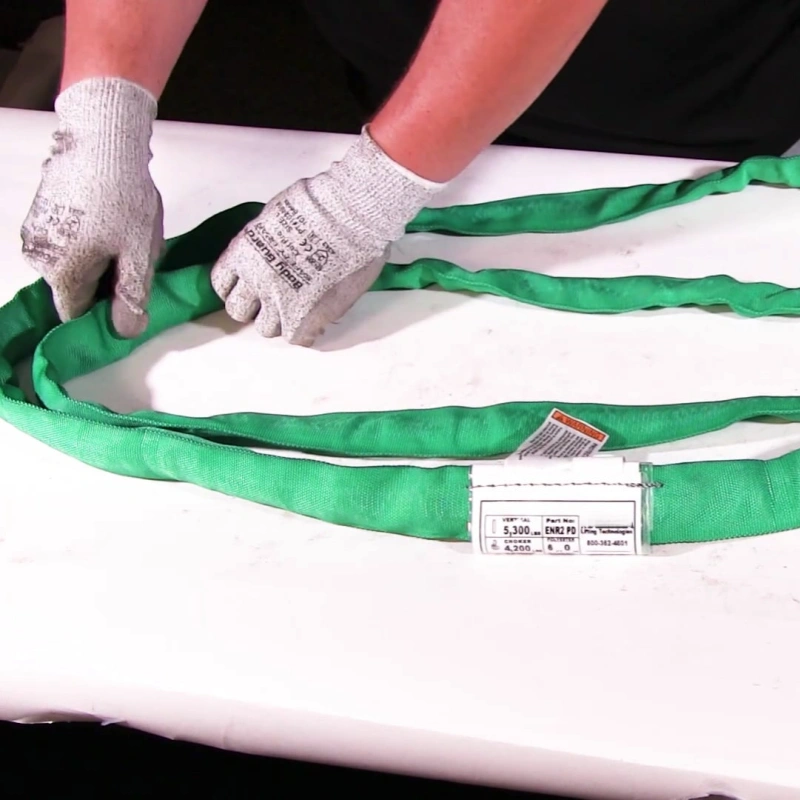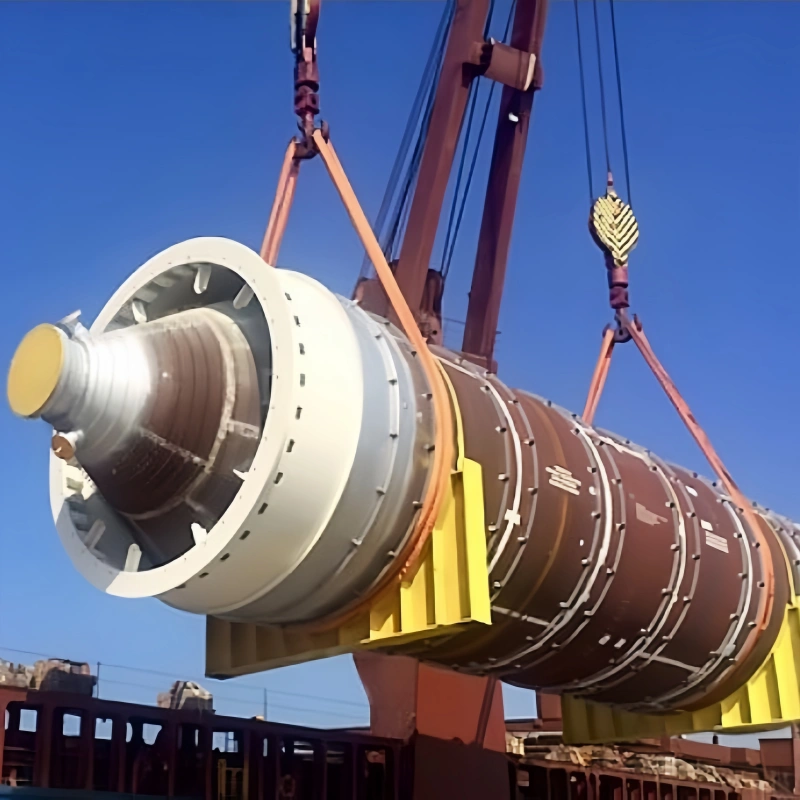
You need to understand the different types of shackles for lifting and rigging to keep your workplace safe and efficient. Many workplace accidents in rigging happen because of improper shackle use. In fact, over 30% of rigging-related accidents involve mistakes with sling or shackle selection.
When you choose certified shackles, you strengthen your safety protocols and meet industry regulations. Trusted brands like Powerful Machinery deliver certified products that help you work with confidence in construction, marine, and transportation environments.
Key Takeaways
Understand the different types of shackles. Each type, like bow and D shackles, serves a unique purpose in lifting and rigging tasks.
Always inspect shackles before use. Check for wear, corrosion, and damage to ensure safety and reliability.
Match the shackle type to your lifting task. Using the wrong shackle can lead to accidents and equipment failure.
Respect the working load limit (WLL) of each shackle. Exceeding this limit can cause sudden failure and serious injuries.
Choose certified shackles from trusted brands. Certified products meet safety standards and provide peace of mind in demanding environments.
Types of Shackles for Lifting and Rigging
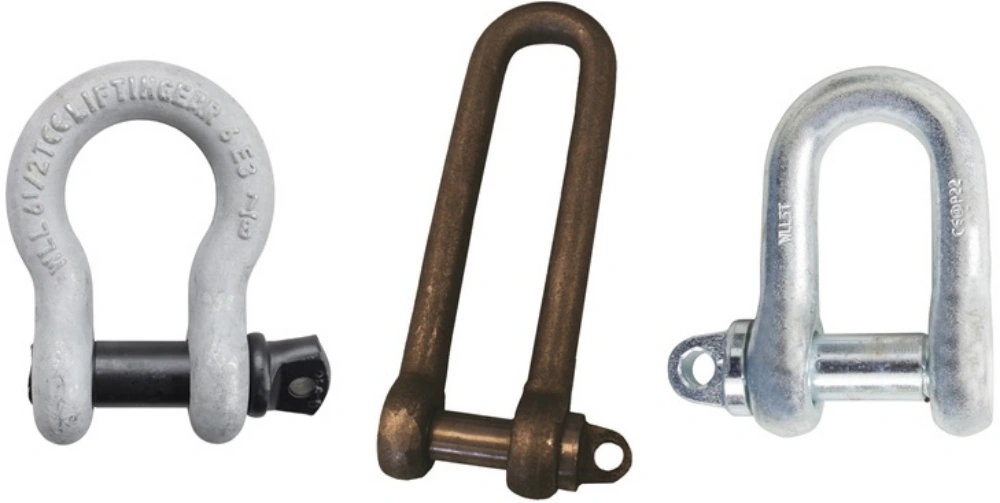
When you work with shackles for lifting and rigging, you need to know the main parts, shapes, and specialty options. Each type of shackle serves a unique purpose in lifting and rigging tasks. Choosing the right one helps you keep your operations safe and efficient.
Main Shackle Parts and Definitions
Every shackle has two main parts: the body and the pin. You must understand these parts before you select the right shackle for your job.
Part | Definition and Function |
|---|---|
Body | The body can have different shapes (anchor or chain) and is crucial for load-bearing. |
Pin | The pin secures the shackle, ensuring that it remains intact during use. |
The body holds the load, while the pin locks the shackle in place. You should always check both parts for wear or damage before use.
Different Types of Shackles by Shape
You will find several types of shackles for lifting and rigging, each with a specific shape and function. The most common types of shackles include bow shackles, d shackles, screw pin shackles, bolt type shackles, and round pin shackles.
Bow shackles: Best for rigging and multi-leg sling assemblies. The rounded shape allows for better load distribution and multiple connections.
D shackles: Ideal for chain connections and straight-line lifting. The compact design fits tight spaces and handles higher loads in a straight pull.
Screw pin shackles: Suitable for temporary rigging. You can quickly attach and remove them.
Bolt-type shackles: Recommended for long-term installations. They offer extra security with a nut and cotter pin.
Round pin shackles: Commonly used in tie-down and towing applications.
Tip: Always match the shackle type to your lifting or rigging task. Using the wrong type can cause accidents or equipment failure.
Here is a quick comparison of bow shackles and d shackles:
Shackle Type | Shape | Load Distribution | Usage | Strength |
|---|---|---|---|---|
Bow Shackles | Rounded, U-shape | Better load distribution, multiple links | Lifting, rigging, towing, anchoring | Lower weight tolerance than d shackles |
D Shackles | Compact, D-shape | Higher load-carrying capacity, less versatile | Direct connection, limited space | Higher load-carrying capacity for size |
Powerful Machinery offers certified Dee and Bow shackles that meet strict industry standards. You can use these shackles for lifting and rigging in construction, marine, and transportation.
Their bow shackles handle multi-directional loads, while their d-shackle options excel in straight-line pulls. Both types of shackles come in various sizes and load capacities, so you can find the right fit for your project.
Specialty Shackles and Snap Shackles
Some jobs require specialty shackles or snap shackles. Specialty shackles include wide-body shackles and piling shackles. These types of shackles help you handle unique rigging challenges, such as lifting large or oddly shaped loads.
Snap shackles use a spring-loaded mechanism for quick release. You often see them in marine and sailing applications where you need to disconnect quickly. Always check the working load limit and make sure the shackle matches your lifting needs.
Powerful Machinery provides a full range of shackles for lifting and rigging, including specialty options. Their products carry clear markings for working load limits, manufacturer’s marks, and batch IDs.
You can trust their shackles to meet international safety standards, making them a reliable choice for demanding environments.
Note: Always inspect your shackles before every use. Look for signs of wear, corrosion, or damage. Regular inspections help you prevent accidents and keep your team safe.
When you understand the different types of shackles and their uses, you make better choices for your lifting and rigging operations. Powerful Machinery’s certified shackles give you the confidence to work safely and efficiently in any industry.
Shackle Pin Types and Security
When you select a shackle for lifting or rigging, you need to pay close attention to the shackle pin. The pin secures the shackle and affects both safety and ease of use. You will find several pin options, each designed for specific tasks and environments.
Powerful Machinery offers stainless steel and drop-forged steel shackles with a variety of shackle pin types to meet your needs.
Screw Pin and Bolt-Type Shackles
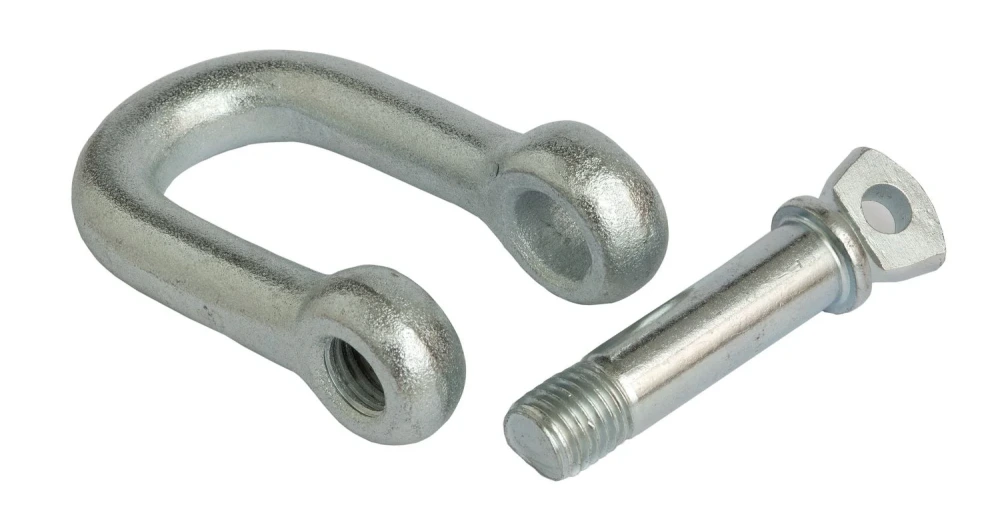
Screw pin shackle and bolt-type shackle are two of the most common choices. You can see their differences in the table below:
Feature | Screw Pin Shackles | Bolt-Type Shackles |
|---|---|---|
Security | May unscrew over time, less secure | More secure due to the bolt and cotter pin |
Ease of Use | Quick connection and disconnection | Requires no readjustment after use |
Application Suitability | Suitable for temporary applications | Suitable for long-term applications |
Handling Rotation | Not ideal for loads that rotate | Handles rotation and warping better |
You should use a screw pin shackle for short-term tasks where you need to connect and disconnect quickly. Bolt-type shackle works best for permanent setups. The bolt and cotter pin prevent accidental loosening, which increases safety.
Powerful Machinery’s shackles come in both screw pin and bolt-type designs, made from high-quality stainless steel and drop-forged steel. These materials provide strength and durability, especially in harsh environments.
Tip: Always check the shackle pin before each use. A loose pin can cause accidents and damage your equipment.
Round Pin and Captive Pin Shackles
You will also encounter round pin shackles and captive pin shackles. Each type has its own best-use scenario:
Round pin shackles work well for in-line loads like towing and tie-downs. You should avoid using them for overhead lifting.
Captive pin shackles are ideal for marine applications where the pin must stay attached. They prevent the pin from disconnecting, which improves safety.
The table below shows how these different types of shackles compare:
Shackle Type | Recommended Use | Not Recommended For |
|---|---|---|
Round Pin Shackles | In-line loads (towing, tie-down) | Overhead lifting, multi-sling use |
Captive Pin Shackles | Marine applications (where the pin must remain attached) | General use without pin retention |
Safety pin shackles, including captive pin shackles, help you maintain secure connections in environments with vibration or movement. Powerful Machinery offers shackles with these pin options, ensuring you have the right shackle for every job.
Note: Always match the shackle pin type to your application. Using the wrong pin can reduce safety and increase the risk of failure.
When you understand the different types of shackles and shackle pin options, you make safer choices for your lifting and rigging operations. Powerful Machinery’s shackles combine reliable pin mechanisms with strong materials, giving you confidence in every lift.
Shackle Materials and Safety Standards
Stainless Steel and Galvanized Shackles
You need to choose the right shackle material for your lifting and rigging tasks. The material affects safety, durability, and performance in different environments. Stainless steel shackles offer excellent corrosion resistance. You can use them in humid, marine, or acidic conditions.
These shackles last longer in harsh environments, but they cost more because of their alloy content and manufacturing process. Galvanized shackles provide a cost-effective solution for less severe conditions. The zinc coating protects the shackle from rust, but it can wear off over time.
This means you may need to replace galvanized shackles sooner if you use them in corrosive settings.
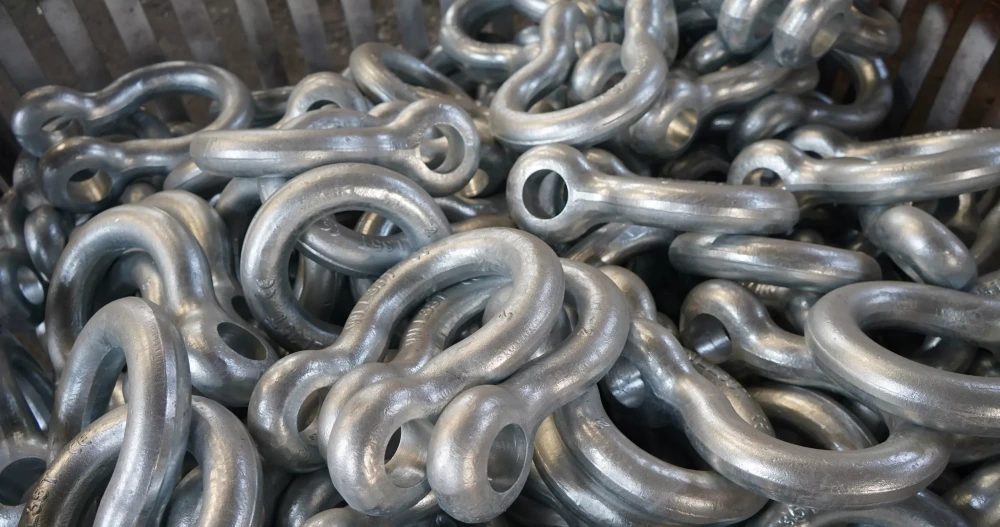
Here is a quick comparison:
Stainless steel shackles: High corrosion resistance, long service life, higher initial cost.
Galvanized shackles: Affordable, good for mild environments, zinc coating may wear off.
Alloy steel shackles: Withstand extreme loads and temperatures, and offer high strength and ductility.
Carbon steel shackles: Provide robust strength and toughness, reliable for heavy-duty lifting in controlled settings.
You should always match the shackle material to your environment and safety requirements. Stainless steel shackles from Powerful Machinery give you peace of mind in marine and industrial applications. Galvanized shackles work well for general lifting and rigging where corrosion is not a major concern.
International Standards and Certifications
You must use shackles that meet international safety standards. These standards ensure each shackle has the right strength, capacity, and markings for safe use. The table below shows key requirements from ASME B30.26:
Requirement | Description |
|---|---|
Standard Name | ASME B30.26 Rigging Hardware |
Focus | Inspection and use of shackles and other rigging hardware |
Manufacturer Markings | Name or trademark, rated load, size on shackle body; grade and material on pin |
Inspection Frequency | Daily visual checks; periodic inspections for hard-to-reach locations |
Removal Criteria | Remove shackles with illegible markings, heat damage, corrosion, or deformities |
Powerful Machinery’s shackles are fully certified to meet or exceed major international safety and quality standards. Each shackle goes through chemical analysis and proof-load testing. You can trust these shackles for lifting and rigging in critical industries.
Always check for proper markings and inspect your shackles before every use to maintain safety.
Tip: Use only certified shackles from trusted brands to ensure safety and compliance in every lift.
Safety Considerations for Shackles
Working Load Limits and Side Loading
You must always respect the working load limit of each shackle in lifting and rigging. The working load limit, or WLL, shows the maximum force a shackle can safely handle in lifting applications. Exceeding this limit can cause sudden failure, risking injury and damage.
You should check the well-marked on every shackle before use. Never guess or assume the capacity.
Side loading is a major safety concern in rigging. When you pull a shackle from the side, you create a lever effect. This effect bends the shackle and puts stress on the corners. These stresses can cause permanent deformation or even sudden failure at loads below the working load limit.
Dee shackles work best for straight-line pulls. You should avoid side loading in all lifting and load securing applications.
Tip: Always position shackles so the load pulls in line with the body and pin. Avoid side-to-side pulls to maintain safety in heavy-duty applications.
Inspection, Maintenance, and Best Practices
You need to inspect shackles before and after every lift. Proper inspection keeps your rigging safe and reliable. Follow these best practices:
Tighten the pin securely and use a method to prevent it from backing out.
Inspect the pin, ears, and bail for cracks, deformation, or metal loss.
Avoid sudden loads on slings and rigging equipment.
Never weld on a shackle body or pin.
Use only the exact replacement pin from the manufacturer.
Position the shackle for straight pulls, not side loading.
Do not force a shackle onto a hook that is too small.
Make sure the pin does not touch a running sling body.
Never exceed the working load limit.
Consult the manufacturer about chemical effects in harsh environments.
Check for heat damage, especially after exposure to high temperatures.
Remove any shackle with illegible wll markings.
Common mistakes in maintenance can lead to shackle failure. The table below shows what you should avoid:
Mistake | Description |
|---|---|
Ignoring Damage | Overlooking cracks or corrosion reduces strength. |
Lack of Maintenance | Failing to clean and lubricate causes wear and rust. |
Incorrect Sizing | Using the wrong size shackle can cause failure under load. |
Improper Installation | Not following guidelines weakens the connection and safety. |
Overloading | Exceeding the wll leads to deformation or breakage. |
Industry guidelines recommend that only trained personnel perform rigging and lifting. You should inspect all hardware for wear or deformation before use. Always balance the load and use clear communication with your team.
Powerful Machinery ensures every shackle meets strict safety standards. Their shackles are engineered for secure connection, high wll, and durability in lifting applications. You can trust their products for reliable performance in rigging and slings.
Note: Using uncertified shackles in lifting can cause sudden failure and serious accidents. Always choose certified shackles for safety.
Conclusion
Choosing the right shackle for your job keeps your team safe and your equipment reliable. You should:
Determine the working load limit for your task.
Match the shackle shape to the load direction.
Select the correct pin type.
Pick a material that fits your environment.
Check that all parts fit together.
Certified shackles from Powerful Machinery go through strict testing, so you can trust their safety and compliance. Regular inspections and proper training help prevent accidents. For complex lifts, consulting rigging professionals gives you proven strategies, reduces risk, and ensures you meet regulations.
Tip: Always inspect shackles before use and follow industry standards for maintenance.
Benefit | Description |
|---|---|
Proven Strategies | Experts help you plan safe, efficient lifts. |
Reduced Risk | Oversight lowers the chance of accidents and injuries. |
Efficient Operations | Professional advice streamlines your lifting process. |
Regulatory Confidence | You stay compliant with OSHA and ASME standards. |
FAQ
What is the difference between a bow shackle and a D shackle?
A bow shackle has a rounded shape that lets you connect multiple slings. A D shackle has a straight design for direct, in-line pulls. You should choose based on your load direction and connection needs.
How do you know if a shackle is safe to use?
Always check for clear markings, visible damage, or corrosion. Inspect the pin and body before every use. If you see cracks or worn parts, remove the shackle from service right away.
Can you use stainless steel shackles in saltwater environments?
Yes, you can use stainless steel shackles in saltwater. Stainless steel resists corrosion, making it ideal for marine and coastal applications. You get longer service life and better safety in harsh conditions.
How do you select the right size shackle for your job?
Check the working load limit (WLL) on the shackle.
Match the WLL to your load.
Make sure the pin fits your lifting hardware.
Never use a shackle that is too small or too large for your setup.