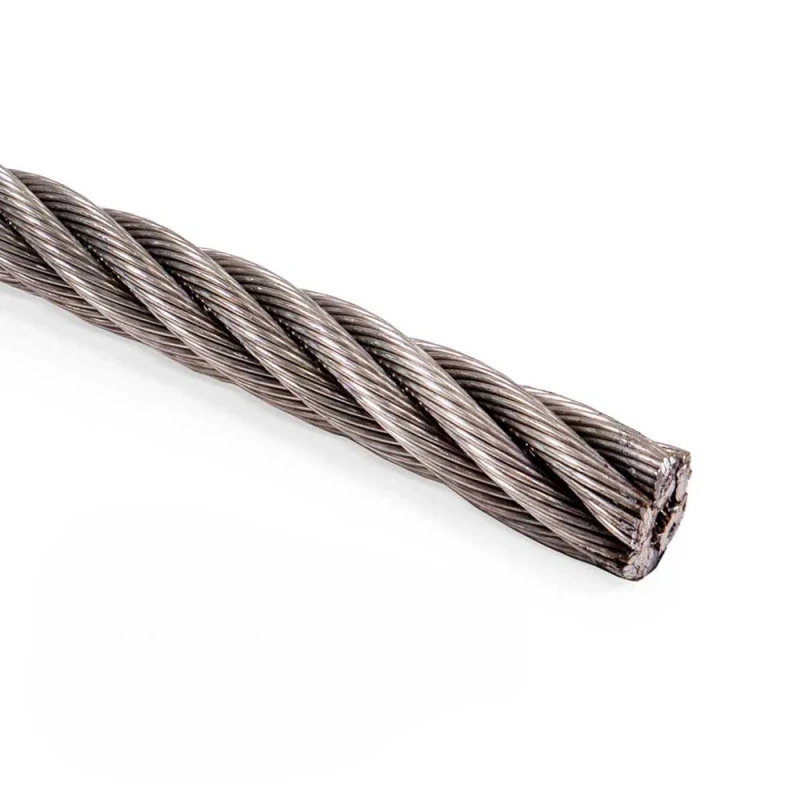
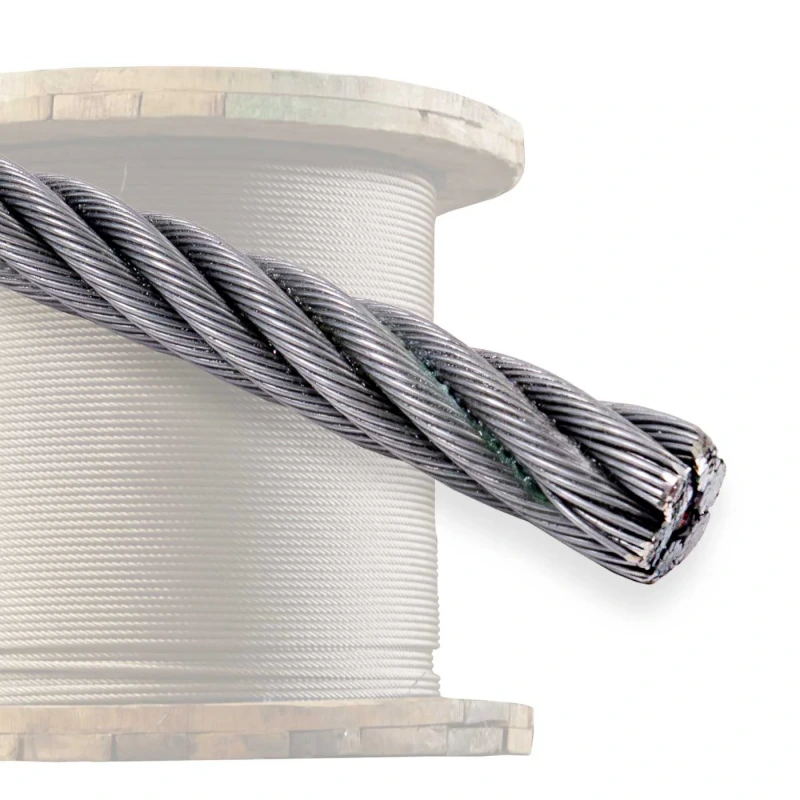
You face many choices in industrial lifting. Webbing slings work best for moving fragile materials, transporting pipes, or handling uniquely shaped items. Wire rope slings excel in heavy-duty industrial environments, construction sites, and rigging applications where durability is critical.
Safety, load type, and environment are always crucial factors in every industrial lifting decision. Powerful Machinery stands as your trusted partner, offering certified solutions that meet the highest standards:
Certification Type | Description |
|---|---|
Safety Certification | Ensures compliance with OSHA and EN standards, validated by certification reports. |
ISO-9001 Certification | An internationally recognized standard that guarantees consistent product quality and safety. |
The right choice between webbing slings vs wire rope slings ensures both safety and efficiency in your industrial operations.
Key Takeaways
Webbing slings are lightweight and flexible, making them ideal for delicate or irregular loads.
Wire rope slings offer unmatched strength and durability, making them ideal for heavy lifting in demanding environments.
Always inspect slings before use to ensure safety and prevent accidents.
Choose the right sling based on load type, environment, and safety regulations to maximize efficiency.
Powerful Machinery provides certified slings tailored to your specific lifting needs, ensuring reliability.
Webbing Slings for Industrial Lifting
Construction and Features
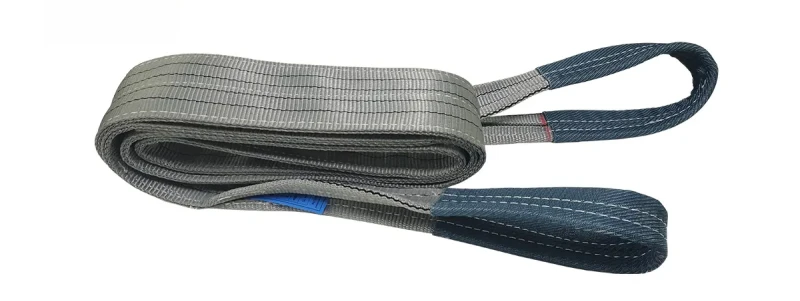
You rely on webbing slings for safe and efficient lifting in many industrial settings. Manufacturers craft webbing slings from strong synthetic materials. The most common choices include polyester, nylon, and Dyneema. These materials give webbing slings excellent strength, flexibility, and resistance to harsh environments.
You will find web slings in several configurations, such as flat webbing sling designs, endless loops, or with reinforced eyes at each end. This variety allows you to match the right webbing sling to your lifting applications.
Webbing slings are lightweight and easy to handle.
Polyester and nylon web slings resist abrasion and UV exposure.
You can select widths from 25 mm to 300 mm to suit your load.
Webbing slings come color-coded for quick identification of load capacity.
Color | Rated WLL (Straight Lift) |
|---|---|
Purple | 1 ton |
Green | 2 tons |
Yellow | 3 tons |
Grey | 4 tons |
Red | 5 tons |
Brown | 6 tons |
Blue | 8 tons |
Orange | ≥10 tons |
Advantages in Lifting Applications
Webbing slings offer you several advantages in lifting applications, especially when you handle delicate or irregular loads. You can move fragile or painted surfaces without worrying about scratches or dents. Web slings distribute weight evenly, reducing stress on contact points and protecting both your load and equipment.
You will find webbing slings cost-effective, reusable, and versatile for many lifting applications.
Webbing slings are gentle on sensitive materials.
You can use web slings for a wide range of lifting applications, from construction to warehousing.
Webbing slings are lightweight, so you can transport and store them with ease.
Flat webbing sling designs provide even weight distribution for heavy industrial applications.
Tip: Always inspect your webbing slings before each use to ensure safety and maintain performance.
Powerful Machinery Webbing Sling Solutions
Powerful Machinery delivers a complete range of webbing slings for your lifting needs. You can choose from round webbing slings, flat web slings, and a full line of slings and tie downs. Each webbing sling meets strict international standards, including EN 1492-1, EN 1492-2, and ASME B30.9.
You benefit from color-coded identification, high-strength polyester construction, and options for custom lengths or branding. Powerful Machinery’s webbing slings come with CE and test certificates, giving you confidence in every lift. You can trust these web slings for durability, safety, and adaptability in all your lifting applications.
Round webbing slings protect fragile or irregular loads.
Flat web slings handle heavy loads with reinforced eyes and wear pads.
Slings and tie downs offer versatility for securing and lifting in many applications.
You can count on Powerful Machinery to provide webbing slings that deliver reliability and safety for every lifting task.
Wire Rope Slings in Heavy Lifting
Construction and Strength
When you need to move the heaviest loads, wire rope slings give you unmatched strength and reliability. Manufacturers create these slings by forming high-tensile steel wires into tightly wound strands. Each strand twists around a core, which can be a single wire, fiber, or even another wire rope.
Most wire rope slings feature between 19 and 109 wires per strand, arranged for maximum performance. You often see a 6×19 configuration, which means six strands of 19 wires each, wrapped around a central core.
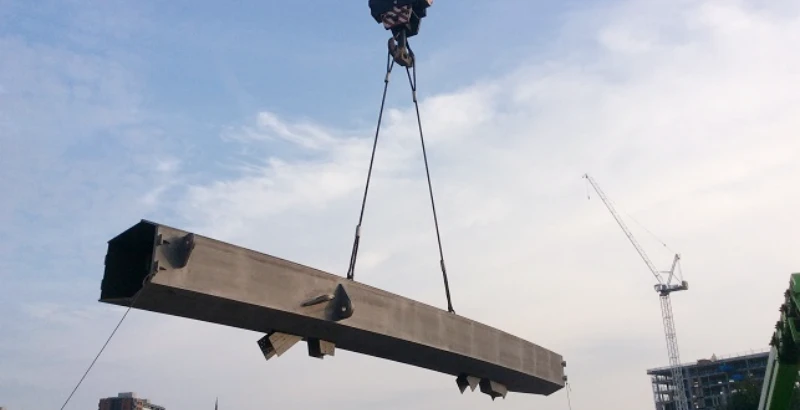
This design delivers superior abrasion and crush resistance, making it ideal for lifting steel beams and other demanding tasks.
Wire rope slings are mechanically formed for consistent quality.
End terminations include thimbles, eyes, or hooks for secure attachment.
These slings combine strength, flexibility, and fatigue resistance.
Durability and Environmental Resistance
You can count on wire rope slings for durability in the toughest environments. These slings withstand rugged conditions, including exposure to high temperatures and chemicals. Unlike webbing slings, wire rope slings resist abrasion and cutting, especially when lifting heavy loads with sharp edges.
Their high strength and flexibility make them suitable for challenging lifting scenarios. You will find that wire rope slings maintain their integrity even after repeated use in harsh settings.
Wire rope slings perform well in extreme heat and chemical exposure.
They are less likely to suffer damage from abrasion or sharp objects.
These slings offer long service life, reducing replacement costs.
Note: Always check the working load capacity before each lift. For example, if a wire rope sling has a minimum breaking strength of 20,000 lbs and a safety factor of 5, its safe working load is 4,000 lbs.
Powerful Machinery Wire Rope Sling Solutions
Powerful Machinery provides wire rope slings that meet the strictest industry standards. Each wire rope sling undergoes annual inspections and certifications to ensure safety and compliance. These slings comply with ASME B30.9, which sets the guidelines for safe use, inspection, and maintenance.
You benefit from reliable products that deliver consistent performance in every lifting operation. Powerful Machinery’s wire rope slings support your projects with proven durability and trusted certifications, making them the right choice for lifting heavy loads in construction, marine, and industrial environments.
Webbing Slings vs Wire Rope Slings: Key Differences
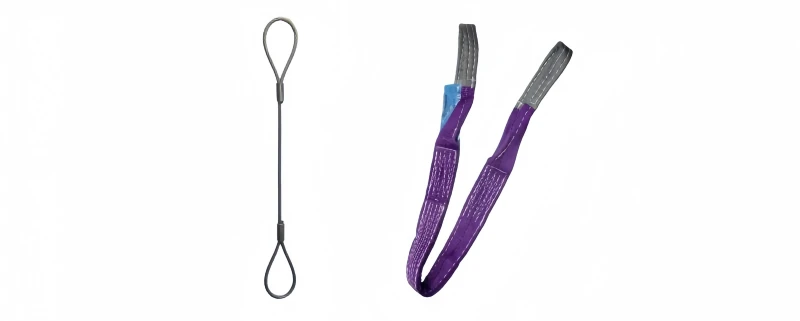
When you compare webbing slings vs wire rope slings, you see clear differences in performance, handling, and application. Understanding these differences helps you choose the right lifting solution for your job.
Strength and Load Capacity
You need to consider strength and high lifting capacity when selecting between webbing slings and wire rope slings. Webbing slings use synthetic materials like polyester or nylon, which provide excellent flexibility and load safety.
These slings work best for lighter loads and situations where you want to protect the surface of your cargo. Wire rope slings, made from galvanized or stainless steel wires, deliver unmatched strength and high load capacity. You rely on them for lifting heavy loads in construction, marine, and manufacturing environments.
Here’s a side-by-side comparison to help you decide:
Factor | Webbing Slings | Wire Rope Slings |
|---|---|---|
Synthetic (polyester, nylon, polypropylene) | Galvanized or stainless steel wires | |
Flexibility | Very flexible, soft, protects load surfaces | Rigid, designed for high-load applications |
Strength | Suitable for moderate loads | Superior strength for heavy loads |
Maintenance | Needs protection from UV and abrasion | Requires inspection for fraying and corrosion |
Applications | Automotive, aerospace, warehousing | Construction, heavy manufacturing, rigging |
Cost | Affordable for light-duty tasks | Higher cost, longer service life |
You see that webbing slings excel in flexibility and load safety, while wire rope slings dominate in strength and high lifting capacity.
Flexibility and Handling
Webbing slings vs wire rope slings also differ in how you handle and use them. Webbing slings offer outstanding flexibility. You can easily wrap them around irregular or delicate loads without causing damage. Their lightweight design means you can transport and store them with minimal effort.
This flexibility makes webbing slings a top choice for jobs that require frequent adjustments or movement.
Wire rope slings, on the other hand, provide less flexibility but more control when lifting heavy loads. You use them for tasks that demand precise positioning and stability. Their rigid structure supports high load capacity, but you need to handle them with care to avoid injury or damage to the load.
Durability and Maintenance
Durability and maintenance play a key role in the webbing slings vs wire rope slings decision. Webbing slings resist many chemicals and UV rays, but you must store them properly to prevent abrasion or weakening. Regular inspections help you spot cuts, tears, or other damage before they become a safety risk.
Wire rope slings withstand harsh environments, including heat and chemicals. You need to check for broken wires, kinking, or corrosion. Lubrication and proper storage extend their service life. Both types of slings require you to follow a strict inspection schedule:
Inspect slings monthly under normal conditions.
Increase inspections to weekly or daily in severe environments.
Remove slings from service if you find missing identification, broken wires, severe abrasion, or heat damage.
Safety in Industrial Lifting
Safety remains your top priority when using webbing slings vs wire rope slings. You must inspect every sling before and after use. For webbing slings, remove them from service if you see cuts, holes, knots, or tears. For wire rope slings, discard them if you notice kinking, crushing, or broken wires.
Always clean slings before inspection, check for wear, and store them in a dry, ventilated area. Assign one person to control each lift, keep the path clear, and never leave loads suspended.
Follow these best practices to ensure safety and maximize the lifespan of your lifting equipment:
Conduct thorough pre-use inspections.
Verify the lifting capacity and ratings.
Protect slings from sharp edges and abrasion.
Store slings properly.
Train your team on correct handling techniques.
Avoid twisting or knotting slings.
Monitor environmental factors.
Use the right hitch for each job.
Keep clear of the load path.
Schedule regular professional inspections.
Powerful Machinery provides certified webbing and wire rope slings that meet international standards. You can trust these solutions to deliver strength, durability, and safety for every lifting operation.
Choosing the Right Sling for Your Job
Assessing Load and Environment
You need to evaluate several factors before selecting the right sling for your lifting operation. Start by identifying the weight and shape of your load. Lightweight, flexible webbing slings work well for delicate or irregularly shaped items. Wire rope slings offer durability and support for heavier loads in harsh environments.
Consider the center of gravity to prevent damage during lifting. If your load has sharp edges, choose wire rope or chain slings to avoid material wear.
Assess load weight and shape.
Identify the center of gravity.
Check for sharp edges.
Match sling type to environmental conditions.
Environmental Factor | Impact on Lifting Slings |
|---|---|
Moisture | Causes corrosion in wire rope slings. |
Temperature Extremes | Weakens synthetic fibers or affects steel properties. |
Chemical Exposure | Degrades synthetic materials. |
UV Radiation | Fades and weakens synthetic fibers. |
Abrasive Environments | Leads to wear and damage in both sling types. |
Budget and Lifecycle Value
You want to maximize value and minimize downtime. Webbing slings are cost-effective for general lifting tasks and easy to replace. Wire rope slings last longer in demanding environments, reducing replacement costs. Avoid common mistakes, such as using web slings in high heat or moisture, which can degrade materials.
Always measure your load accurately and select the correct ply for adequate support.
Tip: Investing in the right sling for your application prevents costly errors and ensures efficient operations.
Safety and Compliance
You must follow safety considerations and industry regulations. Equipment must be suitable, maintained, and operators trained. Thorough examinations are required every 6-12 months. Textile slings must meet standards for lifting operations.
Regulation/Standard | Description |
|---|---|
PUWER | Equipment must be suitable and operators trained. |
LOLER | Requires thorough examinations every 6-12 months. |
BS EN 1492 | Outlines textile sling standards for lifting operations. |
Powerful Machinery’s Custom Solutions
You can rely on Powerful Machinery for custom-engineered solutions tailored to your unique lifting needs. The company offers chain slings for heavy-duty applications, wire rope slings for industrial loads, webbing slings for flat, stable loads, and round slings for delicate or cylindrical items.
Sling Type | Description | Applications |
|---|---|---|
Chain Slings | Customizable for specific lifting needs. | Heavy-duty applications |
Wire Rope Slings | Supports industrial loads with high load limits. | Industrial lifting |
Webbing Slings | Suitable for flat, stable loads. | General lifting |
Round Slings | Best for delicate or cylindrical items. | Lifting delicate loads |
You gain access to certified products, expert guidance, and custom solutions that ensure safety and performance for every lifting scenario.
Conclusion
You must choose the right sling for your lifting needs by understanding the main differences:
Feature | Wire Rope Slings | Webbing Slings |
|---|---|---|
Strength & Durability | High, steel construction | Lightweight, flexible |
Environmental Resistance | Heat, abrasion | Water, acid |
Surface Protection | Less gentle | Gentle on loads |
You should inspect slings regularly and use only certified products. For expert guidance and reliable solutions, consult Powerful Machinery.
FAQ
What is the main difference between webbing slings and wire rope slings?
You use webbing slings for flexibility and surface protection. Wire rope slings provide higher strength and durability for heavy loads. Choose webbing slings for delicate items and wire rope slings for demanding industrial tasks.
How do you inspect lifting slings before use?
Always check for visible damage, such as cuts, fraying, broken wires, or corrosion. Confirm the identification tag is readable. Remove any sling from service if you find defects.
Can you use webbing slings outdoors?
Yes, you can use webbing slings outdoors. Polyester webbing slings resist UV rays and moisture. However, store them in a dry, shaded area when not in use to extend their lifespan.
How often should you replace lifting slings?
You should replace lifting slings immediately if you find damage or excessive wear. Even without visible damage, follow your company’s inspection schedule and manufacturer guidelines for replacement intervals.