You need a clear answer to what a d-ring is. A D-ring features a sturdy metal loop shaped like the letter “D.” You use it to secure, connect, or anchor items in your projects. The right d-ring ensures safety and reliability, whether you work in construction or tackle DIY tasks at home.
Choosing the best D-ring protects your equipment and helps you complete projects with confidence.
Key Takeaways
A D-ring is a metal loop shaped like a ‘D’ used to secure and connect items in various projects.
Choose the right material for your D-ring based on your environment; stainless steel is best for outdoor use, while plastic suits light-duty tasks.
Always check the weight capacity of your D-ring to ensure safety; select one with a working load limit at least 25% above your maximum load.
Inspect D-rings before each use for wear or damage to prevent accidents and maintain safety.
Regular maintenance, including cleaning and proper storage, extends the life of your D-rings and ensures reliable performance.
What is a D-Ring?
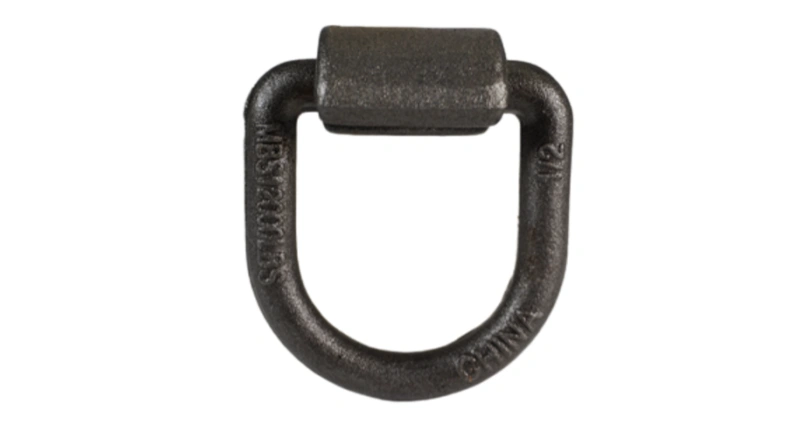
D-Ring Shape and Design
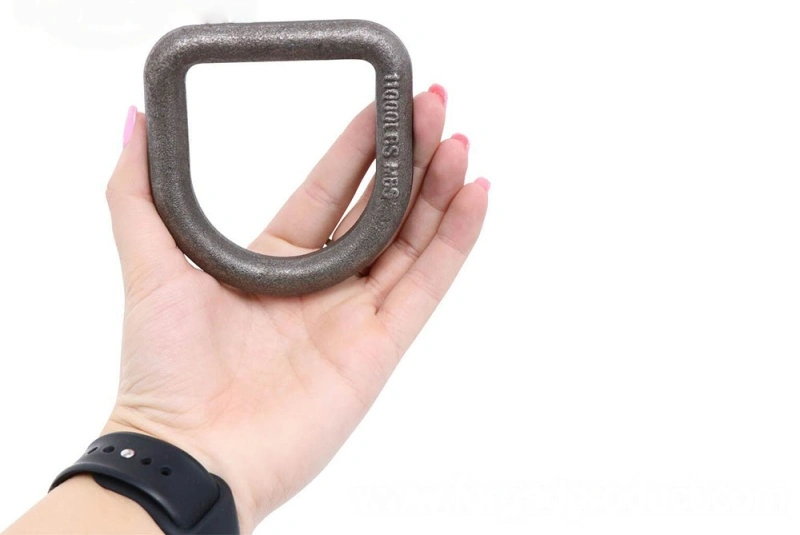
You encounter the term “what is a d ring” often in hardware and rigging. The d-ring stands out because of its unique shape. It forms a loop with one straight side and one curved side, resembling the letter “D.” This design gives you a secure anchor point for connecting straps, ropes, or chains.
You can rely on the d-ring to keep loads stable and prevent slippage.
The shape of the d-ring affects its strength and usability. The straight edge distributes force evenly, while the curved side allows for smooth movement and adjustable tension. You benefit from this adaptability when you need to secure heavy loads or adjust the tightness of a connection.
The d-ring helps you avoid grip fatigue and supports longer, safer lifts.
You find d-rings in a variety of materials and finishes. Each material offers specific advantages for different applications. The table below shows common options:
Material | Description |
|---|---|
Nickel-Plated Steel | Durable and resistant to wear, commonly used in various applications. |
Plastic | Lightweight, ideal for decorative or light-duty applications. |
Stainless Steel | Highly resistant to rust and corrosion, suitable for outdoor use. |
Zinc Die Cast | Affordable and moderately strong, used for general purposes. |
Solid Brass | Strong and corrosion-resistant, often used in premium applications. |
You select the material based on your project needs. Stainless steel d-rings work well outdoors, while nickel-plated steel offers durability for everyday use. Plastic d-rings suit light-duty or decorative tasks.
Tip: Choose a d-ring with the right material and shape for your environment. You improve safety and extend the life of your hardware.
How Do D Rings Work?
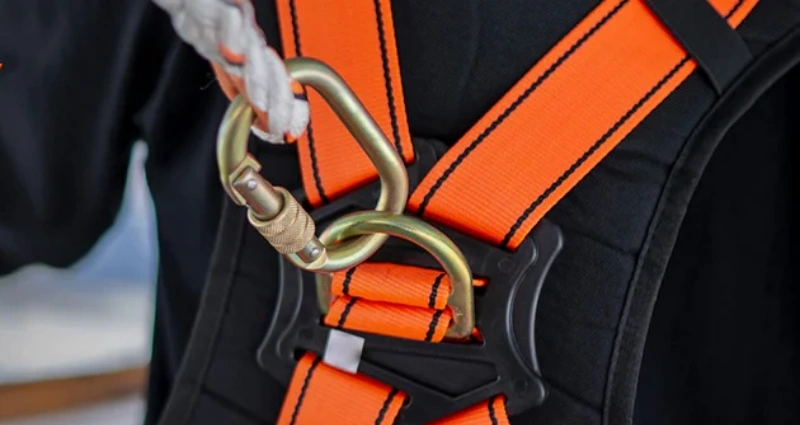
You use a d-ring to create a secure connection point. When you ask “what is a d ring,” you discover that it serves as a versatile anchor for straps, ropes, or cables. You thread the material through the d-ring, then fasten or tighten it as needed. The d-ring holds the item in place, preventing movement or loosening.
You rely on the d-ring for adjustable tension control. The curved side lets you pull or release the strap smoothly. The straight side keeps the connection stable. You can use d-rings in lifting, securing, or connecting tasks.
For example, you attach a d-ring to a harness, then connect it to a safety line. You also use d-rings to tie down cargo or organize equipment.
You find d-rings in many sizes and configurations. Small d-rings work for light-duty projects, while larger ones handle heavy loads. You must check the load rating before you use a d-ring for lifting or securing. You ensure the d-ring matches your requirements for strength and reliability.
Note: Always inspect your d-ring before use. You avoid accidents and maintain the integrity of your connection.
You now understand what a d-ring is and how it works. You can select the right d-ring for your project, knowing it provides secure, adjustable, and reliable connections.
Types of D Rings
Common D-Ring Styles
You find many types of d-rings in the market. Each style serves a specific purpose and offers unique benefits. The table below helps you compare the main categories:
Category | Details |
|---|---|
Style | D-Ring |
Material | Aluminum, Basic Steel, Galvanized, Galvanized Wire, Stainless Steel, Stainless Steel Wire |
Point Type | Blunt, Sharp |
Series | 09-25 Series, 15-50 Series, 515-50 Series, Loose Series |
You often use a double d-ring for adjustable straps or belts. This style gives you extra holding power and easy adjustment. You see double d-ring designs in safety harnesses, backpacks, and tie-downs.
You can also compare durability and application for each style:
D-Ring Style | Material | Durability Level | Best Application |
|---|---|---|---|
Unfinished Steel | High | Heavy-duty applications, welded in place | |
Galvanized Steel | Galvanized Steel | Moderate | Outdoor applications with moisture exposure |
Stainless Steel | High | Marine environments, saltwater exposure | |
Flush Mount D-Rings | Stainless Steel | Moderate | Lightweight vehicles, minimal cargo interference |
Recessed D-Ring Fittings | Various | Moderate | Multi-use trailers, stored out of the way |
Rotating Pan Fitting D-Rings | Various | High | Versatile cargo hauling, 360-degree flexibility |
Weld-On D-Rings | Forged Steel | Very High | Permanent setups, heavy equipment |
D-Rings with Mounting Brackets | Various | Moderate | Tight spaces, where welding isn’t possible |
You choose the right style based on your project needs. Double d-ring options work well for adjustable connections and quick release.
Materials and Sizes
You must consider the material when selecting types of d-rings. The right material affects strength, durability, and resistance to harsh conditions. The most common materials include aluminum, steel, galvanized steel, and stainless steel. Each one offers different benefits for your application.
You also find d-rings in a range of sizes. Small d-rings fit light-duty tasks, while large ones handle heavy loads. Double d-ring models often come in multiple sizes for belts, harnesses, and cargo straps.
Specialty D-Rings
Some types of d-rings are designed for unique or high-risk jobs. You use these specialty d-rings when you need extra safety or specific features:
Front d-rings help you with controlled ascent and descent at height.
Sternal d-rings support you during fixed-ladder climbing, giving stability and comfort.
Double d-ring designs appear in safety gear for secure, adjustable connections.
You rely on these specialty options for ladder safety, rescue operations, and other demanding environments.
Tip: Always match the d-ring style and material to your task for maximum safety and performance.
What Are D-Rings Used For?
Industrial Applications
You rely on d-rings in many industries for their strength and versatility. In the marine industry, you use them to attach rigging, secure cargo, and anchor lines. Their corrosion resistance makes them ideal for saltwater environments.
In construction, you depend on d-rings to lift and secure heavy loads with cranes and hoists. These components help you maintain safety and reliability on demanding job sites. Automotive professionals use d-rings in off-roading equipment to connect recovery straps and winches.
You also see d-rings in fashion, where designers use them in jewelry to symbolize strength and resilience.
Marine: Attach rigging, secure cargo, and anchor lines
Construction: Lift and secure heavy loads
Automotive: Connect recovery straps, winches
Fashion: Jewelry designs, symbol of strength
“These systems require a front D-ring harness as well.”
“One of the critical components to putting on the harness is to make sure everything is in line. Usually, a good rule of thumb is grabbing it by the back D-ring, shaking it a couple times, and you can see all your buckles are aligned.”
DIY and Everyday Uses
You find d-rings in many diy projects and home applications. You can use them to make napkin rings or combine them with ribbons for personalized decor. D-rings work well in crafts, letting you create custom keychains, belts, or bag straps. You also use them to hang frames or organize cords around your home.
These common uses for d-rings show how they add function and style to your everyday projects.
Make napkin rings for table settings
Create personalized decor with ribbons
Use in crafts, home decor, and organization
Cargo and Transport
You depend on d-rings to secure cargo during transport. They serve as tie-down solutions on trailers, flatbeds, trucks, and heavy equipment. Made from high-strength steel, d-rings provide load stability and durability. The table below shows the breaking strength and safe working load for some popular models:
D-Ring Model | Breaking Strength | Safe Working Load |
|---|---|---|
LP-14 Lashing Eye (D-Ring) | 500 kN (50 tons) | 250 kN (25 tons) |
5/8″ Weld-On D-Ring with Clip | N/A | N/A |
1-inch Heavy Duty D-Ring | N/A | N/A |
3/4-inch Heavy Duty D-Ring | N/A | N/A |
1/2-inch Heavy Duty D-Ring | N/A | N/A |
You must follow strict regulations when using d-rings for cargo and transport. For example, OSHA requires a minimum tensile strength of 5,000 pounds for fall protection. ANSI and EN standards also set requirements for design and static load. Proof load testing often verifies the strength at twice the working load limit.
You now see what d-rings are used for in different fields. D-ring uses range from industrial safety to diy crafts and cargo security. You can trust these components to deliver reliable performance in your projects.
Choosing the Right D-Ring
Project Requirements
You must evaluate your project requirements before selecting a D-ring. Every project demands a unique solution, whether you work in industrial environments or tackle diy tasks at home. Consider these key considerations:
Identify the type of load you need to secure.
Assess the frequency of use. Surface-mounted D-rings suit frequent tasks, while recessed styles work well for occasional projects.
Examine the environment. Moisture, saltwater, and extreme temperatures affect material choice.
Determine if you need flexibility. Rotating D-rings offer versatility for varied cargo.
Powerful Machinery offers a wide range of hardware accessories designed for both industrial and diy projects. You benefit from certified products that meet international standards, ensuring strength and durability for every application.
Tip: Match the D-ring style to your project needs. Permanent setups require weld-on options, while temporary projects benefit from bolt-on designs.
Weight Capacity
You must understand weight capacity to ensure safety and performance. D-rings come in different strength ratings. Always check the working load limit (WLL) and breaking strength for your application. The table below shows typical values:
D-Ring Type | Breaking Strength | Working Load Limit (WLL) |
|---|---|---|
Standard D-Ring | 12,000 lbs | 4,000 lbs |
High Capacity D-Ring | 16,000 lbs | 5,333 lbs |
Heavy Duty D-Ring | 18,000 lbs | 6,000 lbs |
Regulatory bodies set minimum requirements for safety. OSHA and ANSI standards require a minimum tensile strength of 5,000 lbs. Proof load tests verify reliability at 3,600 lbs. Powerful Machinery’s certified D-rings exceed these standards, providing confidence for critical projects.
Tip: Choose a D-ring with a WLL at least 25% above your maximum load. Never exceed the rated capacity.
Material Compatibility
Material compatibility affects longevity and safety. You must select the right material for your environment and project demands. The table below highlights common materials and their properties:
Material Type | Environmental Resistance | Longevity Impact |
|---|---|---|
Neoprene Rubber | Resists ozone and weathering | Suitable for outdoor sealing |
EPDM | Performs well in high humidity | Swells in oil-based fluids, reducing lifespan |
Fluorocarbon | Maintains chemical resistance | Excellent in corrosive atmospheres |
Silicone Elastomers | Withstands temperature fluctuations | Degrades faster in acidic vapors |
Nitrile Rubber | Maintains lifespan in oil-rich | Degrades faster under ozone or UV exposure |
For marine projects, stainless steel D-rings resist corrosion. Galvanized steel works well in dry warehouses. Avoid plastic for UV-exposed areas. Powerful Machinery’s hardware accessories feature high-grade metals and corrosion-resistant finishes, ensuring strength and durability in demanding conditions.
Tip: Always match material to your environment. Stainless steel suits saltwater, while galvanized steel fits dry settings.
Size Selection
Selecting the correct size is essential for safety and efficiency. Follow these steps:
Determine the maximum load you’ll secure.
Select material based on the environment.
Choose a mounting style for your project.
Verify certification and compliance.
Inspect design details for smooth edges and radiused corners.
Check supplier reputation for reliability.
Powerful Machinery provides D-rings in various sizes and configurations. You find options for heavy-duty industrial projects and smaller diy applications. Each product undergoes rigorous testing to ensure compliance with ASME B30.26 and other standards.
Tip: Avoid D-rings without published WLL or manufacturer information. Reliable suppliers like Powerful Machinery offer clear specifications and customer support.
Safety Tips
You must follow safety tips to prevent accidents and ensure reliable performance:
Inspect D-rings before each use for signs of wear or damage.
Never exceed the working load limit.
Use certified hardware from trusted brands.
Ensure proper installation and secure mounting.
Avoid using D-rings with rough casting seams or missing manufacturer details.
Replace worn or damaged D-rings immediately.
Powerful Machinery’s certified hardware accessories deliver unmatched safety and reliability. You gain peace of mind knowing your projects use rigorously tested components.
Tip: Regular maintenance and inspection extend the life of your D-rings and protect your equipment.
Choosing the right d-ring involves careful consideration of project requirements, weight capacity, material compatibility, size, and safety tips. Powerful Machinery’s certified products and industry-leading expertise help you achieve success in both industrial and diy projects.
How to Use D Rings?
Installation Basics
You need to follow clear steps when attaching d-rings to your project. Start by choosing the right location. Mark the spot where you want to secure the d-ring. Use a pencil or marker for accuracy. Select the correct fastener for your surface. For wood, use screws.
For metal, use bolts or welds. Place the d-ring flat against the surface. Align the mounting holes with your marks. Insert the fasteners and tighten them with a screwdriver or wrench. Check that the d-ring sits firmly and does not move.
If you work on a diy project, you may use smaller d-rings for crafts or home organization. You can attach them to picture frames, belts, or bags. Always test the connection by pulling gently. This step ensures the d-ring will hold under normal use.
Tip: Use washers with screws or bolts to spread the load and prevent damage to your mounting surface.
Common Mistakes
You can avoid problems by watching for common errors when attaching d-rings. Many users choose the wrong size or material. This mistake can lead to failure under load. Do not use d-rings with visible cracks, rust, or sharp edges. These flaws reduce strength and safety.
Some people skip checking the fastener type. Using the wrong screw or bolt can cause the d-ring to loosen or pull out. Always match the fastener to your surface and load requirements. Over-tightening can strip threads or deform the d-ring. Under-tightening leaves the connection weak.
You may forget to inspect your d-rings before each use. Regular checks help you spot wear or damage early. This habit protects your equipment and keeps your project safe.
Note: Never use d-rings for loads above their rated capacity. Always follow the manufacturer’s guidelines for attaching d-rings.
Buying D-Rings
Where Can I Buy a D Ring?
You can purchase D-rings from specialized hardware suppliers, industrial distributors, or trusted manufacturers. Powerful Machinery stands out as a reliable source for certified D-rings and hardware accessories. You gain access to a wide selection of products that meet international safety standards.
The company offers both standard and custom-engineered solutions for lifting, securing, and connecting tasks. You benefit from clear product specifications, expert support, and fast delivery.
Powerful Machinery provides certified D-rings that deliver strength and reliability for demanding projects.
Quality and Certification
You must prioritize quality and certification when buying D-rings. Certified products ensure safety and performance in critical applications. Powerful Machinery’s D-rings undergo rigorous quality checks. These checks confirm that each D-ring meets strength and durability standards.
You reduce risk and improve reliability by choosing products that pass strict inspections. Quality checks play a vital role in high-risk environments, such as construction and marine operations. You protect your equipment and personnel by selecting hardware that meets ISO, TUV, and OSHA certifications.
Certification | Description |
|---|---|
ISO9001 | Ensures consistent quality management |
TUV Rheinland | Verifies product safety and performance |
OSHA | Meets occupational safety requirements |
Always verify certifications and quality checks before making a purchase. You secure the best value and safety for your project.
Maintenance
You extend the lifespan of your D-rings by following proper maintenance practices. Regular inspection, cleaning, and storage help prevent damage and ensure reliable performance. You should replace D-rings that show signs of wear or corrosion. The table below summarizes key maintenance steps:
Maintenance Practice | Description |
|---|---|
Inspection | Check for wear, damage, or issues before each use and annually. |
Cleaning | Clean and dry D-rings after use to prevent rust. |
Storage | Store D-rings in a cool, dry place away from sunlight. |
Replacement | Replace D-rings if you notice any defects or excessive wear. |
Routine maintenance protects your investment and keeps your hardware safe for every application.
You make informed decisions by choosing certified D-rings from Powerful Machinery, verifying quality, and practicing regular maintenance. These steps ensure safety, reliability, and long-term value for your projects.
Conclusion
You now understand that a D-ring provides a secure anchor for lifting, connecting, and organizing tasks. Selecting the right D-ring ensures safety and peak performance in every project. Powerful Machinery’s certified hardware accessories give you reliability and peace of mind. For more guidance, review these key points:
Match material to your environment for best results.
Use steel for heavy-duty jobs, aluminum for marine settings, and plastic for lightweight indoor routing.
Maintain proper cable separation and spacing for structured cabling.
Explore Powerful Machinery’s resources for expert support and product details.
FAQ
What is the main purpose of a D-ring?
You use a D-ring to create a secure anchor point for connecting, lifting, or tying down items. This hardware helps you stabilize loads and prevent movement in industrial, transport, or DIY projects.
How do you choose the right D-ring for your project?
You select a D-ring by checking the material, size, and weight capacity. Match the D-ring to your environment and load requirements. Powerful Machinery offers certified options for both heavy-duty and light-duty tasks.
Can you use D-rings outdoors?
You can use D-rings outdoors if you choose corrosion-resistant materials like stainless steel or galvanized steel. These options withstand moisture and harsh weather, making them ideal for marine and construction applications.
How should you maintain your D-rings?
Inspect your D-rings regularly for wear or damage. Clean them after use and store them in a dry place. Replace any D-ring that shows signs of corrosion or deformation to ensure safety.
Does Powerful Machinery provide certified D-rings?
You find certified D-rings at Powerful Machinery. The company tests each product to meet international standards, including ISO and OSHA. You gain peace of mind knowing your hardware is reliable and safe.