
Wire Rope Puller Manufacturer
QDPowerful manufactures industrial wire rope pullers for controlled lifting, pulling, lowering and tensioning. Built for construction, rigging, utilities, machinery moving and maintenance work, our manual cable pulling hoists are available with steel or aluminum casing, matched wire rope, forged hooks and OEM branding options. Get a fast quote on lifting equipments from Powerful Machinery.
What Is a Wire Rope Puller?
A wire rope puller is a portable hand-operated pulling and lifting device. Instead of winding the cable onto a drum, the wire rope passes through the body of the tool and is gripped by internal jaws. The operator uses a lever handle to move the rope forward or backward, giving controlled movement over long distances.
Why Choose Powerful Machinery as Your Wire Rope Puller Manufacturer?
Our wire rope pullers are designed for distributors and industrial buyers who need consistent quality, stable supply and flexible branding. From casing material to rope length, hooks, packaging and documents, QDPowerful supports export-ready production for standard and custom requirements.

In-house manufacturing, material inspection, and load testing keep every wire rope puller consistent and dependable.
Clearly marked rated capacity with tested safety margins supports stable pulling performance in real job conditions.
Reinforced steel frame and hardened components withstand tough lifting and tension work over extended service cycles.
Direct access to our factory engineers ensures fast technical response and steady production for ongoing supply needs.
Hand Cable Winch
Our cable hand winch support lifting and rigging operations across diverse applications. Our selection includes:
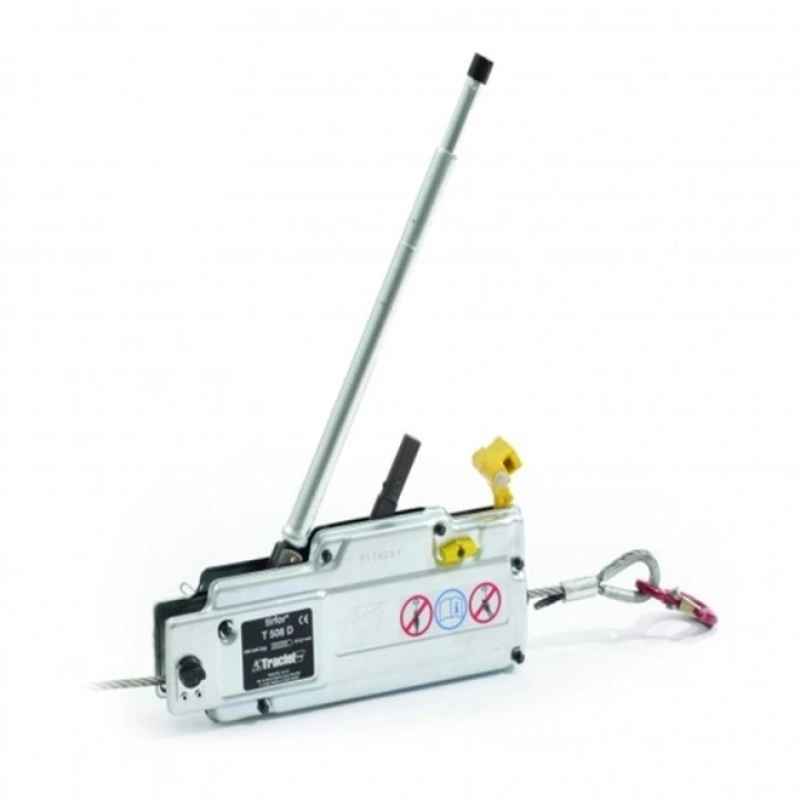
Manual Wire Rope Pullers
Manual wire rope pullers are portable hand-operated tools that grip wire rope with dual jaws, enabling lifting, pulling, and tensioning over long distances without drum limits.
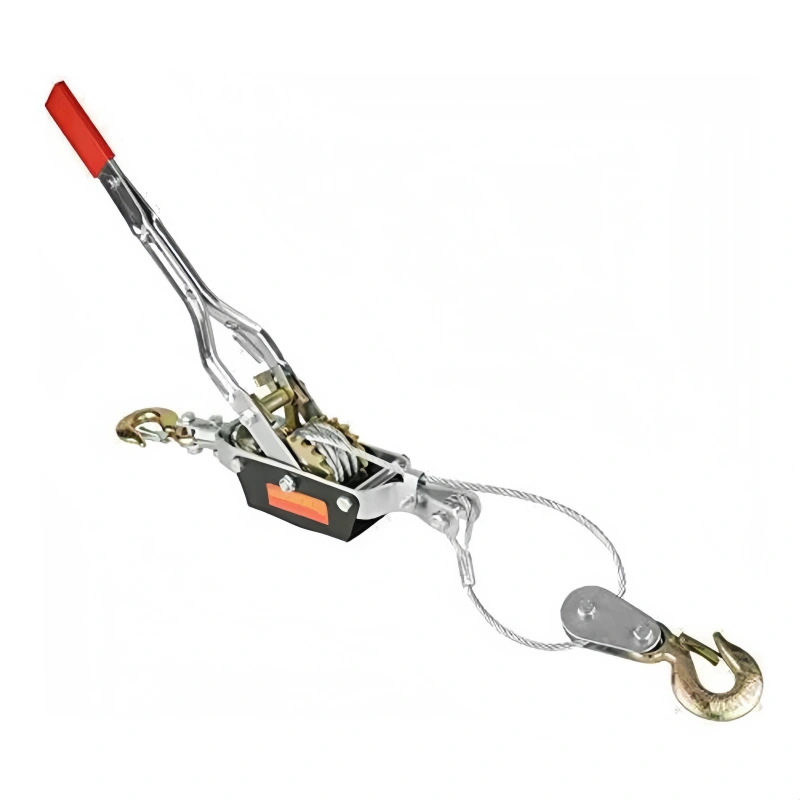
Ratchet pullers, also known as come-alongs, are compact lever tools with a drum for controlled pulling, lifting, and short-range line tensioning.
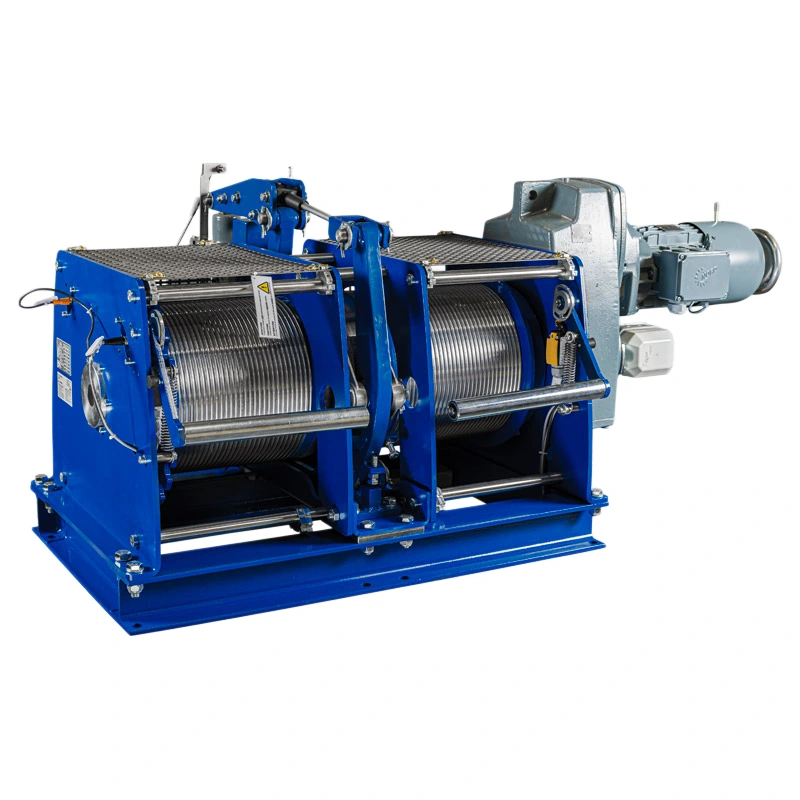
Specialized Winches
Specialized winches include air, electric, brake, and corrosion-resistant models built for safe lifting and controlled pulling in harsh industrial settings.
Wire Rope Puller Applications
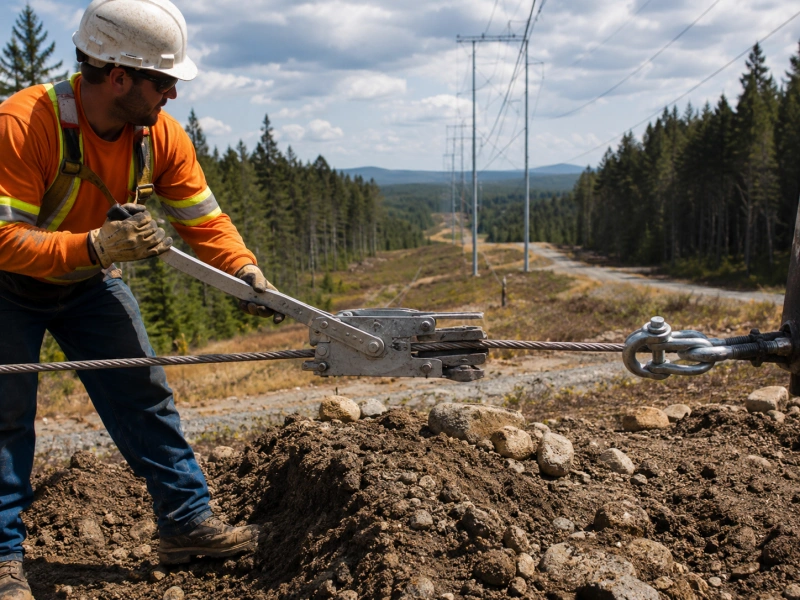
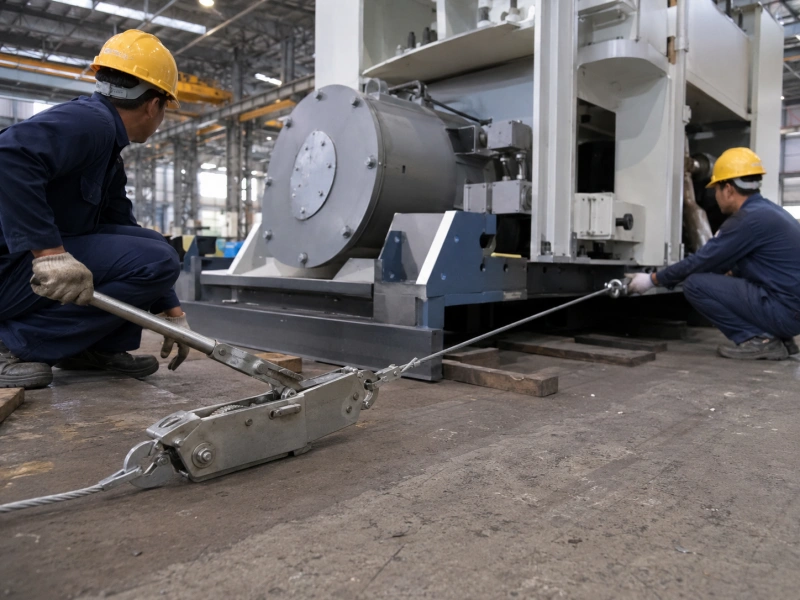
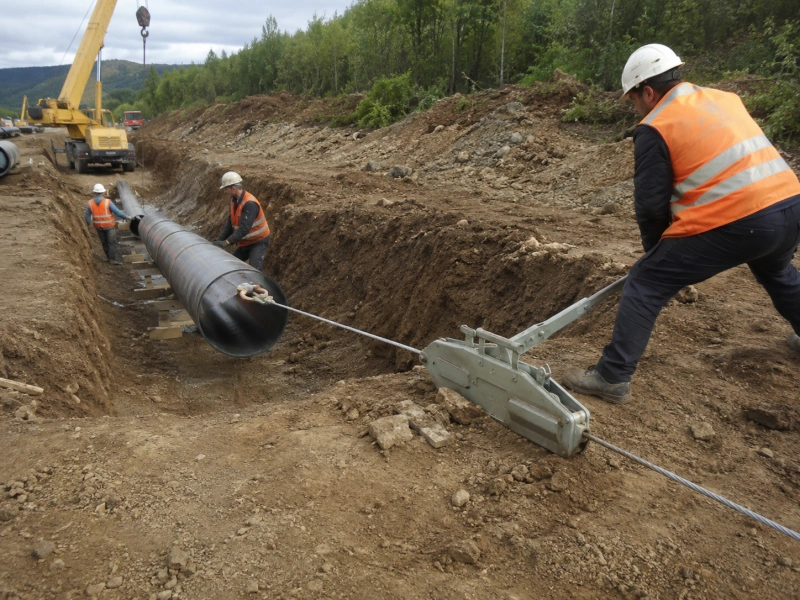
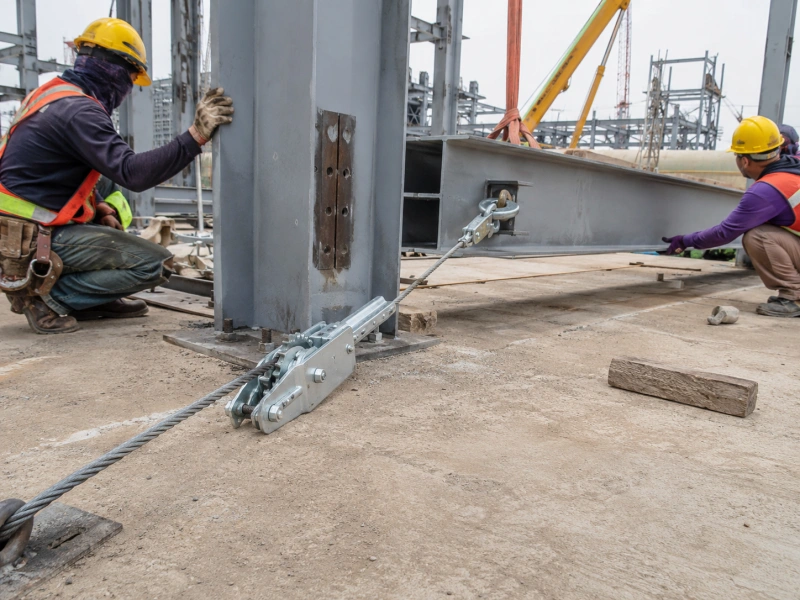
QDPowerful manual wire rope pullers are used wherever portable, controlled pulling force is required. Typical applications include equipment installation, steel structure positioning, pipeline laying, cable tensioning, forestry, vehicle recovery, shipyard repair, mining maintenance and construction site rigging.
OEM Wire Rope Puller Manufacturing
For importers, wholesalers and tool brands, QDPowerful can support OEM wire rope puller projects with custom color, logo, label, manual, carton design and export documentation. Send your target market, certification requirement and annual quantity to start a specification review.
Guide to Wire Rope Puller
Our guide to wire rope puller helps you understand shackle types, applications, and selection tips so you can choose safe, reliable lifting euipments.
What is a Wire Rope Puller?
A wire rope puller is a portable manual device that grips a separate wire rope through internal jaws to lift, pull, lower, tension or position a load.
How Do You Choose the Correct Load Capacity?
Selecting the correct load capacity for a wire rope puller ensures safe operation, structural integrity, and long-term reliability. Proper calculation prevents overload risk and improves performance under real working conditions.
Key Factors to Determine Rated Capacity:
Calculate total load weight including equipment mass and attached components.
Add friction resistance from surfaces, rollers, or guide systems.
Consider slope angle and elevation changes that increase pulling force.
Account for dynamic force during start-up and stopping movement.
Select a rated capacity that exceeds calculated working load to maintain safety margin.
Verify anchor point strength and rigging hardware capacity meet or exceed puller rating.
Confirm wire rope diameter compatibility with puller specifications.
Evaluate pulling distance and duty cycle frequency before final selection.
Avoid undersized equipment to reduce overload risk and structural wear.
Avoid oversized models that increase cost and unnecessary handling weight.
Accurate engineering assessment ensures stable pulling performance and dependable operation across construction, utility, marine, mining, and industrial applications.
What is the Difference Between a Wire Rope Puller and a Come-Along?
A wire rope puller usually passes rope through the body and can work over long rope lengths. A come-along normally winds cable onto a drum and is often used for shorter pulling jobs.
How Do You Inspect a Wire Rope Puller Before Use?
Proper inspection of a wire rope puller protects load safety, operator control, and equipment lifespan. A thorough pre-use check reduces failure risk and ensures reliable pulling performance in demanding job conditions.
Wire Rope Puller Pre-Use Inspection Checklist:
Examine frame structure for cracks, deformation, or corrosion.
Check lever handle for bending, looseness, or excessive wear.
Inspect jaw teeth or drum surface for damage, debris, or uneven wear.
Test forward and reverse movement to confirm smooth internal mechanism operation.
Verify wire rope diameter matches manufacturer specification.
Inspect rope for kinks, broken strands, flattening, or surface damage.
Ensure hooks and safety latches close fully and lock securely.
Confirm rated load markings remain clear and legible.
Perform a short no-load function test before applying working tension.
Consistent inspection improves operational safety, load control accuracy, and long-term reliability of wire rope pulling equipment.
How Do You Maintain a Wire Rope Puller?
Proper maintenance of a wire rope puller ensures stable pulling performance, longer service life, and safer operation in industrial environments. Regular care reduces mechanical wear and protects critical load-bearing components.
Wire Rope Puller Maintenance Checklist:
Clean internal components after exposure to dust, sand, or moisture.
Remove debris from jaw assemblies or drum surfaces to maintain grip efficiency.
Lubricate moving parts on a scheduled basis to reduce friction and wear.
Store equipment in dry conditions to prevent corrosion and surface damage.
Replace worn jaw sets promptly to maintain secure rope engagement.
Monitor wire rope condition for broken strands, flattening, or deformation.
Avoid shock loading and sudden tension release during operation.
Keep service records and inspection logs to track usage and maintenance intervals.
Consistent maintenance improves equipment durability, load control reliability, and overall operational safety.
What Safety Practices Improve Pulling Operations?
Safe wire rope puller operation depends on correct setup, load alignment, and disciplined handling procedures. Strong safety practices reduce structural stress, protect personnel, and improve pulling stability during lifting and tensioning work.
Wire Rope Puller Safety Best Practices:
Align the puller directly with the load path to reduce side loading and uneven stress.
Secure anchor points using rated rigging hardware that matches puller capacity.
Establish clear safety zones around tensioned wire rope lines.
Operate the lever with controlled, steady movement to prevent force spikes.
Monitor load travel continuously to maintain stable positioning.
Stop operation immediately if abnormal resistance or unusual mechanical noise occurs.
Train operators on rated load limits and proper tensioning procedures.
Inspect surrounding structures to confirm anchor stability before applying force.
Consistent safety discipline improves equipment reliability and reduces operational risk in industrial pulling applications.
Why Does Manufacturing Quality Matter?
Material grade selection, precision machining, and controlled heat treatment determine structural strength and durability. Accurate load testing validates rated capacity before shipment. Consistent jaw hardness and dimensional accuracy support secure rope grip under heavy tension. Integrated production control improves batch consistency and reduces field failure risk. Engineering oversight during design and assembly ensures dependable performance across construction, marine, mining, oilfield, and industrial maintenance applications.
How Does Wire Rope Selection Affect Performance?
Wire rope selection directly impacts gripping strength, load stability, and overall pulling efficiency. Choosing the correct rope specification ensures safe engagement with the puller mechanism and consistent performance under repeated load cycles.
Key Factors in Wire Rope Selection:
Select the correct rope diameter to ensure proper engagement within the puller gripping system.
Choose rope construction type based on required flexibility and tensile strength.
Check rope surface condition to maintain proper friction contact with jaw components.
Replace ropes with broken strands or deformation to prevent load capacity reduction.
Maintain proper lubrication to reduce internal wear and extend service life.
Match rope specification to puller design for stable tension control and efficient pulling.
Correct wire rope pairing improves operational safety, structural stability, and long-term equipment reliability.
Can Wire Rope Pullers Operate in Harsh Environments?
Wire rope pullers are engineered for demanding industrial conditions, but performance in harsh environments depends on proper material selection, protective treatments, and disciplined maintenance. Matching the puller specification to environmental stress factors ensures durability, safety, and long-term operational reliability.
Key Considerations for Harsh Environment Operation:
Use corrosion-resistant finishes to protect against moisture, chemicals, and oxidation.
Select reinforced structural components to withstand high mechanical stress.
Apply protective coatings for marine and coastal environments exposed to salt spray.
Ensure abrasion-resistant construction for mining and construction sites with dust and debris.
Choose mechanically operated pullers for oilfield and utility projects where power supply is limited.
Increase inspection frequency in abrasive or corrosive conditions to prevent premature failure.
Match material grade and surface treatment to specific environmental exposure levels.
Proper environmental adaptation improves equipment lifespan, reduces downtime, and maintains safe pulling performance under extreme operating conditions.
Can a Wire Rope Puller Be Used for Lifting?
Many industrial wire rope pullers are designed for lifting, pulling, lowering and tensioning, but the operator must follow the rated capacity, compatible rope requirement and user manual.
What Capacities Are Available?
Common manual wire rope puller capacities include 0.8T, 1.6T, 3.2T and 5.4T. QDPowerful can recommend the right model according to load, rope length and application.
Can the Wire Rope Length Be Customized?
Yes. Standard rope lengths such as 20 m are commonly supplied, and custom lengths can be discussed for OEM or bulk orders.
Is a Wire Rope Puller Suitable for Electrical Wire Pulling Through Conduit?
For electrical cable installation, a cable pulling rope, wire grip or powered cable puller may be more suitable. A heavy-duty wire rope puller is mainly for industrial load pulling, lifting and tensioning.
Do You Support Oem and Private Label Orders?
Yes. QDPowerful can support OEM color, logo, label, packaging, manuals and export documents for qualified bulk orders.
Have More Questions of Wire Rope Puller?
Looking for a reliable wire rope puller manufacturer? Contact QDPowerful for model selection, datasheets, OEM options and a fast factory quotation.