A crane wire rope inspection checklist helps you maintain crane safety and meet compliance standards. Regular inspections prevent equipment failure and workplace hazards. Industry reports show that broken wires, diameter reduction, and kinking are leading causes of wire rope failure.
You can see the impact of inspection frequency below:
Inspection Type | Frequency | Purpose |
|---|---|---|
Visual Inspection | Daily | To identify visible damage before use |
Internal Inspection | Weekly (older cranes) / Bi-weekly (newer cranes) | To assess the internal condition of the wire rope and prevent failures |
By performing proper crane wire rope inspection, you reduce the risk of costly incidents and ensure safe operations.
Key Takeaways
Perform daily visual inspections of crane wire ropes to catch damage early and ensure safe operation.
Follow OSHA standards for crane wire rope inspections to maintain compliance and enhance safety.
Document all inspections thoroughly to track the condition of wire ropes and plan for timely replacements.
Use certified crane wire ropes from trusted manufacturers to ensure reliability and reduce the risk of failures.
Incorporate advanced inspection technologies to detect internal defects that traditional methods may miss.
OSHA Standards & Inspection Frequency
OSHA Standards for Crane Wire Rope Inspection
You must follow OSHA standards to ensure crane safety and compliance. These regulations set clear requirements for crane wire rope inspection. The table below highlights key OSHA sections that guide your inspection process:
Section | Description |
|---|---|
1926.1414(a) | Select and install original and replacement wire rope according to standards. |
1926.1414(b) | Meet design criteria for wire rope safety. |
1926.1414(c) | Ensure wire rope compatibility with crane equipment. |
1926.1414(e)(3) | Require a qualified person to inspect for hazards. |
You should also consider international standards like ASME B30, which provide detailed inspection and maintenance procedures. Powerful Machinery’s crane wire ropes meet or exceed these standards.
The company holds certifications such as ISO9001 and TUV Rheinland, which confirm compliance and support your crane safety inspections.
Inspection Frequency & Documentation
Proper crane wire rope inspection depends on regular checks and accurate records. OSHA recommends daily inspections for cranes in continuous service and monthly checks for overhead, gantry, or occasional-use cranes. The table below summarizes these intervals:
Crane Type | Inspection Frequency |
|---|---|
Overhead and Gantry | Monthly |
Continuous Service | Daily |
Occasional Use | Monthly |
You must document each inspection. For monthly checks, record the items inspected, the inspector’s name, and the date. Keep these records for at least three months. Annual inspections require a comprehensive report with the inspector’s signature. Store all documentation at the job site for easy access during audits.
Rope Replacement & Idle Equipment
You need to replace crane wire rope if you find broken wires above the allowed limit, a diameter reduction of over one-third, advanced corrosion, or structural damage like kinks. Always check ropes that have been idle for a month or more before returning them to service.
An appointed person must inspect and approve these ropes. Powerful Machinery’s steel wire ropes resist abrasion and corrosion, making them reliable for long-term use and easier rope inspections.
Tip: Regular inspections and certified products help you maintain crane safety and reduce downtime.
Visual Crane Wire Rope Inspection
Daily Visual Inspection Steps
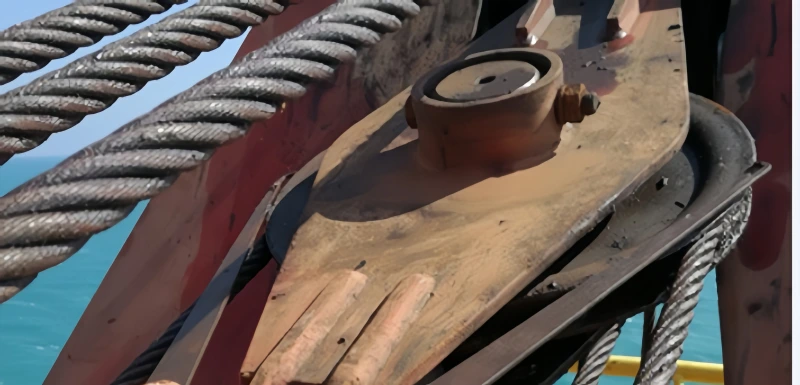
You need to perform a visual inspection of the crane wire rope every day to ensure safe operation. Powerful Machinery designs crane wire ropes with clear markings and consistent construction, making your inspection process straightforward and reliable. Follow these steps for effective daily checks:
Inspect the wire rope visually before and after each shift.
Examine the rope for any signs of damage, such as broken wires or kinks.
Check the reel, sheave, shaft, and hook at the rear end of the wire rope.
Confirm that the rope is properly lubricated and look for signs of friction.
Watch for issues like tears, warps, bird-caging, cutting, or flattening.
Tip: Using certified, high-quality ropes from Powerful Machinery helps you spot defects quickly and ensures accurate crane wire rope inspection.
Key Areas to Inspect
You must focus your visual inspection on the most vulnerable sections of the wire rope. These areas experience the highest stress and wear during crane operation:
Contact points at saddles, sheaves, pulleys, and the block
Sections passing through reverse bends
Areas exposed to abrasion
Flange points and crossover points
Repetitive pickup points on drums
Rope ends and sections near the ends
Parts hidden from routine view, such as those passing over sheaves
Powerful Machinery’s crane wire ropes feature uniform construction and durable materials, making it easier for you to identify wear in these critical areas.
Common Surface Issues
You will encounter several surface defects during crane wire rope inspection. Each defect impacts safety and determines whether you need to replace the rope. The table below summarizes the most common issues and their implications:
Defect Type | Implications for Safety |
|---|---|
Broken Wires | Immediate replacement required if six or more are found. |
Diameter Reduction | Reduces load capacity, increasing risk of failure. |
Kinking | Can lead to uneven load distribution and potential breakage. |
Bird-Caging | Indicates internal damage, compromising rope integrity. |
Corrosion | Weakens the rope, making it susceptible to failure. |
Core Protrusion | Suggests core damage, affecting overall strength. |
Heat Damage | Can alter material properties, leading to unexpected failures. |
You should always use certified crane wire ropes for reliable inspection results. Powerful Machinery’s ropes resist corrosion and abrasion, helping you maintain safety and extend service life.
Internal Inspection & Advanced Methods
Internal Inspection Frequency
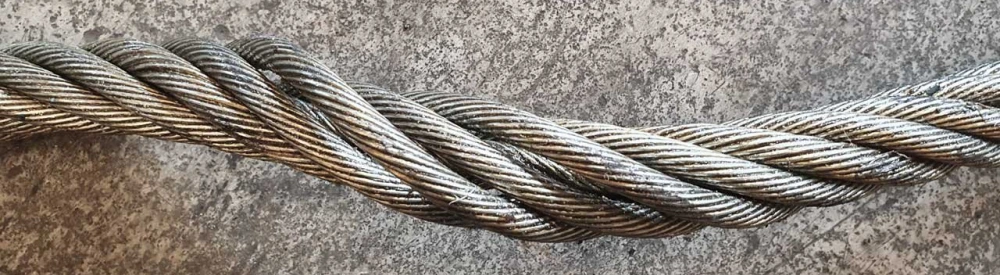
You must schedule internal inspection of crane wire ropes based on crane usage and environmental conditions. Daily rope inspections before each shift help you catch early signs of damage. After every initial installation or repair, you should inspect the wire rope to confirm safe operation.
At least once every 12 months, qualified professionals need to perform a comprehensive internal inspection. Severe environments, high-frequency operations, and ropes nearing the end of their useful life require more frequent checks.
Factor | Recommendation |
|---|---|
Rope Life | Inspection frequency should be based on rope’s life in the installation. |
Severity of Environment | More frequent inspections are required in severe environments. |
Percentage of Capacity Lifts | Inspections should consider the percentage of capacity being lifted. |
Frequency Rates of Operation | Higher operation frequency necessitates more frequent inspections. |
Exposure to Shock Loads | Increased inspections are needed if the rope is exposed to shock loads. |
End of Useful Life | Inspections should be more frequent as the rope approaches the end of its life. |
Powerful Machinery’s crane wire ropes offer durability and technical support, making your rope inspections easier and more reliable. You can trust their products to withstand harsh conditions and maintain performance between scheduled inspections.
Tip: Adjust your inspection schedule based on crane workload and environmental stress to maximize safety.
Internal Inspection Procedures
You need to follow a systematic approach for internal inspection. Authorized personnel should conduct these checks weekly for older cranes and twice a month for newer machinery. Start by assessing the wire rope’s material and construction.
Check the distance between clamping jaws and verify height and weight optimization. Examine the rope for internal corrosion, broken wires, and core damage. Inspections help you decide if the wire rope can safely remain in service until the next scheduled inspection or if immediate replacement is necessary.
Internal Inspection Steps:
Remove the rope from service for a thorough assessment.
Inspect the rope’s internal strands for corrosion or wear.
Measure the rope diameter and check for reduction.
Look for signs of core protrusion or deformation.
Document all findings and compare them to previous inspection records.
You can rely on Powerful Machinery’s technical support for guidance during complex rope inspections. Their crane wire ropes feature robust construction, which simplifies internal inspection and reduces the risk of unexpected failures.
Note: Regular internal inspection prevents hidden defects from causing sudden breakdowns.
Advanced Magnetic Rope Inspection
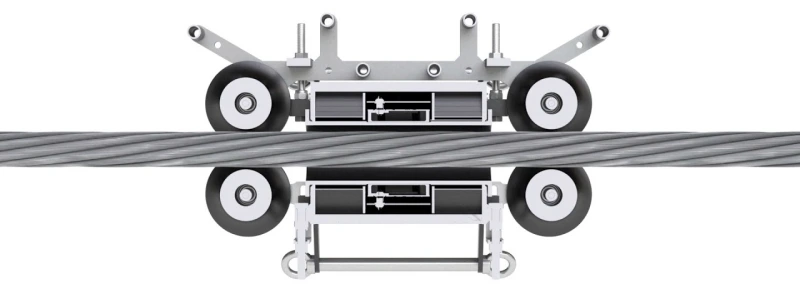
You can enhance your crane wire rope inspection with advanced technologies like magnetic rope inspection. Electromagnetic methods provide detailed insights into the internal condition of wire ropes. These inspections detect localized flaws and loss of metallic area, which traditional visual checks often miss.
Inspection Method | Description |
|---|---|
Electromagnetic Inspections (EM) | Provides detailed insights into the condition of wire ropes, detecting localized flaws and loss of metallic area. |
Localized-Flaw (LF) Inspection | Focuses on finding localized flaws like broken wires, using handheld instruments. |
Loss-of-Metallic-Area (LMA) | Measures changes in the metallic cross-sectional area due to wear and corrosion, more reliable than diameter checks. |
Advanced inspection technologies offer advantages over traditional methods. Electromagnetic inspections detect internal defects and changes in metallic cross-sectional area, while visual inspections are limited to surface issues.
Inspection Method | Advantages | Limitations |
|---|---|---|
Advanced (Electromagnetic) | Detects localized flaws and changes in metallic cross-sectional area. | Requires specialized equipment. |
Traditional (Visual Inspection) | Simple and cost-effective for surface checks. | Often misses internal defects. |
Powerful Machinery supports your adoption of advanced inspection technologies. Their crane wire ropes are engineered for compatibility with non-destructive testing tools, ensuring deeper safety assurance and longer service life.
Alert: Using advanced inspection methods helps you identify internal defects early and avoid costly downtime.
Enhancing Safety with Modern Equipment
Modern Safety Equipment for Crane Wire Rope Inspection
You improve crane safety by using modern safety equipment during crane wire rope inspection. Advanced crane safety equipment, such as load moment indicators (LMI) and rated capacity indicators (RCI), helps you monitor crane loads and prevent unsafe lifts.
Trusted brands like RaycoWylie manufacture these systems, which alert operators to overloads and stop operations automatically. You also benefit from limit switches that keep crane components within safe boundaries, avoiding collisions and equipment damage.
Other crane safety equipment includes anti-collision sensors, proximity detectors, and emergency stop controls. These devices warn you about obstacles and halt operations during hazards. Environmental monitoring tools, such as anemometers and weather sensors, ensure you pause crane activity in unsafe weather.
Anti-two-block and anti-rope fall-out devices protect against mechanical failures that could cause dropped loads. Operator assistance tools, including CCTV and boom angle indicators, enhance your situational awareness and prevent unsafe maneuvers.
Smart sensors, remote monitoring, and AI-driven automation enable real-time health tracking and predictive maintenance, reducing errors and downtime.
Powerful Machinery offers a full-service package that includes installation and maintenance support. Their certified products integrate seamlessly with modern safety equipment, enhancing operational safety and efficiency.
Maintenance & Documentation Best Practices
You extend the lifespan and reliability of crane wire ropes by following maintenance and documentation best practices. Regular lubrication prevents internal wear and corrosion, especially in harsh environments. Periodic inspections help you monitor deterioration and ensure wire ropes remain reliable throughout their service life.
Documenting inspection findings allows you to analyze trends and plan proactive replacements, reducing reactive decisions.
Best Practice | Description |
|---|---|
Regular Inspection | Conduct close visual and tactile checks of critical areas like sheaves and terminations. |
Documentation | Keep all measurements, conditions, and dates in a single inspection record for each rope. |
Predictive Maintenance | Create a maintenance history to predict replacement timing rather than reacting to failures. |
Inspection Type | Frequency |
|---|---|
Visual Inspection | Perform daily before and after each working shift to check for damage. |
Internal Inspection | Conduct 1 to 4 times a month based on crane age to ensure thorough checks. |
Record Keeping | Maintain records of inspections to indicate the maximum allowable time until the next inspection. |
Powerful Machinery provides reliable after-sales technical support, maintenance guides, and training services. Their expert guidance helps you select the right wire rope grade for your project. Advanced designs and strict safety standards ensure you achieve smooth rigging operations.
High-performance crane ropes with compacted strands and specialized cores offer greater durability and fatigue resistance, allowing longer intervals between replacements and inspections.
Tip: Consistent maintenance and accurate documentation maximize crane wire rope reliability and promote a safety-first culture.
Conclusion
You protect your team and equipment by following a comprehensive crane wire rope inspection checklist. Routine inspections help you spot hazards early, prevent failures, and ensure compliance with OSHA and ASME standards.
Using certified, high-quality ropes from Powerful Machinery gives you advanced durability and traceability. A downloadable checklist standardizes your process and supports accountability. Ongoing training programs keep your skills sharp and your inspections effective.
Routine inspections prevent unexpected failures and identify hazards.
Downloadable checklists and training improve safety and compliance.
Stay proactive—invest in quality products and continuous learning for safer crane operations.
FAQ
How often should you inspect crane wire ropes?
You should inspect crane wire ropes daily before each shift. Schedule internal inspections at least once a year. Increase inspection frequency if your crane operates in harsh environments or lifts heavy loads.
What signs indicate you need to replace a crane wire rope?
Look for broken wires, diameter reduction, kinks, corrosion, bird-caging, or core protrusion. Replace the rope if you find six or more broken wires or if the diameter decreases by more than one-third.
Why choose certified crane wire ropes from Powerful Machinery?
Certified crane wire ropes from Powerful Machinery meet international safety standards. You gain reliable performance, extended service life, and technical support. These ropes help you maintain compliance and reduce downtime.
What tools help you perform advanced wire rope inspections?
You can use electromagnetic inspection devices, localized-flaw detectors, and loss-of-metallic-area sensors. These tools reveal internal defects that visual checks may miss. Powerful Machinery’s ropes work well with these technologies.
How do you document crane wire rope inspections?
Record inspection dates, findings, and inspector names in a logbook. Keep monthly and annual reports at the job site. Accurate documentation helps you track rope condition and plan maintenance.