
ASTM Chain
ASTM chain follows defined standards for strength and testing, so performance stays consistent and measurable . We produce astm chain in-house, control raw material, welding, and heat treatment, keep quality stable and delivery reliable. Need current pricing? Request a quote from Powerful Machinery today.

Every ASTM chain meets strict standards, ensuring safe, durable performance you can trust.
We deliver every order on schedule, keeping your projects and operations running smoothly.
Quick, transparent updates and support keep your supply chain stress-free.
Premium chains at fair, upfront pricing with no hidden fees.
Powerful Machinery - Your Reliable ASTM Chain Manufacturer
We supply work provide dependable astm chains for industry leaders.





ASTM 80 STANDARD CHAIN
Our astm 80 standard chains support lifting and rigging operations across diverse applications. Our selection includes:

ASTM80 Grade 30 Proof Coil Chain is a reliable, low-carbon steel chain designed for general-purpose and light-to-moderate duty applications. Manufactured to meet ASTM standards (ASTM A413/A413M), it provides consistent strength and durability for agriculture, industrial, and material-handling operations.

ASTM 80 Grade 43 High Test Chain
ASTM80 Grade 43 High Test Chain is a high-strength carbon steel chain designed for towing, load binding, and construction applications. Offering superior strength-to-weight performance compared to Grade 30, it can also be galvanized for enhanced corrosion resistance, ensuring reliability in demanding industrial environments.

ASTM 80 Grade 70 Transport Chain
ASTM80 Grade 70 Transport Chain is a high-strength, heat-treated carbon steel chain designed for load securement, towing, and trucking. With up to 20% higher working load than Grade 43, it delivers reliable performance for cargo and transport operations, ensuring safety and efficiency.

ASTM 80 Grade 80 Alloy Chain
ASTM80 Grade 80 Alloy Chain is a high-strength, heat-treated steel chain engineered for overhead lifting, rigging, and heavy-duty towing. Compliant with ASTM A391/A391M standards, it provides exceptional tensile strength and a 4:1 safety factor, ensuring safe, reliable performance for industrial lifting operations.
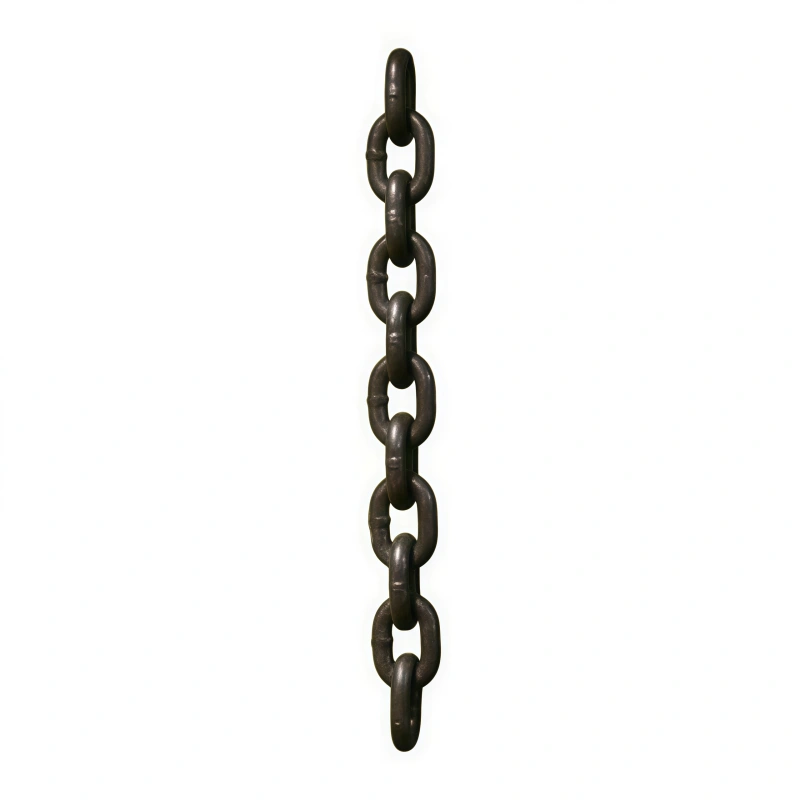
ASTM 80 Grade 100 Alloy Chain
ASTM80 Grade 100 Alloy Chain is a high-performance, heat-treated steel chain engineered for overhead lifting and heavy-duty rigging. Compliant with ASTM A906/A906M standards, it provides 25% higher working load than Grade 80, exceptional strength, durability, and reliable performance across -20°F to 400°F.
NEED HELP WITH YOUR ASTM CHAIN ORDER?
Let us help! Reach out today and get recommendations on materials and sizing from our experts.


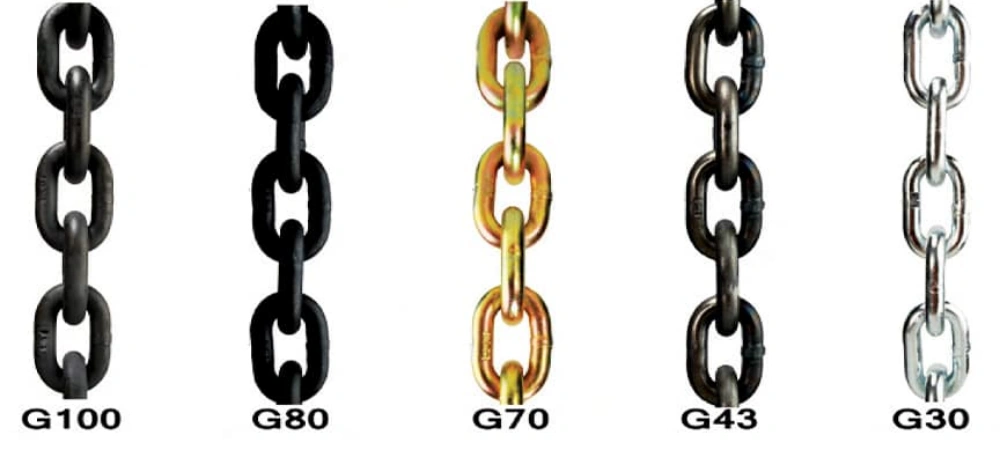
Guide to ASTM Chain
Clear overview of chain grades, uses, and safety standards for industrial lifting, rigging, towing, and cargo securement.
ASTM Chain Specifications
Understanding ASTM chain specifications helps you select the right chain for safe and efficient industrial operations. Key factors include:
- Material Type: Ensure the chain uses the correct alloy steel or low-carbon steel for your application.
- Dimensions: Verify link size, pitch, and chain diameter for precise fit and strength.
- Mechanical Properties: Check tensile strength, working load limits, and elongation to meet operational demands.
- Heat Treatment: Confirm proper heat treatment for durability and resistance to wear.
- Finish & Coating: Choose protective coatings such as galvanization or black oxide to prevent corrosion.
- Traceable Testing Certificates: Each chain includes documentation for verification and compliance.
- Consistency: Chains are manufactured with precise measurements and consistent alloy composition.
- Applications: Suitable for agriculture, construction, and industrial lifting, providing reliable performance and safety.
What is the Astm Standard?
ASTM standards set clear, global benchmarks for materials and products. When you use ASTM-certified chains, you ensure every chain meets mechanical, durability, and safety requirements. Standards such as ASTM A413 for Grade 30, ASTM A391 for Grade 80, and ASTM A906 for Grade 100 define alloy composition, heat treatment, dimensions, and minimum working loads. Choosing ASTM-certified chains reduces operational risk and delivers superior performance compared to non-certified alternatives.
What Are the Key Astm Chain Classifications?
ASTM chains classify by grade and application:
- Grade 30 Proof Coil Chains: Light-duty, general-purpose, suitable for agriculture.
- Grade 43 High Test Chains: Stronger chains for towing, load binding, and construction.
- Grade 70 Transport Chains: Heat-treated chains for cargo securement and trucking.
- Grade 80 Alloy Chains: Alloy chains for overhead lifting and industrial rigging.
- Grade 100 Alloy Chains: High-performance chains for heavy-duty lifting and demanding industrial operations.
Each grade has defined working loads, elongation limits, and recommended applications. Our chains provide certified compliance and batch traceability, ensuring safety and reliability.
How Do I Select the Right Astm Chain?
Selecting the right ASTM chain ensures safety, efficiency, and compliance for your lifting, towing, and cargo operations. Follow these key steps:
- Determine Load Type: Identify whether you are lifting, towing, securing cargo, or moving machinery.
- Check Working Weight and Frequency: Calculate the weight of loads and how often the chain will be used.
- Assess Environmental Conditions: Consider temperature extremes, moisture, chemicals, or corrosive environments.
- Choose Chain Grade: Select the appropriate ASTM grade (30, 43, 70, 80, or 100) based on strength requirements.
- Select Coating and Finish: Decide on galvanized, black oxide, or powder-coated finishes for durability and corrosion resistance.
- Verify Dimensional Accuracy: Ensure link size, pitch, and overall dimensions match your application needs.
- Ensure Traceability: Confirm batch testing and certificates for compliance with ASTM standards.
- Match Accessories: Align hooks, shackles, and connectors with the chain grade to ensure compatibility.
- Follow Safety and Compliance Guidelines: Apply proper safety factors, inspect chains before use, and adhere to regulations.
How Should I Maintain Astm Chains?
Regular maintenance of ASTM chains protects workers, extends chain life, and ensures safe, reliable performance across lifting, towing, rigging, and cargo operations. Follow these steps for all chain grades:
1. Inspect Chains Regularly
- Check for wear, elongation, cracks, corrosion, or deformation.
- Verify hooks, shackles, and connectors for damage or compatibility issues.
- Record inspection results for traceability and compliance with safety standards.
2. Clean Chains After Use
- Remove dirt, dust, saltwater, and chemical residues.
- Use mild solvents or industrial cleaners for stubborn debris.
- Ensure the chain is fully dry before storage to prevent rust.
3. Lubricate Moving Parts
- Apply industrial-grade oil to reduce friction and wear.
- Focus on pivot points and links that experience constant movement.
- Avoid excessive lubrication that attracts dust or debris.
4. Store Chains Properly
- Keep chains off the ground on racks or hooks.
- Store in a dry, ventilated area to prevent moisture accumulation.
- Avoid direct contact with corrosive chemicals or extreme heat sources.
5. Replace Worn or Damaged Chains
- Remove any chain that exceeds elongation or wear limits.
- Replace links showing cracks, deformation, or severe corrosion.
- Always follow grade-specific working load limits when replacing chains.
6. Track Usage and Load History
- Maintain records of hours of use and applied loads for each chain.
- Use logs to identify chains nearing the end of their service life.
- Plan preventative maintenance to reduce downtime and enhance safety.
7. Utilize Wear Indicators and Maintenance Guides
- Check embedded wear markers to assess link integrity.
- Follow manufacturer maintenance guides for cleaning, lubrication, and storage schedules.
- Use visual inspection techniques to detect early signs of fatigue or damage.
8. Grade-Specific Considerations
- Grade 30 & 43 Chains: Inspect more frequently for light-duty wear.
- Grade 70 Transport Chains: Monitor for fatigue and corrosion from heavy cargo applications.
- Grade 80 & 100 Alloy Chains: Ensure strict inspection before overhead lifting; replace immediately if signs of stress appear.
- Weldless Chains: Verify loop integrity and connectors per ASTM A466/A466M standards.
9. Safety Practices During Maintenance
- Always wear PPE such as gloves and safety glasses.
- Do not overload or test chains beyond working limits during maintenance checks.
- Follow OSHA and ASTM safety guidelines for industrial chain handling.
10. Benefits of Proper Chain Maintenance
- Extends chain life and reduces replacement costs.
- Prevents workplace accidents and protects personnel.
- Ensures operational efficiency and reliability in lifting, rigging, towing, and cargo handling.
- Supports compliance with ASTM and international safety standards.
Can I Customize Astm Chains for Specific Industrial Needs?
Customizing ASTM chains allows you to optimize performance, durability, and safety for your specific industrial applications. Here’s how you can tailor chains to your needs:
- Length Customization: Specify chain length to match lifting, towing, or cargo requirements.
- Grade Selection: Choose the appropriate ASTM grade (30, 43, 70, 80, or 100) based on load and safety requirements.
- Coating and Finish Options: Select galvanization, black oxide, or powder-coated finishes for corrosion resistance and long service life.
- Heat Treatment: Request specific heat treatment levels to improve tensile strength and durability.
- Tensile Strength: Adjust mechanical properties to handle specialized load requirements.
- End Fittings and Accessories: Customize hooks, shackles, or connectors to match the chain grade and application.
- Mechanical Testing and Certification: Each batch undergoes testing and is certified to meet ASTM standards.
- Operational Benefits: Customized chains reduce maintenance, enhance safety, and improve efficiency in industrial operations.
- Competitive Advantage: Tailored solutions outperform standard off-the-shelf chains in reliability, durability, and application-specific performance.
What Safety Factors Should I Consider for Astm Chains?
Understanding safety factors for ASTM chains is essential to protect personnel, equipment, and ensure compliance with industrial standards. Follow these key considerations:
- Calculate Safety Factor by Chain Grade: Grade 30 chains use a 5:1 factor; Grades 80 and 100 use a 4:1 factor for overhead lifting.
- Determine Working Load: Base safety calculations on the actual load you lift, tow, or secure.
- Consider Lifting or Towing Type: Overhead lifting, rigging, and cargo transport have different safety requirements.
- Assess Environmental Conditions: Factor in temperature extremes, moisture, and chemical exposure that may weaken chains.
- Avoid Shock Loading: Do not subject chains to sudden or dynamic loads beyond their working limit.
- Do Not Exceed Load Limits: Stay within the rated working load to prevent deformation or failure.
- Use Charts and Calculators: Reference safety charts or load calculators to confirm limits for each chain grade.
- Enhance Compliance and Safety: Properly calculated safety factors protect workers, extend chain life, and reduce equipment failures.
What Are Innovative Features We Provide in Astm Chains?
Our chains include features that improve performance and safety:
- Proprietary corrosion-resistant coatings for marine and chemical exposure
- Embedded wear indicators for easy maintenance tracking
- Optimized link geometry for strength-to-weight efficiency
- Color-coded grades for quick identification
- Factory-tested assemblies with certified load verification
These features save time, reduce maintenance costs, and differentiate your operations from competitors relying on standard chains.
How Do I Inspect Astm Chains Before Use?
Regular inspection of ASTM chains ensures safety, prevents failures, and maintains operational efficiency. Follow these key steps:
- Check for Cracks and Deformation: Examine each link for structural damage or bending.
- Measure Elongation: Ensure the chain has not stretched beyond allowable limits.
- Inspect for Rust and Wear: Identify corrosion, pitting, or worn surfaces that could weaken the chain.
- Verify Accessories: Check hooks, shackles, and connectors for compatibility and damage.
- Review Certificates: Confirm batch certificates and working load limits for compliance.
- Perform Controlled Testing: Test chains in controlled conditions if necessary to ensure reliability.
- Document Inspections: Maintain detailed inspection records for safety audits and regulatory compliance.
- Use Wear Indicators: Utilize visual indicators embedded in the chain to detect overuse.
- Leverage Traceability Tools: Scan QR codes for batch-specific data and certification details.
- Follow Detailed Guides: Adhere to manufacturer inspection guidelines to prevent failures and maintain uninterrupted operations.
Have More Questions of ASTM Chains?
Have questions about ASTM chains? Access our expert guides on grades, specifications, customization, safety, and maintenance to help your team choose and use chains safely and efficiently.