
Material Handling Equipment Manufacturer & Supplier
We manufacture material handling equipment for factories, warehouses, workshops, and job sites that need safer, faster load movement. Our lift tables, pallet jacks, cargo skates, hoisting equipment, and forklift attachments improve handling efficiency and reduce strain. Request a quote from Powerful Machinery today.
Why Choose Powerful Machinery as Your Material Handling Equipment Manufacturer?

Order material handling equipment from the source for better cost control, consistent quality, and dependable lead times.
Our equipment handles daily lifting, moving, and positioning tasks in demanding industrial environments.
Choose from lift tables, pallet jacks, cargo skates, hoisting equipmen, forklift attachments, and more.
Get clear product advice, faster quoting, and responsive service from a team that knows the equipment.
Our Material Handling Equipment Range

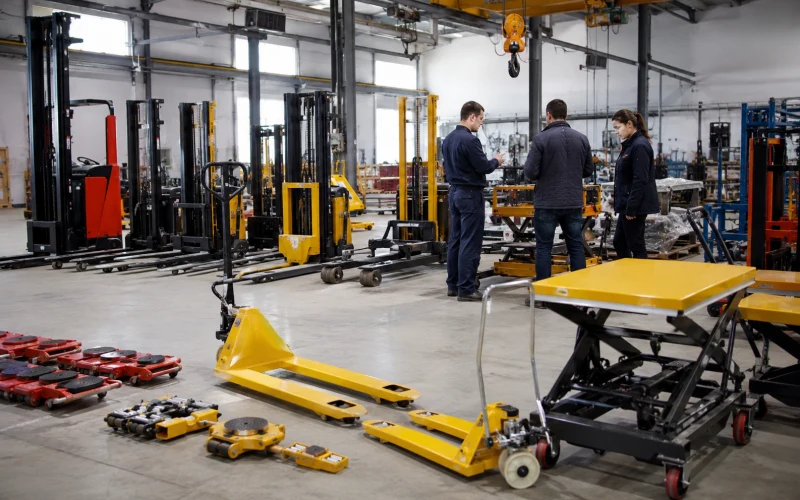
Pallet trucks move palletized loads quickly and safely across warehouses, workshops, and production areas. They offer a simple, reliable solution for daily material handling tasks.
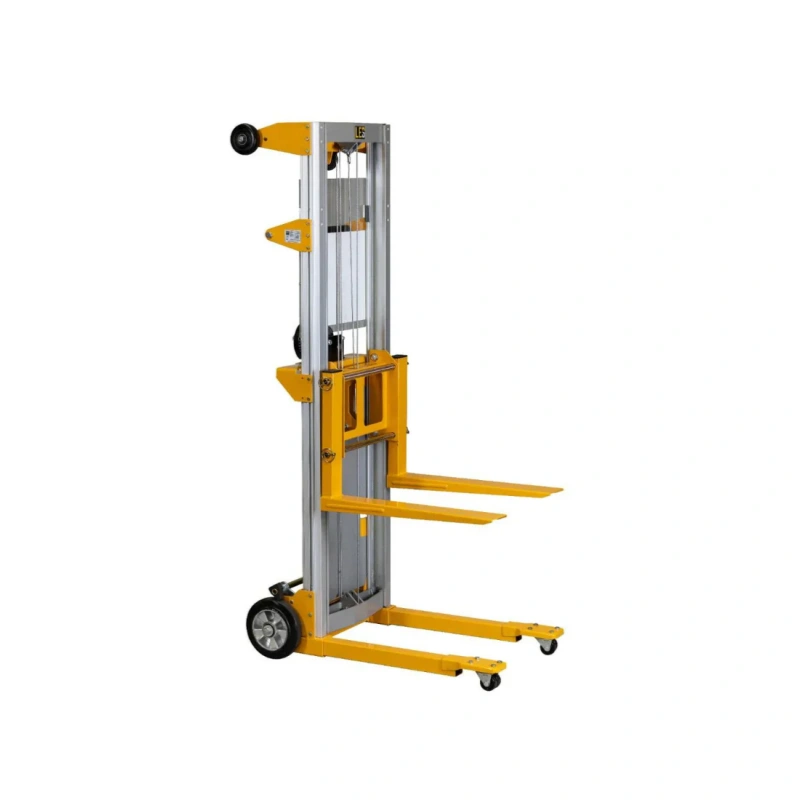
Pallet stackers lift, move, and position palletized loads with better control and less manual effort. They suit warehouses, workshops, and production areas with frequent stacking tasks.
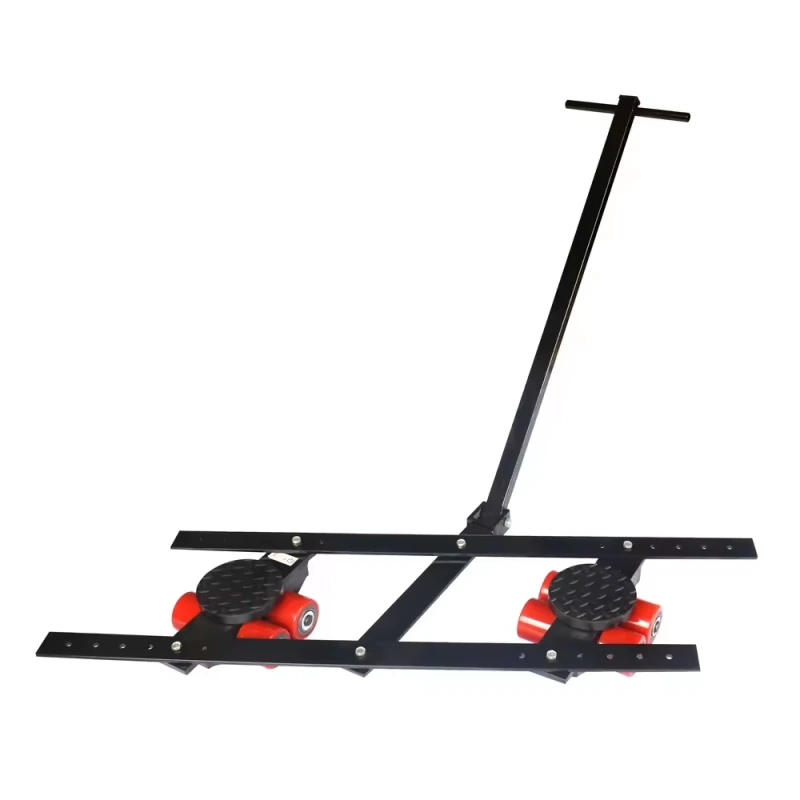
Cargo skates help move heavy machines and large loads smoothly across flat floors. They provide stable, controlled transport for workshops, factories, and equipment relocation jobs.
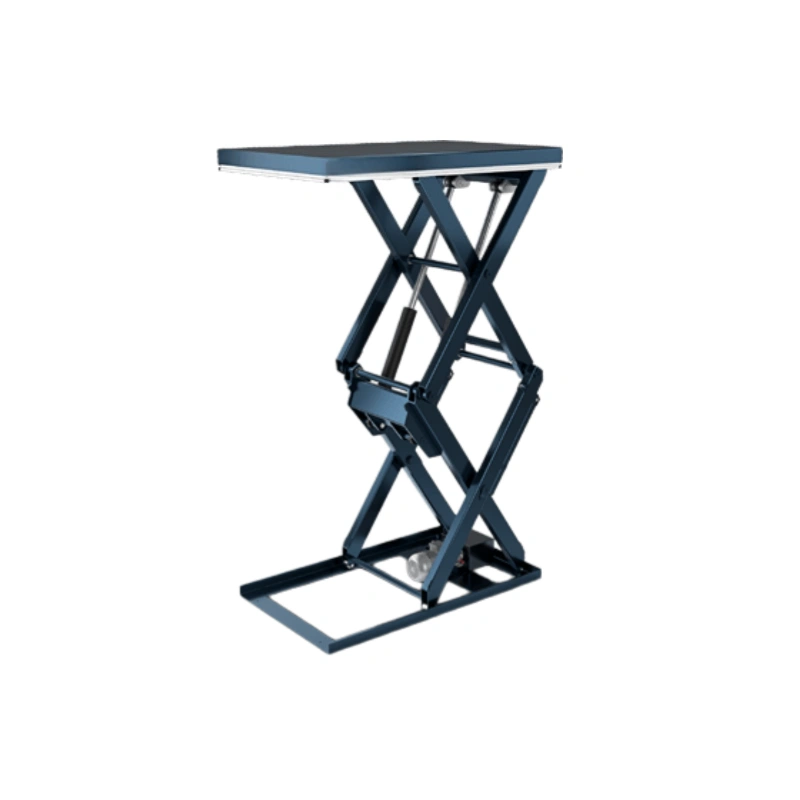
Hydraulic lift tables raise, lower, and position heavy loads at a safer working height. They improve handling efficiency in warehouses, workshops, and production areas.
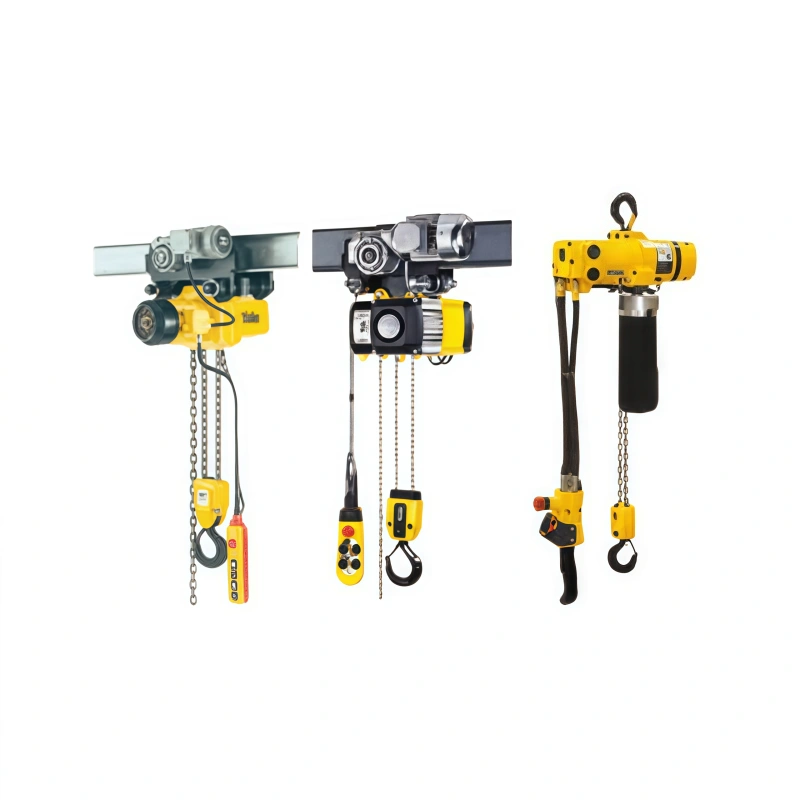
Hoisting equipment lifts, lowers, and positions heavy loads with control and safety. It supports efficient material handling in factories, warehouses, workshops, and job sites.
Explore Our Material Handling Equipment Industry Expertise
Material Handling Equipment for Warehouses
Manufacturing
Food, Beverage & Pharmaceutical
Construction & Heavy Industry
FAQ of Material Handling Equipment
This guide explains material handling equipment, common types, key uses, and how to choose the right solution for safer, more efficient lifting and load movement.
What is Material Handling Equipment?
Material handling equipment helps you move, lift, position, stack, store, and control loads in warehouses, factories, workshops, and job sites. You use it to reduce manual effort, improve workflow, protect goods, and keep operations running safely.
You may need material handling equipment to:
- Move pallets through a warehouse
- Raise parts to a better working height
- Position machines during installation
- Handle drums, tools, or heavy components
- Support faster loading and unloading
The right equipment helps you complete daily handling tasks with better speed, control, and safety.
Types of Material Handling Equipment
The main types of material handling equipment match different lifting, moving, and positioning jobs.
Common options include:
- Pallet trucks for short-distance pallet transport
- Pallet stackers for lifting and stacking loads
- Hydraulic lift tables for height adjustment and ergonomic work
- Cargo skates for moving heavy machines across smooth floors
- Hoisting equipment for vertical lifting and load positioning
- Drum handling equipment for moving and tilting drums
- Forklift attachments for special lifting and transport tasks
Each product serves a specific purpose. You get better results when you select equipment around your actual workflow, not only around load capacity.
How Do You Choose the Right Material Handling Equipment?
Choose the right material handling equipment by looking at your load, working area, handling frequency, and task requirements.
Review these details first:
- Load weight and maximum lifting demand
- Load size and shape
- Required function: move, lift, stack, tilt, or position
- Travel distance and work cycle frequency
- Floor condition and slope
- Aisle width and turning space
- Operator comfort and ease of control
We can help you compare options more accurately. When you provide load data and working conditions, you get a solution that fits the job instead of a product that only looks suitable on paper.
Use of Material Handling Equipment
The use of MHE is divided into four primary categories, each serving distinct operational needs:
1. Transport Equipment
Used to move heavy loads or bulk materials from one location to another.
Forklifts: The most common MHE, used to lift, transport, and stack palletized goods across warehouses and outdoor yards.
Pallet Jacks (Manual & Electric): Used for lighter-duty, horizontal movement of pallets in tight spaces or retail stockrooms.
Conveyor Belts: Continuous moving systems used to transport bulk materials or individual packages across long distances or assembly lines.
2. Positioning Equipment
Used to handle materials at a single location, often to orient, feed, or adjust the height of goods for workers.
Lift Tables: Used to raise or lower heavy materials to an ergonomic working height, reducing back strain for workers during assembly or packaging.
Tilters and Carousels: Machines that rotate or shift the angle of materials for easier sorting, picking, or processing.
3. Unit Load Formation Equipment
Used to restrict or secure materials so they maintain their integrity during transportation and storage.
Palletizers: Automated machines that stack boxes and items onto pallets uniformly.
Stretch Wrappers: Equipment used to secure pallet loads with plastic film to prevent damage and shifting during transit.
4. Storage Equipment
Used to house and organize materials when they are not in active transit or processing.
Racks & Shelving: Ranging from selective pallet racks to complex, high-density mezzanines that maximize vertical warehouse space.
Automated Storage and Retrieval Systems (AS/RS): Computer-controlled systems that automatically place and retrieve loads from defined storage locations, heavily used in modern, high-efficiency distribution centers.
How Should You Inspect Material Handling Equipment Before Use?
You should inspect material handling equipment before operation, especially before heavy lifting or frequent use.
Check these points:
- Frames and welds for cracks, bends, or damage
- Wheels and rollers for heavy wear or blockage
- Forks, tables, and platforms for straightness and surface damage
- Hydraulic parts for leaks or unstable lifting
- Chains, hooks, and load-bearing parts for wear or deformation
- Handles, controls, and pedals for smooth response
- Brakes and locks for secure holding
- Capacity labels for clear load limits
Stop using the equipment when you notice noise, drifting, uneven movement, poor steering, or unstable lifting. Early inspection helps you prevent larger failures and costly downtime.
How Do You Maintain Material Handling Equipment?
You maintain material handling equipment through routine cleaning, lubrication, checking, and timely part replacement. Good maintenance supports safer operation and longer service life.
Focus on:
- Removing dust, oil, metal chips, and packaging debris
- Lubricating joints, chains, bearings, and pivot points
- Tightening loose bolts, pins, and fasteners
- Checking hydraulic oil, seals, and lift performance
- Replacing worn wheels, bearings, pads, and brake parts
- Keeping load-contact areas clean and undamaged
- Storing equipment in a dry and organized area
Track repeated issues such as slow lifting, unstable steering, or unusual vibration. These signs often show you where maintenance needs attention first.
Which Industries Use Material Handling Equipment?
Many industries use material handling equipment to improve movement, storage, and load control.
Key industries include:
- Warehousing and distribution
- Manufacturing and assembly
- Machinery installation
- Automotive and metalworking
- Construction and maintenance
- Food, chemical, and packaging operations
You may operate a large logistics center or a compact workshop. Material handling equipment helps you handle loads more safely, use labor more effectively, and keep work areas organized.
Can Material Handling Equipment Be Customized?
Yes. We can customize material handling equipment when standard models do not fit your work.
Common customization options include:
- Platform size
- Fork width and length
- Lifting height
- Load capacity
- Wheel material
- Handle design
- Surface treatment
- Special attachments for unusual loads
You get a better result if you share clear project details, including load size, weight, floor condition, work frequency, and available space. Customization should solve a real handling problem and make your process easier to manage.
Why Buy Material Handling Equipment Directly From a Manufacturer?
Buying material handling equipment from a material handling equipment manufacturer gives you stronger product support, clearer communication, and better control over selection and supply.
You can expect:
- More accurate product recommendations
- Better understanding of technical requirements
- Easier customization
- More stable quality control
- Clearer lead times
- Stronger support for repeat orders and project sourcing
Powerful Machinery helps you select material handling equipment that fits real industrial work. You get practical solutions for safer movement, smoother operations, and more confident purchasing decisions.
Have More Questions of Material Handling Equipment?
Have questions about material handling equipment? Talk with Powerful Machinery for clear product advice, practical recommendations, and help choosing the right solution.