Choosing the right wire rope for your job goes beyond just strength. You need reliable information to match rope characteristics with your application, load, and environment. Safety, performance, and longevity depend on making informed decisions. Consider these statistics:
Statistic | Description |
|---|---|
Breaking Strength | Modern mine hoists use wire ropes rated for over 1,000 metric tons of breaking strength. |
Safety Standards | OSHA requires ropes rated for 5,000 pounds of tensile force in industrial fall protection. |
CAGR | Steel wire rope demand grows at 6.9% CAGR, driven by critical applications like construction. |
Applications that require careful wire rope selection include:
Hoisting for cranes
Oil industry lifting and support
Marine mooring and towing
Mining haulage and transportation
You need information you can trust. Powerful Machinery delivers certified solutions, giving you reliable information for every project.
Key Takeaways
Understand your application needs before selecting wire rope. Identify if you need it for lifting, pulling, or securing to ensure proper performance.
Always calculate the maximum expected load and consider environmental factors. This step prevents wire rope failure during operation.
Prioritize strength and safety factors when choosing wire rope. Use the recommended safety factors to protect both personnel and equipment.
Balance flexibility and durability based on your application. Choose the right construction type to match movement and load requirements.
Regularly inspect and maintain your wire rope. This practice extends its life and ensures safety in all operations.
Wire Rope Selection
Assessing Your Application Needs
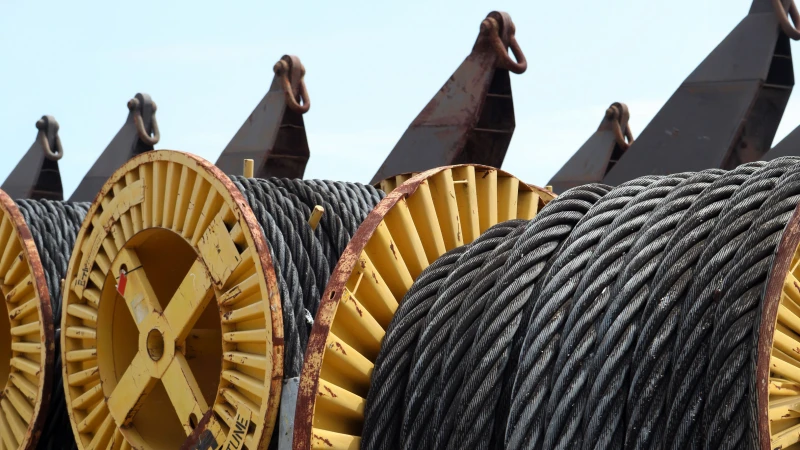
You must start wire rope selection by understanding your application. Each job requires a different approach, so you need to clarify the purpose and the expected load. Industry standards recommend a step-by-step process:
Identify the application. Decide if you need the wire rope for lifting, pulling, or securing.
Assess whether the operation involves lifting or pulling. This decision impacts the type of wire rope you choose.
Evaluate durability and flexibility. Consider how the wire rope will perform over time and under repeated use.
The following table highlights the main factors you should consider during wire rope selection:
Factor | Description |
|---|---|
Strength | Must handle the maximum expected load plus a design factor. |
Fatigue Resistance | Smaller wires improve bending performance and resist fatigue. |
Abrasion Resistance | Lang lay and large outer wires offer better resistance to abrasion. |
Crush Resistance | IWRC and large outer wires provide the best crush resistance. |
Flexibility | Fiber core, lang lay, and smaller wires enhance flexibility. |
You should always evaluate the load capacity based on the rated load and safety factors. For lifting, a safety factor of at least 8:1 is recommended. Regular inspections help you spot wear or damage early.
Determining Load and Environment
You must match the wire rope to the expected load and the service conditions. Calculate the maximum expected load for your application. This step ensures the wire rope will not fail during operation. For example, hoisting heavy materials in construction requires a wire rope with high tensile strength and a suitable safety margin.
Service conditions also affect wire rope selection. Environmental factors such as temperature, moisture, and chemical exposure can change the performance of the wire rope. Proper lubrication reduces internal friction and prevents heat damage. In marine environments, quality lubricants protect against rust and corrosion.
Stainless steel wire rope works best for outdoor or marine applications due to its corrosion resistance. Grades like 304, 305, and 316 offer different levels of durability.
You should perform regular inspections and maintenance to ensure safety and performance. This guide helps you make informed decisions for every expected load and service condition.
Key Factors in Wire Rope Selection
Strength and Design Factor
You must prioritize strength when selecting wire rope. The strength of a wire rope depends on its construction, material, and the grade of steel used. You should always calculate the minimum breaking force based on your application’s load requirements.
For example, a 26 mm Dyform 6xK36WS-IWRC rope of 1960 grade can achieve a minimum breaking force of 560 kN. The actual tensile strength of the wires can range from 1770 to 2160 N/mm², which affects the final calculation.
To ensure safety, you need to apply the correct design factor. The design factor acts as a safety margin between the working load and the breaking strength of the wire rope. International safety standards recommend different design factors for various applications. You can refer to the table below for guidance:
Application Type | Minimum Safety Factor | Examples |
|---|---|---|
General lifting and rigging | 5: 1 | Crane hoisting, cargo slings, winch lines |
Personnel-carrying systems | 7: 1 | Man-riding baskets, passenger elevators, ski lifts |
Life-safety and critical | 10: 1 | Fall arrest lanyards, theater flying rigs |
Static/architectural | 3: 1 | Balustrade infill, guardrail, tension cables |
You must select a wire rope with a design factor that matches your application. This approach ensures you meet safety requirements and protect both personnel and equipment.
Flexibility vs. Durability
You need to balance flexibility and durability when choosing wire rope. Flexibility allows the rope to bend easily, which is important for applications with frequent movement or tight pulleys. Durability ensures the rope resists wear and lasts longer under stress.
Different constructions offer unique performance traits. For example:
A 7×19 rope with a steel core provides high flexibility. You can use it for control cables or winches that require frequent bending. However, its many thin wires wear faster in abrasive conditions.
A 1×19 rope offers less flexibility but excels in resisting surface wear and maintaining alignment. You should use it for structural support, rigging, or guy wires.
If you need a balance between flexibility and service life, consider ropes with a flexible core. The 6×37 configuration provides greater flexibility than the 6×19, making it suitable for repetitive bending or high-speed operations.
Tip: Always match the rope’s flexibility to the movement and bending cycles of your equipment. This practice extends the service life and reduces maintenance needs.
Abrasion, Crush, and Fatigue Resistance
You must evaluate how the wire rope will handle abrasion, crushing, and fatigue. Abrasion occurs when the rope rubs against surfaces or itself. Ropes with larger outer wires resist abrasion better. Fatigue results from repeated bending, which can cause wires to break over time.
Ropes with more, smaller wires offer better fatigue resistance.
Crushing happens when the rope is wound in multiple layers on a drum, especially in cranes. The core type plays a major role here. Steel core wire ropes (IWRC) provide excellent resistance to crushing and deformation. You should use them for multi-layer winding.
Fiber core ropes are more flexible but have lower crush resistance, making them better for single-layer applications.
Core Type | Resistance to Crushing | Application Suitability |
|---|---|---|
Steel Core (IWRC) | Excellent | Multi-layer winding |
Fiber Core (FC) | Susceptible to crushing | Single-layer applications |
Multi-layer spooling in cranes requires ropes that can withstand crushing forces. Steel cores maintain integrity and prevent damage to the rope beneath. Always consider the operating environment and the expected mechanical stresses.
Equipment Compatibility
You must ensure the wire rope matches your equipment and the environment. Compatibility issues can lead to premature wear, safety hazards, or equipment failure. Environmental factors such as corrosion, abrasion, moisture, and chemical exposure can impact both the wire rope and the equipment.
Environmental Factor | Impact on Wire Rope and Equipment | Mitigation Strategies |
|---|---|---|
Corrosive Environments | Accelerates degradation of metal components, affecting strength | Use stainless steel or corrosion-resistant materials; inspect regularly |
Abrasive Environments | Causes excessive wear and damage to wire ropes and slings | Use protective coverings; inspect and replace worn components |
Moisture and Humidity | Increases corrosion risk and degrades synthetic materials | Store and dry properly; use rust-resistant coatings |
Chemical Exposure | Can react with rigging materials, compromising their strength | Evaluate compatibility; use protective measures or alternatives |
You should always check the manufacturer’s recommendations for drum diameter, sheave size, and groove shape. Proper matching prevents excessive wear and ensures smooth operation. Regular inspections and maintenance help you identify and address compatibility issues early.
Material and Construction Guide
Comparing Steel Wire Rope Materials
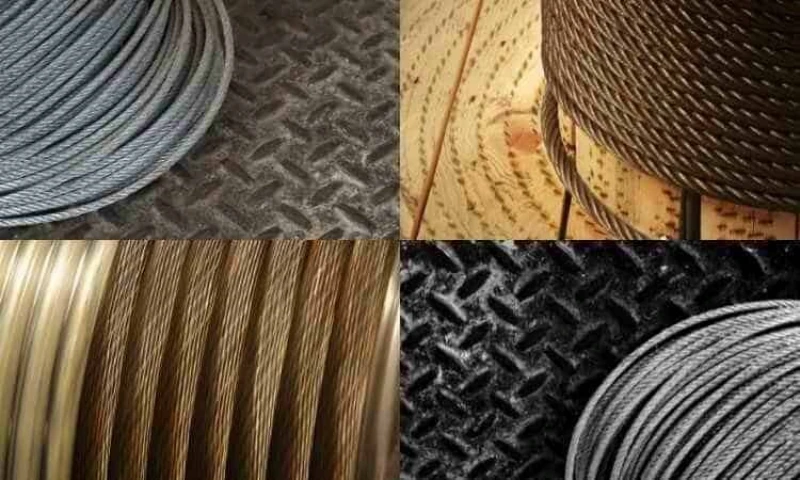
You need to choose the right material for your wire rope to ensure long-term performance and safety. Stainless steel wire rope offers superior corrosion resistance, making it the best choice for marine, coastal, and chemical environments.
Galvanized steel wire rope provides cost-effective durability for construction sites and indoor industrial use. IWRC steel wire rope stands out for high crush resistance, which is essential in mining and heavy-duty lifting.
Feature | Galvanized Steel Wire Rope | Stainless Steel Wire Rope |
|---|---|---|
Corrosion Resistance | Adequate for less aggressive environments | Superior, withstands saltwater and chemicals |
Maintenance | Requires more upkeep to protect zinc coating | Low maintenance due to high corrosion resistance |
Environmental Fit | Outdoor and industrial with limited moisture | Marine, coastal, and chemical settings |
You should select the material that matches your environment and maintenance expectations. Powerful Machinery ensures every wire rope meets strict quality standards for strength and reliability.
Construction Types: 1×19, 7×7, 7×19, and More
Wire rope construction affects flexibility, strength, and application suitability. The 1×19 construction gives you a stiff cable with minimal flex, perfect for guy wires and straight-line support. The 7×7 construction offers high flexibility, making it suitable for guardrails and marine rigging.
The 7×19 construction provides the most flexibility, ideal for running loads, gym equipment, and general engineering.
Wire Rope Construction | Characteristics | Typical Uses |
|---|---|---|
1×19 | Stiff, minimal flex | Guy wires, architectural supports |
7×7 | High flexibility, more strands | Guardrails, marine rigging |
7×19 | Most flexible, lower breaking load | Garage doors, gymnasiums, winches |
You should match the construction type to your application’s movement and load requirements. Flexible wire rope works best for systems with frequent bending.
Choosing the Right Steel Wire Rope
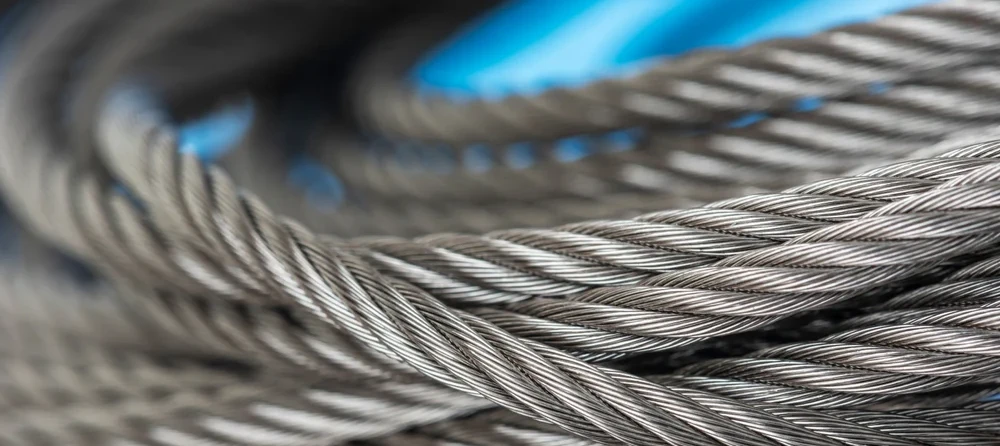
Powerful Machinery offers a wide range of wire rope configurations to fit your needs. The 35W×7 configuration provides high flexibility for intricate lifting operations. The 18×19 construction balances strength and flexibility, making it versatile for many uses.
The 8×55SWS delivers heavy-duty performance and maximum stability, perfect for demanding environments.
Configuration | High-Load Suitability | High-Flexibility Suitability | Typical Application |
|---|---|---|---|
35W×7 | Yes | Moderate | Complex lifting, cranes |
18×19 | Moderate | Yes | Hoisting, elevators, general industry |
8×55SWS | Yes | Yes | Overhead cranes, mining, heavy lifting |
You can rely on Powerful Machinery for wire rope that meets international quality standards. Each product undergoes rigorous testing to ensure safety and durability. Choose the configuration that matches your project’s demands for strength, flexibility, and long-term value.
Wire Rope Buyers Guide: Product Matching
Application-Based Selection Table
You need clear information to match wire rope types to your specific job. This buyers’ guide helps you select the right wire rope for each lifting application or pulling application. Use the following selection guide to compare key features and best uses:
Wire Rope Type | Key Features | Best Applications |
|---|---|---|
Stainless Steel Wire Rope | High corrosion resistance, durability | Marine settings, high humidity areas |
Galvanized Wire Rope | Rust protection, suitable for outdoor use | Outdoor construction sites |
Flexibility, endurance, controlled environments | Mining operations, indoor applications |
You can rely on Powerful Machinery for certified wire rope solutions. The product range covers everything from drilling rig lines to suspension bridges. Each wire rope supports heavy equipment, anchors offshore platforms, or provides structural stability. The table below shows how wire ropes fit different industry needs:
Application Scenario | Wire Rope Role | Key Feature |
|---|---|---|
Drilling Rig Lines | Support heavy equipment | High strength |
Offshore Platforms | Anchoring, lifting, towing | Corrosion resistance |
Suspension Bridges | Structural support | Stability and strength |
Tower Cranes | General lifting application | Load-bearing strength |
Logging Operations | Skidding and yarding | Durability |
Tip: Always use this guide to check the wire rope’s features against your application. You get reliable information for every project.
Selecting Accessories and Cutters
You must choose the right accessories and cutters to complete your wire rope setup. Powerful Machinery offers a full range of certified lifting and rigging solutions. Select wire rope fittings, hooks, shackles, and master links that match your wire rope’s diameter and construction.
For a pulling application, use heavy-duty thimbles and swage sleeves to ensure secure connections.
Wire rope cutters play a vital role in preparing your rope for installation. Choose cutters designed for steel wire rope to achieve clean cuts and prevent fraying. You get better performance and longer service life when you use the correct tools and accessories.
Note: Consult the buyer’s guide for information on compatible accessories. This selection guide ensures you match every component to your lifting application or pulling application.
Safety and Compliance
Industry Standards and Certifications
You need to trust that your wire rope meets the highest safety standards. Powerful Machinery ensures every product complies with strict international requirements. The company holds certifications such as ISO9001, ISO14001, TUV Rheinland, and more.
These certifications guarantee that you receive reliable information and products for critical lifting operations.
Key standards for wire rope and accessories include:
ISO 4308-1:2003 for selecting wire ropes to prevent early failure
ISO 8539:2009 for hooks, shackles, and lifting accessories
ISO 4308-2:1988 for utilization coefficients in mobile cranes
SANS 2408 for minimum strength and durability
SANS 3189 series for socket specifications
Powerful Machinery uses destructive and proof load testing to verify compliance. You receive mill certificates with each order, providing detailed information about manufacturing and testing. The company follows ISO 2408, ASTM A1023/A1023M, and EN 12385 to ensure global product safety.
Compliance Aspect | Details |
|---|---|
Testing Methods | Destructive and proof load testing for certification |
Mill Certificates | Include manufacturer details and test results |
International Standards | ISO 2408, ASTM A1023/A1023M, EN 12385 |
Record Keeping | Detailed inspection and certification records maintained |
Load Limits and Inspection
You must always know the maximum load your wire rope can handle. Safe Working Load (SWL) is the highest load you can safely apply. Calculate SWL by dividing the rope’s breaking strength by a safety factor. For example, general lifting uses a 5:1 safety factor, while critical lifting requires 7:1 or higher.
Application Type | Recommended Safety Factor |
|---|---|
General Lifting | 5:1 |
Critical Lifting | 7:1 or higher |
Rigging | 4:1 |
Several factors affect wire rope strength, including speed, attachments, wind, rope length, and shock loading. Always check for up-to-date information on these variables before each use.
Tip: Perform daily visual checks and schedule thorough inspections at least once a year. Document every inspection for compliance and future reference.
Maintenance and Replacement
You extend the life of your wire rope with proper maintenance. Regular inspection, cleaning, and lubrication prevent wear and corrosion. Always handle and store wire rope safely to avoid damage.
Maintenance Tip | Description |
|---|---|
Inspection | Check for wire breaks and measure groove diameters |
Cleaning | Remove contaminants to reduce wear |
Lubrication | Use the right lubricant to protect against corrosion |
Safe Handling | Avoid overloading and store properly |
Replace your wire rope immediately if you see heat damage, permanent deformation, pitting corrosion, or if the diameter reduces by one-third. The material, load conditions, environment, and maintenance quality all affect replacement intervals. Keep accurate records of every inspection and replacement.
This information helps you meet OSHA and ASME standards and ensures ongoing safety.
Expert Guidance and Support
When to Consult Specialists?
You may face situations where standard wire rope solutions do not fit your project. Complex lifting operations, extreme environments, or unique equipment often require expert input. You should consult a specialist if you encounter any of the following:
Unusual load shapes or weights
High-risk environments, such as offshore or chemical plants
Custom rigging setups or non-standard equipment
Unclear compliance requirements for international standards
A wire rope specialist can help you analyze your application, recommend the right product, and ensure you meet all safety regulations. You gain peace of mind knowing your selection will perform reliably under demanding conditions.
Tip: Early consultation with an expert can prevent costly mistakes and reduce downtime. You protect your team and equipment by making informed choices from the start.
Powerful Machinery’s Custom Solutions
Powerful Machinery stands out by offering tailored solutions for challenging wire rope applications. You benefit from their expertise and commitment to quality. Their team works closely with you to understand your project’s unique demands and deliver products that exceed expectations.
You can take advantage of the following custom services:
Customization services for unique project requirements
Adaptation of high-performance steel wire ropes for specific uses
Engineering support for complex lifting and rigging challenges
Selection of materials and configurations to match harsh environments
You receive more than just a product. Powerful Machinery provides ongoing support, from initial consultation to final delivery. Their specialists guide you through every step, ensuring your wire rope solution meets both technical and safety standards.
Note: Powerful Machinery’s custom solutions help you tackle even the most demanding projects with confidence. You can trust their certified products and expert support for every application.
Conclusion
You can select the right wire rope by following a clear process. Start with your application, then match rope features to your needs. The table below highlights how each step supports safety and performance:
Key Consideration | Contribution to Safety and Performance |
|---|---|
Matching rope to crane application | Reduces risk of failure |
Fatigue resistance | Prevents premature wear |
Environmental conditions | Ensures durability in specific settings |
Load behavior and duty cycle | Supports reliable operation |
Rope construction type | Enhances safety during lifting |
You improve outcomes when you consult certified experts for complex projects. Powerful Machinery’s team stands ready to help you make informed, confident choices.
FAQ
What is the main advantage of using a non-rotating steel wire rope?
You gain better safety and stability. Non-rotating wire rope resists twisting under load. This feature helps prevent kinking and extends the rope’s service life in lifting and hoisting applications.
How do you determine the correct wire rope size for your equipment?
You should check your equipment’s manual for recommended rope diameter and construction. Always match the rope to the drum and sheave sizes. Proper sizing ensures smooth operation and reduces wear.
Can you use galvanized wire rope in marine environments?
You can use galvanized wire rope outdoors, but stainless steel performs better in marine settings. Stainless steel resists corrosion from saltwater, which helps maintain strength and safety over time.
How often should you inspect your wire rope?
You should perform a visual inspection before each use. Schedule thorough inspections at least once a year. Look for broken wires, corrosion, or deformation. Early detection helps prevent accidents.
Does Powerful Machinery offer custom wire rope solutions?
Yes, you can request custom-engineered wire rope solutions from Powerful Machinery. Their team will help you select materials, construction, and fittings tailored to your project’s unique requirements.