You rely on lifting equipment in construction to move heavy materials safely and efficiently. These machines help protect workers on site, as nearly 25% of construction injuries come from improper use of lifting gear, according to OSHA.
Certified equipment not only passes strict safety tests but also streamlines your workflow. Efficient lifting solutions save time and costs, letting you focus on critical tasks and boosting project productivity.
When you choose high-quality, certified products from trusted providers like Powerful Machinery, you help ensure safety and consistent performance on every job.
Key Takeaways
Understand the different types of lifting equipment, such as cranes, hoists, and forklifts, to choose the right tool for your construction project.
Prioritize safety by using certified lifting equipment and following strict inspection protocols to reduce accidents and injuries on site.
Evaluate your project needs, including load capacity and terrain, to select the most efficient lifting machinery for your tasks.
Choose a reliable supplier like Powerful Machinery for high-quality equipment and support, ensuring your machinery stays in top condition.
Always plan your lifting operations carefully, documenting procedures and training your team to enhance safety and efficiency.
Main Types of Lifting Equipment in Construction
You see many types of lifting equipment in construction sites around the world. Each type has a special role. These machines help you move heavy materials, reach high places, and keep your team safe.
The main types of lifting equipment include cranes, hoists, winches, forklifts, telehandlers, stackers, lifts, platforms, and specialized machines. You need to know how each one works to choose the right tool for your project.
Cranes (Tower, Mobile, Telescopic, Overhead)
Cranes are some of the most common types of lifting equipment in construction. You use them to lift and move heavy loads across large distances. Cranes come in different forms, each with unique strengths.
Tower cranes help you build tall structures. They can lift loads from 20 to 100 tons. You often see them on multi-story construction projects.
Mobile cranes give you flexibility. You can move them around the site. They handle loads from 10 to 60 tons and work well for jobs that change locations.
Telescopic cranes are perfect for short-term projects and rescue jobs. Their boom can extend and retract, making them useful when you need to change the lifting radius or angle.
Overhead cranes are common in warehouses and factories. They move heavy items across large indoor spaces.
Tip: Modern crane designs include smart sensors, load moment indicators, and anti-tip systems. These features help you avoid accidents and keep your team safe.
Crane Type | Load Capacity (tons) | Typical Applications |
|---|---|---|
Tower Cranes | 20 – 100 | Multi-story construction |
Mobile Cranes | 10 – 60 | Flexible job sites |
Telescopic Cranes | Varies | Short-term, rescue, changing radius |
Overhead Cranes | Varies | Warehouses, industrial environments |
Powerful Machinery offers accessories like I Beam Hoist Clamps that work with overhead cranes. These clamps help you secure loads safely and efficiently.
Hoists and Winches (Wire Rope, Chain, Builders Gantry, Scaffold)
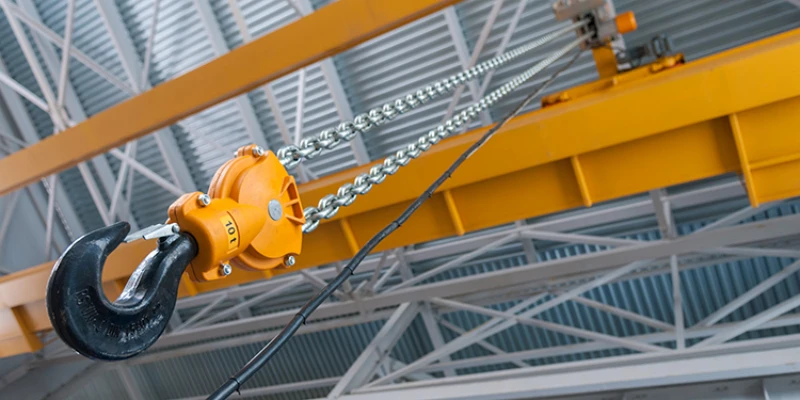
Hoists and winches are essential lifting equipment in construction. You use hoists to raise and lower loads. Winches help you pull or position heavy items.
Wire rope hoists handle loads from 1 ton to over 30 tons. They give you precise control and work well for high lifts.
Chain hoists are compact and easy to use. They lift lighter loads, usually from 1/8 to 5 tons. You can mount them on cranes or gantries.
Builders’ gantry hoists and scaffold hoists help you move materials up and down buildings during construction.
Hoist Type | Lifting Capacity | Operational Mechanism | Ideal Applications |
|---|---|---|---|
Wire Rope Hoists | 1 ton to 30+ tons | High lifts, precise positioning | Heavy-duty, clean rooms |
1/8 to 5 tons | Compact, easy operation | Assembly lines, lighter payloads |
Winches make your job easier by lifting materials vertically and pulling heavy items across rough ground. They reduce manual labor and speed up your project.
Powerful Machinery supplies wire rope pulling hoists, chain pulley blocks, and hand chain hoists. These products are built for durability and safety, making them a smart choice for your lifting needs.
Forklifts, Telehandlers, and Stackers

Forklifts, telehandlers, and stackers are important for moving loads around your construction site.
Forklifts have a tight turning radius. You use them indoors to stack materials quickly and safely. They are cost-effective for many jobs.
Telehandlers reach higher than forklifts. They can lift loads up to 60 feet and work well outdoors on rough terrain. You can add attachments for different tasks.
Stackers help you lift and stack pallets in warehouses or storage areas.
Equipment Type | Advantages | Limitations |
|---|---|---|
Forklifts | Tight turning, fast stacking, good visibility | Limited outdoors, less versatile |
Telehandlers | Long reach, off-road, versatile attachments | Higher cost, needs training, tip-over risk |
Telehandlers give you more reach and flexibility. You can use them for hard-to-reach places. Forklifts are better for indoor jobs. Stackers are best for lighter loads and smaller spaces.
Lifts and Platforms (Scissor, Boom, Cherry Picker, Hydraulic Elevator)
Lifts and platforms help you and your team work safely at height. These types of lifting equipment improve productivity and reduce risks.
Scissor lifts move straight up and down. You use them for tasks like ceiling installation or HVAC maintenance.
Boom lifts and cherry pickers reach out and up. They are perfect for jobs that need flexible access, such as painting or repairs.
Hydraulic elevators move materials between floors on construction sites.
Lift Type | Typical Uses | Safety Considerations |
|---|---|---|
Scissor Lifts | Vertical access, warehouses, maintenance | Level ground, weight limits, clear platform |
Boom Lifts | Flexible aerial access, high-reach tasks | Outrigger use, monitor angle, ground staff communication |
Cherry Pickers | Same as boom lifts | Same as boom lifts |
Aerial lifts require guardrails and harness points. You must train operators and inspect equipment often. These steps keep your team safe and your project on track.
Powerful Machinery provides lifting tables and platforms that meet strict safety standards. You can trust these products for reliable performance.
Specialized Equipment (Strand Jacks, Compactors, Excavators, Graders)
Some construction projects need specialized lifting equipment. These machines handle unique tasks.
Strand jacks and hydraulic jacks lift bridge segments and align girders. They give you precise control for heavy lifts.
Soil compactors stabilize the ground. They create a firm base for heavy loads and large structures.
Excavators and graders move earth and prepare the site for building.
Equipment Type | Function |
|---|---|
Soil Compactors | Stabilize the ground for heavy loads |
Hydraulic Jacks | Lift and align large structures |
You can combine these machines with other lifting equipment to handle complex construction challenges.
Note: Always match the lifting equipment to your project’s needs. This ensures safety and efficiency on your site.
By understanding the main types of lifting equipment in construction, you can select the right tools for every job. Powerful Machinery offers certified, high-quality products to support your lifting operations, from cranes and hoists to specialized clamps and platforms.
Rigging Equipment, Accessories, and Brand Solutions
Rigging Hardware (Chains, Slings, Shackles, Hooks, Master Links)
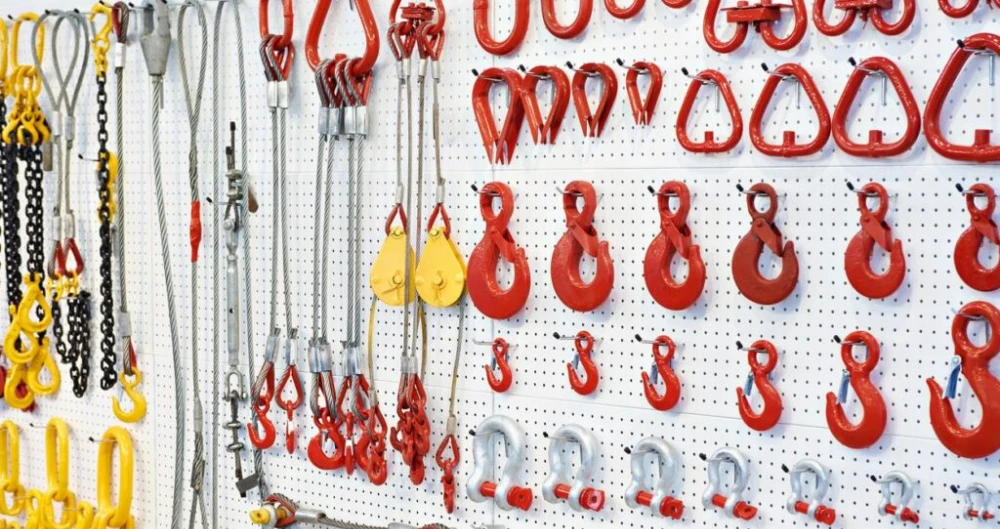
You depend on rigging hardware every time you lift a load on a construction site. Certified chains, slings, shackles, hooks, and master links keep your team safe and your project on track.
You need to use hardware that meets strict standards. Qualified riggers must have proper training, pass written and practical exams, and hold recognized certifications. They also need hands-on experience and must follow safe rigging practices.
Tip: Always inspect your rigging hardware before each use. Look for signs of wear, damage, or deformation.
When you use certified rigging hardware, you see fewer accidents and more efficient lifts. For example, companies that use certified slings and hooks report up to 80% fewer near-misses and spend 25% less time on pre-lift inspections.
Certified components also last longer and help you pass safety audits without violations.
Powerful Machinery supplies high-tensile Grade 80 and G100 lifting chains, hooks, shackles, and master links. These products meet or exceed international standards like ISO9001 and TUV Rheinland. You can trust their reliability on any job.
Lifting Accessories (Tipping Buckets, Lifting Bags, Forklift Attachments)
Lifting accessories make your work easier and safer. You use hooks for direct lifting, slings for securing loads, and clamps for handling pipes or concrete blocks. Forklift attachments and tipping buckets add versatility to your equipment.
With a bucket attachment, your forklift can move gravel, sand, or other materials without extra machines. This saves time and reduces labor costs.
Benefit | Description |
|---|---|
Increased Versatility | Forklifts with bucket attachments perform many tasks, not just lifting pallets. |
Improved Efficiency | You finish jobs faster and need fewer workers. |
Applications | Move and distribute materials like gravel and sand on site. |
Powerful Machinery offers a wide range of lifting accessories, including custom solutions for unique project needs.
Height Safety Equipment (Harnesses, Lanyards, Fall Arrestors)
You must protect yourself and your team when working at height. Harnesses, lanyards, and fall arrestors are essential for fall protection. These products must meet standards like ANSI/ASSP Z359 and OSHA regulations.
Proper training and equipment reduce fall-related injuries, which are the leading cause of death in construction.
Standard | Description |
|---|---|
ANSI/ASSP Z359.11-2021 | Sets safety requirements for full-body harnesses. |
OSHA Title 29 | Details rules for personal fall protection systems and rescue plans. |
Powerful Machinery provides certified height safety equipment that helps you meet all safety requirements. You can rely on their products to keep your team safe and your project compliant.
Safety in Lifting Equipment Operations
You must make safety your top priority when working with lifting equipment. Following safety protocols helps you prevent accidents and protect your team. Powerful Machinery supports your commitment to safety by providing products that meet international safety standards and industry guidelines.
Planning and Rigging Procedures
You need a clear plan before starting any lifting operation. Pre-lift planning includes checking the site for hazards, calculating the load, and choosing the right rigging gear. Always document your lifting plan, especially for complex lifts. Use equipment with enough strength for the job.
Never work under suspended loads. Make sure your team communicates well and uses taglines or exclusion zones to control risks.
OSHA guidelines require a competent person to oversee lift planning and execution. Consistent training and certification for riggers keep your operations safe and efficient.
Inspection and Maintenance
Regular inspection and maintenance keep your lifting equipment reliable. You should inspect rigging hardware at least once a year. If you work in harsh conditions, check your equipment every month or quarter.
Look for frayed cables, damaged guards, or worn brakes. Use daily checklists and keep detailed logs. Replace any damaged parts right away.
Maintenance Issue | Description | Prevention Tips |
|---|---|---|
Failure to Inspect Heavy Equipment | Missed issues like frayed cables or damaged outriggers | Use daily checklists, train operators, and keep records |
Lack of Machine Guarding | Injuries from moving parts | Inspect guards, replace damaged ones immediately |
Poorly Maintained Brakes/Hydraulics | Unpredictable equipment behavior | Schedule preventive maintenance, replace worn parts |
Site Preparation and Training
You must prepare your site and train your team before any lift. Remove obstacles and mark exclusion zones. Only certified operators and riggers should handle lifting equipment. Employers must provide both classroom and hands-on training.
Operators need to know how to use the machinery, understand rigging components, and follow safety practices. Certification and ongoing monitoring are required by OSHA and ANSI.
Enroll in a rigging training program.
Pass written and practical exams.
Employers must verify operator competence.
Regulatory Compliance
You must follow all regulations to ensure safety and efficiency. Major construction markets require you to meet standards like LOLER, PUWER, and the Health and Safety at Work Act. These rules cover equipment inspections, maintenance, and operator training.
The ASME B30 safety standard sets best practices for design, installation, and operation. Powerful Machinery’s products comply with these safety standards, giving you confidence on every job.
Regulation | Key Requirements |
|---|---|
LOLER 1998 | Examinations every 6 or 12 months, risk assessments, and clear Safe Working Load labels |
PUWER 1998 | Equipment suitability, regular maintenance, and operator training |
ASME B30 | Covers design, installation, operation, inspection, and maintenance |
By following these safety protocols, you protect your team and keep your project running smoothly. Choose certified equipment from Powerful Machinery to meet all safety and efficiency needs.
How to Choose the Right Type of Lifting Equipment?
Selecting the best lifting machinery for your project can improve safety and efficiency. You need to match the equipment to your job’s unique requirements. Here’s how you can choose the right type of lifting equipment for your next construction project.
Assessing Project Needs (Load, Height, Terrain)
Start by understanding what your project demands. You must know the weight of your heaviest load and how high you need to lift it. This prevents safety hazards and keeps your work on schedule. Consider these important factors:
Load capacity: Check the maximum weight each piece of machinery can handle.
Height requirements: Measure the highest point you need to reach.
Terrain conditions: Look at the ground surface. Rough or uneven terrain may require special machinery.
Job site accessibility: Tight spaces or urban sites might need compact equipment.
Safety: Make sure your plan follows all safety standards.
You should also think about the shape and size of your loads. Environmental factors like wind or snow can affect lifting operations. If your project involves frequent lifts, choose machinery that can handle repeated cycles without downtime.
Evaluating Features and Limitations
Every type of lifting machinery has strengths and weaknesses. For example, electric scissor lifts work well indoors but need smooth floors. Rough terrain lifts are better for outdoor sites.
Mobile cranes offer flexibility for many projects, while tower cranes are best for high-rise construction. Forklifts help move materials quickly, but you need the right type for your environment.
Tip: Review the features of each machine and compare them to your project’s needs. This helps you avoid costly mistakes.
Equipment Type | Best Use Case | Limitation |
|---|---|---|
Electric Scissor Lift | Indoor, quiet, clean surfaces | Not for rough terrain |
Mobile Crane | Versatile, many terrains | Needs a skilled operator |
Tower Crane | High-rise, heavy loads | Fixed location |
Forklift | Material transport | Limited by surface type |
Supplier Reputation and After-Sales Support
You want a supplier who stands behind their machinery. Look for a company with years of industry experience and positive customer reviews. Reliable suppliers like Powerful Machinery offer technical support, training, and fast access to spare parts.
Ask about warranty coverage and how quickly you can get replacement parts or service.
Check if the supplier provides installation and maintenance.
Ask about training for your team.
Make sure they offer support by phone or email.
Confirm that spare parts are always available.
Choosing a trusted supplier ensures your machinery stays in top condition throughout your project. Powerful Machinery delivers certified products, expert support, and custom solutions for every construction need.
Conclusion
You improve safety and efficiency when you match lifting equipment and accessories to your project’s needs. Understanding the different types of lifting equipment, their advantages, and safety protocols helps you make smart choices on site.
For reliable results, always consult certified suppliers like Powerful Machinery. You get high-quality, tested solutions that keep your team safe and your project on track.
FAQ
What is the most important factor when choosing lifting equipment in construction?
You should always check the load capacity first. Make sure the equipment can safely handle the heaviest item you need to lift. This helps prevent accidents and keeps your team safe.
How often should you inspect lifting equipment on a construction site?
You need to inspect lifting equipment before each use. Schedule a full inspection at least once a year. If you work in harsh conditions, check your equipment more often.
Why should you use certified lifting equipment and accessories?
Certified equipment meets strict safety standards. You reduce the risk of accidents and pass safety audits more easily. Powerful Machinery provides products that meet or exceed international certifications.
Can you use the same lifting equipment for indoor and outdoor projects?
Some equipment works for both, but you must check the manufacturer’s guidelines. For example, chain pulley blocks from Powerful Machinery have corrosion-resistant coatings, making them suitable for outdoor use.
Where can you find reliable support for lifting equipment maintenance?
You can contact Powerful Machinery for technical support, spare parts, and maintenance advice. Their team helps you keep your equipment in top condition throughout your project.