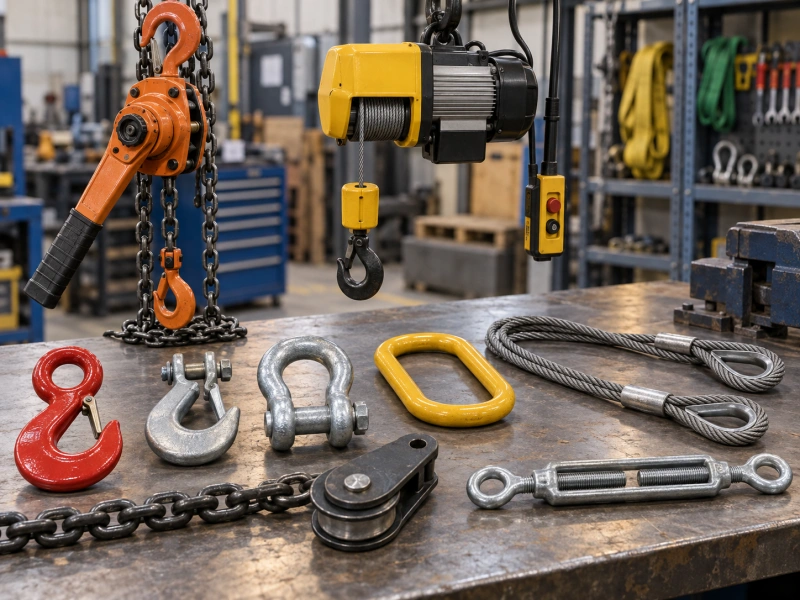
Rigging equipment connects, supports, and controls a load, while lifting equipment provides or controls the force and motion used to move it. A sling, hook, and shackle can form part of the rigging arrangement; a crane, hoist, or winch raises, lowers, or pulls the load. The two groups perform different functions, but they must work together as one compatible system.
The distinction matters because an adequately rated hoist does not make an unsuitable rigging arrangement acceptable, and correctly rated rigging cannot compensate for a lifting device used outside its specified limits. Evaluate the complete load path from the lifting device through every connector and sling to the load itself.
What Is the Difference Between Rigging and Lifting Equipment?
The simplest difference is function. Rigging establishes the connection to the load and defines how load forces are transferred through that connection. Lifting equipment generates, applies, or controls the force and motion used to raise, lower, pull, or position the load.
| Comparison Point | Rigging Equipment | Lifting Equipment |
| Primary function | Connects, supports, secures, or controls the load. | Provides or controls the force and motion that move the load. |
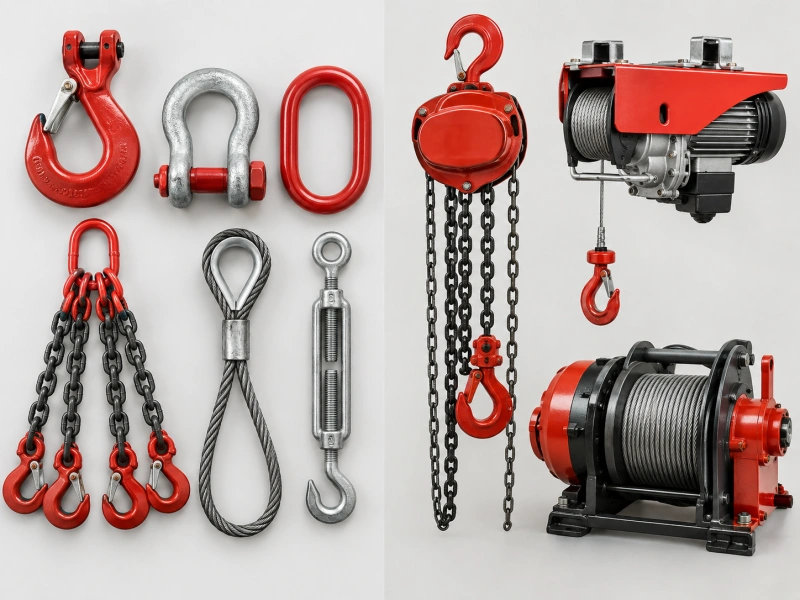
| Typical examples | Slings, chains, wire ropes, hooks, shackles, master links, and lifting points. | Cranes, chain hoists, lever hoists, electric hoists, and winches. |
| Key selection questions | How will the load be attached, supported, and balanced? | How much capacity, travel, and control does the operation require? |
| Important limits | WLL, configuration, sling angle, connection fit, loading direction, and environment. | Rated capacity, duty, travel, operating direction, power source, and support/suspension arrangement. |
| Role in the load path | Forms the connection between the load and the lifting device. | Acts on the rigging arrangement to move, position, or hold the load. |
In everyday industrial terminology, some terms overlap. A block may redirect a rope in a rigging system or form part of a lifting mechanism. A hoist contains load chain, wire rope, and hooks, but the complete hoist is still lifting equipment. Classify each item by its function in the specific operation, then apply the instructions and standards that govern that product.
Rigging Equipment Defined
Rigging equipment includes the load-bearing components and accessories used to connect a load to a crane, hoist, winch, or other load-handling device. For a broader explanation of the component groups, see what rigging equipment includes.
Common rigging equipment includes:
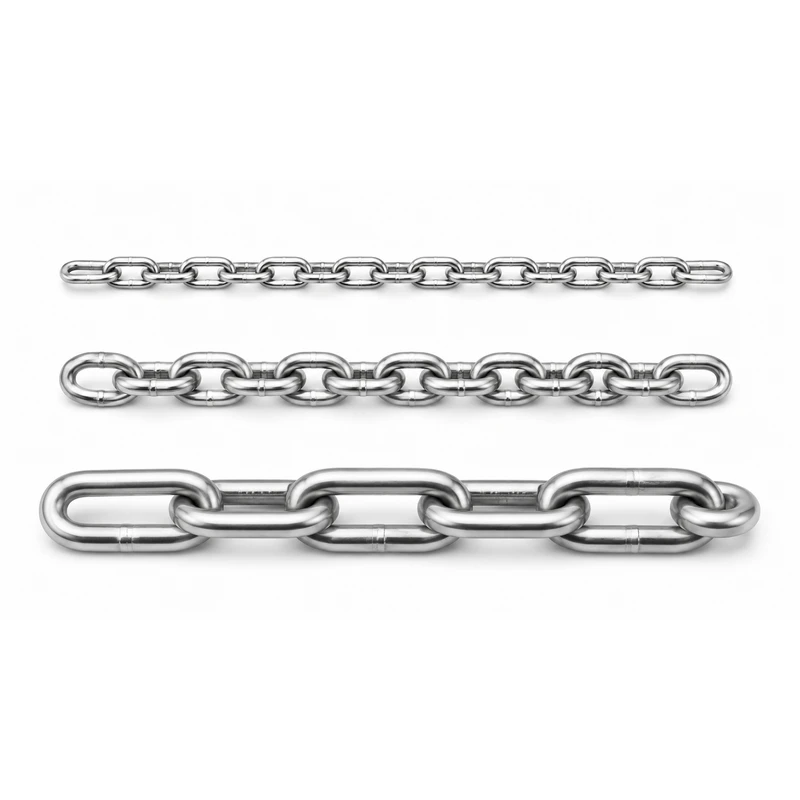
- Slings. Chain slings and other sling types support the load in a specified hitch or leg configuration.
- Wire rope. Steel wire rope may be used in slings or as an operating rope when its construction and termination match the application.
- Hooks. Lifting hooks connect compatible rigging components or lifting points and must be loaded as their design permits.
- Shackles. Shackles provide removable connections between slings, lifting points, and other components.
- Master links and connecting links. These join compatible chain and fittings into an assembly.
- Lifting points. Eye bolts, hoist rings, and other engineered attachment points transfer load into the lifted object.
- Blocks. Pulley blocks redirect a line or form part of a tackle arrangement when selected for the line and loading conditions.
Rigging equipment is not limited to loose hardware. A complete rigging arrangement includes the sling configuration, connection geometry, and loading direction. The working load limit (WLL) of an individual component applies only under the conditions established for that component.
Lifting Equipment Defined
Lifting equipment includes machines and devices used to raise, lower, pull, suspend, or position a load. Depending on the operation, the lifting device may be manually operated, powered, or incorporated into a crane system.
Typical examples include:
- Manual hoists. Manual hoists use a hand chain or a lever mechanism to operate the load chain.
- Electric hoists. Electric hoists use a powered motor and control system to raise and lower the load.
- Cranes. The crane supports and moves the hoist or load through a defined operating envelope.
- Winches and pulling devices. These apply line pull in a specified direction and arrangement; not every pulling device is designed or rated for suspended lifting.
- Trolleys and suspension/support mechanisms. These support or move a hoist along a compatible beam or runway when correctly selected and installed.
A lifting device may contain components that resemble standalone rigging hardware. That does not make those parts interchangeable. Replacement chains, ropes, hooks, and fasteners must match the equipment manufacturer’s specification for the exact model.
Rigging Equipment vs Lifting Equipment Comparison
| Question | Rigging Answer | Lifting Answer |
| What does it do? | Creates and controls the connection to the load. | Moves, positions, or holds the connected load. |
| What is selected first? | Load attachment, sling configuration, and compatible connectors. | Required capacity, motion, duty, and support/suspension arrangement. |
| What changes capacity? | Sling angle, hitch, leg count, loading direction, component fit, and environment. | Configuration, duty, travel, power, reeving, and manufacturer limits. |
| Who uses it? | Personnel qualified for the assigned rigging tasks assemble and apply the rigging according to the lift plan. | Operators authorized or qualified as required by the site and equipment rules operate the lifting device. |
| Can one replace the other? | No. Rigging does not provide the controlled lifting mechanism. | No. A lifting device still requires a suitable connection to the load. |
How Rigging and Lifting Equipment Work Together?
A lifting operation forms a continuous load path. The lifting device applies force to the rigging, the rigging transfers that force through the lifting points, and the lifted object responds according to its weight, center of gravity, and geometry. A mismatch anywhere in that path can change the load effects on other components.
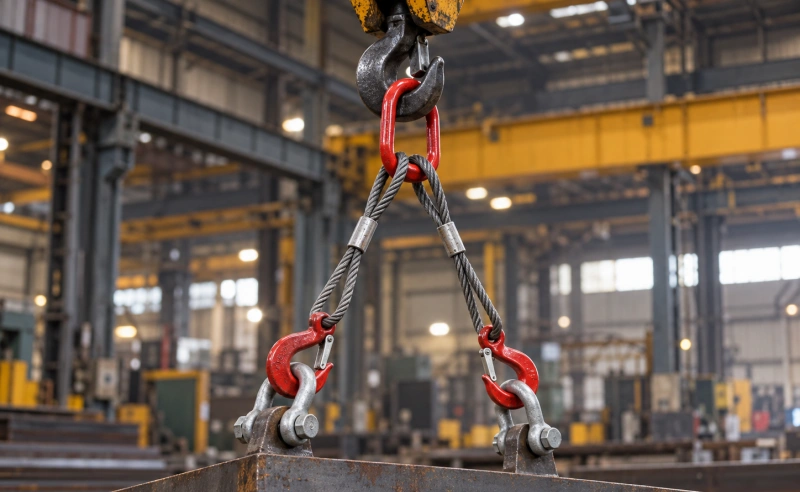
Consider a machine lifted with a chain hoist. The hoist provides vertical movement. A chain sling distributes the load among approved lifting points, and shackles or hooks make the connections. If the sling angle becomes shallower, force in the sling legs can increase even though the machine weight has not changed. If the lifting points are not arranged appropriately around the center of gravity, the machine can tilt as the load is taken.
The correct approach is to assess the complete arrangement rather than select each item in isolation. Confirm the load, lifting points, rigging configuration, component ratings, operating direction, available headroom, and surrounding hazards before the lift begins.
Examples in Industrial Lifting Operations
Installing a Machine
The hoist or crane provides the movement. Slings, shackles, and lifting points connect the machine to that device. The rigging arrangement must account for the center of gravity, lifting-point capacity, and the space required to orient the machine.
Lifting Structural Steel
A crane provides lifting and travel. Rigging equipment connects the structural member and controls its orientation. The lift plan may require specific sling positions, edge protection, tag lines, or a purpose-designed lifting beam based on the member geometry and site conditions.
Maintenance in Restricted Space
A manual hoist may provide controlled short travel where powered equipment is impractical. The rigging still must fit the available lifting points without crowding hooks, side-loading connectors, or creating an unsuitable line of pull.
Pulling and Positioning
A lever hoist or pulling device can apply force for alignment or positioning when approved for that use. The anchors, connectors, and line of pull form the rigging arrangement. Never assume that equipment intended only for pulling is designed or rated to suspend a load.
How to Match Rigging to Lifting Equipment?
Verify the Load
Confirm the weight, dimensions, center of gravity, and lifting points. Identify whether liquids, loose components, or articulated sections can shift. Do not select equipment from an estimated weight when reliable load data can be obtained.
Map the Complete Load Path
Trace the force from the crane, hoist, or winch through every hook, shackle, master link, sling leg, and lifting point. The arrangement must remain within the applicable rating and permitted loading direction of every component.
Check Capacity in the Planned Configuration
Compare the required load with current product data. For rigging, account for sling angle, hitch, leg loading, and connection geometry. For lifting equipment, account for the rated configuration, duty, travel, and operating limitations. The system cannot be assigned a capacity greater than its limiting component or configuration.
Confirm Physical Compatibility
A component can have adequate capacity and still be a poor fit. Check that hooks seat correctly, shackle pins bear as intended, master links have adequate internal dimensions, and the rigging can articulate without binding or unintended edge loading.
Review the Environment and Motion
Temperature, corrosion, chemicals, sharp edges, abrasion, and restricted clearance can affect rigging selection. Also check whether the load will rotate, travel horizontally, pass close to structures, or require precise positioning.
Specify the Required Documentation
Identify the applicable product standard, required markings, testing, traceability, and documentation before ordering or placing equipment into service. These requirements vary by product, project, and jurisdiction and should not be inferred from a general website statement.
Inspection and Responsibility
Rigging and lifting equipment both require inspection, but the inspection method, frequency, removal-from-service criteria, and recordkeeping requirements are not identical for every item. Slings, shackles, wire ropes, hoists, and cranes have different failure modes and governing requirements.
Before use, confirm identification and condition, check that connections are secure, and remove questionable equipment from service. For inspection stages, frequency, and equipment-specific checks, use the rigging equipment inspection guide together with the instructions and requirements that apply to the exact product.
FAQs
What Is the Main Difference Between Rigging and Lifting Equipment?
Rigging equipment connects, supports, and controls the load. Lifting equipment supplies or controls the force and motion that raise, lower, pull, or position it. Both are required for many industrial lifts, but they perform different functions.
Is a Sling Rigging Equipment or Lifting Equipment?
In this comparison, a sling is classified as rigging equipment because it forms part of the connection between the load and the lifting device. Terminology can vary among regulations, standards, and organizations, so follow the definitions that apply to the work and product.
Is a Hoist Rigging Equipment?
A complete hoist is generally treated as lifting equipment because it provides the mechanism that raises, lowers, or pulls the load. Its hook and load chain are parts of that lifting device and must match the hoist manufacturer’s specification for the exact model.
Can Rigging and Lifting Equipment Have the Same Capacity?
They may have compatible ratings, but matching numbers alone do not prove that the arrangement is suitable. Configuration, sling angles, loading direction, duty, fit, and environmental limits can change the permissible use.
What Comes First: Rigging or Lifting?
The operation should be planned as one system. Assess the load and lifting points, develop the rigging configuration, and select or confirm suitable lifting equipment. Do not move the load until the complete load path and lift plan have been verified.
Where Can I Review Lifting Equipment Options?
Browse the lifting equipment range for relevant product categories, then confirm the exact model, capacity, configuration, and documentation before selection.
Conclusion
Rigging equipment and lifting equipment are not competing terms. Rigging creates and controls the connection to the load; lifting equipment moves, positions, or holds the connected load. Safe operation depends on treating them as one load path while applying the correct limits to each component and device.
Start with verified load information, define the required attachment and movement, and then match compatible equipment using current product data. Keep detailed definitions and inspection questions on their dedicated pages so each decision is supported by the appropriate technical context.