
Master Links
Powerful Machinery master links connect chain slings and wire ropes for secure, heavy-duty rigging assemblies. Alloy steel construction handles tough loads. Get a quote for rigging hardware from Powerful Machinery today.

Our master links use premium alloy steel and meet strict industrial standards for lasting, reliable performance.
Master links handle heavy loads safely, ensuring secure lifting and rigging in all harsh conditions.
We provide master links in multiple sizes and types, tailored to fit your unique rigging and lifting needs.
Fast production, timely delivery, and expert support make ordering master links in bulk simple and worry-free.
Powerful Machinery- Your Trusted Master Links Manufacturer
We supply work provide dependable master links for industry leaders.





Master Links for Rigging Hardware & Lifting Hardware
Our master links support lifting and rigging operations across diverse applications. Our selection includes:

Oblong Master Link
Oblong master links are strong, closed-loop connectors used atop multi-leg chain or wire rope slings for safe, even load distribution.

Pear Shaped Master Link
Pear-shaped master links feature a narrow top and wide bottom, perfect for large hooks or multiple sling legs in safe and secure rigging.
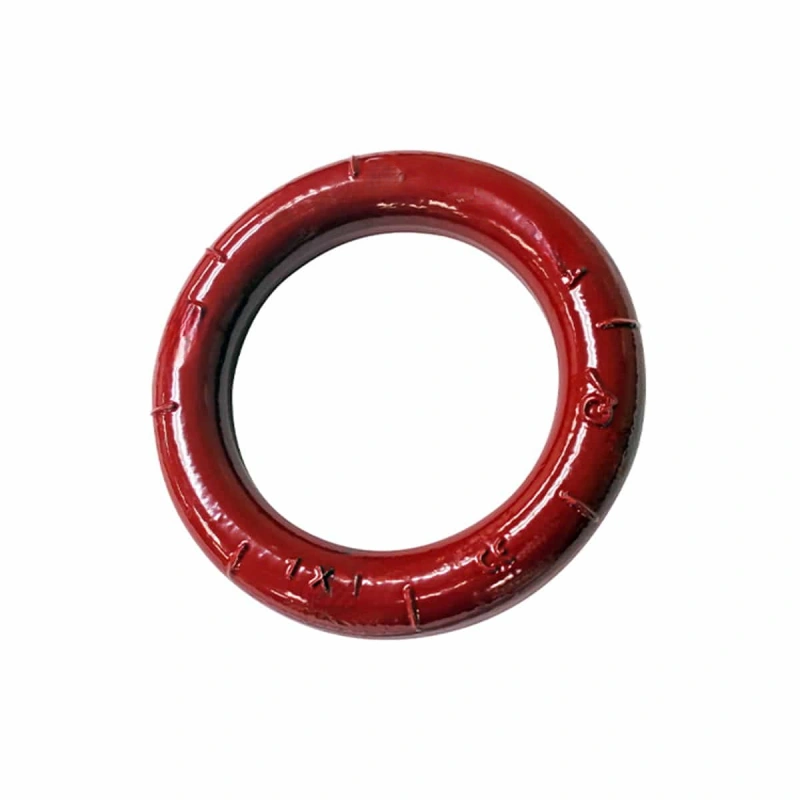
Master Ring
Master rings are circular, closed loops that provide strong, secure connection points for various lifting and rigging applications.

Master Link Assembly
Master link assemblies feature a large main link with attached sub-links, holding 3- or 4-leg slings securely and preventing crane hook crowding.

Coupling Link
Coupling links connect chain legs to master links or hooks, providing strong, secure connections for safe and reliable lifting and rigging.
NEED HELP WITH YOUR MASTER LINKS ORDER?
Let us help! Reach out today and get recommendations on materials and sizing from our experts.


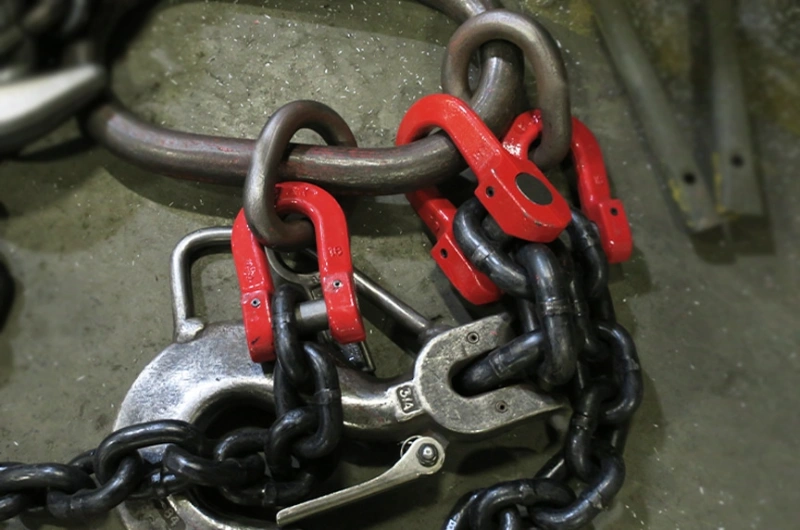
Guide to Master Links
Our Guide to master links helps you understand master link types, applications, and selection tips so you can choose safe, reliable rigging connections.
What is a master link?
A master link is a heavy-duty metal loop that connects multiple components in your rigging hardware, including chain slings, wire ropes, and hooks. You use it as the main anchor in lifting assemblies. It distributes weight evenly across sling legs, prevents overloading, and ensures safe, efficient lifts in construction, offshore, or industrial operations. Strong alloy steel construction guarantees reliability under harsh conditions.
Types of master links
You can choose master links designed for different rigging hardware setups. Each type serves a specific purpose and ensures safe, efficient lifting:
- Oblong Master Links: The most common type, featuring a straight, rectangular shape designed to connect multiple-leg sling assemblies to crane hooks.
- Pear-Shaped Master Links: Narrower at the top and wider at the bottom, ideal for fitting securely into smaller crane hooks while accommodating larger, thicker chain links at the bottom.
- Master Rings: Circular-shaped links used for connecting sling legs, often used when a specifically shaped link is not required.
- Master Link Sub-Assemblies: A large main master link with two smaller intermediate links attached. These are used for 3-leg or 4-leg chain slings to prevent overcrowding and improve load distribution.
- Coupling Links: Used to connect chain legs directly to a master link or to connect chain to hooks.
What size master link do I need?
Selecting the correct master link size is critical for safe and efficient rigging. Consider these factors when choosing:
Total Load: Calculate the combined weight of all sling legs to ensure the master link can handle the load.
Number of Sling Legs: More legs require a larger or specially designed link to maintain balance and prevent overloading.
Hook Dimensions: Match the link size to your crane or lifting hook to ensure a secure connection.
Manufacturer Specifications: Always check load charts, material specifications, and rated capacities for guidance.
Avoid Oversizing or Undersizing: A too-small link may bend or fail, while a too-large link can reduce rigging efficiency.
Master Link vs Quick Link
Choosing the right link for your rigging hardware is crucial for safety and efficiency. Consider the differences:
Master Links: Designed for heavy-duty, multi-leg lifting assemblies. Provide stability, proper crane hook integration, and handle extreme loads safely.
Quick Links: Intended for temporary or light connections. They are not rated for multi-leg slings and cannot replace master links in critical lifts.
Load Capacity: Master links carry higher loads with rated safety factors, while quick links are limited in strength.
Safety and Reliability: Using master links correctly prevents accidents and protects your equipment, ensuring secure and efficient lifting operations.
Master Link Inspection
Regular inspection of master links keeps your rigging hardware safe and ensures reliable lifting performance. Check these key points each time:
Cracks and Deformation: Examine the entire link for any visible cracks, bends, or distortions that could compromise strength.
Corrosion and Wear: Look for rust, pitting, or worn areas along the link that may reduce load capacity.
Dimensions: Measure internal dimensions to ensure compatibility with your slings and hooks.
Welds and Surface Finish: Inspect welds for defects and confirm the surface remains smooth without damage.
Load Markings: Verify the link’s rated capacity markings are legible and match your lifting requirements.
Immediate Replacement: Remove and replace any link showing damage to protect operators, equipment, and maintain safety compliance.
How to Maintain Master Links?
Proper maintenance keeps your rigging hardware reliable, extends link life, and ensures safe lifting. Follow these key practices:
Clean and Dry: Keep master links free from dirt, debris, and moisture to prevent corrosion.
Lubrication: Apply light lubrication to reduce wear and protect against rust.
Avoid Rough Surfaces: Do not drag links across concrete or abrasive materials that can damage the metal.
Proper Storage: Store links in temperature-controlled, dry areas to maintain integrity.
Documentation: Track inspections, usage history, and any issues to monitor link condition over time.
Routine Checks: Regular maintenance prevents downtime, extends service life, and ensures consistent lifting performance in industrial, offshore, or construction applications.
Master Link Capacity and Safety Factors
Understanding capacity and safety factors is essential to protect operators and your rigging hardware. Keep these points in mind:
Rated Capacity: Always check the manufacturer’s working load limit for each master link before use.
Total Load Calculation: Add the weight of all sling legs in your assembly to determine the required link capacity.
Safety Factors: Apply industry-standard safety factors, typically 4:1 or higher, to account for unexpected load variations.
Avoid Under-Capacity Links: Using a link below its rated capacity risks accidents, equipment damage, and operational downtime.
Regulatory Compliance: Correctly rated master links ensure compliance with lifting regulations and industry safety standards.
Protection and Reliability: Following capacity guidelines protects your rigging hardware and ensures consistent, safe lifting performance.
Custom Master Links for Unique Applications
Custom master links allow you to meet unique rigging hardware requirements when standard options are not sufficient. Consider these key points:
Tailored Dimensions: Specify exact sizes to fit unusual crane setups, tight spaces, or unique lifting configurations.
Load Ratings: Define the required capacity for safe and reliable operation under your specific loads.
Sub-Link Options: Customize the number of sub-links to accommodate 3- or 4-leg slings or specialized rigging setups.
Certifications: Request links with industry or offshore certifications, such as DNV, to meet regulatory and safety standards.
Reliable Performance: Custom links are manufactured with precise tolerances to perform consistently under heavy-duty lifting.
Enhanced Safety and Efficiency: Custom solutions optimize operations, reduce risks, and ensure your rigging hardware works exactly as needed.
Common Mistakes When Using Master Links
Avoiding errors with master links protects your rigging hardware, operators, and equipment. Follow these best practices:
Do Not Overload: Never exceed the rated capacity of your master links to prevent deformation or failure.
Avoid Twisting or Misalignment: Keep slings properly aligned; twisting reduces load distribution and compromises safety.
Use Compatible Slings Only: Connect only approved slings to master links to maintain strength and stability.
Never Modify Links: Do not weld, drill, or bend links, as modifications weaken the metal and void certifications.
Inspect Before Every Lift: Check for cracks, corrosion, deformation, and wear to ensure safe operation.
Follow Manufacturer Guidelines: Adhere to recommended usage, maintenance, and safety standards for reliable performance.
Prioritize Safety and Efficiency: Correct usage and best practices prevent accidents, extend hardware life, and ensure every lift completes safely.
Have More Questions of Master Links?
Have more questions about master links? Our team provides expert guidance on selection, inspection, and safe use. Contact us today for advice and quotes to keep your rigging hardware reliable and efficient.